
Unlocking the Power of the ‘Holy Fruit’: Your Guide to Sea Buckthorn Oil
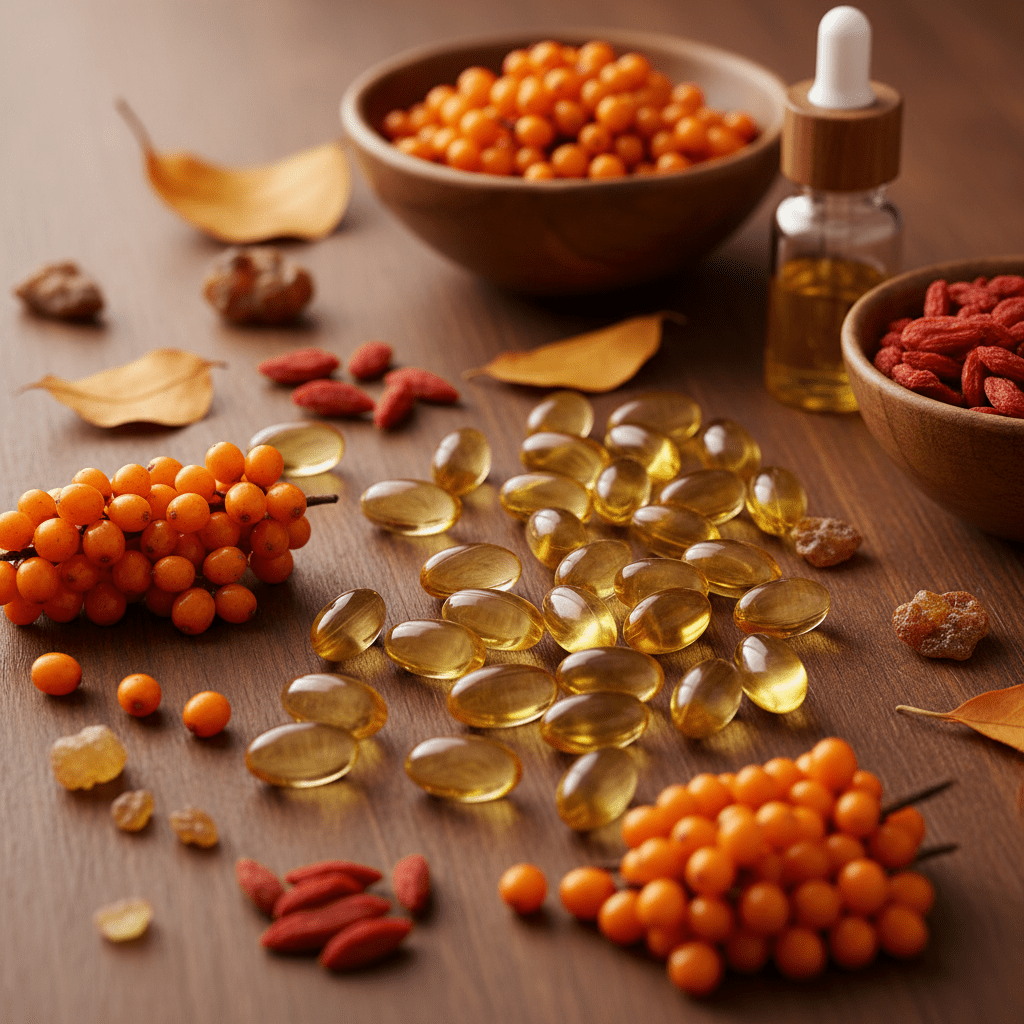
Ever heard of a little orange berry that shows up in skin creams, wellness shelves, and even heart-health chats? Sea buckthorn is having a real moment right now. People are looking at sea buckthorn oil supplement options for glowing skin, gut comfort, and general health support, and honestly, I get why.
It’s not just hype. The sea buckthorn oil market is growing fast, with more people asking about sea buckthorn oil benefits, omega 7 supplement options, and the best sea buckthorn oil for daily use. But here’s the part that trips most people up: how to take sea buckthorn oil the right way, and how much to use.
That’s what this guide is for. We’ll walk through sea buckthorn oil dosage, the difference between sea buckthorn berry oil vs seed oil, how to read a label, and what to watch for with sea buckthorn oil side effects. Simple. Clear. No weird guesswork.
And if you’re looking at sea buckthorn oil for skin, capsules, or a liquid softgel, we’ll help you figure out what fits best. For a wider look at oil quality and sourcing, brands like Aroma Monk also show how much care goes into pure, lab-tested natural oils for wellness and personal care.
So let’s make this easy. By the end, you’ll know how to choose, dose, and use a sea buckthorn oil supplement with a lot more confidence.
What Exactly is Sea Buckthorn Oil? A Nutrient-Dense Superfood
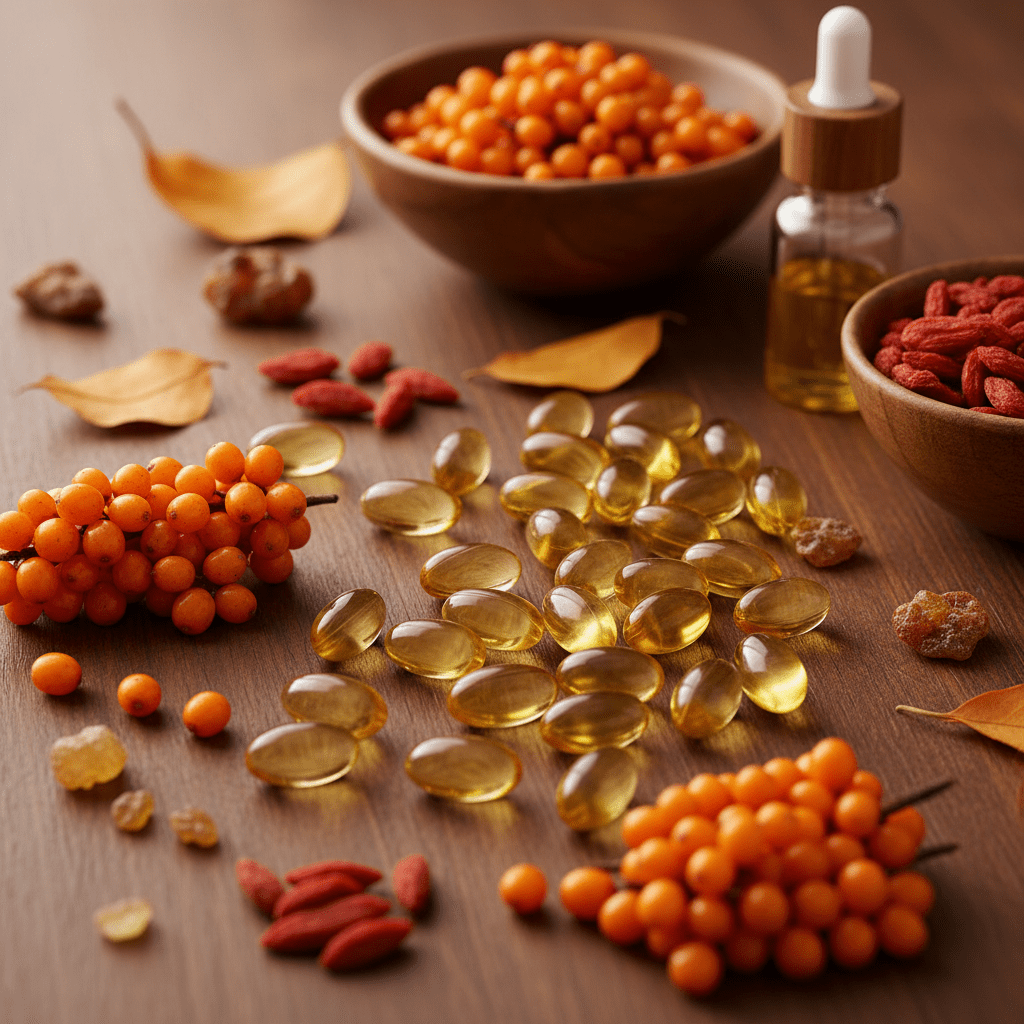
If you saw this bright orange berry in a small bowl, you might think it was just another pretty fruit. But sea buckthorn has been around for ages, and people have used it in old healing systems for a long time. It grows on the Hippophae rhamnoides plant, mostly in parts of Europe and Asia, and it got a strong reputation in Traditional Chinese Medicine and Ayurvedic medicine for skin care, wound support, and stomach comfort.
Here’s the fun part. Sea buckthorn oil is kind of a rare bird in the plant world. It has a mix of omega 3, 6, 9, and the harder-to-find omega-7, which is also called palmitoleic acid. That mix is a big reason the sea buckthorn oil supplement gets so much attention from people looking at skin health and daily wellness.
And the nutrient list doesn’t stop there.
Sea buckthorn oil also has lots of antioxidants, including vitamin C, vitamin E, carotenoids, and flavonoids. Those compounds are one reason people talk about sea buckthorn oil benefits for skin glow, moisture, and overall protection from everyday stress. In plain English, it gives your body a lot of helpful plant compounds in one little package.
Why do people call it a superfood?
Because it packs a lot into a small fruit. The berry pulp oil is the one most often linked with omega-7, while the seed oil has more omega-3 and omega-6. That difference matters later when we talk about sea buckthorn berry oil vs seed oil, since the two oils do not work the same way.
A quality sea buckthorn oil supplement usually keeps these natural compounds in a form your body can use. So if you’re comparing sea buckthorn oil capsules or liquid oils, look for the one that matches your goal. Skin support? Omega-7 matters. General fatty acid support? The seed oil side may be part of the mix.
Sea buckthorn isn’t magic. But it does have a pretty unusual nutrient profile, and that’s what keeps people coming back to it.
For brands that care about clean sourcing and lab-tested plant ingredients, this is the same kind of quality thinking Aroma Monk brings to its natural oils and wellness products. Clean, traceable, and made with care. That’s the bar people are looking for now.

Berry Oil vs. Seed Oil: Choosing the Right Sea Buckthorn Supplement for Your Goals
You know what trips people up fast? Seeing two sea buckthorn products that look almost the same, then finding out they’re not the same at all. One is berry oil, also called fruit or pulp oil. The other is seed oil. Same plant. Different jobs.
Berry oil is the one people usually mean when they talk about skin support and an omega 7 supplement. It’s rich in palmitoleic acid, which is the omega-7 fatty acid that sea buckthorn is best known for. That’s why sea buckthorn oil for skin, dry eyes, and mucus membrane support gets linked to berry oil so often. People also look at it for vaginal dryness and gut lining comfort. It’s the more “inner moisture” pick, if that makes sense.
Seed oil plays a different role. It has a more even mix of omega-3 and omega-6 fatty acids, with very little omega-7. So if someone is looking at general fatty acid support, heart health, or brain support, seed oil is often the one they’ll see in formulas. Not always, but often.
Here’s the quick way to think about it:
| Type of sea buckthorn oil | Main fatty acids | Common reason people choose it |
|---|---|---|
| Berry / pulp oil | Omega-7, plus some omega-9 | Skin, eyes, mucous membranes, dryness support |
| Seed oil | Omega-3 and omega-6 | Heart, cholesterol, and cognitive support |
And if you’re comparing sea buckthorn berry oil vs seed oil on a label, the plant part should be clear. If it’s not, that’s a small red flag. Good brands usually say exactly what you’re getting, because mixing them without telling you is just messy.
The best sea buckthorn oil for your goals depends on what you want most. If your main goal is skin comfort or a sea buckthorn oil supplement for dryness, berry oil is usually the first place to look. If you want a more balanced essential fat profile, seed oil may fit better. Some products blend both, which can be handy if you want a little of each.
A quick note for buyers too, especially if you’re sourcing for a brand or clinic: clean labels matter. Aroma Monk works the same way with its lab-tested natural oils and bulk supply, where purity, traceability, and clear sourcing help take the guesswork out of product selection.
So yeah, same fruit. Different oils. Different results. And once you know that, choosing sea buckthorn oil capsules or liquid softgels gets a whole lot easier.
How to Take Sea Buckthorn Oil: Dosage, Timing, and Best Practices
You know that moment when you buy a supplement, then stare at the bottle like it’s about to give you a secret??? Yeah, sea buckthorn oil can feel a little like that at first. How much do you take? Morning or night? With food or not? Let’s keep it simple.
For most adults, a common sea buckthorn oil dosage is 500 mg to 2,000 mg a day. That’s the general range you’ll see for a sea buckthorn oil supplement, with many people starting low and seeing how their body feels. If you’re just trying it for everyday wellness, the lower end is a smart place to begin. If you’re looking at sea buckthorn oil for skin, dryness, or eye comfort, some studies used about 2,000 mg per day, and a few skin studies went higher.
Here’s a quick look:
| Goal | Common sea buckthorn oil dosage | Notes |
|---|---|---|
| General wellness | 500 mg to 1,000 mg daily | Good starter range |
| Skin support | 1,000 mg to 2,000 mg daily | Often used in softgel studies |
| Dryness support | Around 2,000 mg daily | Used in some eye and skin trials |
| More focused use | Up to 5,000 mg daily in older studies | Best with medical guidance |
But don’t just grab the biggest number and call it a day. Bigger isn’t always better. Your body usually likes a slow start, especially if you’re new to omega 7 supplement products.
Get a quote from Aroma Monk.
Essential Oil Supplier – Bulk pricing • Samples • Fast response
What about timing?
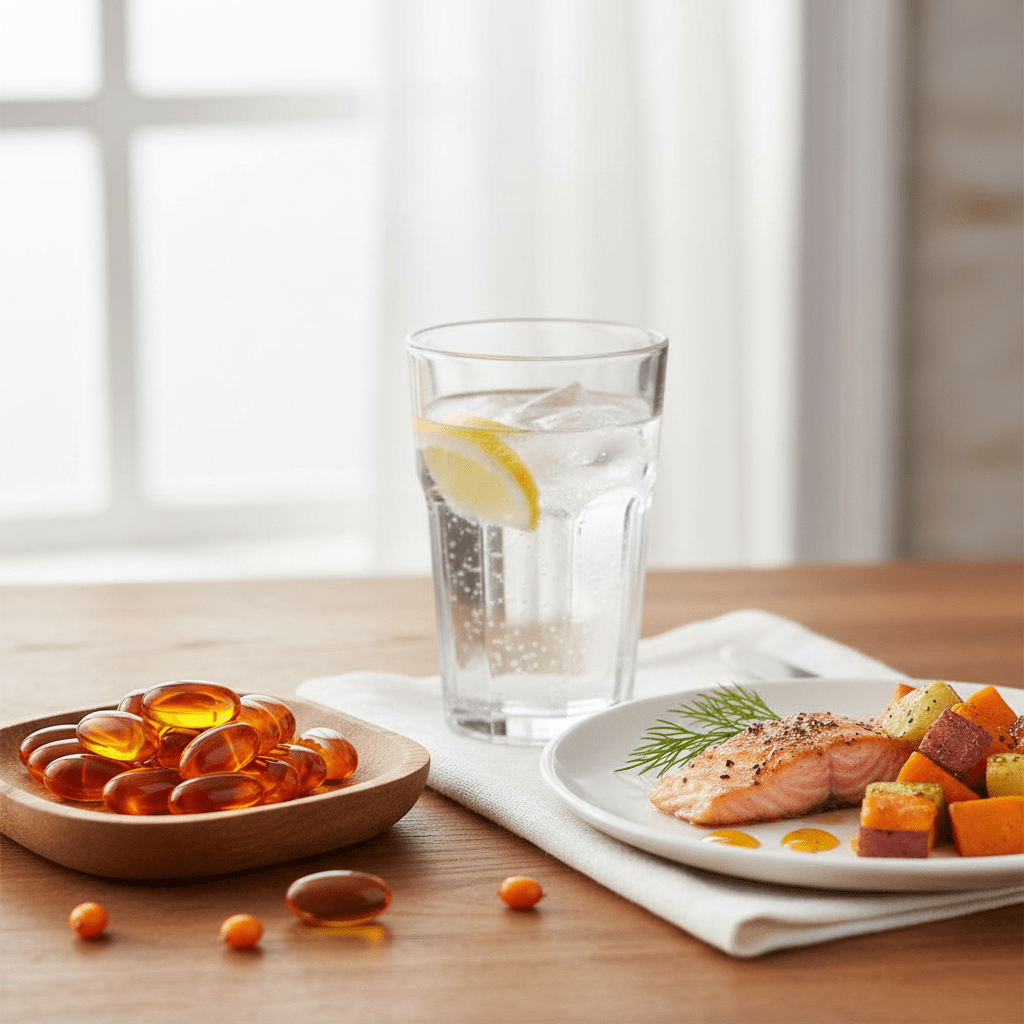
Take sea buckthorn oil with food. That’s the easiest rule to remember. A meal with some fat can help your body absorb the oil better, and it may also help cut down on stomach upset. Breakfast works. Lunch works. Dinner works too. I’d just avoid taking it on an empty stomach if you tend to get queasy.
Some people split the dose, like half in the morning and half at night. That can be handy if your bottle gives a bigger daily amount, but there’s no one perfect schedule for everyone. Honestly, the best time is the time you’ll actually remember.
Capsules, liquid, or topical use?
Sea buckthorn oil capsules are the easiest for most people. Pop one with a meal and move on with your day. Liquid sea buckthorn oil can also be mixed into a drink or smoothie, but check the taste first. It can be a little earthy. Not awful, just… distinct.
And here’s something people forget: internal and topical use are different.
- Internal use: Capsules or liquid are taken by mouth for general wellness, skin support, or dryness support.
- Topical use: Some people put sea buckthorn oil on the skin for dry spots or barrier support.
For skin use, a tiny amount goes a long way. You don’t need to drench your face in it like a salad. Start with 1 to 2 drops mixed into a cream or carrier oil, then see how your skin reacts.
A few best practices that actually help
- Start low and wait 1 to 2 weeks.
- Take it with a meal.
- Read the label for berry oil vs seed oil.
- Check the extraction method too. CO2-extracted oils usually keep more of the good stuff.
- Use the same dose for a few weeks before judging it.
Sea buckthorn oil side effects are usually mild, but a few people report upset stomach, headache, or dizziness. If you’re on blood thinners, blood pressure meds, or diabetes meds, talk with a clinician first. And if you’re pregnant or breastfeeding, it’s better to get medical advice before starting a sea buckthorn oil supplement.
If you’re shopping for the best sea buckthorn oil, look for clear labeling, third-party testing, and a short ingredient list. That same kind of quality-first thinking is what brands like Aroma Monk bring to their natural oils and wellness products too, which matters a lot when purity and sourcing are part of the plan.
So, simple version? Start small. Take it with food. Give it time. And pick the form that fits your day, not just the one with the prettiest bottle.
Selecting a High-Quality Sea Buckthorn Oil Supplement: A Buyer’s Guide
Ever bought a supplement that looked great online, then turned the bottle around and thought, huh… what am I even looking at? Sea buckthorn oil can feel like that. The good news is, once you know the main checkpoints, it gets much easier.
Start with the extraction method. This is a big one. CO2 extraction is usually the gold standard because it pulls the oil at low heat and without harsh solvents, so more of the delicate plant compounds stay in place. That means better protection for things like omega-7, carotenoids, and vitamin E. Cold-pressed oil can also be a decent pick, but solvent-extracted oils may lose more of the good stuff during processing.
What should the label tell you?
A solid sea buckthorn oil supplement label should answer a few basic questions right away:
- Is it berry oil, seed oil, or a blend?
- Where were the berries grown? Look for places like the Himalayas or Tibet if the brand shares origin details.
- Does it list fillers or extra oils? Shorter is usually better.
- Is it standardized? That helps you know how much omega-7 or other key compounds are inside.
- Does it mention third-party testing, GMP, USP, NSF, or ConsumerLab checks?
If the label is vague, that’s a little messy. And honestly, you don’t need that headache.
| What to look for | Why it helps |
|---|---|
| CO2-extracted oil | Better nutrient retention |
| Clear plant part listed | Tells you if it’s berry, seed, or both |
| No fillers | Cleaner formula |
| Third-party testing | Extra trust in purity |
| Batch number and expiration date | Better traceability |
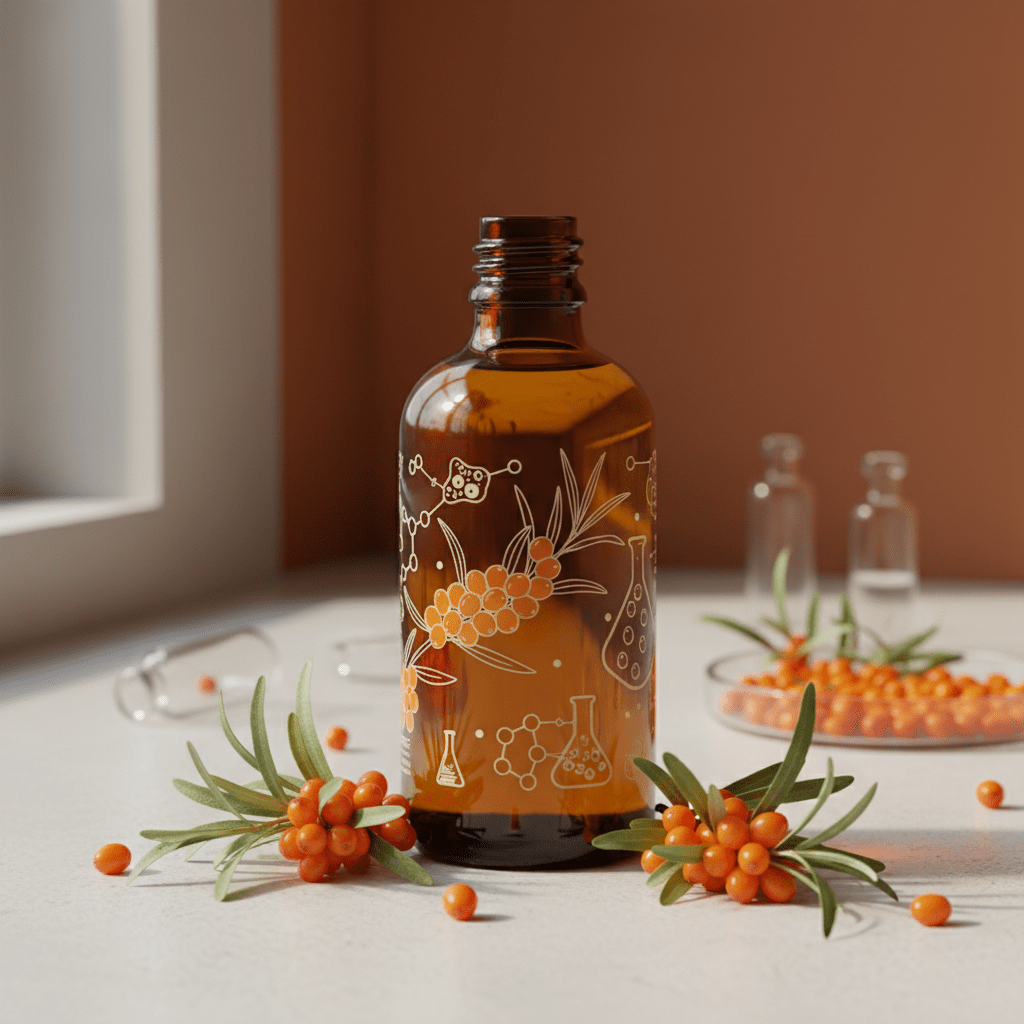
Packaging matters too. Dark glass bottles are better than clear plastic because light and air can speed up oxidation. That can weaken the oil over time. A dark bottle helps protect the color, smell, and potency, especially if the product sits on a shelf for a while.
Also, this is where clean sourcing really shows up. Brands that care about traceability, lab testing, and simple ingredient lists usually make better supplements, just like Aroma Monk does with its 100% pure, lab-tested natural oils and bulk supply work for wellness and personal care brands.
A quick final check? If you’re shopping for the best sea buckthorn oil, pick the one that tells you exactly what it is, how it was made, and how it was packed. No guesswork. No mystery bottle. Just a supplement you can actually feel good about choosing.
Potential Side Effects and Safety Considerations
Most people handle sea buckthorn oil just fine. That’s the good news. It’s usually well-tolerated, especially when you start with a small sea buckthorn oil dosage and take it with food. But like any sea buckthorn oil supplement, it can still cause a few hiccups for some folks.
The most common sea buckthorn oil side effects are pretty mild. Think upset stomach, loose stool, headache, dizziness, or a strange aftertaste. Some people also notice skin allergy or a bit of swelling. Nothing wild. But if your body tends to be picky, go slow.
Here’s where you want to pay closer attention. Sea buckthorn may affect blood clotting, so people taking blood-thinning medicine, like Warfarin, should talk with a doctor first. It may also have mild anti-platelet effects and vitamin K content, which could raise bleeding risk. Bruising easier than usual? That’s a clue to stop and ask a clinician.
A few other groups should use extra care:
- Pregnant or breastfeeding women should check with a doctor before using sea buckthorn oil capsules or liquid oil.
- People with low blood pressure may want to monitor closely, since sea buckthorn can sometimes lower pressure.
- Anyone with diabetes medicine should get medical advice first, because it may affect blood sugar too.
- People with surgery coming up should stop it ahead of time and ask their surgeon how long before the procedure to pause.
If you’ve got a history of allergies, start even slower. And if you notice rash, palpitations, or bleeding that seems off, stop taking it. Simple as that.
A smart move is to try one low dose for a week or two, then watch how you feel. That works better than taking a big amount on day one and hoping for the best. Not exactly a fun experiment.
If you’re shopping for the best sea buckthorn oil, pick one with clear labels, clean sourcing, and third-party testing. That same care shows up in Aroma Monk’s lab-tested natural oils and bulk supply work for wellness and personal care brands, where purity and traceability matter just as much as the ingredient itself.
Integrating Sea Buckthorn Oil Into Your Wellness Routine
So here’s the simple version: berry oil and seed oil do different jobs, quality matters a lot, and a low starting dose is usually the smartest move. If your goal is sea buckthorn oil for skin, go with the berry or pulp oil more often than not, since that’s the omega 7 supplement people usually want. If you want a broader fatty acid mix, seed oil can fit better.
The nice part? You don’t need to guess your way through it. Start with the lowest label dose, often 500 mg to 1,000 mg a day, then take it with food and watch how you feel over a few weeks. That lines up with how people use sea buckthorn oil capsules in real life, and it gives your body time to adjust.
And the bigger picture is pretty clear. Sea buckthorn oil benefits often get talked about for skin comfort, moisture support, and everyday wellness. Some people also use it with hopes of helping dryness or general balance. Not magic. Just a helpful plant oil with a lot going on.
If you’re ready to try a sea buckthorn oil supplement, pick one that’s clearly labeled, well tested, and made for your goal. That way, you’re not just buying a bottle. You’re making a choice that actually fits your day.
Get a quote from Aroma Monk.
Essential Oil Supplier – Bulk pricing • Samples • Fast response