
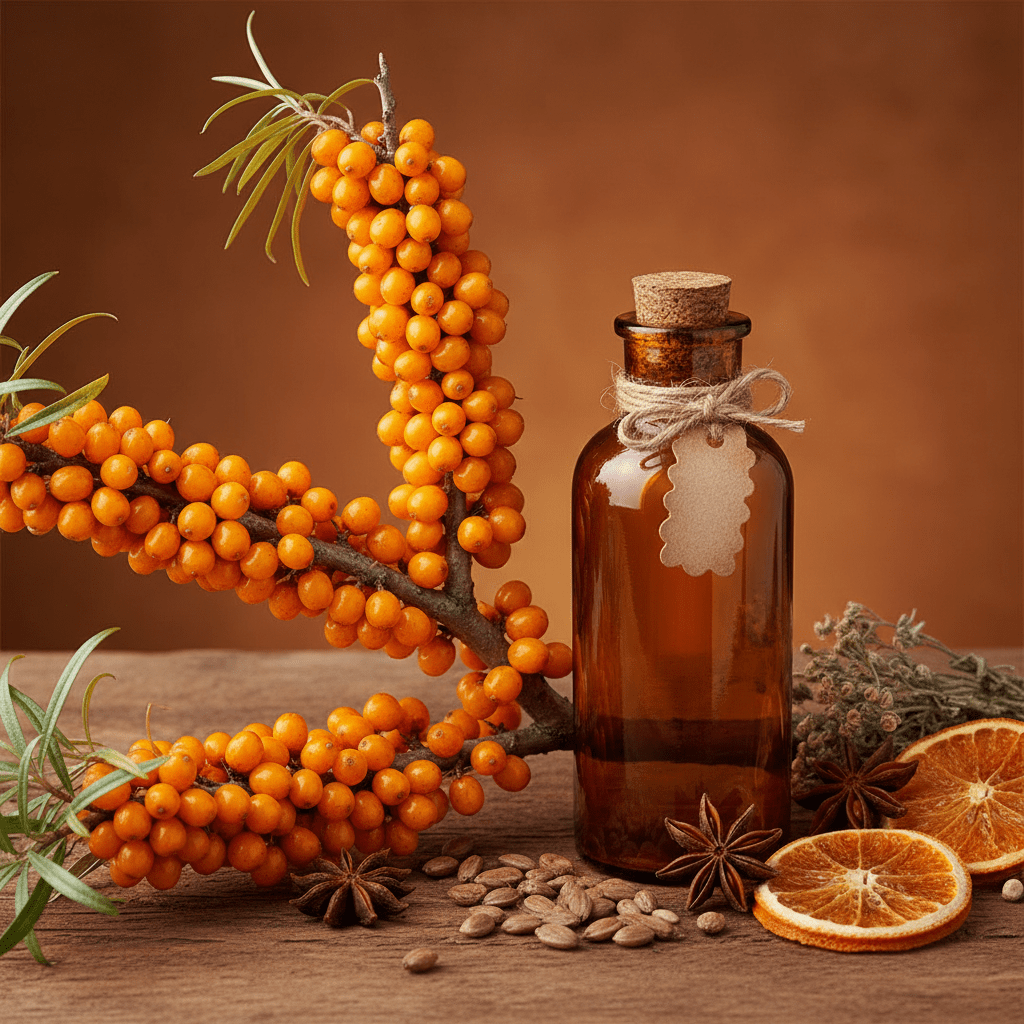
Introduction: The Ancient Berry Answering a Modern Need for Health
Ever notice how more people are reaching for plant-based swaps these days? Skin serums. Daily supplements. Even kitchen oils with a backstory. It makes sense. We want things that feel a little closer to nature, but still fit real life.
Sea buckthorn oil is one of those ingredients getting fresh attention. People call it a golden elixir, and honestly, that fits pretty well. It comes from a tough little berry that has been used for a long time in Himalayan, Tibetan, Russian, and Chinese folk medicine. Not magic. Just a plant with a long memory.
And the timing is interesting. The natural skincare market was valued at about $22.8 billion in 2025 and is expected to keep growing fast, so more buyers are looking at natural antioxidant sources instead of harsh-feeling formulas. Sea buckthorn oil benefits stand out because this oil brings together strong antioxidant properties, skin support, and a few nutrients most oils don’t offer in the same package.
So what is sea buckthorn oil really doing? That’s what we’re here to unpack. In this article, we’ll look at sea buckthorn vitamins, the antioxidant profile, how it may help with sea buckthorn oil for skin and sea buckthorn oil for inflammation, and how to use sea buckthorn oil in a smart way for everyday wellness. Plus, we’ll keep it plain and useful. No fluff. Just the good stuff.
What is Sea Buckthorn Oil? A Tale of Two Oils
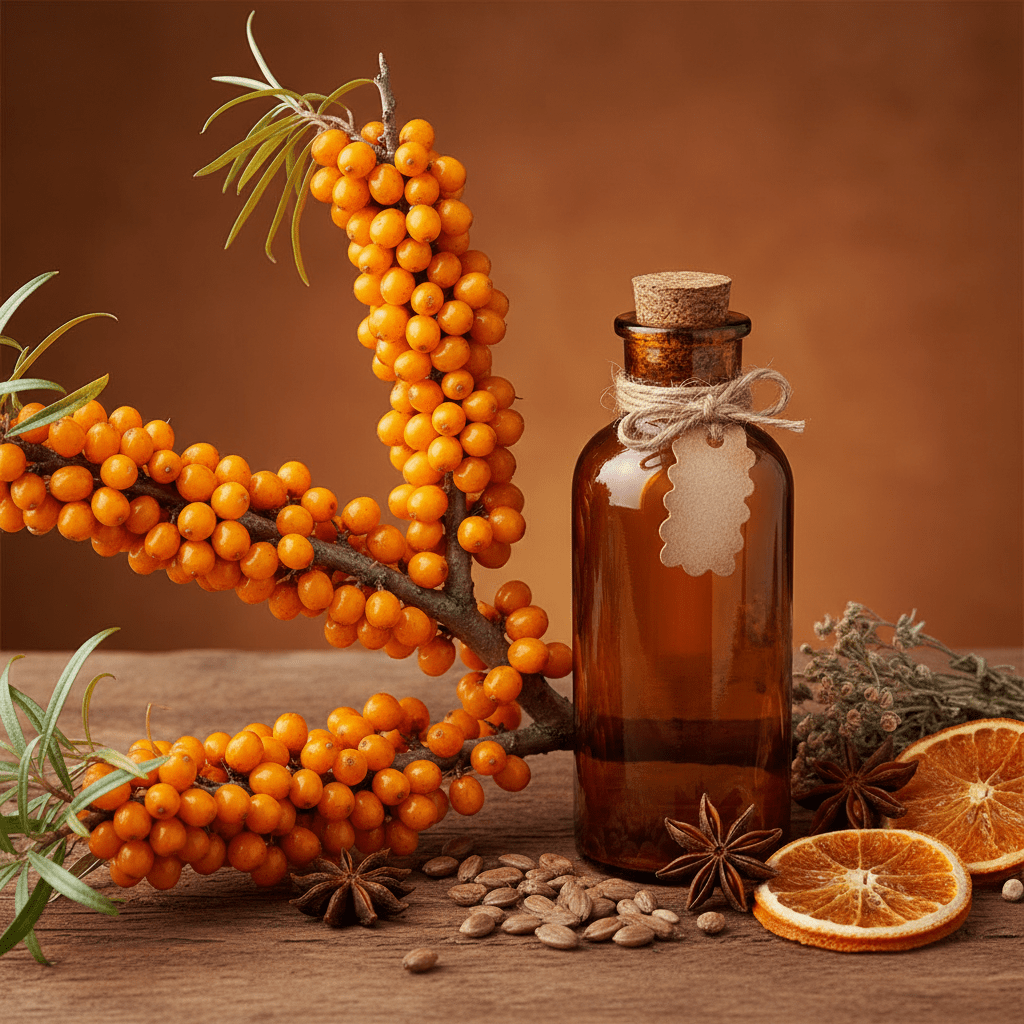
A scrubby plant surviving brutal wind, thin soil, and icy cold? That’s sea buckthorn, or Hippophae rhamnoides. Pretty tough little plant. It grows in harsh places across the Himalayan, Tibetan, Russian, and Chinese regions, where a lot of plants just give up.
That grit is part of why sea buckthorn oil has earned so much attention. People have used the berry for a long time in traditional medicine, and now it’s showing up in skin care shelves, wellness blends, and supplement aisles too. Not because it sounds trendy. Because it’s packed with a lot of useful stuff.
Here’s the thing though: sea buckthorn oil is not just one oil. It usually comes in two main forms.
| Type | Main Nutrients | What It’s Known For |
|---|---|---|
| Seed oil | Omega-3 and omega-6 fatty acids | Skin barrier support and fatty acid balance |
| Berry or pulp oil | Omega-7, carotenoids, and pigments | Bright color, skin support, and antioxidant power |
The seed oil is rich in alpha-linolenic acid and linoleic acid. The berry oil, on the other hand, is where you get that deep orange-red tone, plus rare omega-7 and lots of carotenoids. That mix is a big reason sea buckthorn oil benefits stand out from other natural antioxidant sources.
And it doesn’t stop there. Sea buckthorn oil also brings vitamins A, C, E, and K, plus minerals and rare fatty acids you don’t find in many plant oils. So when people ask what is sea buckthorn oil, the short answer is this: it’s a nutrient-heavy oil with a pretty unusual profile, and that’s exactly why it keeps popping up in talks about sea buckthorn oil for skin, sea buckthorn for anti-aging, and sea buckthorn oil for inflammation. We’ll get into the antioxidant side next.
The Science of Oxidative Stress and the Role of Antioxidants
You know that chalky, tired feeling a metal tool gets after sitting out in the rain? Cells can go through a version of that too. People call it oxidative stress, and it happens when free radicals start running loose in the body.
Free radicals are unstable little troublemakers. They form from things like UV rays, smoke, air pollution, and even some processed fats. Your body makes some of them on its own, but too many can start harming lipids, proteins, and DNA. That’s the cellular rust part. Not a perfect phrase, but it gets the job done.
Antioxidants step in like tiny shields. They give free radicals an electron, which calms them down and helps stop the damage from spreading. One reacts. Then another. And another. Unless antioxidants break the chain, it can keep rolling.
That’s where sea buckthorn oil benefits start making more sense. The antioxidant properties of sea buckthorn oil come from a mix of different compounds, not just one star ingredient.
Here are the main groups we’ll talk about later:
- Vitamins like A, C, E, and K
- Carotenoids like beta-carotene and lycopene
- Flavonoids like quercetin and myricetin
- Polyphenols that help support the body’s defense system
Sea buckthorn oil for skin gets a lot of attention because skin takes a beating from sun, pollution, and daily stress. And sea buckthorn for anti-aging fits into that same idea. Less oxidative stress often means less wear and tear showing up as dryness, dullness, or fine lines.
Actually, wait, there’s a better way to say it. The oil doesn’t stop time. But it may help the skin handle the mess a little better.
So when people ask what is sea buckthorn oil, the short answer is this: it’s a nutrient-rich plant oil with a strong antioxidant mix, and that mix is a big part of why it keeps showing up in wellness and skincare talks. Next, we’ll look at which sea buckthorn vitamins and compounds do the heavy lifting.
Sea Buckthorn Oil’s Antioxidant Arsenal: A Scientific Breakdown
You know what’s wild? A tiny berry from cold, rough land can pack a bigger antioxidant punch than a lot of oils people buy for beauty and wellness. That’s sea buckthorn oil for you. Small fruit. Big job.
The real standout here is vitamin E. Sea buckthorn oil contains a strong mix of tocopherols and tocotrienols, which help guard cell membranes from damage. Think of them like tiny bodyguards for your cells. They help slow the kind of wear that shows up when free radicals start poking holes in healthy tissue.
And then there are the carotenoids. Lots of them. Beta-carotene gets most of the attention because the body can turn it into vitamin A, but sea buckthorn also brings zeaxanthin and lycopene to the party. In fact, pulp oil can hold around 1,800 to 2,400 micrograms of total carotenoids per gram, which is a pretty hefty amount compared with many common plant oils. That deep orange-red color? It’s not just pretty. It’s a clue.
Here’s a quick look at what’s inside:
| Compound group | What it does | Why people care |
|---|---|---|
| Vitamin E | Protects cell membranes | Helps skin and body handle oxidative stress |
| Beta-carotene | Turns into vitamin A | Supports skin, eyes, and immune health |
| Zeaxanthin | Antioxidant pigment | Helps protect tissues from stress |
| Lycopene | Plant pigment antioxidant | Adds more free-radical defense |
| Vitamin C | Water-based antioxidant | Works well with vitamin E |
| Flavonoids | Plant protective compounds | Support the body’s defense system |
Fresh berries and juice bring vitamin C into the mix, too. That matters because vitamin C works alongside vitamin E instead of doing the whole job alone. Plus, sea buckthorn flavonoids like quercetin and kaempferol add more backup. Good team. No drama.
This is why sea buckthorn oil benefits keep coming up in talks about natural antioxidant sources and sea buckthorn vitamins. The oil isn’t just one note. It’s a layered blend that gives the skin and body more than one way to push back on stress.
And if you’re looking at sea buckthorn oil for skin or sea buckthorn for anti-aging, this mix helps explain why. UV light, smoke, pollution, and even everyday city air can wear down collagen and elastin over time. Sea buckthorn oil won’t stop life from happening, but it may help the body handle that load a bit better.
There’s also a nice side effect for brands and buyers. If you’re sourcing oils for skincare or wellness products, a pure, lab-tested sea buckthorn ingredient can fit right beside rose water, carrier oils, and essential oils in a cleaner product line. That’s the kind of ingredient that makes people look twice.
And when you’re ready to build with it, how to use sea buckthorn oil matters just as much as what’s in it. More on that next.
Get a quote from Aroma Monk.
Essential Oil Supplier – Bulk pricing • Samples • Fast response
Benefit 1: Revitalizing Skin and Combating Premature Aging
You know that moment when your skin looks tired even after a full night of sleep? Annoying. And honestly, a little rude. That is where sea buckthorn oil gets interesting.
A lot of the buzz around sea buckthorn oil benefits comes from how it helps the skin deal with daily damage. Sunlight, city air, smoke, and even stress can spark free radicals. Those little troublemakers can break down collagen and elastin, which can leave skin looking drier, rougher, and older than it should.
Sea buckthorn oil for skin works in two main ways. First, its antioxidants help calm UV-made free radicals before they can do more damage. That matters because photoaging is one of the biggest reasons for wrinkles and dark spots. Second, its fatty acids and sea buckthorn vitamins support the skin barrier, which helps skin hold on to moisture and stay softer.
Here’s the simple version: less damage, better repair, happier skin.
Sea buckthorn for anti-aging is also about texture. When skin gets enough support, it can look a bit smoother and more elastic. The oil’s mix of carotenoids, tocopherols, and plant compounds may help the skin handle repair work better, which is why it keeps showing up in creams, serums, and face oils.
And then there’s inflammation. This part matters more than people think. The antioxidant properties of sea buckthorn oil may help calm redness and irritation, which is why some folks look at it for rosacea, eczema, and acne-prone skin. It won’t fix every skin issue, of course. But for skin that feels hot, blotchy, or overworked, that soothing side can be a real plus.
A clinical trial on oral sea buckthorn oil even reported improvements in skin moisture, brightness, elasticity, and redness, which gives the idea some real weight clinical sea buckthorn skin trial. That lines up pretty well with what many people want from a natural antioxidant source.
If you’re shopping for products, look for clear labels that tell you whether you’re getting seed oil, pulp oil, or a blend. And if you’re a brand buyer, pure and lab-tested oils can fit nicely into skincare lines alongside rose water, carrier oils, and essential oils. Simple ingredients. Clean feel. People notice.
So yes, sea buckthorn oil benefits for skin are a big deal. Not magic. Just a plant oil with a smart mix of compounds that may help skin look calmer, stronger, and a little more awake.
Benefit 2: Bolstering Internal Health from a Cellular Level
You can’t always see it, but your body feels it. A long day in traffic, too much screen time, city air, poor sleep. It adds up. And sea buckthorn oil benefits go way beyond skin care, because this berry oil may help the body at a deeper level too.
One of the biggest reasons people talk about sea buckthorn oil for inflammation is its flavonoids. These plant compounds help protect cells from oxidized LDL, which is the kind of cholesterol that can cause trouble in the arteries. That matters for heart health, since oxidized LDL is one of those sneaky things people don’t think about until it becomes a bigger issue. Sea buckthorn oil’s antioxidant properties also bring support from carotenoids, tocopherols, and sea buckthorn vitamins like C and E, so the body gets a wider net of protection, not just one helper doing all the work.
And there’s a nice bonus here. Research on sea buckthorn flavonoids shows they may help calm inflammatory signals in the body, which can support a more balanced immune response. Not a magic fix. Just a plant food that helps the body stay steadier under pressure. That’s one reason sea buckthorn oil keeps showing up with other natural antioxidant sources in wellness talks.
Here’s a quick look at what people usually care about:
| Area | Possible support from sea buckthorn oil |
|---|---|
| Heart health | Helps protect LDL from oxidation |
| Immune balance | May support a calmer inflammatory response |
| Cellular defense | Adds antioxidant backup against free radical damage |
| Mucous membranes | Traditional use for gut and respiratory comfort |
There’s also long-standing traditional use for protecting mucous membranes, like the lining of the gut and respiratory tract. That’s a fancy way of saying it may help the body defend soft, delicate surfaces that deal with a lot every day. In plain terms, it fits into the same bigger picture as sea buckthorn oil for skin and sea buckthorn for anti-aging. When the body’s surfaces are better supported, everything tends to run a bit smoother.
I like that sea buckthorn oil has this dual life. It can sit in a skincare bottle, sure, but it can also be part of a fuller wellness routine. If you’re wondering how to use sea buckthorn oil, that really depends on your goal. Topical use is popular for skin. Oral supplements are often chosen for inner support. Either way, quality matters a lot, especially for brands looking to source pure oils for cosmetics or wellness blends. Aroma Monk’s lab-tested oils, rose water, and carrier oils fit nicely into that kind of clean, trusted product line.
So yes, the internal side of sea buckthorn oil benefits is worth a look. It’s one more reason this tiny berry keeps getting so much attention. Little fruit. Big reach.
How to Choose and Use Sea Buckthorn Oil for Maximum Antioxidant Impact
You know what trips people up most? The bottle. Not the berry. The bottle.
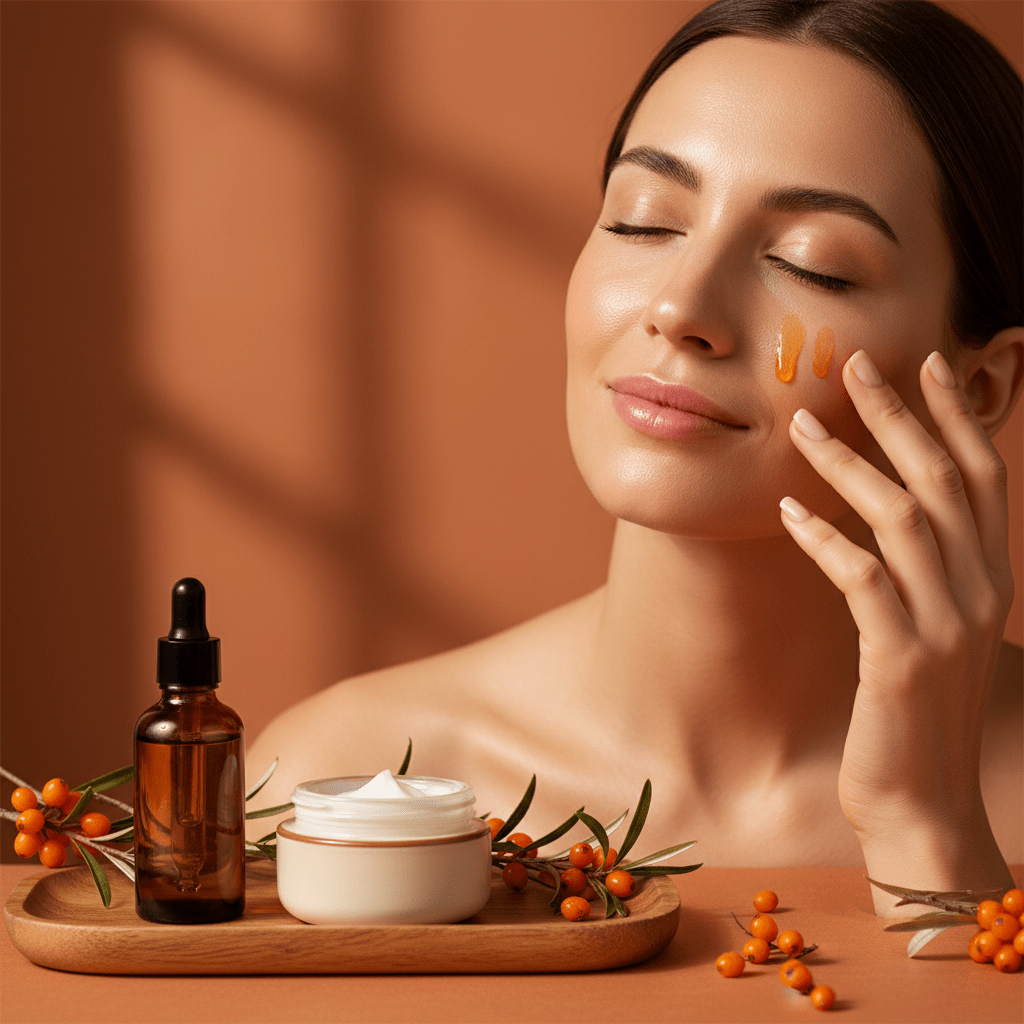
Sea buckthorn oil is bright orange, and that color is a clue. It usually means the oil has lots of carotenoids, which is one reason the sea buckthorn oil benefits get so much attention in skin care and wellness. A good bottle should list the source clearly. Look for seed oil, pulp oil, or a blend. If you want the strongest antioxidant profile, CO2 Supercritical Extraction is a smart sign to see on the label, since it helps protect those delicate compounds during processing.
A few things make a big difference:
- Organic when you can get it
- Amber glass bottles to help block light
- No fillers or weird extras
- A fresh bottling date, if listed
And yes, the color can stain. That’s not a flaw. It’s just a very orange oil doing orange-oil things. For sea buckthorn oil for skin, start small. Mix 1 to 2 drops into your moisturizer, or use it as a spot treatment on dry patches. Don’t pour it on like salad dressing (please don’t). If you’re using it on your face for the first time, do a patch test on your inner arm first. Sensitive skin likes a little warning.
For internal use, follow the label. There’s no single standard dose, but many supplements come in 350 mg to 1,000 mg capsules. Some studies have used liquid amounts around 0.75 mL to 3 g per day, usually taken with food. Taking it with a meal can help it feel gentler on the stomach.
Here’s the deal: if you want the most from sea buckthorn oil benefits, buy a clean, tested product and use it in small, steady ways. If you’re a brand owner or product developer, Aroma Monk’s lab-tested oils, rose water, and carrier oils can fit neatly into a natural formula line, especially when purity and traceability matter.
Conclusion: Embrace the Golden Shield of Sea Buckthorn Oil
Sea buckthorn oil is not just a pretty bottle on a shelf. It’s a real plant oil with a long history and a strong mix of sea buckthorn vitamins, carotenoids, flavonoids, and fatty acids that help it stand out from other natural antioxidant sources. That’s why sea buckthorn oil benefits keep showing up in skin care and wellness chats.
From sea buckthorn oil for skin to sea buckthorn oil for inflammation, the story is pretty clear. The antioxidant properties of sea buckthorn oil may help the body handle daily stress from sun, smoke, dry air, and plain old life. And yes, the research on skin moisture, brightness, and elasticity gives that idea some real backing.
So if you’ve been asking what is sea buckthorn oil really good for, the answer is simple. It works best as part of a steady routine, not a miracle fix. Choose a high-quality oil, check the source, and use it the right way. That’s how you get the most from sea buckthorn for anti-aging and everyday support.
If you’re buying for yourself, start small and watch how your skin reacts. If you’re a brand owner, Aroma Monk’s lab-tested oils, rose water, and carrier oils can help you build clean formulas people trust. Good ingredients make a big difference. And this little berry brings a lot to the table.
Get a quote from Aroma Monk.
Essential Oil Supplier – Bulk pricing • Samples • Fast response