
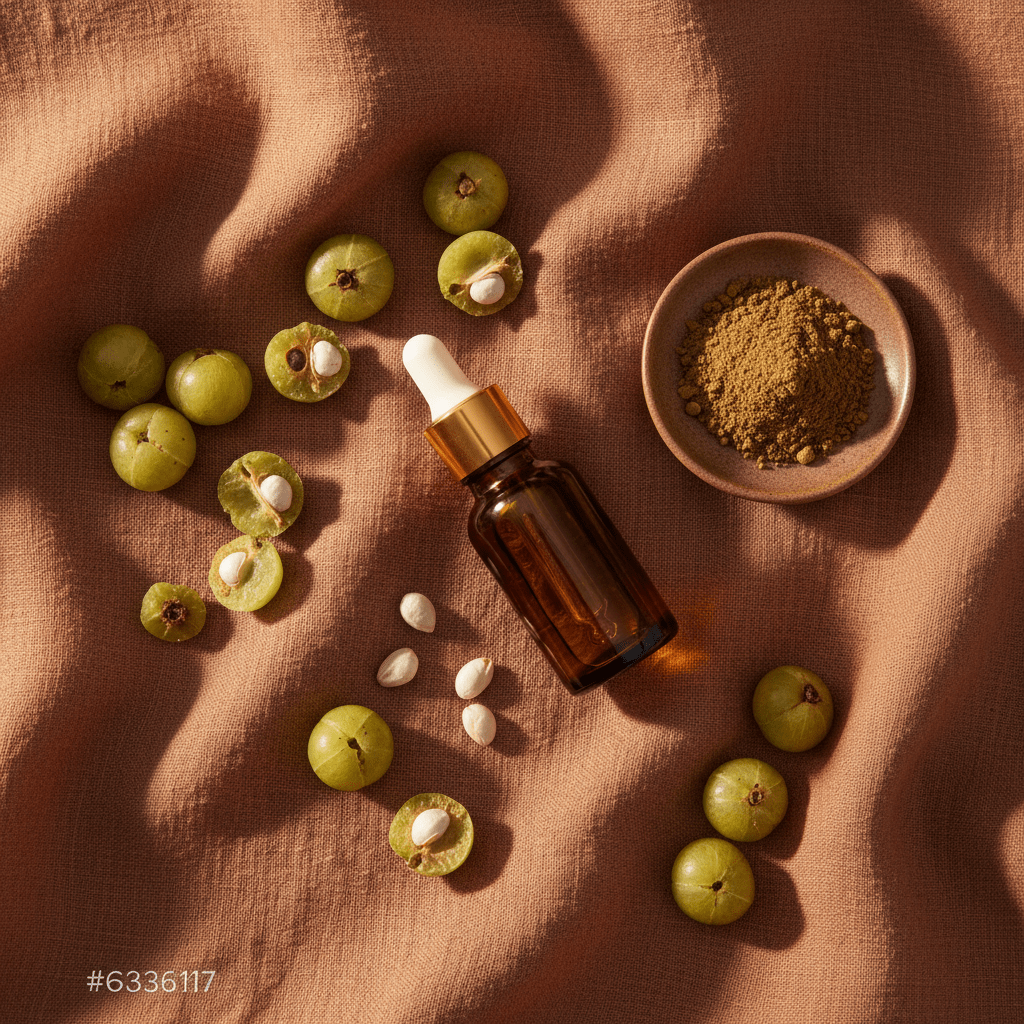
Unlocking Ancient Wisdom for Modern Skin: Why Amla Seed Oil is Your New Holy Grail for Hydration
You know that tight, flaky feeling? The one that shows up after a hot shower, a windy day, or way too many hours in air con. Yeah, that one. A lot of us are hunting for a natural face oil for dry skin that actually pulls its weight, not just sits there looking pretty on a shelf.
That’s where amla seed oil comes in.
Amla, or Indian gooseberry, has a long place in Ayurvedic skincare for hydration and daily care. People have turned to it for ages because it’s tied to health, glow, and balance. And while amla fruit gets a lot of the fame, the seed oil is getting more love now too.
Here’s the fun part. The amla seed oil benefits go beyond surface shine. Its fatty acid mix, especially its high linoleic acid content, makes it a smart pick for moisture support and amla oil skin barrier repair. So if you’ve been asking about amla oil for skin, amla oil for face moisturizer use, or even how to use amla oil for skin, you’re in the right place.
And no, this isn’t just old-school beauty lore. People are looking for natural skincare more than ever, and this little green fruit is finally getting its moment.

What makes amla seed oil feel so different?
It’s light. Not greasy. That alone is a win.
Cold-pressed amla seed oil has a fatty acid profile that leans high in linoleic acid, which helps support the skin barrier and can help reduce water loss. That’s a big deal if your skin gets cranky fast. Plus, the seed oil is different from fruit oil infusions, so you’re getting a more direct plant oil instead of a blend that mostly reflects the carrier oil.
If you’ve tried heavy oils and hated the feel, this one might surprise you. And honestly, that’s half the battle.
Amla oil skin barrier repair, softer skin, and less dryness? Sounds like a pretty good trio to me.
What Exactly is Amla Seed Oil? From Sacred Fruit to Skincare Elixir
You know how some ingredients just keep popping up in old family stories? Amla is one of those. Also called Indian gooseberry, it comes from the tree Phyllanthus emblica or Emblica officinalis, and it’s been part of Indian wellness for a very long time. In Ayurveda, amla has been used for daily care, balance, and that fresh, healthy glow people still talk about today.
And here’s the thing. Amla isn’t just a fruit story anymore.
People often say “amla oil,” but that can mean two very different things. Amla fruit oil is usually an infusion. That means dried amla fruit gets soaked in another oil, like coconut or sesame. The final bottle mostly acts like the base oil, with a bit of fruit goodness mixed in. Amla seed oil is different. It comes straight from the seeds through cold pressing, so you get a true plant oil with its own amla seed oil fatty acid profile. That profile is one reason so many people search for amla seed oil benefits, amla oil for skin, and natural face oil for dry skin.
Cold pressing sounds fancy, but it’s pretty simple. The seeds are crushed without heat or solvents. That matters because heat can damage delicate plant compounds. With cold-pressed oil, more of the natural character stays intact. More of the texture too. Light. Smooth. Easier to use on the face.
For people looking into Ayurvedic skincare for hydration, that difference is a big deal. And if you’re shopping for amla oil for face moisturizer use, or just trying to figure out how to use amla oil for skin, knowing the source helps a lot.
Amla seed oil is the newer face on an old tradition. But it fits right in.
| Type | How it’s made | What it feels like |
|---|---|---|
| Amla fruit oil infusion | Dried fruit soaked in carrier oil | Depends on the base oil |
| Amla seed oil | Cold-pressed from seeds | Light, plant-rich, and face-friendly |
For brands and buyers looking for pure plant oils, this is where ingredient quality really matters. Aroma Monk, for example, focuses on lab-tested natural oils and bulk supply for beauty and wellness products, which is handy if you need a steady source for product development.
So yes, amla seed oil benefits are tied to old Ayurvedic roots, but the oil itself is very much a modern skincare pick. And honestly? That mix of old and new is what makes it so interesting.
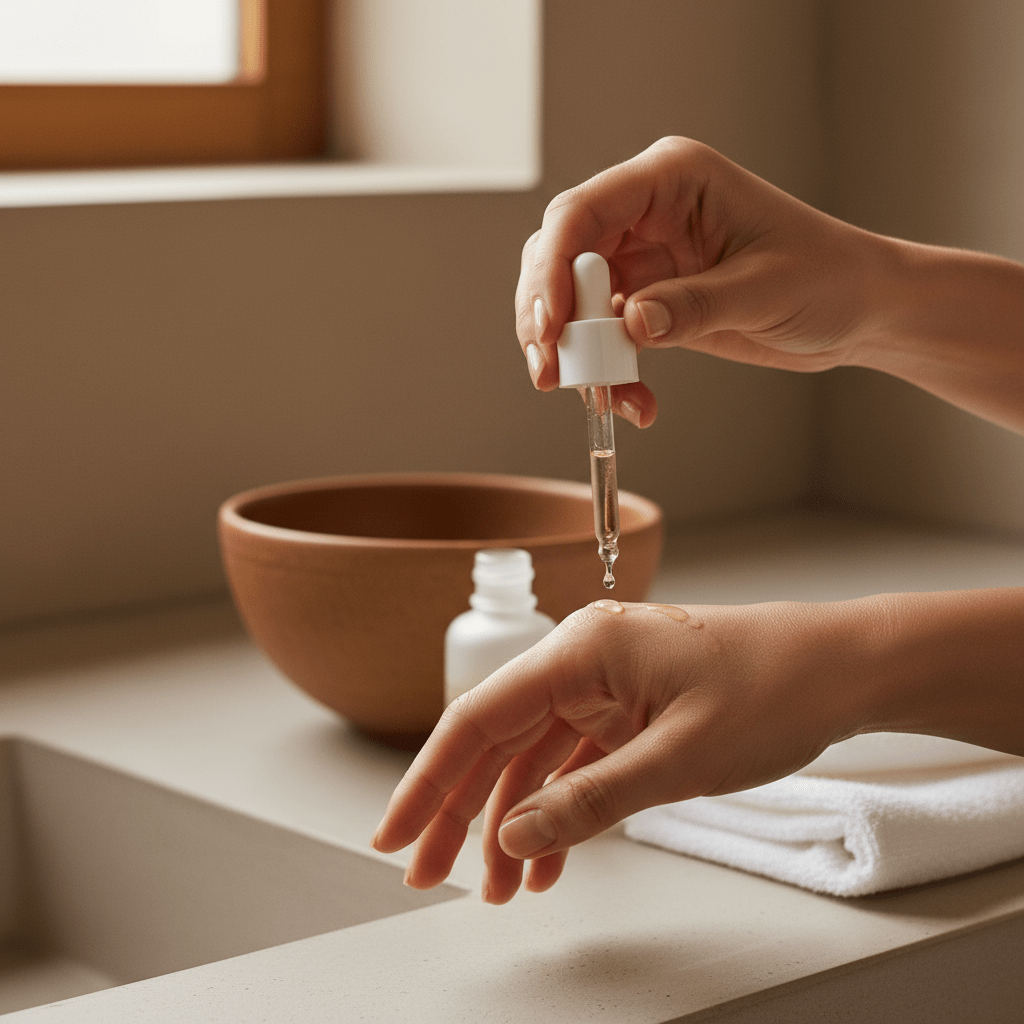
The Science of Hydration: Deconstructing Amla Seed Oil’s Moisturizing Power
You know that dry-skin panic when your face feels tight by lunch? Same. And that’s exactly why amla seed oil benefits are getting so much attention right now.
Dry skin is not some tiny side note. A global report found dermatitis cases reached about 241 million in 2021, and that number has climbed hard since 1990. People want skin care that actually helps, not just pretty jars. That also lines up with the huge shift toward natural skincare ingredients and natural face oil for dry skin searches, where shoppers usually want products they can trust, not random DIY guesswork global dermatitis burden report.
Here’s the deal. The amla seed oil fatty acid profile is what makes this oil feel so skin-friendly. It’s usually rich in linoleic acid, often around 46% to 55%, plus oleic acid around 25% to 30%. Linoleic acid helps support the skin barrier, while oleic acid brings a softer, smoother feel. That combo is a big reason people keep searching for amla oil for skin, amla oil for face moisturizer, and Indian gooseberry oil skin benefits.
Simple version? It does two jobs.
- Emollient: softens rough skin and helps it feel less dry
- Occlusive: forms a light barrier that helps slow water loss from the skin
That second part matters a lot. When people talk about amla oil skin barrier repair, they’re usually talking about helping the skin hold onto moisture better. Not magic. Just smart plant oil behavior.
And there’s more going on than fatty acids alone. Amla seed oil also brings along antioxidants like vitamin E, flavonoids, and tannins. These can help protect the skin’s natural lipid barrier from everyday stress like dry air, sun, and pollution. Think of it like backup support for the moisture wall your skin is already trying to build.
Actually, wait, there’s a better way to say it. Fatty acids help build the wall. Antioxidants help keep the wall from crumbling. Together, they make the oil feel like a pretty solid pick for Ayurvedic skincare for hydration.
| Skin-support role | What it may do |
|---|---|
| Linoleic acid | Helps support the skin barrier and water balance |
| Oleic acid | Adds softness and a silky feel |
| Emollient action | Smooths rough, flaky skin |
| Occlusive action | Helps slow transepidermal water loss |
| Antioxidants | Help guard the skin from stress |
One quick note. There isn’t strong direct clinical research yet showing amla seed oil itself lowers TEWL in big human trials. But the ingredient profile makes sense for hydration support, and that’s why it keeps showing up in conversations about how to use amla oil for skin.
If you’re building a routine, think simple. Use a few drops on damp skin after your serum, then lock it in with moisturizer if you need extra help. And if you’re a brand or formulator, Aroma Monk’s lab-tested natural oils and bulk supply options can be a practical place to source skin-care ingredients with traceability and purity in mind.
So yes, amla seed oil benefits are about more than shine. It’s light, barrier-friendly, and made for people who want deep moisture without the heavy feel. That’s a pretty nice combo.
Get a quote from Aroma Monk.
Essential Oil Supplier – Bulk pricing • Samples • Fast response
The Top 3 Amla Seed Oil Benefits for Deep, Lasting Moisturization
You know that dry, tight feeling that hits right after a shower? Annoying. And your skin can go from fine to cranky fast.
That’s where amla seed oil benefits really start to stand out. People looking for a natural face oil for dry skin usually want one thing: moisture that actually stays put without leaving a slick layer behind. Amla seed oil fits that wish pretty well.
Here are the top 3 ways it helps.
1. It gives deep, easy-to-absorb hydration
Amla seed oil is light, so it sinks in fast. It doesn’t sit on top like a heavy film, which is a relief if you hate that greasy feel. Its amla seed oil fatty acid profile is rich in linoleic acid, and that matters because linoleic-rich oils tend to feel softer and more skin-friendly.
Think of it like this. Some oils just coat the skin. This one feels more like it joins the skin.
That’s why people use amla oil for skin and amla oil for face moisturizer needs, especially when they want hydration that feels clean and simple. If you’re wondering how to use amla oil for skin, start with 2 to 3 drops on damp skin. Easy. No drama.
2. It helps skin look fuller and more plump
Dry skin often looks flatter. Less bounce. Less glow. Amla oil skin barrier repair can help with that by supporting the skin’s moisture wall, so skin holds water better over time.
And when skin holds water better, it usually looks softer and a bit more full. Not fake-full. Just healthier.
The linoleic acid in amla seed oil helps support the skin barrier, while the lighter oils in the mix help keep things smooth. That’s one reason Indian gooseberry oil skin benefits keep showing up in Ayurvedic skincare for hydration conversations. People want skin that feels calm and looks more alive.
3. It can calm dry, irritated skin
You know that itchy, red, parched-skin mood? No thanks.
Amla seed oil also brings antioxidant support, which may help calm skin that feels stressed out by dry air, wind, or too many hot showers. Some people with sensitive skin or skin that tends to flare up like the gentle feel. I’d still patch test first, though. Always.
This is where amla oil for skin can feel like a quiet helper. It’s not loud. It just works in the background, making dry skin less angry.
| Benefit | What it may help with |
|---|---|
| Deep hydration | Fast-absorbing moisture without a greasy feel |
| Better plumpness | Helps skin look softer and fuller |
| Less irritation | May soothe dryness-linked redness and discomfort |
A few studies on amla extracts and linoleic-rich plant oils point to support for hydration, elasticity, and skin comfort, but the oil itself still needs more direct research. Still, the ingredient makeup makes a lot of sense for daily moisture care. And that’s probably why so many people keep searching for amla seed oil benefits, amla oil skin barrier repair, and natural face oil for dry skin.
If you’re building a routine, keep it simple. Cleanse, apply serum if you use one, then press in a few drops of cold-pressed amla seed oil. If your skin is very dry, seal it with moisturizer after. Also, if you’re a brand or product maker, Aroma Monk offers lab-tested natural oils and bulk supply options that can help when you need pure ingredients for skincare lines.
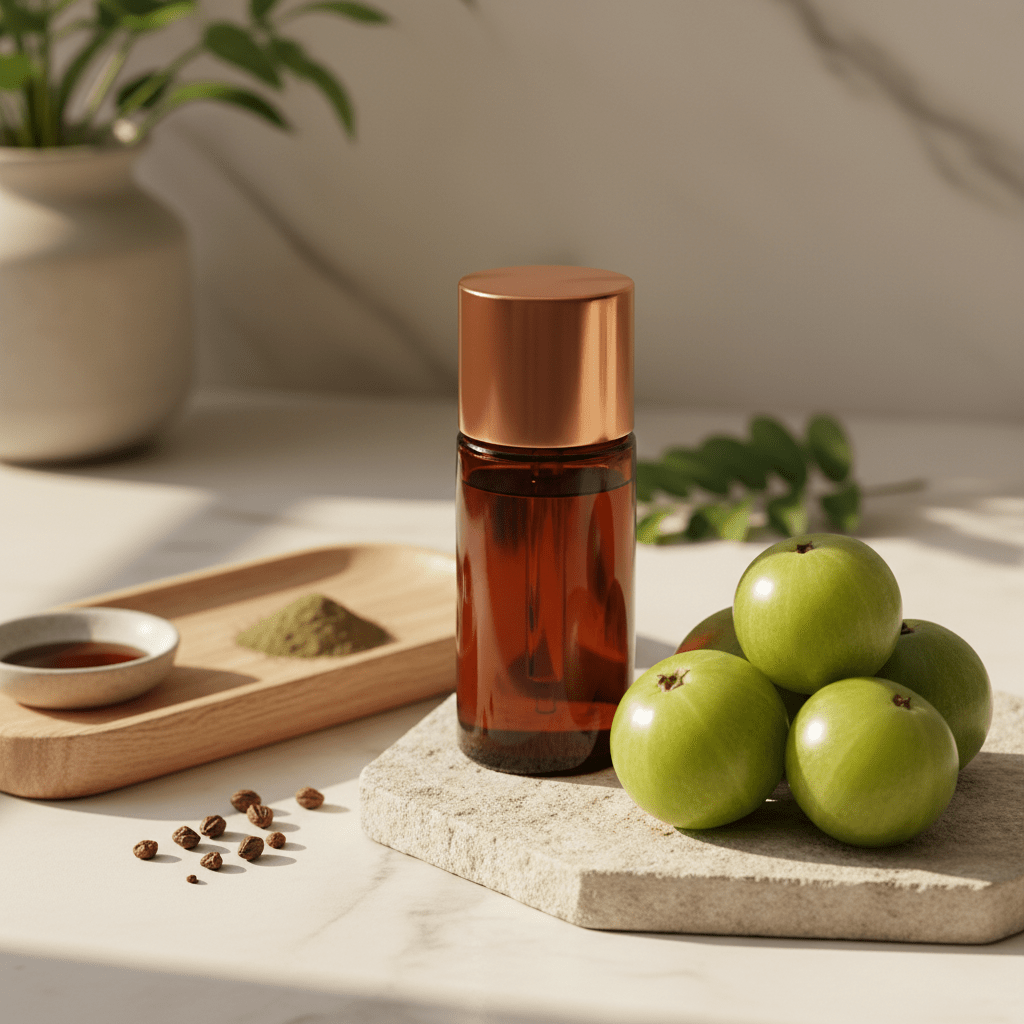
Beyond Moisturization: The Bonus Benefits of Indian Gooseberry Oil for Your Skin
Ever look in the mirror and think, “Why does my skin look tired even when I slept?” Yeah. Been there. Dry skin gets all the attention, but the extra perks of amla seed oil are what make people keep coming back.
One of the biggest amla seed oil benefits is its antioxidant support. Indian gooseberry oil skin benefits often come from plant compounds like vitamin E, flavonoids, and polyphenols. These help fight free radicals, which are tiny troublemakers from sun, pollution, and plain old daily stress. Over time, that kind of stress can show up as fine lines, dullness, and that “why do I look older than I feel?” moment.
And here’s the cool part. Amla seed oil may also help skin look brighter. Some of the natural compounds in amla can help slow melanin overproduction, which is what can make dark spots and uneven tone stand out more. One topical amla study found better skin lightness and wrinkle appearance after 84 days, which is pretty encouraging for people looking for a natural face oil for dry skin that does more than just sit there and shine.
But wait, there’s more. Amla oil for skin may also have mild antimicrobial and astringent properties, which is why some people with combination or acne-prone skin look into it. It may help skin feel a bit more balanced, not greasy. That said, if your skin gets fussy, patch test first. Always.
| Bonus benefit | What it may help with |
|---|---|
| Antioxidant support | Helps fight free radical stress |
| Brightening effect | May help soften the look of dark spots |
| Astringent feel | Can help skin feel less oily |
| Mild antimicrobial action | May support clearer-looking skin |
If you’re shopping for amla oil for face moisturizer use, look for cold-pressed oil with a simple ingredient list. And if you’re a brand builder, Aroma Monk’s lab-tested natural oils and bulk supply options can be a smart source for skincare formulas that need pure, traceable ingredients.
So yes, amla oil skin barrier repair is the headline. But the bonus perks? Those are what make amla seed oil benefits feel like a quiet little win for your routine.
How to Choose and Use Amla Seed Oil for Maximum Skin Benefits
You know that tiny moment when your skin drinks up the good stuff? That’s the goal here. And honestly, a lot of people are chasing that right now. Global dermatitis cases hit about 241 million in 2021, and the natural skin care market is still climbing fast, so it makes sense that more of us are looking for a natural face oil for dry skin that actually feels good and does something global dermatitis burden report.
What to look for on the label
Not all amla oil for skin is the same. If you want the real thing, look for:
- Cold-pressed
- Unrefined
- Organic if you can get it
- Dark glass bottle to help guard against light damage
Dark glass matters more than people think. Light can make oils go off faster, and nobody wants a sad, stale bottle sitting in the bathroom cabinet like a forgotten gym membership.
Also, check the ingredient list. If you’re shopping for amla oil for face moisturizer use, a short list is usually a good sign. Pure oil is usually easier to trust than a long mix of mystery extras.
How to use it on your face
If you’re new to how to use amla oil for skin, go slow. Seriously. You do not need a puddle.
- Patch test first. Put a tiny bit on your inner arm or behind your ear. Wait 24 hours.
- Start with 2 to 3 drops. That’s usually enough for the whole face.
- Apply on damp skin. This helps the oil spread better.
- Press and pat. Don’t rub like you’re scrubbing a pan. Just press it in.
Easy ways to fit it into your routine
The best part? You don’t have to rebuild your whole shelf.
| Routine step | How it works |
|---|---|
| Final-step face oil | Use after serum and moisturizer to lock in hydration |
| Mixed into moisturizer | Add 1 to 2 drops for a little extra richness |
| Spot treatment | Tap onto dry patches on cheeks, around the nose, or hands |
For very dry skin, a final-step oil tends to work best. For combo skin, try it only on dry spots first. If your skin is oily or touchy, patch testing is non-negotiable.
Amla seed oil’s high linoleic acid profile is part of why it feels so skin-friendly. That fatty acid mix helps it feel light, not heavy, which is a big reason people keep comparing it with other natural face oils. And if you’re building a simple Ayurvedic skincare for hydration routine, this one fits nicely after water-based products like hyaluronic acid or a plain serum.
If you’re a brand owner or product maker, Aroma Monk’s lab-tested natural oils and bulk supply options can help when you need steady, traceable ingredients for skincare lines. That matters a lot if you’re creating products for customers who want purity, clarity, and a no-fuss ingredient story.
So yes, amla seed oil benefits are easiest to get when you choose the right bottle and use just a little. Small amount. Big payback. That’s the sweet spot.
Embrace Nature’s Moisturizer: Is Amla Seed Oil Right for Your Skin?
If your skin has ever felt tight, dull, or just plain grumpy, you’re not alone. A lot of people are looking for a natural face oil for dry skin that actually feels nice and does something useful too.
That’s where amla seed oil benefits really shine. It brings deep moisture, helps support amla oil skin barrier repair, and can leave skin looking softer and a bit more bouncy. It also fits right into Ayurvedic skincare for hydration, which is why so many people are searching for amla oil for skin and amla oil for face moisturizer ideas.
The best part? It’s light enough for many skin types, not just dry skin. If you pick a cold-pressed, high-quality oil, you may also get some brightening support and a smoother-looking finish.
But here’s the smart part. Start slow. Patch test first, then try just 2 to 3 drops on damp skin. That way, you can see how your skin reacts before going all in.
If you’re ready to try it, look for a pure, lab-tested bottle and give it a fair shot. Small steps. Real skin wins. And if you’re sourcing for a brand, Aroma Monk’s lab-tested natural oils and bulk supply options can help you find a clean starting point for your own skincare line.
Get a quote from Aroma Monk.
Essential Oil Supplier – Bulk pricing • Samples • Fast response