
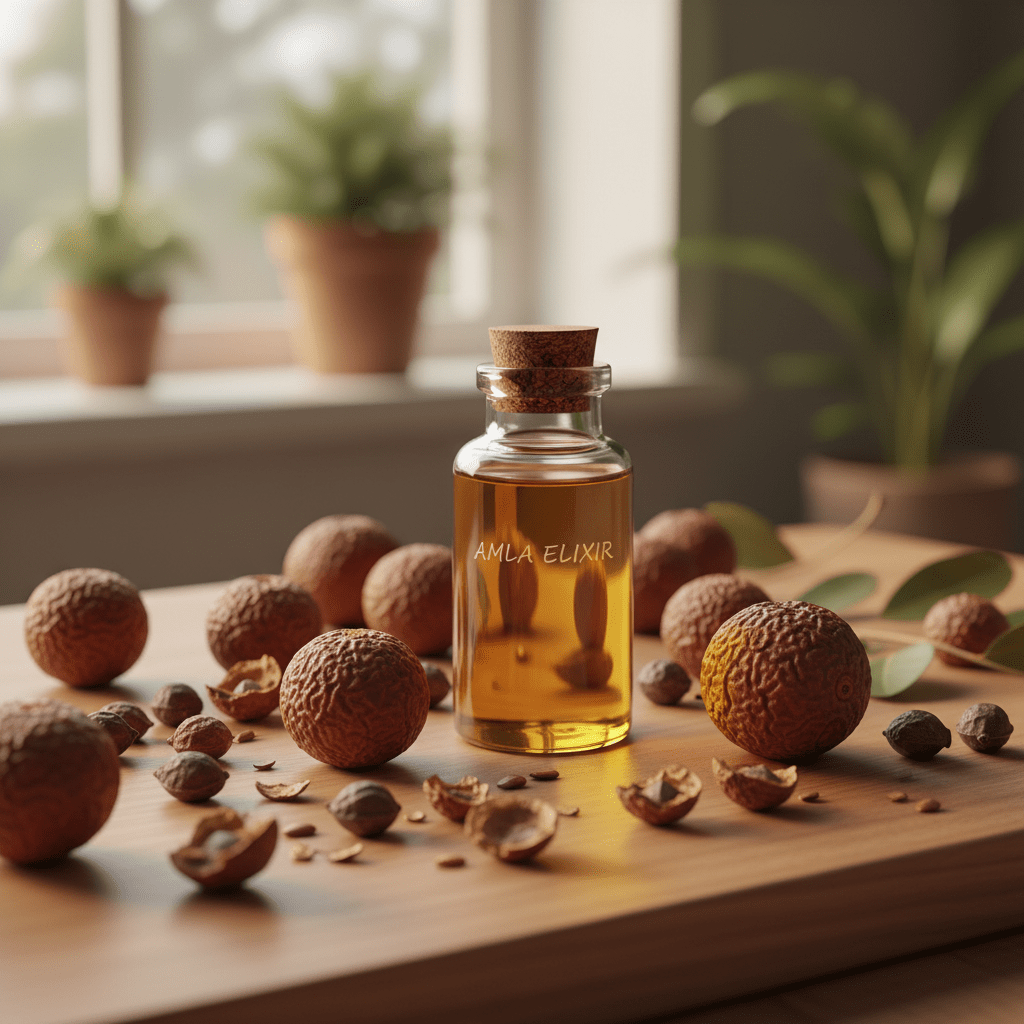
Searching for a Natural Skincare Hero? It Might Be Time to Discover Amla Seed Oil
Ever feel like your skin is bored of the same old stuff? Vitamin C. Retinol. Hyaluronic acid. Again and again. And if you’re trying to keep things more natural, the list can start to feel even shorter.
That’s why amla seed oil is getting so much love right now. Amla, also called Indian gooseberry, has been used in Ayurvedic skincare for ages, and modern skin science is finally catching up. People are looking for natural skincare ingredients for aging, dullness, and uneven tone, and amla is showing up as a real contender.
The market trend backs that up too. Ayurvedic skincare and herbal beauty products are growing fast, with more shoppers asking for clean labels, plant-based actives, and multi-use oils instead of a shelf full of half-used bottles market data on Ayurvedic skincare growth.
In this guide, we’ll look at what makes amla seed oil special, the benefits of amla seed oil for skin, how it compares to amla oil vs vitamin c serum, and how to use amla for hyperpigmentation without making things weird for your routine. Simple. Practical. No fluff.
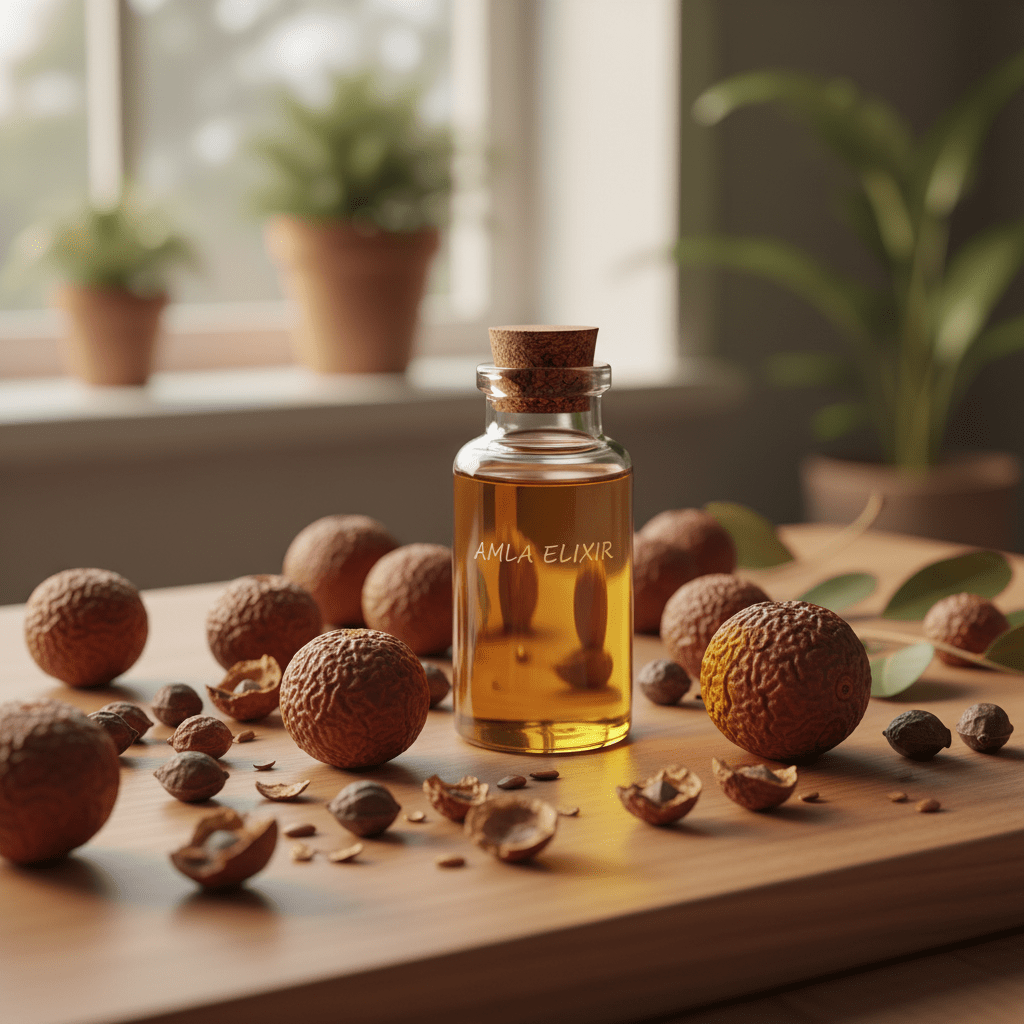
1. From Ancient Text to Modern Lab: The Rich History of Amla (Indian Gooseberry)
Amla has a bit of a glow-up story.
Long before it showed up in clean beauty aisles and skincare blogs, this little fruit was a big deal in Ayurveda. It’s known as a Rasayana, which is the old-school word for a rejuvenating herb. People also called it Medhya Rasayana, tied to support for memory and overall vitality. That’s a lot for one fruit, right?
Amla, or Phyllanthus emblica (also called Emblica officinalis), grows mostly in India and across parts of Southeast Asia, China, Iran, and Pakistan. In traditional use, it’s been linked with long life, balance, and skin health for ages. Old texts like the Charaka Samhita treat it as a key herb for wellness and longevity, not just a pretty ingredient in a bottle.
But here’s where it gets easy to mix things up. There’s amla fruit, amla powder, macerated amla oil, and then there’s cold-pressed amla seed oil. They’re not the same thing.
| Form | What it is | Common use |
|---|---|---|
| Amla fruit | The fresh berry | Food, juice, home care |
| Amla powder | Dried, ground fruit | Masks, hair packs, internal use |
| Macerated amla oil | Amla fruit or powder soaked in a base oil | Hair oil, traditional care |
| Cold-pressed amla seed oil | Oil pressed straight from the seeds | Modern skincare and face oil use |
That last one is the star here. Cold-pressed amla seed oil is made by mechanical pressing, with no heat. That matters because heat can wear down the good stuff inside the oil. So you keep more of the antioxidants and fatty acids that make amla antioxidant skincare so interesting.
And honestly, that’s why the modern market is paying attention. People want natural skincare ingredients for aging, dullness, and uneven tone, but they also want proof. Not just pretty labels. They want plant-based care that actually does something. Amla fits that mood pretty well. The old use gave it a reputation. The lab work is now helping explain why it may work.
So if you’ve been searching for amla oil for face care that feels rooted in tradition but still makes sense today, this is the one to watch. Next up, we’ll get into what the oil contains and why that matters for skin.
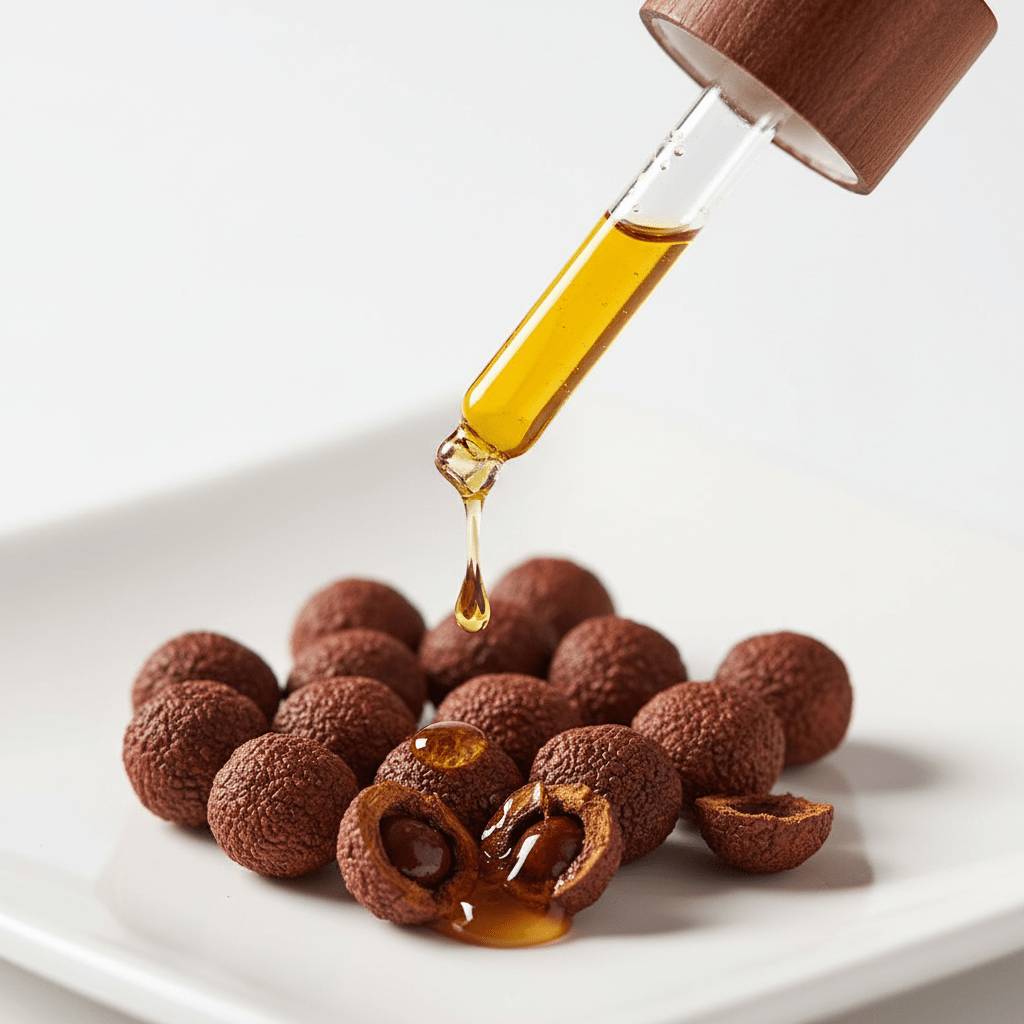
2. The Powerhouse Profile: What Makes Amla Seed Oil a Potent Skincare Ingredient?
You know that moment when a face oil looks simple, but then you read the label and think, wait… that’s actually doing a lot? That’s amla seed oil.
And that’s why it keeps popping up in talks about ayurvedic skincare and natural skincare ingredients for aging. It doesn’t rely on just one trick. It brings a mix of antioxidants, fatty acids, and vitamin E to the table, so it can support skin in a few different ways at once.
First, the antioxidant story is the big one. Amla is rich in polyphenols and flavonoids, including gallic acid, ellagic acid, quercetin, rutin, and kaempferol. Those names sound fancy, sure. But the short version is simple: they help fight oxidative stress, which is one of the things that can make skin look tired and rough over time. Some of these compounds are also pretty stable compared with antioxidants in other fruits, which gives amla antioxidant skincare a real edge.
Then there are the fatty acids. Amla seed oil usually contains oleic acid, linoleic acid, palmitic acid, and a smaller mix of others. That matters because fatty acids help the skin barrier hold onto water. So if your skin gets dry, tight, or flaky, this kind of oil can help it feel softer and more settled. Linoleic acid is especially nice for face care since it tends to feel lighter and less greasy than richer oils.
Here’s a quick look at what’s inside:
| Key part | Why it matters for skin |
|---|---|
| Polyphenols and flavonoids | Help protect skin from stress and dullness |
| Oleic acid | Adds softness and helps seal in moisture |
| Linoleic acid | Supports the skin barrier and feels lighter on skin |
| Palmitic acid | Helps give the oil a smoother feel |
| Vitamin E | Adds extra antioxidant support |
Vitamin E is another quiet hero here. On its own, it helps protect oils and skin from damage caused by free radicals. But in amla seed oil, it works alongside the other antioxidants, which is kind of the point. The ingredients support each other. Better together.
That combo is why people compare amla oil for face use with other plant oils, and even bring up amla oil vs vitamin c serum. Vitamin C serums can be great, but they can also be fussy. Amla seed oil feels more stable and more forgiving in a routine, while still giving you antioxidant support.
So if you’ve been wondering about the real benefits of amla seed oil, this is the heart of it. It’s not just a pretty oil. It’s a skin-supporting blend with a strong mix of plant compounds, moisture-helping fats, and natural vitamin power. And for brands looking at clean, plant-based formulas, that makes it a smart ingredient to keep on the radar.
3. The Real-World Benefits: How Amla Seed Oil Transforms Your Skin
You know that feeling when your skin looks tired, even after a full night’s sleep? Yep. Been there. And that’s where amla seed oil starts to look really interesting.
This little oil does more than sit pretty in a bottle. Its plant compounds and fatty acids may help with three big skin jobs at once: slowing signs of aging, fading dark spots, and calming dry or cranky skin. Not bad for one ingredient.
1) It may help with fine lines and firmness
Amla is packed with antioxidants. Those help fight free radicals from sun, smog, and just plain daily life. Over time, those stressors can wear skin down and make lines show up faster.
And there’s real lab work behind this. A study in human skin cells found that amla extract helped boost procollagen while lowering MMP-1, the enzyme that breaks collagen down. More support. That’s the kind of thing people want from natural skincare ingredients for aging.
So if you’re looking at indian gooseberry oil benefits for skin, this one stands out for more than hype. It may help skin look a bit smoother and less tired over time.
2) It can help with dark spots and uneven tone
Dark marks are stubborn. Really stubborn. But amla has a few compounds that may help here too, especially gallic acid and ellagic acid. These are known for tyrosinase blocking, which matters because tyrosinase helps make melanin.
Less melanin activity can mean less buildup of spots from old acne, sun, or general uneven tone. That’s why people talk about how to use amla for hyperpigmentation in brightening routines. It’s not an instant fix. Nothing honest ever is. But it can fit nicely into a slow-and-steady plan for more even skin.
3) It supports the skin barrier and hydration
This part is easy to miss, but it matters a lot. Amla seed oil has fatty acids that help skin hold on to moisture. That means less dryness and less of that tight, scratchy feeling after washing your face.
Here’s a simple look at what it may do:
| Skin concern | How amla seed oil may help |
|---|---|
| Fine lines | Antioxidants may help protect collagen |
| Dark spots | Polyphenols may help slow excess pigment formation |
| Dry skin | Fatty acids may support the skin barrier |
| Sensitive-feeling skin | Moisture support may calm the look of irritation |
Because of that, amla oil for face care can work well for skin that wants both comfort and a bit of glow. It’s also why people compare amla oil vs vitamin c serum. Vitamin C serums can be strong, but they can also sting or oxidize fast. Amla seed oil feels softer and more stable in a routine.
If you’re curious about benefits of amla seed oil, this is the short version: it may help protect, brighten, and soften at the same time. And that’s exactly why it keeps showing up in ayurvedic skincare and clean beauty talks.
For brands, this is also a smart ingredient to watch. As shoppers keep asking for multi-use, plant-based formulas, oils like amla fit right into that demand. If you’re building a product line, Aroma Monk’s lab-tested natural oils and carrier oils can be a solid place to start for sourcing pure ingredients in bulk.
Get a quote from Aroma Monk.
Essential Oil Supplier – Bulk pricing • Samples • Fast response
4. How to Integrate Amla Seed Oil Into Your Skincare Routine
You know that moment when you buy a pretty new face oil and then stare at it like, now what? Yep. We’ve all done that.
The good news is that amla seed oil is easy to work into a routine. It usually fits best at night, after your water-based steps. So cleanser, toner, serum, moisturizer, then a few drops of oil as the final step to help seal things in. If your skin feels dry, you can also mix one drop into your moisturizer and keep it simple.
A simple PM routine
- Clean your face.
- Add a hydrating serum, like hyaluronic acid.
- Use your moisturizer.
- Press 2 to 3 drops of amla oil for face care on top.
That’s it. No drama. And if you like facial massage, this oil can work well for that too. Use slow, gentle strokes with clean hands or a gua sha tool. It can feel calming after a long day, which honestly matters more than people say.
What skin types can use it?
Dry, mature, and normal skin usually do well with it because the oil has fatty acids that help the skin barrier stay comfy. But if your skin is sensitive or acne-prone, patch-test first. Amla seed oil has oleic acid, which can feel rich on some skin types, so start small and watch how your skin reacts for 24 to 48 hours.
| Skin type | How it may fit |
|---|---|
| Dry skin | Great as a moisture seal |
| Mature skin | Good for a soft, cushioned feel |
| Normal skin | Easy to use in small amounts |
| Sensitive skin | Patch-test first |
| Acne-prone skin | Try a tiny amount and track how it feels |
Easy mix ideas
Want a little skin routine remix? Try these:
- Mix 1 drop with a hyaluronic acid serum for extra hydration.
- Blend a drop into a calming cream with bisabolol.
- Use it with a gentle barrier cream on dry cheeks or around the mouth.
This is also why people compare amla oil vs vitamin c serum. Vitamin C can be great, but it can also be fussy. Amla feels softer in a routine and can pair nicely with other steps without making your skin angry.
For brands looking at ayurvedic skincare or other natural skincare ingredients for aging, this oil is a nice fit for simple, multi-use formulas. And with the Ayurvedic skincare market projected to grow from $12.4 billion in 2025 to $26.8 billion by 2034, people are clearly looking for plant-based options that do more than one job.
If you’re sourcing ingredients in bulk, Aroma Monk’s lab-tested natural oils and rose water can be a smart place to start for clean, reliable product development.
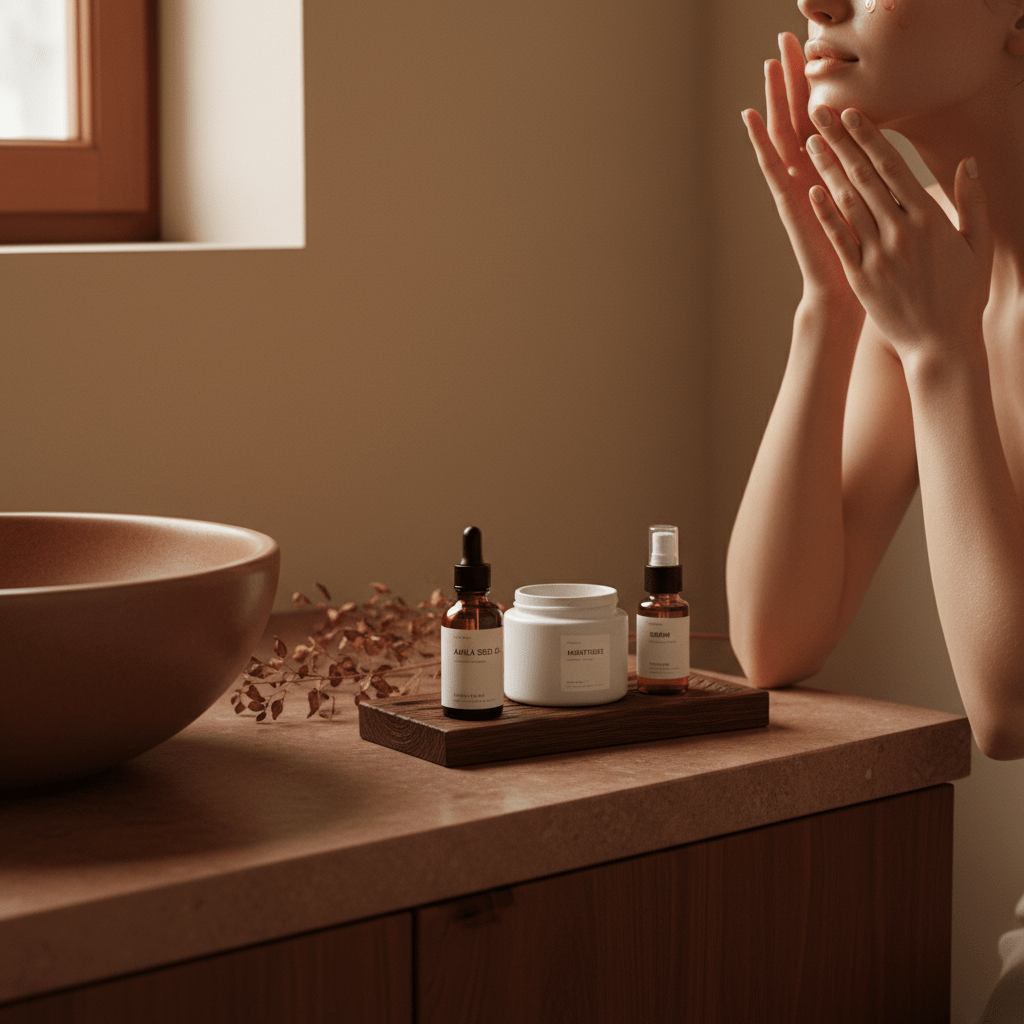
5. Amla Seed Oil vs. The Competition: A Head-to-Head Comparison
You know that shelf full of skincare bottles? The one with a vitamin C serum, a rosehip oil, and maybe bakuchiol if you got caught up in a late-night skincare scroll? Yep. Amla seed oil has a place in that lineup too.
But it plays a different role. And that’s the part people miss.
Amla Seed Oil vs. Vitamin C Serum
Vitamin C serums usually lean on L-ascorbic acid. It’s brightening, sure, but it can be fussy. It oxidizes fast, can sting, and often needs very careful packaging. Amla seed oil, on the other hand, keeps its antioxidant compounds in a fatty oil base, so it tends to feel more stable and calmer on skin.
Here’s the simple split:
| Product | Main job | Texture | Stability |
|---|---|---|---|
| Amla seed oil | Antioxidant support plus moisture help | Light oil | Usually more stable |
| Vitamin C serum | Brightening and free-radical defense | Water-based serum | Often less stable |
Also, amla seed oil brings fatty acids to the table. Most L-ascorbic acid serums do not. So if your skin likes a softer, more cushioned feel, amla can be easier to live with day to day.
Amla Seed Oil vs. Rosehip Oil
Rosehip oil is famous for its vitamin A content, especially natural trans-retinoic acid, which makes it popular for cell turnover and scar care. That’s its big claim.
Amla seed oil is different. Its strength is the antioxidant mix. Think gallic acid, ellagic acid, emblicanins, and other plant compounds that help with amla antioxidant skincare and skin defense.
So the choice is less about which one is “better” and more about what you want most:
- Choose rosehip oil if you want a more retinoid-like vibe.
- Choose amla seed oil if you want broad antioxidant support with moisture help.
Honestly, they can even sit in the same routine on different nights. Skin likes teamwork more than we do sometimes.
Amla Seed Oil vs. Bakuchiol
This one is pretty simple. Bakuchiol is often used as a retinol alternative. People reach for it when they want help with cell turnover, fine lines, and texture without using retinol.
Amla seed oil does a different job. It’s more of a nourishment and protection oil. So bakuchiol and amla are not rivals. They’re more like coworkers who handle different tasks.
Bakuchiol focuses on skin renewal. Amla seed oil focuses on antioxidant defense, barrier comfort, and helping skin feel less dry or tired. Put them together, and you get a routine that can feel balanced instead of overloaded.
Quick pick guide
If you’re stuck, use this:
| Skin goal | Better fit |
|---|---|
| Brightening and antioxidant support | Amla seed oil |
| Retinol-like texture focus | Bakuchiol |
| Scar and turnover support | Rosehip oil |
| Sensitive skin that likes oils | Amla seed oil |
| A fussy vitamin C swap | Amla seed oil |
This is a big reason amla seed oil keeps showing up in ayurvedic skincare and clean beauty routines. It doesn’t try to do one flashy thing. It just does a few useful things well.
And in a market where shoppers keep asking for natural skincare ingredients for aging, that matters. The Ayurvedic skincare market is projected to grow from $12.4 billion in 2025 to $26.8 billion by 2034, which says a lot about where people are putting their money and trust.
If you’re building a formula or sourcing ingredients in bulk, Aroma Monk’s lab-tested natural oils, rose water, and fragrance ingredients can help you create products that feel clean, simple, and easy to explain to customers.
6. The Savvy Buyer’s Guide: How to Choose a High-Quality Amla Seed Oil
You know that sinking feeling when a pretty bottle turns out to be… not that great? Yeah. Skincare can be like that. So if you want amla seed oil that actually works for your face, the label matters a lot.
Start with the extraction method. Look for cold-pressed and unrefined. That usually means the oil was made without heat, so more of the delicate antioxidants and fatty acids stay in the oil. Heat can wear those down, and nobody wants that after spending money on a bottle that looks fancy but acts sleepy.
Next, check purity. The best bottles say 100% pure amla seed oil or list it high on the INCI label. If the ingredient list is long and packed with fillers, pause. Actually, wait a second… if it has a bunch of mystery extras, it may not be the clean face oil you want. Organic certification can also help. And if the brand shares where the seeds came from and how they were processed, that’s a good sign they’re not hiding anything.
Packaging matters too. Amla oil is sensitive to light and air. That’s why dark glass bottles like amber or violet glass are so much better than clear plastic. They help slow down damage from sunlight. Store the bottle in a cool, dark place as well. Not the bathroom shelf right next to a steamy shower. That’s a fast track to sad oil.
Here’s a quick cheat sheet:
| What to look for | Why it helps |
|---|---|
| Cold-pressed | Helps protect antioxidants and fatty acids |
| Unrefined | Keeps the oil closer to its natural state |
| 100% pure or high INCI placement | Means fewer fillers and more real oil |
| Organic or transparent sourcing | Gives more trust in quality |
| Dark glass bottle | Helps protect against light damage |
| Cool, dark storage | Helps the oil last longer |
And if you’re shopping for amla oil for face care, this part is extra worth your attention. A good bottle can support your ayurvedic skincare routine in a simple, no-fuss way. A bad one? Just expensive disappointment.
The bigger picture is pretty clear too. Shoppers keep moving toward clean-label, plant-based products, and the Ayurvedic skincare market is projected to grow from $12.4 billion in 2025 to $26.8 billion by 2034 Ayurvedic skincare market growth data. So yes, ingredient quality is becoming a big deal for brands and for everyday buyers.
If you’re sourcing for a product line, Aroma Monk’s lab-tested natural oils, rose water, and fragrance ingredients can help you build formulas with more trust baked in from the start.
Quick Buy Checklist
- Cold-pressed
- Unrefined
- 100% pure
- Dark glass bottle
- Stored away from heat and light
That’s the sweet spot. Simple enough, right?
Conclusion: Is Amla Seed Oil Your Skin’s New Antioxidant Guardian?
So, is amla seed oil worth a spot on your shelf? I’d say yes, especially if your skin likes calm, simple care with a little extra power.
It brings a lot to the table. Antioxidants. Fatty acids. A soft feel on skin. Plus, it fits right into ayurvedic skincare without feeling old-fashioned or hard to use. That’s a nice combo.
If you’re looking for natural skincare ingredients for aging, this oil makes a strong case. It may help fight free radicals, support the skin barrier, and brighten the look of dull or uneven skin. And for people working on how to use amla for hyperpigmentation, it can be a gentle nightly step, not a loud one.
The market is also moving this way. Ayurvedic skincare is growing fast, with the global market projected to reach $26.8 billion by 2034 Ayurvedic skincare market growth data. People want plant-based care that actually feels useful. Makes sense, right?
If your routine needs a nourishing swap, or just a steady partner to your current products, amla oil for face care may be the one to try next. Start small. Use it at night. See how your skin responds. Sometimes the quiet ingredients end up doing the most.
Get a quote from Aroma Monk.
Essential Oil Supplier – Bulk pricing • Samples • Fast response