
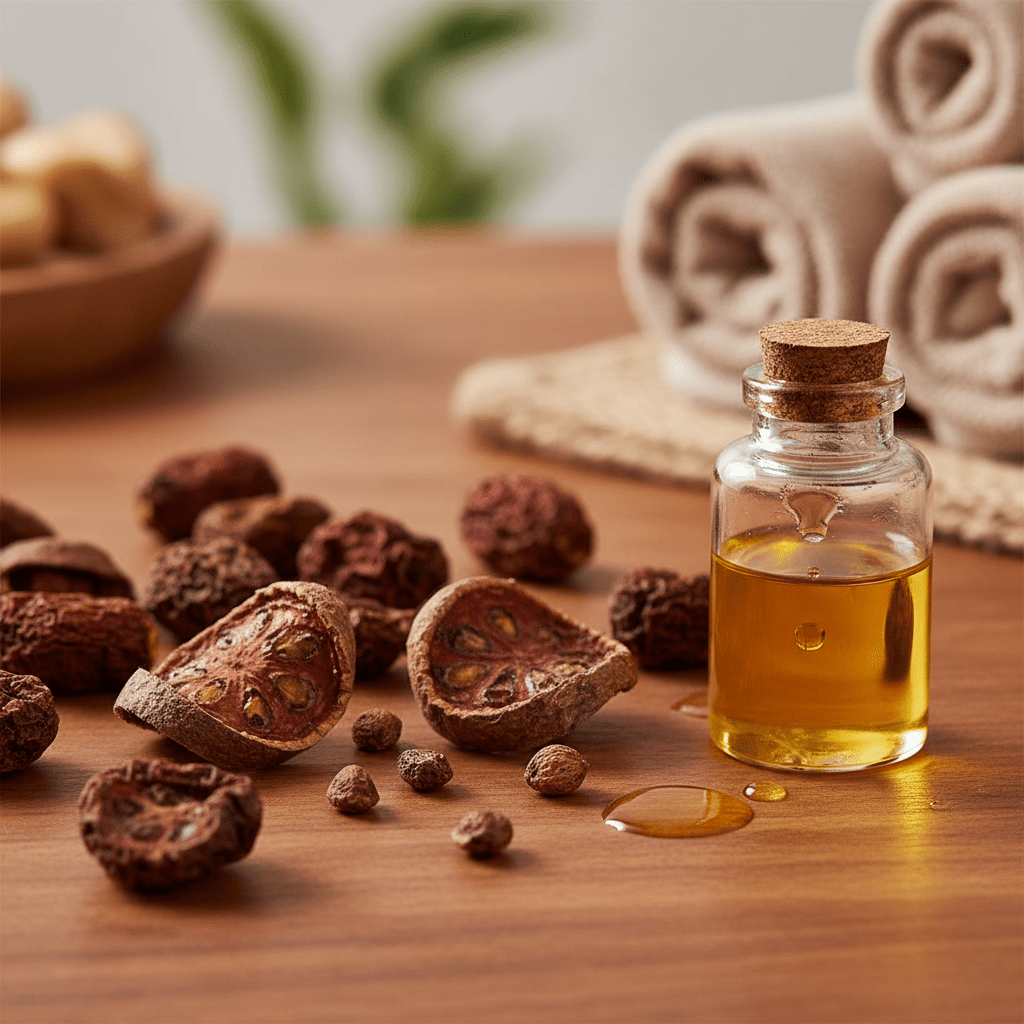
From Ancient Ayurvedic Rituals to Modern Hair Care: The Power of Amla Oil
You know that sinking feeling when your hair looks flat, dry, or just plain tired? Or when your skin feels dull even after you’ve tried “the good stuff” from the store shelf? Yeah, we’ve all been there. And if you’ve been hunting for a simple fix, amla seed oil benefits might be the thing worth a closer look.
Amla, also called Indian gooseberry, has been used for ages in Ayurveda. People once turned to it for shine, strength, and that healthy glow that never really goes out of style. That old wisdom is showing up again now, and not by accident. The natural cosmetics market hit USD 31.84 billion in 2023 and is still climbing fast, with Asia Pacific set to grow the quickest Grand View Research.
So what is amla oil, really? Think of it as a plant-based oil linked with hair and skin care traditions that have stuck around for a reason. Amla is packed with vitamin C and antioxidants, and that’s why people talk so much about amla oil for hair growth, scalp comfort, and even amla oil for skin.
In this guide, we’ll look at the benefits of amla for hair, how to use amla oil for hair, what a DIY amla oil hair mask can do, and the side effects of amla oil you should know before you start. Simple. Practical. No fluff.
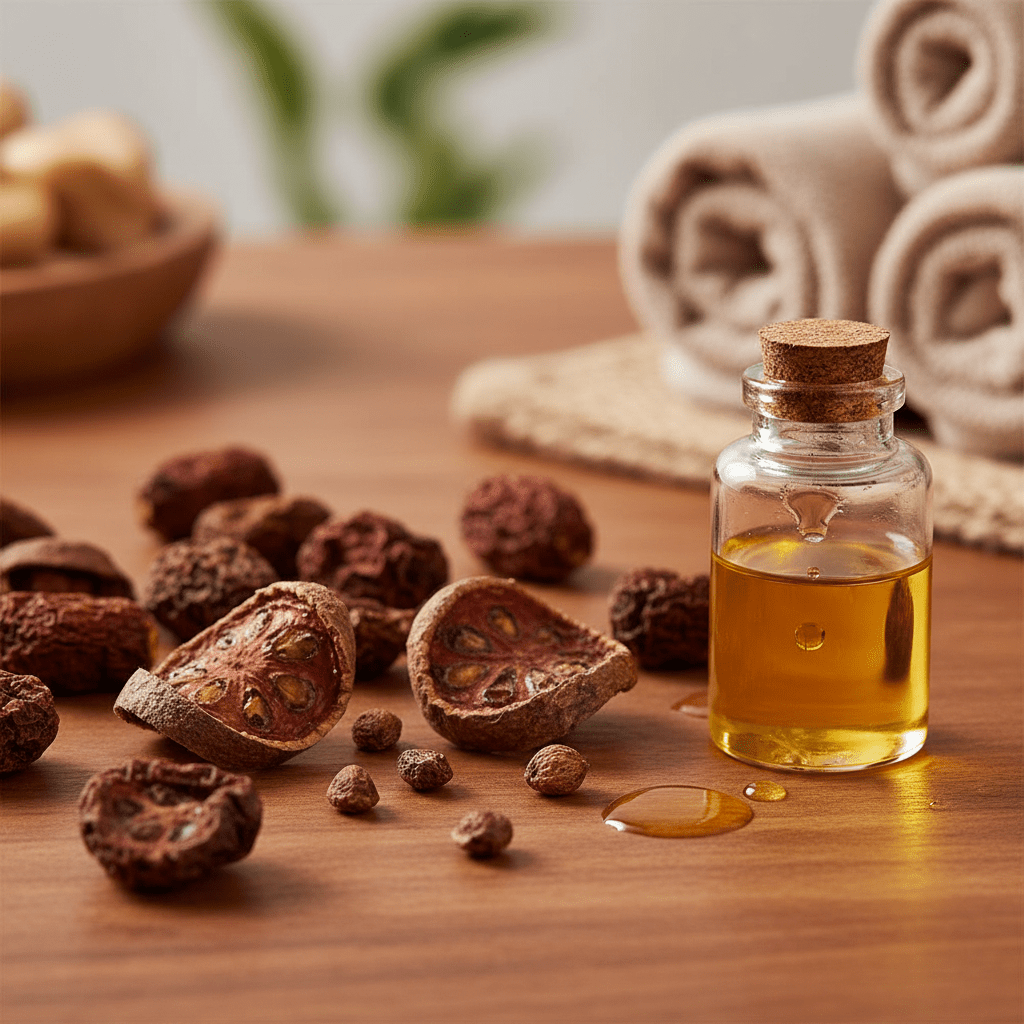
What Exactly is Amla Seed Oil? The Science Behind the ‘Indian Gooseberry’
Ever wonder why a tiny fruit keeps popping up in hair care chats, old home remedies, and modern beauty aisles? That fruit is amla, also called Indian gooseberry. And yes, people have been talking about it for a very long time.
Amla comes from Emblica officinalis and has a big place in ancient Ayurvedic medicine. It was used as a rasayana, which means a rejuvenating plant that was thought to support health, glow, and long life. That old-school respect is showing up again now because more people want plant-based care that feels simple and familiar. The natural cosmetics market was worth USD 31.84 billion in 2023 and is still growing, with Asia Pacific expected to grow the fastest.
So what makes amla seed oil benefits stand out? Amla is rich in vitamin C, antioxidants, and plant compounds like tannins and flavonoids. In plain words, it brings a lot to the table. About 600 mg of vitamin C per 100 g has been reported for amla, compared with about 30 mg per 100 g in oranges. That’s a pretty wild gap. Plus, it also has compounds like ellagic acid, gallic acid, quercetin, and apigenin, which are often linked with antioxidant support.
But here’s the part people mix up all the time. Amla oil is often made by soaking amla fruit in a carrier oil like coconut or sesame. True amla seed oil is different. It comes from the seeds and is usually cold-pressed, which helps keep more of the natural goodness inside. If you want a richer, more direct oil, cold-pressed seed oil is often the better pick. If you want a gentler infused oil for regular hair oiling, the fruit-infused kind may work just fine.
And that matters. A lot.
For hair care, people often look at amla oil for hair growth, amla oil scalp treatment, and even amla oil for skin because the fruit has such a long track record. Is it magic? No. But is it interesting, useful, and worth a closer look? Absolutely. If you’re shopping for a pure option, Aroma Monk’s lab-tested natural oils and carrier oils can be a smart place to start, especially if you care about quality and traceability.
The Top 5 Amla Seed Oil Benefits for Lustrous, Resilient Hair
Ever had one of those mornings where your hair just won’t cooperate? Flat roots. Frizzy ends. A little more hair in the brush than you’d like. Yep, same here. That’s why amla seed oil benefits have gotten so much attention lately, especially for people who want a simple hair routine that actually feels like it comes from nature.
And this isn’t just a new trend. Amla, or Indian gooseberry, has been part of Ayurvedic care for a very long time. Ancient texts like the Charaka Samhita treated it as a rasayana, a plant tied to long life and healthy glow. Plus, the natural cosmetics market was valued at USD 31.84 billion in 2023, which tells you people are still reaching for plant-based options.
Here are the top five ways amla oil for hair growth and care can help.
1. May Support Hair Growth and Cut Down Breakage
This is the big one. People often look for amla oil for hair growth because it’s linked with stronger roots and less breakage. Some research points to amla helping with hair growth support, and that’s one reason it keeps showing up in hair oils and scalp blends.
From what we’ve seen, scalp massage matters too. When you massage oil in slowly, you’re not just coating the strands. You’re also giving the scalp some attention, which can help hair feel more settled and less fragile. Simple stuff. But it helps.
2. May Help Slow Down Premature Graying
Nobody wants to spot a silver strand at 24. Or 34. Or, honestly, ever. Amla has a lot of antioxidants, and those are often talked about in relation to protecting hair follicles from stress.
Amla is also known for being rich in vitamin C. One report puts it at about 600 mg per 100 g, compared with about 30 mg per 100 g in oranges. That’s a huge gap, and it’s one reason indian gooseberry oil benefits get so much buzz in hair care circles.
3. Works Like a Natural Conditioner
Dry hair gets cranky fast. It tangles. It snaps. It puffs up at the first sign of humidity. Amla seed oil can help smooth the hair shaft and make strands feel softer after use.
Think of it as a light coat that helps keep moisture in place. Not sticky. Not heavy, if you use a small amount. And if your hair tends to feel rough after washing, this can be a nice add-on before shampoo day or as part of a DIY amla oil hair mask.
4. Can Calm the Scalp and Help with Flakes
A dry, itchy scalp is no joke. It’s distracting, uncomfortable, and kind of annoying in the middle of your day. Amla has been valued for its natural soothing properties, and people often use amla oil scalp treatment routines to help the scalp feel calmer.
Its plant compounds, including tannins and flavonoids, are linked with antioxidant and antimicrobial support. So if your scalp gets flaky now and then, amla oil may be worth trying in a gentle weekly routine. Not a miracle. Just a solid helper.
5. Gives Hair More Shine and a Smoother Look
Shiny hair usually looks healthier, even before you do anything fancy with styling. Amla oil can help smooth the outer layer of the hair, which makes light bounce off better. That’s the glow most people are after.
And here’s the funny part. You don’t need a giant bottle or a complicated routine to get there. A small amount on damp hair, or a short oiling session before wash day, can go a long way. If you want to try a clean, quality-focused option, Aroma Monk’s lab-tested natural oils and carrier oils are a smart place to start.
Quick Look: What Each Benefit Does
| Benefit | What it may help with | Best use |
|---|---|---|
| Hair growth support | Less breakage, stronger feel | Scalp massage |
| Premature graying support | Antioxidant protection | Regular oiling |
| Natural conditioning | Softer, smoother strands | Pre-wash treatment |
| Scalp comfort | Less dryness and flakes | Weekly scalp treatment |
| Shine boost | Smoother cuticle, more gloss | Small amount on lengths |
And if you’re still asking what is amla oil and how to use amla oil for hair, the short answer is this: keep it simple, use a little, and stay consistent. That’s usually where the best results show up.

Get a quote from Aroma Monk.
Essential Oil Supplier – Bulk pricing • Samples • Fast response
Beyond the Scalp: Unveiling Amla Seed Oil Benefits for Radiant Skin
Ever put on a face oil and thought, “Well… this better not turn my skin into a grease pan”? Same. Skin care can feel weirdly risky. But amla oil for skin is getting more love now because people want simple ingredients that do more than just sit there.
Amla, or Indian gooseberry, has deep roots in Ayurveda. Long ago, it was prized as a rasayana, a plant used for glow and vitality. That old use is showing up again in modern beauty because the natural cosmetics market reached USD 31.84 billion in 2023, and natural skin care keeps growing too. So, yeah, people are paying attention.
Here’s why amla seed oil benefits can matter for skin:
- Vitamin C support: Amla has about 600 mg of vitamin C per 100 g, while oranges have about 30 mg per 100 g. That big gap is part of why people talk about brightening and firmness.
- Antioxidant help: Its polyphenols, like quercetin and gallic acid, may help fight free radical damage from sun and daily stress.
- Softer-looking skin: When used lightly, amla oil can act like a thin moisturizer, which may help skin feel smoother without clogging pores.
And the brightening part? That’s where amla oil for skin gets especially interesting. Vitamin C is known to help with melanin control, so over time it may help fade the look of dark spots and uneven tone. Not overnight. Skin doesn’t work like magic beans. But with regular use, it can support a more even look.
Amla oil may also help skin feel a bit firmer. Topical vitamin C is tied to collagen support, and collagen is what helps skin stay bouncy and less lined. So if fine lines are starting to peek out, this kind of care can fit right in.
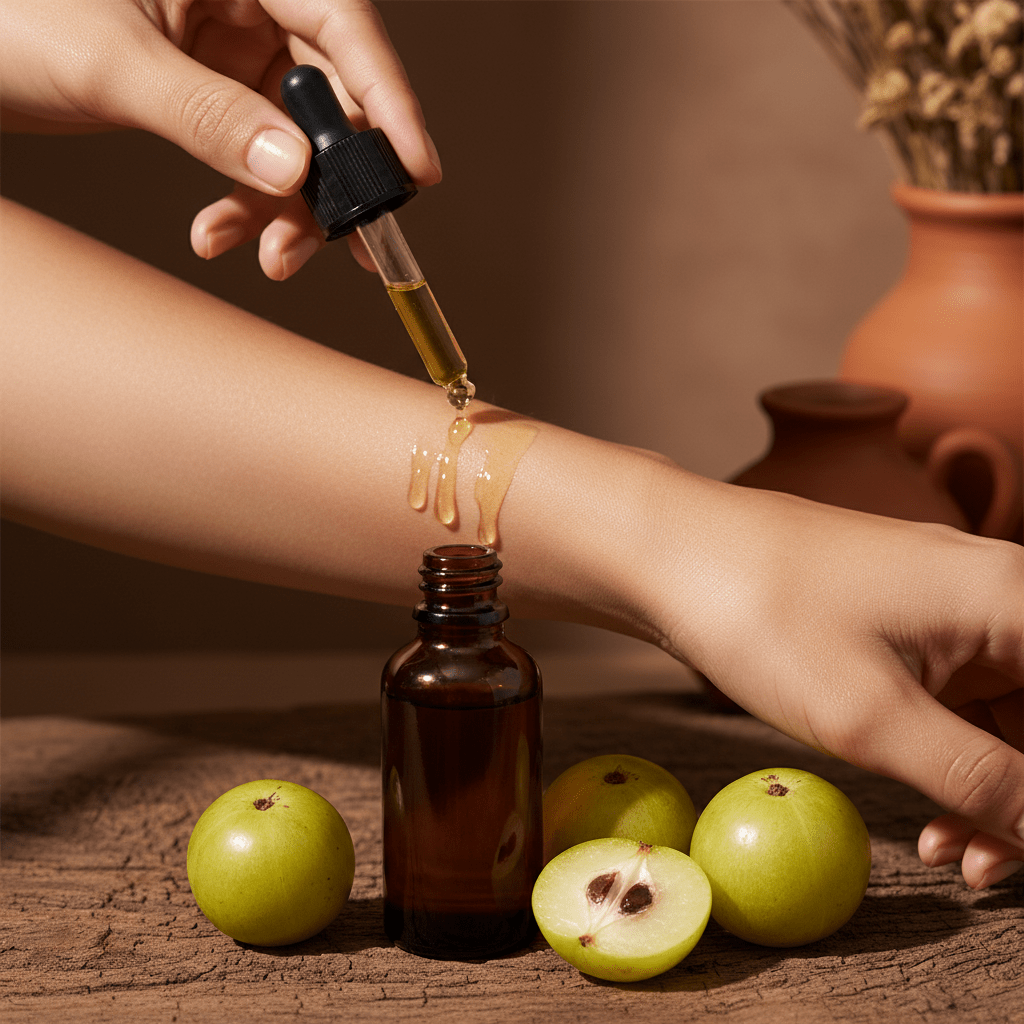
A quick tip, though: patch test first. Put a small amount on the inner arm or behind the ear and wait 24 to 48 hours. If you get redness, itching, or tiny bumps, stop there.
If you want a pure oil for beauty blends or product making, Aroma Monk’s lab-tested natural oils and carrier oils are a smart place to look. Clean supply. Clear sourcing. Less guesswork.
Your Practical Guide: How to Use Amla Oil in Your Weekly Routine
You know that moment when your hair looks fine on Monday, then by Wednesday it feels dry and a little grumpy? Yep. Same. The good news is that amla seed oil benefits show up best when you use it in a simple routine, not some fancy 12-step setup that nobody has time for.
Amla has deep roots in Ayurveda, where it was treated as a rasayana for vitality and glow. And people are still reaching for it now. The natural cosmetics market was valued at USD 31.84 billion in 2023, so this old ingredient is having a very modern moment.
Here’s how to use amla oil for hair, skin, and a little everyday shine without making your bathroom shelf look like a science project.
Method 1: The Nourishing Amla Oil Scalp Treatment
This is the one I’d start with. Simple. Low effort. Pretty calming, honestly.
Step 1: Warm a small amount.
Pour 1 to 2 teaspoons of amla oil into a bowl. Place the bowl in warm water for 1 to 2 minutes. Don’t make it hot. Just warm enough to feel comfy on your fingers.
Step 2: Part the hair.
Use your fingers or a comb to make a few clean parts. This helps the oil reach the scalp instead of sitting on top like a slick little helmet.
Step 3: Massage gently.
Use your fingertips, not your nails. Move in small circles for 5 to 10 minutes. Slow is better here. The idea is to coat the scalp, not scrub it raw.
Step 4: Let it sit.
Leave it on for at least 30 minutes. If your hair is very dry, you can leave it on for up to an hour, or even overnight if your scalp likes that. Then shampoo as usual.
This kind of amla oil scalp treatment can fit into a weekly oiling routine, which is how many Ayurvedic hair care habits have been passed down over time.
Method 2: Crafting a DIY Amla Oil Hair Mask
OK, this part is actually kind of fun. And yes, you can keep it basic.
| Hair goal | What to mix | How long to leave on |
|---|---|---|
| Extra hydration | 1 tbsp amla oil + 2 tbsp yogurt + 1 tsp honey | 20 to 30 minutes |
| Softness and shine | 1 tbsp amla oil + 1 tbsp coconut oil + 1 tsp honey | 30 minutes |
| Stronger feel | 1 tbsp amla oil + 2 tbsp yogurt + 1 tsp olive oil | 20 to 40 minutes |
Quick recipe 1: Hydration mask
Mix amla oil, yogurt, and honey. Stir until it looks smooth. Put it on damp hair from mid-length to ends. This one feels great if your hair gets dry fast.
Quick recipe 2: Shine mask
Blend amla oil with coconut oil and a little honey. Apply it before shampoo day. The coconut oil helps the hair feel softer, while the amla brings that rich, plant-based feel people love.
Quick recipe 3: Strength mask
Mix amla oil with yogurt and olive oil. Use this if your strands feel weak or rough after heat styling.
A small note: if your scalp gets oily fast, keep these masks on the lengths first. You don’t need to drench everything.
Method 3: As a Daily Leave-in or Finisher
A little goes a long way. Seriously.
Take one drop. Rub it between your palms. Then smooth it over flyaways, ends, or the outer layer of your hair. That’s it. If you use too much, your hair may look greasy instead of glossy, and nobody’s asking for that.
This works best on:
- dry ends
- frizz around the hairline
- dull-looking curls
- braids or protective styles
If your hair is fine, use less than you think you need. If it’s thick or curly, you might need one extra drop. Maybe two. But start tiny.
Method 4: For Glowing Skin
Amla oil for skin is getting more attention because people want simple oils that do more than just sit on the surface. Amla is rich in vitamin C and plant compounds like quercetin and gallic acid, which is part of why it gets linked with brighter-looking skin and antioxidant support.
Here’s a gentle way to try it:
As an overnight serum:
- Clean your face first
- Put 1 or 2 drops on clean fingertips
- Press it onto dry spots or dull areas
- Leave it on overnight
As a spot treatment:
- Dab a tiny amount on dark marks or rough patches
- Use it only on the spot, not your whole face
- Patch test first on the inner arm or behind the ear for 24 to 48 hours
That patch test matters. Skin can be picky. Redness, itching, or tiny bumps mean stop right there.
Amla oil works best when you keep it simple, whether you’re using it for hair growth support, a DIY amla oil hair mask, or a soft glow on skin. And if you want a clean source for oils and blends, Aroma Monk’s lab-tested natural oils and carrier oils are a solid place to look for your next routine.
A Smart Buyer’s Guide: How to Choose and Store High-Quality Amla Oil
You know what’s annoying? Buying a bottle that says “natural” and then realizing the label tells you almost nothing. Been there. And with amla seed oil benefits getting more attention, the bottle in your hand matters just as much as the ingredient itself.
Amla has deep roots in Ayurveda, where it was prized as a rasayana for glow and long life. That old trust is showing up again now because more people want plant-based care that feels honest and simple. The natural cosmetics market reached USD 31.84 billion in 2023, so this isn’t a tiny side trend.
Here’s the quick label check I’d use:
| What to look for | Why it matters |
|---|---|
| Cold-pressed | Helps keep more of the natural plant stuff inside |
| Organic | Lowers the chance of extra chemicals |
| Clear ingredient list | Tells you if it’s pure amla seed oil or blended with a carrier oil |
| Dark glass bottle | Helps protect the oil from light damage |
Cold-pressed is the big one if you want true amla seed oil. Infused oils are fine too, but they’re not the same thing. One is made from the seed. The other is usually amla steeped into another oil like coconut or sesame. So read that label twice. Maybe three times if the front of the bottle is shouting in shiny gold letters.
Packaging matters too. Dark glass is better than clear plastic because light can wear the oil down faster. That means less freshness, less strength, and a shorter shelf life. Nobody wants that.
At home, store your bottle in a cool, dark place. A cabinet works. A sunny windowsill does not. Keep the lid tight, don’t dip wet fingers into it, and try to use it within 1 to 2 years if it’s a good cold-pressed oil. If it starts smelling off or looks cloudy in a weird way, trust your nose.
And if you’re using amla oil for hair growth, a DIY amla oil hair mask, or even amla oil for skin, a well-stored bottle gives you a better shot at getting the good stuff each time. Simple. Clean. No drama.
If you want a trusted source for pure oils, Aroma Monk’s lab-tested natural oils and carrier oils are a smart place to start, especially if you care about traceability and quality.
Safety First: Potential Side Effects and Performing a Patch Test
You know that little hope you get when a new hair oil sounds perfect? Then one tiny skin flare-up shows up and ruins the party. Yeah. That’s why this part matters.
Amla seed oil benefits are real for many people, but side effects of amla oil can happen. The most common one is simple greasiness, especially if you have fine hair. If that sounds like you, try it as a pre-shampoo treatment instead of a leave-in. A little goes far.
Also, patch test first. Every time. Put a small amount behind your ear or on your inner arm and wait 24 to 48 hours. Redness, itching, bumps, or burning means stop. No guessing.
If you have a known plant allergy, a very sensitive scalp, or a scalp condition like eczema or psoriasis, talk with a healthcare professional before using amla oil for hair growth or amla oil for skin. Better to ask now than deal with a messy reaction later.
Amla has been used in Ayurveda for ages, and today’s natural beauty market keeps growing too, with natural cosmetics valued at USD 31.84 billion in 2023. So yes, people want plant care. But smart care still starts with caution.
If you’re shopping for pure oils for personal care formulas, Aroma Monk’s lab-tested natural oils and carrier oils can be a solid place to start.
Embrace the Ritual: Your Journey to Healthier Hair and Skin Is One Drop Away
Amla has been around for ages, and honestly, that says a lot. People used it in Ayurveda as a rasayana for glow, strength, and balance. Now it’s showing up again in modern routines, which makes sense since the natural cosmetics market was valued at USD 31.84 billion in 2023 and keeps growing.
What stands out most about amla seed oil benefits is how simple they are to use day to day. Stronger roots. A calmer scalp. Shinier strands. Plus, amla oil for skin can bring a softer, more radiant look when used with care. Not magic. Just a steady little helper.
If you’ve been wondering how to use amla oil for hair, start small. Try a weekly scalp massage, or use a light DIY amla oil hair mask before wash day. Keep it gentle, stay consistent, and watch what happens over time. And if you want a clean source for your routine, Aroma Monk’s lab-tested natural oils and carrier oils are a smart place to begin. Start with one simple oiling session this week and see how your hair feels.
Get a quote from Aroma Monk.
Essential Oil Supplier – Bulk pricing • Samples • Fast response