
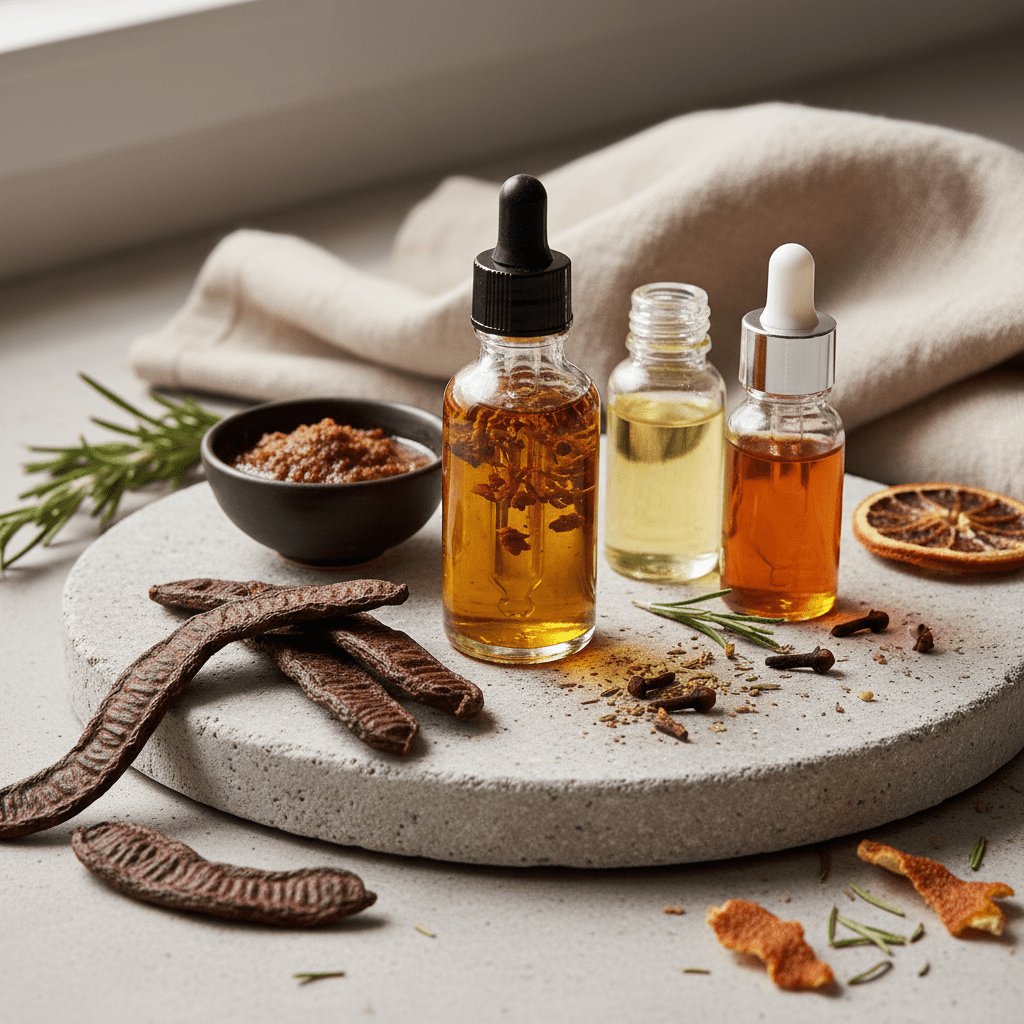
Beyond the Hair: Unlocking the Untapped Skin Benefits of Shikakai Oil
You probably know shikakai as the old-school hair wash your grandma trusted. Fair enough. It built its name in Ayurvedic skincare as a gentle cleanser for shiny, strong hair.
But here’s the part people miss: shikakai oil is getting fresh attention for skin too. And that makes sense. More people are reaching for natural face cleanser options, simple routines, and plant-based care that feels less harsh than a bottle full of mystery stuff. The broader Ayurvedic skincare products market was valued at $12.4 billion in 2025 and is set to keep growing, which tells us this shift is not just a trend. It’s a real buying habit.
Shikakai, or Acacia concinna, has a long folk history in skin care, not just hair care. Traditional use includes washing wounds, calming itching, and soothing minor skin trouble. Pretty old news, sure. But still useful news.
In this guide, we’ll look at shikakai benefits for skin, how to use shikakai on face, and what to know before you try it. We’ll also cover shikakai for acne, DIY shikakai face mask ideas, and shikakai oil side effects so you can decide if this ancient remedy fits your modern routine.
And yes, we’ll keep it real. No fluff. Just the skin stuff that actually matters.

What Exactly is Shikakai? From Ancient Pod to Modern Oil
If you’ve ever seen a small brown pod and thought, “That doesn’t look like much,” you’re not alone. Shikakai has that effect on people. Quiet little plant. Big history.
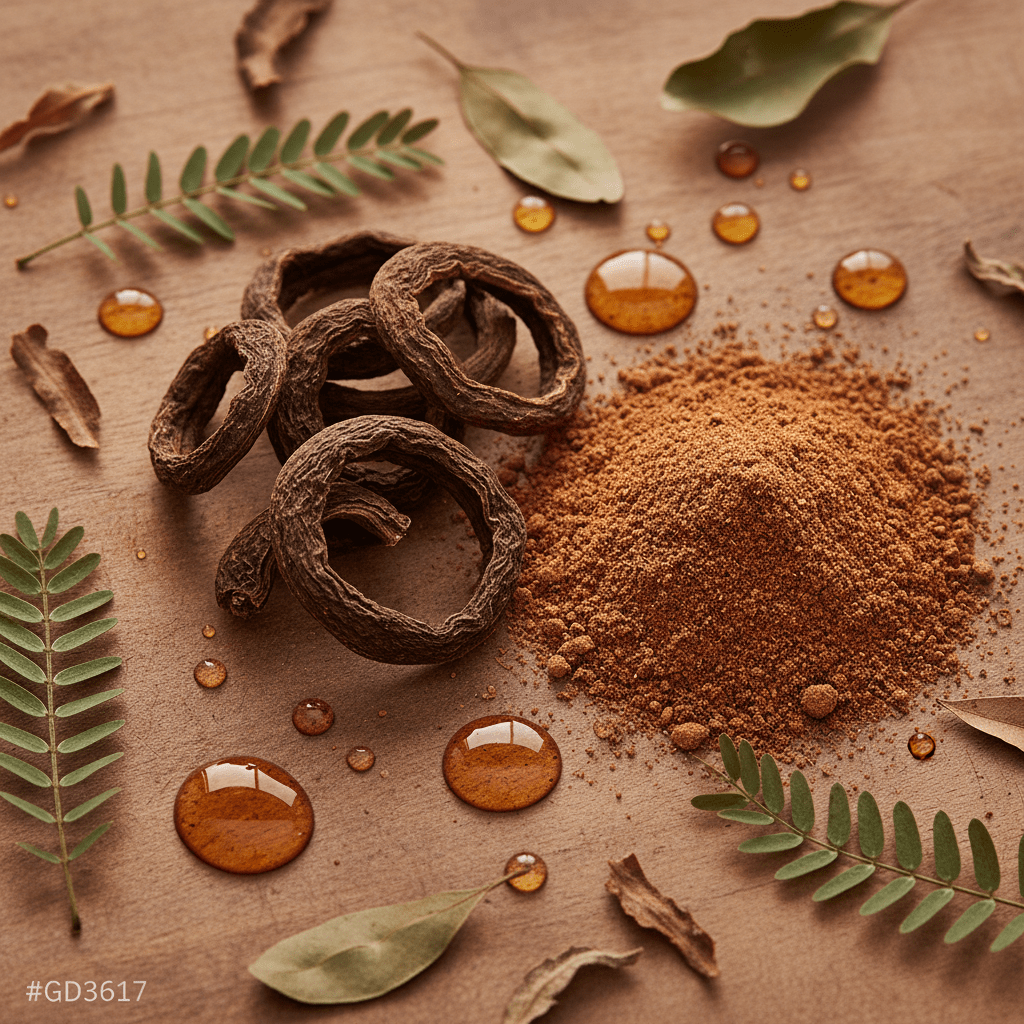
Shikakai comes from Acacia concinna, a thorny plant native to parts of Asia. Some folks call it the “soap pod tree,” which makes sense once you learn what the pods do. They’re rich in natural soap-like compounds, so people have used them for washing for ages.
And here’s the part that gets missed a lot: shikakai isn’t just one thing. There’s shikakai powder, and then there’s shikakai oil. They’re not the same.
| Form | What it is | Common use |
|---|---|---|
| Shikakai powder | Ground dried pods, leaves, or fruit | Natural cleanser, face packs, hair wash |
| Shikakai oil | Shikakai infused in a carrier oil like coconut or sesame | Skin massage, cleansing blends, beauty routines |
So if you’re shopping for shikakai oil, you’re usually not buying a pure essential oil. It’s more like an herbal infusion. The shikakai is steeped into a base oil, and that carrier oil does most of the delivery work on skin. Coconut oil and sesame oil are the usual picks because they’ve both been used for a long time in Ayurvedic skincare.
This matters. A lot.
Why? Because it changes how the product feels, how you use it, and how strong it may be on sensitive skin. Shikakai powder can feel more cleansing and a bit drying. Shikakai oil tends to be gentler and more skin-friendly for daily use, especially if you want a natural face cleanser style routine without that tight, squeaky feeling afterward.
In Ayurveda, shikakai has also been treated like a Rasayana, which is a rejuvenating herb. That’s a fancy old word, but the idea is simple. It was valued for keeping the body, hair, and skin in better shape. Traditional uses include washing wounds, calming itching, and helping with minor rashes and other skin trouble. Not magic. Just old knowledge that people kept passing down because it seemed to help.
Also, the market tells its own story. Interest in Ayurvedic skincare is growing fast, with the global Ayurvedic skincare products market valued at $12.4 billion in 2025 and projected to keep climbing as reported here. That means more people are looking at plant-based options like shikakai for skin, not just for hair.
If you’re exploring Ayurveda for skin, shikakai oil is a simple place to start. It’s familiar, low-drama, and easy to add into a routine. And if you make skincare products or source ingredients in bulk, it’s the kind of herb that pairs well with other natural oils and blends. Aroma Monk, for example, works with pure carrier oils and natural extracts that fit well into this kind of product line.
Still, start small. Always. A little test patch goes a long way.
The Science of Shikakai: Analyzing Its Powerful Phytochemical Profile
Shikakai looks plain. Just a pod, right? But that little pod has a pretty busy makeup, and that’s where the skin talk gets interesting.
The biggest player is saponins. These are natural cleansing compounds, and they act a bit like very mild soap. They help lift dirt and oil without that harsh, stripped feeling some cleansers leave behind. That matters if you want a natural face cleanser that doesn’t leave your skin screaming for lotion five minutes later.
And yes, that softer touch is one reason people keep asking about shikakai benefits for skin. It’s not just old folk wisdom. It lines up with what many people want now: plant-based care that feels simple and gentle. For people exploring Ayurvedic skincare, that’s a pretty nice fit.
Shikakai also carries antioxidants, mostly from flavonoids and vitamin C. Those help fight free radical damage from sun, smoke, and city air. Weird how your skin has to deal with all that before lunch, but that’s real life. Vitamin C also gets a lot of attention for brightening, while vitamin E is often linked with antioxidant support, though lab reports on shikakai don’t consistently confirm every vitamin people mention in blog posts.
Here’s a quick cheat sheet:
| Compound | What it may do for skin |
|---|---|
| Saponins | Cleanse gently and may help remove oil and grime |
| Flavonoids | Antioxidant support, plus help protect skin from stress |
| Alkaloids | May support antibacterial action |
| Tannins | Often linked with tightening and skin care support |
| Vitamin C | Brightening and antioxidant support |
Shikakai also shows antibacterial and antifungal activity in studies, which is why it gets mentioned in talks about shikakai for acne and other skin trouble. One lab study found activity against microbes like E. coli and Staphylococcus aureus in this research review. That does not mean it’s a cure for acne. But it does help explain why people have used Acacia concinna for skin for so long.
Old Ayurvedic use points in the same direction. Shikakai has been used to wash wounds, calm itching, and soothe swelling and burning. So when people ask how to use shikakai on face, they’re really tapping into a long tradition, just with a modern routine.
A small note, because this part matters: shikakai oil side effects can still happen. Too much can dry skin out, especially if your face is already sensitive. And if you’re trying a DIY shikakai face mask or using shikakai powder for skin whitening claims you saw online, patch test first. Every time. No shortcuts there.
If you make skincare blends, this is where smart sourcing helps too. Aroma Monk supplies pure essential oils, rose water, and carrier oils that can pair well with herbal formulas like shikakai-based products. Clean ingredients. Better control. Less guesswork.
Get a quote from Aroma Monk.
Essential Oil Supplier – Bulk pricing • Samples • Fast response
Top 4 Researched Benefits of Shikakai Oil for Your Skin
You know that moment when your skin feels oily, but also weirdly tight? Annoying, right? That’s exactly why people keep reaching for shikakai oil. It sits in a nice middle spot. Not too harsh. Not too heavy.
And this is where things get interesting. Shikakai oil comes from a plant that’s been used in Ayurvedic skincare for a long time, and modern buyers are paying attention again because natural skin care keeps growing. More people want a natural face cleanser that feels gentle, not squeaky-clean in the bad way.
Here are the four biggest skin benefits people talk about most.
1) A gentle cleanser that does not act like a bully
Shikakai oil is known for mild cleansing. That sounds simple, but it’s a big deal if your skin gets angry fast. The saponins in Acacia concinna for skin can help lift dirt and excess oil without leaving your face stripped and cranky.
So if you’ve been wondering how to use shikakai on face, this is the part people usually like most. It can fit into a soft daily routine, especially for sensitive skin and acne-prone skin that hates rough cleansers.
A lot of people also like it in an oil cleansing method. Just a small amount. A little massage. Then wipe it off with a warm cloth. Simple.
2) It may help with acne and skin infections
This is the reason many folks look up shikakai for acne in the first place. Lab studies have shown antibacterial and antifungal action in Acacia concinna extracts, which helps explain why it has been used on minor rashes and skin trouble for years.
Old Ayurvedic notes say shikakai wash water was used for wounds, itching, swelling, and burning. That doesn’t mean it cures breakouts. But it does help explain the long trust around it.
And for anyone playing with a DIY shikakai face mask, this is the benefit most people hope for. Less grime. Less buildup. A calmer feel.
3) It can soothe irritated skin
Red, itchy, hot skin is no fun. Been there. Done that. Didn’t like it.
Shikakai has been used in folk care for irritation, mild dermatitis, and rashes. Traditional Ayurvedic use describes it as calming swelling, exudation, itching, and burning sensation. That’s a pretty strong track record for something that starts as a plain little pod.
The anti-inflammatory feel is one reason people compare shikakai benefits for skin with other gentle herbs. It’s often mixed with aloe vera, sandalwood, or honey in face routines. But if your skin is super reactive, go slow. Patch test first.
4) It brings antioxidant support for a fresher look
This part gets talked about less, but it matters. Shikakai contains flavonoids, phenols, and vitamin C, which all help fight free radical stress from sun, smoke, and city air.
And yes, our skin deals with that stuff all day. Rude, honestly.
That antioxidant support is one reason shikakai oil side effects are usually milder than harsher cleansers when used the right way. It may help skin look a little brighter and less tired over time, especially if you’re trying to keep your routine simple.
| Benefit | What it may help with |
|---|---|
| Gentle cleansing | Dirt, excess oil, daily buildup |
| Antimicrobial action | Acne-prone skin, minor skin trouble |
| Soothing support | Redness, itching, irritation |
| Antioxidants | Dullness, early signs of aging |
If you’re shopping for ingredient-grade oils for skincare products, Aroma Monk can be a good place to look for pure carrier oils, rose water, and natural extracts that blend well with shikakai-based formulas. Clean inputs make product testing a whole lot easier.
One last thing. Don’t expect miracles from one bottle. Shikakai oil works best as part of a steady routine, not a last-minute rescue plan. Start small, watch how your skin reacts, and keep it simple.
How to Incorporate Shikakai Oil into Your Skincare Ritual
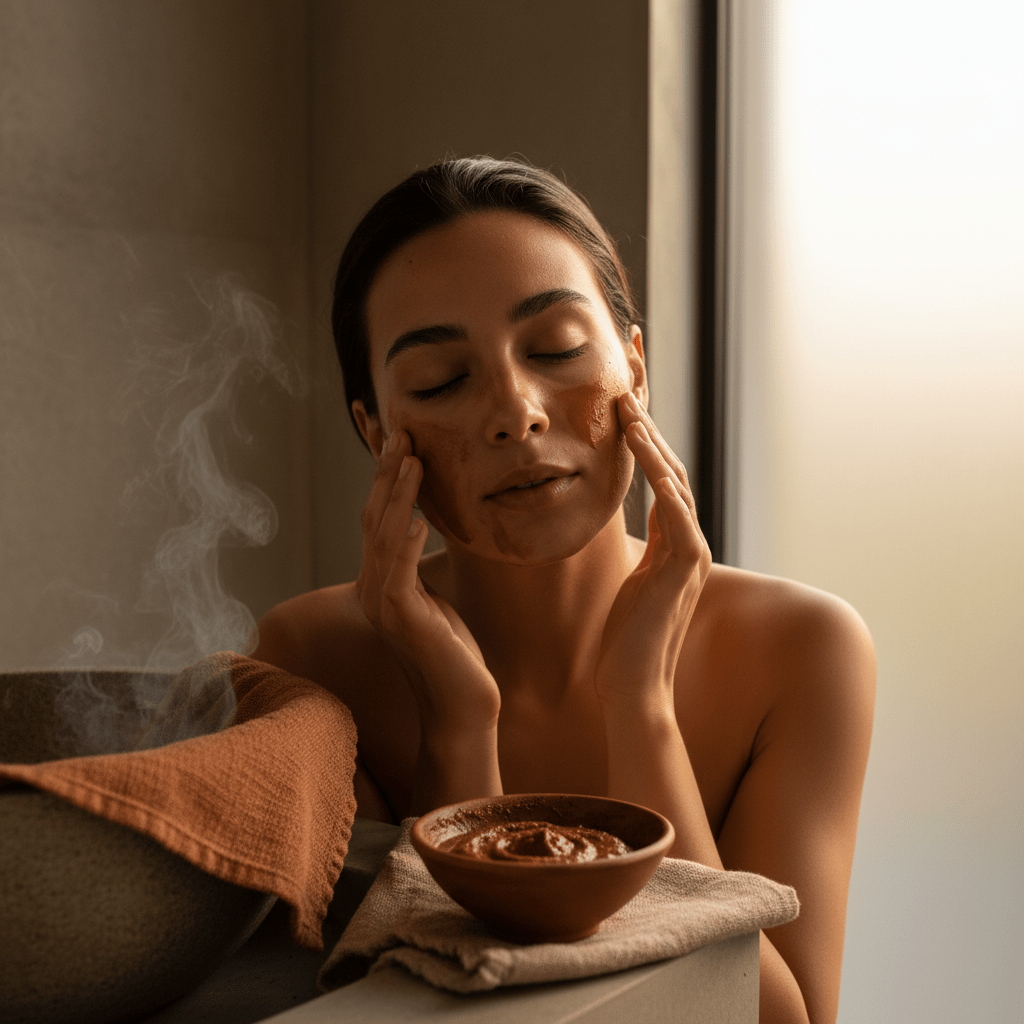
You know that sleepy, half-awake moment when you’re too tired for a big routine, but your skin still wants help? That’s where shikakai oil can fit in pretty nicely. Simple. Low fuss. No 12-step drama.
1) Use it as a gentle cleanser or makeup remover
This is the easiest way to start. If you’re wondering how to use shikakai on face, try the oil cleansing method.
Quick steps:
- Put 1 to 2 tsp of shikakai-infused oil on dry skin.
- Massage it in with clean fingers for 1 to 2 minutes.
- Lay a warm damp cloth over your face for 20 to 30 seconds.
- Wipe away makeup, dirt, and extra oil.
- Rinse if your skin likes that better.
That warm cloth step matters. It helps lift grime without that harsh, squeaky-clean feeling. And for a lot of people, that’s the whole win.
If your skin is oily or acne-prone, start with a tiny amount. Too much oil can feel heavy. A little goes a long way.
2) Make a simple DIY shikakai face mask
OK, this next part is actually pretty fun. If you want a brighter look, you can mix a small DIY shikakai face mask at home.
Easy mask idea:
- 1 tsp shikakai powder
- 1 tsp plain yogurt
- 1 tsp honey
- A tiny pinch of turmeric
- 2 to 3 drops of shikakai oil, if you have it
Mix it into a smooth paste. Put it on clean skin for 8 to 10 minutes, then rinse with lukewarm water. Yogurt brings a soft exfoliating feel, honey adds moisture, and turmeric is often used for a more even look.
And no, this isn’t going to change your skin overnight. But it can be a nice weekly ritual if your skin likes gentle care. Some people also search for shikakai powder for skin whitening, but I’d keep the goal more realistic. Think glow, not magic.
3) Try it as a spot treatment for small trouble areas
For tiny blemishes or irritated spots, shikakai oil can be used with a very light touch. Not slathered on. Just dabbed.
How to do it:
- Mix 1 drop of shikakai oil with 3 to 4 drops of a carrier oil like coconut or sesame
- Use a clean cotton swab
- Dab only on the spot
- Leave it on for a few hours or overnight if your skin stays calm
This is where shikakai for acne gets a lot of attention. Its old Ayurvedic use for itchy, inflamed skin is one reason people still reach for it today. But if a blemish is angry, open, or painful, I’d skip home experiments and talk to a skin pro instead.
A few quick safety notes
Shikakai oil side effects can happen, especially if your skin runs dry or sensitive. Patch test on your inner arm for 24 to 48 hours before using it on your face. That’s not extra. That’s smart.
| Goal | Best way to use it |
|---|---|
| Daily cleansing | Oil cleanse with 1 to 2 tsp |
| Weekly glow mask | Mix with yogurt, honey, and a pinch of turmeric |
| Tiny blemish support | Diluted spot treatment |
If you make skincare products, this is also a handy ingredient to test in small batches. Aroma Monk offers pure essential oils, rose water, and carrier oils that can pair well with herbal blends like shikakai. Clean inputs make testing way easier.
Start small. Watch your skin. Then adjust. That’s usually the safest way to see if shikakai oil fits your routine.

Buyer’s Guide: Choosing a High-Quality Shikakai Oil
You know that moment when a bottle looks fancy, but the label tells you almost nothing? Yeah… that. Shikakai oil can be like that too. And if you’re using it for skin, the label matters more than the pretty packaging.
Start with the base oil. A good shikakai oil is usually an infusion, not a pure extract. Check whether it uses coconut oil, sesame oil, or another carrier oil. That matters because the base oil changes how it feels on your skin. Coconut oil can feel richer. Sesame oil often feels lighter and more traditional in Ayurvedic skincare.
Then look for words like cold-pressed if the carrier oil is listed that way. Cold-pressed oils tend to hold up better, and they usually keep more of their natural feel. Also, skip products with synthetic fragrance, mineral oil, or a long list of mystery extras. If the label reads like a perfume shop exploded, put it back.
Here’s a quick label check:
| What to look for | Why it matters |
|---|---|
| Acacia concinna or shikakai | Confirms it’s real shikakai |
| Named carrier oil | Helps you know how it’ll feel on skin |
| Cold-pressed | Often a cleaner choice for quality |
| No synthetic fragrance | Lower chance of irritation |
| No mineral oil | Keeps the formula more natural |
If you can find certified organic shikakai, that’s a nice bonus. It helps cut down the chance of pesticide residue, which is a big win if you’re trying to keep your routine simple and plant-based. For brands and buyers, that also makes the product easier to trust.
Storage is the part people forget. Don’t keep shikakai oil on a sunny bathroom shelf. Heat and light can make it go bad faster. Store it in a cool, dark place, with the cap tight, away from direct sunlight. A cabinet works. A drawer works. The dashboard of your car? Not so much.
Also, give it a sniff now and then. Fresh oil should smell mild and herbal. If it turns sour, musty, or sticky, toss it. That’s your sign it’s likely gone rancid.
If you’re sourcing oils for products, Aroma Monk can help with pure, lab-tested essential oils, carrier oils, and rose water that fit clean beauty formulas. And if you’re just shopping for home use, start with one small bottle first. Test it. Watch how your skin reacts. Then decide if it earns a permanent spot on your shelf.
Potential Side Effects and Important Precautions
You know what’s funny? A lot of people hear “natural” and think “safe for everyone.” Not quite. Shikakai oil can be lovely on skin, but it can also be a little rude to the wrong face.
Most people do fine with it. But if you have very dry skin, very sensitive skin, eczema, or a history of plant allergies, go slow. Shikakai oil side effects can include redness, itching, rash, or that tight, dry feeling nobody wants after skincare. That can happen because shikakai has cleansing compounds, and too much of a good thing can leave skin annoyed.
So here’s the non-negotiable part: patch test first. Always.
Do a patch test before face use
Put a tiny amount on the inner arm or behind the ear. Leave it for 24 hours, and better yet, 24 to 48 hours if your skin is super reactive. If you see redness, bumps, burning, swelling, or itching, don’t use it on your face. Simple. No debate.
Be extra careful if you have skin issues
If you deal with severe acne, eczema, rosacea, psoriasis, or contact allergies, check with a dermatologist before trying shikakai for acne or any DIY shikakai face mask. And if your skin barrier is already upset, even gentle things can sting.
Also, avoid getting shikakai oil near your eyes. That’s just a bad time.
A quick safety table
| Situation | What to do |
|---|---|
| Sensitive skin | Patch test for 24 to 48 hours |
| Dry skin | Use less, and don’t over-cleanse |
| Known plant allergy | Talk to a dermatologist first |
| Open cuts or raw skin | Skip it for now |
| Burning or redness | Wash it off right away |
Shikakai has a long place in Ayurvedic skincare and people still love it as a natural face cleanser option, but your skin gets the final vote. If you want to try it, start small, watch closely, and choose clean, well-made oils from trusted brands like Aroma Monk, where purity and lab testing matter.
Embrace the Ancient Wisdom for Modern, Radiant Skin
Shikakai oil is a quiet little helper with a big job. It can cleanse gently, calm skin that feels angry, and bring antioxidant support to a simple routine. That is a pretty nice mix for anyone who wants plant-based care without the fuss.
And the timing makes sense. People are leaning harder into Ayurvedic skincare and natural face cleanser options, and the market growth backs that up with real numbers. So this is not just an old-home-remedy moment. It is a real shift.
Shikakai, or Acacia concinna for skin, bridges old knowledge and modern needs. It has been used for washing, soothing, and caring for irritated skin for ages. Now it is showing up again in acne care, DIY shikakai face mask routines, and simple daily use.
But start small. Always. Start with a simple patch test and discover if this Ayurvedic gem is the missing piece in your natural skincare puzzle.
Get a quote from Aroma Monk.
Essential Oil Supplier – Bulk pricing • Samples • Fast response