
Unlocking Ancient Wisdom: Why Jatamansi Oil is Your Modern Skincare & Wellness Ally
You know that feeling when your skin looks tired, your hair feels flat, and your mind won’t shut off? Yeah, that. A lot of us are looking past shiny bottles and big claims now. We want something gentler. Something that actually feels like it belongs in real life.
That’s where jatamansi oil benefits start to stand out. Jatamansi, also called Nardostachys jatamansi, is a Himalayan herb with deep roots in Ayurveda. People have used it for more than 2,000 years for calm, balance, and care from the inside out. And honestly, that old-school wisdom is getting fresh attention again, especially as more shoppers want plant-based options for skin and hair. The herbal beauty market is growing fast, and people keep asking for cleaner ingredients that still do the job well market trends in Ayurvedic beauty.
So what is jatamansi oil, really? Think of it as a rich, earthy essential oil with a long history and a lot of uses. It’s often linked with ayurvedic oil for glowing skin, jatamansi for hair growth, and even spikenard oil for anxiety. Pretty wide range, right? But wait, there’s more. In this article, we’ll look at how it may help with skin nourishment, scalp care, and a calmer mind.

If you’ve been searching for jatamansi essential oil uses, how to use jatamansi oil for face, or just want to know if jatamansi side effects are a thing, you’re in the right place. Let’s get into it.
What is Jatamansi? The Story of the ‘Tapaswani’ Herb
Ever smelled something earthy and calm at the same time? That’s kind of the vibe Jatamansi gives off. It’s a flowering plant that grows high up in the Himalayas, where the air is thin and the weather is tough. That rough home is part of why it feels so special. The plant grows slowly, and the roots are prized, which also makes it pretty rare.
In Ayurveda, Jatamansi has a name with a lot of meaning: Tapaswani. Long ago, yogis and sages used it during meditation and quiet prayer. They believed it helped with focus, calm, and mental clarity. Honestly, that tracks. If your mind feels like ten tabs open at once, this herb has a very old reputation for helping things settle down.
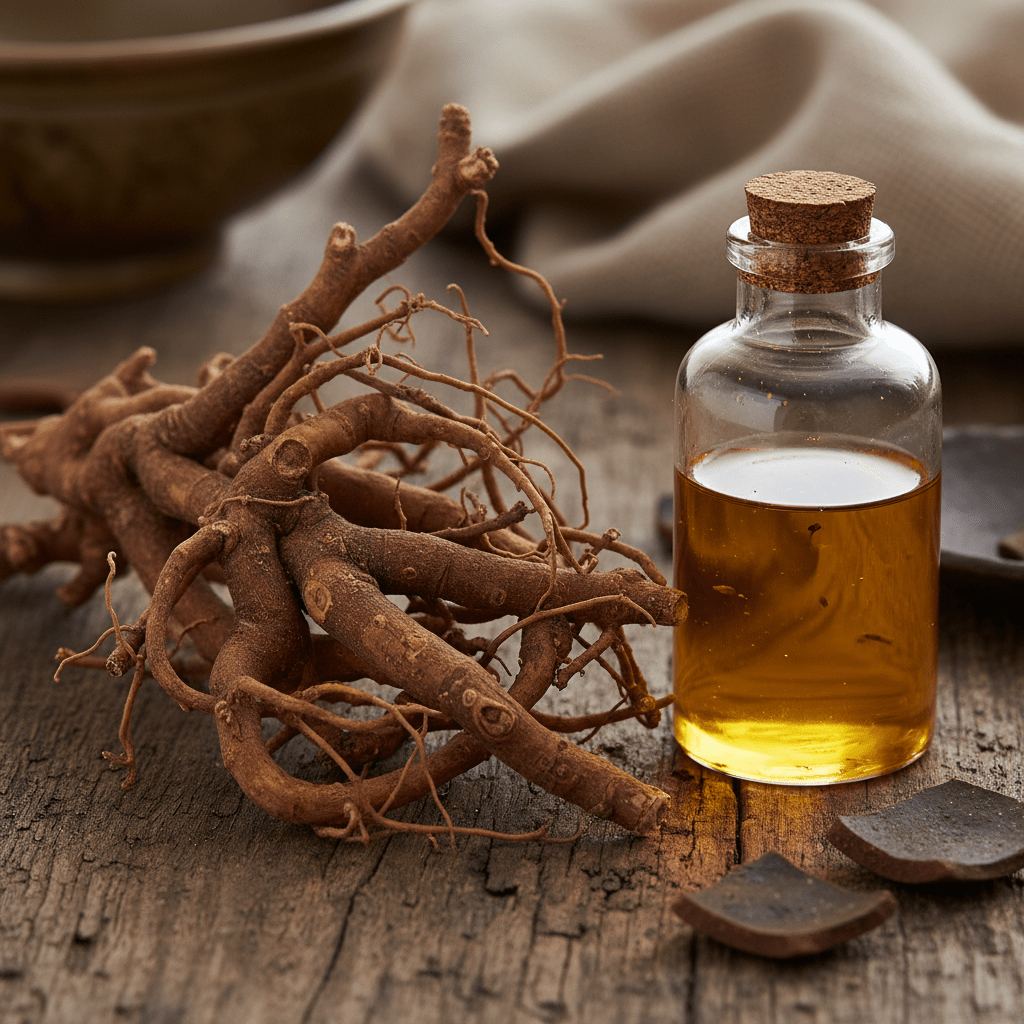
The oil itself comes from the dried rhizomes, which are the root-like stems under the soil. Those rhizomes are steam distilled to pull out the essential oil. So yes, a little plant part gives us a pretty potent oil. That’s why jatamansi essential oil uses are talked about so much in skin care, scalp care, and wellness circles.
Here’s the thing though. Jatamansi isn’t just another trendy herb with a cute story. It comes from a long line of use in Ayurveda, and modern buyers are paying attention again because people want plant-based products that feel gentle and real. That shift lines up with what we’re seeing in natural beauty too, where shoppers keep asking for cleaner, more transparent ingredients market trends in Ayurvedic beauty.

If you’re exploring what is jatamansi oil or comparing it with other natural oils, this is the part to remember: it’s rare, traditional, and made from a plant that takes time to grow. Slow. Strong. Kind of old soul energy.
The Science of Serenity: Key Bioactive Compounds in Jatamansi Oil
You know that moment when something smells nice, but then you wonder, “OK, but does it actually do anything?” Fair question. With jatamansi oil, the answer seems to be yes. And not just in a vague, wellness-blog kind of way.
This oil has a real chemical story behind it. Inside jatamansi essential oil, researchers have found compounds like jatamansone, valeranone, and a whole group of sesquiterpenes. That sounds fancy, but here’s the simple version: these plant compounds help explain why the oil has such a grounded scent and why it shows up in talks about skin care, scalp care, and calm.
One study noted that jatamansi oil can contain more than 30 compounds, with sesquiterpenes making up a big share of the oil. Those compounds are linked to antioxidant and soothing actions, which helps make sense of the old Ayurvedic praise for ayurvedic oil for glowing skin and spikenard oil for anxiety research on jatamansi bioactive compounds.
Here’s what that means in plain language:
| Compound Group | What It May Do | Why People Care |
|---|---|---|
| Jatamansone | Supports antioxidant action | May help fight skin stress and early aging |
| Valeranone | Calming, earthy aroma support | Often tied to relaxing uses |
| Sesquiterpenes | Anti-inflammatory and protective effects | May soothe skin and support a calmer feel |
Pretty neat, right? Not magic. Just plant chemistry doing its thing.
For skin, the biggest win is likely the antioxidant side. Free radicals can wear skin down over time, and antioxidant-rich oils are often used to support a brighter, more rested look. That’s one reason people search for nardoil benefits for skin and how to use jatamansi oil for face. It may help skin feel less dull and more cushioned, especially when blended into a carrier oil for natural skin hydration.
And for the mind, the story gets even more interesting. Jatamansi has long been used as a calming herb, and its compounds are thought to support nervous-system balance. So when people talk about jatamansi essential oil uses for sleep or spikenard oil for anxiety, they’re really talking about a plant with a strong traditional record and a chemistry profile that backs up some of that use.
But wait, there’s a practical side too. Many buyers today want plant oils that do more than sound pretty on a label. They want proof. They want purity. They want something that fits clean beauty without feeling flimsy. That’s why oils like jatamansi keep getting attention in both skincare and wellness circles.
If you’re exploring it for your own routine, start slow. Blend it well. Patch test first. And if you’re a brand or maker looking for lab-tested, bulk essential oils, this is the kind of ingredient Aroma Monk sources with quality checks and traceability in mind. Good oil starts with good sourcing. Always.
Core Focus: Jatamansi Oil Benefits for Skin Nourishment and Hydration
Dry skin has a funny way of showing up at the worst time. One day your face feels fine, and the next it’s flaky, tight, and just plain annoyed. Been there. That’s one reason jatamansi oil benefits are getting more attention in skincare circles.
This oil has a rich, soothing feel that makes it a nice fit for natural skin hydration. It works like an emollient, which is just a simple way of saying it helps soften skin and keep moisture in. So if your skin leans dry, mature, or easily cranky, jatamansi can be a handy part of your routine. And yes, that includes cold-weather skin, which seems to have a personal grudge against all of us.
Here’s the thing. A lot of people want ayurvedic oil for glowing skin because they’re tired of heavy creams that sit on top of the face and don’t really help. Jatamansi oil is different in that it’s often blended into carrier oils for gentler use. That makes it easier to work into a simple face oil, especially if you’re looking at how to use jatamansi oil for face care without overdoing it.
Why skin likes it
The big draw is its antioxidant power. Antioxidants help fight free radicals, which are tiny troublemakers that can make skin look dull and tired over time. That’s part of why people talk about nardoil benefits for skin and ask if it can help with fine lines and rough texture. It may not erase age like magic. But it can support a softer, fresher look when used the right way.
Also, jatamansi seems to bring a calming touch to skin that’s red or upset. Research and traditional use both point to anti-inflammatory and antibacterial properties, which is why it comes up in talks about acne, eczema, and even psoriasis care skin benefits of Jatamansi oil. That does not mean it replaces medical care. But it may be a nice extra step for skin that gets irritated easily.
A simple way to think about the benefits
| Skin Need | How Jatamansi Oil May Help | Best Fit |
|---|---|---|
| Dryness | Helps lock in moisture | Dry and flaky skin |
| Dull tone | Antioxidants may support brightness | Tired-looking skin |
| Redness | May calm irritation | Sensitive or troubled skin |
| Fine lines | Supports a more supple feel | Mature skin |
I like that it does a few jobs at once. Not in a loud, flashy way. Just steady support.
If you’re making your own blend, keep it light. Use a proper carrier oil like jojoba for oily skin or argan for dry skin. A small amount goes a long way, especially on the face. Patch test first too. That part is boring, sure, but boring is better than a rash.
For brands, this is also where good sourcing matters. Aroma Monk works with 100% pure, lab-tested essential oils, plus carrier oils and rose water for beauty and wellness lines. If you’re building a skin-care product and need bulk natural ingredients with traceability, that kind of supply support can save a ton of back-and-forth.
And if you’re wondering whether jatamansi oil is just hype? Not really. It’s more like an old remedy getting a second look because it fits what people want now: gentler care, cleaner labels, and products that don’t feel fake.

Get a quote from Aroma Monk.
Essential Oil Supplier – Bulk pricing • Samples • Fast response
From Root to Tip: Jatamansi Oil for Stronger, Healthier Hair
Hair can look fine one day and a little sad the next. Flat roots. Dry ends. More strands on the brush than you’d like. Ugh. If that sounds familiar, you’re not alone. A lot of people look for jatamansi for hair growth because they want something old, simple, and plant-based that feels a lot less harsh than the usual bottle-packed promises.
Jatamansi oil has been used as a hair tonic for a long time in Ayurveda. People have turned to it for hair fall, a dry scalp, and weak-looking strands. And there may be a solid reason for that. A study on Nardostachys jatamansi found hair growth support from rhizome extracts, which fits the way this herb has been used for ages in scalp care hair benefits of Jatamansi oil.
Why people use it for hair
First, it may help the scalp feel healthier. A calm scalp is a better place for hair to grow. That’s the simple version. When the skin on your head gets itchy, flaky, or upset, hair can look worse and break more easily. Jatamansi oil is talked about for its antibacterial, antifungal, and anti-inflammatory action, so it may help with the stuff that makes dandruff and scalp irritation keep coming back.
That matters because dandruff is often tied to Malassezia yeast on the scalp, plus extra oil and irritation. Not cute. By helping with those trouble spots, jatamansi oil may create a better home for follicles and support less shedding over time.
Hair growth, shine, and less breakage
People also like jatamansi oil because it may help strengthen hair shafts. Stronger strands usually mean less snapping when you brush, oil, or style your hair. And while it won’t turn thin hair into a thick mane overnight, it can fit nicely into a routine that supports scalp health and length retention.
Here’s a quick look at how people use it:
| Hair Goal | How Jatamansi Oil May Help | What It Feels Like |
|---|---|---|
| Hair fall control | Supports a healthier scalp and hair follicles | Less weak, fragile shedding |
| Dandruff relief | May calm fungus-related flaking and itch | Less scratchy, less dry |
| Shine | Helps dull hair look smoother | Softer, glossier finish |
| Premature greying | Antioxidants may help fight oxidative stress | Slower-looking fade over time |
|
And yes, people also talk about delaying greying. That part is mostly rooted in tradition, plus the antioxidant story. Oxidative stress can wear hair down and dull its color, so oils with plant compounds may help protect what you already have. I wouldn’t call it a magic fix. But it can be part of a smart, gentle routine.
How to use it without making a mess
The best way is usually simple. Mix a few drops with a carrier oil like coconut, amla, or jojoba, then massage it into the scalp for 5 to 10 minutes. Leave it on for a bit before washing. Some people use it before bed. Others use it as a pre-wash treatment. Both can work.
But here’s the thing: don’t go straight onto the scalp with a strong essential oil. Dilute it first. That keeps things safer and kinder to your skin. Patch test too. Boring, yes. Worth it, absolutely.
For brands building a hair oil line, this is where good raw material sourcing matters. Aroma Monk supplies 100% pure, lab-tested essential oils, plus carrier oils and rose water for cosmetic and wellness use. If you’re making a jatamansi oil benefits product for hair care, consistency and traceability can make all the difference.
And if your scalp has been acting up, it might be worth trying a gentler plant-based blend before reaching for something super harsh. Sometimes the old answer is the quieter one.
The Mind-Skin Connection: Using Spikenard Oil for Stress and Sleep
Ever notice how a rough week shows up on your face first? A late night, a tense meeting, too much coffee… and suddenly your skin looks tired and a little cranky. Weird, right? But it makes sense.
That’s where spikenard oil for anxiety and rest comes in. Jatamansi, also called spikenard, has long been used in Ayurveda as a calming herb, the kind people reached for when the mind felt busy and the body felt wired. It’s known as a nervine tonic, which is a fancy way of saying it’s used to help settle things down. Yogis and sages even used it for focus and quiet meditation. Very old-school. Still kind of cool.
Better sleep is a big deal for skin too. When you sleep well, your skin gets more time to repair itself overnight. That’s when it works on dryness, dullness, and that just-off look we all hate in the mirror. So if stress is part of your breakouts or your face looks drained after bad sleep, jatamansi oil may support the whole routine, not just one piece of it.
Why calm matters for skin
Stress can stir up the body and show up as redness, breakouts, and more sensitivity. So a calming ritual can help in more ways than one. A few drops of diluted jatamansi oil in a bedtime blend may help you relax, which can also be a nice support for skin that acts up when life gets loud.
Here’s a simple way to think about it:
| Concern | How Jatamansi May Help | What People Notice |
|---|---|---|
| Stress and restlessness | Supports a calmer nervous system | Less mental buzzing |
| Poor sleep | May help promote deeper rest | Better overnight recovery |
| Tension and mental fog | Used for grounding and focus | A steadier feel |
| Stress-related skin flare-ups | Lower stress can help skin stay calmer | Fewer rough patches over time |
A study in PMC reported CNS depressant activity from jatamansi, which lines up with its traditional use as a natural sleep aid and mind-soother research on jatamansi and sleep.
A few easy ways to use it
You don’t need a big ritual. Really, you don’t.
Try these simple options:
- Diffuse it for 15 to 20 minutes before bed
- Mix 1 drop into a teaspoon of carrier oil and apply it to the soles of your feet
- Blend it with lavender for a softer bedtime scent
- Use it in a calm-night massage oil after a long day
But keep it diluted. Always. For the face, the safest route is usually about 1% dilution or less, and patch testing is smart before you go all in.
And here’s the thing: calm also helps your whole vibe. Jatamansi’s grounding scent makes it a nice fit for nighttime routines, meditation, or those rare quiet minutes when the house finally stops making noise. If you’re building a sleep blend or a wellness line, Aroma Monk’s 100% pure, lab-tested essential oils and carrier oils can give you a cleaner base to work with.
It’s not a magic fix. But for people looking for jatamansi essential oil uses that support both mind and skin, this one has a lot going for it.
How to Use Jatamansi Oil: A Practical Guide & DIY Recipes
You know that little thrill when a simple bottle ends up doing a lot? That’s jatamansi oil for me. But here’s the part people skip: you should never use it straight on skin or scalp. It’s strong stuff. So we always mix it with a carrier oil first.
For radiant skin
Try a easy Glow Serum:
- 2 teaspoons jojoba oil or rosehip oil
- 2 drops jatamansi essential oil
Mix it in a small glass bottle. Then apply 2 to 3 drops to clean skin at night. Jojoba is nice for oily skin, while rosehip feels lovely for dry or tired skin. This is one of the simplest ways to try how to use jatamansi oil for face care without making your skin angry.
Need a spot fix? Use 1 drop jatamansi oil in 1 teaspoon carrier oil. Dab a tiny bit on rough or dull areas, not all over your face. And if you want to add it to a mask, stir 1 drop into a plain clay or honey mask right before you put it on. Easy.
For healthy hair
Hair days can be messy. This helps.
Scalp Stimulation Blend:
- 1 tablespoon coconut oil or amla oil
- 2 drops jatamansi oil
Massage it into the scalp for 5 to 10 minutes. Leave it on for 30 minutes before shampooing. This is a simple way to support jatamansi for hair growth and a calmer scalp.
For a Deep Conditioning Hair Mask, mix:
- 1 tablespoon coconut oil
- 1 tablespoon yogurt or aloe gel
- 2 drops jatamansi oil
Put it on mid-lengths and ends. Wait 20 minutes, then rinse well. Not fancy. Just solid care.
For a calm mind and body
This is where spikenard oil for anxiety gets talked about most. Diffuse 3 to 4 drops for 15 minutes before bed. Or blend 1 to 2 drops into a teaspoon of carrier oil and use it for a slow neck or shoulder massage. You can also add 2 drops to warm bath water, but mix it with a little milk or bath oil first so it spreads better.
A few quick safety notes:
| Use | Dilution | Tip |
|---|---|---|
| Face | About 1% | Patch test first |
| Scalp | 2% to 3% | Mix with coconut or amla oil |
| Body | 2% | Use after shower or before bed |
Keep it away from eyes. Don’t drink it. And if you’re pregnant, breastfeeding, or on sleep medicine, ask a doctor first.
If you’re a brand building skin, hair, or wellness products, Aroma Monk can help with 100% pure, lab-tested essential oils, carrier oils, rose water, and natural attars for bulk supply. That matters a lot when you want clean, steady ingredients people can trust.
Safety First: Precautions and Choosing a Quality Oil
You know that sinking feeling when a “natural” product still leaves your skin red? Yeah, nobody wants that. Even gentle oils can bug some people, so it pays to go slow with jatamansi oil.
Start with a patch test. Always. Put one tiny diluted drop on the inside of your elbow and wait 24 hours. If you see redness, itching, or a rash, skip it. Jatamansi side effects are rare, but skin can be picky.
If you’re pregnant, breastfeeding, or taking sleep meds or anxiety meds, talk with a healthcare provider first. Jatamansi can have calming effects, so it’s smart to be careful. Same goes for anyone with sensitive skin.
When you buy, look for:
| What to check | Why it matters |
|---|---|
| 100% pure oil | No fillers or fake extras |
| Steam-distilled | Keeps the oil closer to its natural form |
| Ethically sourced | Helps protect a slow-growing plant |
| Dark glass bottle | Protects the oil from light |
Also, check for a batch number and a lab test report. That little paper trail matters. Aroma Monk, for example, focuses on pure, lab-tested essential oils, carrier oils, rose water, and natural attars for bulk use, which is handy if you’re building skin, hair, or wellness products.
One more thing. Jatamansi oil should smell earthy, warm, and a little woody. If it smells sharp, flat, or oddly sweet, pause. Trust your nose. It usually knows.
Embrace the Holistic Power of Jatamansi
So here’s the big picture. Jatamansi oil benefits aren’t just about one thing. It can help skin feel softer, support natural skin hydration, bring a calmer look to tired skin, care for the scalp, and fit into a more peaceful bedtime routine. That’s a lot from one herb.
And that’s why people keep asking about what is jatamansi oil, how to use jatamansi oil for face, and spikenard oil for anxiety. It works in more than one part of life, which is pretty rare.
Think skin, hair, and mind together. Not separate. That mind-skin link is real enough to notice in everyday life, especially after a rough week or a bad night’s sleep.
If you want a gentle place to start, try one small blend and stay consistent for a few weeks. Or, if you make products, look for clean, lab-tested oils and fair sourcing. Aroma Monk’s essential oils, carrier oils, natural attars, and rose water can fit right into that kind of routine or product line.
Ancient wisdom doesn’t have to stay ancient. A few drops, used the right way, can still feel useful today.
Get a quote from Aroma Monk.
Essential Oil Supplier – Bulk pricing • Samples • Fast response