
Why Tea Tree Water is the Go-To Natural Ingredient for 2026 Product Lines
79% of consumers worldwide say a “natural” label is either essential or nice to have, according to GlobalData’s Q4 2025 survey of 22,613 people across 42 countries. That’s not a small niche. That’s most of your shoppers.
And the money is following the interest. The global natural cosmetics market is forecast to grow from $36.82 billion in 2026 to $48.81 billion in 2031, which works out to about 5.8% a year. If you develop or buy for personal care brands, you’ve probably felt this pull already. Customers want cleaner labels, simple ingredient lists, and products that still work.
So where does tea tree water fit in?
Tea tree water is the hydrosol (the aromatic water left after steam distilling Melaleuca alternifolia leaves). It’s gentler than tea tree oil. It’s water-based, so it drops right into toners, mists, cleansers, and gels. And it gives you a plant-based story without leaning on harsh synthetic ingredients to carry your clarifying or purifying claims.
Now, I’ll be upfront about something. Natural doesn’t mean automatically safe or self-preserving. A hydrosol still needs a good preservative system and proper testing. We’ll get into that later.
This guide is built for product developers and procurement managers. We’ll cover what tea tree water really is, the formulation benefits, how to add it to your line, what to look for in a bulk supplier, and how to keep your formulas stable and safe. Let’s start with the basics.
Understanding Tea Tree Water: More Than Just a By-Product
People often call tea tree water a by-product. I get why. But that label sells it short.
How Steam Distillation Makes Tea Tree Water
Here’s the simple version. Fresh Melaleuca alternifolia leaves go into a still. Steam passes through the plant material and carries off the tiny aromatic compounds. That steam cools back into liquid, and the liquid splits in two. The oil floats on top. The water underneath is the hydrosol.
So both products come from the same run. The oil gets most of the attention, but the water keeps some of the plant’s water-friendly compounds. Think of it like the broth left after you simmer herbs. It’s lighter, softer, and still carries the character of the plant.
One catch: this water isn’t a fixed recipe. What you get depends on the plant, the still, the storage, and how the supplier handles it. I’ll say it plainly, every batch can be a little different.
Tea Tree Water vs. Essential Oil vs. Diluted Oil
These three get mixed up all the time. A buyer might see “tea tree” on a spec sheet and assume they’re interchangeable. They’re not.
Tea tree water is a true distillate. A diluted oil is just essential oil stirred into a carrier or water, sometimes with a solubilizer. Not the same thing. Not even close. Formula guides warn that some products sold as hydrosol are really oil plus water with a solubilizer, so it pays to ask questions.
| Feature | Tea Tree Water (Hydrosol) | Tea Tree Essential Oil | Diluted Tea Tree Oil |
|---|---|---|---|
| What it is | Aromatic water left after steam distillation | Concentrated oil from the same distillation | Essential oil blended into a carrier, water, or solubilizer |
| Concentration | Very low in volatile compounds, mostly water | Highly concentrated | Depends on how it was mixed |
| Feel and scent | Light, mild, fresh | Strong, sharp, medicinal | Varies |
| Best uses | Toners, mists, cleansers, gels | Small amounts in carefully safety-assessed products | Spot products, rinse-off blends |
| Safety notes | Gentler, but still needs preservation and testing | Moderate skin sensitiser, can oxidize | Depends on dilution and mixing quality |
| Water-based formulas | Mixes in easily | Needs a solubilizer | Often needs a solubilizer |
On safety, the EU’s scientific committee calls tea tree oil a moderate skin sensitiser. Hydrosols carry far less of it. But “less” doesn’t mean “none,” and you shouldn’t call tea tree water non-allergenic without data to back it up.
What’s Actually Inside Tea Tree Water
Tea tree water is roughly 99% water in at least one commercial specification, though that isn’t a universal standard. The rest is where the interesting stuff lives.
The star compound is terpinen-4-ol. It’s the main marker people link to tea tree’s antibacterial and calming reputation. A 2021 peer-reviewed study found it to be the most abundant compound in the hydrosol, at about 624.2 µg/mL, and the hydrosol showed antibacterial activity in lab tests. You’ll also find trace amounts of related compounds such as alpha-terpineol, which add to the scent and may give a mild deodorizing effect.
What does that mean for your formula? A few things:
- It supports a gentle “clarifying” or “purifying” story for toners and mists.
- It’s not a stand-in for tea tree oil, so don’t promise oil-level results.
- Lab activity isn’t the same as treating acne on real skin.
- It doesn’t replace a preservative system.
Plus, pH varies a lot. Supplier specs run from about 3.5 to 7.5, so measure each incoming batch. Next, we’ll look at what these properties can do for your products.
The Top 5 Formulation Benefits of Using Tea Tree Hydrosol
OK, so you know what it is. Now, what does it actually do for your formulas? Here are five reasons developers keep reaching for it, with a few honest limits along the way.
| Icon | Benefit | Where it fits best |
|---|---|---|
| 🛡️ | Natural antimicrobial feel | Toners, cleansers, spot mists |
| 🪶 | Soothing, calming positioning | After-shave, post-sun, sensitive-skin lines |
| 🌿 | Gentle astringent action | Pore-focused and oil-balancing toners |
| 💧 | Easy water-phase use | Gels, mists, light lotions |
| 🏷️ | Clean-label story | Short, plant-based ingredient lists |
Benefits 1 and 2: Antimicrobial and Soothing
Natural antimicrobial and anti-acne positioning. Tea tree has a reputation for blemish-prone skin, and the hydrosol carries a mild version of it. Terpinen-4-ol is the compound most linked to that reputation. The 2021 lab study I mentioned earlier did show antibacterial activity in the hydrosol. That’s a real plus for toners, cleansers, and spot mists aimed at breakout-prone skin.
But let’s keep it honest. That was a test tube, not a face. No human trial on tea tree hydrosol alone turned up in the research I reviewed. So write “clarifying” or “purifying,” not “treats acne.” Your regulatory team will thank you.
Soothing and anti-inflammatory feel. Terpinen-4-ol is also tied to calming activity, though hydrosol levels are far lower than in the oil. In practice, that makes tea tree water a nice fit for after-shave splashes, post-sun mists, and products for skin that gets cranky. K-beauty brands lean into this hard. iUNIK’s Tea Tree Relief Toner lists Melaleuca alternifolia leaf water at 67%, which tells you how far a brand can push the ingredient in a calming toner.
Gentle enough for a daily toner, yet clear enough to tell a real plant story.
One warning. Don’t promise it’s “safe for sensitive skin” unless you’ve tested the finished product. Hydrosols still hold small amounts of volatile compounds, and those can bother some people.
Benefit 3: Gentle Astringent and Toning Action
Here’s where tea tree water earns its keep in oily or combination lines. It gives a fresh, light, tightening feel without the sting of an alcohol-heavy astringent. Brands often use it to support “refined-looking pores” and “balanced-looking shine.” Notice the wording there. It’s about how skin looks and feels, not about changing how pores or sebum glands work.
Pair it with a humectant like glycerin or propanediol and you can offset that clarifying feel, so the toner doesn’t leave skin tight and dry. Some suppliers suggest 20 to 30% of the total formula in a water-based toner. Treat that as a starting point for testing, not a magic number. Higher isn’t automatically better.
Benefits 4 and 5: Easy to Formulate and Easy to Explain
It drops straight into the water phase. No solubilizer, no fussing. That makes tea tree water simple to use in toners, mists, gels, and light lotions. It also plays nicely with partners like aloe vera and witch hazel, though that’s more of a sensory and formulation rationale than proven synergy. Measure the pH of each batch, and keep your preservative system in place.
It makes your label easier to read. Shoppers want short, plant-based lists. On pack, you’ll write Melaleuca Alternifolia Leaf Water, which sounds botanical and looks tidy. Just don’t confuse it with leaf oil. They’re different ingredients.
Next up, we’ll look at how to actually build tea tree water into your product line.
How to Incorporate Tea Tree Water into Your Product Line: A Developer’s Guide
You’ve picked your ingredient. Now comes the fun part: deciding where it goes.
Tea tree water is flexible. It’s a water-phase ingredient, so it can slide into a lot of different formats. But some fit better than others. Here’s how I’d sort the options, starting with the easiest wins.
| Category | Product examples | Role of tea tree water |
|---|---|---|
| Skincare | Facial mists, toners, micellar waters, light lotions, serums | Base liquid or aqueous component |
| Hair care | Scalp mists, clarifying shampoos, hair rinses | Fresh, purifying water-phase ingredient |
| Personal hygiene | Natural deodorant sprays, foot sprays, gentle intimate washes | Cleansing, odor-neutralizing feel |
Not every format needs a long R&D cycle. Start with one or two, test them well, then grow from there.
Skincare Applications
Facial mists and toners are the obvious starting point. You can use tea tree water as the main liquid, and that’s it. Add a humectant, a preservative system, and maybe a calming extract. Done. The iUNIK toner we looked at earlier shows how far a brand can push the percentage when the base itself is the story.
Micellar waters work well too. Tea tree water can replace part of the plain water, giving a light botanical note to a gentle cleanser. Keep the surfactant level low so the product stays mild.
Then there are creams, lotions, and serums. Here, tea tree water becomes part of the water phase of the emulsion. It’s less of a star and more of a supporting player. That’s fine. A few tips:
- Add it to the water phase, and skip unnecessary heat.
- Check the pH after emulsifying, since the hydrosol can nudge the batch lower.
- Run stability tests for separation, odor, color, and viscosity.
- Don’t toss essential oils straight into the water. They need a proper solubilizer, plus a safety check.
Hair Care Applications
Scalp care is a natural fit for the “clarifying” idea. Think light scalp mists that leave the scalp feeling fresh, or leave-in sprays aimed at itchy, uncomfortable-feeling scalps. Tea tree has a long reputation here.
But be careful with the wording. I’d say “soothing” and “refreshing,” not “treats dandruff.” The lab data we have is on bacteria in a test tube, not flakes on a real head. If you want to say more, you’ll need finished-product testing to back it up.
For clarifying shampoos, tea tree water can swap in for some of the plain water, so the formula carries a botanical story from the first line of the label. Hair rinses are even simpler. Mix tea tree water with a gentle conditioning agent and a preservative, and you have a rinse that feels light, not heavy. (My cousin Priya makes small-batch hair products in Pune, and she says rinses are the easiest format to test with a new hydrosol.)
Since shampoos and rinses wash off, exposure is lower than in leave-on products. Still, run a safety assessment on the actual formula.
Personal Hygiene Products
This is where the odor-neutralizing idea gets practical. The trace compounds in tea tree water, like alpha-terpineol, may give a mild deodorizing effect. So it suits:
- Natural deodorant sprays, free of aluminum
- Foot sprays for a fresh feel after a long day
- Gentle body mists
- Intimate care washes (be extra careful here)
That last one deserves a real warning. Mucous membranes are sensitive. Avoid claiming tea tree water is automatically suitable for them, and get a proper irritation and sensitization assessment before you launch. Same goes for any product used on skin that’s already irritated.
For sprays, pick dark, low-contamination packaging, like a fine-mist pump. It protects the formula and keeps the product cleaner during use.
One Quick Rule Before You Build
Whatever format you choose, the label name stays the same: Melaleuca Alternifolia Leaf Water. Don’t mix it up with leaf oil. Next, we’ll look at how to pick a bulk supplier you can actually trust.
Get a quote from Aroma Monk.
Essential Oil Supplier – Bulk pricing • Samples • Fast response
Sourcing Guide: What to Look for in a Bulk Tea Tree Hydrosol Supplier
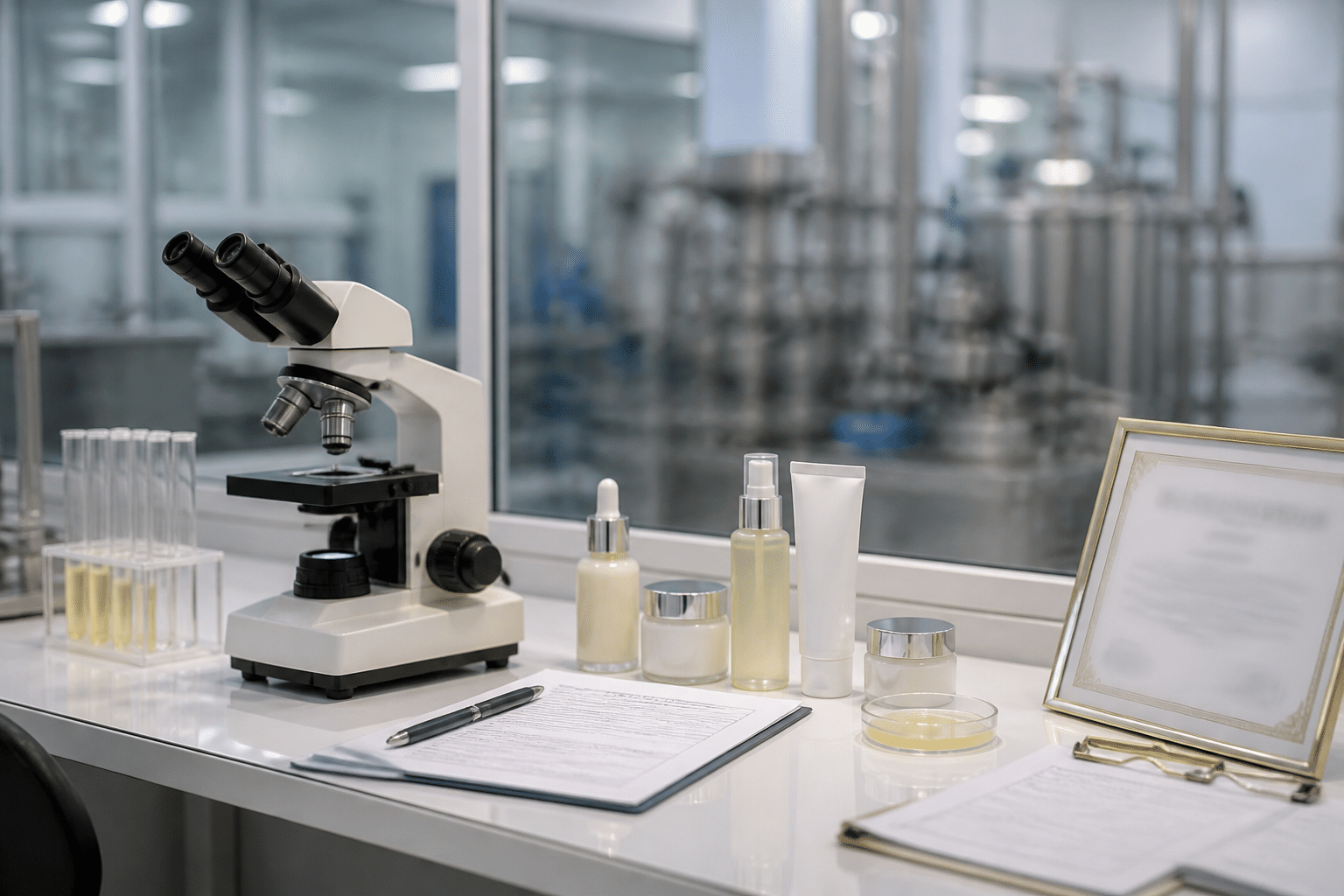
You’ve built the formula. The toner feels great. Then your supplier sends batch two, and it smells different. Sound familiar?
Picking a bulk tea tree hydrosol supplier is where good products either stay good or quietly fall apart. Here’s what I’d check before signing any purchase order.
Verifying Purity and Quality
Start with paperwork. Ask for a lot-specific Certificate of Analysis (COA) and a GC/MS report, not just a generic spec sheet. A generic sheet tells you what the supplier hopes the batch looks like. A lot report tells you what’s actually in the drum.
On the GC/MS report, look for terpinen-4-ol, plus a believable mix of other tea tree compounds like gamma-terpinene, alpha-terpinene, 1,8-cineole, and limonene. A report that only says “terpinen-4-ol detected” isn’t enough. Also check that the sample number, production date, botanical name, and lot number all match the COA.
Why so picky? Because fake hydrosol is a real thing. Industry guides describe products made from a bit of essential oil, water, and a solubilizer, and other cheats include added fragrance, alcohol, or plain dilution. Here’s a handy screening clue: if the bottle foams for a long time after shaking, there may be a surfactant in there. It’s not a lab test, though.
One more thing. GC/MS can’t catch everything. It shows volatile chemistry, but it may not reveal watering down or added solubilizers. So ask for microbiology results, pH, density, a preservative disclosure, and a full INCI statement too. And if the price looks way below everyone else’s? Be suspicious. It isn’t proof of anything, but it’s a flag.
Supply Chain Reliability and Traceability
Quality on one batch is nice. Quality on batch twelve is the goal.
Since hydrosol changes with the plant, the still, and storage, consistency comes down to who controls the process. A supplier that manages sourcing, distillation, and delivery themselves can usually explain why a batch looks the way it does. A middleman often can’t. (I’ve seen buyers lose weeks chasing answers through three different email chains.)
Ask for the manufacturing flow chart, distillation records, and the plant-to-water ratio. Then confirm the practical stuff:
- Minimum order quantities and lead times
- Packaging formats and storage needs
- Whether samples come from the same production spec as bulk
- Retest or expiry dates on every lot
That last one gets missed a lot. A sample that’s perfect and a bulk shipment that isn’t is a classic headache.
Certifications and Compliance
Certificates are good. Verified certificates are better. Check that the company name, factory address, and product scope on the certificate match the site that’s making your batch.
Here’s what to look for:
- ISO 22716: the cosmetic GMP guideline, and probably the most relevant for you
- ISO 9001: general quality management and traceability
- ISO 22000 or FSSC 22000: food-safety systems that help with hygiene, though they don’t replace cosmetic GMP
- Organic, halal, or kosher: only if your market or customer needs them
A line saying “GMP” on a product page isn’t a certificate. Ask who issued it and when it expires, then confirm with the certifying body directly.
Shipping matters too. If you sell across borders, your supplier should know export paperwork and be able to provide a TDS, safety data sheet, and INCI name (Melaleuca Alternifolia Leaf Water) for your regulatory team.
5 Questions to Ask Your Tea Tree Water Supplier
Print this one out and keep it next to your phone.
| # | Question | What a good answer looks like |
|---|---|---|
| 1 | Can I see a lot-specific COA and GC/MS report? | Documents tied to a real batch number, with a full compound profile |
| 2 | Is this a true steam-distilled hydrosol? | A clear yes, plus a flow chart and distillation records |
| 3 | Who controls sourcing and production? | Direct control, with traceability from plant to shipment |
| 4 | Which certifications can you document? | Verifiable ISO or GMP certificates that match the factory |
| 5 | Do you declare preservatives, solubilizers, or alcohol? | A full ingredient and INCI statement, no surprises |
If a supplier dodges two or more of these, walk away. Seriously.
Good suppliers, like Aroma Monk, build their offer around lab-tested material, direct supply, and bulk capability, which is the kind of setup these questions are designed to find. Whoever you choose, verify the claims yourself. Once you’ve picked a partner, the next job is keeping your formulas stable and safe.
Stability, Preservation, and Safety in Formulations
Here’s the part nobody gets excited about. But it’s the part that keeps your product off the recall list.
Tea tree water is mostly water. And water is where germs love to live. So let’s talk about shelf life, preservatives, and testing.
How Long Does Tea Tree Water Really Last?
I wish I could hand you one clean number. I can’t. Shelf life depends on the supplier, the batch, and how you handle it.
Here’s the general idea. An unpreserved hydrosol is fragile. Hydrosols can support microbial growth, so a raw bottle that’s been opened a few times can go bad fast. A preserved one lasts longer, but only if the preservative system actually works in your formula. Always follow the retest or expiry date on the supplier’s COA instead of guessing.
What shortens shelf life? Usually these things:
- Warm storage and direct sunlight
- Repeated opening, which lets air and germs in
- Dirty tools, scoops, or half-washed containers
- Poor packaging, like wide jars instead of pumps or sprays
Store it cool, dark, and sealed. Use clean tools every time. Simple stuff, but it’s where most spoiled batches start.
Picking a Preservative That Fits
Let me say this plainly: tea tree water is not a preservative. The 2021 lab work I mentioned showed antibacterial activity in a test tube. That’s not the same as protecting a full formula for 18 months on a bathroom shelf.
So you need a broad-spectrum system. Several options get used in natural-leaning lines:
| Preservative system | Best pH range | Things to watch |
|---|---|---|
| Sodium benzoate + potassium sorbate | About 4 to 5.5 | Works best in acidic formulas, so pH matters a lot |
| Benzyl alcohol + dehydroacetic acid | Acidic formulas | Benzyl alcohol is a declared allergen in the EU above set levels |
| Gluconolactone + sodium benzoate | Mildly acidic | Don’t assume it works without challenge testing |
| Levulinic acid or sodium levulinate blends | Depends on the formula | Performance swings with pH and packaging |
| Phenoxyethanol + ethylhexylglycerin | About 4 to 5.5 | One 2026 guide cites roughly 0.8 to 1%, but some brands don’t call it “clean” |
Notice how often pH shows up. That’s the catch. Supplier specs for tea tree water run from about 3.5 to 7.5, so your preservative choice has to match the real number in your tank.
Pro Tip: A Simple pH Test (5 Minutes)
- Pour about 50 mL of the hydrosol sample into a clean beaker.
- Let it reach room temperature, around 20 to 25°C.
- Calibrate a pH meter with fresh buffer solutions (pH 4 and 7 work well).
- Rinse the probe with distilled water, then dip it in the sample.
- Wait for the reading to settle, then write it down with the lot number.
- Compare it to the COA. Test again after you mix the full formula.
Why first? Your preservative, your thickener, and your other actives all depend on that number. Strips are okay in a pinch, but a meter is better.
Safety Testing and Patch Testing
Gentle doesn’t mean tested. I’ll say it again, because it matters.
Hydrosols still hold small amounts of volatile compounds. Tea tree oil is called a moderate skin sensitiser, and oxidation can make that worse. So your finished product needs real checks:
- Preservative efficacy testing (PET), often called a challenge test. Labs may use ISO 11930. A supplier’s “microbiologically tested” hydrosol doesn’t prove your final formula is preserved.
- Stability testing for separation, color, odor, viscosity, and pH drift. Include heat, freeze-thaw, and light.
- Safety assessment, including a CPSR if you sell in the EU.
- Patch testing on human volunteers, especially for leave-on products.
Be extra careful with products for children, irritated skin, or mucous membranes. The EU’s tea tree opinion didn’t confirm safe use for kids, so don’t lean on adult data there.
Skip any claim like “non-allergenic” or “safe for sensitive skin” unless your tests back it up. Once the formula is stable and safe, the last step is choosing a partner who can keep supply steady.
Partnering for Purity: Elevate Your Brand with High-Quality Tea Tree Water
So, what should you take away from all this?
Tea tree water is a versatile, plant-based ingredient with real lab data behind it. It fits toners, mists, gels, scalp sprays, and light lotions. It gives you a clean label and a story shoppers understand. And it does all that without the sting of oil-heavy formulas. Just keep your claims honest, preserve it properly, and test the finished product.
But here’s the thing I’d tattoo on every purchase order: your final product is only as good as what goes into the tank. A great formula can’t rescue a watered-down hydrosol. And a weak supplier can quietly undo months of R&D.
Transparency pays off too. A Clutch survey from September 2025 of 416 U.S. consumers found that 96% say brand transparency matters for earning their loyalty, and 64% would switch brands if quality dropped. Your customers can’t see your raw materials. But they’ll notice when something changes.
So pick a partner who can show you the proof. Look for lab-tested material, lot-specific documents, and direct control from sourcing to shipping. Aroma Monk builds its bulk offer around exactly that, with certified purity, traceability, and export-ready supply for B2B brands. As always, check each claim against the paperwork before you commit.
Ready to put this into practice? Ask for a sample, test it in your own formula, and read the COA line by line. That’s how good partnerships start.
Request a Sample & COA for Our Certified Pure Tea Tree Water
Get a quote from Aroma Monk.
Essential Oil Supplier – Bulk pricing • Samples • Fast response