
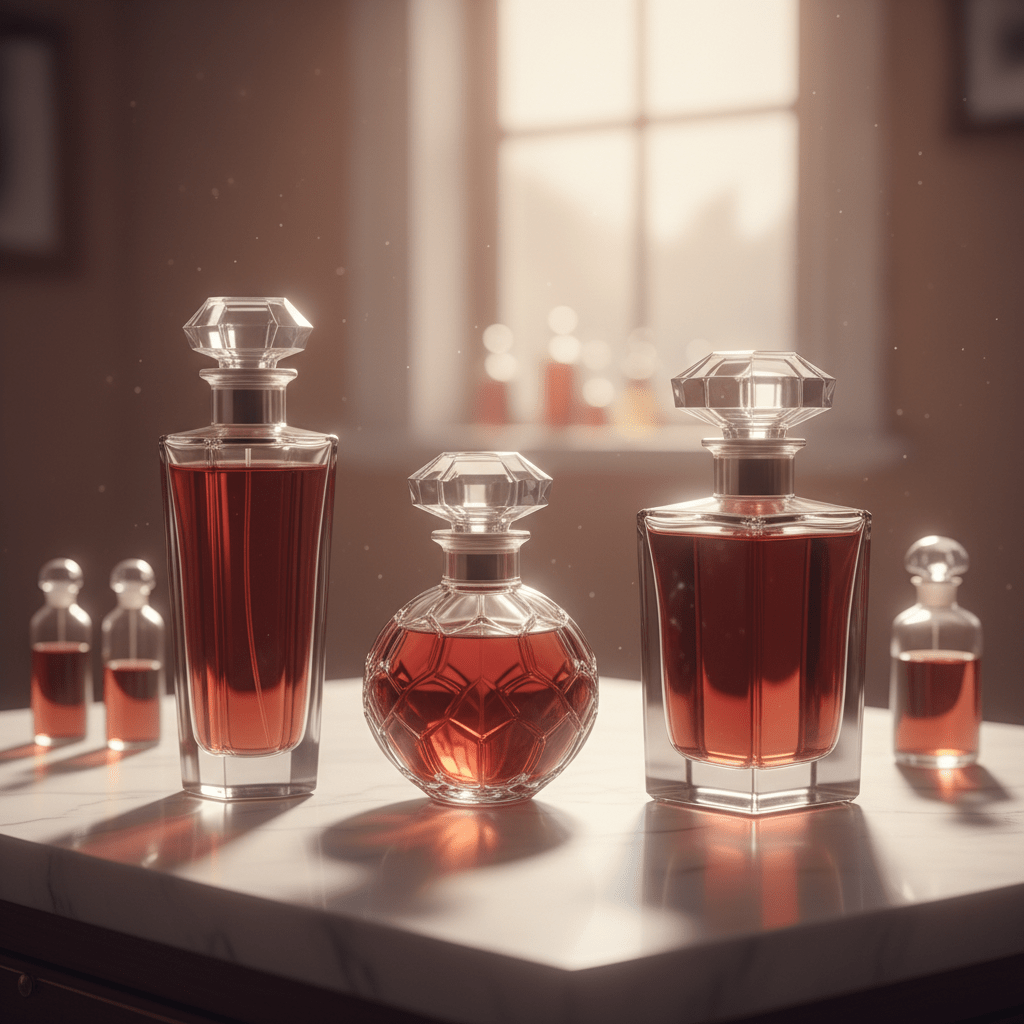
Introduction: From Dream to Fragrance – Launching Your Own Perfume Line
Ever catch a whiff of vanilla and suddenly remember your grandma’s kitchen? That’s the power of scent. Imagine bottling that feeling and selling it. It’s why so many of us dream about exactly how to create your own perfume line.

And it is not just a hobby, either. The money is real. The global market for fragrances hit about $66.59 billion in 2024 and it just keeps growing fragrance market growth report.
But here’s the thing that usually stops people cold. Making perfume is hard. Like, really hard. You have to worry about chemistry, safety rules, and sourcing expensive oils. Trying to build a small production lab from scratch can easily cost you $25,000 before you even sell a single bottle startup costs breakdown. That’s scary stuff.
Luckily, there is a shortcut. You don’t have to be a chemist to start a perfume business.
This is where finding a white label perfume manufacturer comes in. It’s the “secret weapon” for new brands. Instead of buying and mixing every single ingredient yourself—though reliable suppliers like Aroma Monk are amazing when you need pure attars or rose water in bulk—a white label partner handles the heavy lifting. They do the fragrance development and bottling so you can focus on building a cool brand.
Let’s figure out how to find the perfect partner to bring your vision to life.
Defining the Terms: White Label vs. Private Label vs. Contract Manufacturing
Before you hand over your credit card to a manufacturer, let’s clear up some confusing industry jargon. When you decide to start a perfume business, you’ll hear three terms thrown around constantly. Often interchangeably.
But they don’t mean the same thing at all. Choosing the wrong path here can cost you months of time and thousands of dollars. Let’s break it down simply.
First up is a white label perfume manufacturer. This is usually the easiest path for beginners. Basically, these companies have a ready-made catalog of market-tested scents. You just pick a fragrance you like, slap your brand name on the bottle, and start selling. Boom. It’s surprisingly fast. Industry standards show this is the cheapest way to launch. The only catch? You don’t own the formula. Five other empty-bottle brands could be selling that exact same vanilla scent right now.
Next, we have a private label fragrance manufacturer. This option sits right in the middle. You start with an existing base formula, but you get to make it your own. You can tweak the fragrance notes or modify the packaging for exclusivity. Say you want your scent to have a highly specific, authentic touch. You could source 100% pure attars or chemical-free rose water from a trusted bulk supplier like Aroma Monk, and ask the lab to blend them into your private label run. It takes a little longer but gives you a unique edge.
Finally, there is perfume contract manufacturing. This is true custom perfume creation. You start with a blank slate. You own the intellectual property. The product is 100% yours.
Sounds perfect, right? Actually, hold on. Here is the reality check:
- Cost: It is the most expensive route by far.
- Timeline: Prepare for plenty of waiting. Extensive fragrance development and testing take months.
- Control: You get total creative control, but you also take on all the risk.
Most folks looking for straightforward scent branding solutions or low MOQ perfume manufacturing stick to the white or private label routes. It just makes more sense when you’re starting out.
The Strategic Advantage: Why Partnering with a Manufacturer Is a Smart Business Move
Look, I get it. Giving up control of your product feels weird at first. When you create your own perfume line, you want the brand to be completely yours. But let’s look at the actual numbers for a second. Building a small production lab from scratch can easily cost between $5,000 and $25,000 just for basic equipment and raw materials startup costs breakdown. I don’t know about you, but dropping 25 grand before making a single sale makes my stomach hurt.

When you start a perfume business, partnering with a proven factory changes the math completely. Instead of buying expensive digital scales and chemical beakers, you simply pay for finished products. You get a totally predictable per-unit cost right out of the gate. A standard initial run with a white label perfume manufacturer usually costs around $8,000 to $10,000 for 200 fully branded bottles white label service costs. That covers everything from fragrance development to the final cap. Plus you never have to sweep up a dusty warehouse floor.
Then there is the speed factor. Scent trends move ridiculously fast these days. Remember when everyone suddenly wanted to smell like roasted sweet vanilla last winter? If you try independent custom perfume creation from scratch, you will probably miss the wave. Inventing a scent can take up to a year. But what about standard production? A good low MOQ perfume manufacturing setup cuts that timeline down to just 8 to 12 weeks production timelines. You get to capitalize on trends while people still care about them.
Now, you might wonder about safety. This stuff gets confusing fast. The International Fragrance Association has strict rules called IFRA standards regulatory compliance requirements. They control exactly how much of a specific ingredient is safe for human skin. Trying to figure out those chemistry limits by yourself is a massive headache.
A professional private label fragrance manufacturer handles all that red tape for you. They also have direct connections to buy the best stuff. Actually, wait. Let’s say you want to upgrade a standard base to make it super unique. You could source a bulk order of completely pure, lab-tested natural attars or chemical-free rose water directly from an expert supplier like Aroma Monk. Your manufacturing lab then blends those premium ingredients safely into your product. You get world-class quality scent branding solutions without needing a chemistry degree. Makes sense?
The Ultimate Checklist: 7 Critical Factors for Selecting Your Perfume Partner
You pop open Google. You type in “white label perfume manufacturer” and get hit with a million results. Most of the websites look like they were built in 1998. It is completely overwhelming. I get it.
Picking the wrong factory can drain your bank account faster than you can blink. Business forum users constantly complain about hidden fees and terrible batch quality ruining their launches common perfume startup mistakes.
To avoid that exact nightmare, use this checklist before you sign anything.
1. Minimum Order Quantity (MOQ)
Nobody wants a garage full of 10,000 unsold cologne bottles. When you first create your own perfume line, keeping your risk low is the whole point. Ask about their MOQs right away. A good partner offering low MOQ perfume manufacturing will usually let you start with 500 to 1,500 units per scent minimum order quantities. If they push you to buy 5,000 upfront, walk away. You can also review this helpful video on MOQ strategies to understand order sizing better.
2. Fragrance Library and Quality
Smell is subjective. But cheap ingredients are obvious to everyone. Does the factory offer rich, modern scents, or do they smell like cheap air freshener? Plus, quality drops over time are a massive problem in this industry. Ask exactly where their oils come from. Actually, if you want total control over the raw materials, you can bypass their generic stuff. You might source 100% pure, lab-tested essential oils and natural rose water directly from a verified bulk supplier like Aroma Monk. You just give those premium, chemical-free ingredients to the factory to blend. This guarantees top-tier fragrance development every single time.
3. Customization and Branding Options
A great scent in an ugly bottle will not sell. You need complete scent branding solutions. Ask what parts you can actually customize. Can you pick a heavy glass bottle? Do they offer matte box design or shiny foil labels? Some entry-level white label factories only give you three basic bottle choices. If you want more control later, make sure they can act as a private label fragrance manufacturer too.
4. Regulatory Compliance and Documentation
This part is boring. Really boring. But skip it, and your products might get seized by customs. Perfume is basically a chemical cocktail applied directly to human skin. Your lab must be GMP certified. They also need to hand over exact safety paperwork, like SDS forms and IFRA conformity certificates compliance facts. If they hesitate to share these documents, run.
5. Turnaround Time and Scalability
Speed matters when you start a perfume business. A standard white label run typically takes 8 to 12 weeks from start to finish timeline expectations. But ask what happens when your brand blows up on TikTok. Can they produce 10,000 units just as fast as they made your first 500? You need a partner who scales with you.
6. Transparency and Communication
Hidden costs are the number one complaint online. Factories might quote you three dollars a bottle, then secretly add huge charges for label molds, mixing tweaks, and shipping. Get a dedicated account manager. Ask for an itemized quote that covers every single fee. As indie brand founder Dom De Vetta points out, keeping your uniqueness and authenticity is hard when things grow fast indie founder advice. Clear communication protects your vision.
7. Sample Program and Onboarding
Never skip testing. Ever. The perfume contract manufacturing process requires intense patience. Order samples of the scent, the bottle, and the sprayer. Wear the fragrance for a full week. Does the smell fade after two hours? Does the spray nozzle get stuck? Whether you are doing simple white labeling or planning true custom perfume creation later, the physical sample tells you everything you need to know about a factory’s true quality.
Get a quote from Aroma Monk.
Essential Oil Supplier – Bulk pricing • Samples • Fast response
The Creation Journey: A Step-by-Step Guide to the White Label Process
So you signed the paperwork. The factory is ready to go. What actually happens next?
When you start a perfume business, the waiting game feels endless. But the actual manufacturing process is pretty straightforward. A standard project usually takes 8 to 12 weeks from your first sample request to final delivery white label process steps.
Let’s walk through the five exact steps together.
Step 1: Discovery and Consultation
Everything begins with a kickoff call. This is the discovery phase. You will talk about your target audience and the specific vibe you want. Are you selling to college kids or luxury boutique shoppers? Making a successful scent means knowing who will actually buy it. You share your brand vision. They explain their catalog and limits. It sets the baseline for your entire fragrance development journey. Honest communication here saves you thousands of dollars later.
Step 2: Scent Selection and Sampling
This is the fun part. Maybe the best part. The factory sends you a box of tiny sample vials. You wear them for a few days. You test them on your friends. You see how the smell changes after four hours on your skin. Most folks just pick a favorite catalog scent and move on.

But wait. Let’s say you want to stand out from the crowd. You could source a bulk batch of 100% pure, lab-tested natural attars or premium rose water from an expert supplier like Aroma Monk. You then ask the factory to blend that unique natural ingredient into their standard base. Doing this instantly bumps you up to working with a private label fragrance manufacturer. It gives your product a totally unique, hard-to-copy edge.
Step 3: Packaging and Design
People buy with their eyes first. Trust me on this. Finding the right scent branding solutions matters just as much as the liquid inside. You will pick out your glass bottles, spray caps, and heavy cardboard boxes. Most entry-level factories offer three or four basic bottle shapes. You just send them your logo files. They handle the scaling and printing. Simple and painless.
Step 4: Production and Quality Control
You approve the final physical samples. You pay the standard 50% deposit. Now the factory goes to work. Workers mix the large batches of concentrated oil and alcohol. Then the liquid literally just sits there for a few weeks to mature and blend together.
After that resting period, machines fill the glass bottles and press on the metal caps. A reliable partner offering low MOQ perfume manufacturing will run intense quality checks during this phase. They make sure the spray nozzles actually work. They verify every single label is perfectly straight. If you were doing complex custom perfume creation or full perfume contract manufacturing, this testing stage would take months. But with a pre-set formula, it hums along quickly.
Step 5: Final Delivery
Your pallets are wrapped in plastic and shipped out. The delivery truck finally pulls up to your house or warehouse. You slice open the cardboard boxes to find your retail-ready products sitting right there. It’s genuinely the best feeling in the world. You managed to create your own perfume line and now hold the physical proof in your hands. That’s a big deal. Now the real work starts. You have to go sell it.
Identifying Top-Tier Manufacturers: What to Look For (with Examples)
Okay, so you know the steps. You know the warning signs. Now comes the tricky part.
Not all factories are built the same.
When you search for a white label perfume manufacturer, you are going to see hundreds of results. Some are massive industrial plants. Others are basically small labs in a garage. Most people just click the first link. Don’t do that.
To really succeed when you start a perfume business, you need to match your brand vibe with the right type of partner. From what I’ve seen, reliable manufacturers usually fall into three specific buckets.
Here is how to spot the right one for you.
1. The Niche & Artisan Specialist
These are the artists. They care deeply about the “juice.”
If you want to create a luxury brand with a high price tag, this is your sweet spot. These partners usually offer low MOQ perfume manufacturing because they understand you aren’t ordering 50,000 units yet. They focus on unique, complex scents rather than generic smells.
What to look for:
- Mentions of “master perfumers” on their team.
- Access to rare or exotic ingredients.
- Willingness to let you supply your own key ingredients.

Actually, that last point is a pro tip. Say you want your signature scent to have a real, earthy depth that synthetics can’t match. You could buy premium, 100% natural attars directly from a specialist supplier like Aroma Monk. You hand that pure oil to your artisan manufacturer, and they build the rest of the formula around it. You get custom perfume creation quality without the million-dollar R&D budget.
2. The Full-Service Powerhouse
These folks are all about efficiency. They are the heavy hitters.
If your dream is to sell in big retail chains next year, you need a powerhouse. They handle absolutely everything—fragrance development, bottle sourcing, box printing, and even shipping to your warehouse.
What to look for:
- Huge catalogs with hundreds of ready-made scents.
- Words like “end-to-end solutions” or “global logistics.”
- The ability to scale from 1,000 to 100,000 units seamlessly.
Just keep in mind that with these big players, you get less personal attention. You are a small fish in a big pond. But if you settle on a private label fragrance manufacturer of this size, you know they won’t ghost you when orders spike.
3. The Eco-Conscious & Clean Fragrance Partner
This is the fastest-growing category right now. And for good reason.
The global fragrance market hit roughly $66.59 billion in 2024, and a huge chunk of that growth is coming from people who want safe, clean products. If your brand is all about “clean beauty,” you can’t just pick any random factory.
What to look for:
- Certifications like Leaping Bunny (cruelty-free), Vegan, or FSC (sustainable packaging).
- Clear lists of what they don’t use (like phthalates or parabens).
- Options for refillable bottles or biodegradable caps.
Finding the right partner here is critical. If your marketing says “natural” but your manufacturer uses cheap synthetics, customers will find out. It ruins trust.
This is another spot where controlling your inputs helps. Sourcing your own certified organic rose water or chemical-free oils from a trusted bulk source like Aroma Monk ensures you know exactly what is going into the bottle. Your manufacturer simply blends your verified ingredients into their eco-friendly base. It’s an easy way to guarantee your scent branding solutions are actually as clean as you say they are.
Picking the right partner isn’t just about price. It’s about finding the factory that can actually build the dream you have in your head.
Common Pitfalls to Avoid When Starting Your Perfume Business
Starting a new venture is a rush. You have your logo, your bottle design, and a head full of dreams. But I have seen too many founders hit a wall because they missed the warning signs.
The global fragrance market is huge—sitting at around $66.59 billion in 2024—and everyone wants a piece of the pie fragrance market growth. But that competition means you can’t afford rookie mistakes.
Here are the three biggest traps that catch new owners off guard.
1. Ignoring the “Real” Price Tag
A manufacturer might quote you $5 per bottle. You do the math and think, “Great, I can sell this for $50 and make a killing.”
Not so fast. That quote usually covers just the liquid and the glass. It rarely includes the hidden extras that drain your bank account. We are talking about shipping fees, import tariffs, and custom mold costs. Online forums are full of horror stories where a $3 unit cost suddenly became $5.50 once these fees were added.
Plus, you have setup costs. While a white label run is cheaper than building a lab, a solid launch still typically costs between $8,000 and $10,000 for just 200 bottles cost breakdown. If you don’t budget for that, you might run out of cash before you sell anything. Always ask for a “landed cost” quote—that is the price with everything included until it hits your door.
2. Failing to Test the “Juice”
Here is a scary stat from user discussions: roughly 70% of cheap white label dupes fail scent trail (sillage) tests. Meaning, the smell vanishes in twenty minutes.
Don’t just pick a private label fragrance manufacturer based on the lowest price. Cheap alcohol and poor-quality oils degrade fast. Your perfume might smell fine today, but in three months, it could smell like chemicals. That kills your brand reputation instantly.
This is where you need to be smart. If you are worried about quality, control the main ingredient yourself. You can buy 100% pure, lab-tested natural attars or premium rose water from a trusted bulk source like Aroma Monk. You send that high-quality ingredient to your factory and say, “Use this in the blend.” It guarantees your product has a real, premium edge that cheap competitors can’t copy.
3. Misunderstanding Who Owns What
This one stings if you aren’t ready for it. When you use white label scent branding solutions, you own the brand name on the bottle. But you do not own the formula inside it.
The manufacturer owns the recipe. If you decide to switch factories later because you want better service, you can’t take the scent with you. You would have to start fragrance development all over again from scratch. If owning your specific formula is a dealbreaker for you, you need to pay for custom perfume creation upfront, which is much more expensive. Just know what you are signing up for before you start.## Conclusion: Your Signature Scent Awaits
The fragrance industry is absolutely booming right now. The global market hit roughly $66.59 billion recently, and it is projected to reach $98.32 billion by 2030. There is plenty of room for your idea.
Partnering with a reliable white label perfume manufacturer takes the scary financial risk out of the equation. It speeds up your launch insanely fast.
You just need to be smart about who you hire. Keep costs down by finding a factory offering standard low MOQ perfume manufacturing. Always check their quality. Plus, if you want something truly unique, bypass average ingredients. You can source 100% pure, lab-tested natural attars in bulk from a supplier like Aroma Monk. Giving those pure ingredients to a private label fragrance manufacturer provides that exact custom perfume creation feel without the massive price tag. Just verify they offer flexible scent branding solutions for your packaging.
So what is your next move? You want to start a perfume business right now. Grab the checklist we built. Use it to weed out bad factories. Ask them hard questions about their fragrance development process. Maybe later you will tackle full perfume contract manufacturing. But today? Just order those first samples. You are totally ready to create your own perfume line. Go send that first email.
Get a quote from Aroma Monk.
Essential Oil Supplier – Bulk pricing • Samples • Fast response