
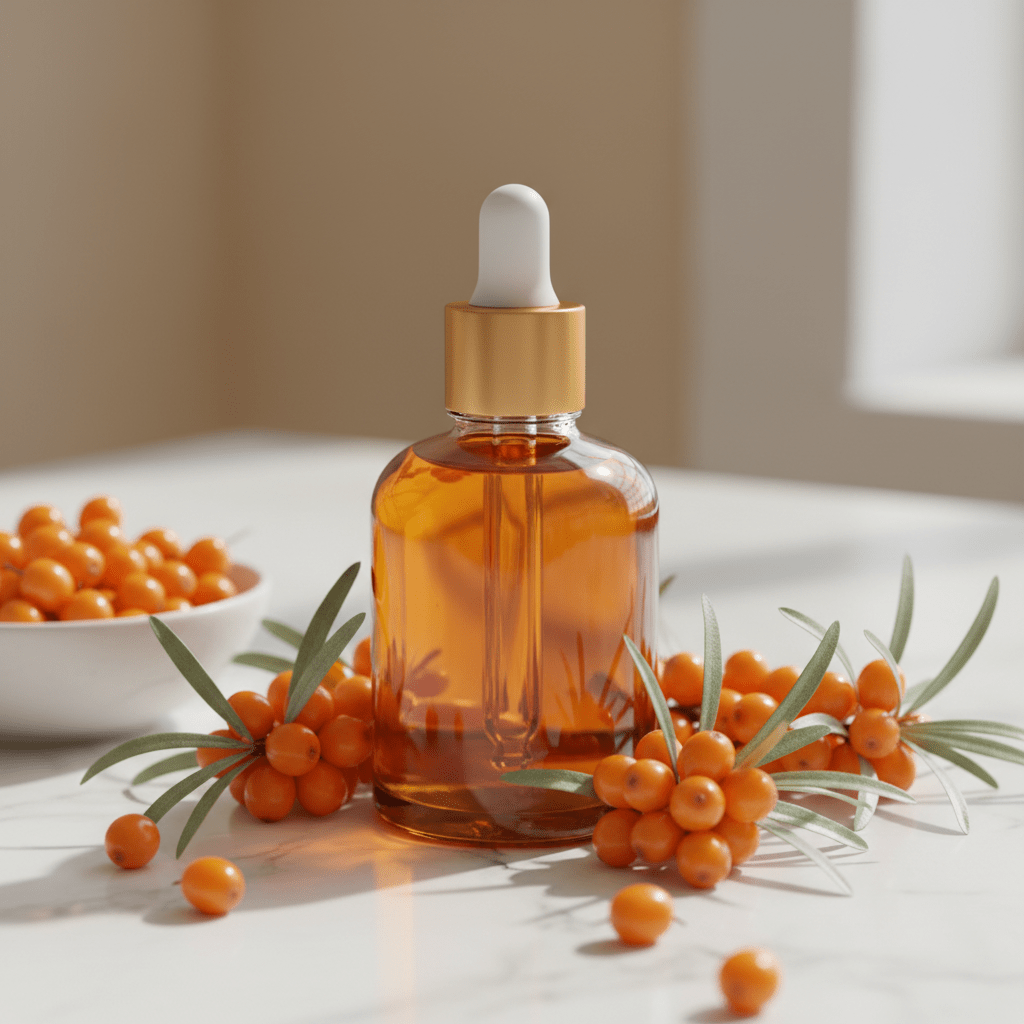
Unlock Nature’s ‘Liquid Gold’ for Your Skincare Routine
You know that moment when your skin looks tired, no matter what you try? That’s usually when people start hunting for something gentler, simpler, and honestly, a lot more natural. Sea buckthorn oil has been getting a lot of love lately, and I get why. It’s rich, golden, and packed with skin-friendly fatty acids that many homemade face mask fans are talking about right now.
And the timing makes sense. The natural skincare market keeps growing as more people look for clean beauty options and fewer harsh chemicals in their routines. Grand View Research says the global natural skincare products market is expected to keep climbing through 2030.
If you’re into DIY skincare, this is your kind of ingredient. In this guide, we’ll cover sea buckthorn oil benefits for skin, how to use sea buckthorn oil on face safely, and a few easy sea buckthorn oil recipes for different skin needs. Dry skin, oily skin, dull skin… we’ve got you.
Also, if you make skincare products for a brand or shop, Aroma Monk’s pure oils and lab-tested ingredients can fit right into your natural skincare line. Clean, simple, and ready for product development.
What is Sea Buckthorn Oil and Why is it a Skincare Powerhouse?
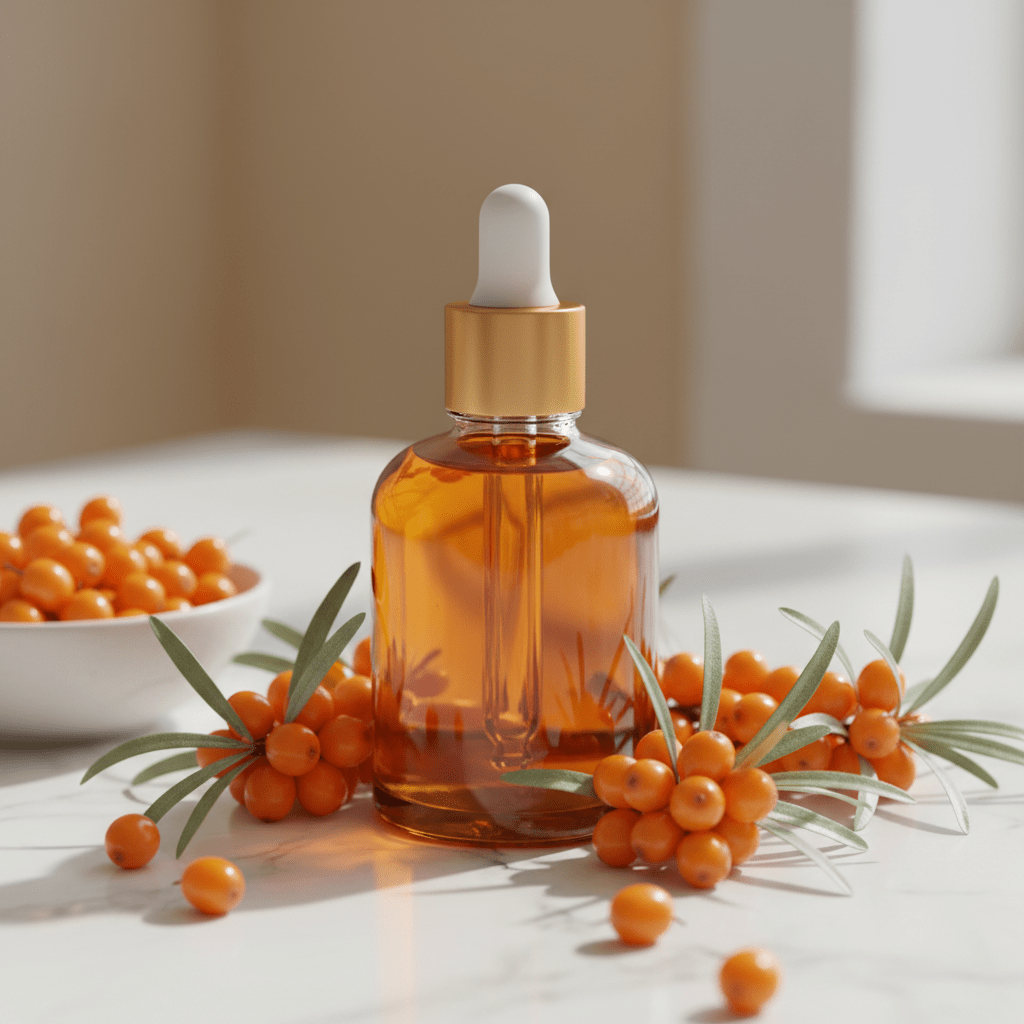
If you’ve ever looked at a face oil and thought, “Wait… why is this one bright orange?” you’re not alone. Sea buckthorn oil has a bold color, a long history, and a lot going on inside that tiny bottle.
It comes from the Hippophae rhamnoides shrub. People use the berries, seeds, and even leaves, but for skincare, the oil is the star. The berries and seeds are packed with skin-loving fats and plant compounds, and that’s a big reason sea buckthorn oil for face care keeps popping up in DIY recipes.
Here’s the part that gets people curious. Sea buckthorn has way more vitamin C than oranges in the fresh fruit, plus vitamin E, carotenoids, and a rare omega-7 fat called palmitoleic acid. That omega-7 is one reason people talk about sea buckthorn oil benefits for skin and sea buckthorn oil for wrinkles. It’s linked with skin repair, moisture balance, and that healthy-looking glow.
Actually, wait, there’s a small catch. Vitamin C is found in the berries and pulp, but it does not really carry over into the extracted oil. So if you’re buying the oil, think of it as a fatty acid and antioxidant-rich skin helper, not a vitamin C serum in disguise. Weird, right?
There are two main types you’ll see in sea buckthorn oil recipes:
| Type | Color | Main fats | Best for |
|---|---|---|---|
| Sea buckthorn seed oil | Pale yellow to light orange | Omega-3 and Omega-6 | General hydration, daily use, lighter face masks |
| Sea buckthorn berry oil | Deep orange-red | Omega-7 and carotenoids | Healing-style masks, dry or stressed skin, small-dose treatment |
For most diy sea buckthorn face mask ideas, seed oil is the safer all-around pick. It feels lighter, stains less, and works better if you want a simple homemade face mask for glowing skin. Berry oil is great too, but use less of it. A little goes a long way.
And yes, this old-school oil has been used for skin care for centuries in Tibetan and other traditional healing systems. So while the buzz feels fresh, the idea behind it isn’t new at all.
If you’re making natural skincare recipes for home or for a product line, this is a smart ingredient to keep on hand. And for brands that need pure, lab-tested oils in bulk, Aroma Monk can help with reliable supply for cosmetic and personal care work.
The Top 5 Benefits of Using Sea Buckthorn Oil For Your Face
You know that feeling when your skin looks thirsty by noon? Not cute. And if you’ve been trying a bunch of face products that still leave your cheeks tight or your T-zone weirdly shiny, sea buckthorn oil for face care might be the little sidekick you’ve been missing.
Here’s the deal. More people are reaching for natural skincare right now, and not just because it sounds nice on a label. The natural skincare market is set to keep growing through 2030, which fits the way a lot of us shop now: simpler products, fewer harsh extras, more skin-friendly stuff. Grand View Research backs that up with a steady growth outlook.
So what can sea buckthorn oil actually do? Quite a bit.
1. It helps dry skin hold onto moisture
Sea buckthorn oil can support the skin’s lipid barrier. That’s the outer layer that helps keep water in and dryness out. When that barrier is happy, your face usually feels softer and looks less flaky.
This is why a lot of people use it in a homemade face mask for glowing skin. It tends to work well in winter, after long flights, or anytime your face feels a little rough around the edges. And yes, a little goes a long way.
2. It may help skin heal and look smoother
If you’ve got the look of old acne marks, tiny dry patches, or sun-tired skin, sea buckthorn oil benefits for skin may be worth a try. Its mix of fatty acids and plant compounds can support skin renewal, which is why it shows up in lots of natural skincare recipes.
Actually, wait, there’s a nuance here. It won’t erase scars overnight. But with steady use, many people like how it supports a calmer, more even look. That’s pretty much the goal, right?
3. It can calm angry-looking skin
Red, irritated skin is no fun. Sea buckthorn oil has anti-inflammatory properties, so it may help soothe skin that acts up with breakouts, dryness, or even rough-feeling patches.
Some people with rosacea or eczema also like it in gentle DIY sea buckthorn face mask recipes, though patch testing matters a lot. I’d keep the mix simple. Less drama for your skin, less drama for you.
4. It brings antioxidant support
Sea buckthorn oil has antioxidants that help fight free radicals, which are the unstable bits that can stress skin over time. This is part of why people talk about sea buckthorn oil for wrinkles and early signs of aging.
The carotenoids and other plant compounds in the berry oil are a big part of the story. They don’t make you 22 again. Sorry. But they can support a healthier-looking glow and help skin deal with daily wear and tear.
5. It may help balance oil production
This one surprises people. Sea buckthorn oil can work for oily skin too. It may help support sebum balance, which is handy if your face swings between greasy and dry by lunchtime.
That’s why sea buckthorn oil for acne comes up so often. It’s usually rated as low on the clogging scale, and many people like the seed oil best for acne-prone skin because it feels lighter. If your skin is oily but still thirsty, that combo can be a big deal.
| Benefit | Why people like it | Best fit |
|---|---|---|
| Deep moisture | Supports the skin barrier | Dry or flaky skin |
| Skin renewal | Helps skin look smoother | Acne marks, dull skin |
| Soothing care | May calm redness | Sensitive or irritated skin |
| Antioxidant support | Helps fight daily stress | Early aging concerns |
| Oil balance | May support sebum control | Oily or combo skin |
If you want to try it, start small. A few drops in a DIY sea buckthorn face mask is usually enough. And if you’re making natural skincare recipes for a brand, Aroma Monk’s lab-tested oils can be a practical pick for bulk product work, especially if you want clean ingredients with a reliable supply.
4 DIY Sea Buckthorn Oil Face Mask Recipes for Every Skin Type
You know that moment when your skin looks dull, and you just want a quick fix that doesn’t feel fussy? Yep, we’ve all been there. And this is where sea buckthorn oil gets fun. It can slip into simple masks, play nice with other natural ingredients, and give your routine that fresh, homemade feel people keep chasing as the natural skincare market keeps growing fast (Grand View Research).
A quick note before we start: sea buckthorn oil is strong, so less is more. Seriously. Start small, patch test first, and don’t go wild with the orange stuff unless you want a temporary glow that looks a little too bold.
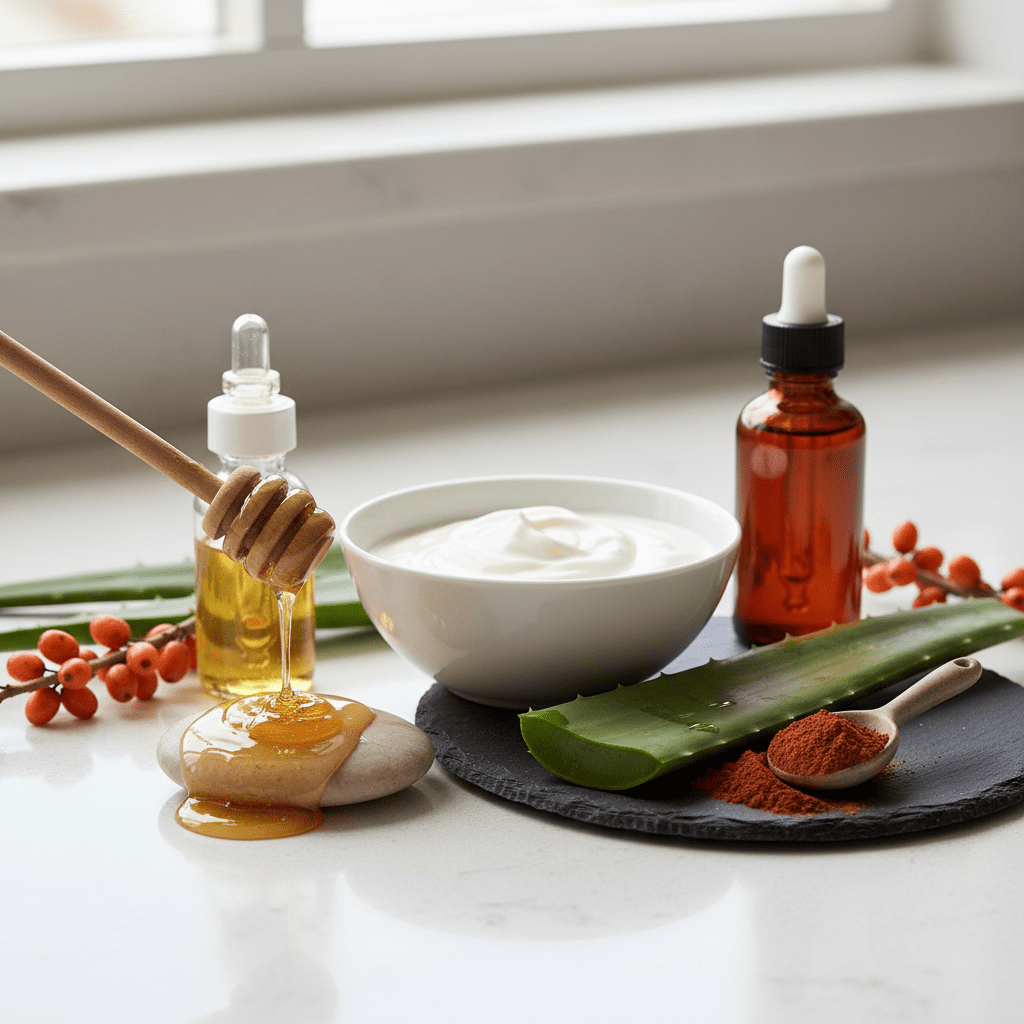
1. The Rejuvenator for Aging or Dull Skin
If your skin looks tired, this one’s a nice place to start.
Ingredients:
- 1 tablespoon plain yogurt
- 1 teaspoon rosehip oil
- 3 to 4 drops sea buckthorn seed oil
- 1/2 teaspoon raw honey
How to make it:
- Mix all the ingredients in a small bowl.
- Stir until smooth.
- Spread a thin layer on clean skin.
- Leave it on for 10 to 15 minutes.
- Rinse with lukewarm water and pat dry.
Why it works:
- Yogurt feels soft and cooling.
- Honey holds in moisture.
- Rosehip oil brings more skin-loving fats.
- Sea buckthorn seed oil adds fatty acids and antioxidant support, which is why people use it in sea buckthorn oil recipes for glow and sea buckthorn oil for wrinkles.
Pro-Tip: Use this at night. Your skin usually likes richer masks after sunset. Fancy, but true.
2. The Clarifier for Acne-Prone Skin
This one is for the days when your face feels oily, grumpy, and a little out of control.
Ingredients:
- 1 tablespoon bentonite clay
- 2 to 3 drops sea buckthorn seed oil
- 1 teaspoon aloe vera gel
- 1 to 2 teaspoons water
- Optional: 1 drop tea tree oil
How to make it:
- Add the clay to a bowl.
- Mix in aloe vera gel and water.
- Add the sea buckthorn oil.
- If your skin tolerates it, add 1 drop tea tree oil.
- Spread a thin layer on oily spots, not the whole face if you’re sensitive.
- Leave on for 7 to 10 minutes, then rinse.
Why it works:
- Bentonite clay helps draw out extra oil.
- Aloe vera keeps the mask from feeling too harsh.
- Sea buckthorn oil for acne works best in tiny amounts, since the seed oil is lighter and less likely to feel heavy.
- Tea tree oil may add extra antibacterial support.
Pro-Tip: Don’t let the clay crack and fully dry like desert dirt. That can feel too stripping. Remove it while it’s still a little damp.
3. The Hydrator for Dry Skin
Dry skin can be needy. But in a sweet way.
Ingredients:
- 1 tablespoon raw honey
- 1 teaspoon jojoba oil
- 4 drops sea buckthorn seed oil
- 1 teaspoon plain yogurt or oat flour
How to make it:
- Mix everything until it looks creamy.
- Apply a thick-ish layer to clean skin.
- Let it sit for 15 minutes.
- Rinse with lukewarm water.
- Follow with your usual moisturizer.
Why it works:
- Honey pulls in moisture.
- Jojoba oil helps soften the skin barrier.
- Yogurt or oat flour gives the mask some body and a calm feel.
- Sea buckthorn oil benefits for skin really shine here because the oil adds rich fatty acids that support dryness.
Pro-Tip: Use lukewarm water, not hot. Hot water can leave your skin feeling even thirstier. Nobody wants that.
4. The Soother for Sensitive Skin
If your skin gets red easily, keep it gentle and simple.
Ingredients:
- 1 tablespoon plain yogurt or aloe vera gel
- 2 drops sea buckthorn seed oil
- 1 teaspoon raw honey
- Optional: 1 teaspoon colloidal oat powder
How to make it:
- Stir the yogurt or aloe with honey.
- Add the sea buckthorn oil.
- If you want extra comfort, mix in oat powder.
- Smooth on a thin layer.
- Leave on for 8 to 12 minutes.
- Rinse slowly and gently.
Why it works:
- Yogurt or aloe helps cool the skin.
- Honey adds moisture.
- Oat powder is a classic calming add-in.
- Sea buckthorn oil may support the skin barrier, which is one reason people like it in homemade face mask for glowing skin blends for sensitive types.
Pro-Tip: Skip essential oils here. Sensitive skin usually likes less drama, not more.
Quick Mask Cheatsheet
| Mask | Best For | Main Hero Ingredient | Time On Skin |
|---|---|---|---|
| The Rejuvenator | Dull or aging skin | Yogurt + rosehip + sea buckthorn oil | 10 to 15 min |
| The Clarifier | Oily or breakout-prone skin | Bentonite clay | 7 to 10 min |
| The Hydrator | Dry skin | Honey + jojoba | 15 min |
| The Soother | Sensitive skin | Aloe or yogurt | 8 to 12 min |
A few final tips. Sea buckthorn oil for face care works best when you keep the dose low, use clean tools, and patch test new mixes first. The American Academy of Dermatology suggests testing new skincare on a small spot before using it on your face (American Academy of Dermatology). That’s not glamorous, but it saves a lot of skin drama.
And if you’re making natural skincare recipes for a product line, this is also a great place to explore high-purity oils, rose water, and other raw materials from Aroma Monk. Clean ingredients, bulk supply, and lab-tested quality make life easier when you’re building formulas that need to work and look good doing it.
Get a quote from Aroma Monk.
Essential Oil Supplier – Bulk pricing • Samples • Fast response
How to Use Your DIY Mask for Maximum Results (and Minimum Mess)
You know what nobody wants? A bright orange shirt collar and a sink that looks like a crime scene. Sea buckthorn oil is lovely on skin, but it can stain fast. So let’s keep this easy.
First, start with a clean face. Wash off makeup, sweat, and sunscreen, then pat dry with a soft towel. And before you put anything new on your face, do a patch test 24 hours ahead of time, especially if your skin gets cranky quickly. A tiny bit on the inner arm is a smart move.
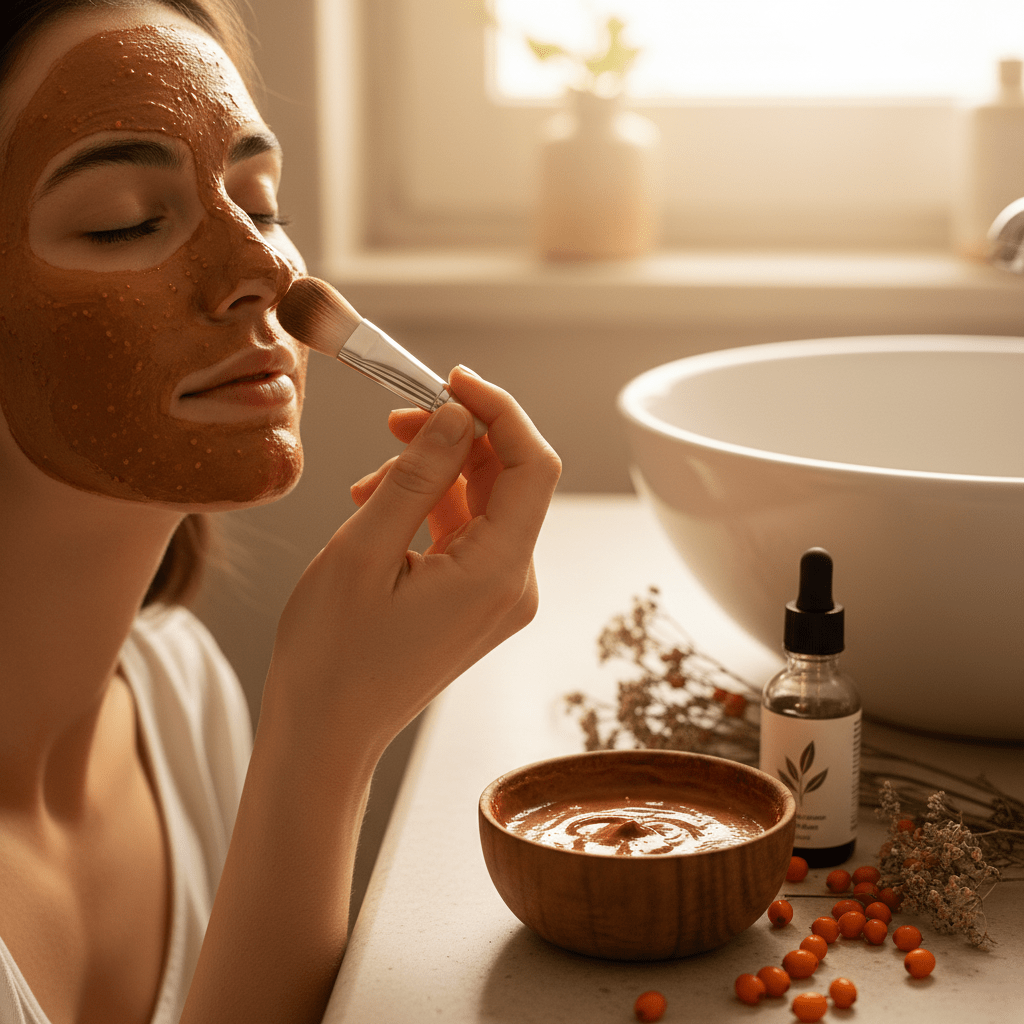
Here’s the part people skip, then regret later. Use a spoon or a small brush for mixing and applying your mask. Don’t dip your fingers into the jar. Sea buckthorn oil for face masks can stain nails, hands, and clothes, so an old t-shirt is your friend here. Not cute, but practical.
Apply the mask in a thin, even layer and keep it away from the eye area. The skin there is extra delicate. Really, don’t push it.
When it’s time to remove it, grab a dark-colored washcloth and lukewarm water. Gently wipe the mask away. No scrubbing. If a little oily film stays behind, use a mild cleanser once more, then rinse well. After that, put on a simple moisturizer to lock in the comfort and help your skin feel calm.
A quick cheat sheet:
| Step | What to do |
|---|---|
| 1 | Cleanse your face first |
| 2 | Patch test 24 hours before |
| 3 | Use a spoon or brush |
| 4 | Keep it away from eyes |
| 5 | Wipe off with lukewarm water and a dark cloth |
| 6 | Follow with a gentle moisturizer |
Sea buckthorn oil for acne, dry patches, and dull skin can work nicely in homemade face mask routines, but only if you keep the mess down and the steps simple. If you’re making natural skincare recipes at home, this little routine makes a big difference. And if you’re building products for a brand, Aroma Monk’s lab-tested oils and rose water can help you keep your formulas clean, steady, and ready for bulk work.
Frequently Asked Questions About Sea Buckthorn Oil for Face
Will sea buckthorn oil stain my skin orange?
It can leave a light tint for a little while, yes. But that stain is usually temporary, not permanent. The trick is simple: use just a few drops, mix it into a base like yogurt or aloe, and rinse well with lukewarm water. If you use berry oil, go even lighter. Seed oil is the safer pick if you want less color on your skin and towels.
Can I put sea buckthorn oil right on my face?
You can, but I’d keep it small and simple. Most people do better mixing it with a carrier oil or adding a few drops into a face mask. If you want to try it alone, use only 1 or 2 drops on damp skin, or blend it into a plain moisturizer. That’s a pretty common way to use sea buckthorn oil for face care without feeling greasy.
How long does it take to see results?
Honestly, it depends on your skin and what you’re trying to fix. Dry skin may feel softer after a few uses. Dull skin and sea buckthorn oil for wrinkles may need a few weeks of steady use before you notice much. And if you’re using it for sea buckthorn oil for acne, go slow. Skin changes at its own pace. Annoying, but true.
Can sea buckthorn oil clog pores?
For most people, it’s pretty low risk. Sea buckthorn seed oil is usually seen as light and acne-friendly, while berry oil is richer and more pigmented. That’s why seed oil works better in a diy sea buckthorn face mask for oily or breakout-prone skin. If you’re worried, patch test first and start with a tiny amount.
A good rule? Less is more. Always.
And if you’re building natural skincare recipes for a brand, clean oils and rose water from Aroma Monk can help you keep your formulas simple, steady, and ready for bulk production.
Embrace the Golden Glow: Your Next Step to Healthier Skin
So here is the simple truth. Sea buckthorn oil for face care can do a lot in a tiny bottle. It can help dry skin feel softer, give dull skin a brighter look, and fit into sea buckthorn oil recipes for acne-prone, sensitive, or tired-looking skin. And because it is packed with fatty acids and plant compounds, it works well in a diy sea buckthorn face mask without needing a long ingredient list.
That is the fun part, honestly. DIY masks are easy to try, easy on the wallet, and easy to change based on what your skin needs this week. Plus, they let you use natural skincare recipes in a way that feels a lot more personal than grabbing whatever is on a crowded shelf.
If you are ready to start, pick just one recipe from this guide. Dry skin? Try the Hydrator. Oily or breakout-prone skin? Go with the Clarifier. Dull or aging skin? The Rejuvenator is a good place to begin. Sensitive skin? Keep it gentle with the Soother.
One small step. That is enough.
And if you are building your own skincare line, Aroma Monk lab-tested oils, rose water, and other natural raw materials can help you make clean, reliable products with less guesswork. Try one mask this week, notice how your skin feels, and go from there. That is usually how the best routines begin.
Get a quote from Aroma Monk.
Essential Oil Supplier – Bulk pricing • Samples • Fast response