

Tired of Digestive Discomfort? This Gentle, Ancient Flower Might Be Your Answer
You know that awful feeling when your stomach is off all day? Bloating. Cramping. That tight, twisty ache after lunch. And if stress is part of your week, your gut usually knows it before you do.
You’re not alone. IBS affects about 10% to 15% of adults around the globe, and indigestion can hit up to 20% to 30% of people. In the U.S., digestive problems lead to over 100 million doctor visits each year. That’s a lot of uneasy bellies.
So it makes sense that people keep looking for gentle help. One old favorite is chamomile water. It’s more than a cozy drink. It’s a simple herbal water for digestion that people have used for ages to calm the stomach and support comfort after meals.
Actually, chamomile has been part of healing traditions for thousands of years. Ancient Egyptians used it for stomach troubles, and the Greeks and Romans drank chamomile infusions for indigestion and gut cramps. Pretty old school. Still hanging around for a reason.
In this article, we’ll look at how chamomile water may support chamomile and gut health, what the science says, how to make chamomile water at home, and who should be careful before using it. We’ll also touch on chamomile tea for digestion, chamomile for bloating and gas, and whether chamomile is good for IBS.
And if you’re someone who likes natural remedies for indigestion but wants the facts, you’re in the right place.

What is Chamomile Water? Understanding the Power Within
You know what’s funny? A cup can look tiny, but still do a lot.
That’s kind of the idea with chamomile water. It’s not just chamomile tea with a fancier name. It’s a more concentrated herbal infusion, made to pull more of the good plant parts into the water so it can work a little harder for your stomach. Not magic. Just plant stuff doing plant stuff.
Here’s the simple split:
| Drink | What it is | Why people use it |
| Chamomile tea | A light herbal drink | Calm, everyday sipping |
| Chamomile water | A stronger infusion | More focused support for digestion |
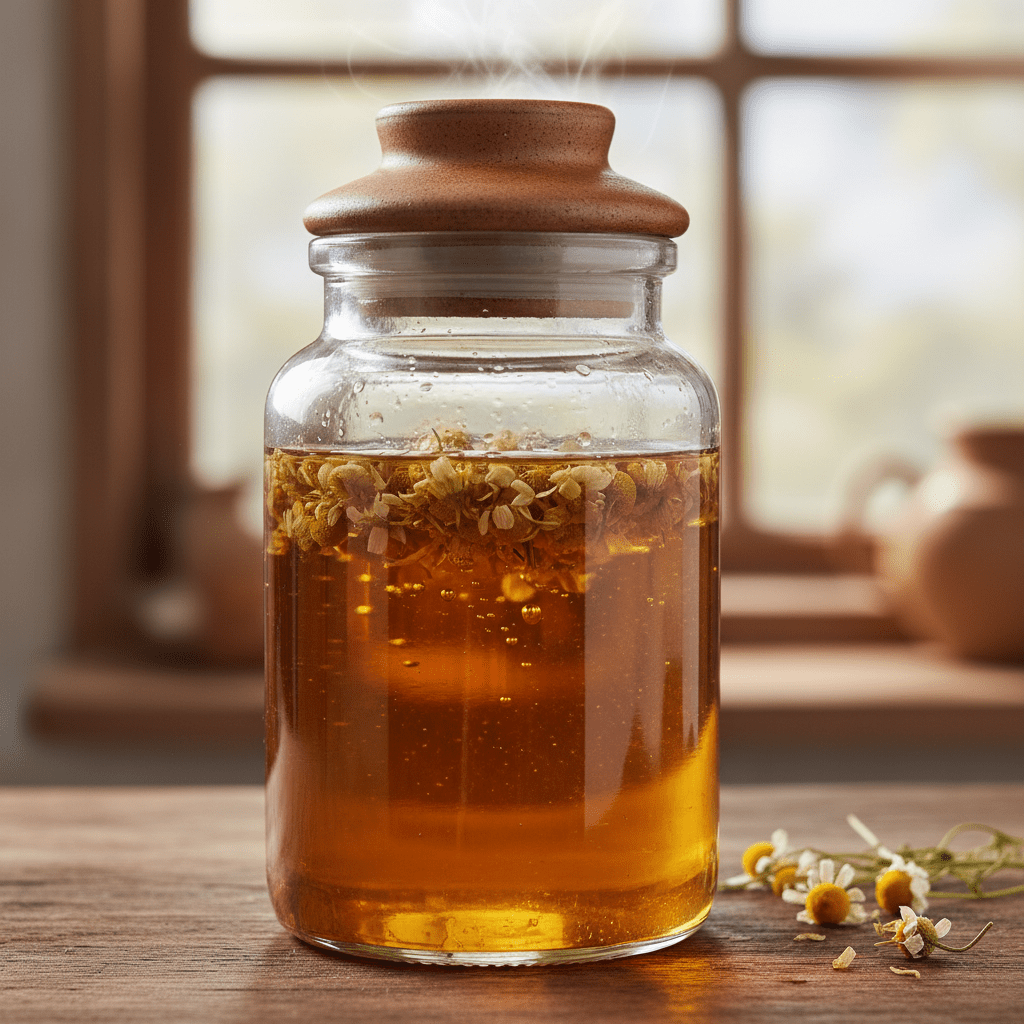
Chamomile water is usually made by steeping dried flowers in hot water for a few extra minutes, often with the cup covered. That helps keep the plant oils from floating away. And those oils matter.
The two names you’ll hear a lot are apigenin and bisabolol. Apigenin is a plant compound with calming, antioxidant effects. It also seems to help relax smooth muscle, which matters if your gut feels tense or cramped. Bisabolol is known for its anti-inflammatory action, and it may help soothe irritated tissue in the digestive tract.
Put them together, and you get a gentle one-two punch. Less spasm. Less irritation. A calmer gut feel. That’s why chamomile water is often talked about as an herbal water for digestion and one of the more comforting natural remedies for indigestion.
And yes, the science has been paying attention. Researchers have linked chamomile to better comfort for bloating, gas, and stress-related stomach upset, which is part of why people ask, is chamomile good for IBS? For many folks, it may be a helpful add-on, especially if stress seems to make the gut louder than it should be.
Also, if you’re looking at calming blends or wellness products, a pure flower infusion is a nice place to start before moving into more complex formulas. Simple works. Often better than we expect.
If you want to explore plant-based ingredients for your own wellness line, Aroma Monk’s lab-tested essential oils, rose water, and natural attars can be a smart fit for product makers who care about purity and traceability.
The Science-Backed Digestive Benefits of Chamomile Water
Bloating can make a normal day feel weirdly heavy. You eat lunch, then your shirt feels tight, your belly feels puffed up, and you start wondering what went wrong. Been there? Yeah, lots of us have.
That’s where chamomile water gets interesting. This gentle flower drink is often used as a herbal water for digestion because it does a few things at once. It may help your gut relax, calm irritation, and take the edge off stress that shows up in your stomach.
1) It may ease bloating and gas
Chamomile has a carminative effect. That just means it helps the body move trapped gas along. Nice and simple.
When the muscles in your intestines are tense, gas can get stuck and cause pressure, cramps, and that full, swollen feeling. Chamomile water may help those muscles loosen up a bit, which can make it easier to pass gas and feel less puffy after meals. This is one reason people reach for chamomile for bloating and gas instead of stronger options.
And if you’ve ever tried to sit through a meeting while your stomach is doing backflips… well, you know why that matters.
2) It can soothe stomach irritation
The benefits of chamomile for stomach comfort don’t stop at gas.
Chamomile also has plant compounds like apigenin and bisabolol that may help calm inflammation in the stomach lining and gut. That matters for people with mild gastritis, nagging upset, or IBS-style discomfort that flares up now and then. Some research has even linked chamomile with lower IBS symptom scores, which is why people keep asking, is chamomile good for IBS?
Here’s the thing though: it’s not a cure. But for many people, it can be a gentle support, especially when the gut feels sore or overworked.
3) It helps the gut-brain link settle down
Stress and digestion are close friends. Not the good kind.
When you’re tense, your gut often gets louder. Apigenin, one of chamomile’s main plant compounds, may bind to brain receptors tied to calmness, which can help reduce anxiety and stress. That can matter a lot because the gut and brain talk to each other all day long. If the brain is in panic mode, the stomach often follows.
So chamomile and gut health are connected in a pretty practical way. Less stress can mean less cramping, less gut sensitivity, and fewer “why is my stomach acting like this?” moments.
Quick look: how chamomile water may help
| Digestive concern | How chamomile may help | What it feels like |
| Bloating | Helps relax gut muscles | Less pressure and puffiness |
| Gas | Supports movement of trapped gas | Easier relief after meals |
| Mild inflammation | May calm irritated tissue | Less soreness and discomfort |
| Stress-related upset | May help the mind settle | A calmer stomach, often within 30 to 60 minutes |
People have used chamomile tea for digestion for ages, and chamomile water is just a stronger, more focused version of that old habit. Ancient healers weren’t using lab words, but they did notice something real: this flower tends to be kind to the stomach.
And if you’re building wellness products or looking for clean botanical ingredients, Aroma Monk’s lab-tested essential oils, rose water, and natural attars can fit well into a product line that values purity and traceability. Simple ingredients. Clear sourcing. That stuff still matters.
If you want, the next step is learning how to make chamomile water at home so you can try it the right way.

How to Prepare and Use Chamomile Water for Optimal Digestive Relief
You don’t need a fancy setup for this. Just a cup, hot water, and good flowers. That’s it.
If you want chamomile water to work well for digestion, the way you make it matters. The best version is a gentle infusion, not a hard boil. Water that’s too hot can flatten some of the plant’s aroma, and nobody wants sad, weak chamomile. Weirdly enough, the little details make a big difference.
A simple home recipe
Here’s a solid starting point for how to make chamomile water:
- Measure out 1 to 2 teaspoons of dried chamomile flowers or about 2 to 4 grams.
- Heat 150 ml of water to 90 to 95°C, which is just below boiling.
- Pour the hot water over the flowers.
- Cover the cup or jar right away.
- Let it steep for 5 to 10 minutes.
- Strain and drink while warm.
That covered steeping part? Not optional. It helps keep the plant oils from slipping away with the steam.
| Step | What to do | Why it helps |
| Heat water | 90 to 95°C | Pulls out more plant compounds |
| Steep | 5 to 10 minutes | Gives the flowers time to release their goodness |
| Cover the cup | Yes | Keeps aromatic oils in the drink |
| Strain | Before sipping | Makes it smoother and easier to drink |
When to drink it
Timing can matter. If your stomach feels off after a meal, try chamomile water about 30 minutes after eating. That gives your body a little time to settle, and it may help with indigestion, bloating, or that full feeling that won’t quit.
At night, it can be nice before bed. Not because it knocks you out, but because calm nerves often mean a calmer gut. If stress seems tied to your stomach pain, an evening cup may fit better than a random midday sip.
And if you’ve been wondering whether chamomile tea for digestion works the same way, yes, it can help too. But a stronger infusion like chamomile water is usually the better pick when you want more focused support.
How much is enough?
A common range is 2 to 3 cups a day for adults, though many people do just fine with one cup after meals or one cup at night. Start small. See how your body feels. That’s usually the smartest move with natural remedies for indigestion.
Pick better flowers, not just any tea bag
This part gets skipped a lot, but it matters. Loose dried flowers usually give you a more potent cup than a dusty tea bag. You’re looking for whole flower heads, a fresh apple-like smell, and a bright yellow-and-white color. If it smells flat or looks brown, pass.
| Type | Potency | What to look for |
| Loose dried flowers | Higher | Whole heads, strong scent, bright color |
| Standard tea bags | Usually lighter | Fine for mild sipping, but less rich |
If you can, choose German chamomile for digestive use. It tends to have more of the compounds people talk about in chamomile and gut health, including apigenin and other soothing plant parts.
And one more thing. If you’re building a wellness product line or need clean botanical ingredients, Aroma Monk’s lab-tested essential oils, rose water, and natural attars can be a smart fit for brands that want purity and traceability. For makers, that kind of sourcing can save a lot of back-and-forth later.
If your stomach is sensitive, keep track of what helps. A warm cup after dinner? Before bed? A lighter steep? Small notes can tell you a lot.
Get a quote from Aroma Monk.
Essential Oil Supplier – Bulk pricing • Samples • Fast response
Chamomile Water vs. Other Natural Digestive Aids: A Comparison
You know that moment when your stomach acts up, and you start grabbing for the nearest soothing thing in the kitchen? We’ve all done it. A tea bag here. A ginger chew there. Maybe a peppermint cup if you’re feeling bold.
And honestly, not every digestive aid does the same job.
Chamomile water vs. peppermint tea
Peppermint tea is a common pick for cramps and gas. It can work well for that. But here’s the catch: peppermint can relax the lower esophageal sphincter, which may make reflux or heartburn worse for some people.
Chamomile water is usually gentler. It tends to calm the gut without pushing acid back up. So if your stomach trouble comes with stress, bloating, or a touchy reflux-prone belly, chamomile water may be the better first try.
Chamomile water vs. ginger tea
Ginger tea is a favorite for nausea. Morning sickness, travel upset, that sort of thing. It also helps move food along, which can be handy if your stomach feels slow.
But ginger has more bite. Some people love that warm kick. Others don’t. If your gut is already irritated, chamomile water may feel easier to sip because it’s softer and less spicy.
Chamomile water vs. fennel tea
Fennel tea is great for gas. Real good, actually. It’s a common choice when your main issue is trapped air and belly pressure.
Chamomile water does help with gas too, but it brings something extra to the table: a calmer nervous system. That makes it a nicer fit when your stomach pain seems tied to stress, busy days, or that wired-but-tired feeling at night.
Quick comparison
| Remedy | Best for | Watch out for |
| Chamomile water | Stress-related upset, bloating, mild inflammation | Avoid during pregnancy unless a doctor says OK |
| Peppermint tea | Gas, cramps, IBS spasms | Can worsen reflux and heartburn |
| Ginger tea | Nausea, slow digestion | Can feel too spicy for sensitive stomachs |
| Fennel tea | Gas and belly pressure | May not help much with stress-related pain |
When chamomile water is the better pick
Chamomile water often makes the most sense when your stomach feels tight and your mind feels tight too. That combo happens a lot. A big meeting. A rough commute. Too much coffee. Suddenly your gut is on alert.
In those cases, chamomile and gut health go hand in hand. The gentle flower may help you unwind a little while also easing the cramping and puffed-up feeling that keeps you annoyed all afternoon.
Can you use it with other aids?
Yep. And this is where things get practical.
Some people do ginger in the morning if nausea or sluggish digestion is the main issue, then switch to chamomile water at night for calm and comfort. That combo can work well for a full-day approach to natural remedies for indigestion.
You can also pair chamomile tea for digestion with lighter meals, slower eating, and a short walk after dinner. Nothing fancy. Just small habits that help your gut stop acting dramatic.
If you’re building your own wellness routine, start simple and watch how your body responds. And if you’re sourcing plant-based ingredients for a product line, Aroma Monk’s lab-tested essential oils, rose water, and natural attars can be a clean fit for brands that care about purity and traceability.## Safety First: Potential Side Effects and Precautions
Chamomile water is gentle for a lot of people. But not for everyone.
If you’ve got a ragweed allergy, daisies make you sneeze, or chrysanthemums have ever made your skin flare up, pause here. Chamomile belongs to the Asteraceae family too, so cross-reaction can happen. That can show up as a skin rash, itchy throat, or even swelling. Not fun. If that happens, stop using it and call a doctor.
Pregnant women should be careful as well. Most health groups advise avoiding chamomile during pregnancy because it may affect the uterus. I know, that sounds small. But it’s one of those “better safe than sorry” moments.
Also, chamomile can mix badly with some meds. Blood thinners like warfarin are the big one. Chamomile has compounds that may boost bleeding risk, so if you bruise easily or take an anticoagulant, check with your doctor first. Sedatives are another one. Since chamomile may have a calming effect on the brain, it can add to sleep meds, anxiety meds, or other downers and make you extra sleepy.
Here’s a quick cheat sheet:
| Who should be careful | Why |
| People with ragweed, daisy, or chrysanthemum allergies | Possible allergic reaction |
| Pregnant women | May stimulate uterine activity |
| People on warfarin or other blood thinners | May raise bleeding risk |
| People taking sedatives | May increase drowsiness |
If you’re new to chamomile tea for digestion or chamomile water, start with a small amount and see how your body reacts. And if you notice itching, rash, throat tightness, dizziness, or trouble breathing, stop right away and get medical help.
For most people, chamomile and gut health go together nicely. But safety comes first. Always.
Frequently Asked Questions About Chamomile Water for Digestion
Can I drink chamomile water every day?
For many adults, yes. A few cups a day is usually fine, and some people use it for weeks or even longer. The same old flower has been used for a long time as a gentle herbal water for digestion. But if you’re pregnant, take blood thinners, or have ragweed allergies, talk with a doctor first.
How fast does it work?
Pretty fast, actually. A lot of people feel calmer in 30 to 60 minutes, especially if the problem is light bloating, gas, or a tense stomach. If your meal was heavy, it may take a bit longer. Bodies are annoying like that.
Does chamomile water help with acid reflux or GERD?
It can be okay for some people. Chamomile does not usually relax the lower esophageal sphincter the way peppermint can, so it may be a safer pick if reflux is your issue. Still, if your heartburn is strong, test a small amount first and see how your body reacts. If it burns or feels worse, skip it.
Can I give chamomile water to my child for stomach aches?
Not for babies under 6 months. For older children, only give it in small, dilute amounts and it’s smart to check with a pediatrician first. Kids can have allergy reactions too, even to gentle herbs. So start slow. Very slow.
If you’re trying chamomile tea for digestion or making chamomile water at home, keep it simple and watch how you feel. And if you want clean plant ingredients for wellness products, Aroma Monk’s lab-tested essential oils, rose water, and natural attars can fit neatly into a brand that cares about purity and traceability.
Embrace a Calmer Gut: Your Next Steps
Chamomile water has been around for ages, and now we’ve got modern research backing up what people felt in their bellies long ago. It may help with bloating, gas, mild inflammation, and that tight stomach feeling that shows up when stress runs the show. Pretty nice for one humble flower.
The real win is how gentle it feels. It’s a simple herbal water for digestion that fits into a normal day without much fuss. Plus, it may help calm the gut-brain loop, which is a big deal if your stomach gets loud when life gets busy.
If you’ve been looking for natural remedies for indigestion, this is a good place to start. Actually, scratch that. It’s one of the easiest places to start.
Try a cup of high-quality chamomile water after dinner tonight. Keep it warm, sip it slow, and see how your body responds. And if you like it, make it part of your evening routine for a few days. Small steps count.
If you’re building a wellness product line, Aroma Monk’s lab-tested essential oils, rose water, and natural attars can also support clean, traceable ingredient sourcing for your own blends.
Get a quote from Aroma Monk.
Essential Oil Supplier – Bulk pricing • Samples • Fast response