
Glycerine: The Unsung Hero of the Food Industry
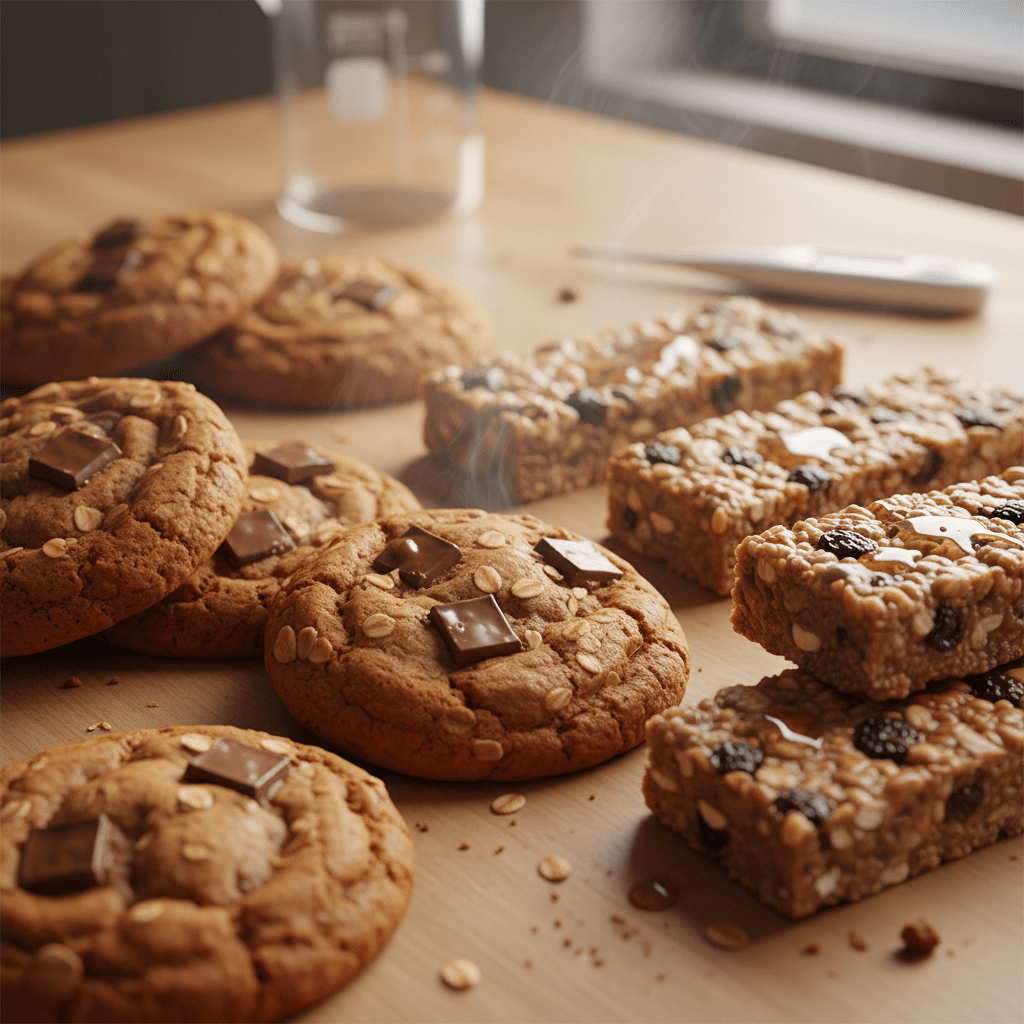
Ever wonder why some cookies stay soft for weeks while others turn into little hockey pucks by day three? Or why that protein bar still feels chewy instead of crumbly? That’s where glycerine quietly earns its keep.
Glycerine, also called glycerol, shows up in a lot more foods than people think. It helps keep moisture in, smooths out texture, and helps products stay steady on the shelf. Pretty handy for one ingredient.
That matters more than ever. Clean label foods and long shelf-life products are still growing fast, and shoppers are reading labels more closely too. So food teams need ingredients that do more than one job. Food-grade glycerine often fits that need, whether it’s used as a humectant, a sweetener, or a texture aid.
This guide is for food scientists, product developers, and procurement managers who want the plain-English version of glycerine in food. We’ll look at what it does, where it’s used, and how to judge safety, quality, and supply without the fluff.
What Exactly is Food-Grade Glycerine (E422)?
You’ve probably eaten it and never noticed. That’s the funny part.
Glycerine, also called glycerol, is a simple polyol. In plain words, it’s a clear, odorless liquid with a mild sweet taste. No drama. No color. Just a useful ingredient that shows up in a lot of food formulas because it does more than one job.
There’s also more than one source. Food-grade glycerine can come from vegetable oils like soy, coconut, palm, and rapeseed. It can also come from animal fats or synthetic routes, though vegetable glycerine is the pick many brands want for vegan, kosher, halal, and broader clean-label products. Same basic molecule. Different source story.
The “food-grade” part matters a lot. It means the material meets strict purity standards for use in food. In the U.S., glycerin is listed as GRAS under FDA 21 CFR §182.1320, and in the EU it’s labeled E422. That’s the version food makers want, not the raw industrial kind sitting in a drum somewhere.
For buyers, that difference is a big deal. A proper food-grade spec usually includes high purity, low heavy metals, and low traces of leftover compounds. Clean enough for baking, bars, sweet sauces, and shelf-stable snacks. And yes, it’s the same ingredient you’ll see listed as glycerine in food or glycerol in food industry documents.
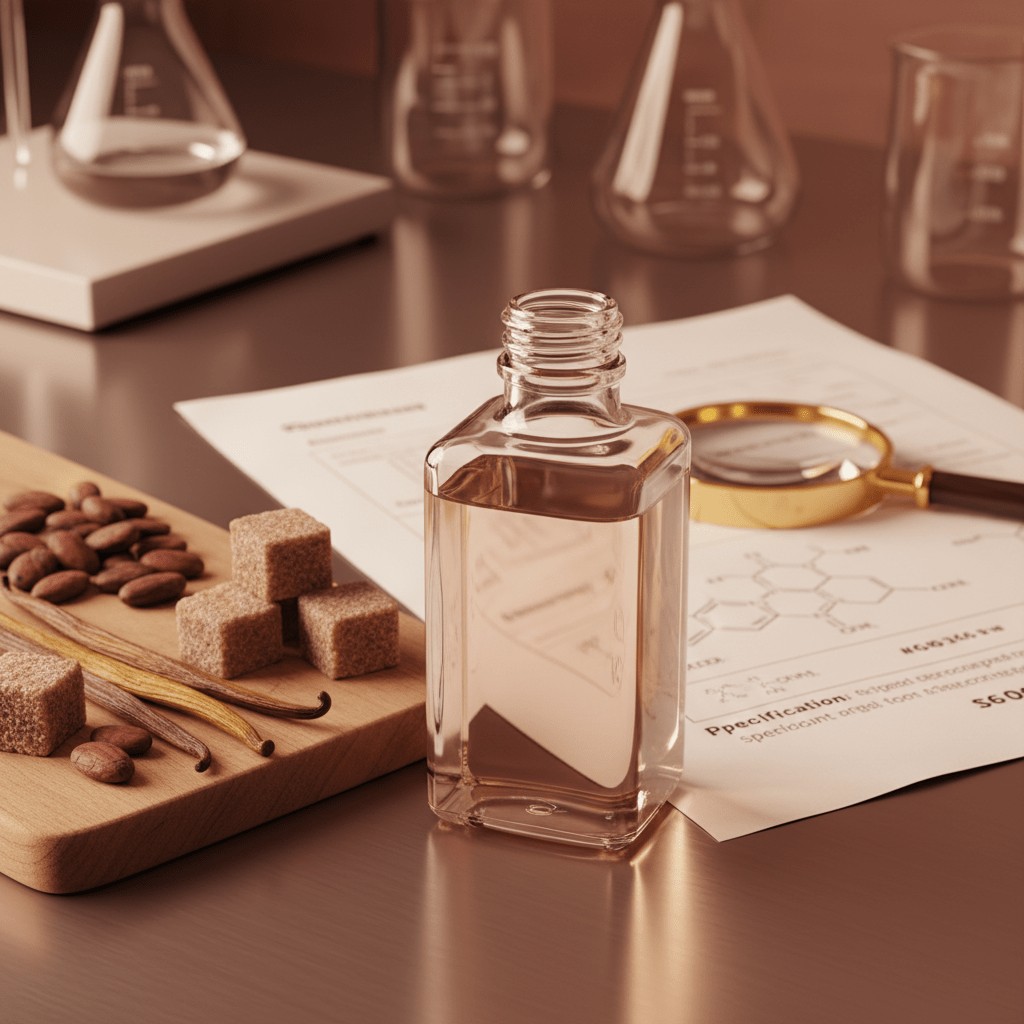
If you’re sourcing it, ask for the CoA every time. That little sheet tells you a lot.
| Term | What it means |
| Glycerine / Glycerol | The same basic ingredient |
| Vegetable glycerine | Glycerine from plant oils |
| Food-grade glycerine | Purified for food use |
| E422 | EU label for glycerine |
| Glycerine as a humectant | Helps keep food moist |
And if your team needs other natural ingredients too, it helps to work with a supplier that understands clean sourcing, lab checks, and bulk supply without the guesswork. That’s the kind of thing Aroma Monk does well across oils, attars, and rose water.
The 5 Core Functions of Glycerine in Food Formulation
You know that moment when a protein bar tastes dry and sad by bite two? Yeah, nobody wants that. And the same goes for a cake that goes stale before the weekend even starts.
That’s where glycerine steps in and quietly does a bunch of jobs at once. In food making, glycerine in food is prized because it can hold moisture, carry flavors, sweeten a little, smooth out texture, and help products last longer on the shelf. Food teams like that kind of multitasking. Big time.
It also fits what buyers are asking for right now. Clean label ingredients and low-sugar products keep getting more attention, and market reports show strong growth in both humectants and sugar substitutes. That lines up nicely with food-grade glycerine, which often shows up in bars, baked goods, frostings, and even plant-based foods.
Here are the 5 core jobs it handles.
1) Humectant: It Keeps Food Soft
This is glycerine’s best-known job.
As a humectant, glycerine pulls in and holds water. That’s called being hygroscopic, but plain and simple, it means the ingredient helps food stay moist instead of drying out. Think soft cookies, chewy brownies, icing that doesn’t crust over too fast, and energy bars that stay bendy instead of turning into bricks.
In soft-baked cookies, it’s often used at about 2% to 8% of the formula. In protein bars, it can show up at 5% to 15%, where it helps with both moisture and bite.
2) Solvent and Carrier: It Spreads Flavors Evenly
Ever tasted a snack where the vanilla hits one bite and disappears in the next? Annoying.
Glycerine helps with that. It works as a solvent and carrier, which means it can dissolve flavorings, colors, and extracts, then spread them through the product more evenly. That matters in things like syrups, liquid flavor blends, and bakery fillings.
It’s a quiet helper, but a useful one. If you’ve ever wondered why a frosting tastes smooth all the way through instead of patchy or sharp, this kind of ingredient work may be part of the answer.
3) Sweetener and Bulking Agent: It Adds Body Without the Sugar Hit
Glycerine is mildly sweet. Usually about 60% to 75% as sweet as sucrose, so it can help lower sugar while still keeping a product pleasant to eat.
It also adds bulk and mouthfeel, which is a big deal in sugar-free or low-fat foods. Otherwise, you can end up with something that tastes thin, chalky, or weirdly empty. Not great.
Here’s a quick look at how it stacks up:
| Ingredient | Sweetness vs. sucrose | Calories | Glycemic index |
| Glycerine | 60% to 75% | About 4.32 kcal/g | About 3 |
| Sucrose | 100% | 4 kcal/g | About 65 |
| Erythritol | About 70% | About 0.24 kcal/g | 0 |
| Xylitol | About 100% | About 2.4 kcal/g | About 7 to 13 |
So if a brand wants a lower-sugar bite with decent texture, glycerol in food industry formulas can be a smart fit.
4) Texture Modifier and Thickener: It Makes Foods Feel Better
Texture matters more than people admit.
Glycerine can make food feel smoother and a bit thicker. In ice cream, it helps slow large ice crystal growth, so the product stays creamier. In low-fat yogurt, it can help fill out the body. In liqueurs, it adds a softer, silkier mouthfeel.
That creamy feel is not fluff. It affects how people judge quality. If a spoonful feels thin, the whole product can seem cheap, even if the flavor is fine.
5) Preservative: It Helps Products Last Longer
This one is a little underappreciated.
Glycerine lowers water activity, or aw, in a food. That means there’s less free water for bacteria and mold to use. Lower aw helps slow spoilage, which can stretch shelf life and keep products safer for longer.
At around 10% glycerine, aw may drop to about 0.97 to 0.98. At 20%, it can fall to about 0.94 to 0.95. At 30%, it may go as low as 0.88 to 0.91. That’s why it often shows up in shelf-stable snacks and baked goods.
And yes, safety of glycerine in food is well established when it’s used the right way and sourced as food-grade glycerine. Under FDA rules, glycerin is listed as GRAS at 21 CFR §182.1320, which is why food makers use it in so many approved formulas.
If you’re choosing between glycerine and other sweeteners or moisture aids, ask for the CoA, check the purity, and make sure the spec matches your product type. That one sheet can save a lot of headaches later.
And if your team needs natural ingredients for other product lines too, like essential oils, rose water, or attars, working with a supplier that knows lab testing and bulk supply can make sourcing a lot less messy.

Get a quote from Aroma Monk.
Essential Oil Supplier – Bulk pricing • Samples • Fast response
Practical Applications: Where is Glycerine Used in the Food Industry?
You’ve probably had glycerine today and not even known it. Weird, right? It shows up in more foods than most people guess, and usually it’s doing quiet, behind-the-scenes work.
That’s part of why glycerine in food keeps showing up in product plans. Clean label ingredients are still pulling attention, with the clean label ingredients market valued at about USD 38.8 billion in 2022, and food teams also keep chasing longer shelf life and better texture clean label ingredient market data. So if a single ingredient can help with moisture, sweetness, and stability, people notice.
Here’s where glycerine shows up most often.
| Food area | What glycerine does |
| Bakery and confectionery | Holds moisture, helps softness, slows sugar crystallization |
| Beverages and extracts | Thickens liqueurs, carries flavors, smooths mouthfeel |
| Dairy and frozen desserts | Helps stop big ice crystals, keeps texture creamy |
| Processed meats and casings | Helps retain moisture and tenderness |
| Health and nutrition products | Works as a binder, humectant, and glycerine sweetener |
Bakery and Confectionery
This is probably the most familiar use.
In soft cookies, muffins, frostings, fondants, and nougats, food-grade glycerine helps keep things moist and flexible. Nobody wants a frosting that dries into a sad little shell by noon. And in candies, it can help prevent sugar crystals from forming too fast, which keeps the texture smoother.
In baking, glycerine uses in baking often show up in soft-baked cookies and chewy bars. Formulas may use it at around 2% to 8% in soft cookies, and that little bit can make a big difference in how long the product stays soft.
Beverages and Extracts
This one surprises people.
Glycerol in food industry work can include liqueurs, flavor extracts, and low-calorie drinks. In liqueurs, it adds a thicker, silkier feel. In non-alcoholic flavor systems, it can act as a solvent, so flavors spread more evenly through the drink.
If you’ve had a beverage that felt thin or sharp, you know how fast mouthfeel can change the whole experience. A small amount of glycerine can help smooth that out. Not fancy. Just practical.
Dairy and Frozen Desserts
OK, this next part is actually pretty cool.
In ice cream and frozen yogurt, glycerine helps slow down the formation of big ice crystals. That means the product stays smoother and less icy, even after storage. It can also help some processed cheeses keep better body and moisture.
That matters because frozen foods don’t just need to taste good on day one. They need to still feel good after a trip through the freezer, a few temperature swings, and maybe a kid leaving the pint open for 11 minutes too long.
Processed Meats and Casings
Glycerine is also used in cured meats, jerky, and sausage casings.
Here, it helps hold moisture and improve tenderness. That can support yield too, since foods that dry out too much during processing can lose weight fast. In meat products, it’s less about sweetness and more about keeping the bite right.
Health and Nutrition Products
This is one of the fastest-growing spots for glycerine.
Protein bars, energy gels, keto snacks, and low-carb treats often use glycerine as a binder and humectant. It helps hold the bar together, keeps it chewy, and adds a touch of sweetness without a big glycemic hit. Glycerine has a glycemic index of about 3, so it fits well in many low-sugar formulas glycemic and calorie data for glycerol.
A lot of formulators like it because it solves several problems at once. Moisture. Texture. Sweetness. Shelf life. That’s a pretty nice bundle.
If your team is comparing glycerine to other moisture aids or sugar substitutes, this is where a clean, food-grade spec matters a lot. Ask for a CoA, check the purity, and make sure the source fits your label goals. And if you need other natural ingredients too, like essential oils, rose water, or attars for non-food product lines, a bulk supplier with lab-tested quality and export support can make sourcing a whole lot calmer.

Navigating Safety, Regulations, and Nutritional Information
You know that moment when a label looks simple, but the rules behind it feel like a mess? Yep, glycerine can feel like that at first. But once you break it down, it’s actually pretty straightforward.
Food-grade glycerine has a good safety track record. In the U.S., glycerin is listed as GRAS at 21 CFR §182.1320, which means it’s allowed in food under good manufacturing practice. It’s also accepted by food regulators in other parts of the market, including the EU where it’s labeled E422. So if you’re building a product for more than one region, that helps a lot.
Now for the nutrition part. Glycerine is a carbohydrate, but it doesn’t act like table sugar. It has about 4.32 kcal per gram, and its glycemic index is around 3. That’s very low. So it’s often used in diabetic-friendly, low-carb, and keto-style foods where brands want sweetness and body without a big blood sugar spike.
That said, glycerine isn’t a free pass to pour in as much as you want. Too much can upset the stomach. In higher amounts, usually above 50 grams per day, it may cause a mild laxative effect. Not scary. Just something formulators need to keep in mind, especially in bars, gels, and drinks with higher inclusion rates.
Here’s a quick cheat sheet:
| Topic | What to know |
| FDA status | GRAS under 21 CFR §182.1320 |
| EU label | E422 |
| Calories | About 4.32 kcal/g |
| Glycemic index | About 3 |
| High intake risk | Mild laxative effect above about 50 g/day |
And if you’re sourcing glycerine for food work, don’t skip the Certificate of Analysis. Check purity, heavy metals, and any leftover compounds before you buy. That one step can save a lot of headaches later.
For teams that also work with natural ingredients beyond food, like essential oils, rose water, or attars, a supplier with tight lab checks and bulk delivery can make the whole sourcing process feel a lot less shaky. Aroma Monk, for example, focuses on pure, lab-tested natural products with export support and traceable supply.
How to Source and Select the Right Glycerine for Your Products
You know that sinking feeling when a label looks clean, but the ingredient file is a mess? Yeah. That’s where glycerine sourcing gets real.
If you’re buying glycerine for food, the first rule is simple: do not treat all grades the same. Crude glycerine and technical glycerine are not for food. Full stop. For any food use, you want food-grade glycerine or USP-grade glycerine with a proper spec sheet. That matters because clean label foods are still growing fast, and shoppers are reading labels more closely. The clean label ingredients market was valued at about USD 38.8 billion in 2022, and that pressure is pushing brands to choose safer, clearer inputs clean label market data.
Start With the Grade
Ask for the grade before you ask for price.
Here’s the quick breakdown:
| Grade | Common use | Food okay? |
| Crude glycerine | Raw byproduct, often from biodiesel | No |
| Technical glycerine | Industrial use | No |
| USP / Food-grade glycerine | Food, pharma, personal care | Yes |
For food products, purity is not a nice-to-have. It’s the whole point. Food-grade material should meet tight specs, usually 99.5% purity or higher, with low heavy metals and very low trace compounds. If a supplier can’t show that, keep moving.
Think About the Source Too
Not all vegetable glycerine comes from the same feedstock. It can come from palm, soy, rapeseed, or coconut. That source can affect your label claims, your supply story, and even your customer trust.
For example:
- Palm-derived glycerine can work well for large-volume buying, but some brands want RSPO-certified palm for sustainability claims.
- Soy or rapeseed glycerine may fit non-GMO or allergen-free goals, depending on the full supply chain.
- Vegetable glycerine is usually the go-to for vegan, kosher, and halal products.
So if your brand cares about clean labels, ethics, or religious certification, source matters just as much as purity.
Ask the Supplier These Questions
This is the part procurement teams can’t skip. A few plain questions save a lot of trouble later.
- Can you provide a Certificate of Analysis (CoA) for each batch?
- What are your allergen declarations?
- What is the country of origin?
- Is this vegetable glycerine or animal-derived?
- Can you share the food-grade spec and testing limits?
- Do you have vegan, kosher, halal, or RSPO documentation if needed?
- How do you track lot numbers and traceability?
And if you’re buying for bars, baked goods, or other shelf-stable foods, ask how the glycerine performs in real formulas too. Because a spec sheet is nice, but a product that actually works is nicer.
What a Good CoA Should Show
A solid CoA for glycerine in food usually includes purity, appearance, color, density, pH, water content, heavy metals, chloride, sulfate, and residue on ignition. If you see missing data or vague ranges, that’s a small red flag waving at you.
The best suppliers make this easy. They don’t hide behind jargon. They share the batch facts, answer fast, and know the difference between buying a drum for soap and buying a drum for a protein bar.
If your team also sources natural ingredients beyond food, like essential oils, rose water, or attars, working with a supplier that already handles lab testing, traceability, and bulk delivery can make your sourcing process a lot smoother. Aroma Monk does that kind of work across its natural product range, which is handy if you want fewer supply headaches and more consistency.
Integrating Glycerine for Future-Forward Food Innovation
Glycerine may not be the star on the front of the pack. But it quietly solves a lot of real food problems.
That’s why it keeps showing up in clean label products, soft-baked snacks, and low-sugar formulas. In a market where clean label ingredients were valued at about USD 38.8 billion in 2022 and are still growing, food teams want ingredients that do more than one job, and glycerine fits that need well. It helps with texture, shelf life, and sugar reduction, all in one go.
The safety of glycerine in food is also well backed. Food-grade glycerine, whether listed as glycerine, glycerol, or E422, is a trusted option when you need moisture control and a smooth bite. And yes, it works in more than just cookies.
We’re likely to see more glycerine in plant-based meat analogs, functional beverages, and personalized nutrition products too. Moisture matters. Mouthfeel matters. So if you’re building the next shelf-stable bar or meat alternative, glycerine is worth a serious look.
If your team is sourcing natural ingredients with the same care, Aroma Monk can help with lab-tested essential oils, attars, and rose water in bulk. Different product, same need for purity and consistency.
Get a quote from Aroma Monk.
Essential Oil Supplier – Bulk pricing • Samples • Fast response