
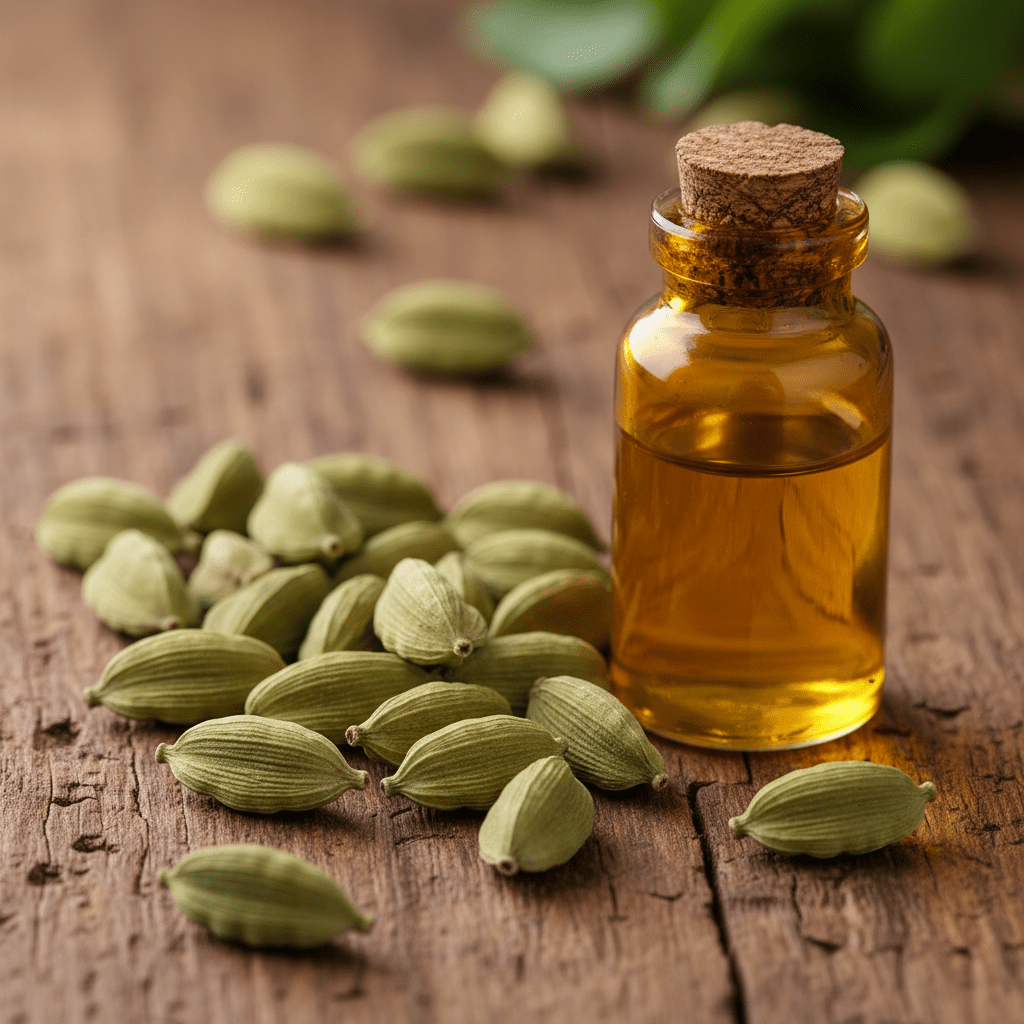
Unlocking the Exquisite Flavor of Cardamom: From Spice Cabinet to Essential Oil
You know that incredible smell when you bite into a fresh Swedish pastry or sip a warm, spiced coffee? That bright mix of citrus, mint, and slightly sweet earthiness? That’s cardamom.
Known globally as the “queen of spices,” it totally transforms a recipe. But as much as I love it, dealing with whole pods can be a hassle. Plus, they dry out fast in the pantry.
That’s where culinary cardamom essential oil comes in. Figuring out how to use cardamom oil in food is basically a shortcut to amazing meals. Using cardamom oil for cooking saves time while keeping that fresh, punchy taste. Whether you’re baking with cardamom oil or trying out cardamom essential oil in drinks, just a tiny drop does the trick.
Exploring different cardamom essential oil uses is super fun, but here’s the thing. We need to talk about safety first. I see people ask this online all the time: is cardamom essential oil safe to ingest?
Yes, mostly. But you absolutely must use a true food grade cardamom oil. (This is exactly why businesses rely on the 100% pure, lab-tested oils we supply at Aroma Monk). Cooking with essential oils is serious business because they are fiercely strong.
Let’s figure this out together. I’ll walk you through the actual cardamom oil flavor profile, the strict rules for safety, and some delicious cardamom oil recipes you can try today.
1. What is Culinary-Grade Cardamom Essential Oil?

Think of culinary cardamom essential oil as the “spirit” of the spice, captured in a bottle.
It starts with the seeds of green cardamom (Elettaria cardamomum). Producers take a huge amount of these seeds and blast them with steam. This steam pulls out the aromatic compounds—basically the stuff that smells good—and leaves the woody husks behind. The vapor is then cooled down until it turns into a liquid oil.
Because of this process, the oil is incredibly concentrated. I mean, we are talking strong. A single drop usually contains the flavor of many pods combined.
But here is the deal.
Not all cardamom oil is the same. This part is super important.
You cannot just grab a bottle from the craft store aisle and put it in your cookie dough. Many oils sold for aromatherapy are mixed with synthetic perfumes or chemical solvents that you definitely shouldn’t eat.
To be safe for cooking, the bottle must be food grade cardamom oil. In the United States, we look for items that fall under the FDA’s category of Generally Recognized As Safe (GRAS). This means experts agree it’s okay to eat in normal amounts.
At Aroma Monk, we work with businesses that need strictly certified, pure oils because they can’t risk their reputation on low-quality ingredients. If a supplier can’t show you lab tests or proof of purity, don’t put it in your mouth.
Flavor: Oil vs. Ground Spice
Why bother with oil if you have powder?
Texture: Have you ever bitten into a grit of cardamom in a cake? It’s not great. The oil gives you the flavor with zero texture.
Punch: The
cardamom oil flavor profileis cleaner. Ground spice starts losing flavor the second you crush it. The oil stays fresh longer.Chemistry: The oil is rich in something called 1,8-cineole, which gives it that spicy, eucalyptus-like kick that cuts through sugar and fat.
2. Safety First: The Golden Rules for Cooking with Cardamom Oil
Let’s talk about the elephant in the room. If you spend five minutes on internet forums, you will probably find horror stories about people burning their mouths on undiluted flavors.
It makes you wonder. Is cardamom essential oil safe to ingest?
The short answer is yes. But you have to follow the rules. Toxicology reports show that cardamom oil is perfectly safe in tiny amounts, like the fraction of a milligram you’d practically eat in a sitting.
The keyword here is tiny.
When figuring out how to use cardamom oil in food, your new best friend is the “Toothpick Rule.” Do not just tip the bottle over your mixing bowl and hope for the best. Seriously. These drops are roughly 50 to 70 times stronger than dried herbs.
Instead, dip a clean toothpick directly into the bottle. Swirl that toothpick into your batter, sauce, or icing. Taste it. You can always add another toothpick’s worth later. You can’t take it out once your dinner tastes like a perfume shop.
Next up: dilution. You probably remember from school that oil and water hate each other.
If you drop raw extract into a watery soup, it won’t blend. It just pools right on top. Swallow that undiluted pool, and it can definitely irritate your throat. In fact, professional safety guides explicitly warn against this mistake when cooking with essential oils.
To fix this, you must blend it into a carrier fat first. Mix your toothpick swirl into a spoonful of coconut oil, honey, olive oil, or full-fat yogurt before adding it to your main recipe. The fats grab onto the tiny oil droplets and spread them evenly throughout your dish.
This need for exact, safe blending is why commercial kitchen buyers rely heavily on the lab-tested purity of bulk supplies. When you scale up a recipe, you need to trust exactly what is in the bottle.
Finally, avoid the fire.
Using cardamom oil for cooking means protecting those fragile, bright flavor notes. If you drop it onto a sizzling hot frying pan, the high heat destroys the taste instantly. The compounds just break down.
Always stir your oils in at the very end of your cooking process once the pan is off the direct heat.
Get a quote from Aroma Monk.
Essential Oil Supplier – Bulk pricing • Samples • Fast response
3. Elevating Beverages: From Morning Coffee to Evening Cocktails

You know what wakes me up better than plain caffeine? Flavor.
In the Middle East, coffee isn’t just a quick drink. It is a cherished tradition and a huge sign of welcome. They have been brewing coffee with cardamom for hundreds of years. It cuts the bitterness and adds a cool, floral note.
But if you want that fancy experience without grinding spice pods at 6 AM, using cardamom essential oil in drinks is your answer.
Here is the trick I learned the hard way.
Don’t drop the oil straight into hot black coffee. It floats on top. It burns your lips. It’s bad.
Instead, mix a tiny amount—remember the toothpick rule—into your milk, cream, or oat milk first. The fat grabs the oil and holds it safe. Then, pour that mixture into your brew. It makes an instant cardamom latte that tastes like it cost $8.
Cocktail Hour
When the sun goes down, this spice really works.
It goes delightfully well with gin and whiskey. If you like an Old Fashioned, a tiny bit of cardamom oil adds a smoky mix of flavors. It makes your friends ask, “Wait, what is in this?”
The Secret Weapon: Cardamom Simple Syrup
If you want to get serious about cardamom oil recipes, just make a syrup. It is safer and way easier to measure in cold drinks.
Here is a simple way to do it:
- Boil: Mix 1 cup of sugar and 1 cup of water in a pot until the sugar is gone.
- Cool: Let it cool down completely. (Heat kills the oil, remember?)
- Mix: Add just 1 or 2 drops of food-grade cardamom oil. Shake it up.
Most recipes suggest a lot of trial and error to get the balance right, so start small with just a drop or two.
You can use this syrup in iced coffee, lemonade, or cocktails.
For coffee shops or bars, this reliability is a big deal. Raw spices change flavor from bag to bag. Pure oil doesn’t. That is why food businesses stick with the strictly tested bottles we handle at Aroma Monk. You get the exact same flavor punch, every single time.
4. Culinary Creations: Using Cardamom Oil in Baking and Savory Dishes

Most of us know cardamom from sweet treats. But have you ever made a lovely loaf of bread, only to bite into a gritty piece of seed husk? It kind of ruins the moment.
Using cardamom oil for cooking and baking solves that texture problem instantly. You get the flavor without the grit. This is huge for recipes like the famous Swedish Cardamom Buns (Kardemummabullar).
Baking Tips
When baking with cardamom oil, you need to be careful with mixing. You don’t want one cookie to taste like perfume and the rest to taste like nothing.
Here is how to get it right:
- Mix with Fat: Stir the oil into your melted butter or vegetable oil first.
- Mix with Liquid: Whisk it into your eggs or milk.
This helps the flavor spread out evenly. If you just drop it into dry flour, it clumps up.
The Savory Side
Cardamom isn’t just for cookies. It is a staple in savory Indian cooking.
I love adding a tiny hint to basmati rice. It makes the whole kitchen smell like a restaurant. You can also add a drop to marinades for chicken or lamb. The spicy, almost minty kick cuts through rich meats perfectly.
Just remember the heat rule from earlier. Try to stir the oil in at the very end of cooking soups or curries so the flavor stays bright.
A Note for the Pros
If run a bakery or a food business, consistency is everything. You can’t have one batch taste different because the spice harvest changed this year. That is why professional kitchens switch to the lab-tested oils we provide at Aroma Monk. It guarantees the exact same flavor profile, every single time.
The “Toothpick” Conversion Guide
Replacing ground spice with oil is tricky because the oil is so strong. Here is a rough guide to help you start:
- 1 Toothpick Swirl: Equals about 1/4 teaspoon of ground cardamom.
- 1 Drop: Equals about 1 teaspoon of ground cardamom (only for big batches!).
Start with the toothpick. You can always add more, but you can’t take it out once it’s in there.
5. Beyond Flavor: Wellness Benefits of Culinary Cardamom
You know that overly full, heavy feeling after a huge dinner? We’ve all been there. Well, there is a reason some cultures serve spiced tea or coffee right after big meals. For centuries, people have used things like cardamom as a digestive aid. In traditional Indian Ayurveda, it is basically a go-to trick to support your stomach and soothe discomfort.
Just a quick note here. I am definitely not a doctor, and this isn’t medical advice. Always talk to a pro before treating any real health issues. But adding a tiny toothpick swirl of culinary cardamom essential oil to your post-dinner tea is a really simple, gentle way to see how it makes you feel.
Plus, the plant is naturally packed with some interesting chemistry. The seeds contain phytochemicals like flavonoids and active compounds like 1,8-cineole. Basically, these act as natural antioxidants. You don’t need to take massive, risky doses to enjoy them. Just using cardamom oil for cooking in your normal daily recipes gives you a tiny, safe sprinkle of those benefits. Mild and easy.
And here is a fun bonus. Have you noticed how your mouth feels tingly and clean after trying cardamom essential oil in drinks or sweet desserts? It works as a totally natural breath freshener. It honestly beats chewing generic mint gum.
But listen carefully. To get any actual wellness perks, you need the real stuff. Cheap synthetic oils or fake perfumes won’t do anything good for your body. That is exactly why health-conscious brands and commercial kitchens source pure, lab-tested oils from Aroma Monk. When you are putting something in your body, real plant magic only comes from real plants.
6. How to Choose, Buy, and Store Your Cardamom Essential Oil
Buying essential oils is kind of like buying coffee. There is the cheap stuff at the gas station, and then there is the real deal. When you are planning to eat it, you can’t mess around.
If you walk down the aisle at a craft store, you will see bottles labeled “aromatherapy.” Do not eat those. They often contain fillers or synthetic smells that belong in a candle, not your stomach.
So, how do you know what to buy? Here is my personal checklist for finding safe food grade cardamom oil:
- The Name Game: Flip the bottle over. It must say Elettaria cardamomum. If it just says “Cardamom Oil” without the Latin name, put it back. You might be getting a different, cheaper plant.
- The “Food” Label: Look for words like “Flavoring,” “Supplement Facts,” or “For Internal Use.” If a bottle says “For external use only” or “Do not ingest,” believe them.
- The Background Check: Reliable companies share their homework. You want to see mention of GC/MS testing. It sounds fancy, but it just means a lab checked to make sure the oil is 100% pure and free of nasties.
Where to Shop
For home cooking, you want brands that are transparent. Companies like Plant Therapy, Edens Garden, or Aura Cacia are generally easy to find and have good reputations for quality.
But if you are running a bakery, a coffee shop, or making products to sell, buying tiny 10ml bottles is a nightmare for your budget. That is where we come in. At Aroma Monk, we supply businesses with that same certified, lab-tested purity in bulk. We handle the supply chain so you don’t have to worry about running out of the good stuff.
Keeping it Fresh
Once you have your oil, treat it like a vampire. It hates sunlight.
Light and heat break down the flavor compounds fast. Always keep your cardamom oil for cooking in a dark glass bottle (usually amber or blue). Stick it in a cool pantry, not on the shelf above your stove.
Does it go bad? Yes.
Usually, cardamom oil lasts about 2 to 3 years. If your oil starts to smell thick, sour, or just “off,” toss it. It won’t make you sick, but it will definitely ruin that batch of cookies you worked so hard on.
Your Next Culinary Adventure Awaits
Exploring cardamom essential oil uses basically changes how you cook. It takes that boring morning latte or standard sugar cookie and turns it into something people actually talk about.
It is clear that this flavor is having a moment. The global market for this spice is massive, sitting around nearly a billion dollars. Why? Because people are finally realizing that “premium” flavor doesn’t have to mean “difficult” prep work.
But before you run to the kitchen, let’s just recap the golden rules from earlier:
- Quality Matters: Only use food grade cardamom oil. If you can’t prove it’s pure (like the lab-tested batches we handle at Aroma Monk), don’t eat it.
- Start Small: I mean really small. The toothpick method is your safety net. You can always add more, but you can’t un-pour a drop once it’s in the bowl.
Finding the right balance might take a try or two. And that is okay.
Start simple.
Add a tiny swirl to your coffee tomorrow morning. Or try a drop in your next batch of frosting. Once you get the hang of it, you honestly won’t want to go back to dealing with dry, husky powder.
We’d love to hear how it goes. Did you wreck a batch or make magic? Drop a comment below and let us know what you made!
Get a quote from Aroma Monk.
Essential Oil Supplier – Bulk pricing • Samples • Fast response