
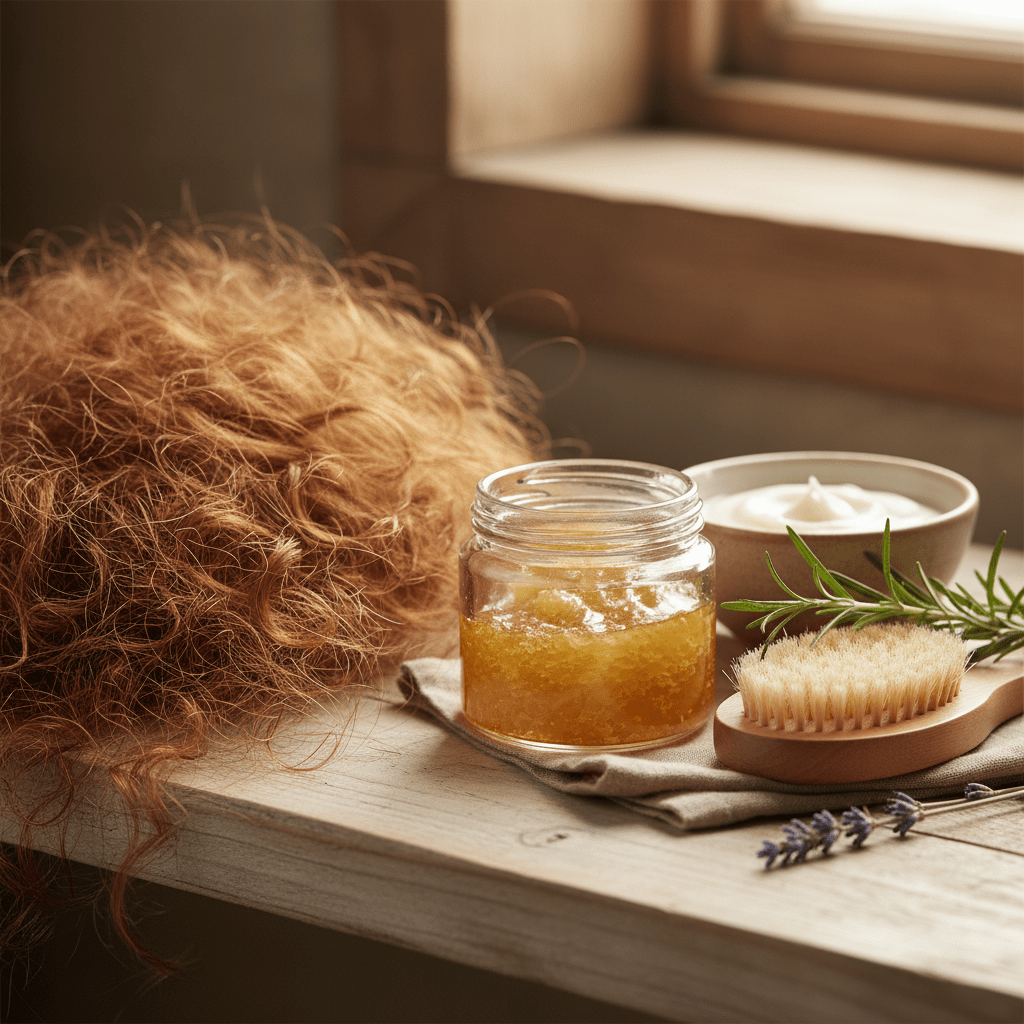
Tired of Dry, Lifeless Hair? This Ancient Ingredient Might Be the Answer
Ever wash your hair, use the conditioner, and still feel like it’s thirsty an hour later? Yeah. That kind of dry, frizzy, snap-easy hair can make you want to give up and just wear a bun forever.
You are not alone, either. A global Dyson study found that 70% of people think they have damaged hair, and dry, damaged hair is a huge hair concern for lots of folks. But here’s the thing: your hair may not just need more product. It may need a better way to hold on to moisture.
That’s where beeswax for hair comes in. Beeswax has been used for centuries as a natural sealant, helping protect and shape hair while slowing moisture loss. It works like a light shield over the hair strand. Not magic. Just old-school know-how that still makes sense now.
In this guide, we’ll look at the benefits of beeswax for hair, how sealing hair with beeswax works, how to use beeswax on hair the right way, a simple DIY beeswax hair balm idea, and the downsides to watch for before you start.
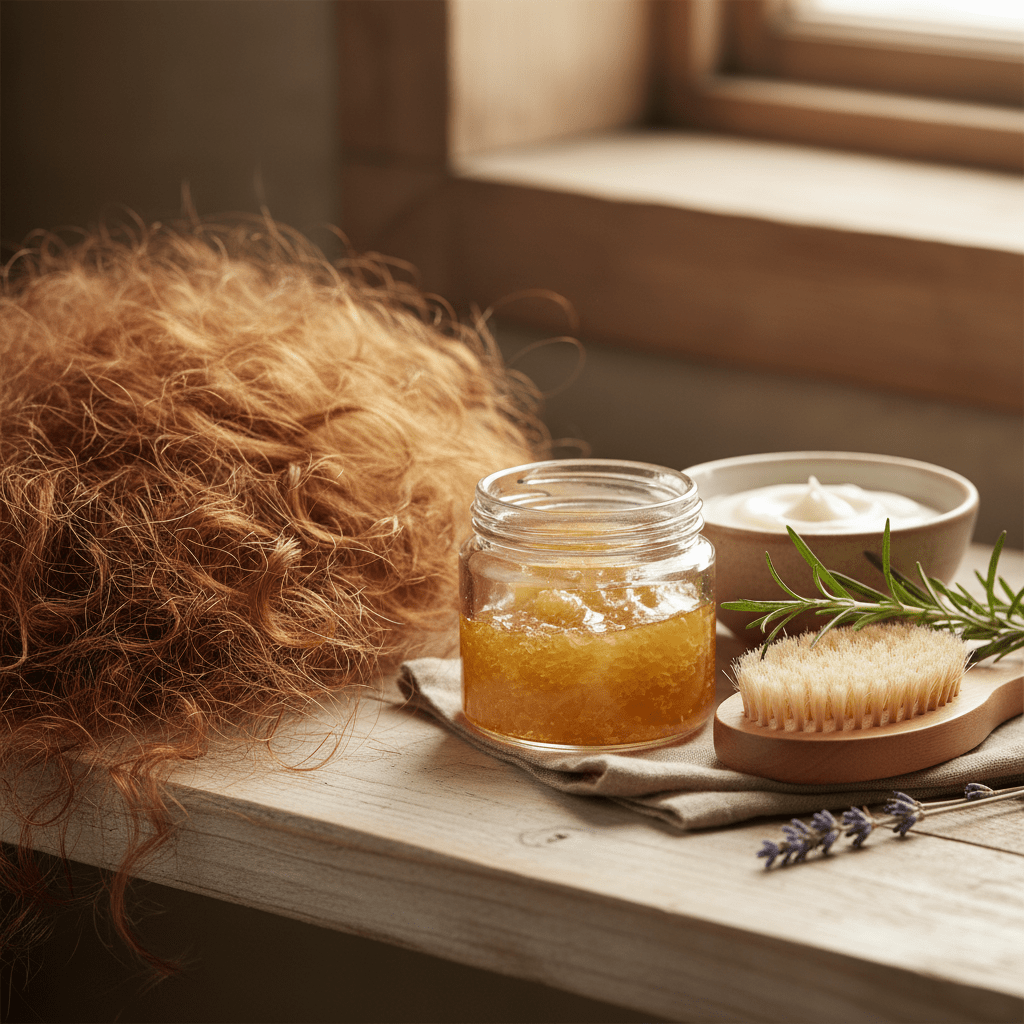
Tired of Dry, Lifeless Hair? This Ancient Ingredient Might Be the Answer
Ever wash your hair, use the conditioner, and still feel like it’s thirsty an hour later? Yeah. That kind of dry, frizzy, snap-easy hair can make you want to give up and just wear a bun forever.
You are not alone, either. A global Dyson study found that 70% of people think they have damaged hair, and dry, damaged hair is a huge hair concern for lots of folks. But here’s the thing: your hair may not just need more product. It may need a better way to hold on to moisture.
That’s where beeswax for hair comes in. Beeswax has been used for centuries as a natural sealant, helping protect and shape hair while slowing moisture loss. It works like a light shield over the hair strand. Not magic. Just old-school know-how that still makes sense now.
In this guide, we’ll look at the benefits of beeswax for hair, how sealing hair with beeswax works, how to use beeswax on hair the right way, a simple DIY beeswax hair balm idea, and the downsides to watch for before you start.
Understanding the Enemy: What Really Causes Chronic Dry Hair?
You know that weird thing where hair looks fine, but feels rough? That usually starts on the outside layer.
Each hair strand has a cuticle, cortex, and medulla. The cuticle is the outer layer, and it works like tiny roof shingles. When those shingles lie flat, hair holds moisture better and looks shinier. But heat tools, bleach, relaxers, sun, wind, and harsh shampoos can lift that cuticle up and leave hair open to moisture loss. Once that happens, dryness can show up fast.
And if your hair is high-porosity, it can be even trickier. High-porosity hair has a more open cuticle, so it drinks up water fast but lets it escape just as fast. That’s why some people feel like their hair is wet one minute and dry the next. Annoying? Very.
A quick at-home check is the float test. Put a clean strand in water and see what it does. If it sinks fast, it may be high porosity. If it floats longer, it may be low porosity. It’s not perfect, but it gives you a clue.
So if your hair keeps losing moisture, a sealant can help slow that escape. That’s the whole point of using beeswax for dry hair. It doesn’t replace water. It helps keep the water you already added from leaving so fast.
Want to go a little deeper? The Dyson global hair study is a good place to start if you want to see how common damaged hair really is.## What is Beeswax and How Does It Work on Hair?
Ever opened a jar and thought, “OK… what even is this stuff?” That’s usually how beeswax feels the first time you meet it. It looks simple. But it’s doing a lot.
Beeswax, also called Cera Alba when it’s the white kind, comes from honeycombs. It’s made up of wax esters, fatty acids, hydrocarbons, and tiny amounts of other natural compounds. People sometimes talk about vitamin A in beeswax, but that’s not the real star here. The real trick is its texture. It’s sticky, smooth, and great at holding shape.
On hair, beeswax works as an occlusive. Fancy word, simple job. It makes a thin barrier on the hair shaft that helps slow moisture loss from the strand and even from the scalp. So if you’ve just washed, conditioned, or sprayed in a leave-in, beeswax can help keep that moisture from vanishing too fast.
But here’s the part a lot of folks get wrong: beeswax does not moisturize hair. It seals. That’s it. It’s like putting a lid on a pot of soup. The soup has to be in there first.
So yes, beeswax for hair can be a nice natural hair sealant, especially for dry or textured hair. But it works best on damp hair or after a water-based leave-in. If you use it on bone-dry hair, you’re mostly just coating the outside. Not much water gets trapped, which kind of defeats the whole point.
This is also why sealing hair with beeswax makes more sense for people who already use a moisture step first. Think wash day, then leave-in, then a little beeswax product on top. Simple. Old-school. Still smart.
And if you’re wondering whether beeswax is good for your hair in general, the answer is usually yes for some hair types and maybe not for others. Thick, dry, curly, or coily hair often likes the extra hold and seal. Fine hair may feel weighed down fast. Weirdly enough, both can be true.
If you’re making a DIY beeswax hair balm, or buying one from a brand that uses pure ingredients, it helps to know what’s inside the base. Aroma Monk’s lab-tested essential oils and carrier oils can fit nicely into a natural hair care blend, especially if you want a clean, fragrance-rich formula without all the junky extras.
The Top 5 Benefits of Using Beeswax for Dry Hair
Dry hair can be rude. It drinks up conditioner, then acts like nothing happened. But beeswax for hair gives you a little help where it counts, especially if your strands keep losing moisture no matter what you try.
Here’s why people keep reaching for it:
| Benefit | What it does |
|---|---|
| Superior moisture sealing | Helps trap water and leave-in conditioner on the hair strand |
| Tames frizz and flyaways | Smooths the cuticle for a sleeker look |
| Helps prevent breakage | Adds a protective layer that cuts down on rubbing and snapping |
| Defines curls and coils | Gives shape to twists, braids, and locs |
| Can soothe a dry scalp | Works well in scalp balms with gentle oils |
1. Superior moisture sealing
This is the big one. Beeswax is a natural hair sealant, so it helps hold moisture in after you wash and condition. That matters because hair strength and stretch depend a lot on moisture. If your strands stay dry, they snap easier. Simple as that.
And beeswax does this with a waxy, film-like layer that sits on top of the hair. It’s not a deep treatment. It’s a lid. A pretty handy lid, though. That’s why sealing hair with beeswax often works best after water, leave-in, or a light cream.
2. Taming frizz and flyaways
You know those little hairs that pop up right before a meeting or a photo? Yeah, beeswax can help with that. It smooths the surface of the strand and gives light hold, so styles look neater without feeling stiff like helmet hair from 2008.
3. Aiding length retention by preventing breakage
Dry hair breaks more easily. When strands rub against clothes, combs, pillows, or even each other, they can split and shed length fast. Beeswax adds a protective coat that helps cut down on that friction.
So if your goal is growing your hair out, this part matters. Less breakage usually means better length retention. Not overnight. But over time, it adds up.
4. Defining styles for curly and coily hair
This is where beeswax for dry hair can really shine. It can help shape twists, braids, edge styling, and locs with a clean finish. Some people like it because it gives hold without the flaky look some gels leave behind.
And for curly and coily hair, that extra control can be a big deal. It helps the style stay put while keeping the hair from looking fuzzy two hours later. Honestly, that’s a win.
5. Promoting a healthy scalp
Beeswax can also show up in scalp balms, especially when it’s blended with gentle oils like jojoba, olive, or rose-infused oils. The wax helps the balm stay on the skin longer, which may help soothe dryness and tight, itchy spots.
But keep it light. A scalp that feels greasy all day is not the goal. A little goes a long way.
If you’re making your own DIY beeswax hair balm or looking at a ready-made one, look for clean ingredients and good oils. Aroma Monk’s pure essential oils, rose water, and carrier oils can fit into a beeswax hair moisturizer recipe if you want a simple, natural blend that feels more thoughtful than the usual store-bought stuff.
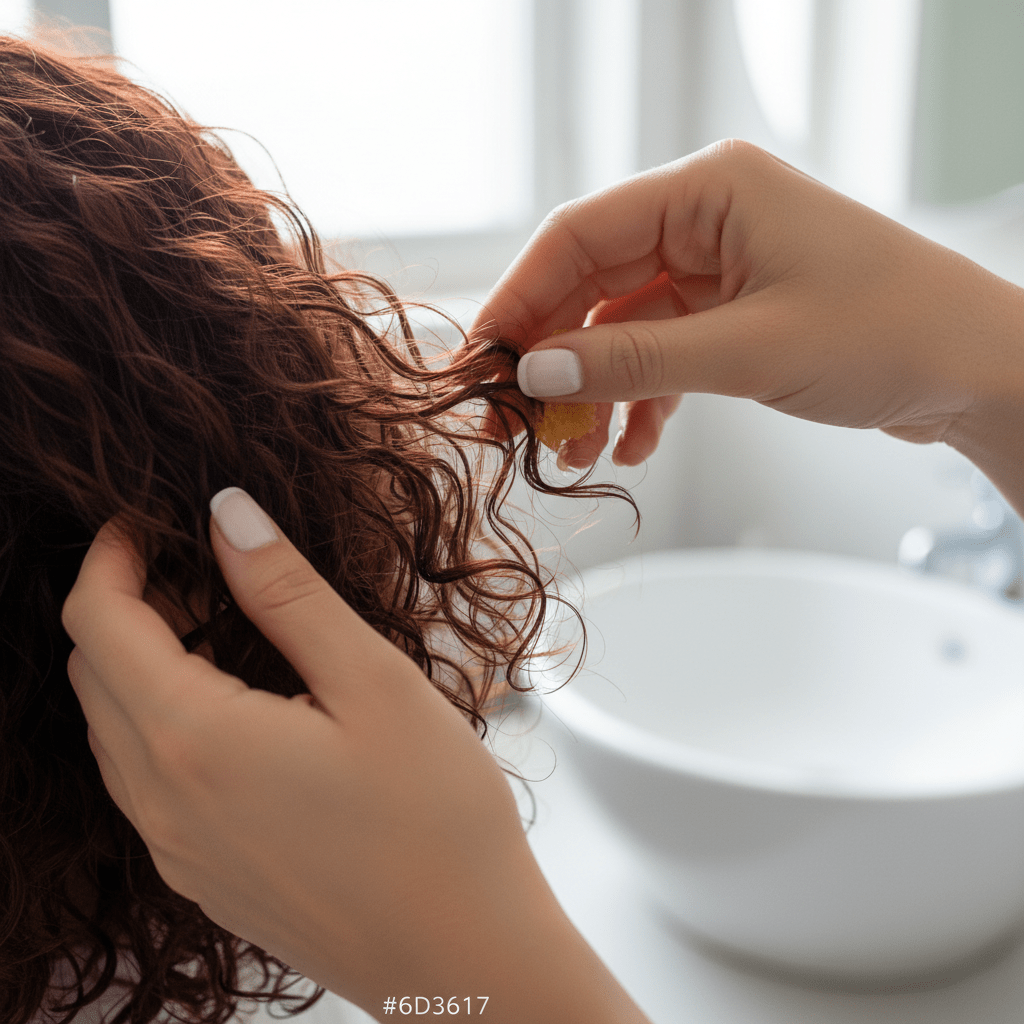
A Practical Guide: How to Apply Beeswax to Your Hair Correctly
You know what usually goes wrong? People use beeswax like it’s regular cream. Then the hair feels sticky, heavy, and a little sad. Not the vibe.
If you want beeswax for hair to work, the order matters. A lot. Think clean, damp, moisturized hair first. Then a tiny bit of wax on top. That’s the sweet spot for sealing hair with beeswax without turning your strands into a wax museum display.
Step 1: Start with clean, damp hair
Wash your hair first. Or at least make sure it’s free of heavy buildup. Beeswax is a natural hair sealant, not a cleanser, so it works best after shampoo, conditioner, or a water-based leave-in.
And here’s the big thing: don’t put beeswax on dry hair if you’re trying to fix dryness. It can trap that dry feeling right inside. Basically, you’re sealing in the problem. Not ideal.
If your hair is very dry, add moisture first. Use a leave-in conditioner, a light cream, or even a bit of rose water before the wax. That way, the beeswax for dry hair has something to hold in place.
Step 2: Use a tiny amount
Less is more here. Seriously. Start with a pea-sized amount of beeswax product. You can always add more, but taking it back out is a whole different story.
Warm it between your palms until it softens and turns more transparent. If you’re making a DIY beeswax hair balm, that same rule still applies. A little goes a long way, especially if the balm has a firmer hold.
For most people, this is enough:
| Hair need | Amount to start with |
|---|---|
| Short hair | Half a pea |
| Medium hair | 1 pea-sized dab |
| Thick or coily hair | 1 to 2 pea-sized dabs |
If you’re unsure, start small. You can always layer more later. And if you use too much, your hair may look dull or feel coated. Been there. Not fun.
Step 3: Spread it the right way
Now use the praying hands method or the raking method.
With praying hands, smooth the wax between your palms and press it gently over sections of hair. With raking, use your fingers like a wide comb and move the product through your strands.
Focus on the mid-shaft and ends. That’s where the most damage usually shows up. Those spots often need the most help holding moisture, so they’re the best place for sealing hair with beeswax.
Try not to put it right on the roots unless your hair is very thick or you’re styling edges on purpose. For most hair types, the scalp doesn’t need that much wax. Too much near the roots can make hair look flat and greasy fast.
A simple routine that works
If you want a no-fuss plan, try this:
- Wash and condition your hair.
- Towel dry until it’s damp, not dripping.
- Add leave-in or a light mist of water.
- Smooth on a small amount of beeswax product.
- Style as usual.
That’s it. Simple, but it works better than slathering on a big glob and hoping for the best.
A quick note on making your own balm
If you’re into DIY, a beeswax hair moisturizer recipe usually mixes beeswax with a carrier oil. Jojoba, olive, or coconut oil are common picks. Aroma Monk’s pure essential oils and carrier oils can fit into a homemade DIY beeswax hair balm too, especially if you want a cleaner scent and a more thoughtful ingredient list.
And if you’re wondering is beeswax good for your hair, the answer is usually yes for thick, dry, curly, or coily hair. But if your hair is fine, go easy. A lighter sealant may work better.
The main thing is this: beeswax helps lock in what’s already there. It doesn’t create moisture from nothing. So moisturize first, seal second, and keep the amount tiny. That’s the whole trick.
Get a quote from Aroma Monk.
Essential Oil Supplier – Bulk pricing • Samples • Fast response
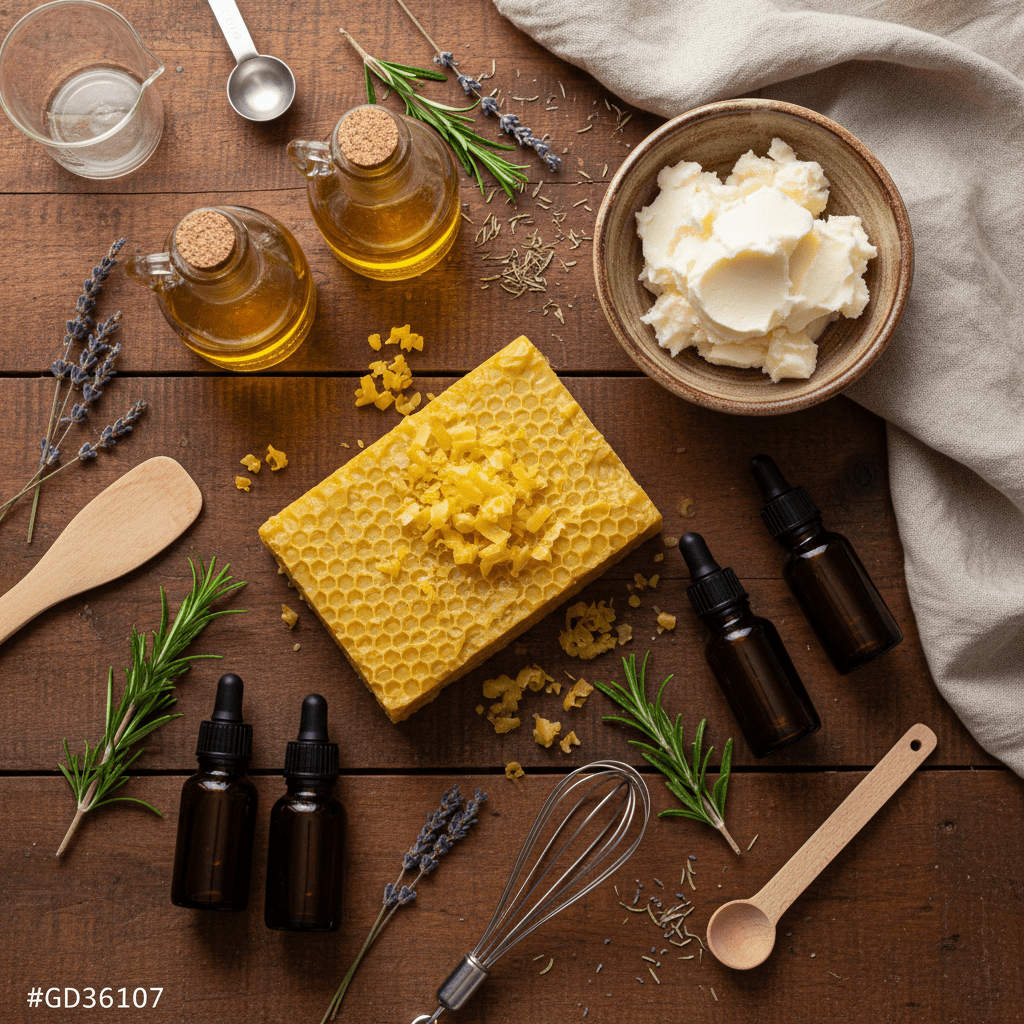
DIY Corner: Simple and Effective Beeswax Hair Moisturizer Recipes
You know that moment when your hair looks okay at breakfast, then feels like straw by lunch? Yep. That’s usually the moment people start grabbing for anything that promises shine, softness, or a little peace.
And honestly, a good DIY beeswax hair balm can be that middle ground. Not too fancy. Not too hard. Just a few simple ingredients that help beeswax for hair do what it does best, which is seal in moisture and give dry strands a softer feel.
A lot of people are making these little blends at home now because dry hair is such a common headache. One global Dyson study found that 70% of people think they have damaged hair, and damaged hair is also one of the biggest hair worries worldwide. So if you’re trying beeswax for dry hair, you’re in good company.
Here are three easy beeswax hair moisturizer recipe ideas you can try, depending on what your hair needs most.
1. Simple Sealing Balm for Ends
This one is for split ends, frayed ends, and those dry little bits that always seem to catch on your sweater. A soft balm works well here because it glides on without feeling too heavy.
You’ll need:
- 1 tablespoon beeswax
- 4 tablespoons shea butter
- 2 tablespoons jojoba oil
How to make it:
- Set up a double boiler.
- Melt the beeswax slowly.
- Add the shea butter.
- Stir in the jojoba oil.
- Pour into a small jar and let it cool.
This mix gives you a soft, spreadable balm. That 1:4 beeswax-to-oil style ratio is a good starting point for a balm that feels smooth instead of stiff. Jojoba is a nice pick because it feels light and works well on most hair types.
Use a tiny bit on the ends after washing. Just a dab. Really. You don’t need much.
2. Whipped Hair and Scalp Cream
OK, this next one is a little lighter and a little fluffier. It feels more like a cream than a balm, which makes it nice if you want something you can use on both hair and scalp.
You’ll need:
- 2 teaspoons beeswax
- 3 tablespoons coconut oil
- 2 tablespoons shea butter
- 6 to 8 drops peppermint essential oil
How to make it:
- Melt the beeswax, coconut oil, and shea butter together.
- Take it off the heat.
- Let it cool a little, but not fully harden.
- Add the peppermint oil.
- Whip it with a hand mixer until it turns creamy.
Peppermint oil gives that cool, tingly feel people often like on the scalp. But use it lightly. A few drops is enough, since leave-on scalp products can feel irritating if you go too strong. And if your scalp is sensitive, maybe skip the peppermint on the first try.
This version works well if you want a softer beeswax hair moisturizer recipe that still helps with sealing hair with beeswax after leave-in conditioner or water-based mist.
3. Styling Pomade for Hold and Definition
This one has more grip. More hold. More shape. It’s great for short hair, edges, twists, or any style that needs a little extra staying power without flaking all over your shirt later.
You’ll need:
- 3 tablespoons beeswax
- 2 tablespoons castor oil
- 1 tablespoon coconut oil
- Optional: 3 drops rosemary or lavender essential oil
How to make it:
- Melt the beeswax first.
- Stir in the castor oil and coconut oil.
- Add the optional essential oil.
- Pour into a tin and let it set.
This one is firmer because it has more beeswax. That’s useful if you want hold. Castor oil adds shine and thickness, so the pomade feels richer than a soft balm. It’s a solid choice if you’re trying to shape edges or define twists without grabbing a gel that turns crunchy by noon.
A few quick tips before you start
- Always melt beeswax slowly with indirect heat.
- Don’t pour water into the jar later. That can shorten shelf life.
- Store your DIY beeswax hair balm in a cool, dark spot.
- Patch test first, especially if you add essential oils.
And one more thing. If your hair is fine, start with less beeswax and more oil. If your hair is thick, curly, or coily, you can usually handle a firmer blend better.
The nice part about making your own is control. You get to pick the texture, the scent, and the feel. Plus, you know exactly what’s going into your hair. No mystery ingredients. No weird extra stuff.
If you want to keep going, try one recipe this week and see how your hair responds after two or three uses. That’s usually the easiest way to figure out whether beeswax for hair is a fit for you.
Potential Pitfalls: What to Watch Out For and How to Fix It
Beeswax can be a sweet fix for dry hair. But yeah, it can also go sideways if you use too much or use it the wrong way.
The biggest hiccup is product buildup. Beeswax is not water-soluble, so it can sit on the hair over time and make strands look dull, heavy, or kind of greasy. If your hair starts to feel coated, that’s usually your clue. Not a mystery. Just buildup doing its thing.
A good reset is a clarifying shampoo every 2 to 4 weeks. That helps strip away wax, oil, and leftover product before they pile up. If you use beeswax for hair often, this step can save you a lot of frustration.
Hard to wash out?
Yep, that’s another common issue. If you’ve ever tried to rinse out a firm balm and felt like your hair was still wearing it the next day, you know the struggle.
Try a warm oil pre-treatment first. An oil cleanse for hair can help loosen the wax before shampooing. Grapeseed or argan oil work well, especially if your hair is fine. Massage the oil into the coated areas, let it sit for 15 to 30 minutes, then follow with a clarifying wash. Sometimes you may need two rounds. Annoying, sure. But it works.
What about fine hair?
Fine or low-density hair can get weighed down fast. So if that sounds like you, use beeswax very sparingly, or skip it most days. A tiny dab is usually enough.
If beeswax feels too heavy, lighter sealants may be a better fit. Grapeseed oil, argan oil, jojoba oil, or even a very small amount of mango butter can give a softer finish without the sticky feel.
And if you’re making a DIY beeswax hair balm, start with less wax than you think you need. More isn’t better here. It just makes your wash day longer.
The good news? Once you learn your hair’s limit, beeswax can be a helpful tool instead of a sticky mess. That’s the trick. Small amount. Clean hair. Regular reset.
If you want a cleaner ingredient base for your own hair products, Aroma Monk’s lab-tested essential oils, rose water, and carrier oils can fit into a gentler beeswax blend for personal care or product development.## Embrace the Seal: Final Thoughts on Using Beeswax for Healthy Hair
If your hair has been acting dry, frizzy, or just plain tired, beeswax for hair can be a pretty handy fix. Not a miracle. Just a smart natural hair sealant that helps keep good stuff in and roughness out.
We’ve seen this with dry hair care for a long time. A Dyson study found that 70% of people think they have damaged hair, and that fits what a lot of us feel after heat styling, coloring, or just one too many bad wash days. Beeswax can help because it supports moisture retention, frizz control, and breakage prevention when you use it the right way.
The trick is simple. Start with damp, moisturized hair. Then use a small amount. Tiny, really. If you’re making a DIY beeswax hair balm, keep the mix light at first and adjust from there. Some hair likes more hold. Some wants less. Your hair will usually tell you pretty fast.
And that’s the real win here. Listen to your strands. Watch how they feel after a few uses. If beeswax works for your routine, keep it. If it feels too heavy, switch to a lighter sealant. Either way, you’ve got options, and that’s a good place to be.
Get a quote from Aroma Monk.
Essential Oil Supplier – Bulk pricing • Samples • Fast response