
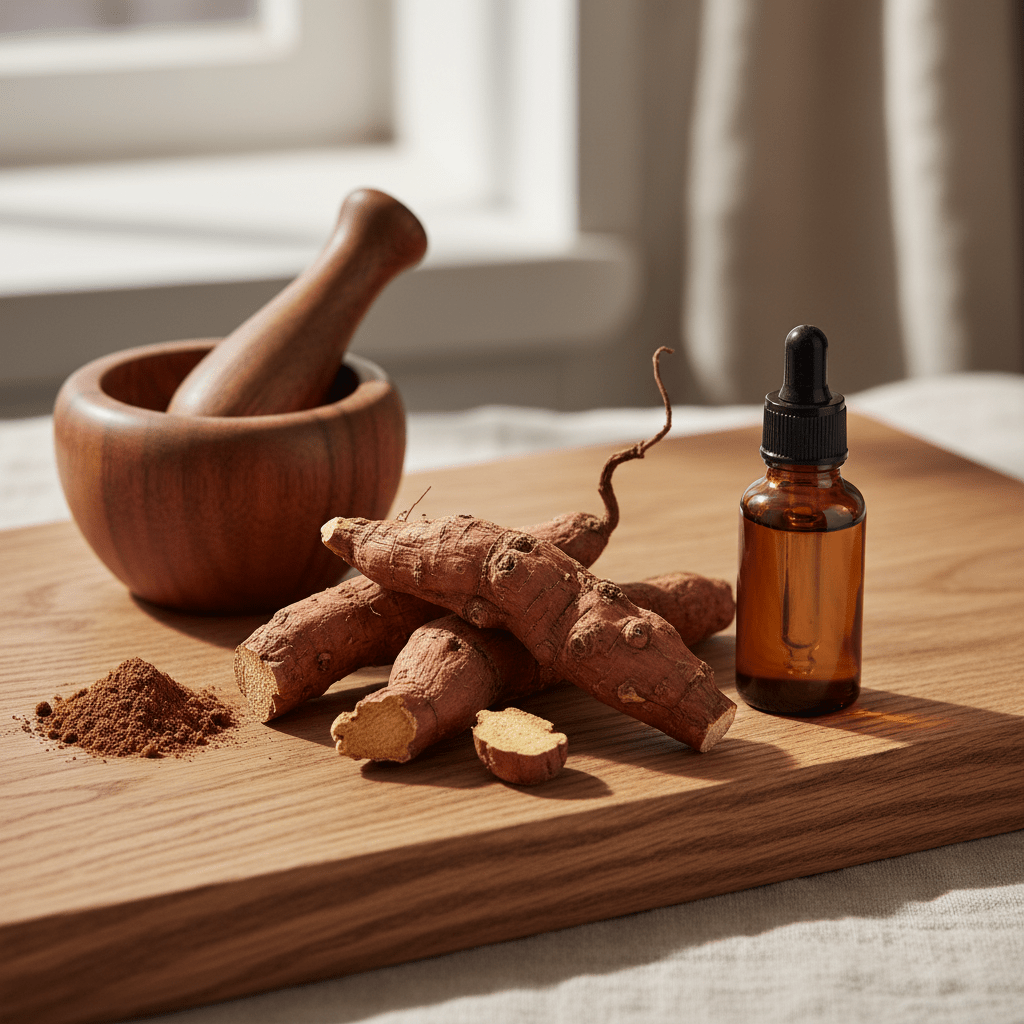
Feeling Overwhelmed? This Ancient Herb Might Be the Natural Solution You’re Searching For
You know that wired, tired feeling? The one where your brain won’t shut off, even after a long day. Yeah, that one.
A lot of people are there right now. Stress is high, anxiety is up, and tons of adults are looking for natural anxiety relief that feels gentler than a giant pill bottle. In fact, the APA found 43% of adults said they felt more anxious than the year before, and more than half said stress hit their mental health the hardest, according to the APA 2024 poll on rising anxiety.
That’s part of why ashwagandha for stress relief keeps popping up in conversations about wellness. This old Ayurvedic herb, also known as Withania somnifera, has been used for nearly 3,000 years. People have long seen it as a balancing herb. A helper. A reset button of sorts.
And now? Many folks are looking at ashwagandha oil benefits in a fresh way. Can applying an oil really help with daily stress and anxiety? Maybe. Maybe not in the same way a supplement does, but there’s more here than most people think.
In this article, we’ll look at the science, the traditional use, how to use ashwagandha oil, and what to watch for before you rub it on your skin or use it in aromatherapy. A little old wisdom. A little modern science. That mix usually tells a pretty good story.
1. What is Ashwagandha? Understanding the ‘Prince of Herbs’
You know what’s wild? A root that smells a bit like a horse somehow became a go-to name in calm, sleep, and stress talks. Weird, right? But that’s ashwa… no, wait, Ashwagandha.
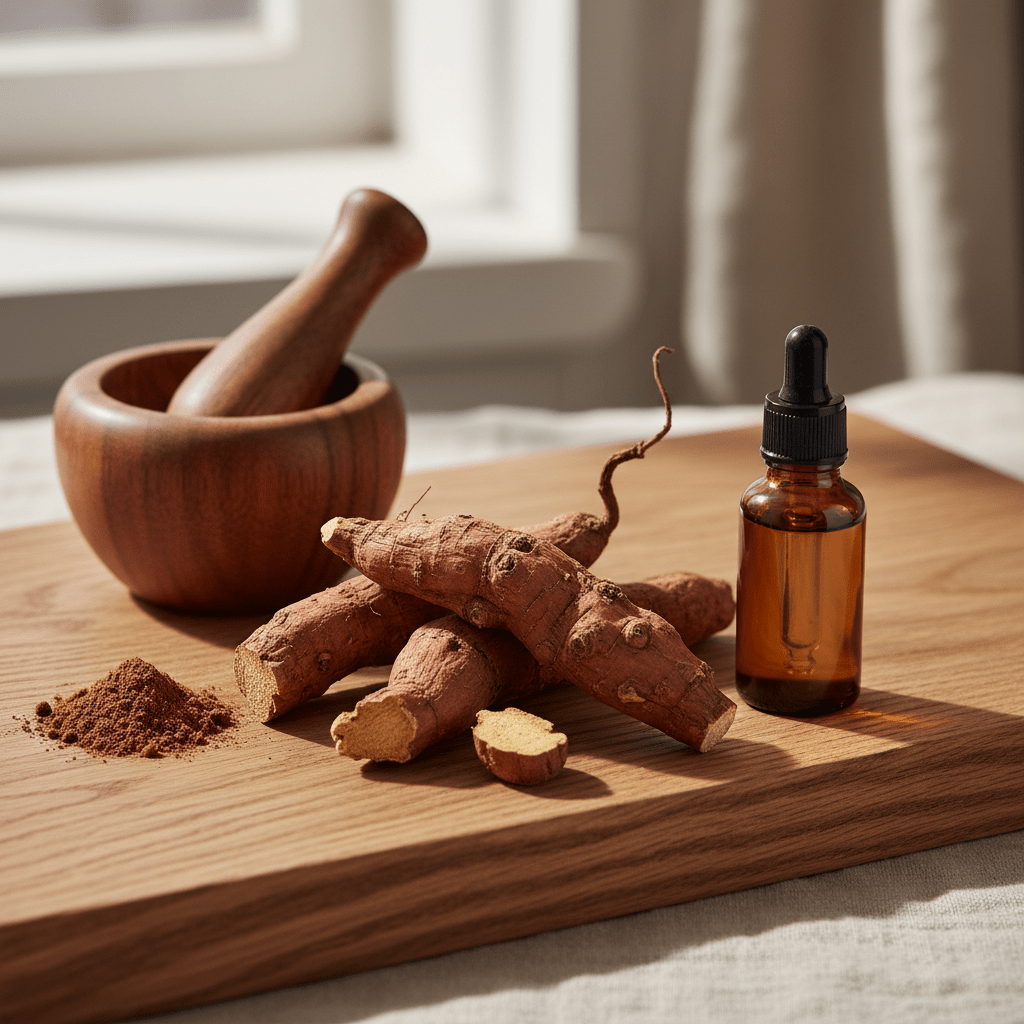
Ashwagandha is the plant Withania somnifera. It has roots in Ayurvedic medicine that go back close to 3,000 years. Old texts used it as a strength herb and a daily tonic. People called it a helper for the body, not a quick fix.
The name itself is pretty memorable. “Ashwa” means horse, and “gandha” means smell. Some folks say it means “smell of a horse,” while others take it as “horse-like strength.” Either way, the name stuck. Hard.
So what makes it an adaptogen? In simple words, an adaptogen is a natural plant substance that helps the body deal with stress and move back toward balance. Think of it like a body thermostat. Too hot? It helps cool things down. Too low? It can help nudge things back up. Not magic. Just steady support.
That idea is a big reason ashwagandha for stress relief keeps showing up in wellness chats, as people look for natural anxiety relief that feels less harsh than a hard push.
The plant’s main active compounds are called withanolides. These are found mostly in the root, and they’re one of the key reasons the herb gets so much attention. They’re thought to play a role in the plant’s calming and balancing effects, which is why people talk about ashwagandha and cortisol in the same breath.
| Term | Simple Meaning |
|---|---|
| Ashwagandha | An old Ayurvedic herb |
| Adaptogen | A plant that helps the body handle stress |
| Withanolides | The main active compounds in the root |
| Withania somnifera oil | Oil made from the herb’s root |
And here’s the thing. The herb’s old story matters, but so does how people use it now. Whether you’re looking at ashwagandha oil benefits, ashwagandha massage oil, or ashwagandha aromatherapy, it helps to know the plant behind the bottle first.
If you want a clean, pure base for blends or personal care products, Aroma Monk offers lab-tested essential oils, carrier oils, and natural attars for bulk use. That matters a lot when you’re building something people will actually put on their skin.
2. From Root to Oil: How is Ashwagandha Oil Made and Why Does It Matter?
Here’s the part that trips people up. Not every bottle called ashwagandha oil is made the same way.
Sometimes, it’s not even a true essential oil. That sounds a little annoying, I know. But it matters a lot for how the oil feels, smells, and works on your skin.
Most of the time, what you’ll find is an ashwagandha-infused oil. That means dried root or root powder gets steeped in a carrier oil like sesame, coconut, or almond oil. The carrier pulls out the fat-loving plant compounds over time. Slow and steady. Very old-school. Very practical.
| Term | Simple Meaning |
|---|---|
| Ashwagandha | An old Ayurvedic herb |
| Adaptogen | A plant that helps the body handle stress |
| Withanolides | The main active compounds in the root |
| Withania somnifera oil | Oil made from the herb’s root |
The carrier oil choice changes the whole vibe. Sesame oil is warm and traditional. Coconut oil feels richer and is nice for body massage. Almond oil is lighter and often feels smooth on dry skin. So yes, the base oil brings its own perks. It’s not just a filler.
How it’s made matters too. A low-heat infusion can help protect the plant compounds. Cold steeping takes longer, but some makers like it for a gentler process. A hot method is faster, which works well for ashwagandha massage oil. That said, if the oil gets too hot, some of the good stuff can get lost. Bummer, right?
And if you’re wondering about how to use ashwagandha oil, the method should match the goal. For body massage, a heavier infused oil makes sense. For ashwagandha aromatherapy, you’d usually pair it with another scent or use a finished blend that’s meant for inhaling.
That’s why buyers, makers, and wellness brands look so closely at the source. A clean oil base can change the whole product. If you’re sourcing for skin care, massage, or other personal care lines, Aroma Monk offers lab-tested essential oils, carrier oils, and natural attars in bulk, with direct supply for product makers who want purity and consistency.
3. The Science of Calm: How Ashwagandha Oil Directly Combats Stress and Anxiety
Ever had one of those days where your shoulders feel like bricks and your brain just keeps going? Yep. That’s the kind of stress a lot of us are trying to manage.
And this is where the ashwagandha oil benefits get interesting. The strongest human research is on oral ashwagandha, not skin use, but the calming idea behind it is still worth a look. In clinical trials, ashwagandha has helped lower serum cortisol, which is the body’s main stress hormone. One review from the NIH’s Office of Dietary Supplements notes that studies found lower stress, anxiety, fatigue, and cortisol, with the better results often seen at 500 to 600 mg a day NIH ashwagandha fact sheet.
So what’s going on in the body? The main theory is that ashwagandha helps modulate the HPA axis. That’s the system that tells your body how to respond to stress. Think of it like your internal alarm switch. When it gets stuck on too long, you feel worn out, jumpy, and tense. Ashwagandha for stress relief may help that switch settle down a bit.
It may also support GABAergic signaling. GABA is a calming brain chemical. It tells the nervous system to slow down. Quietly. Steadily. If that system is working well, you usually feel less wired and less on edge. That’s part of why people talk about ashwagandha for anxiety and sleep in the same breath.
Now, topical use is a different story. We do have good reason to think ashwagandha massage oil and ashwagandha aromatherapy can help through touch and scent, even if the herb isn’t entering the bloodstream the same way an oral capsule does. Massage itself can lower stress by helping the body relax, and scent can shift mood too. Lavender gets a lot of love here, but the bigger point is simple: calming rituals work because the body notices them.
Here’s a quick look at the main ways people use it:
| Use Style | What it May Do | Best For |
|---|---|---|
| Oral extract | Supports cortisol balance and anxiety relief | Internal stress support |
| Ashwagandha oil topical use | Helps with massage and daily calming rituals | Neck, shoulders, feet |
| Aromatherapy blend | Uses scent to support a calmer mood | Evening wind-down |
And yes, the name withania somnifera oil still shows up on labels, which can get confusing. But the basic idea stays the same. Some people want a supplement. Some want a massage oil. Some want both. All three can fit into a calm-down routine, just in different ways.
If you’re sourcing a clean base for blends, Aroma Monk offers 100% pure, lab-tested essential oils, carrier oils, and natural attars in bulk for wellness and personal care products. That kind of quality matters when you’re making something people trust enough to put on their skin.
4. Beyond Anxiety: Other Major Ashwagandha Oil Benefits
You know that feeling when you finally get into bed, and your brain decides it’s showtime? Yeah. Not cute.
That’s one reason people keep talking about ashwagandha oil benefits beyond stress. And honestly, the sleep piece is a big one. A lot of folks use ashwagandha for stress relief during the day, but the same calming effect may also help the body settle at night. When cortisol stays high too long, sleep gets messy. You toss. You turn. You stare at the ceiling and make deals with the universe.
Better Sleep, Less Tossing Around
Ashwagandha seems to help calm the body down, which may support a steadier sleep-wake rhythm. In studies on oral ashwagandha, people often reported better sleep quality, faster sleep onset, and deeper rest. That does not mean an oil will act the same way as a capsule. But ashwagandha massage oil can still fit into a bedtime routine that tells your body, “OK, we’re done for the day.”
A warm foot rub. A little neck massage. Maybe a quiet room and no phone for once. Simple stuff. But it works better than we like to admit.
A Quiet Boost for the Brain
There’s also growing talk about ashwagandha and brain support. Some people call it a nootropic, which is just a fancy word for a herb that may help with memory, focus, or mental sharpness. The truth is a bit softer than the hype. The stronger effect may come from less stress and better sleep, not from some wild brain hack.
Still, if your mind feels foggy after a rough week, that matters. A calmer nervous system can make it easier to think clearly, react a little faster, and stay on task. So yes, ashwagandha oil for anxiety might help your mood first, and your focus second.
Anti-Inflammatory and Antioxidant Support
This part is especially nice for ashwagandha oil topical use. The withanolides in Withania somnifera oil are linked with antioxidant and anti-inflammatory effects. In plain words, they may help the body deal with stress-related wear and tear. That’s a pretty big deal for sore shoulders, tight backs, and tired legs.
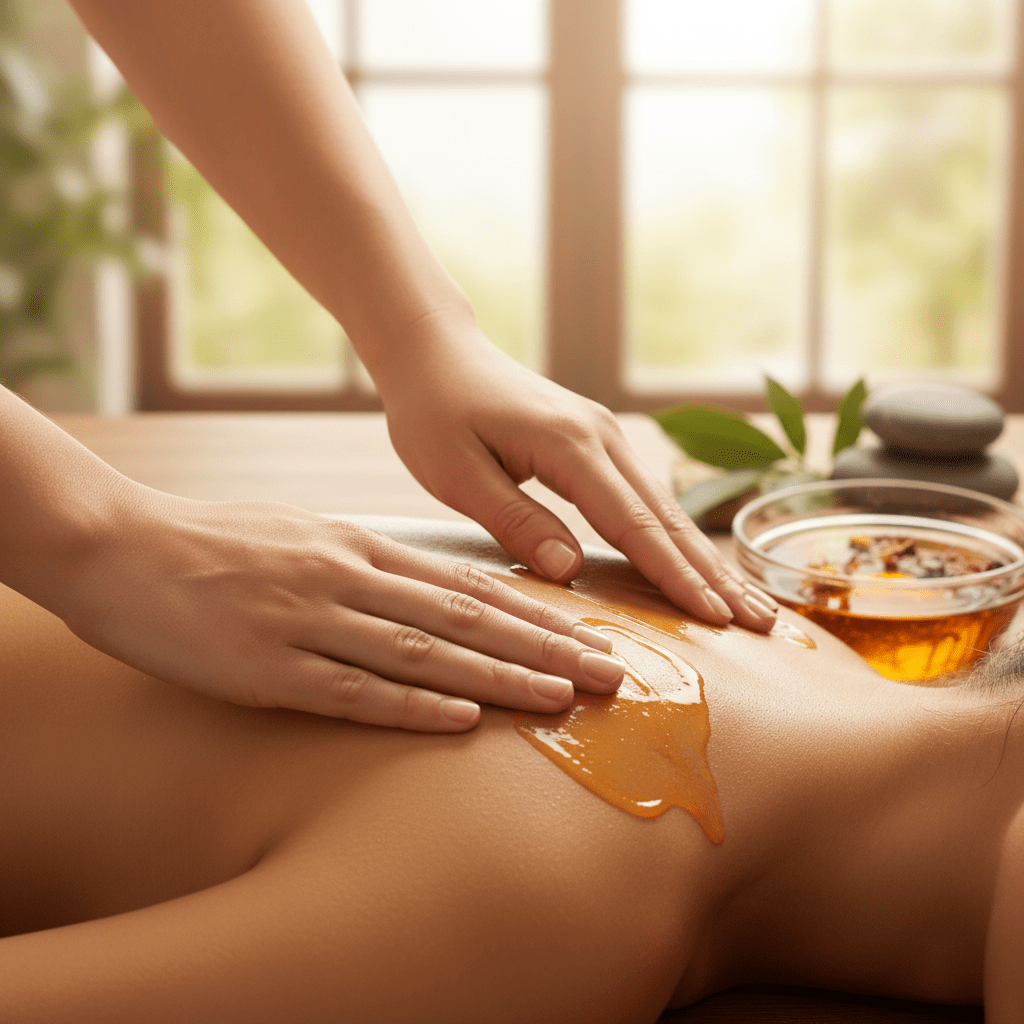
If you use ashwagandha massage oil, this is where it can shine. Massage already helps muscles loosen up. Add a calming herbal oil, and you’ve got a simple self-care ritual that feels good and may support recovery too.
| Benefit | What it may help with | Best use |
|---|---|---|
| Better sleep | Less tossing, easier wind-down | Night massage or bedtime ritual |
| Brain support | Focus, alertness, mental clarity | Daytime self-care routine |
| Anti-inflammatory support | Tension, soreness, recovery | Massage oil use |
So if you’ve been asking how to use ashwagandha oil, this is a good place to start: evening massage, slow breathing, and maybe a few quiet minutes before bed. Nothing fancy. Just steady, calming habits.
If you’re sourcing oils for product making, Aroma Monk offers 100% pure, lab-tested essential oils, carrier oils, and natural attars in bulk. That kind of quality matters when you’re building sleep blends, massage oils, or other natural anxiety relief products people will trust.

Get a quote from Aroma Monk.
Essential Oil Supplier – Bulk pricing • Samples • Fast response
5. How to Use Ashwagandha Oil Safely and Effectively: A Practical Guide
You know that moment when your neck feels like it’s holding up a bowling ball? Yeah. That’s usually my cue to slow down and do a little self-care.
Ashwagandha oil benefits can feel best when you use the oil the right way. And the good news is, it doesn’t need to be fancy. A simple routine at night often works well, especially if you want natural anxiety relief after a long day.
1) Start with a patch test
Before you rub it all over, test a small spot first. Put a tiny bit on the inside of your arm or behind your ear. Wait 24 hours. If your skin stays calm, you’re probably good to go.
That tiny step saves a lot of trouble. Redness, itching, and bumps are not the vibe.
2) Try an Abhyanga-style massage
Abhyanga is the Ayurvedic name for self-massage. It’s been used for a long time as a grounding daily ritual.
Here’s a simple routine:
- Warm a small amount of ashwagandha massage oil in your hands.
- Rub it into your neck and shoulders with slow circles.
- Move down to your arms, lower back, and feet.
- Spend extra time on tight spots.
- Let it sit for 10 to 20 minutes, then rinse if you want.
Feet are a great place to start. So are shoulders. And honestly, the neck is usually the main trouble zone for most of us.
If you like, use it before bed. That’s a common time in Ayurveda for calming oil routines, and it fits nicely with a wind-down habit.
3) Use it for aromatherapy
If you’re into scent, ashwagandha aromatherapy can be part of your evening reset. But here’s the catch. Pure oil blends are not always made for diffusers, so check the label first.
If the blend includes diffuser-safe essential oils, you can add it to a diffuser with other calming scents like lavender or frankincense. Or, for a quicker option, rub 1 drop between your palms, cup your hands over your nose, and take 3 slow breaths.
That’s it. Simple. Fast. Kinda nice, too.
4) Read the label like a detective
Good sourcing matters a lot with adaptogenic oils. Look for:
| What to check | Why it matters |
|---|---|
| Botanical name, like Withania somnifera | Tells you it’s the real plant |
| Carrier oil listed clearly | Shows what the herb is mixed with |
| Extraction method | Helps you know how it was made |
| Third-party testing | Adds trust and quality checks |
| Organic or clean sourcing | Better for skin and daily use |
A nice bottle isn’t enough. You want a brand that tells you what’s inside.
5) How often should you use it?
For most people, daily use before bed is a gentle place to begin. A few drops in a massage routine is usually plenty. If your skin is sensitive, start every other night.
And if you’re pregnant, nursing, taking meds, or dealing with a health condition, talk to a doctor first. Ashwagandha is helpful for many people, but it’s not a free-for-all.
If you’re buying for a product line, Aroma Monk offers 100% pure, lab-tested essential oils, carrier oils, natural attars, and rose water in bulk. That kind of quality makes a big difference when you’re building oils for wellness, cosmetics, or personal care.
For product makers, that’s the part that really matters. Clean ingredients. Clear sourcing. Less guessing.
6. Precautions and Potential Side Effects: What You Need to Know
You know that feeling when a “natural” product sounds safe just because it’s plant-based? Yeah… not always. Plants can still pack a punch.
Ashwagandha oil benefits can be a nice fit for some people, but there are real times to pause. And if you’re using it for ashwagandha oil for anxiety, that pause matters even more. Calm should never come with a surprise.
Who should skip it or ask a doctor first?
Some people should avoid ashwagandha oil or get medical advice before trying it:
- Pregnant people: ashwagandha may not be safe during pregnancy.
- Breastfeeding parents: there’s not enough safety info here.
- People with autoimmune diseases like rheumatoid arthritis or lupus: it may push the immune system too hard.
- Anyone on thyroid medicine: ashwagandha can affect thyroid hormone levels.
- People on surgery waitlists: it may change how sedatives or anesthesia work.
If you’re in one of those groups, don’t guess. Ask your doctor first. Seriously.
Drug interactions to watch
Ashwagandha can also mix badly with some meds. It may add to the effects of:
| Medicine type | Why to be careful |
|---|---|
| Sedatives or sleep meds | Can cause extra drowsiness |
| Immunosuppressants | May work against your treatment plan |
| Diabetes meds | Could lower blood sugar too much |
| Thyroid meds | Might raise thyroid activity |
| Blood pressure meds | May make you feel lightheaded |
So if you take prescription medicine, talk with your doctor or pharmacist before using Withania somnifera oil or any supplement form. Better to ask a boring question now than deal with a messy one later.
Common side effects
Most people handle it fine, especially with ashwagandha oil topical use. But high doses, or a product that’s too strong for you, can sometimes cause:
- mild stomach upset
- nausea
- loose stools
- sleepiness or drowsiness
- skin irritation from topical use
Topical oil and oral capsules are not the same. A massage oil is usually less likely to bother your stomach, but it can still irritate sensitive skin. That’s why a patch test helps so much.
If you’re using ashwagandha massage oil or trying ashwagandha aromatherapy, start small. A little goes a long way.
And one more thing. If anything feels off, stop using it and check in with a health pro. Natural anxiety relief should feel calming, not confusing.
For wellness brands and product makers, clean sourcing matters too. Aroma Monk offers 100% pure, lab-tested essential oils, carrier oils, natural attars, and rose water in bulk for personal care and aromatherapy products. That kind of quality helps lower the guesswork.## Embrace Balance: Is Ashwagandha Oil Right for Your Wellness Routine?
So, is this the little bottle worth trying? Maybe. For a lot of people, the answer is yes.
The big ashwagandha oil benefits are pretty clear. It may help lower stress, support calmer days, and fit into a bedtime routine that tells your body to slow down. Oral studies point to lower cortisol and less anxiety, and sleep research also looks promising. But the oil part is different. It works more through ritual, touch, and scent than through swallowing a capsule.
That still matters. A warm ashwagandha massage oil rub on your shoulders or a few drops on your wrists can turn a rushed night into a calmer one. Simple. Human. Real.
If you’re curious, start small. Try a patch test, then use a little Withania somnifera oil on your wrists or neck and notice how it feels. And if you take meds, are pregnant, or have a health condition, talk with a healthcare pro first. That way, your ashwagandha oil for anxiety routine fits your life, not the other way around.
If you’re building a product line, Aroma Monk offers 100% pure, lab-tested essential oils, carrier oils, natural attars, and rose water in bulk for wellness and personal care brands. Clean sourcing makes a big difference.
Get a quote from Aroma Monk.
Essential Oil Supplier – Bulk pricing • Samples • Fast response