
Unlocking the Power of a Superfruit: An Introduction to Sea Buckthorn Oil
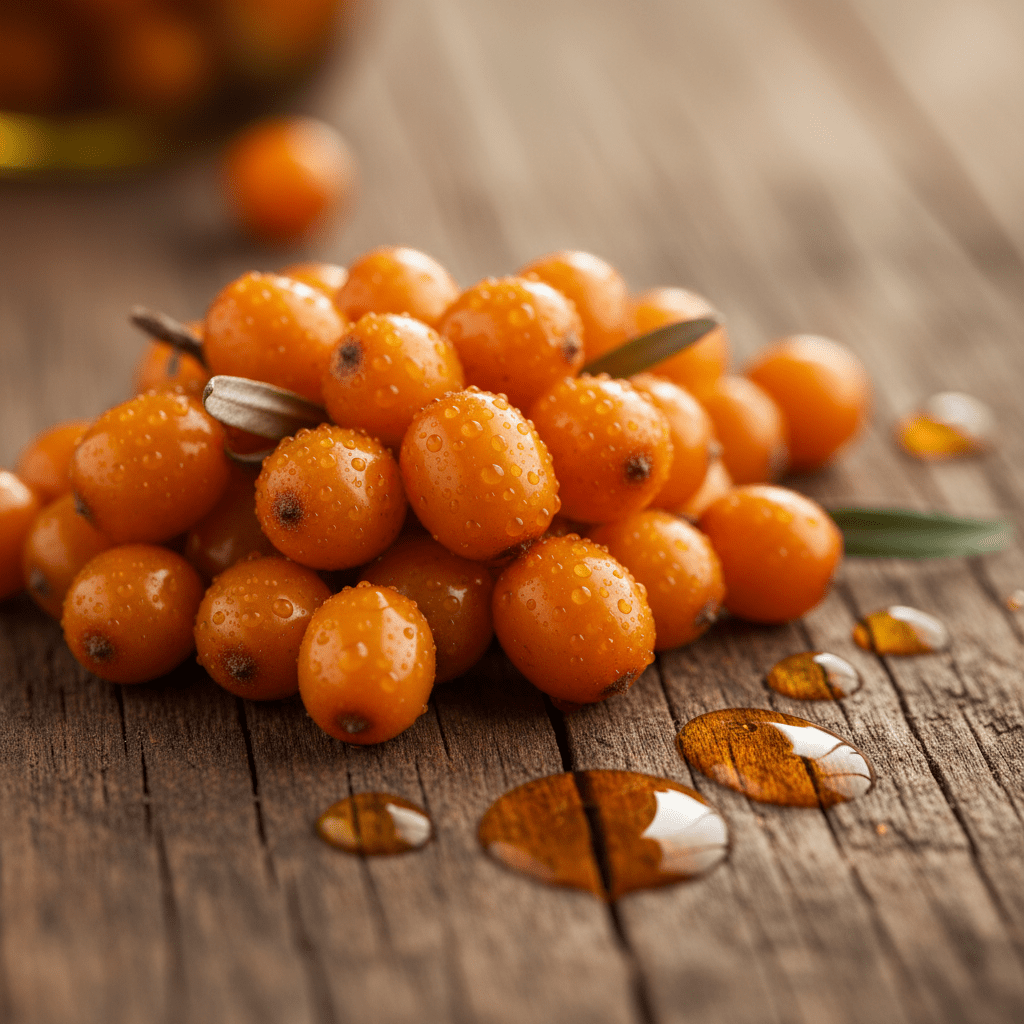
A little orange berry has been getting a lot of love lately. And honestly, it’s not hard to see why. Sea buckthorn, or Hippophae rhamnoides, has been used for centuries in Tibetan and Mongolian traditions, plus in parts of Central Asia, Russia, and Europe for food and care uses. Now it’s showing up in modern wellness, beauty, and supplement chats again, which feels a bit like an old remedy making a comeback.
People are also paying more attention to plant-based oils in general. One market report says plant-based supplements are set to grow from USD 27.52 billion in 2025 to USD 42.27 billion by 2030. That’s a big jump. So if you’ve been searching for the sea buckthorn oil nutritional profile, you’re in the right place.
This article breaks down what’s inside sea buckthorn oil, how it may support natural skin health, and why people keep talking about its sea buckthorn oil benefits. We’ll also look at the two main types: sea buckthorn seed oil and sea buckthorn berry oil. They don’t just look different. They bring different fats, vitamins, and plant compounds to the table. That difference matters a lot.
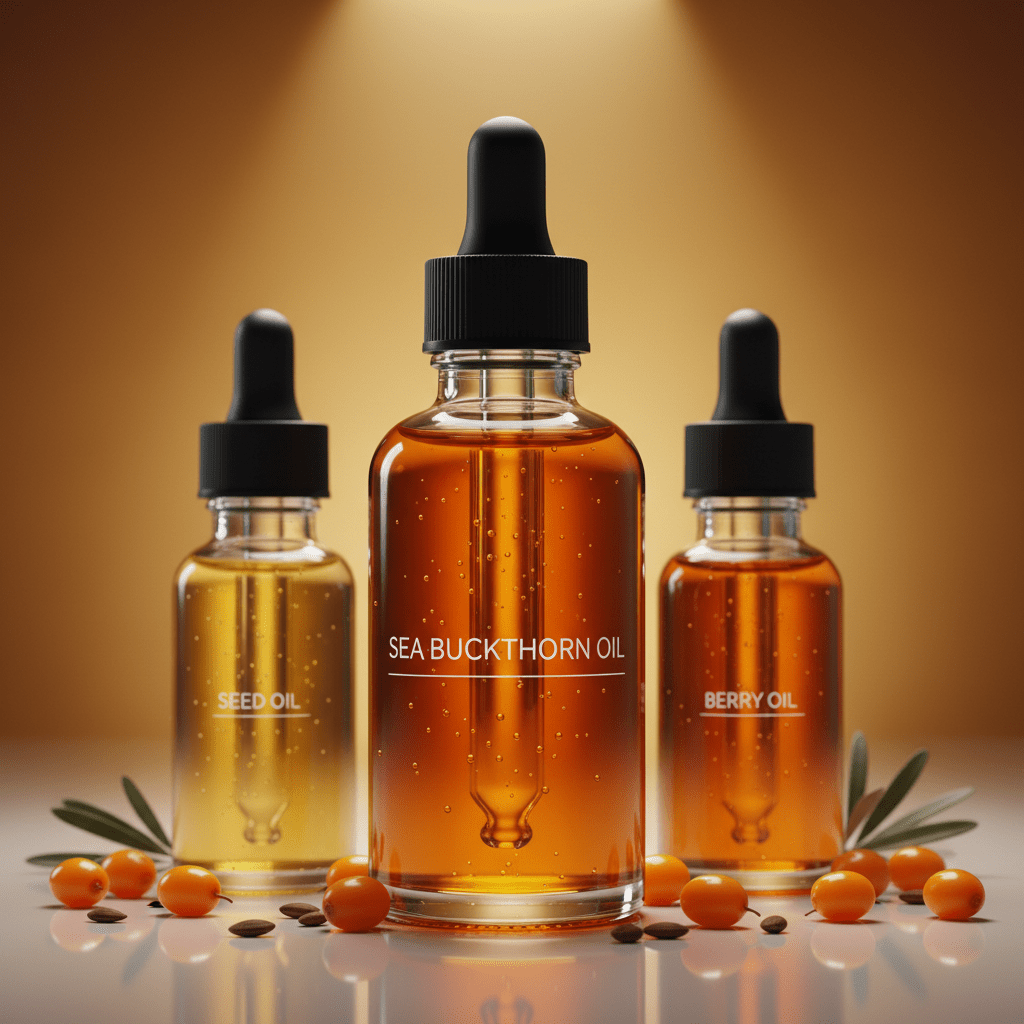
The seed oil is usually lighter and more golden. The berry oil is deeper orange and richer in omega-7 fatty acid. Same plant. Very different feel.
So let’s get into it. The good stuff starts here.
The Fatty Acid Powerhouse: A Unique Blend of Omegas
Here’s where sea buckthorn oil gets really interesting. Not flashy-interesting. More like, wait, how is one oil doing all this? It packs a mix of fats that most plant oils just don’t have in the same way.
First up is the omega-3 and omega-6 combo. Sea buckthorn seed oil is known for a pretty even balance of alpha-linolenic acid and linoleic acid. That 1:1 feel is a big deal because a lot of common oils lean hard one way or the other. In everyday terms, it gives the oil a more balanced fatty acid profile, which people often look for in both food and skin care uses.
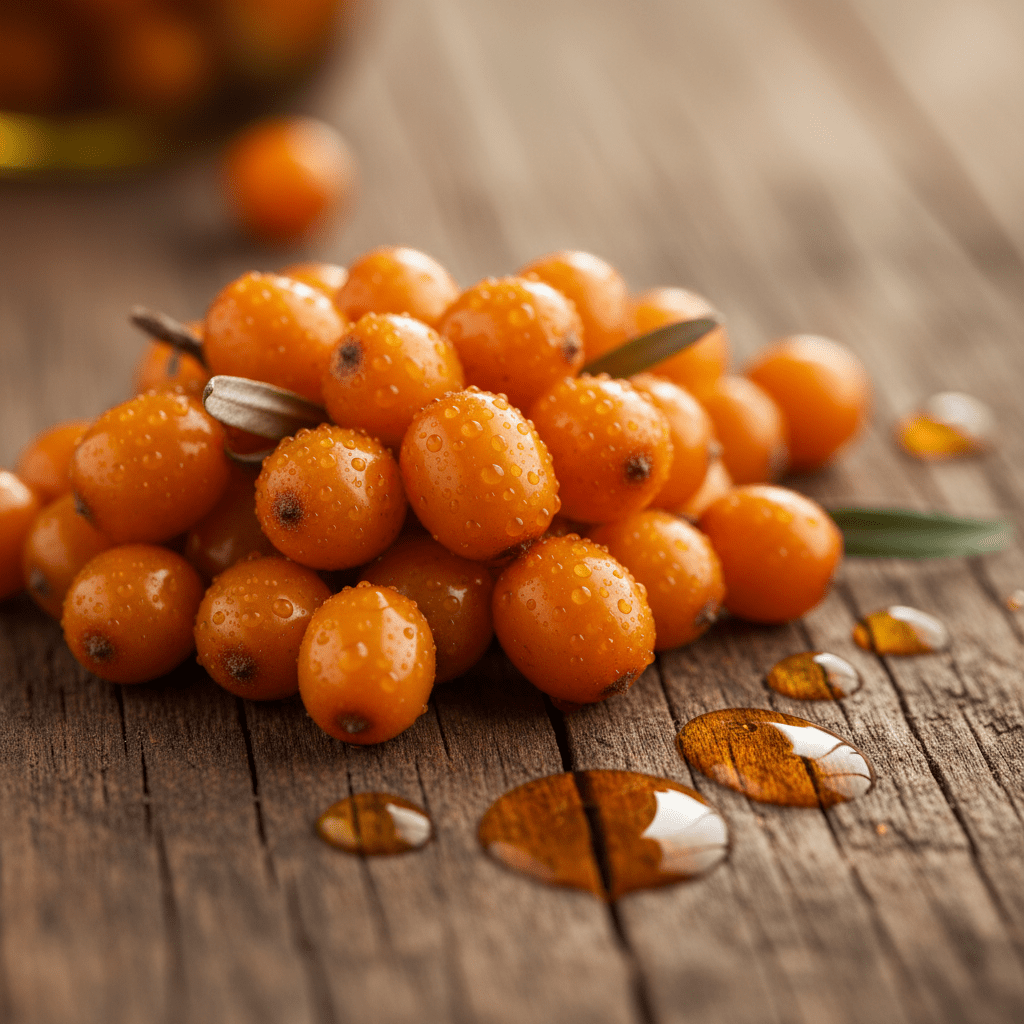
And then there’s omega-7 fatty acid, the one that really makes sea buckthorn berry oil stand out. Sea buckthorn berry oil can hold about 30 to 35% palmitoleic acid, and some studies say even more depending on how it was grown and pressed. That’s rare. Really rare. Most plant oils barely have omega-7 at all. This is why people link sea buckthorn oil benefits with natural skin health, dry skin support, and help for the mouth and other moist tissues. Palmitoleic acid is also a natural part of skin lipids, so it makes sense that this oil keeps showing up in skin care talks.
But wait, there’s more. Sea buckthorn oil also contains omega-9, mostly oleic acid. Omega-9 is a familiar fat found in olive oil too, and it’s often tied to heart-friendly eating patterns. In sea buckthorn oil, it works alongside the other fatty acids instead of acting alone. That mix is part of what makes the sea buckthorn oil nutritional profile so unusual. The fats seem to play off each other, which may help explain why this oil gets used in both wellness supplements and beauty products.
| Fatty acid | Main role | Where it shows up most |
|---|---|---|
| Omega-3 | Helps balance the oil’s fat profile | Sea buckthorn seed oil |
| Omega-6 | Supports skin and cell structure | Sea buckthorn seed oil |
| Omega-7 | Often linked with skin and mucous membrane support | Sea buckthorn berry oil |
| Omega-9 | Adds another heart-friendly fat | Both oils, but in different amounts |
If you’re comparing sea buckthorn seed oil vs berry oil, this is the part that matters most. Seed oil is usually the lighter, more everyday option. Berry oil is the bold one, rich orange and packed with that unusual omega-7 punch.
So if a brand is building a skin serum, a supplement, or a personal care blend, the fatty acid mix changes the job the oil can do. And for B2B buyers, that means the source and extraction method matter too. Aroma Monk, for example, works with natural oils that are lab-tested and made for product development, which is the kind of thing procurement teams love when they need steady quality.
The short version? Sea buckthorn oil isn’t just another plant oil. It’s a weirdly useful one. Balanced, colorful, and loaded with fats that each bring their own job to the table.
A Spectrum of Vitamins: More Than Just a Fatty Oil
Sea buckthorn oil doesn’t stop at fats. Not even close. That little orange fruit brings a whole vitamin crowd with it, and that’s a big reason people keep circling back to it for sea buckthorn oil benefits.
First, let’s talk about vitamin C. Fresh sea buckthorn berries can hold about 400 to 450 mg per 100 g, and some types go much higher. That’s way more than oranges. Like, up to ten times more in some cases. Wild, right? So even though the oil itself isn’t the same as the whole berry, the plant’s vitamin-rich nature is part of why sea buckthorn has such a strong reputation for natural skin health and daily wellness.
Then there’s vitamin E. Sea buckthorn oil contains a mix of tocopherols and tocotrienols, with alpha-tocopherol leading the pack. Think of vitamin E as the oil’s shield. It helps protect the fats from going bad too fast, and it also plays a role in skin support because it works as a fat-soluble antioxidant. In plain language, it helps the oil stay stable, and it helps your skin deal with stress from the outside world. Not bad for one plant.
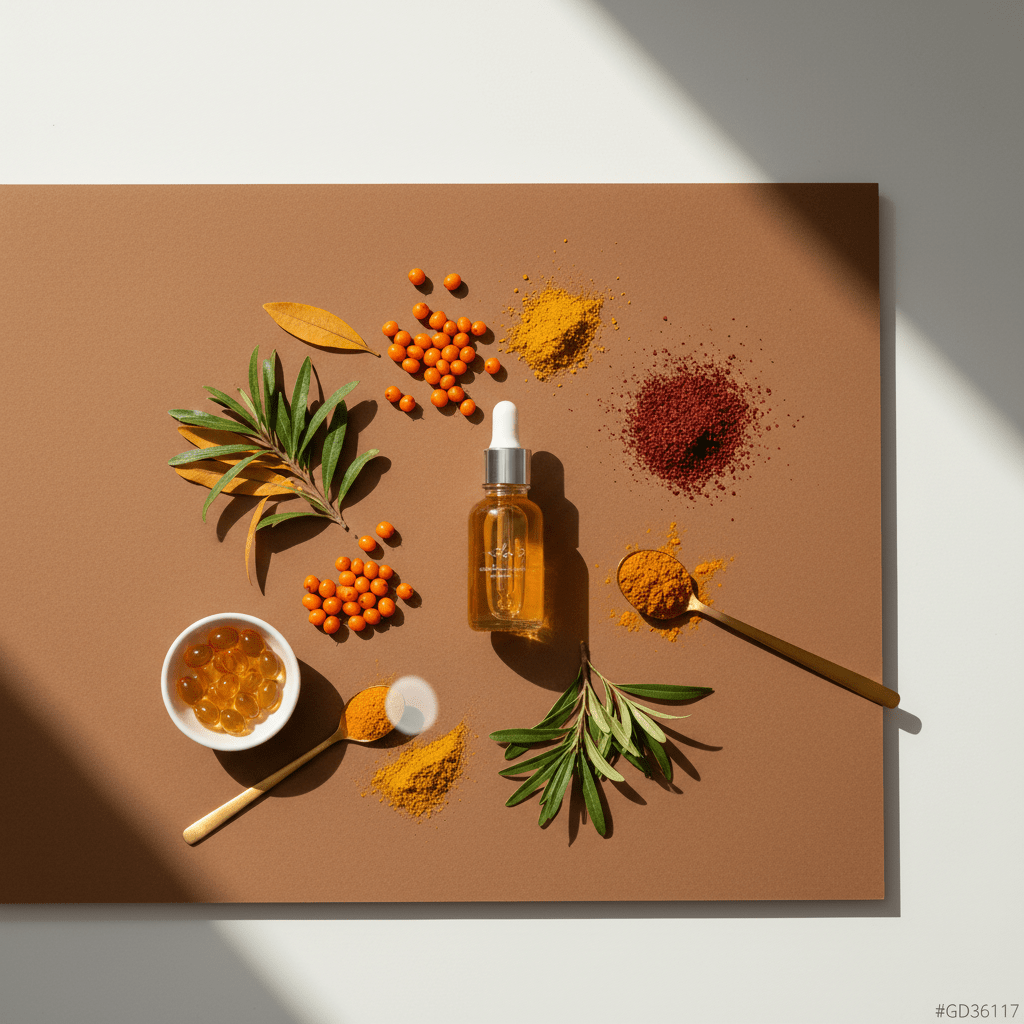
And now the bright part. Sea buckthorn is rich in carotenoids like beta-carotene, zeaxanthin, and lycopene. These compounds give the berry its deep orange color. They also act as precursors to vitamin A, which is linked with eye health, skin renewal, and immune support. That color is doing a lot of work. You can almost see the nutrition in it.
Here’s a quick look at the big vitamin players:
| Nutrient group | What it does | Why people care |
|---|---|---|
| Vitamin C | Antioxidant support | Often tied to skin and immune care |
| Vitamin E | Protects fats and cells | Helps keep the oil stable and skin-friendly |
| Carotenoids | Vitamin A precursors | Linked with eye, skin, and immune support |
What stands out most is the mix. Sea buckthorn oil nutritional profile is not just about one star ingredient. It’s the way the vitamins, fats, and plant compounds work together. That’s why sea buckthorn seed oil and sea buckthorn berry oil keep showing up in both beauty products and supplements.
And if you’re sourcing for a brand, that mix matters even more. For B2B buyers, lab-tested oils with clear quality checks make a huge difference in the final formula. Aroma Monk, for example, works with pure, tested natural oils and bulk supply for product makers who want reliable raw materials without the guesswork.
So yes, sea buckthorn oil is a fatty oil. But it’s also a vitamin-rich one. That’s the part people often miss.
Get a quote from Aroma Monk.
Essential Oil Supplier – Bulk pricing • Samples • Fast response
Antioxidants & Bioactive Compounds: The Unsung Heroes
You know that moment when one ingredient keeps showing up in skincare, supplements, and old folk remedies? That’s sea buckthorn oil for you. It’s got a lot going on under the hood. More than most people expect.
Sea buckthorn, or Hippophae rhamnoides, has over 190 bioactive compounds in its fruit and oil. That’s a huge mix for one plant. And it’s part of why the sea buckthorn oil nutritional profile gets so much attention from beauty brands, wellness makers, and folks looking for natural skin health support. A 2025 plant-based supplements market report also shows this space is growing fast, which helps explain why ingredients like sea buckthorn keep popping up in new products. Plant-based supplements market growth data
Here’s the cool part. Many of those compounds are antioxidants. Think flavonoids like quercetin and isorhamnetin. These plant compounds help fight oxidative stress, which is just a fancy way of saying they help protect cells from damage caused by unstable molecules called free radicals. Stuff like sun stress, pollution, and normal aging can all add to that load. So these compounds matter.
And sea buckthorn doesn’t stop there.
It also contains plant sterols, or phytosterols. Beta-sitosterol is the big one people talk about most, but there are others too. These plant sterols may help support healthy cholesterol levels, and they also show anti-inflammatory activity in research. That’s one reason sea buckthorn oil shows up in both inner wellness products and skin care formulas. The oil isn’t acting alone. It’s working as a team.
| Compound group | Main examples | Why people care |
|---|---|---|
| Flavonoids | Quercetin, isorhamnetin | Help fight oxidative stress |
| Phytosterols | Beta-sitosterol | Linked with cholesterol support and calming effects |
| Enzymes | Superoxide Dismutase (SOD) | Helps protect cells from free radical damage |
Now, let’s talk about Superoxide Dismutase, or SOD. Big name, simple job. It’s an antioxidant enzyme that helps break down harmful free radicals before they can do more damage. That matters for cells, skin, and the oil itself. It’s one of those behind-the-scenes helpers that doesn’t get enough credit.
Sea buckthorn oil benefits also come from the way all these compounds work together. Not just one hero ingredient. The fats, vitamins, flavonoids, phytosterols, and enzymes all seem to support each other. That blend is part of what makes sea buckthorn seed oil and sea buckthorn berry oil so different from plain old carrier oils.
For product makers, that’s the real appeal. A natural oil with depth. A raw material with more than one job. And if you’re sourcing for cosmetics, wellness, or personal care, lab-tested supply matters a lot. That’s where suppliers like Aroma Monk fit in, with bulk natural oils and quality checks that help brands build with more confidence.
The short version? Sea buckthorn oil is not just colorful. It’s chemically busy in the best way.
Seed Oil vs. Berry Oil: A Crucial Distinction in Nutrition
You know that moment when a product sounds simple, but it’s actually doing two different jobs? Sea buckthorn oil is like that. One plant. Two oils. Very different strengths.
Sea buckthorn seed oil is the lighter one. It’s richer in omega-3 and omega-6 fatty acids, especially alpha-linolenic acid and linoleic acid. It also carries more vitamin E, which helps protect the oil’s fats and adds a nice antioxidant boost. If you want a sea buckthorn oil nutritional profile that feels more balanced for everyday use, this is usually the one people start with.
Sea buckthorn berry oil, also called pulp oil, is the bold one. It’s the main source of the rare omega-7 fatty acid, and it can contain about 30 to 35% palmitoleic acid. It also has more carotenoids, which give it that deep orange-red color. That color isn’t just for looks. It points to a richer mix of plant compounds linked with natural skin health and repair support.
Here’s a simple side-by-side look:
| Oil type | Main strengths | Best known for |
|---|---|---|
| Sea buckthorn seed oil | Omega-3, omega-6, vitamin E | Internal wellness, lighter skin care formulas |
| Sea buckthorn berry oil | Omega-7, carotenoids | Skin repair, moisture support, omega-7-focused products |
If you’re choosing between them, start with your goal.
- For internal health support: seed oil is often the easier pick because of its omega-3 and omega-6 profile.
- For dry skin or topical repair: berry oil is usually the star, thanks to omega-7 and carotenoids.
- For a broader sea buckthorn oil benefits blend: some brands use both oils together. That way, you get more of the full plant story.
And yes, that blend can make sense. Actually, wait, it often makes more sense than choosing just one. The seed oil brings balance. The berry oil brings depth. Put them together and you get a more layered ingredient for supplements, serums, and skin care products.
That’s why B2B buyers pay close attention to the source. A facial oil for daily use may need the lighter feel of seed oil. A rich repair balm may need berry oil for its deeper color and higher omega-7 content. Aroma Monk works with lab-tested natural oils and bulk supply for product makers who need steady quality for cosmetics, wellness, and personal care lines.
So the short answer is this: choose sea buckthorn seed oil if you want a lighter, more balanced oil. Choose sea buckthorn berry oil if you want stronger skin-focused support. And if your formula needs both? A blend can be a smart middle path.
How This Nutritional Profile Translates to Tangible Health Benefits
You know that rare moment when a plant oil sounds fancy, but then you realize it actually has jobs your skin and body care about? That’s sea buckthorn oil. Not just pretty color. Real day-to-day value.
Let’s start with natural skin health, since that’s where most people notice it first. Sea buckthorn berry oil is packed with omega-7 fatty acid, especially palmitoleic acid, and that’s a big reason it keeps showing up in dry-skin formulas. Palmitoleic acid is already part of skin lipids, so it makes sense that this oil is talked about for hydration, softness, and help with skin renewal. Plus, its vitamin A precursors and vitamin E can support the skin barrier and help the skin handle outside stress better. Some human studies even point to better moisture, elasticity, and wrinkle appearance after sea buckthorn use. Pretty neat.
And yes, the seed oil matters too. Its balanced omega-3 and omega-6 mix is one more reason sea buckthorn oil feels different from plain old plant oils. That near 1:1 balance gets a lot of attention because modern diets often lean too hard on omega-6. The oil also brings phytosterols and omega-9, which are often linked with heart-friendly eating patterns. So while sea buckthorn oil isn’t a magic fix, it can fit well into a balanced diet that supports cardiovascular health.
Then there’s the antioxidant side. Sea buckthorn vitamins, flavonoids, carotenoids, and phytosterols work together in a pretty layered way. That mix may help the body deal with oxidative stress and inflammation, which matters for immune support too. In plain words: the oil doesn’t act like one-note fuel. It brings a whole crew of plant compounds that seem to work as a team.
Here’s a quick cheat sheet:
| Benefit area | What in sea buckthorn oil helps | Why people care |
|---|---|---|
| Skin hydration and elasticity | Omega-7, vitamin A precursors, vitamin E | Supports soft, smooth, well-fed skin |
| Cardiovascular support | Balanced omega-3/6 ratio, omega-9, phytosterols | Fits heart-friendly eating patterns |
| Immune and inflammation support | Flavonoids, carotenoids, antioxidants | Helps the body handle stress from free radicals |
The short version? Sea buckthorn oil nutritional profile isn’t just interesting on paper. It connects pretty well to real uses people want: better-looking skin, a more balanced fat profile, and broad antioxidant support. If you’re shopping for personal care or wellness products, that’s a nice trio.
And if you’re a brand owner or product maker, quality matters a lot here. Aroma Monk offers lab-tested, 100% pure natural oils with bulk supply support, which can be handy if you’re building skincare, wellness, or personal care products and need a steady source you can trust. That kind of consistency saves a ton of headaches.
So yeah, sea buckthorn oil has a lot going on. But the big picture is simple: it’s a plant oil with a real track record for natural skin health, a balanced fat mix, and a deep antioxidant profile that people keep coming back to.
The Takeaway: Why Sea Buckthorn Oil’s Nutrition Matters
So, what’s the big deal here? Sea buckthorn oil packs a lot into one ingredient. You get the rare omega-7 fatty acid, a pretty balanced omega-3 to omega-6 mix, plus vitamin C, vitamin E, carotenoids, flavonoids, and plant sterols. That’s a busy little oil. In a good way.
And that’s really why sea buckthorn oil keeps showing up in both skin care and wellness. The sea buckthorn oil nutritional profile is more layered than most plant oils, which helps explain why people keep coming back to it for natural skin health and everyday support. It’s not just one star nutrient doing all the work. It’s the whole mix.
Sea buckthorn, or Hippophae rhamnoides, also has a long history in food and care traditions across Tibet, Mongolia, Central Asia, Russia, and Europe. Funny how old ideas come back around, right? But that says something. Ingredients usually stick around for a reason. Plus, the plant-based supplement space is still growing fast, which keeps oils like this in the spotlight.
If you’re shopping for sea buckthorn oil, here’s the simple tip: look for cold-pressed or CO2-extracted oil. Those methods help protect the delicate nutrients. Also check whether you’re buying sea buckthorn seed oil, sea buckthorn berry oil, or a blend. That one detail changes the feel, color, and use a lot.
One last thing. For brands and makers, lab-tested bulk oils matter just as much as the ingredient itself. Aroma Monk offers pure, natural oils with quality checks and supply support, which can help when you’re building skincare, wellness, or personal care products that need steady raw materials.
Sea buckthorn oil isn’t magic. But it is one of the more complete plant oils out there. And if you’ve been looking for something with real depth, this one deserves a spot on your list.
Get a quote from Aroma Monk.
Essential Oil Supplier – Bulk pricing • Samples • Fast response