

The Ancient Answer to a Modern Problem: Strengthening Your Immunity Naturally
Ever notice how everyone seems a little run down lately? Long work days, bad sleep, too much screen time, and a grab-bag of stress can leave your body feeling pretty worn out. And because of that, more people are reaching for natural immune boosters instead of just grabbing whatever is on the shelf.
That shift is showing up in the numbers too. One market report says the natural immune support segment is projected to grow at a 10.16% CAGR, and another puts the U.S. immune health supplements market at $8.43 billion in 2024. So yes, people are paying attention.
That’s where amla seed oil gets interesting. Amla, also called Indian gooseberry, has been used in Ayurveda for ages as a rasayana, which is a rejuvenating herb linked with long life and strength. The fruit is the famous part, sure. But the seed oil is the lesser-known cousin, and it brings a different kind of support to the table.
Here’s the twist: amla fruit is rich in vitamin C and tannins, while amla seed oil has a fatty acid profile that makes it stand apart. So if you’ve only heard about amla extract for health or amla fruit powder, wait till you see what the oil can do. It’s not the same thing at all. And that difference matters.
If you’re curious about amla oil benefits, how to use amla seed oil, or how it fits into ayurvedic immune support, you’re in the right place.

What is Amla Seed Oil? Unpacking the ‘Nectar of Life’
You know that moment when a simple ingredient sounds a little magical? Amla has that effect on people. In Ayurveda, amla is called Phyllanthus emblica, and it’s been valued for a very long time as a rasayana. That means a rejuvenating herb tied to strength, long life, and steady energy.
Funny enough, most people know the fruit. Fewer people know the seed oil. And that’s where things get interesting.
Amla fruit oil and true amla seed oil are not the same thing. Amla fruit oil is often a macerated oil, which means the fruit is soaked or infused into another oil. True amla seed oil comes from the seed itself. So the mix of compounds is different, and so is the feel of the oil. One leans more toward the fruit’s bright antioxidant side. The other brings a richer, fatty acid profile.
Pure amla seed oil is known for its lipid content, especially linoleic acid, which showed up around 51.0% in one analysis, plus oleic acid at about 11.8% and smaller amounts of myristic, stearic, and palmitic acids. That matters because these fatty acids help set amla seed oil apart from amla extract for health or amla fruit powder, which are more known for vitamin C, tannins, and water-soluble plant compounds. The fruit pulp carries a lot of the well-known phytonutrients in amla, like tannins, flavonoids, and gallic acid.
So what does that mean in plain language? Amla seed oil is a nourishing oil first. It’s not the same kind of immune support story as the fruit. But it still fits into ayurvedic immune support in a broader way, especially for people looking at natural immune boosters with a long view. Think of it as a steady helper, not a loud one.
If you’re shopping for it, look for cold-pressed, lab-tested oil from a source that can show quality checks and purity. That’s the kind of detail that separates a real botanical oil from a bottle with a fancy label.
And if your brand works with carrier oils, skincare blends, or wellness products, this is the type of ingredient that can add real story and real value. Plus, it gives you room to build products that feel traditional without feeling old-fashioned.
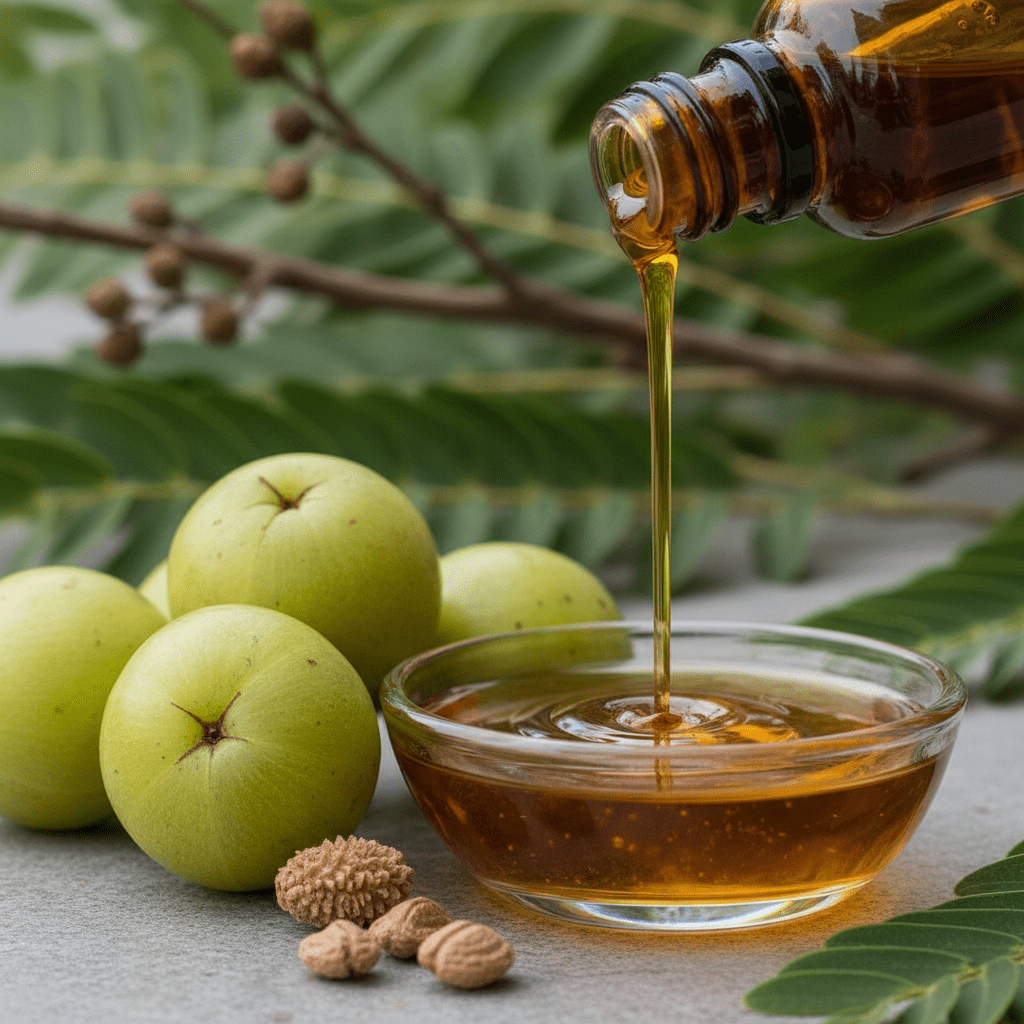
The Science of Resilience: How Amla Seed Oil Fortifies Your Immune System
You know that weird stretch of the year when everyone around you seems sniffly? Office, school runs, airport lines… it all starts to feel like a cough concert. And that’s why people keep reaching for natural immune boosters.
The demand is real. One industry report says the natural immune support market is growing at 10.16% a year, and the U.S. immune health supplements market hit $8.43 billion in 2024. Big numbers. Big interest. And amla seed oil is getting pulled into that conversation for a good reason.
Here’s the simple version: amla seed oil works differently from amla extract for health or amla fruit powder. The fruit gets most of the attention for its vitamin C and phytonutrients in amla, but the seed oil brings a lipid-rich profile that can support the body in a quieter way. Not flashy. Still useful.
1) It acts like an antioxidant shield
Your body deals with free radicals all day. Sun, stress, poor sleep, junk food, pollution. That stuff adds up. When oxidative stress gets too high, immune cells can get sluggish.
Amla is known in Ayurveda as a rasayana, or rejuvenating herb, and that old idea lines up pretty well with modern antioxidant talk. The fruit is famous for its tannins and vitamin C-related activity, and the broader amla family has been studied for help against oxidative stress. Seed oil is not the same as fruit pulp, but it still fits the bigger picture because its fatty acids help support healthy cell membranes, which matters for immune cell function.
Basically, if your cells are the little workers on the line, antioxidants help keep the machines from getting jammed up. Simple.
2) It may calm chronic inflammation
This part is a big deal.
A little inflammation is normal. Too much, for too long? That can wear the immune system down. Studies on amla extracts have shown drops in markers like IL-6, TNF-alpha, IL-1beta, and hsCRP, which points to a calming effect on inflammatory pathways. Seed-specific research is thinner, but amla seed oil still inherits some of that wellness story through its plant compounds and healthy fat profile.
And here’s where people sometimes mix things up. Echinacea tends to push immune activity in the short term. Elderberry is often used more for viral support. Amla is usually seen as the steady one. The long-game helper. The one you’d keep in the cupboard instead of grabbing only when you already feel rough.
3) It may support adaptive immunity
Adaptive immunity is the part that learns. T-cells. B-cells. Memory. The smart side of your immune system.
Research on amla, especially extract-based studies, has linked it with healthy shifts in immune markers like CD4, CD8, IgM, IgG, and white blood cell counts in some models. That doesn’t mean amla seed oil is a magic switch. It doesn’t. But it does suggest that amla-based compounds may support the body’s normal immune response over time.
So where does the oil fit in? Think nourishment first. It’s a support ingredient, not a cure-all. And honestly, that’s refreshing. Not every wellness product has to yell at you.
Quick compare: amla seed oil vs amla fruit
| Feature | Amla seed oil | Amla fruit powder or extract |
|---|---|---|
| Main profile | Fatty acids | Vitamin C, tannins, polyphenols |
| Best known for | Nourishing oil support | Direct antioxidant and immune support |
| Common use | Wellness blends, cosmetics, carrier oils | Supplements, teas, powders |
| Immune angle | Indirect, supportive | More direct research trail |
If you want the benefits of amla oil, think of it as part of a bigger wellness routine. Pair it with sleep, decent food, and less chaos if you can manage it. Wild concept, I know.
For brands and buyers, this is where Aroma Monk’s lab-tested essential oils and carrier oils can fit nicely into product lines that need purity, traceability, and bulk supply you can actually count on.
Get a quote from Aroma Monk.
Essential Oil Supplier – Bulk pricing • Samples • Fast response
Amla Seed Oil in Context: How It Compares to Other Natural Immune Boosters
You know that moment in the grocery aisle when every bottle claims to “support wellness”? Yeah, it gets old fast. But people are still buying, and for good reason. One market report says the natural immune support segment is projected to grow at 10.16% a year, and the U.S. immune health supplements market hit $8.43 billion in 2024. That’s a lot of folks looking for help that feels more natural.
So where does amla seed oil fit? Right in the middle of a very crowded shelf, but in a different way than most people expect.
Amla Seed Oil vs. Amla Fruit Powder
This one’s easy to mix up. Amla fruit powder and extract are the stars of the amla story because the fruit is rich in vitamin C and phytonutrients in amla, like tannins and other antioxidant compounds. That’s why amla extract for health gets so much attention.
Amla seed oil is different. It’s a lipid-rich oil with a fatty acid profile that looks more like nourishment than a vitamin hit. In one analysis, linoleic acid showed up around 51.0%, with oleic acid at about 11.8%. So if the fruit is the bright, tangy part of the plant, the seed oil is the steady, grounding part.
Think of it like this:
| Form | What it’s known for | Best fit |
|---|---|---|
| Amla fruit powder | Vitamin C, tannins, antioxidants | Direct supplement support |
| Amla seed oil | Fatty acids, lipid nourishment | Foundational wellness, topical use, carrier blends |
So yes, amla seed oil benefits look different from the fruit. Not worse. Just different.
Amla Seed Oil vs. Echinacea
Echinacea tends to be the quick-reacting friend. It’s often used for short-term immune stimulation, especially when people feel a cold coming on. Research on echinacea points to front-line immune activity, like macrophages and natural killer cells, which is why it shows up in those “I need something now” moments.
Amla seed oil plays a slower game. It’s better suited for long-term ayurvedic immune support and general resilience. Not a rush. More of a daily habit kind of thing.
And honestly, that makes sense. Some herbs are for the fire drill. Some are for the foundation.
Amla Seed Oil vs. Elderberry
Elderberry has a strong viral-support reputation. People often reach for it during cold and flu season because it’s tied to anthocyanins, antioxidant action, and short-term immune support. It’s the bottle people buy when everyone in the house starts coughing. Fast move.
Amla seed oil is broader and quieter. It leans more toward antioxidant support and calming inflammation pathways, which helps the body stay steady over time. It’s less about a single viral event and more about overall systemic resilience.
That’s the real difference. Elderberry often gets used like a flashlight. Amla seed oil feels more like a battery pack that keeps things running.
So which one should you pick?
Honestly, it depends on what you need.
- If you want a vitamin C-rich fruit ingredient, amla fruit powder makes more sense.
- If you want a short-term immune kick, echinacea or elderberry usually gets the spotlight.
- If you want a more layered, nourishing ingredient for wellness blends, amla seed oil fits better.
For brands, that also means room to build smarter products. You can pair amla seed oil with carrier oils, skincare blends, or holistic wellness formulas, especially if you’re sourcing from a supplier that offers lab-tested, traceable materials. Aroma Monk’s essential oils and carrier oils are built for that kind of bulk, B2B use, which is handy when you want clean ingredients without a sourcing headache.
If you’re comparing natural immune boosters, don’t just ask which one is loudest. Ask which one fits the job. That’s where amla seed oil really starts to make sense.
Practical Guide: How to Choose and Use Amla Seed Oil Effectively
You know what’s annoying? Buying a bottle that says “seed oil” and later finding out it’s really just fruit soaked in another oil. Yep. That happens more than it should.
So let’s make this easy. If you want real amla seed oil, scan the label for three things: cold-pressed, organic, and from seed. Those words matter. A lot. True seed oil should also come with a recent certificate of analysis, plus proof that it’s been tested for purity and oxidation.
Here’s what to avoid:
- Hexane-extracted oil
- Macerated oils labeled as seed oil
- Vague labels like “amla oil blend” with no source listed
- No lab test or batch info
If a seller can’t say where it came from, I’d pass. Pretty fast.
How to use amla seed oil
For oral use, there’s no standard dose backed by strong clinical data. So keep it cautious. Some people use a few drops mixed into food or up to a teaspoon, but consistency matters more than chasing a big dose. Start small. Watch how your body feels. And don’t treat it like a shot of espresso. It’s a slow-burn kind of thing.
For immune support, people usually do better when amla seed oil is part of a routine, not a random add-on. Think daily use, paired with sleep, decent meals, and less stress when you can swing it. That’s the real amla oil benefits story.
| Use | Simple guidance |
|---|---|
| Daily wellness | Small amounts, used regularly |
| First-time use | Start with a few drops |
| Topical use | Patch test first |
| Product blending | Works well with carrier oils |
Safety first, always
Amla seed oil may cause stomach upset, nausea, loose stools, or reflux in some people. Allergic reactions can happen too.
Talk with a healthcare professional before using it if you are:
- pregnant or breastfeeding
- taking blood-thinning medicine
- on diabetes medication
- managing a long-term health issue
And if you’re comparing amla seed oil vs amla fruit, remember this: the fruit is the stronger pick for direct antioxidant and vitamin C support, while the seed oil is more of a nourishing, supportive oil. Different jobs. Different tools.
For brands building natural immune boosters or ayurvedic immune support products, sourcing clean, lab-tested ingredients makes the whole line stronger. That’s where Aroma Monk’s pure essential oils and carrier oils can be a smart fit for bulk supply, product development, and clean-label formulas.
Use it wisely. Keep it simple. And if you’re unsure, ask first.
Beyond Immunity: The Holistic Benefits of Amla Seed Oil
Ever notice how one ingredient can wear a lot of hats? Amla seed oil does that. People usually come for the immune support talk, but the story does not stop there.
Skin that feels cared for
Amla seed oil’s fatty acids, especially linoleic acid, can help skin hold moisture better. That matters more than it sounds. When skin barrier support is weak, dry patches and roughness show up fast. Plus, plant antioxidants may help guard skin from everyday stress like sun and pollution, which is one reason amla oil benefits often get linked with photoaging support.
Think of it like this: the oil is not shouting at your skin. It’s just quietly helping it stay steady.
A friend for hair routines
This is the part people love. In traditional use, amla oil has long been tied to stronger-feeling hair and a calmer scalp. Modern use follows the same pattern. People massage it in before washing, mix it with other carrier oils, or use it as part of a weekly hair mask.
Does it magically fix every hair issue??? No. But it can fit nicely into a simple routine, especially if your scalp gets dry or your hair feels brittle. That gentle, nourishing feel is why many people keep coming back to it.
A possible heart-health angle
Amla seed oil also has a solid unsaturated fat profile, which is why some people look at it for broader wellness. Oils rich in unsaturated fats are often discussed in heart-friendly routines, especially when they replace heavier fats in the diet. I’d keep the claim modest here, though. The seed oil itself has less direct research than the fruit, so this is more of a promising fit than a loud promise.
| Area | Why do people use amla seed oil |
|---|---|
| Skin | Moisture support and antioxidant care |
| Hair | Scalp massage and hair nourishment |
| Wellness | Lipid-rich, unsaturated fatty acid profile |
If you’re comparing amla seed oil vs amla fruit, this is where the split gets clear. The fruit leans harder into phytonutrients in amla and direct antioxidant talk. The oil leans into comfort, nourishment, and everyday use.
And for brands building products around natural immune boosters or ayurvedic immune support, this kind of ingredient can open the door to skincare, hair care, and wellness lines that feel grounded and useful. Aroma Monk’s lab-tested essential oils and carrier oils can fit that kind of bulk sourcing need without the usual sourcing headache.
Integrate Amla Seed Oil into Your Wellness Ritual
So what’s the real takeaway here? Amla seed oil isn’t the loudest player on the shelf, and that’s kind of the point. It brings a steady, supportive kind of help through its antioxidant and anti-inflammatory action, plus a fatty acid profile that makes it different from amla fruit powder or amla extract for health.
And that difference matters. The fruit is where you usually find more vitamin C and phytonutrients in amla. The seed oil is more of a nourishing, lipid-rich oil that fits into long-term ayurvedic immune support, skin care, and daily wellness habits. It’s not a quick fix. It’s more like a good daily routine that keeps showing up for you.
If you’re thinking about trying amla seed oil, look for a high-quality, cold-pressed, lab-tested option and use it alongside sleep, decent food, and less stress when you can manage it. Weirdly simple, right? But that’s usually what works best.
For brands, formulators, and buyers, this also means a clean ingredient story with room for bulk sourcing and product development. Aroma Monk’s lab-tested essential oils and carrier oils can be a smart fit if you want pure materials for wellness, beauty, or personal care lines. If you’re ready to build with a natural immune booster that feels grounded and useful, amla seed oil is worth a closer look.
Get a quote from Aroma Monk.
Essential Oil Supplier – Bulk pricing • Samples • Fast response