
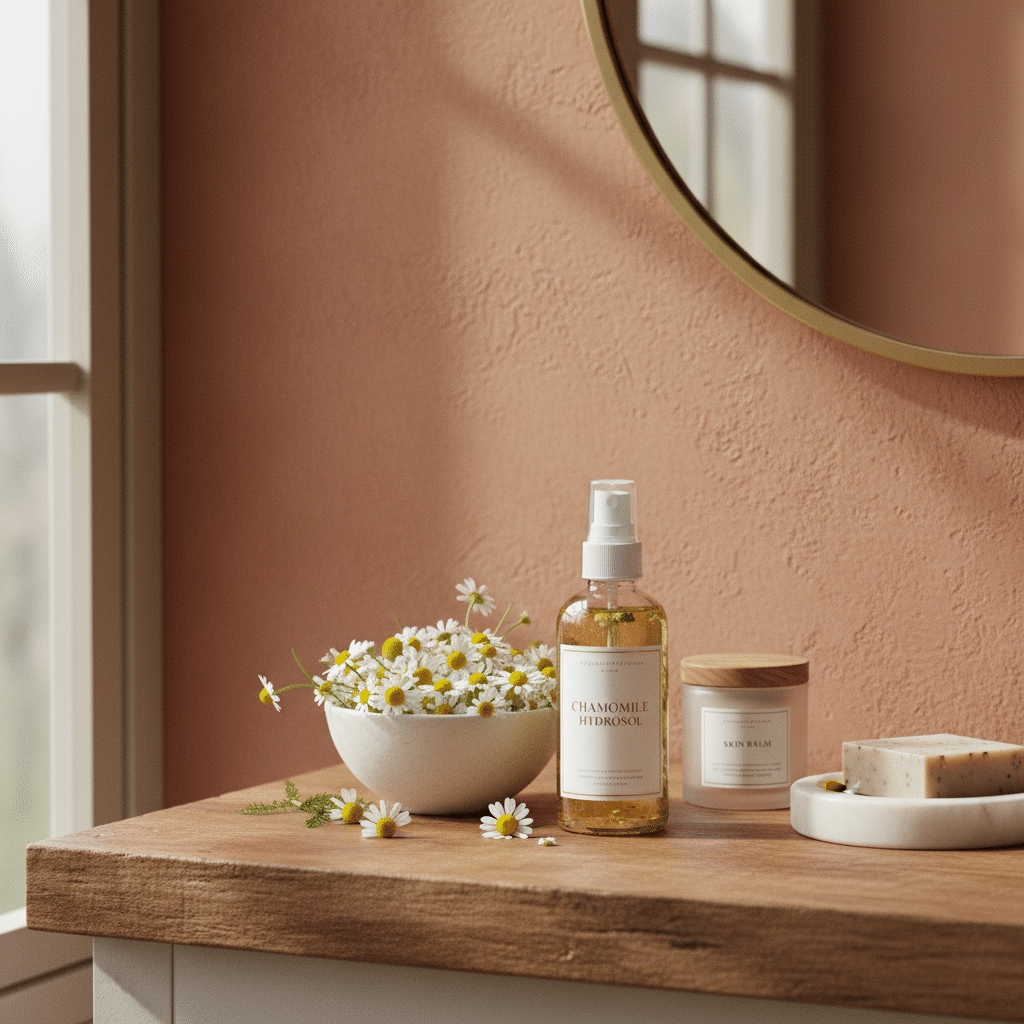
Introduction: The Ancient Secret to Soothed, Radiant Skin
You know that stingy, hot feeling after a cleanser leaves your face tight? Or the way your cheeks turn pink for no good reason? Yeah, that stuff is exhausting.
More and more people are looking for gentle swaps. The natural skincare market was valued at about $8.8 billion in 2022, and lots of shoppers now want calmer routines because their skin gets upset by harsh products or actives. Sensitive skin is common too, with studies showing that about 60 to 70% of women and 50 to 60% of men say they deal with it sensitive skin research.
That’s where chamomile water for face care comes in. It’s a soft, plant-based option with a long history in beauty. People have used chamomile for skin soothers for thousands of years, from ancient Egypt to Greek and Roman remedies historical use of chamomile.
And it still makes sense now. Chamomile hydrosol for face care can work as a soothing facial mist, a simple toner, or a base for a DIY chamomile facial toner. If you’ve been dealing with redness, irritation, or breakouts, this little bottle might be worth a closer look.
In this guide, we’ll cover what chamomile water is, the benefits of chamomile water for skin, how to use chamomile water, and how to pick a good one without getting tricked by a fancy label. Plus, if you’re shopping for calm, clean ingredients in bulk, brands like Aroma Monk also supply pure, lab-tested natural products for beauty and personal care. ## What is Chamomile Water? (And Why It’s Not Just Tea)
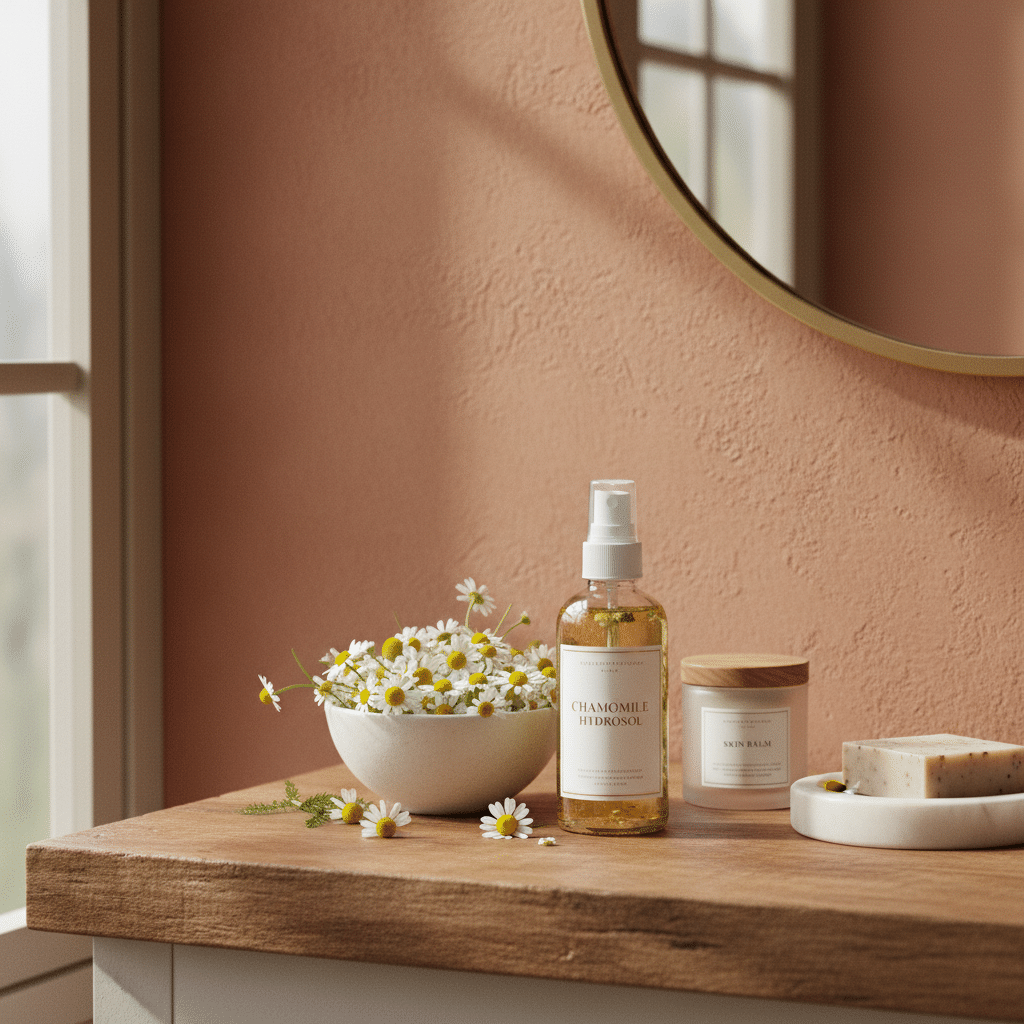
Funny thing. A lot of people hear chamomile and think of a sleepy cup on the couch. Cozy? Yes. Skin care? Not quite the same thing.
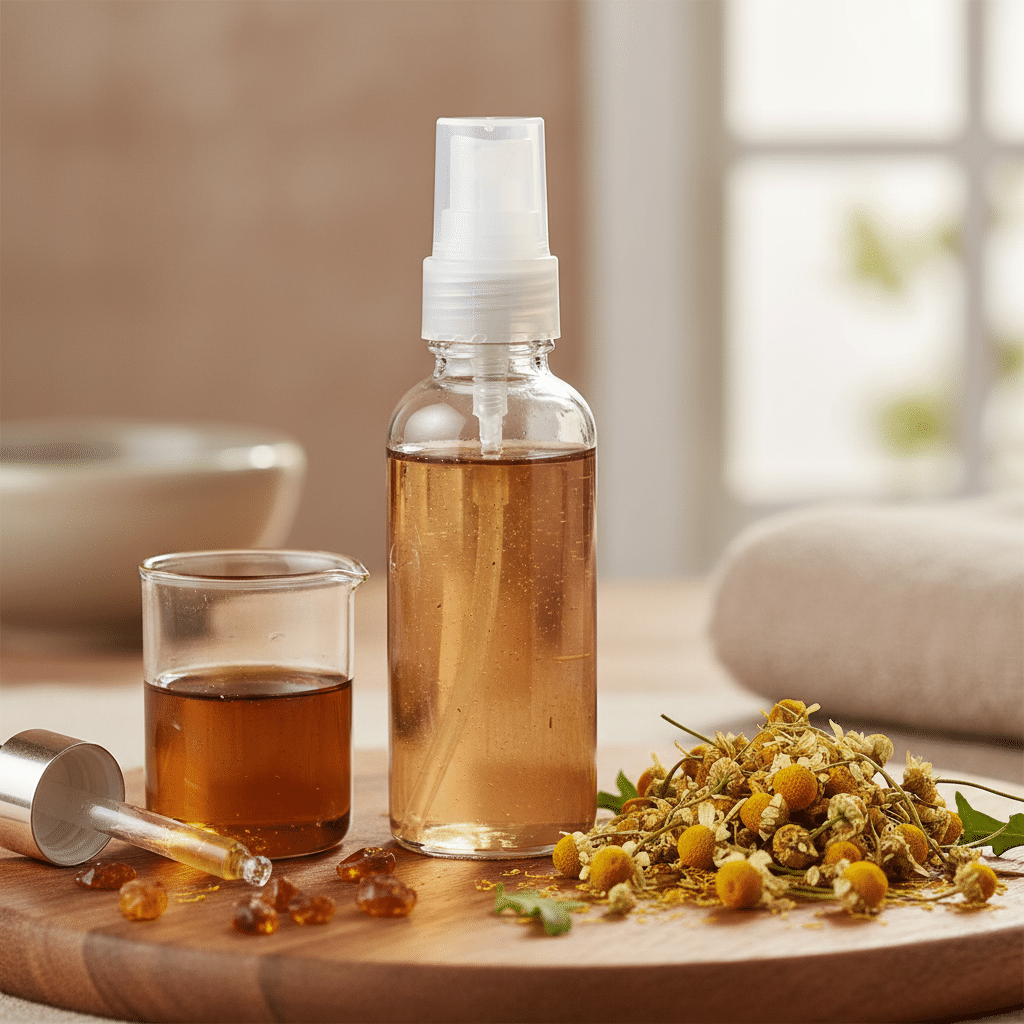
Chamomile water for face care is a hydrosol. That means it’s the gentle aromatic water left over after steam-distilling chamomile flowers. The steam pulls out the plant’s light, skin-friendly compounds. Then the vapor cools back into liquid. What you get is a soft floral water, not a strong extract.
And that matters.
Here’s the quick difference:
| Product | What it is | How strong it is | Common use |
|---|---|---|---|
| Chamomile tea | Flowers steeped in hot water | Mild | Drinking, sometimes DIY rinses |
| Chamomile hydrosol | Water from steam distillation | Gentle but more skin-focused | Facial mist, toner, DIY chamomile facial toner |
| Chamomile essential oil | Concentrated oil from the plant | Very strong | Aromatherapy, diluted skin use only |
Tea is an infusion. Hydrosol is a distillation byproduct. Essential oil is the super-concentrated stuff that should always be handled with care. So if you want a soothing facial mist, chamomile hydrosol for face use makes way more sense than splashing brewed tea on your skin.
Now, here’s the part I find kind of cool. Chamomile water can carry tiny amounts of helpful plant compounds like chamazulene and bisabolol. These are the bits people point to when they talk about chamomile for sensitive skin and redness. They’re known for calming-looking skin and helping with irritation, which is why chamomile shows up so often in gentle skin care. A review on chamomile’s skin use notes its anti-inflammatory activity and its long history in topical care, especially thanks to these compounds chamomile research review.
So no, it’s not just tea in a prettier bottle. It’s a light, plant-based toner-style water that fits right into a simple routine. And if your skin gets cranky fast, that little swap can feel like a big win.
The Science-Backed Benefits of Chamomile Water for Your Face
Ever notice how skin can feel like it has a mood of its own? One day it’s fine. Next day it’s red, sore, and acting like you offended it somehow. Weird, right?
That’s part of why chamomile water for face care has gotten so much love. Sensitive skin is common, and people are clearly looking for gentler options. One market report puts the natural skincare market at about $8.8 billion in 2022, and skin sensitivity, acne, and dryness are among the top things shoppers want to calm down with natural ingredients natural skincare market data.
1) It helps calm redness and irritation
This is the big one.
Chamomile is known as a natural anti-inflammatory for face care because it contains plant compounds like bisabolol and chamazulene. Those sound fancy, but the job is simple: help skin look less upset. Studies on chamomile’s topical use show anti-inflammatory activity that can help with redness, flare-ups, and general irritation, which is why chamomile for sensitive skin shows up in so many gentle routines.
If your skin gets flushed after cleansing, shaving, waxing, or just from a random bad day, a chamomile hydrosol for face use can feel like a soft reset. Not a miracle. Just a calm little pause.
And that matters for people dealing with rosacea-like redness or skin that stings at the smallest thing. It won’t fix every skin issue, but it can fit nicely into a routine built around comfort.
2) It brings antioxidant support
Here’s the thing though. Skin deals with a lot more than just dryness and breakouts.
Pollution, sunlight, and daily stress can all create free radicals. Those are unstable bits that can wear skin down over time. Chamomile has antioxidant plant compounds that help fight that kind of damage before it piles up. So, while chamomile water is gentle, it’s not just sitting there looking pretty in a spray bottle. It may help support skin that’s dealing with city air, traffic fumes, and the usual daily grime.
That’s why people who want a soothing facial mist often reach for chamomile water instead of plain water. It can give a little extra support without feeling heavy or greasy.
And if you live in a place with rough air, that matters more than people think.
3) It may help with acne-prone skin
OK, this next part is actually pretty cool.
Chamomile has mild antiseptic and antibacterial qualities, so it can be a helpful fit for chamomile for acne routines. That doesn’t mean it’s a hard-core acne treatment. It’s not. But for skin that gets small breakouts, clogged-looking spots, or red bumps that seem to show up out of nowhere, chamomile water can be a gentle add-on.
Because it’s so mild, it’s often easier to use than stronger toners that strip the skin and make things worse. You know the type. Your face feels squeaky clean for about 12 minutes, then it starts protesting.
If you’re making a DIY chamomile facial toner, this is where it can shine. A simple mix of chamomile hydrosol and a few skin-friendly extras can work better than piling on a bunch of harsh stuff.
Quick look at the main skin perks
| Skin concern | How chamomile water may help | Best fit |
|---|---|---|
| Redness | Soothes visible irritation | Sensitive skin |
| Dry, tired skin | Adds light hydration and comfort | Daily misting |
| Breakout-prone skin | Mild antibacterial support | Simple toner routines |
| Polluted-skin stress | Antioxidant help | City living |
A few easy ways to use it
You can spray it on after cleansing, use it as a toner, or blend it into a mask with kaolin clay. If your skin runs dry or reactive, chamomile water is usually a kinder pick than plain water in DIY mixes. Plus, it fits the skinimalism trend pretty well. Fewer steps. Less drama.
If you’re buying in bulk for a skincare line, look for a pure hydrosol with a clean ingredient list and dark glass packaging. Aroma Monk also works with natural ingredients for beauty and personal care, so it can be a useful source if you want lab-tested supplies for products built around calm, simple formulas.
And honestly? That’s the appeal here. Not hype. Just a gentle ingredient that plays well with sensitive skin.## How to Integrate Chamomile Water into Your Skincare Routine
Get a quote from Aroma Monk.
Essential Oil Supplier – Bulk pricing • Samples • Fast response
You know that nice little moment after cleansing? Your skin feels clean, but not tight. That’s the sweet spot. And chamomile water for face care fits right there.
As a pH-friendly toner
After you wash your face, spray or pat on chamomile hydrosol for face use before serums and moisturizer. Why here? Because skin usually likes a slightly acidic pH, around 4.5 to 5.5, and many hydrosols sit close to that too. So this step can help your skin feel more balanced after cleansing, especially if your cleanser leaves you a bit squeaky. Not the good kind of squeaky.
Use it like this:
- Cleanse gently.
- Mist chamomile water on damp skin.
- Let it sink in for 30 seconds.
- Follow with serum and moisturizer.
If your skin gets red fast, this is one of the easiest ways to work in a natural anti-inflammatory for face care without adding a bunch of extra stuff.
As a base for a DIY face mask
This one’s fun. And simple.
Mix 1 tablespoon kaolin clay with 1 to 2 teaspoons chamomile water for face, then add 1 teaspoon raw honey if your skin feels dry or cranky. Stir until it looks like yogurt. Spread it on for 8 to 10 minutes, then rinse before it gets stiff and weird.
Kaolin is a gentle clay, so it usually works better than stronger clays for chamomile for sensitive skin. If you’re more oily or breakout-prone, you can swap in bentonite, but go easy. Bentonite can be a bit bossy.
This kind of DIY chamomile facial toner mask works well for dull, tired skin too. It’s calm. Low drama. Pretty much the opposite of a 10-step routine.
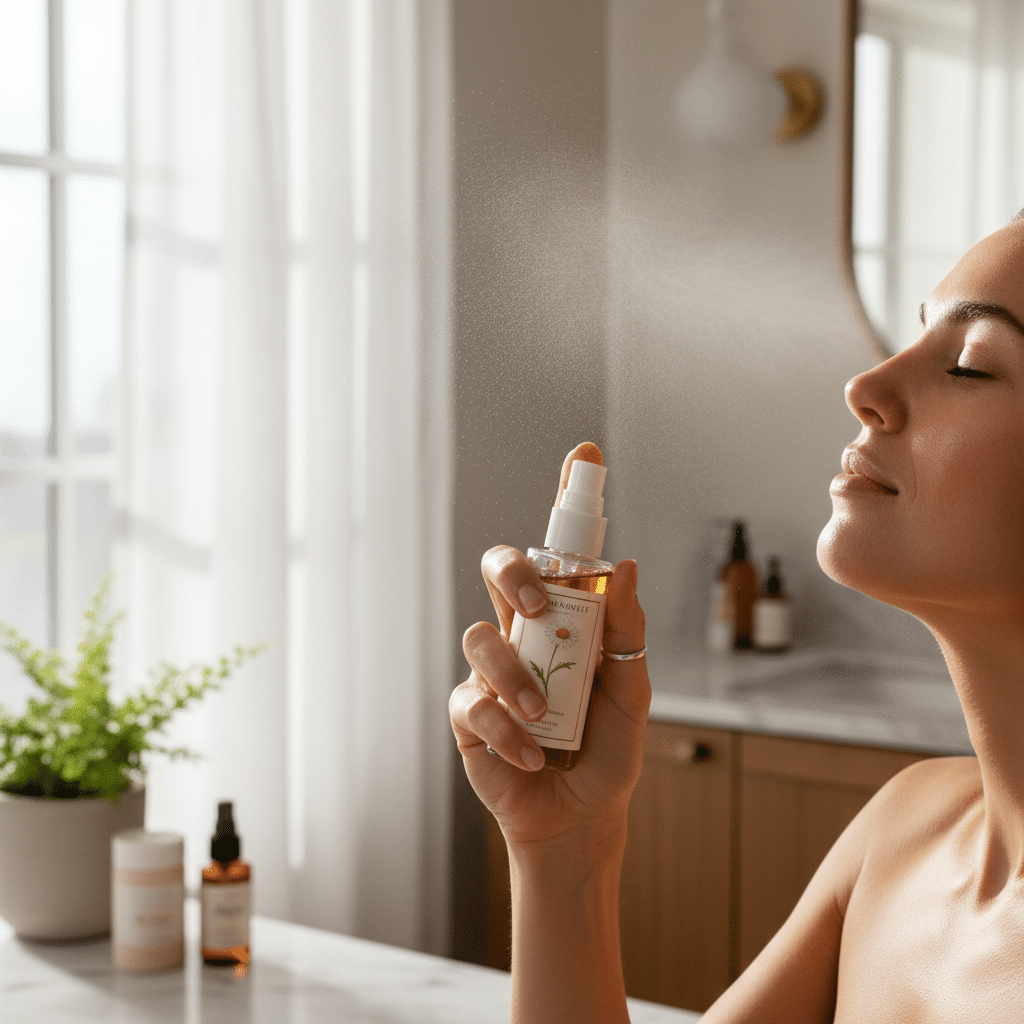
As a calming facial mist
Honestly, this may be the easiest one.
Keep chamomile water in a small spray bottle and use it:
- after cleansing
- before makeup to add a soft base
- over makeup for a fresh look
- during the day when skin feels hot or irritated
- after sun, wind, or a long commute
It’s a nice soothing facial mist for travel, office air, or just that 3 p.m. face slump. If you deal with chamomile for acne breakouts or redness, a quick spritz can feel like a mini reset.
| Routine step | How to use chamomile water | Best for |
|---|---|---|
| Toner | Pat on after cleansing | Balanced, prepped skin |
| Face mask base | Mix with clay or honey | Soft, calming treatment |
| Facial mist | Spray anytime skin feels dry or warm | On-the-go comfort |
If you’re buying for a brand or spa line, Aroma Monk can also be a smart source for natural ingredients like essential oils, rose water, and bulk skincare supplies with lab-tested quality. That kind of consistency matters when you’re building products people can trust.
Small step. Big comfort. That’s the charm of chamomile water.
Is Chamomile Water Right for Your Skin Type?
You know that moment when a product feels fine for everyone else, but your skin acts like it got personally insulted? Yeah. Been there.
The good news is that chamomile water for face care is one of those gentle picks that fits a lot of routines. It makes sense too, since the natural skincare market was worth about $8.8 billion in 2022, and people keep looking for calmer options for redness, breakouts, and dryness natural skincare market data. Sensitive skin is common as well, with studies showing that around 60 to 70% of women and 50 to 60% of men say they deal with it sensitive skin research.
If your skin is sensitive or rosacea-prone
This is where chamomile really shines.
Chamomile hydrosol for face use is soft, mild, and low-drama. It’s not a harsh acid. It’s not a strong toner that leaves your cheeks stinging. It’s more like a gentle pause button for skin that gets red fast or reacts to just about everything. Because it has soothing plant compounds, many people use it as a natural anti-inflammatory for face care when their skin feels hot, flushed, or easily irritated.
And if your skin gets cranky after cleansing or after a windy day outside, a soothing facial mist can feel like a tiny relief right away. Not magic. Just comfort.
If your skin is acne-prone or oily
OK, maybe you’re thinking, “But will it help with breakouts?” Fair question.
Chamomile for acne works best as a calming sidekick, not a heavy-duty acne treatment. It may help soothe redness around blemishes without clogging pores or stripping your skin dry. That matters because a lot of acne products go too far and leave skin worse off. You know the type. Shiny for 10 minutes, then irritated for the rest of the day.
If you want a simple DIY chamomile facial toner, this is a nice place to start. Use it after cleansing, then follow with a light moisturizer. Easy. No fuss.
If your skin is dry or mature
This might surprise you, but chamomile water can also fit dry skin pretty well.
Why? Because plant hydrosols can add a light layer of comfort, and chamomile brings antioxidant support too. That matters for skin dealing with dullness, dryness, or daily stress from sun and air pollution. Tiny particles in the air, like PM2.5, can push skin toward faster aging and more visible damage, so antioxidant-rich skincare can help with that extra load PM2.5 and skin aging research.
So if your skin feels tight, looks tired, or loses its glow fast, chamomile water may be a nice fit in a simple routine. Plus, it plays well with other gentle steps.
Quick skin-type guide
| Skin type | Why chamomile water may help | Best way to use it |
|---|---|---|
| Sensitive or rosacea-prone | Helps calm visible redness and reactivity | Mist after cleansing |
| Acne-prone or oily | Soothes breakouts without heaviness | Use as a toner or spot calming spray |
| Dry or mature | Adds light hydration and antioxidant support | Layer before serum or moisturizer |
If you want to try it at home, keep it simple. Spray it on clean skin, use it in a DIY chamomile facial toner, or mix it into a mask with kaolin clay for a gentle reset. And if you’re shopping for bulk natural ingredients for your own product line, Aroma Monk also supplies lab-tested essentials for beauty and personal care, which can be handy when you want clean, reliable sourcing.
Bottom line? Chamomile water for face care is usually a smart match for skin that wants less noise and more calm. And honestly, who doesn’t want that sometimes?
Buyer’s Guide: How to Choose and Store High-Quality Chamomile Water
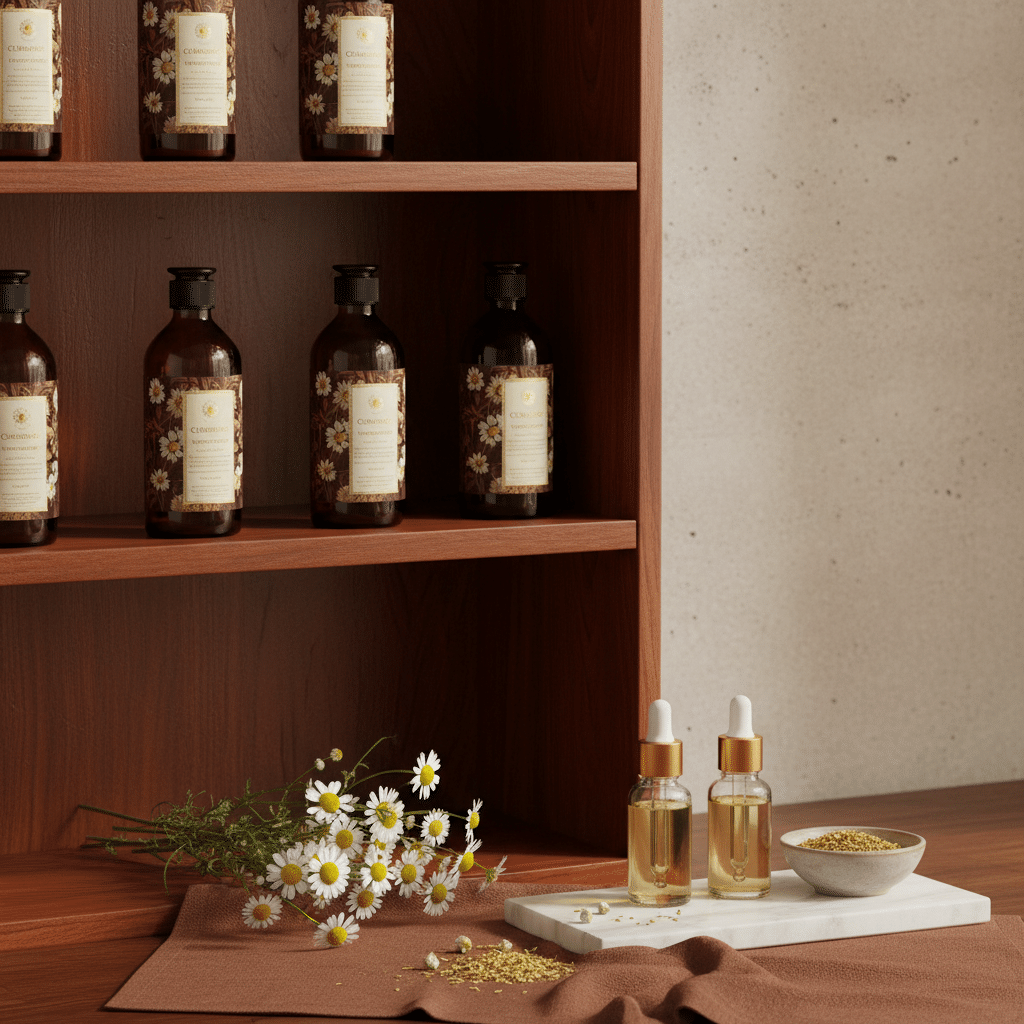
A bottle can look pretty and still be junk. Annoying, right? Especially when you’re buying something for calm, sensitive skin.
If you want chamomile water for face care that actually works like a soothing facial mist or a gentle toner, start with the label. Look for “100% pure hydrosol” or single-ingredient chamomile hydrosol for face. If it says organic too, even better. That usually means the plant source was handled with more care.
Here’s what a good label usually does not have:
- alcohol
- added fragrance
- polysorbates
- long ingredient lists with mystery fillers
Why does that matter? Because some products called chamomile water are just plain water mixed with a little essential oil and a solubilizer. That’s not the same thing as a true hydrosol. A real hydrosol comes from steam distillation, so you get the gentle plant water itself, not a watered-down copy. Big difference.
Quick label check
| Green flags | Red flags |
|---|---|
| 100% pure hydrosol | Aqua as the first ingredient with added oil |
| Organic chamomile | Added fragrance or perfume |
| Single ingredient | Polysorbate-20 or similar solubilizers |
| No alcohol | Lots of filler ingredients |
Packaging matters too. Dark glass bottles are better than clear plastic because they help block light and slow down damage. Heat and sunlight can wear down a hydrosol fast. So store it in a cool, dark place. The fridge is even better if you want to stretch its life a bit.
A pure chamomile hydrosol usually lasts about 6 to 12 months after opening if you keep it cold and clean. And honestly, that’s one more reason to buy a size you’ll use up in time. No need to let a good bottle sit around turning sad on the shelf.
If you’re shopping for your own brand or bulk supply, Aroma Monk can be a useful source for natural ingredients with lab-tested quality and traceability, which is the kind of thing buyers should ask for anyway.
One last thing. If the price looks too good to be true, it probably is. Cheap bottles often mean heavy dilution, fake fragrance, or a label that’s trying very hard to sound natural without being much of anything.
So keep it simple: pure, clean, dark glass, and no weird extras. That’s the sweet spot.## Conclusion: Embrace the Gentle Power of Nature for Your Skin
If your skin has been begging for a softer touch, chamomile water for face care is a pretty easy place to start. It’s light. It’s calm. And it can do a lot at once. That’s the nice part.
As we’ve seen, chamomile hydrosol for face use can soothe redness, add a little hydration, and bring antioxidant support to skin that gets cranky fast. It also fits right in with the skinimalism trend, where people want fewer steps and more comfort in their routine. And since sensitive skin is so common, that lines up with what a lot of us are already dealing with.
| What chamomile water can do | Why people like it |
|---|---|
| Calm skin | Helps with redness and irritation |
| Protect | Adds antioxidant support |
| Hydrate | Gives a light, fresh feel |
| Simplify | Works in toner, mist, or DIY mask |
It’s also a good match for almost any skin type, but especially for chamomile for sensitive skin and chamomile for acne routines that need a gentle hand. No hard sell. Just a simple, useful step.
Here’s a small challenge: try it as your facial toner every day for one month. Keep the rest of your routine steady. Then watch how your skin feels. Softer? Less reactive? A little more settled? That’s your sign it’s doing its job.
And if you’re looking for clean ingredients for your own product line, Aroma Monk’s lab-tested natural supplies can be a smart place to start.
Get a quote from Aroma Monk.
Essential Oil Supplier – Bulk pricing • Samples • Fast response