
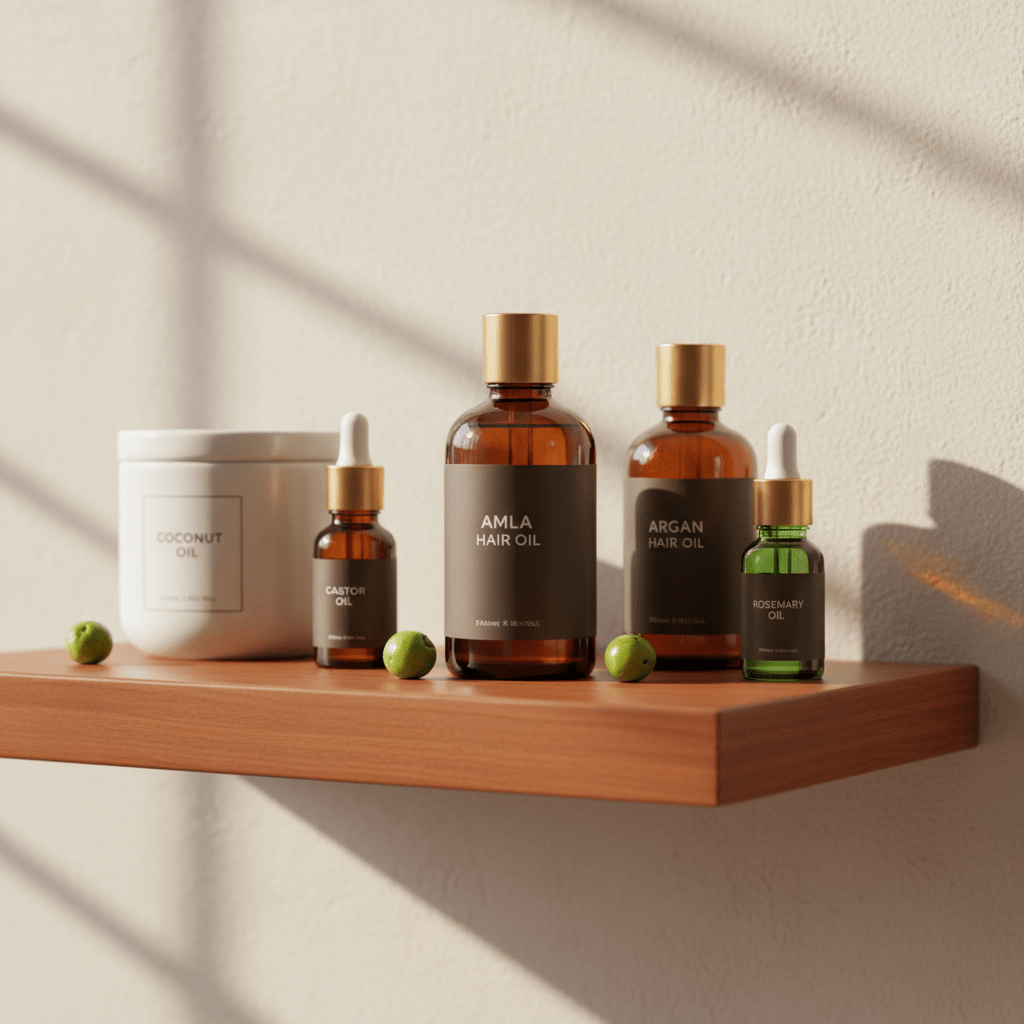
Overwhelmed by Hair Oils? Here’s Why Amla Oil Deserves Your Attention
Ever stood in the hair oil aisle and felt a little stuck? Coconut, argan, castor, rosemary… and then there’s amla hair oil, which sounds old-school at first, but keeps popping up for a reason.
The hair oil market is crowded for a reason too. People want cleaner, plant-based picks, and the natural hair care market was valued at about $10.2 to $11.7 billion in 2023 and 2024, with steady growth ahead, so yeah, there are a lot of bottles trying to get your attention. One solid market view is here: natural hair care market growth data.
But here’s the thing. Not every oil does the same job.
Amla hair oil, also called Indian gooseberry oil for hair, has a long Ayurvedic history and is now getting fresh attention from people who want a natural hair growth oil that also helps with softness, shine, and scalp care. It’s one of those products that sounds simple, then quietly does a lot.
Actually, wait, that’s the whole point of this article.
We’re going to compare amla oil for hair growth with coconut, castor, argan, and a few others. You’ll see what each one is good at, what it’s not so good at, and how to pick the best hair oil for thinning hair, dry strands, or plain old dullness. If you’ve been asking how to use amla hair oil the right way, we’ll get there too.
So let’s keep it simple. No hype. Just a clear side-by-side look so you can choose the oil that fits your hair goals.
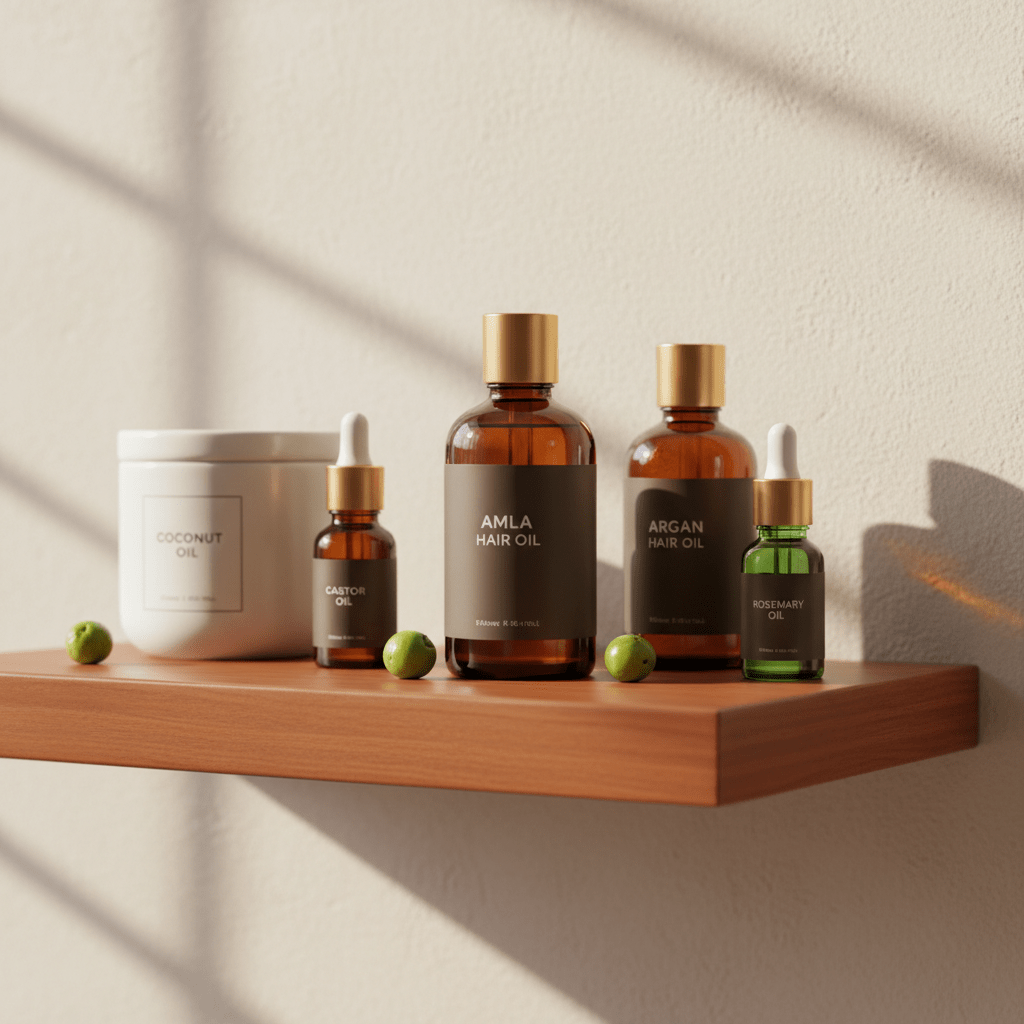
1. Amla Hair Oil vs. Coconut Oil: The Ultimate Showdown for Strength & Nourishment
Ever had hair that feels dry on one day and flat the next? Yeah, same. That’s why this match-up matters so much.
Amla hair oil and coconut oil are both fan favorites, but they do different jobs. Amla oil for hair growth is usually picked for scalp care, shine, and helping weak hair feel stronger over time. Coconut oil, on the other hand, is the classic pick for deep moisture and protein protection. A lot of people swear by both, and honestly, they’re not wrong.
Here’s the basic split:
| Oil | What it brings | Best for |
|---|---|---|
| Amla hair oil | Antioxidants, tannins, and scalp support | Thinning hair, dull roots, and an Ayurvedic hair oil routine |
| Coconut oil | Lauric acid that can sink into the hair shaft | Dry hair, frizz, and pre-wash care |
Amla oil benefits come mostly from the plant compounds left in the oil, not a big hit of fresh vitamin C. The fruit itself is packed with it, but in oil form, amla works more like a supportive scalp treatment than a vitamin drink for your strands. Coconut oil is the one with the stronger track record for cutting protein loss in hair, especially before shampoo day, which is why it’s such a go-to for damaged or color-treated hair. One well-known study on coconut oil and hair protein loss found it outperformed sunflower and mineral oils in that job.
So which one should you pick?
- Choose amla hair oil if your main goal is scalp-focused care, a better-looking hairline, or a natural hair growth oil routine.
- Choose coconut oil if your hair is dry, rough, or needs a pre-shampoo moisture shield.
Can you use them together? Yep. That’s actually a smart move. Mix a little amla oil with coconut oil and you get a blend that supports the scalp while also softening the hair shaft. Just keep it light. Too much oil can leave your roots greasy, and nobody wants that sticky helmet feeling. Use it as a pre-wash treatment, massage gently, and shampoo well after 30 to 60 minutes.
For brands and makers, this is also where clean ingredient sourcing matters. If you’re building your own hair oil line, a pure carrier oil base with lab-tested essential oils can make a real difference in the final product. That’s the kind of quality focus Aroma Monk keeps front and center with its natural oils and bulk supply options.
Get a quote from Aroma Monk.
Essential Oil Supplier – Bulk pricing • Samples • Fast response
2. Amla Hair Oil vs. Castor Oil: The Battle for Hair Growth and Thickness
You know that sticky bottle everyone keeps talking about? That’s castor oil. It has a loyal fan club, for sure. But it can also be a little much if you’re not ready for it.
Here’s the big difference. Amla hair oil is usually lighter and easier to spread, while castor oil is thick, heavy, and slow to wash out. That matters more than people think. If you’ve ever spent 20 extra minutes in the shower trying to rinse something off your scalp… yeah, you get it.
Amla oil for hair growth works more like a steady helper. It’s packed with plant compounds and antioxidants from indian gooseberry oil for hair, so it’s often used in an ayurvedic hair oil routine to support scalp health, shine, and a stronger feel over time. Castor oil is more of a heavy hitter on paper. Its main fat, ricinoleic acid, is linked to scalp circulation and soothing properties, though human proof for hair growth is still pretty limited.
| Oil | Main draw | Texture | Best use |
|---|---|---|---|
| Amla hair oil | Scalp support, shine, and softer-looking hair | Light to medium | Full scalp use and regular routines |
| Castor oil | Thick feel and possible scalp support | Very thick | Sparse spots, edges, brows, or mixed blends |
Actually, wait. Castor oil can be great, but mostly in small doses. It’s so dense that many people mix it with lighter oils just to make it usable. A lot of folks blend it with amla oil, jojoba, or olive oil because plain castor oil can feel like glue on long hair. And nobody needs a bird’s nest situation before brunch.
That’s why amla vs castor oil usually comes down to your goal:
- Pick amla hair oil if you want a natural hair growth oil for overall scalp care and easier daily use.
- Pick castor oil if you want more weight, a thicker feel, or want to target edges, brows, or small thin spots.
One more thing. If you’re new to hair oiling, don’t go wild with either one. A little goes a long way. Use amla oil on dry hair, massage gently for a few minutes, and wash it out after 30 minutes to 2 hours. Castor oil should almost always be diluted first, because straight-up castor oil can be a pain to spread and even harder to rinse.
So if you want the simpler, lower-mess choice, amla hair oil usually wins. If you want thick texture and targeted use, castor oil has its place. Different jobs. Different moods. And honestly, that’s what makes this whole comparison useful.
For brands creating hair care blends, this is where quality matters a lot. Pure carrier oils and clean, lab-tested ingredients can make the final product feel better and work better for customers. Aroma Monk’s bulk oil supply and purity checks are a solid fit for makers who want dependable raw materials without guesswork.
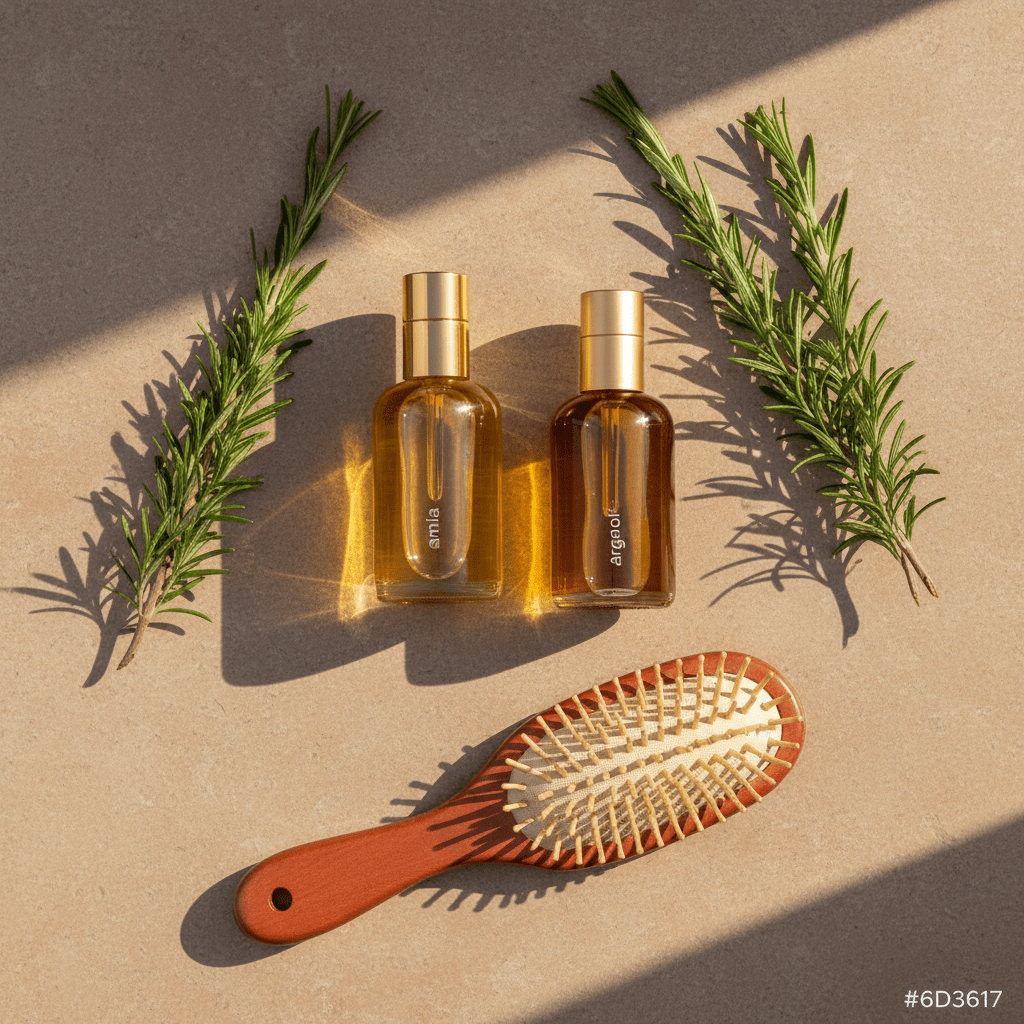
3. Amla Hair Oil vs. Argan Oil: The Clash of Shine and Repair
Ever put oil in your hair and thought, “OK, that looks good right now… but what does it actually do?” That’s the argan oil question in a nutshell.
Argan oil comes from Morocco, and people call it liquid gold for a reason. It’s rich in vitamin E and fatty acids, so it works really well as a finishing oil. It smooths the hair cuticle, cuts frizz, and gives that fresh, glossy look after styling. Amla hair oil, on the other hand, has Ayurvedic roots and plays a longer game. It’s more about scalp care, root support, and building stronger-feeling hair over time.
Here’s the simplest way to think about it:
| Oil | Main job | Best time to use |
|---|---|---|
| Amla hair oil | Root and scalp support | Before wash day or as a weekly treatment |
| Argan oil | Shine, softness, and frizz control | After styling or as a leave-in |
Argan oil is more of a surface-level beauty oil. And that’s not a bad thing. It’s great for taming flyaways, making hair look neat, and helping with heat styling. Some hair pros use it as a pre-styling step or a light finishing oil because it can handle common blow-dryer and flat-iron heat pretty well. But it’s still mostly working on the outside of the hair.
Amla hair oil does something different. It’s more of a foundation oil. You use it on the scalp and lengths before shampoo day, and it fits nicely into an ayurvedic hair oil routine for people who want long-term support, not just instant shine. If your hair feels weak, dull, or a little tired, amla oil benefits may be more your speed.
So here’s the call:
- Use argan oil if you want a daily leave-in styler and frizz-fighter.
- Use amla hair oil if you want a weekly pre-wash ritual that supports the scalp and may help with stronger-looking hair over time.
Honestly, they can work together too. Amla first, argan later. That’s a pretty smart combo. And if you’re building a product line, that mix can be a nice fit for brands wanting both care and polish in one routine. Aroma Monk’s pure carrier oils and lab-tested ingredients make that kind of blend easier to plan without guessing what’s in the bottle.
If you’re still asking how to use amla hair oil, think simple: warm a small amount, massage it into the scalp, wait 30 minutes to 2 hours, then wash it out. Save the argan oil for the finish. That’s the clean split.
4. Amla Hair Oil vs. Rosemary Oil: The Herbal Allies for Circulation and Growth
You know that moment when you’ve tried three “miracle” oils and your shelf still looks like a tiny jungle? Yeah, rosemary oil is usually the one people bring up next.
And honestly, it earns the attention. Rosemary essential oil has been talked about a lot because one study found it worked about as well as 2% minoxidil for hair growth over six months, with less scalp itching for some people (rosemary oil vs. minoxidil study). That made a lot of folks sit up.
But here’s where amla hair oil steps in with a different job. Rosemary oil is the starter. It helps wake up the scalp. Amla oil for hair growth is more like the steady helper. It brings plant compounds, antioxidants, and a nourishing base that supports the follicle and fits nicely into an Ayurvedic hair oil routine.
So no, these two aren’t rivals. They’re more like teammates.
| Oil | Main job | How it feels | Best use |
|---|---|---|---|
| Amla hair oil | Nourish the scalp and hair roots | Light to medium | Pre-wash care and regular scalp massage |
| Rosemary oil | Help support circulation on the scalp | Very strong, must be diluted | Mixed into a carrier oil |
A big thing to know: rosemary oil should never go straight on the scalp. It’s an essential oil, so it needs a carrier oil. That’s where amla oil can come in. Many commercial amla oils are already made with amla extract in a base oil, so they’re a handy choice for blending.
Here’s the easy combo:
- Use amla hair oil as the base.
- Add 3 to 6 drops of rosemary oil to 1 tablespoon of carrier oil.
- Massage gently into the scalp for 3 to 10 minutes.
- Leave it on for 30 minutes to 2 hours, then wash it out.
That gives you a two-part routine. Rosemary helps stimulate. Amla helps nourish. Pretty neat, right?
If you’re buying ingredients for your own hair care line, this mix is also a smart product idea. A pure, lab-tested carrier oil matters a lot here, and Aroma Monk’s essential oils and carrier oils are a good fit for brands that want clean, traceable raw materials for custom blends.
So if you’ve been asking how to use amla hair oil with other oils, this is one of the best places to start. Use rosemary as the boost, and let amla do the support work. Simple. Balanced. Not fussy.
At a Glance: Choosing the Best Hair Oil for Your Needs
If your bathroom shelf looks like a tiny oil shop, you’re not alone. Amla hair oil, coconut, castor, argan, and rosemary all have their own thing going on. The trick is matching the oil to the job.
| Oil | Best for | Feel | Best use |
|---|---|---|---|
| Amla hair oil | Scalp care, dull hair, thinning hair | Light to medium | Weekly pre-wash massage |
| Coconut oil | Dry strands, protein loss, frizz | Smooth and rich | Pre-wash treatment |
| Castor oil | Thickening blends, edges, dry spots | Very thick | Mixed with lighter oils |
| Argan oil | Shine, softness, finishing | Silky and light | After styling |
| Rosemary oil | Scalp support, growth routine | Strong, must be diluted | Mixed into a carrier oil |
A quick note: coconut oil has strong support for reducing hair protein loss in pre-wash use, and rosemary oil has been studied for hair growth support too. But amla oil stays a favorite because it’s easy to use, feels lighter than castor oil, and fits right into an ayurvedic hair oil routine.
So how do you pick? Start with your main hair gripe. Dry and rough? Try coconut. Oily but weak at the roots? Amla hair oil may be the better fit. Want shine fast? Go argan. Need a boost mix? Add rosemary to a carrier oil. And if you’re building a custom blend for your brand, Aroma Monk’s pure carrier oils and lab-tested ingredients can help you make something clean, simple, and easy to trust.
Final Thoughts: Integrating Amla Oil into Your Haircare Ritual
Ever notice how the simplest routine is the one you can actually stick with? That’s where amla hair oil shines.
It may not be the flashiest bottle on the shelf, but it has a steady kind of power. Coconut oil is great for dry strands. Argan oil brings shine. Castor oil brings weight. Rosemary oil adds a scalp boost. But amla hair oil feels like the calm center of the whole routine. It’s a natural hair growth oil that fits into an Ayurvedic hair oil habit, and that’s why so many people keep coming back to it.
If your goal is long-term hair health, this is the one to try first.
How to use amla hair oil the right way
Keep it simple. That usually works best.
- Warm a small amount in your hands.
- Part your hair and apply it to a dry scalp.
- Massage gently with your fingertips for 3 to 10 minutes.
- Work a little through the ends if they feel dry.
- Leave it on for 30 minutes to 2 hours before washing.
- Shampoo well, and rinse twice if needed.
A few quick tips:
- Use it 1 to 2 times a week if your hair is dry or thinning.
- Start with less if your scalp gets oily fast.
- Don’t put it on soaking wet hair.
- Don’t scrub hard. Gentle circles are better.
And honestly, that’s the part people miss. Natural care works best with patience. Not overnight. Not after one use. But with steady care, amla oil benefits can fit nicely into your week and help your hair feel stronger, softer, and less tired over time.
So if you’ve been wondering whether amla oil for hair growth is worth a spot in your routine, I’d say yes. Try it for a month. Keep notes. See how your scalp feels and how your strands respond. And if you’re building products for your own brand, clean, lab-tested ingredients matter just as much as the oil itself. Aroma Monk’s pure oils and bulk supply options make that part easier too.
Simple routine. Real consistency. Better hair days ahead.
Get a quote from Aroma Monk.
Essential Oil Supplier – Bulk pricing • Samples • Fast response