

Why Vetiver Water is the Multi-Action Ingredient Your Next Skincare Line Needs
Picture this. You’re scrolling through a supplier catalog at 11pm, and every toner on the market seems to list the same two waters: rose and witch hazel. Sound familiar?
That’s the B2B headache right now. Natural skincare is crowded, and it’s still growing fast. One forecast puts natural skincare products at $25.44 billion in 2026, climbing to $39.24 billion by 2030. More shelf space means more copycats.
Buyers seem hungry for something new, though. A 2025 survey of more than 3,000 U.S. beauty consumers found that 66% had never heard of Asparagopsis armata and 61% didn’t know Centella asiatica. People were curious about newer ingredients that feel familiar, like herbs and oils. That’s a nice opening for a botanical most shoppers haven’t met yet.
Enter vetiver water.
What Is Vetiver Water, Exactly?

Vetiver water is a hydrosol. It’s the water left after steam-distilling the roots of Vetiveria zizanioides, a grass grown mostly in India. You may also see it called khus water or vetiver hydrosol. It’s mostly water, with a small, changing amount of aromatic root compounds carried along.
It smells earthy, cool and calm. Think damp soil after rain.
Why Formulators Are Paying Attention
Here’s the deal. One hydrosol can work as the botanical water phase in toners, mists, light moisturizers, masks and emulsions. So a single ingredient can serve several product types. That’s handy when you’re trying to keep a line tidy.
I’ll be honest about the limits too. Most claims around vetiver water are traditional or based on consumer feedback, not controlled human studies. So we’ll keep the language careful as we go. What it offers today is a refreshing, hydrating-feeling, soothing-style water with a grounding scent.
Below, we’ll walk through 7 ways formulators can use it, then compare it with rose water and witch hazel. Ready?
1. Superior Hydration and Toning for All Skin Types
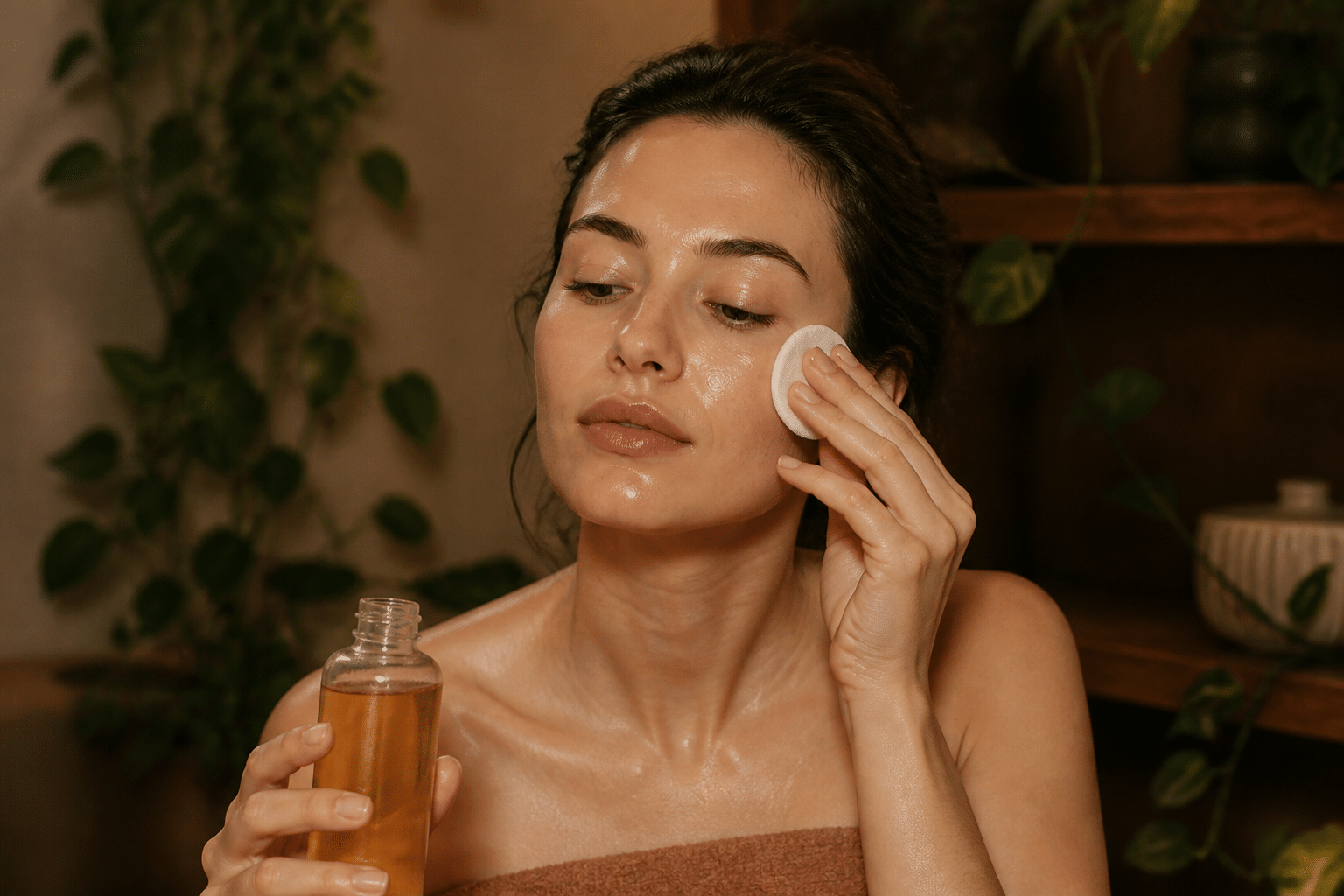
Most toners start with plain deionized water. It’s clean, it’s cheap, and it does nothing else. Swapping it out is probably the easiest upgrade in a formula.
A Light, Hydrating Feel Without the Grease
Vetiver water is almost all water, so it feels fresh and light on the skin. No film. No greasy afterthought. Brands like Santal Bliss sell it as a root mist for “deep hydration” and a soft, non-tight finish.
Now, a small reality check. I couldn’t find a controlled study that measures how much vetiver water raises skin moisture. And on its own, I wouldn’t call it a true humectant. In many mists, glycerine does the heavy lifting. Anahata Organic’s face mist pairs vetiver hydrosol with glycerine and vitamin E, for example. So treat vetiver water as the hydrating-feeling base, then add a humectant when you want real moisture support.
A Smarter Base Than Plain Water
Here’s how the two bases stack up in a facial mist, toner or water-based serum.
| Feature | Deionized water | Vetiver water |
|---|---|---|
| Plant story for the label | None | Steam-distilled root of Vetiveria zizanioides |
| Scent | None | Earthy, cool, grounding |
| Skin feel | Neutral | Cooling and refreshing |
| Shelf appeal | Basic | Premium, botanical |
| Typical pH | Near neutral | Often listed at 4.0 to 5.0 by suppliers |
| Cost | Lowest | Higher, so test partial replacement first |
That pH range comes from one Indian supplier’s spec sheet, and it shifts by batch. Always check the certificate of analysis. Also, you don’t have to swap 100% of the water on day one. Try replacing half, then see how the scent and stability hold up.
Gentler Toning for Sensitive, Dry and Mature Skin
Many classic toners lean on alcohol, and that can leave dry or mature skin feeling tight. A vetiver water base gives you an alcohol-free option with a calm, cooling feel. Not bad for a dry winter formula.
The audience is there too. Grand View Research puts sensitive skincare at about $57.4 billion in 2026. Keep your claims modest, though. “Refreshing” and “gentle toning” are safe words. “Treats” is not.
Next, let’s look at how that calming feel can stretch into soothing products.
2. Powerful Soothing and Anti-Inflammatory Action for Sensitive Skin Products
You know that moment when a customer says a toner “stung a little”? Brands dread it. Sensitive-skin shoppers are picky, and they remember every flare-up.
Vetiver water can help here, but I need to be straight about what we know. Let’s start there.
What the Science Says (and Doesn’t Say)
Vetiver root is rich in sesquiterpenes. These are the big, earthy aroma molecules, like khusimol and vetivone, that give vetiver its deep smell. Traditional Ayurvedic texts call the root cooling and soothing, and it was used in pastes and preparations for irritated skin, burns and bites, according to this herb guide on vetiver root.
Now the catch. I couldn’t find a clinical trial or a skin-cell study showing that vetiver water calms redness, rosacea or eczema. Most of the research looks at the essential oil or solvent extracts. A hydrosol is a lot more dilute, so those results don’t carry over. Not directly, anyway.
So what’s honest to say? That vetiver water is a cooling, calming-feeling botanical water, traditionally used for skin comfort. Skip words like “treats eczema” or “reduces inflammation” unless your own testing backs them up.
Product Ideas That Fit the Feel
The cooling sensation is what sells here. A few formats where it makes sense:
- Post-sun mists: A light, chilled spritz after a day outside.
- After-shave balms and splashes: Alcohol-free, with a grounded scent that feels more spa than drugstore.
- Soothing gel masks: Use vetiver water as the water phase in a gel for tired, reactive skin.
- Post-blemish toners: A gentle, comfortable option for skin that’s feeling fussy.
One real-world hint: reviews of Kama Ayurveda’s Pure Vetiver Water on Nykaa often describe it as cooling and calming, and one reviewer said they’d used it for over two years. Those are anecdotes, not proof. But they show how shoppers talk about the ingredient.
The Marketing Angle for Sensitive Skin Lines
Here’s where brands can win. A short ingredient list built around one plant-derived water reads as simple and gentle. Shoppers with reactive skin often scan labels for fewer ingredients, and a single steam-distilled botanical fits that mindset.
It’s worth knowing that hypoallergenic formulas make up about half of the sensitive skincare market, so “gentle” is a big deal to buyers. Safe wording includes:
| Say this | Skip this |
|---|---|
| Cooling, calming botanical water | Treats rosacea or eczema |
| Formulated with sensitive skin in mind | Clinically proven to reduce redness |
| Refreshing after sun or shaving | Heals irritated skin |
Also, “formulated for sensitive skin” isn’t a free pass. Run patch testing and a small sensitive-skin consumer panel before you put it on the box. And since vetiver has a strong scent, ask your supplier for an allergen declaration.
Next up, let’s see how the same water might help with oily, congested skin.
3. A Natural Astringent for Pore Refining and Oil Control
Oily skin shoppers have been burned before. They reach for a toner that promises tight pores, and ten minutes later their face feels like paper. Brands hear about it in the reviews.
Vetiver water might offer a calmer path. But I’ll be upfront again: I couldn’t find a study showing it shrinks pores or cuts sebum in people. So think of it as a mild, refreshing, toning water, not a proven pore treatment.
What Makes It Feel Astringent
Supplier descriptions of vetiver hydrosol mention vetiverol, khusimol and beta-vetivone. AromaWeb’s vetiver hydrosol profile lists them among its aromatic compounds. Sounds neat. But nobody has linked those molecules to pore tightening in humans, and batches vary a lot by origin and distillation.
What shoppers do notice is the cool, clean, lightly tightening feel after a splash. That’s a sensory effect. It’s still useful, as long as your label says “refreshing” and “toning,” not “minimizes pores.”
Where It Fits in Oily and Combination Skin Lines
The demand is real. One 2026 estimate puts the pore-minimizing products market at $558.9 million, growing to $919.1 million by 2036. Vetiver water can slot into a few formats:
- Balancing toners: Swap it in for part of the water phase.
- Foaming cleansers: Use it as the water phase, then test surfactant compatibility.
- Clay masks: Mix it into the liquid phase for a softer, cooler feel.
- Mattifying mists: A light midday spritz over makeup or bare skin.
I’d love to hand you an ideal percentage. There isn’t one. No reliable guide gives a proven use level for either cleansers or masks. So run your own viscosity, preservation and stability tests.
Gentler Than Alcohol Astringents
Alcohol-based astringents strip surface oil fast. The skin can then overcompensate, which is the classic rebound shine problem. A vetiver water base skips the stripping and keeps things comfortable. Whether it helps regulate sebum over time is something only your own consumer testing can show.
Here’s how the two compare, using general formulating knowledge and supplier pH ranges.
| Feature | Alcohol-based astringent | Vetiver water base |
|---|---|---|
| Typical pH | Varies by formula | About 4.0 to 6.0 per supplier specs |
| Drying feel | Often tight, sometimes stinging | Cool and light |
| Scent | Sharp, medicinal | Earthy, grounding |
| Claim you can make | “Oil control” (needs testing) | “Refreshing, gentle toning” |
| Best for | Quick degreasing | Daily balancing routines |
Want proof for oil-control claims? Measure sebum, grade pores visually and run a consumer panel on the finished product. That’s the honest route.
Next, let’s look at how vetiver’s antioxidant side fits into product development.
4. Rich Antioxidant Properties to Combat Environmental Stressors

City skin has a tough job. Traffic fumes, screen glow, a quick walk in the midday sun. Shoppers know it, and they want products that feel like a shield.
Vetiver water could fit that story. But once more, I’m going to keep us honest about the science.
What We Actually Know About Vetiver and Antioxidants
Here’s the plain version. Free radicals are unstable molecules made when skin meets pollution, UV light or blue light. They can stress skin cells and add up to early signs of aging over time. Antioxidants help calm that stress.
Vetiver does show antioxidant activity in lab tests. A 2025 review in Biomolecules collects results for Chrysopogon zizanioides (the newer name for Vetiveria zizanioides). It notes that ethanol extracts usually beat water extracts, and it lists vetiver oil scavenging 93% of free radicals in one cited DPPH test.
Now the catch. Those tests used extracts and essential oil. I couldn’t find an ORAC score, or any other reliable antioxidant number, for vetiver water itself. A hydrosol is far more dilute. So we can say vetiver has antioxidant potential in the lab. We can’t yet say a splash of vetiver water neutralizes free radicals on skin.
Here’s a quick cheat sheet of what’s been reported.
| Compound or group | Where it shows up | What it means for you |
|---|---|---|
| Phenolics and flavonoids | Root extracts | Linked to the antioxidant results in lab studies |
| Khusimol, vetivone, vetiverol | Aromatic root compounds, reported in hydrosol descriptions | Give vetiver its scent. Not proven as antioxidants in the water |
| Sesquiterpenes (as a group) | Essential oil | Concentrated in oil, much lower in hydrosol |
Where It Could Fit in Your Line
Even with those limits, the “city defense” idea sells. A few formats worth testing:
- Anti-pollution mists: A light spritz over makeup on the commute.
- Daily protective moisturizers: Use vetiver water as part of the water phase.
- Urban anti-aging serums: Pair it with proven antioxidants like vitamin E or ferulic acid.
- Evening cleansing toners: A calming “wash the day off” step.
Think of vetiver water as the botanical base and story. Let your proven actives carry the heavy antioxidant load.
Claims You Can (and Can’t) Back Up
This is where formulators get into trouble. “Protects against pollution” sounds great, but you’d need your own data to say it.
Safer wording: “made with vetiver root water, a plant with antioxidant potential in lab studies.” Riskier wording: “neutralizes free radicals” or “repairs barrier damage.” If you want stronger claims, run antioxidant assays on your finished product, plus barrier and pollution-exposure testing with real volunteers.
Next up, let’s see what tradition says about vetiver and skin recovery.
5. Promotes Skin Regeneration and Reduces Blemishes
We’ve all had that one pimple that left a mark long after the pimple itself was gone. Shoppers hate those marks. They’ll buy almost anything to fade them.
Vetiver water has a nice story here. But, same as before, I’ll keep us honest about what the evidence says.
What Tradition Says About Vetiver and Skin Repair
In Ayurveda, vetiver is called uśīra, and in South Asia you’ll hear it called khus. Traditional sources describe the root as cooling and soothing. It was used in pastes and oils for irritated skin, burns, bites and minor wounds, and the Auromere herb guide lines up with that story. Old texts also link it to protecting skin, supporting tissue repair and limiting visible marks.
One review even calls vetiver oil “cicatrisant,” which is a fancy word for helping scars form and fade. You can read that in this plant journal review.
Now the catch. I couldn’t find a human trial or a solid lab study showing that vetiver water regenerates skin cells or fades acne scars. The oil and the hydrosol are different things, and the water is far more dilute. So these are traditional uses. Not proof.
Where It Fits in a Blemish-Care Line
The market is hungry for this. One estimate puts acne-scarring treatments at about $4.0 billion in 2025, growing to $9.6 billion by 2035. And post-inflammatory hyperpigmentation makes up roughly 45% of that.
So where does vetiver water slot in? Think of it as the cooling, calming base, not the hero active:
- Post-acne recovery serums: Use it as the water phase, then add proven tone-evening actives like niacinamide.
- Targeted blemish toners: A gentle, comfortable step for skin that feels fussy after a breakout.
- Mature-skin mists and creams: A grounding botanical base for products aimed at a smoother, fresher look.
- Tone-balancing masks: A cool, soft liquid phase for gel or clay masks.
For mature skin, I’d skip words like “boosts cell turnover.” Nobody has shown vetiver water does that. “Revitalizing feel” or “refreshed-looking complexion” is safer.
A Simple Way to Explain Blemish Recovery on Your Label
Here’s a plain-language timeline you can use for education content. It shows where a botanical water can sit, without promising a cure.
| Stage | What’s happening on skin | Where vetiver water can fit |
|---|---|---|
| Days 1 to 3 | Blemish appears, skin feels warm and tender | A cooling, calming mist or toner |
| Days 4 to 10 | Blemish settles, skin starts to recover | A gentle toner, kept free of harsh alcohol |
| Weeks 2 to 6 | A faint mark may linger | A serum base paired with proven tone-evening actives |
| Weeks 6 and beyond | Skin looks more even over time | A daily mist or light moisturizer for routine comfort |
To back up any “fades marks” claim, test the finished product with imaging, tone measurements and a consumer panel. And if the product touches broken skin, preservation and safety testing matter even more.
Next, let’s look at the side of vetiver most people notice first: its scent.
Get a quote from Aroma Monk.
Essential Oil Supplier – Bulk pricing • Samples • Fast response
6. Adds Aromatherapeutic Value for Mind-Body Wellness Products
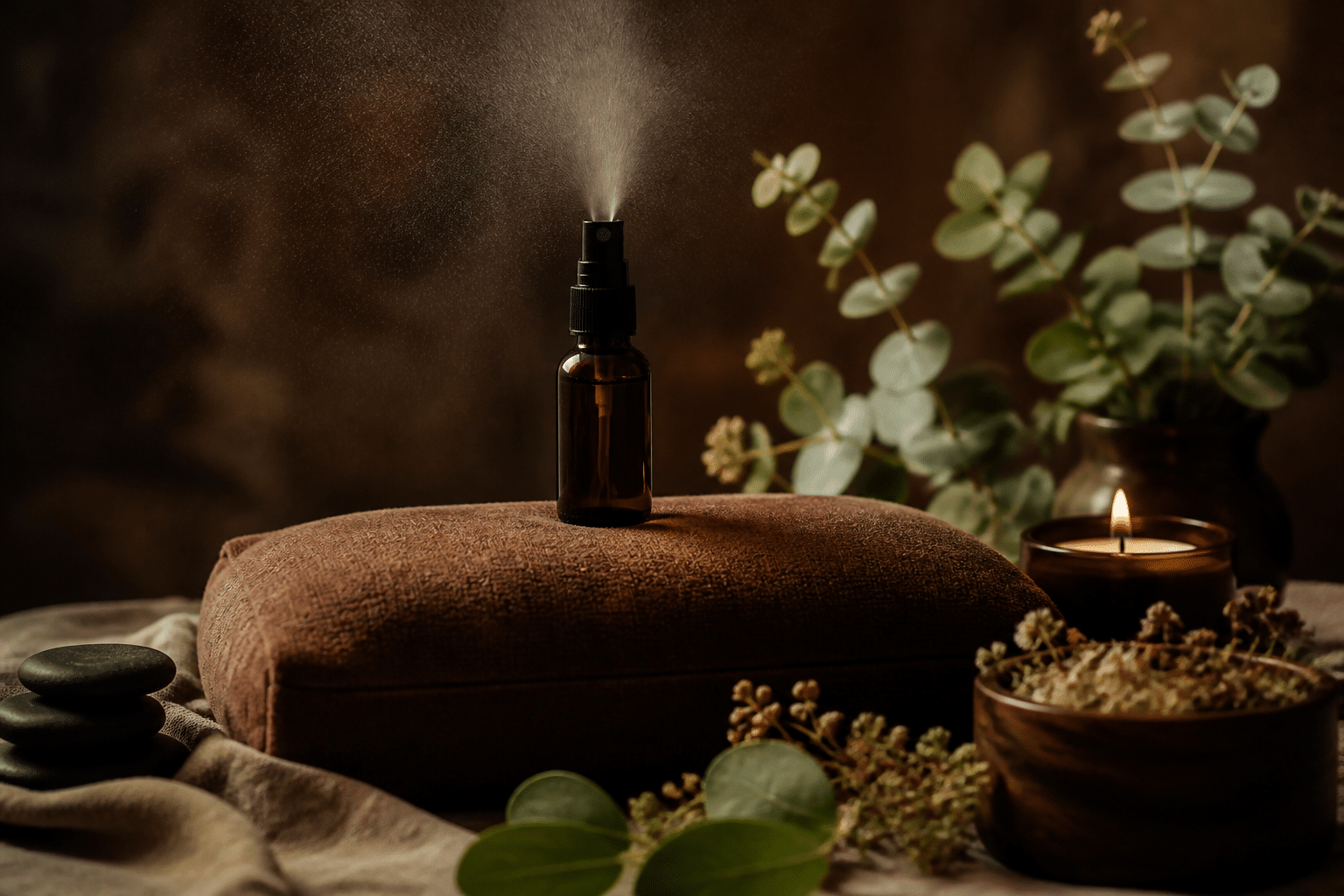
You know that moment when you spritz something and your shoulders drop an inch? That’s scent doing its job. And vetiver might be one of the best at it.
The Scent Is Half the Story
Aromatherapists often call vetiver the “oil of tranquility.” The aroma is earthy, woody and deep, with a faint smoky edge. Vetiver water is softer than the oil. Think cool, damp soil, quiet and grounding.
Now, a reality check. The best evidence on inhaled vetiver is still mostly from animals. One rat EEG study found that inhaled vetiver oil increased waking time, which the authors read as a refreshing effect. So it’s not simply a sleepy scent (funny, right?). Human trials mix vetiver into blends, so nobody can isolate its part. Words like “grounding” and “sensory unwind” are safer than “reduces anxiety.”
Why It Fits the Neurocosmetics Wave
Neurocosmetics links skincare to stress, senses and mood. A 2026 Springer article on the topic shows how fast the idea is moving from theory into products. Dermalogica even launched a serum with a guided massage routine in August 2025, as reported by the Miami Herald.
The lesson? Shoppers buy the ritual, not just the formula.
| Wellness trend | How vetiver water fits |
|---|---|
| Stress-relief rituals | A mist you spritz before breathing or a short massage |
| Sensory-first design | Earthy scent plus a cool, light feel |
| Evening reset routines | A grounding step to wash the day away |
| Premium self-care | A rare botanical story that stands apart from rose |
Where to Use It
Aroma-led products are where vetiver water earns its keep:
- Pillow mists: A light bedtime spritz with a calm, woody scent.
- Grounding body lotions: Use it as part of the water phase.
- Spa lines: Facial mists, bath sprays and massage-day toners.
- Reset kits: Pair a mist with a short breathing card.
Test the scent with real consumers and track words like “relaxing” and “pleasant.” Also check allergen declarations, since vetiver smells strong.
Next, let’s look at how vetiver water behaves inside the formula itself.
7. Acts as a Natural pH Balancer and Formulation Enhancer
Here’s something that quietly wrecks good formulas: pH. You can pick perfect actives and still end up with a toner that stings or a cream that splits.
Vetiver water can lend a hand here. Mostly.
Why Skin Likes a Slightly Acidic Product
Healthy skin has a thin, slightly acidic film called the acid mantle. Products that sit close to it tend to feel more comfortable. Harsh, alkaline ones (think bar soap) can leave skin tight. Suppliers list vetiver water as mildly acidic, though not all agree on the number. Aromaaz India reports 4.0 to 5.0, while Aurvanah Botanicals lists 5.5 to 6.5.
| Item | Typical pH |
|---|---|
| Healthy skin surface | About 4.5 to 5.5 |
| Vetiver water | Supplier-reported 4.0 to 6.0 |
| Bar soap | Often 9 to 10 |
So my advice? Don’t trust a number on a web page. Ask for the batch certificate of analysis.
Helping Your Formula Land in the Right Zone
Hydrosols are generally acidic, and they can shift the final pH of a cream, gel or serum. One formulation guide suggests replacing roughly 30 to 50% of the water phase when your emulsifier or thickener likes a more neutral pH. That’s a good place to start.
Could it cut down on citric acid? Possibly, in some formulas. But I wouldn’t promise it. Always measure the finished product after it cools, since heating and cooling can move the number.
A Small Boost for Stability (With a Catch)
The hope is that vetiver water adds a mild antimicrobial nudge. I couldn’t find a study testing vetiver water against common cosmetic spoilers. Vetiver oil has been studied, but the water is far more dilute. An acidic pH may support your preservation system. It won’t replace it. Hydrosols are water-rich, so run a preservative challenge test every time.
Sample Toner Ingredient List
| Ingredient | Job in the formula |
|---|---|
| Vetiver water (Vetiveria zizanioides root water) | Botanical water phase, mildly acidic, earthy scent |
| Glycerin | Humectant for real moisture support |
| Panthenol | Skin-conditioning comfort |
| Broad-spectrum preservative | Keeps the formula safe and stable |
| Citric acid (only if needed) | Final pH fine-tuning |
Next, let’s see how vetiver water stacks up against two classic hydrosols.
Formulator’s Choice: Vetiver Water vs. Rose Water vs. Witch Hazel
So you’ve got three hydrosols on your bench and one product slot. Which one wins?
Honestly, it depends on the story you want to tell. Here’s a quick side-by-side to help you decide.
The Side-by-Side Table
| Hydrosol | Primary skincare benefit | Ideal skin type | Aroma profile | Key actives | Best product applications |
|---|---|---|---|---|---|
| 🌱 Vetiver water | Cooling, calming, grounding toning feel | Sensitive, combination, dry or mature | Earthy, woody, cool | Khusimol, vetivone, vetiverol | Mists, balancing toners, gel masks, pillow mists, light serums |
| 🌹 Rose water | Soft, gentle freshening feel | Normal, dry or sensitive | Sweet, floral, familiar | Citronellol, geraniol, phenethyl alcohol | Mists, toners, creams, cleansing waters |
| 🍃 Witch hazel | Astringent, tightening toning feel | Oily and combination | Faint, herbal, slightly sharp | Tannins and polyphenols (varies a lot by product) | Toners, blemish pads, cleansers, clay masks |
A quick caution. These are positioning guides, not proven claims. As we covered earlier, vetiver water doesn’t have controlled human studies behind it yet. Also, many “witch hazel waters” on the market are extracts with added preservatives, so check what you’re actually buying.
What About Cost?
Price matters when you’re scaling up. Based on public listings I found in October 2026, witch hazel hydrosol runs about $17 for 2.2 lb, while rose water is around $40 for the same size. Vetiver hydrosol was listed at $168 for the bulk product. These aren’t contract prices, so get delivered-cost quotes. But the pattern is clear: witch hazel is the budget pick, vetiver is the premium one.
I also couldn’t find reliable data on how often each hydrosol shows up in new launches. So I won’t guess.
When Vetiver Water Is the Right Pick
Choose vetiver water when you want to stand out. Rose and witch hazel are everywhere. Vetiver gives you a fresh plant story, an earthy scent people remember, and a cooling feel that suits sensitive-skin and wellness lines.
It’s a great fit if you’re building:
- A grounding, ritual-style mist or pillow spray
- An alcohol-free toner for reactive or mature skin
- A premium line where the scent is part of the brand
Stick with rose or witch hazel when you need a familiar scent, a lower price, or a strong astringent feel for oily skin. And if you already source rose water from a supplier like Aroma Monk, adding vetiver to the lineup can give your range two very different personalities.
Next, let’s talk about how to source vetiver water you can actually trust.
Elevate Your Formulations with Pure, Lab-Tested Vetiver Water
So here’s where we land. Vetiver water isn’t a magic bullet, and I hope I’ve been honest about that. But it’s a handy, flexible botanical water that can do a lot of jobs in one line.
Quick recap of the 7 uses:
- Hydrating-feeling toning: a fresh, light base that beats plain water on shelf appeal.
- Soothing feel: cooling and calming for sensitive-skin products.
- Gentle astringent feel: a refreshing option for oily and combination skin.
- Antioxidant story: lab promise in vetiver, backed by your proven actives.
- Blemish-care base: a cooling water phase for post-breakout products.
- Aroma value: a grounding scent for wellness rituals.
- Formulation help: a mildly acidic water phase that can nudge your pH.
That’s the real edge. One ingredient, several product types, and a story shoppers haven’t heard 50 times before. Keep your claims modest and test your finished products, and you’ve got something that actually stands out.
Your Supplier Matters as Much as Your Formula
Here’s the part people skip. A hydrosol is mostly water, so it’s easy to water down, easy to contaminate, and easy to fake. Great formulas fall apart when batch 2 smells different from batch 1.
And trust pays off. One 2025 report found that 53% of consumers say transparency about ingredients and production affects how much they trust a brand. A lab-tested, traceable ingredient gives you proof to back that up.
So before you sign anything, run through this checklist.
| What to check | What good looks like |
|---|---|
| Batch-specific CoA | Lot number, dates, pH, density and odor listed |
| Botanical identity | Vetiveria zizanioides root, origin and distillation method named |
| Microbial results | TAMC and TYMC counts, plus no pathogens |
| Authenticity data | GC-MS profile, with no added fragrance, alcohol or colorant |
| Certifications | ISO 22716 GMP at the actual site, plus organic or COSMOS if you claim it |
| Paperwork | SDS, INCI name, allergen declaration, traceability records |
| Supply | Bulk capacity, steady lead times, custom packaging options |
A certificate alone doesn’t prove purity. Verify the lab, and send a retained sample for your own testing.
Ready to Innovate?
Aroma Monk supplies lab-tested, traceable natural ingredients in bulk, with direct manufacturer-to-business delivery and export experience. That means fewer surprises for your procurement and product teams.
Ready to innovate? Request a complimentary sample and Certificate of Analysis for Aroma Monk’s pure Vetiver Water today.
Get a quote from Aroma Monk.
Essential Oil Supplier – Bulk pricing • Samples • Fast response