
Tired of Red, Irritated Skin? This Ancient Flower Might Be the Answer
Ever have one of those mornings when your face feels angry before you even look in the mirror? Red cheeks, stinging skin, random bumps… yeah, it’s a lot.
If that sounds familiar, you’re not alone. A ton of people are moving toward gentler skincare because harsh products can make sensitive skin feel worse, not better. The natural and organic beauty market was valued at about USD 40.7 billion in 2023, and it keeps growing as people look for cleaner choices and simpler labels Grand View Research.
That’s part of why chamomile water for skin is getting so much love right now. It’s not new. Far from it. Chamomile has been used for more than 5,000 years, and ancient Egyptians even used it as a beauty ingredient for skin care and aging support NCBI review on chamomile history.
Today, people use it for calming skin with chamomile, especially when they want a softer option for redness, breakouts, or flare-ups. Some reach for it as a mist, some try a DIY chamomile toner, and others just want to know if is chamomile good for rosacea or chamomile for acne. Good questions. We’ll get into all of that.
And if you’re looking for a simple place to start, you’re in the right spot.
In this guide, we’ll look at the benefits of chamomile for face, how chamomile hydrosol benefits compare with tea, and the safest how to use chamomile water on skin. Plus, we’ll cover a real chamomile water recipe for face, what to watch out for, and how it can fit into a routine with other gentle products like rose water from Aroma Monk.
What Exactly is Chamomile Water? (And Is It the Same as Tea?)
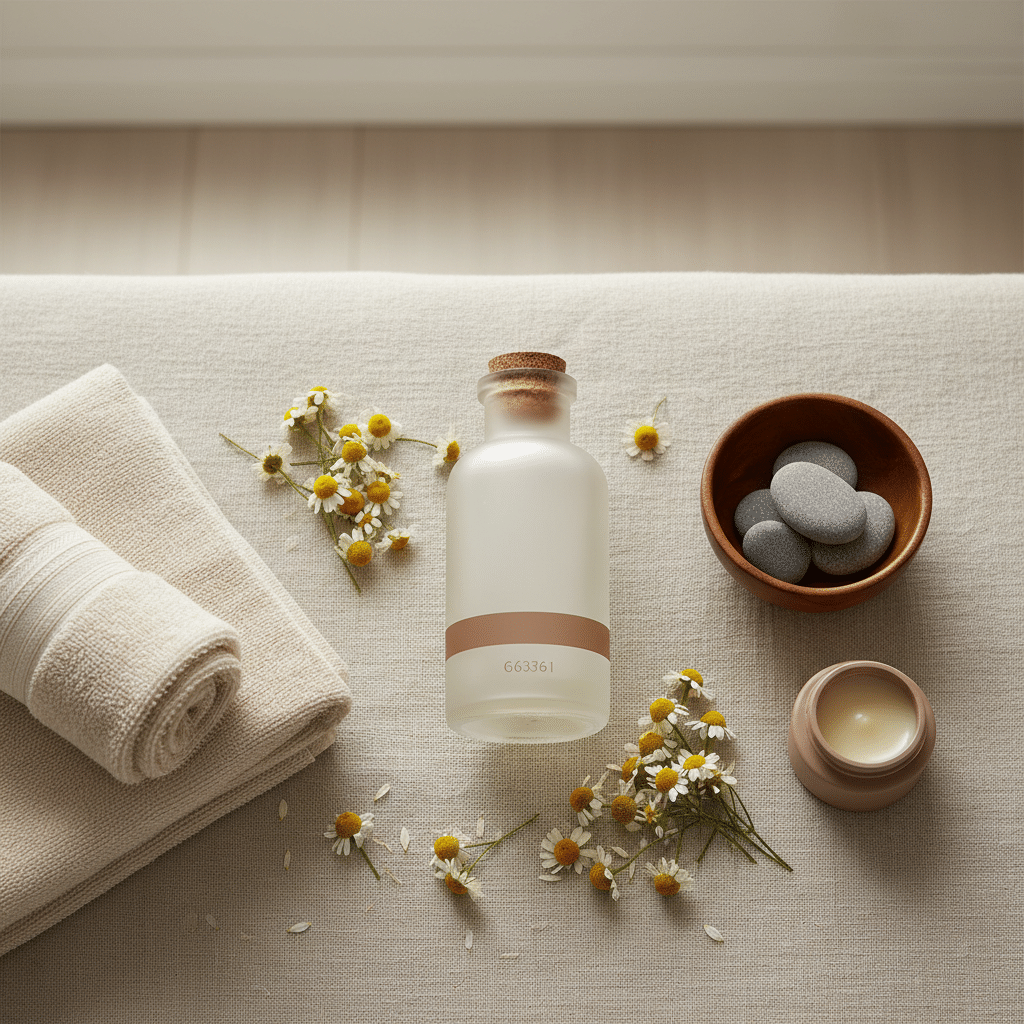
Ever brewed chamomile tea and thought, “OK, but can I put this on my face?” Fair question. A lot of people ask that, and the answer is a little more interesting than yes or no.
Chamomile water for skin is usually a hydrosol. That means it’s the soft, fragrant water that’s left behind after chamomile flowers are steam-distilled to make essential oil. During that process, steam pulls out tiny plant compounds. The oil floats on top, and the aromatic water below is the hydrosol. So it’s not just “flower water.” It has its own mix of plant bits that can be gentle on skin.
Tea is different. Chamomile tea is made by steeping the dried flowers in hot water. That pulls out some helpful compounds too, like flavonoids and tannins, but it’s not the same thing as a hydrosol. Tea is fine for sipping, but it’s less stable for skincare and usually won’t give you the same skin feel or shelf life as a true hydrosol.
Here’s the quick version:
| Type | How it’s made | Best for | Shelf life |
|---|---|---|---|
| Chamomile tea | Steeped in hot water | Drinking, short DIY use | Very short |
| Chamomile hydrosol | Steam-distilled with essential oil | Skin mist, toner, calming spray | Longer and more stable |
And yes, the type of chamomile matters too. German chamomile is the one people often reach for for inflamed or red skin because it has chamazulene, a blue compound linked with soothing skin support. Roman chamomile is known for being extra gentle and is often liked for its soft scent and calm feel. If you’re shopping for calming skin with chamomile, look for a pure hydrosol from one of those two types, with no added fragrance or alcohol.
That matters a lot if you want chamomile hydrosol benefits without extra stuff getting in the way. And if you’re trying to build a simple routine, it can pair nicely with other gentle items like rose water from Aroma Monk.
The Science-Backed Benefits of Chamomile Water for Skin
Your skin doesn’t always shout. Sometimes it just sighs… red, itchy, and annoyed.
That’s where chamomile water for skin starts to make sense. Not as a magic fix. Not as some fancy trend. Just a gentle plant mist that has a real job to do.
Chamomile has been used for skin care for a very long time, and people still reach for it because it feels soft, calm, and low-drama. That tracks with why so many shoppers now want natural anti-inflammatory skincare, especially for sensitive, acne-prone, or reactive skin.
1) It can help calm redness and irritation
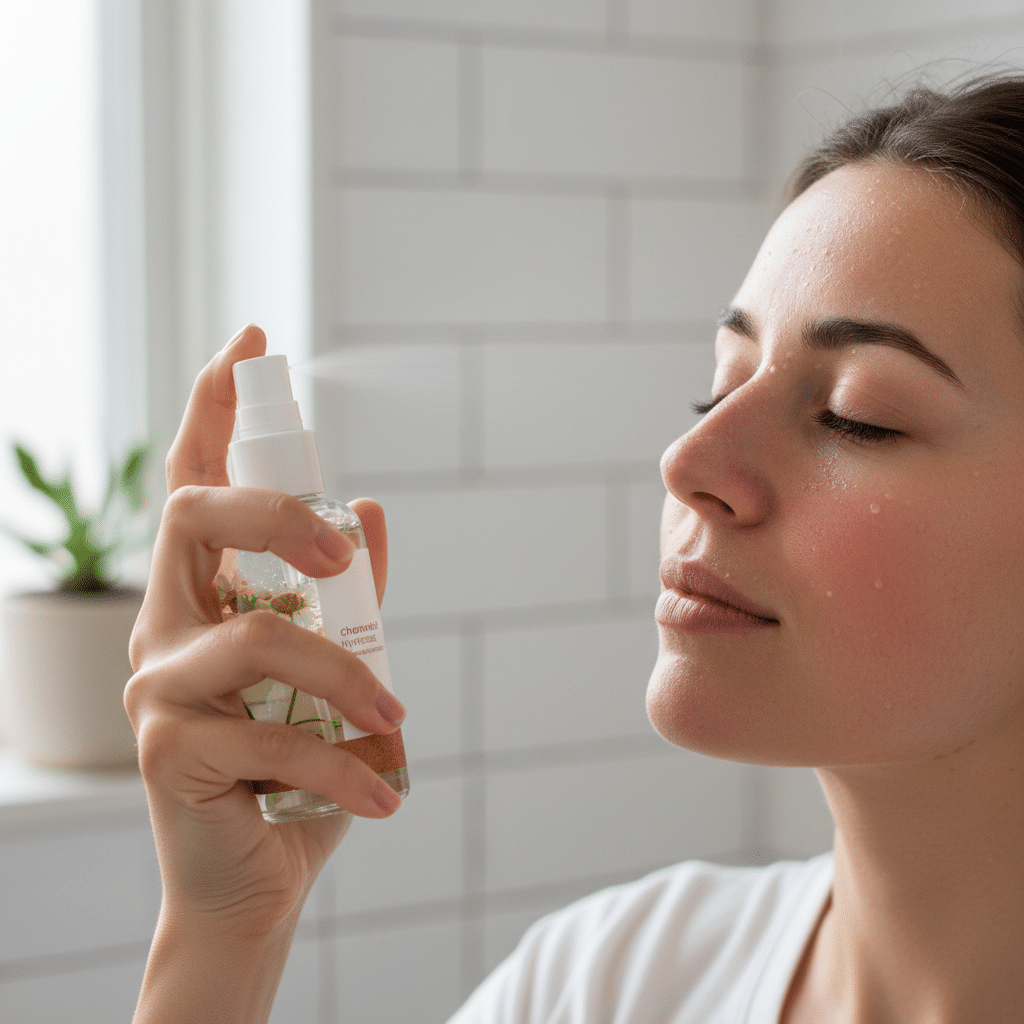
The best-known chamomile water benefits come from its soothing compounds, especially bisabolol and chamazulene. These plant compounds are linked with less redness and less skin irritation. So if your face gets mad after a hot shower, a rough cleanser, or a windy day, chamomile can be a nice little reset.
This is also why people ask, is chamomile good for rosacea? It often gets recommended as a gentle support option for redness-prone skin. Same idea for chamomile for sensitive skin and even mild eczema discomfort. It’s not a cure, but it may help skin feel less on edge.
And yes, German chamomile tends to be the favorite here because it has more of those calming compounds.
2) It brings antioxidant support
Chamomile water does more than soothe. It also gives the skin some antioxidant backup.
That matters because your skin deals with stress every day. Sun, pollution, dry air, and just plain life can all add up. Chamomile contains flavonoids like apigenin, which help fight free radicals. Free radicals are the tiny troublemakers that can speed up dullness and signs of early aging.
So when people talk about the benefits of chamomile for face, this is a big one. It may help your skin stay a little more steady and a little less tired-looking. Not bad for something that starts as a flower.
3) It may help with acne and healing
If you’re using chamomile for acne, the appeal is pretty simple. It’s gentle, and it can help with the inflammation that often comes with breakouts. Some research also points to mild antiseptic support, which means it may help keep skin feeling cleaner without that stripped, squeaky feeling nobody asked for.
It may also support skin repair. That’s one reason people use it in a DIY chamomile toner or look for a chamomile water recipe for face that fits into a calm routine. When skin is irritated, anything that helps it settle and recover is a win.
Here’s a quick look at the main perks:
| Skin concern | How chamomile water may help |
|---|---|
| Redness | Calms the look and feel of irritated skin |
| Sensitivity | Feels gentle and less harsh than many strong products |
| Acne | May help with inflammation around breakouts |
| Aging skin | Antioxidants help fight daily stress |
| Healing skin | Supports a softer, calmer recovery feel |
If you want to try how to use chamomile water on skin, a light mist after cleansing is a simple start. You can also layer it before moisturizer or blend it with other gentle options like rose water from Aroma Monk. That combo makes a lot of sense for people who want calm skin without piling on too many steps.
And if you’re making your own, keep it clean, fresh, and refrigerated. DIY sounds lovely right up until it turns weird in the fridge. Nobody needs that.
How to Use Chamomile Water for Your Specific Skin Concerns
You know that moment when your skin is fine in the morning, then by lunch it feels hot and cranky? Yeah. Been there.
Chamomile water for skin works best when you match it to what your face needs that day. And the nice part is, you don’t need a 12-step routine to do it. A simple mist or toner can do a lot of heavy lifting, especially since more people are choosing natural anti-inflammatory skincare now. The clean beauty market keeps growing for a reason, and one big one is that people want calmer, simpler products with fewer surprises.
For sensitive and rosacea-prone skin
If your skin flushes fast, chamomile water can act like a soft reset. Use it as a daily toner right after cleansing, or keep it in the fridge and spray it on when your face feels warm or tight. That cool feeling is lovely during flare-ups, and it can help visible redness feel a bit less loud.
For this skin type, calming skin with chamomile usually means less friction. No scrubbing. No strong acids. Just a gentle layer before moisturizer. If you’re asking, is chamomile good for rosacea? many people use it for that exact reason, since it tends to feel soothing and low-sting.
For acne-prone and oily skin
Chamomile for acne is a pretty common ask, and honestly, it makes sense. Breakouts often come with redness, not just clogged pores. Chamomile water can help calm that angry look without drying your face out like some harsh toners do.
Use it after cleansing, then follow with a light serum or gel moisturizer. It won’t strip your skin, which is a big deal if your face already gets oily by afternoon. Think of it as a gentle middle step, not a harsh fix. And if you like DIY, a DIY chamomile toner can fit here too, as long as it’s made cleanly and used fast.
For dry and mature skin
Dry skin likes water first. Simple.
Chamomile hydrosol benefits this skin type because it adds a light layer of moisture before the heavier stuff goes on. Mist it on damp skin, then apply hyaluronic acid, a serum, and moisturizer while the skin is still a bit wet. That helps hold in water better. Plus, chamomile brings antioxidant support, which is nice when your skin deals with sun, dry air, and city grime every day.
Here’s a simple way to think about it:
| Skin concern | How to use chamomile water | What it helps with |
|---|---|---|
| Sensitive or rosacea-prone | Daily toner or cooling mist | Redness and discomfort |
| Acne-prone or oily | Non-stripping toner after cleansing | Breakout inflammation and balance |
| Dry or mature | Mist before serum and moisturizer | Hydration and daily stress support |
A quick note here. If you’re making your own chamomile water recipe for face, keep it refrigerated and toss it fast if it smells off. Also, patch test first. Even gentle things can bug certain skin types. That’s just skin being weird.
If you already use rose water from Aroma Monk, chamomile water can sit right beside it in a calm routine. Nice combo. Simple, steady, and way less fussy than chasing every new skincare trend.## DIY Chamomile Water vs. Store-Bought: A Practical Guide
Get a quote from Aroma Monk.
Essential Oil Supplier – Bulk pricing • Samples • Fast response
You know that little panic when you’re halfway through a new skincare routine and think, “Wait… did I just make this too complicated?” Yep. Been there.
If you want chamomile water for skin, you’ve got two pretty simple paths. Make a small batch at home, or buy a ready-made chamomile hydrosol. Both can work. But they’re not the same, and the choice comes down to safety, time, and how long you want it to last.
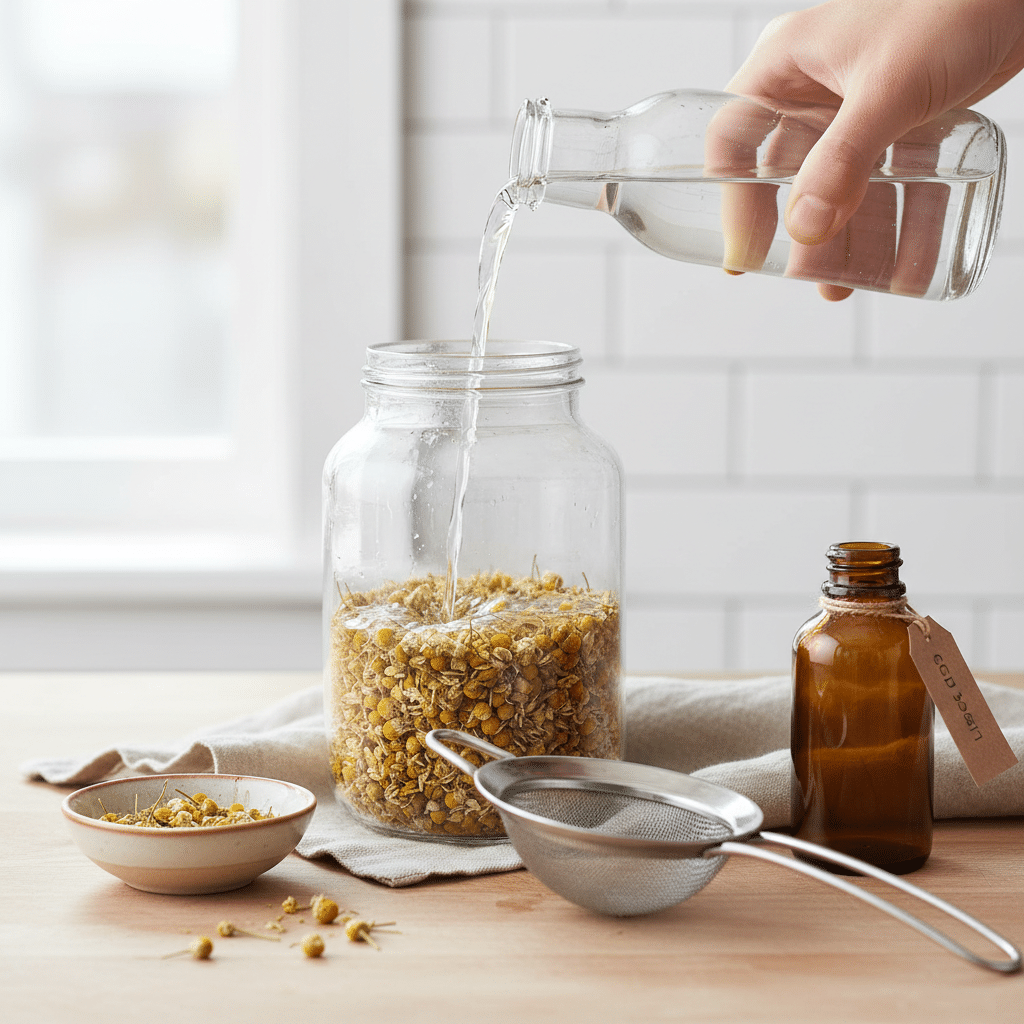
A simple DIY chamomile water recipe for face
If you’re trying a DIY chamomile toner, keep it basic. No fancy extras. No kitchen chaos.
What you need:
- 1 tablespoon dried chamomile flowers
- 1 cup distilled water
- A clean pot or heat-safe bowl
- A sterilized glass jar with a lid
- A fine strainer or clean cloth
Steps:
- Boil the distilled water.
- Add the chamomile flowers.
- Turn off the heat and let it steep for 10 to 15 minutes.
- Let it cool fully.
- Strain it well.
- Pour it into a clean dark glass jar.
- Put it in the fridge right away.
That’s it. Simple. And yes, use distilled water. Tap water can bring in stuff you do not want sitting on your face. Also, this homemade version is short-lived. Use it within 3 to 5 days, then toss the rest. If it looks cloudy, smells off, or changes color, don’t risk it.
What to look for in a store-bought hydrosol
Buying a good chamomile hydrosol is honestly easier than most people think. But label reading matters.
Look for these things:
| What to check | Why it matters |
|---|---|
| INCI name: Chamomilla Recutita Flower Water | Shows you’re getting true chamomile flower water |
| No added fragrance | Fragrance can irritate chamomile for sensitive skin users |
| Dark glass bottle | Helps protect the hydrosol from light |
| Short ingredient list | Usually a cleaner, simpler product |
If you’re shopping for calming skin with chamomile, the pure version is the best place to start. And since German chamomile is often used for inflamed skin, it’s a smart pick for redness-prone routines. A lot of people also like to keep a bottle beside rose water from Aroma Monk so they can switch it up depending on how their skin feels that day.
Easy ways to use it in real life
This is the fun part. You don’t need to save chamomile water for a perfect skincare moment.
- As a toner after cleansing: Pat it on with your hands or a cotton pad.
- As a mixing liquid for masks: Stir it into clay masks or oat masks instead of plain water.
- As an after-sun spray: Keep it in the fridge for a cool face mist.
- To dampen a makeup sponge: It gives your base a softer, less dry look.
Nice bonus? It fits into a routine without fighting everything else. That’s why so many people like natural anti-inflammatory skincare in the first place. It feels calm. Less fuss. Less sting.
A quick safety note
Patch test first. Always.
The American Academy of Dermatology suggests testing a new product on a small spot before using it on your full face AAD patch testing guide. That matters even with gentle things like chamomile, since some people who react to daisies, ragweed, or marigolds can also react to chamomile.
So start small. Watch your skin. And if your face likes it, great. You’ve got a simple tool you can actually stick with.
If you want a calmer routine, you can pair chamomile water with other gentle options like rose water from Aroma Monk. Small steps. Better skin mood. That’s the goal.
Are There Any Side Effects? What You Need to Know
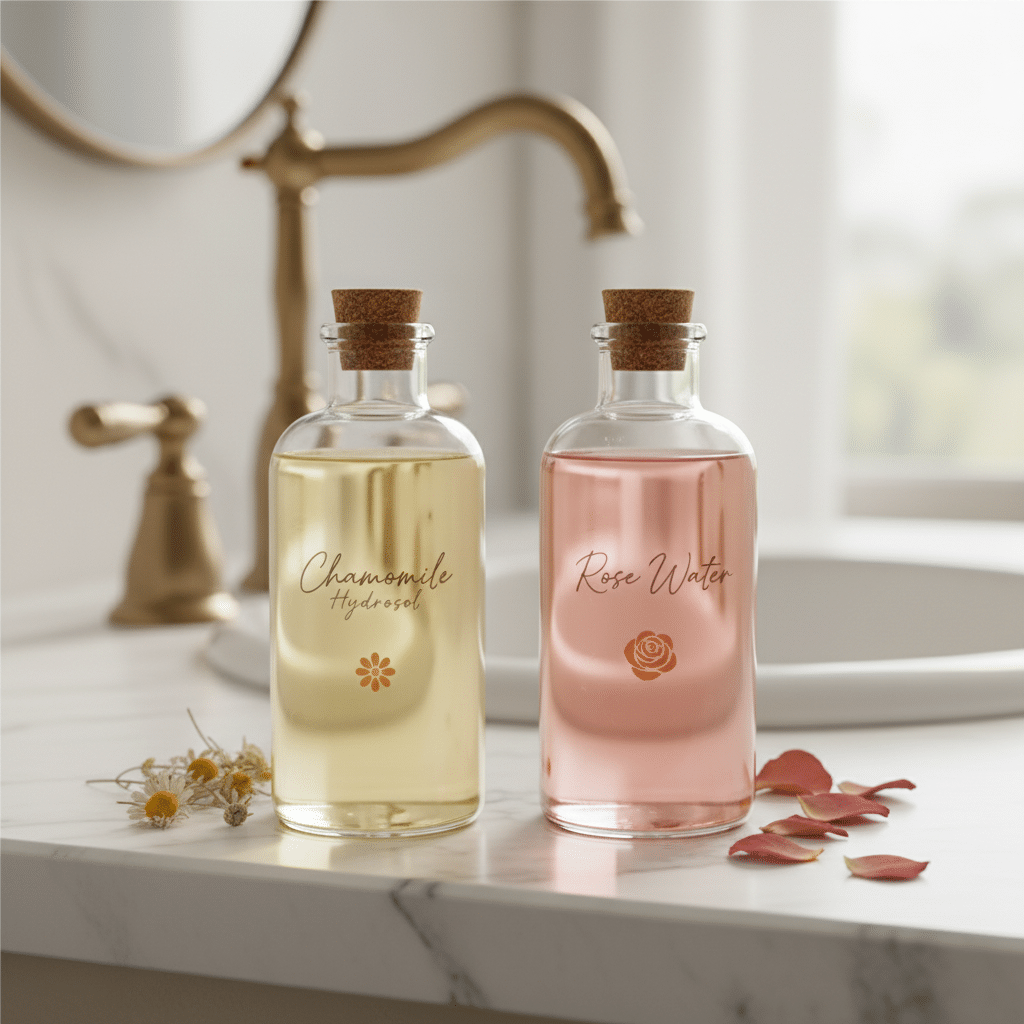
Chamomile water feels gentle. And for lots of people, it is.
But here’s the catch: even soft ingredients can bug the wrong skin. Chamomile comes from the Asteraceae family, the same plant group as ragweed, daisies, marigolds, and chrysanthemums. So if you already know you react to those, go slow with chamomile water for skin.
A reaction can look pretty plain at first. Redness. Itching. Burning. Tiny bumps. Sometimes swelling. If that happens, wash it off and stop using it right away. No need to push through and hope for the best. Your face is not a science experiment.
This is why a patch test matters so much, especially for chamomile for sensitive skin or is chamomile good for rosacea type routines. The American Academy of Dermatology says to test a new product on a small spot first, like the inner arm or behind the ear, and wait 24 to 48 hours.
Here’s a simple way to do it:
| Step | What to do |
|---|---|
| 1 | Put a small amount on the inner forearm or behind the ear |
| 2 | Leave it alone for 24 to 48 hours |
| 3 | Watch for redness, itching, swelling, or a rash |
| 4 | If it stays calm, try it on a small part of your face next |
Also, product purity matters. Pure hydrosol is usually less risky than a cheap blend with mystery extras, heavy fragrance, or undeclared ingredients. Low-quality products are more likely to trigger a reaction than a clean chamomile hydrosol.
So yes, calming skin with chamomile can be a lovely idea. Just start smart. A little patience now can save you a big flare later. And if you’re adding it to a routine with rose water from Aroma Monk, keep that first test simple and small.## Embrace the Calm: Is Chamomile Water the Right Choice for You?
If your skin acts up at the worst times, you’re not imagining it. One day it’s fine. The next day it feels red, itchy, and flat-out annoyed.
That’s where chamomile water for skin really shines. It’s simple. Gentle. And for a lot of people, it feels like a small reset button for stressed-out skin. It may help calm redness, bring a little anti-inflammatory support, and add antioxidant care too. So if you’ve been searching for natural anti-inflammatory skincare that doesn’t feel fussy, this is a pretty nice place to start.
And the best part? It fits into almost any routine. Sensitive skin. Acne-prone skin. Dry skin. Even skin that gets cranky with too many products. People have used chamomile for skin care for more than 5,000 years, and that old-school trust still makes sense today history of chamomile use. Funny how some things really do stick around.
If you’re wondering whether chamomile water is worth trying, I’d say yes, especially if your face tends to react to strong ingredients. Start with a patch test, use a pure hydrosol or a simple DIY chamomile toner, and keep it low-key. No big drama. Just a calmer step in your routine.
A soft mist can go a long way. And if it works for you, that’s one more easy win for your skin.
Try it beside your favorite gentle hydrators, or pair it with rose water from Aroma Monk for a simple, skin-friendly routine. Small steps. Better skin days. That’s the goal.
Get a quote from Aroma Monk.
Essential Oil Supplier – Bulk pricing • Samples • Fast response