
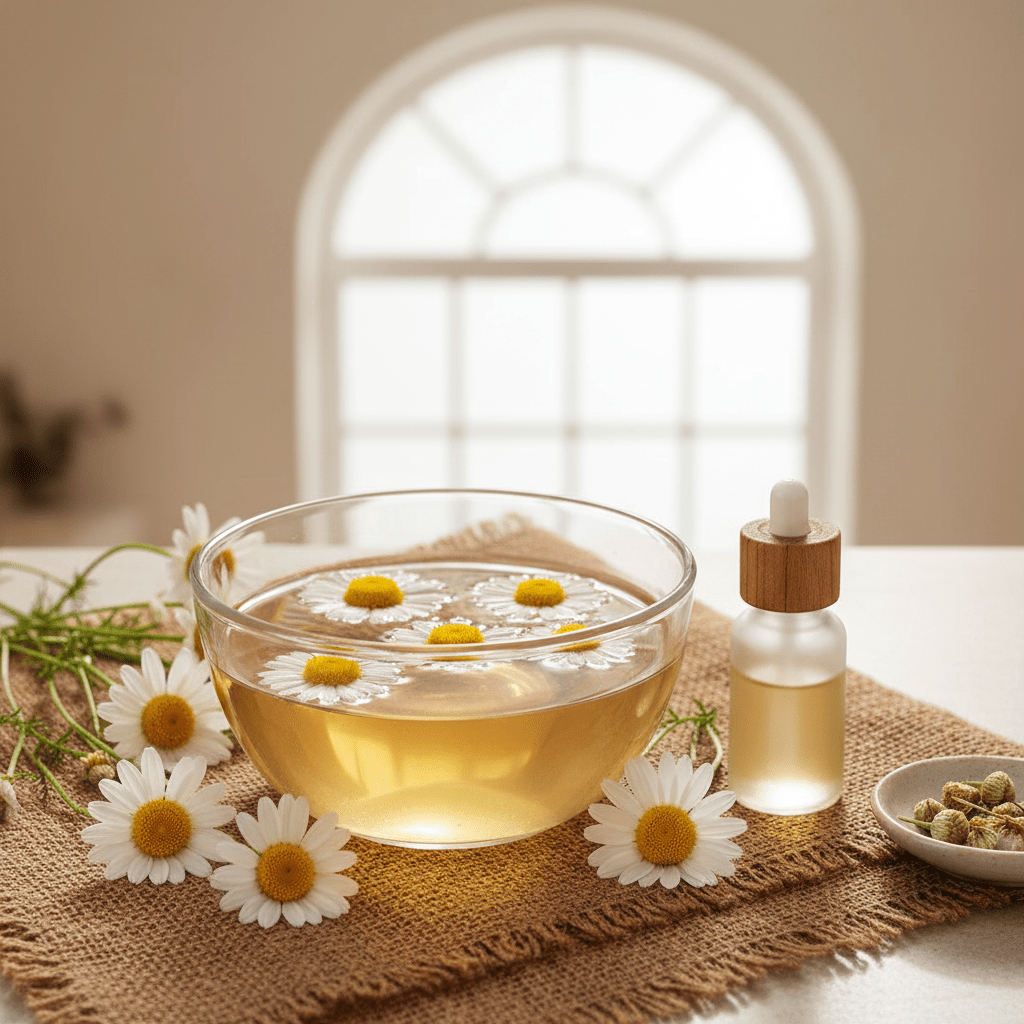
Unlock the Secret to Soothed Skin: The Gentle Power of Chamomile Water
You know that stingy, red, hard-to-ignore feeling on your face? Yeah, that one. If your skin gets angry fast, breaks out easily, or just seems to hate every new product, you’re not alone. A lot of people deal with sensitive skin now, and many are tired of “gentle” creams that still burn, itch, or leave them blotchy.
That’s why chamomile water for skin keeps showing up in DIY beauty chats. It’s simple. It’s calming. And it’s been used for ages as a natural skin soother. Newer skin research also backs up chamomile’s calming power, especially for redness and irritation. One review of plant-based skin care notes that chamomile’s key compounds help with inflammation and skin stress, which is pretty handy if your face acts like a drama queen after cleanser number two.
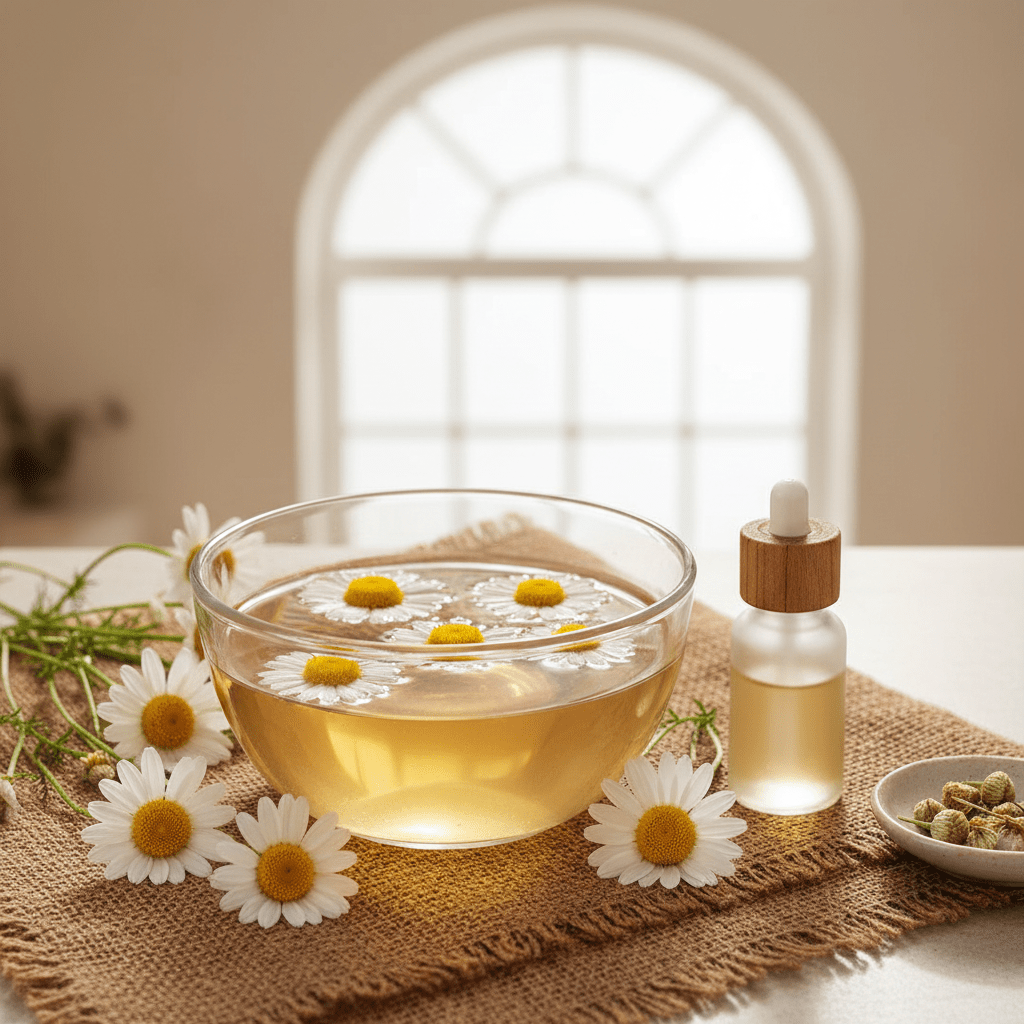
In this guide, we’ll walk through the real chamomile benefits for skin, how to make chamomile water, and a few DIY chamomile face mask ideas for dry, oily, acne-prone, and sensitive skin. Plus, we’ll keep it simple enough to use tonight, not someday when you’ve got time to play chemist in the kitchen.
If you’ve been hunting for soothing DIY skincare that feels gentle but still does something, you’re in the right place.
What Exactly is Chamomile Water and Why is it a Skincare Savior?
Chamomile water sounds fancy, right? But it’s really just chamomile flowers steeped in hot water, then cooled and used on skin. Some people call the steam-distilled version a hydrosol, and that’s a bit different. We’re keeping things simple here and talking about the homemade kind, since that’s the one most of us can make without special gear.
And honestly, that matters. A lot of people with sensitive skin are fed up with store-bought products that say “gentle” but still sting, itch, or leave skin red. Skin sensitivity is common worldwide, with about 52% of consumers now saying they have it, up from 37% ten years ago. So yeah, this is not just a tiny niche thing. It’s a real daily struggle for a ton of people.
So what’s inside chamomile water that makes it so loved? Three plant compounds do a lot of the heavy lifting:
- Bisabolol: helps calm irritation and supports skin repair.
- Chamazulene: known for its soothing, anti-redness feel.
- Apigenin: brings antioxidant support and helps skin deal with stress.
Simple words, big payoff.
These compounds work like a soft blanket for angry skin. They help ease redness, calm the look of irritation, and support the skin barrier so your face doesn’t feel so reactive all the time. That’s why chamomile for acne and redness keeps popping up in so many calming skin recipe chats. It’s not magic. But it does have some real skin-friendly power.
If you want a homemade facial toner or a DIY chamomile face mask base, chamomile tea for face care is a nice place to start. Especially if your skin tends to freak out at stronger ingredients. Plus, it fits right into soothing DIY skincare without a lot of fuss.
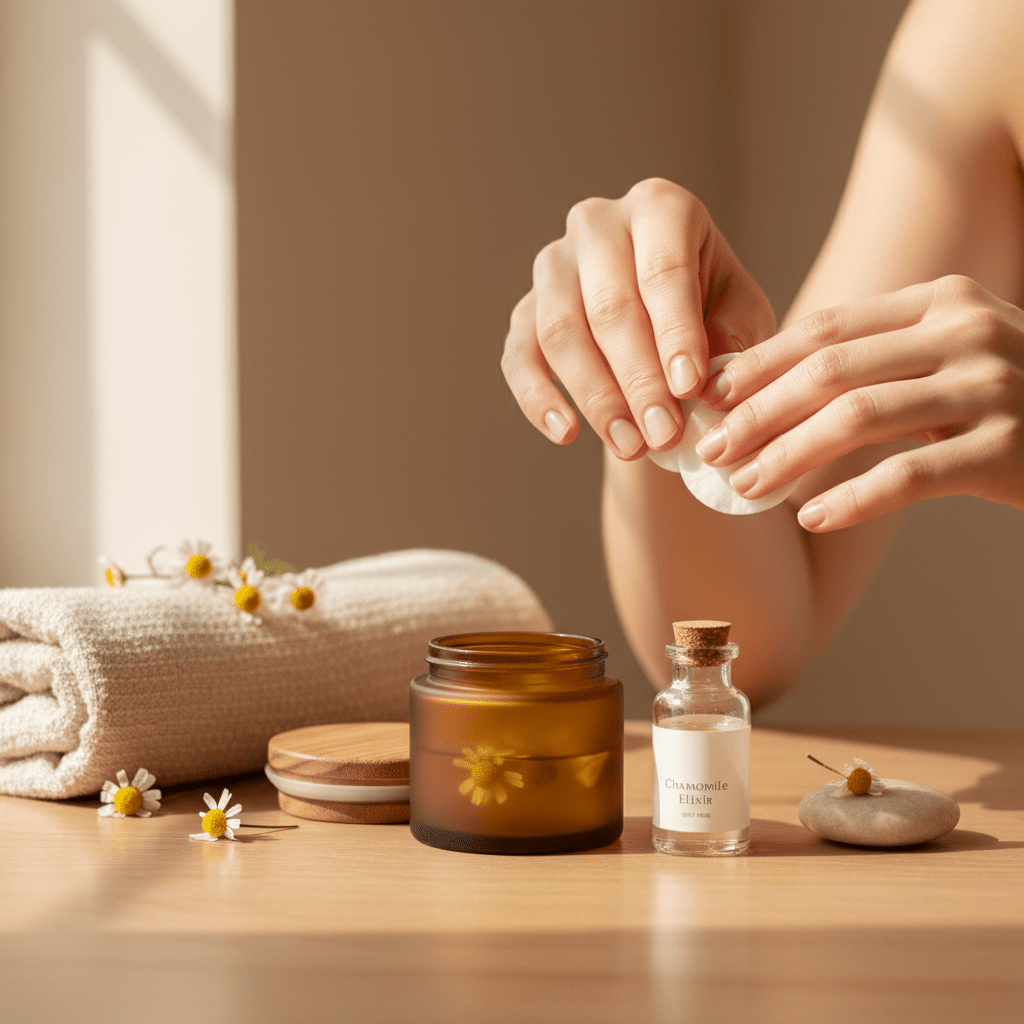
The Science-Backed Benefits of Using Chamomile Water for Skin
You know that moment when your face turns red for no good reason? Maybe after a face wash that swore it was gentle. Maybe after the weather, stress, or that one serum you trusted too fast. Been there.
That’s where chamomile water for skin starts to shine. It’s not just a cozy old home remedy. Chamomile has real skin-soothing compounds that help calm inflammation, ease redness, and support skin recovery. That matters a lot for people dealing with rosacea, eczema, or plain old irritated skin that gets mad at everything.
Plus, sensitive skin is not some tiny side note. A global skin report found that about 52% of consumers now say they have sensitive skin, up from 37% about ten years ago. And lots of people say the same thing over and over: products labeled “gentle” still sting, burn, or leave them blotchy.
Why chamomile feels so calming
Chamomile’s biggest skin perk is its anti-inflammatory action. That’s the fancy way of saying it helps settle skin that’s hot, red, or annoyed. Bisabolol, one of chamomile’s key compounds, has been studied for helping with skin barrier repair and lowering irritation. Chamazulene also helps with redness, and apigenin brings antioxidant support.
That mix is a big deal for reactive skin. If your cheeks flush easily or your face feels tight after cleansing, chamomile tea for face care can feel like a small reset. Not a miracle. Just a calmer baseline.
Can it help acne too?
Yep, it can help there as well. Chamomile has gentle antiseptic and antibacterial qualities, so it may support skin that breaks out without being too harsh. That’s why chamomile for acne and redness keeps popping up in so many DIY chamomile face mask recipes.
And honestly, that balance is the appeal. A lot of acne products go in hard. Strong acids. Strong drying agents. Then your skin gets angry, and the whole thing turns into a mess. Chamomile water is softer. It won’t replace acne treatment for everyone, but it can be a nice calming step in soothing DIY skincare.
What about aging and skin stress?
Chamomile also brings antioxidant support. That helps fight free radicals, which are the tiny troublemakers linked to skin stress and early signs of aging. In simple words, antioxidants help skin deal with daily wear and tear from sun, pollution, and just life in general.
It may also help skin repair itself after irritation. That’s part of why chamomile water works well as a homemade facial toner or a base for a calming skin recipe. If your skin gets puffy, blotchy, or tired-looking, this little botanical can be a nice helper.
A quick reality check
Chamomile is gentle, but it’s still a plant. If you’re allergic to ragweed, daisies, or other Asteraceae plants, be careful. Patch test first. Always. And if you’re making it at home, use it fresh. Homemade infusions usually last only 3 to 5 days in the fridge before spoilage becomes a risk.
So yes, chamomile benefits for skin are real. It calms, soothes, and supports skin that needs a break. And for a lot of us, that’s exactly what we’ve been looking for.
How to Make Your Own Potent Chamomile Water at Home (Simple Step-by-Step)
You know that weird moment when a store-bought mask promises calm skin, but your face feels hotter after five minutes? Yeah. That’s usually the sign we need a simpler path.
And if you’re making chamomile water for skin at home, the good news is this: it takes just a few ingredients, a small pot, and about 15 minutes.
What you’ll need
| Ingredient | Amount | Notes |
| Dried chamomile flowers | 2 tablespoons | Best for a stronger infusion |
| Or chamomile tea bags | 2 tea bags | Handy, but usually milder |
| Water | 1 cup | Distilled is best, filtered tap water also works |
| Cheesecloth or fine mesh sieve | 1 | For straining |
| Clean glass jar | 1 | For cooling and storing |
If you can, use dried chamomile flowers instead of tea bags. The flowers usually give you a richer chamomile tea for face use. Tea bags are fine in a pinch, but they often hold smaller bits, so the infusion can be weaker.
Step-by-step: how to make chamomile water
Heat 1 cup of water until it’s just below boiling. You want it hot, around 90 to 95°C if you’re using a thermometer. If not, just bring it to a boil, then let it sit for 30 seconds.
Add 2 tablespoons of dried chamomile flowers to the water.If you only have tea bags, use 2 bags instead. Place them in a heat-safe cup or bowl.
Cover the cup or bowl and let it steep for 10 minutes.This helps keep the good stuff in the water instead of letting it escape with the steam. Stronger infusion. Better for a DIY chamomile face mask or homemade facial toner.
Strain the liquid through a fine mesh sieve or cheesecloth.Don’t skip this part. Tiny flower bits can get annoying on skin, especially if you’re already dealing with redness or breakouts.
Let the chamomile water cool fully before using it.Warm is fine for steeping. But for masks, you want it cool or room temp. Nobody wants a surprise heat wave on tender skin.
Use it right away or store it in the fridge in a clean glass jar.Fresh is best. Homemade chamomile water usually keeps for only 3 to 5 days in the fridge before it can go off.
A few small tips that help
- Use distilled water if you can. It helps keep the mixture cleaner.
- Make a small batch. Don’t stockpile it like soup.
- If the water smells sour, looks cloudy, or grows mold, toss it.
- Do a patch test on your inner arm or behind your ear before putting it on your face.
That’s the whole thing. Simple, right?
And once you’ve got your fresh chamomile water ready, you can use it as a calming skin recipe base for masks, toners, or spot care. If you want to keep your routine even more soothing, pairing it with a lab-tested floral water or carrier oil from a trusted supplier like Aroma Monk can make your DIY skin care feel a lot less random and a lot more polished.
Actually, wait, there’s one more thing. If you have ragweed or daisy allergies, go slow. Chamomile belongs to that same plant family, so it can bother some people. Better safe than sorry.
Get a quote from Aroma Monk.
Essential Oil Supplier – Bulk pricing • Samples • Fast response
3 DIY Chamomile Water Face Mask Recipes for Every Skin Concern
You know that feeling when your skin just wants a truce? Not a 12-step routine. Not a fancy serum with a name you can’t pronounce. Just something soft that doesn’t fight back.
That’s why a DIY chamomile face mask can be such a nice fix. Chamomile water for skin has become a go-to because so many people are tired of products that say “for sensitive skin” and still leave them red, itchy, or hot. And yeah, the numbers back that up too. Around 52% of consumers now say they have sensitive skin, up from 37% about ten years ago. So if your face gets dramatic fast, you’re in crowded company. Sensitive skin trend data
Here are three calming skin recipe ideas you can try at home.
1) Soothing and calming mask
This one is for days when your skin feels cranky, flushed, or plain over it.
Mix:
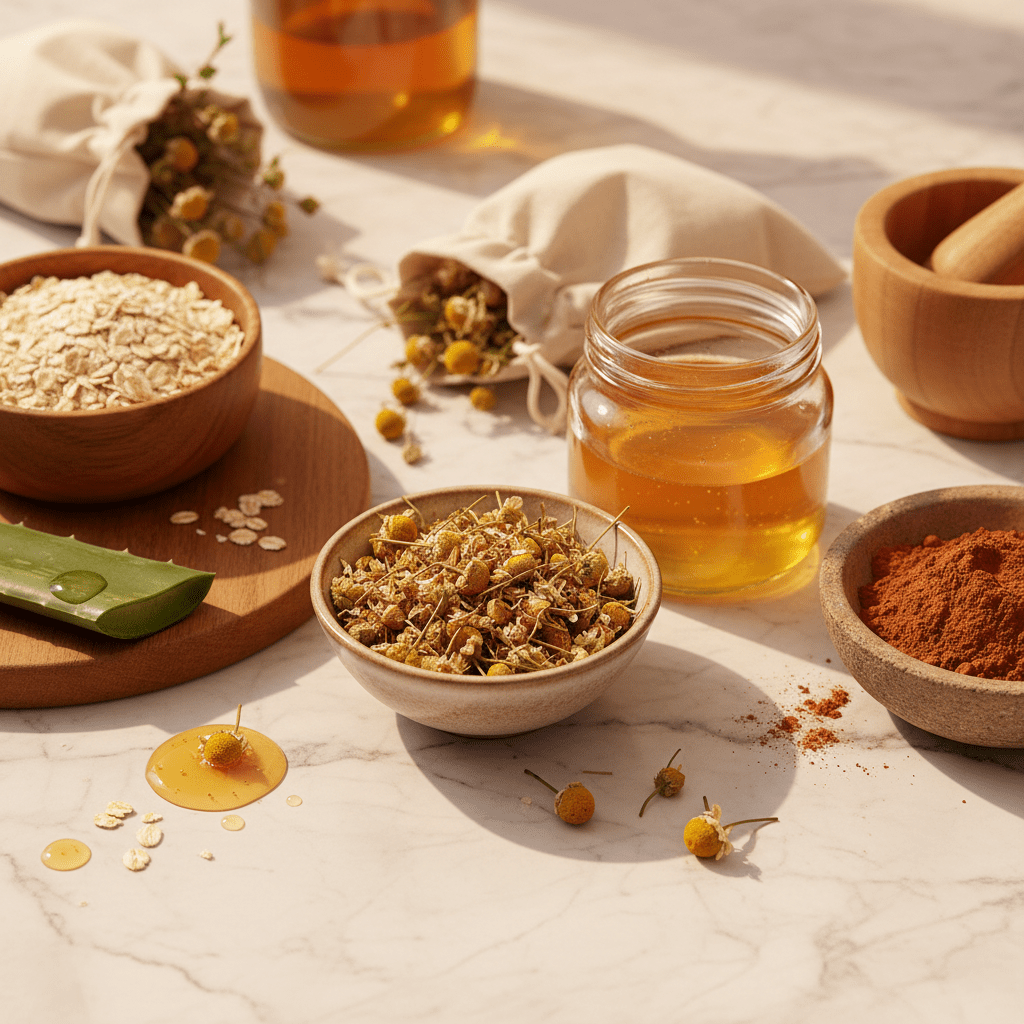
- 2 tablespoons chamomile water
- 1 tablespoon colloidal oatmeal
- 1 teaspoon honey
Why it works:
- Chamomile water helps calm the look of redness and irritation.
- Colloidal oatmeal is like a soft blanket for stressed skin. It helps ease dryness and itchiness.
- Honey brings a gentle, skin-loving feel and can help support skin that feels raw or upset.
Stir it into a smooth paste. Put it on clean skin for 10 to 15 minutes. Rinse with cool water. Nice and simple.
If your cheeks get blotchy after cleansing, this is probably the first one to try. It feels very much like a natural skin soother, which is the whole point.
2) Hydrating and brightening mask
This one is for dry skin that looks tired, dull, or a little flat.
Mix:
- 2 tablespoons chamomile water
- 1 teaspoon aloe vera gel
- 1/2 teaspoon hyaluronic acid serum, or a tiny pinch of hyaluronic acid powder if you already know how to use it safely
Why it works:
- Chamomile water helps keep the mix calm and soft.
- Aloe vera brings a cool, watery feel that can help skin feel less tight.
- Hyaluronic acid pulls water into the skin, so your face can look plumper and less parched.
This combo makes a nice homemade facial toner base too, if you want to turn it into a lighter leave-on mix. The feel is fresh, not heavy. Great for mornings when your skin looks like it stayed up too late.
A small tip: if you’re using hyaluronic acid powder, go slow. A tiny amount goes a long way. Too much and you get a sticky mess. Nobody needs that.
3) Acne-fighting and clarifying mask
Now for the breakout days. The ones where your pores seem to stage a protest.
Mix:
- 1 tablespoon bentonite clay
- 1 to 2 tablespoons chamomile water
- 1 drop tea tree oil, mixed in well
Why it works:
- Bentonite clay helps pull out extra oil and buildup from pores.
- Chamomile water keeps the mask from feeling too harsh and brings a calmer touch.
- Tea tree oil may help with blemish-prone skin, but only in tiny amounts.
Make a spreadable paste, not a dry brick. Leave it on for 5 to 8 minutes, then rinse before it gets tight. That last part matters. Clay can go from helpful to annoying fast.
This is the one people often reach for in chamomile for acne and redness routines. And it makes sense. You get a clarifying feel without going full desert mode on your face.
Quick mask guide
| Skin concern | Best mix | Main feel |
| Red or irritated skin | Chamomile water + colloidal oatmeal + honey | Soft, calming, cozy |
| Dry or dull skin | Chamomile water + aloe vera + hyaluronic acid | Hydrating, plumping, fresh |
| Breakouts and oily skin | Chamomile water + bentonite clay + tea tree oil | Cleansing, balancing, clarifying |
A few safety notes before you start
And this part really matters.
- Patch test every new mask on your inner arm or behind your ear for 24 to 48 hours.
- Skip chamomile if you react to ragweed, daisies, marigolds, or other Asteraceae plants.
- Don’t mix chamomile water with strong acids in the same mask.
- Keep tea tree oil low. A little bit is enough.
- Use homemade chamomile water fast. It usually keeps only 3 to 5 days in the fridge.
If you want to keep making soothing DIY skincare at home, this is a good place to start. And if you’re building products for a spa, beauty brand, or wellness line, clean botanicals and pure floral waters matter even more. That’s where trusted ingredients, like lab-tested rose water and pure essential oils from suppliers such as Aroma Monk, can make your formulas feel much more polished.
Simple ingredients. Real comfort. That’s the charm here.
Best Practices: How to Apply, Store, and Get the Most from Your DIY Masks
You know what trips people up? Not the mask recipe. It’s the little stuff. A great DIY chamomile face mask can still feel messy, weak, or weird if you slap it on the wrong way or keep it too long. Been there.
First, patch test. Always. Put a tiny bit on your inner arm or behind your ear and wait 24 to 48 hours. If it burns, itches, or turns red, stop right there. No face time.
After that, start with a clean face. Use your regular gentle cleanser, then apply the mask in a thin layer. Ten to 15 minutes is usually enough. Don’t leave it on until it dries into a crusty science project. Rinse with lukewarm water, then pat dry with a soft towel.
For homemade chamomile water, storage is a short-game thing. It has no preservative, so make small batches only. Keep it in an airtight dark glass bottle or jar in the fridge, and use it within 3 to 5 days. If it smells sour, looks cloudy, or seems off, toss it. No second chances.
Here’s a quick guide:
| Skin type | How often to use |
| Sensitive or red skin | 1 time a week |
| Dry or dull skin | 1 to 2 times a week |
| Oily or acne-prone skin | 1 to 2 times a week |
And if your skin is very reactive, start once a week and see how it goes. That’s the smart move.
One more thing. Don’t mix chamomile water with strong acids or lots of essential oils in the same mask. Keep it calm. That’s the whole charm of chamomile water for skin. Soft, simple, and kind of soothing in the best way.
Are There Any Risks? Potential Side Effects and Precautions
Chamomile water for skin can feel like a tiny relief. But it’s not for everyone.
The biggest risk is allergy. Chamomile belongs to the Asteraceae family, the same plant group as ragweed, daisies, marigolds, and chrysanthemums. If those plants make you sneeze, itch, or break out, go slow. Really slow. Patch test first on your inner arm or behind your ear, then wait 24 to 48 hours before using it on your face.
And don’t use old chamomile water. Homemade infusions can go bad fast. If it smells sour, looks cloudy, or has any mold, toss it. Fresh batches usually last only 3 to 5 days in the fridge.
One more thing. Use high-quality, organic chamomile flowers if you can. That helps lower the chance of pesticide leftovers in your DIY chamomile face mask or homemade facial toner. If you’re building a calming skin recipe at home, clean ingredients matter.
| Risk | What to watch for |
| Allergy | Redness, itching, swelling, or burning |
| Spoilage | Sour smell, cloudiness, mold |
| Low-quality flowers | Possible pesticide residue |
So yes, chamomile benefits for skin are real. Just keep the safety part simple. Fresh batch. Patch test. Good flowers. That’s the smart way to keep soothing DIY skincare actually soothing.
Embrace Calm: Your Journey to Naturally Radiant Skin
Chamomile water for skin keeps things simple. And that’s kind of the charm. When your face feels hot, blotchy, or plain annoyed, a soft DIY chamomile face mask can feel like a little reset button.
We’ve seen why this herb gets so much love. It helps soothe, calm, and support stressed skin, thanks to its anti-inflammatory and antioxidant compounds. So if you’ve been stuck with products that promise “gentle” but still sting, maybe it’s time to try a calmer path.
Start with one recipe. The soothing one is a great first pick. Or go for the hydrating mix if your skin feels dry and tired. Simple ingredients. Real comfort. That’s the sweet spot.
If you try one, tell us how it went in the comments. And if you want more easy natural skincare ideas, keep exploring the blog. Your skin might just thank you for it.
Get a quote from Aroma Monk.
Essential Oil Supplier – Bulk pricing • Samples • Fast response