
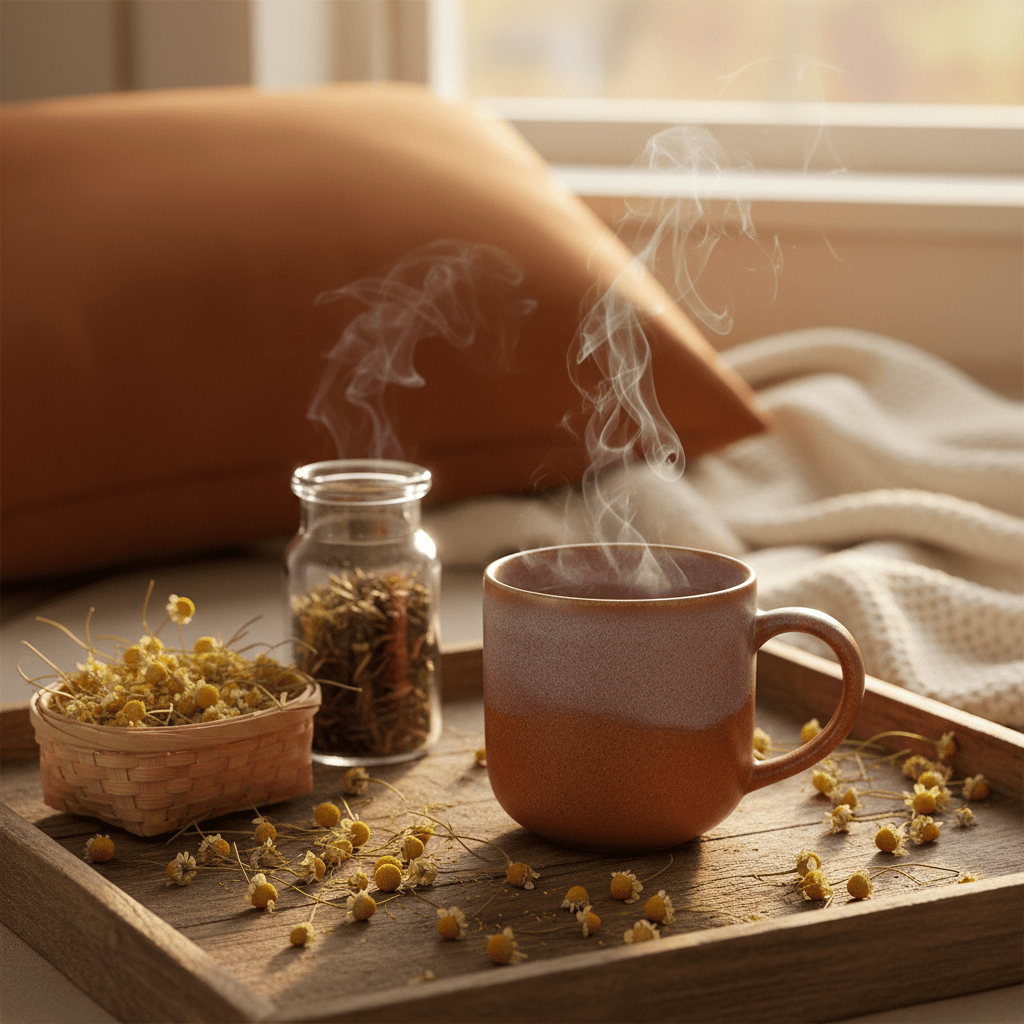
The Tale of Two Chamomiles: Unpacking the Hype Around Chamomile Water and Tea
Ever notice how one little flower keeps showing up everywhere? In sleepy teas, skin sprays, fancy face mists, and those calm little wellness posts your friend keeps sharing. Chamomile has been doing its thing for a long time, and people still can’t get enough.
Now there’s a new buzzword in the mix: chamomile water. Is it the same as tea? Is it better for skin? Can you drink it? And what’s the deal with chamomile hydrosol versus the stuff you steep in a mug?
Here’s the thing. These two forms are not the same, even if they sound similar. Chamomile tea is usually about sipping and soothing. Chamomile water is often used for skin care, and that can mean a true hydrosol or a floral water blend, which is a pretty big difference.
So we’re going to keep this simple and useful. We’ll look at chamomile water for skin, the benefits of chamomile tea, and where each one fits best in real life. We’ll also touch on DIY chamomile water, how to use chamomile water, and the big question: is chamomile water safe to drink?
By the end, you’ll have a clear, science-backed way to pick the right chamomile form for your routine. Skin. Sleep. Stress. Hair. Maybe even your next product idea if you’re building a beauty brand. Let’s sort it out together.
The Classic Brew: What Exactly Is Chamomile Tea?
Picture this: it’s late, your phone won’t stop buzzing, and your brain is still replaying a tiny awkward moment from 4pm. A cup of chamomile tea starts to sound pretty nice, right?
That’s the whole charm of it. Chamomile tea is the simple old-school brew made by steeping dried chamomile flowers, usually Matricaria recutita or Chamaemelum nobile, in hot water. No fancy tricks. Just flowers, heat, and a little patience.
The basic process is easy:
- Add dried chamomile flowers to a cup.
- Pour in hot water, usually just off a boil.
- Let it sit for 5 to 10 minutes.
- Strain and sip.
A covered cup helps keep the good-smelling plant bits from drifting away with the steam. And yes, that part matters more than people think.
Chamomile tea has long been used as an internal remedy for sleep, digestion, and calm nerves. People reach for it after a heavy meal, before bed, or on days when stress feels a little too loud. It’s not magic. But it does have a real place in the wellness cupboard.
The soothing effect comes from plant compounds released during steeping. The best-known one is apigenin, a flavonoid that’s been linked to a mild calming feel. Chamomile tea also contains other flavonoids and terpenoids, which help give it that gentle, earthy profile and its soft wellness reputation. A recent review notes that chamomile is still one of the most used herbal teas worldwide, with modest support for anxiety relief and mixed results for insomnia, especially as a standalone fix research review on chamomile tea use.
Here’s the deal though: tea is mostly about what happens inside the body. That’s what makes it different from chamomile water for skin or chamomile hydrosol. Same flower, different job.
And if you’re brewing it for sleep, don’t rush. Hot, but not wild-boiling. Five minutes is decent. Seven to ten is better if you want a stronger cup. Simple. Cozy. Pretty much the whole point.
The Modern Mist: Demystifying Chamomile Water (Hydrosol)
You know that moment when a product sounds simple, but it turns out to be a little fancier than you thought? Yep. Chamomile water is like that.
Most of the time, chamomile water means chamomile hydrosol. That’s the soft, aromatic water that’s made during steam distillation when chamomile flowers are used to make essential oil. So it’s not just plain water with a flower vibe. It’s the watery side of the distillation process, and it carries tiny amounts of plant compounds that are water-soluble.
And no, it’s not the same as cooled chamomile tea. That’s a mix-up people make all the time. Tea is brewed, then strained. Hydrosol comes from distillation. Different process, different makeup, different use.
Here’s the other big difference. A true hydrosol is not water with a few drops of essential oil stirred in. That’s a shortcut version, and it’s not the real thing. True chamomile hydrosol contains its own gentle plant compounds, like certain acids, flavonoids, and other soft botanical bits that don’t show up in the oil the same way. The steam process pulls out a trace amount of essential oil too, but the water part is doing its own job.
That’s why people use chamomile water for skin. It’s often sprayed on as a facial mist, used as a toner, or added into lotions and creams for a calm, fresh feel. If your skin gets red, hot, or cranky, this is the form folks usually reach for first. It tends to feel lighter than oils, and way less fussy than a full cream.
A true hydrosol also has a more skin-friendly pH than brewed tea, which is one reason formulators like it in skincare. And yes, the market for chamomile-based beauty products keeps growing as more brands look for gentler, plant-based ingredients for hydrosol basics and beauty use.
| Form | How it’s made | Best use | Texture |
| Chamomile tea | Steeping dried flowers in hot water | Drinking, calm, bedtime | Warm and plain |
| Chamomile hydrosol | Steam distillation during essential oil making | Skin mist, toner, lotion ingredient | Light and aromatic |
| Floral water blend | Water plus fragrance or added oil | Often cosmetic use | Varies a lot |
If you’re shopping or making products, read the label closely. Look for Chamomilla recutita flower water or a similar botanical name. That’s usually a better sign than a vague “floral water” label. And if you’re a brand owner or formulator, this is where a trusted bulk supplier matters a lot. Aroma Monk, for example, works with natural raw materials and lab-tested ingredients for beauty and personal care lines, which helps when you need consistent quality and traceability.
One more thing. Chamomile hydrosol is meant for topical use unless the seller clearly says it’s food-grade and gives proof. So if you’re asking, is chamomile water safe to drink? The answer is usually no, not unless it’s specifically made and labeled for that purpose.
At a Glance: Key Differences in Production, Potency, and Application
If you’ve ever brewed chamomile tea and thought, “Well, that seems easy enough,” you’re not wrong. Tea is the simple one. Chamomile water is the trickier cousin.
Here’s the quick split:
| Factor | Chamomile Tea | Chamomile Water / Hydrosol |
| How it’s made | Dried flowers steeped in hot water | Steam distillation during essential oil making |
| Main use | Drinking | Skin mist, toner, cosmetic blend |
| Compound mix | Wide mix of plant compounds for sipping | Water-soluble plant bits for topical use |
| Feel | Warm, cozy, internal support | Light, fresh, gentle on skin |
| Shelf life | Best used right away | Often 12 to 24 months if preserved well |
That production difference matters a lot. Tea is made in your kitchen in about 5 to 10 minutes. Chamomile hydrosol takes a distillation setup, clean equipment, and careful storage. It’s a much bigger process, which is why true chamomile water for skin usually comes from a maker, not a mug.
Potency is different too. Chamomile tea carries a broader mix of compounds, including apigenin, that make sense for drinking and bedtime routines. Hydrosol has a smaller, softer mix of water-soluble plant compounds, so it tends to work best on the skin. Gentle. Low fuss. Good for a mist, not a bedtime drink.
And then there’s shelf life. Brewed tea is a use-it-now situation. Leave it sitting out, and it’s just not the same. A properly made chamomile hydrosol, on the other hand, can stay stable for 12 to 24 months when it’s stored and preserved the right way. That’s a big reason product makers like it for sprays, toners, and calming formulas.
So if you’re asking about chamomile tea vs hydrosol, think this way: tea is for sipping, hydrosol is for spritzing. One helps from the inside. The other stays on the outside.
And if you’re building a skin or wellness product line, that split helps a lot. You’ll know whether you need a brewing ingredient, a cosmetic raw material, or maybe both. For B2B sourcing, Aroma Monk’s lab-tested natural oils and floral waters can fit right into that kind of product planning.
If you want, the next step is usually simple: check the label, check the source, and check whether the product is meant for skin or food. No guessing. No weird surprises.
Get a quote from Aroma Monk.
Essential Oil Supplier – Bulk pricing • Samples • Fast response
For Your Skin: The Definitive Guide to Using Chamomile Topically
You know that weird moment when your face feels hot, your cheeks look a little red, and every product in the bathroom suddenly seems too harsh? Been there. That’s usually where chamomile water starts to look very appealing.
For skin, chamomile hydrosol is usually the better pick. It’s light, gentle, and made for topical use. People often use it as a toner after cleansing because it can help calm the look of redness, especially for skin that gets cranky with acne, rosacea, or just too much sun and stress. Plus, its mild acidic pH is a better fit for skin than brewed tea, which is one reason formulators like it in sprays and face mists hydrosol basics and skincare use.
Here’s the simple way to think about it:
- Chamomile hydrosol: best for daily skin care
- Chamomile tea: better for DIY extras like compresses or steams
- Both: gentle, but not the same strength or stability
Chamomile tea can still have a place on your skin. People use it for facial steams, puffy-eye compresses, or even a hair rinse. I’ve seen folks use cooled tea on blonde hair to give it a soft, brighter look. Does it work like a salon toner? No. But it can leave hair feeling fresh, and that’s not nothing.
The catch is shelf life and consistency. Tea changes fast. It can spoil, and the strength shifts from cup to cup. Chamomile water for skin, especially a true hydrosol, is much more stable and usually easier to build into a routine.
How to use chamomile water in your daily routine
- Cleanse your face.
- Pat skin dry, but leave it a little damp.
- Spritz chamomile water onto your face or onto a cotton pad.
- Let it sink in for 30 seconds.
- Follow with your serum or moisturizer.
That’s it. Simple. If your skin feels extra dry, you can mist it again before moisturizer. And if you’re using it on reactive skin, patch test first. Chamomile can be soothing, but some people with ragweed or Asteraceae allergies can still react.
Easy chamomile tea ice cubes for puffy eyes
This is one of those old-school tricks that still hangs around for a reason.
- Brew a strong cup of chamomile tea.
- Let it cool fully.
- Pour it into a clean ice cube tray.
- Freeze overnight.
- Wrap one cube in a soft cloth and hold it near puffy under-eyes for a minute or two.
Don’t press hard. And don’t leave it on too long. Cold is the point, not frostbite.
If you’re comparing chamomile tea vs hydrosol for skin, here’s the short answer: hydrosol usually wins for everyday use, while tea is better for one-off DIY moments. If you want a calmer-looking routine, the water-based floral mist is the more practical choice. If you want to experiment at home, tea can still be fun.
And if you’re building a product line, this is where sourcing matters. Aroma Monk’s lab-tested natural ingredients and bulk supply options can help beauty and wellness brands create cleaner, more reliable formulas without the guessing game.
For Your Body: Internal Consumption and Safety
If you’ve ever stood in the kitchen holding a mug and a spray bottle and thought, “Wait… can I drink this too?” you’re not alone. Chamomile gets confusing fast.
Here’s the clean answer: chamomile tea is the safe, familiar choice for drinking. It’s the form that has the most traditional use and the best support for calming the body, easing stress, and helping with digestion. Tea is where the benefits of chamomile tea really shine. The apigenin and other plant bits released during steeping are part of why people reach for it before bed or after a heavy meal recent chamomile tea review.
But chamomile water, especially chamomile hydrosol, is a different story.
Most hydrosols are sold for cosmetic use, not for sipping. They’re made for skin, not tea cups. And because they’re water-based, they can pick up germs if they’re not made, stored, and tested the right way. So if you’re asking, is chamomile water safe to drink, the answer is usually no unless the label clearly says food-grade and the supplier can back that up.
That “natural” label can fool people. A lot. Natural does not automatically mean food-safe. A floral water can be fine for a face mist and still be the wrong thing to drink. Different rules. Different testing. Different job.
Quick guide
| Form | Safe to drink? | Best use |
| Chamomile tea | Yes | Sleep, calm, digestion |
| Chamomile hydrosol | Usually no | Skin spray, toner, cosmetic formulas |
| Food-grade chamomile distillate | Sometimes | Only if the supplier proves it |
If you’re looking at a bottle of chamomile water for skin, check for a real botanical name, batch info, and a clear use statement. If it only talks about glowing skin and fresh scent, keep it off the stove and out of your glass.
For product makers, this split matters even more. A cosmetic hydrosol and a food ingredient are not the same thing, and regulators treat them that way too. So if you’re formulating a wellness drink, stick with ingredients that are built for internal use. If you’re building a mist or toner, chamomile hydrosol may be the better fit.
And if you’re sourcing bulk natural ingredients for skin, fragrance, or wellness products, Aroma Monk can help with lab-tested supplies and dependable delivery. That kind of traceability saves a lot of headaches later.
Bottom line? Drink the tea. Spritz the hydrosol. Don’t mix them up just because both came from a flower.
Tea or Water? Choosing the Right Chamomile for Your Routine
So here’s the easy answer. If you want something to drink, reach for chamomile tea. If you want something to put on your skin, pick chamomile water or a true chamomile hydrosol.
That split clears up most of the confusion right away. Tea is for calm from the inside. Hydrosol is for a soft spritz on the outside. Same flower. Different job. And honestly, that’s what makes chamomile so handy.
Feeling stressed? Brew a cup.
Skin feeling hot or a little annoyed? Mist with chamomile water for skin.
Want a simple bedtime habit? Tea usually makes more sense. Want a light face mist in your bag? Hydrosol is the one to look for.
Here’s a quick cheat sheet:
| If you want… | Choose… | Best use |
| To sip and unwind | Chamomile tea | Sleep, stress, digestion |
| To calm skin | Chamomile water / hydrosol | Toner, mist, post-cleansing care |
| To try DIY at home | Chamomile tea | Compresses, steams, ice cubes |
| To make a beauty product | Chamomile hydrosol | Skincare formulas and sprays |
And a little caution matters here. Is chamomile water safe to drink? Usually not, unless the bottle clearly says food-grade and gives proof from the maker. Cosmetic hydrosols are made for skin, not mugs.
The nice part is, you don’t have to choose one forever. Use both in the right place, and chamomile becomes a pretty flexible part of your self-care routine. Tea on tired nights. Water on irritated skin. Simple. Friendly. No drama.
Plus, it’s a flower with range. From benefits of chamomile tea to DIY chamomile water, from chamomile benefits for hair to calming face mists, there’s a lot you can do with it if you know which form you’re holding.
If you’re buying for your own routine, read the label first. If you’re sourcing for a brand, look for clean supply, lab-tested quality, and clear use directions. Aroma Monk works with natural ingredients like essential oils, attars, and rose water for beauty and wellness products, so it makes sense to keep quality front and center there too.
Chamomile isn’t just one thing. It’s a small plant with two very different jobs. Once you get that, choosing gets way easier.
Get a quote from Aroma Monk.
Essential Oil Supplier – Bulk pricing • Samples • Fast response