
Why This Overlooked Ingredient is Your Skin’s Hydration Hero
Ever put on moisturizer, then 20 minutes later your face still feels tight? Yep, been there. Dry, flaky, thirsty skin can show up on oily skin, combo skin, and mature skin too. It does not play favorites.
That’s where glycerine for skin steps in. It’s a simple, low-key ingredient that shows up in tons of top skincare products, but people often skip right past it. Funny enough, it’s one of the workhorses in the whole routine. Glycerine is a humectant, which means it pulls water toward the skin and helps keep it there. Research on glycerin as a skin humectant explains why it keeps popping up in hydrating formulas.
And here’s the thing. We’re not talking about a trend ingredient that sounds nice on a label. We’re talking about real skin support. In this article, we’ll look at the science-backed glycerin skin benefits, how to use glycerine on face products the smart way, and why glycerine for dry skin can be such a solid pick. Plus, we’ll touch on glycerine vs hyaluronic acid, overnight use, and a few easy ways to spot a good formula.
Simple. Practical. Worth knowing.
1. Provides Intense, Deep-Layer Hydration
Ever notice how some skin drinks up moisture fast, while other skin just sits there looking cranky? That’s usually the moment glycerine for skin starts to shine.
This ingredient works like a water magnet. As a glycerine humectant, it pulls water from the air and also from the deeper layers of skin up into the outer layer, which helps dry skin feel less tight and rough. And because glycerine is tiny compared with a lot of other hydration ingredients, it can move into the skin more easily and help at more than one level. Not bad for something that often hides near the bottom of the label.
Here’s the neat part. Glycerine can hold several times its own weight in water, so it acts like a little moisture stash sitting in your skin. That matters a lot for glycerine for dry skin, since dry skin usually needs more than a quick surface fix. It needs water that stays put. A recent review on glycerin as a skin humectant breaks down how it draws water into the epidermis and supports stronger hydration overall research on glycerin as a skin humectant.
So if you’ve ever wondered, “Is glycerine good for skin?” the short answer is yes, especially if your face feels thirsty by noon. It gives skin a deeper, longer-lasting drink. Simple as that.
And this is why you’ll see glycerine in so many serums, creams, and cleansers. It’s not flashy. It just works.
2. Strengthens and Repairs the Skin Barrier
You know that scratchy, tight feeling after a long day? Or after one too many face washes because your skin just would not calm down? That’s often a barrier issue.
Your skin barrier is the outer layer, also called the stratum corneum. Think of it like a brick wall. The skin cells are the bricks, and the lipids are the mortar. When that wall gets weak, water slips out faster. That’s transepidermal water loss, or TEWL. More water loss usually means more dryness, more flaking, and more cranky skin. Not fun.
This is where glycerine for skin pulls its weight. As a glycerine humectant, it does more than grab water. It also helps support the lipid matrix inside the barrier, which keeps skin stronger and more steady. And when the barrier is in better shape, you usually notice less stinging, less redness, and less “ugh, everything burns” skin days. Research on glycerin’s barrier support backs this up, including its role in lowering water loss and helping the skin hold together better glycerin and skin barrier research.
A stronger barrier also matters for people using glycerine on face products for dry skin, oily skin, or even sensitive skin. It’s one of the reasons so many people ask, is glycerine good for skin? Yep. Especially if your skin gets irritated easily or feels rough in patches.
And here’s a small but real bonus. When the barrier is healthier, your skin tends to handle other products better too. Less drama. More comfort. That’s a pretty nice trade.
3. Accelerates Wound Healing and Skin Cell Maturation
Ever had a tiny cut or a rough patch that just kept hanging around? Annoying. And skin does this weird thing where it can look dull and bumpy long after the actual issue should’ve calmed down.
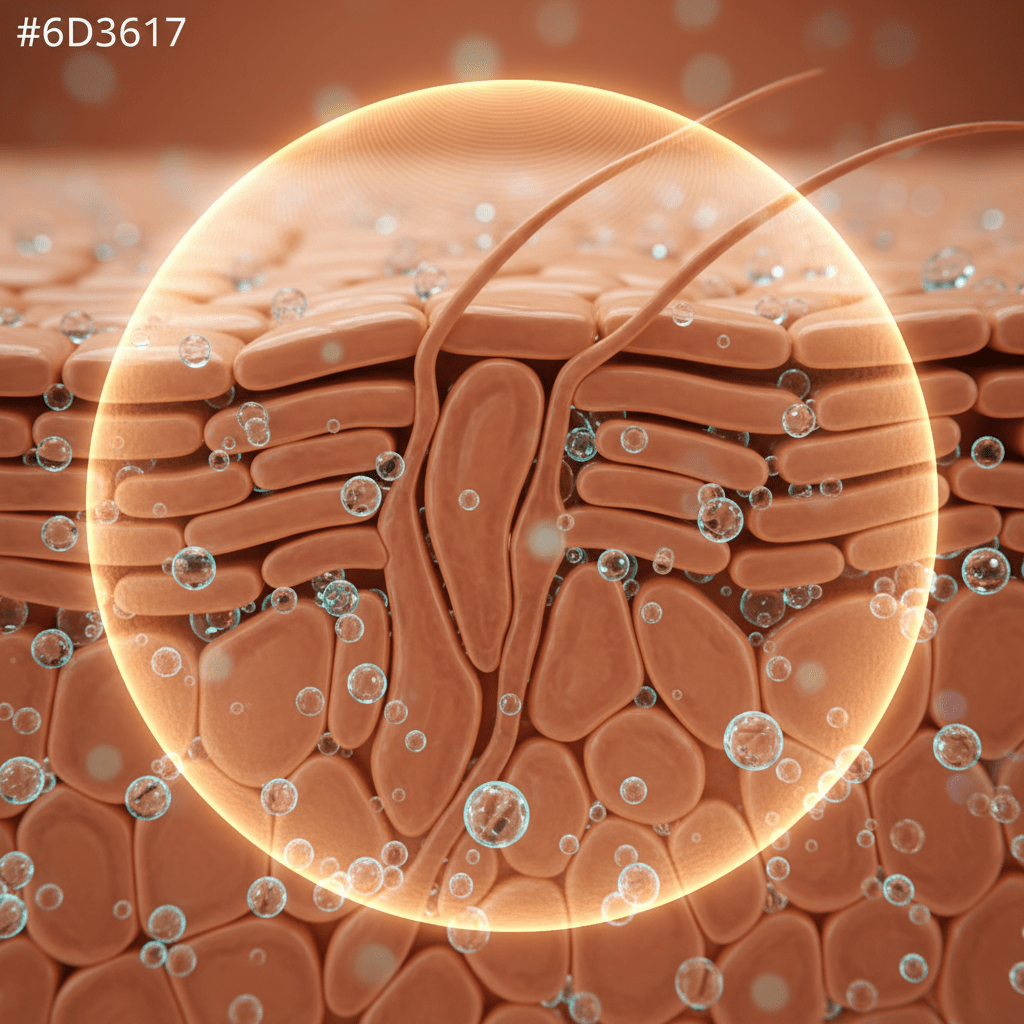
That’s where glycerine for skin gets interesting. It doesn’t just add moisture. It also helps skin cells mature the right way and shed at a healthy pace. That natural shedding process is called desquamation. Fancy word, simple idea. Old cells move out, fresh cells move up, and your skin looks smoother for it.
Researchers also link glycerine to aquaporin-3, or AQP3, which is a water channel in skin cells. Think of AQP3 like a tiny doorway. Glycerine helps move water through that doorway, which supports healthier cell movement toward the surface. That matters for both skin texture and recovery. In lab and medical research, glycerol has also been used for compromised skin because it helps protect, hydrate, and support repair in damaged areas research on glycerin as a skin humectant.
And yes, this shows up in the real world. Glycerine has a long history in medical creams and healing formulas, especially for dry, irritated, or stressed skin. So if you’re wondering, is glycerine good for skin beyond basic moisture? Yep. It can help skin look calmer, feel smoother, and recover a little better. Pretty handy for one plain-looking ingredient.
For brands making skin care, this is one reason glycerine keeps showing up beside other gentle ingredients like rose water and carrier oils. If you’re sourcing raw materials for face care, Aroma Monk’s lab-tested bulk ingredients can fit right into that kind of formula planning.
4. Soothes Irritation and Reduces Redness
You know that stingy, hot, prickly feeling? The one that shows up after wind, sun, or one too many active ingredients? Yeah, skin can get grumpy fast.
That’s where glycerine for skin feels like a small rescue. It’s gentle. Really gentle. And because it works as a glycerine humectant, it helps draw water into the skin while also supporting the barrier that keeps moisture in. When skin is better hydrated, it usually looks less red and feels less reactive. Less dryness, less discomfort. Simple math.
This is one reason glycerine for dry skin is such a good fit for sensitive faces too. It doesn’t try to do too much. It just helps skin calm down and hold onto water. And that can make a big difference after retinoids, acids, or a cold, windy day that left your cheeks feeling like sandpaper.
A lot of people also like using glycerine on face products at night, since the skin has time to drink it in while you sleep. Plus, if you’ve ever asked, is glycerine good for skin after a flare-up or rough patch, the answer is usually yes. It’s one of those quiet ingredients that does the job without making a scene.
And if you’re comparing glycerine vs hyaluronic acid, this is where glycerine often wins for comfort. HA can feel light and plump, but glycerine brings that deeper, steadier hydration that irritated skin often needs most.
For skincare brands, that’s why vegetable glycerine for skin shows up in so many gentle formulas. And for shoppers, it’s a good sign when you see it near the top of the ingredient list.
If you’re sourcing soothing ingredients for personal care products, Aroma Monk’s rose water and lab-tested natural raw materials can be a smart fit for calm, skin-friendly blends.
5. Plumps Skin and Reduces the Appearance of Fine Lines
Ever look in the mirror and think, Wait… did those lines get there overnight? Been there. And a lot of the time, what you’re seeing isn’t a deep wrinkle at all. It’s a dehydration line.
That’s the sneaky part. When skin gets dry, the tiny cells at the surface shrink a bit, so lines show up more clearly. Glycerine for skin helps by pulling water into those cells and holding it there. So the skin looks fuller, softer, and a little more bouncy. Not fake. Just well fed.
This is one reason glycerine skin benefits get noticed fast. A good glycerine humectant can give you that smoother, dewier look pretty quickly, especially if you use glycerine on face products on damp skin. And over time, steady hydration helps support skin elasticity too, which matters if you want your skin to keep that springy feel instead of looking flat and tired. The science on skin hydration and fine lines backs this up, with glycerol linked to better hydration and elasticity in skin models research on glycerin as a skin humectant.
If you’re choosing between glycerine vs hyaluronic acid, here’s the simple version: HA can give a nice surface plump, but glycerine tends to work deeper and hold onto water longer. That’s why glycerine for dry skin can be such a good fit when your face feels creased by lunch.
And yes, that includes benefits of applying glycerin on face overnight. While you sleep, the skin gets time to soak up moisture and look fresher by morning. Pretty nice for one plain little ingredient.
For brands, vegetable glycerine for skin also fits well in creams, serums, and gentle night products. If you’re building a skin care line, Aroma Monk’s lab-tested natural raw materials can help with clean, skin-friendly formula ideas.
6. Enhances the Penetration of Other Skincare Ingredients
Ever put on a serum and thought, “Why does this feel like it’s just sitting there?” Yeah. That can happen when skin is dry and kind of stubborn.
Here’s where glycerine for skin gets even more interesting. It’s not just a moisture magnet. It’s also a team player. When the surface of your skin is well hydrated, it tends to be more open to other skincare ingredients. That means the good stuff can spread more evenly and sink in a little better.
Glycerine also works as a solvent and carrier in a formula, so it helps keep ingredients mixed well and ready to do their job. That’s a big deal in products with niacinamide, vitamin C, and antioxidants. Better hydration. Better feel. Better delivery. Simple as that.
And if you’re comparing glycerine vs hyaluronic acid, they often work best together. HA can give that quick plump look, while glycerine keeps the skin steady and helps the whole formula feel more balanced. In other words, glycerine for dry skin is not a solo act. It helps the rest of your routine show up and do more.
That’s why you’ll see glycerine on face formulas in so many serums and moisturizers, including products with rose water or carrier oils. If you’re building skincare or personal care products, Aroma Monk’s lab-tested natural raw materials can be a smart fit for formula planning and bulk supply.
A small ingredient. A pretty useful one.
Get a quote from Aroma Monk.
Essential Oil Supplier – Bulk pricing • Samples • Fast response
7. It’s Non-Comedogenic and Safe for Oily & Acne-Prone Skin
You know that weird little trap where your skin feels oily, but it still feels dry? Yeah, that one. It’s confusing. And honestly, it makes a lot of people skip hydrating products because they worry about breakouts.
But oily skin can still be dehydrated. When that happens, skin may try to make even more oil to make up for the lack of water. So the goal is not to dry it out. The goal is to give it water without clogging things up.
That’s where glycerine for skin is such a smart pick. It’s a glycerine humectant, so it pulls water into the skin instead of sitting on top like a heavy film. And glycerine is non-comedogenic, which means it does not clog pores. That makes it a safe choice for acne-prone skin too. If you’ve been asking, is glycerine good for skin when you break out easily? Yep. Usually, it’s one of the nicer options.
Using glycerine on face products can help keep oily skin balanced without that greasy feel. In fact, a well-made glycerin serum or moisturizer can be a calmer choice than skipping hydration altogether. Dry skin, oily skin, combo skin… they all still need water.
Tiny tip: if you’re learning how to use glycerin on face, go for a diluted formula or apply it to damp skin. Don’t slap on pure glycerine straight from the bottle. That can get sticky fast, and in very dry air, it may not feel great.
So yes, glycerine for dry skin gets most of the attention. But oily and acne-prone skin can benefit too. Clean pores. Better moisture. Less drama. That’s a pretty solid deal.
If you’re building products for breakout-prone customers, Aroma Monk’s lab-tested natural ingredients and rose water can fit nicely into gentle skincare formulas, especially when you want a softer, skin-friendly feel.
8. It Is Incredibly Affordable and Accessible
Here’s the part that surprises people. You don’t need a fancy $60 serum to get a good hydrating ingredient.
Glycerine for skin is one of those rare things that’s both cheap and very solid. It shows up in drugstore staples, clinic-style lotions, and pricey creams too. Same ingredient. Different bottle. And that’s kind of the point. A humectant is just an ingredient that pulls water in and helps hold it there, and glycerine does that job without making your wallet cry. Research on glycerin as a skin humectant explains why it stays such a common pick in skincare formulas research on glycerin as a skin humectant.
Think about that for a second. A plain glycerine product can cost around $8, while fancy multi-step hydrators can run much higher. But you’re still getting one of the most reliable moisture helpers out there. So if you’ve been asking, is glycerine good for skin and good for your budget? Yeah. Pretty much.
And that’s why brands keep using vegetable glycerine for skin in everything from cleansers to moisturizers. It works. It’s easy to source. It’s not trying to be trendy. Just useful.
For everyday shoppers, that means you don’t need to spend big to take care of dry skin, oily skin, or combo skin. For product makers, it means a stable base ingredient that can fit into all kinds of formulas, from gentle rose water blends to simple face creams.
Simple, affordable, and steady. Hard to beat that.
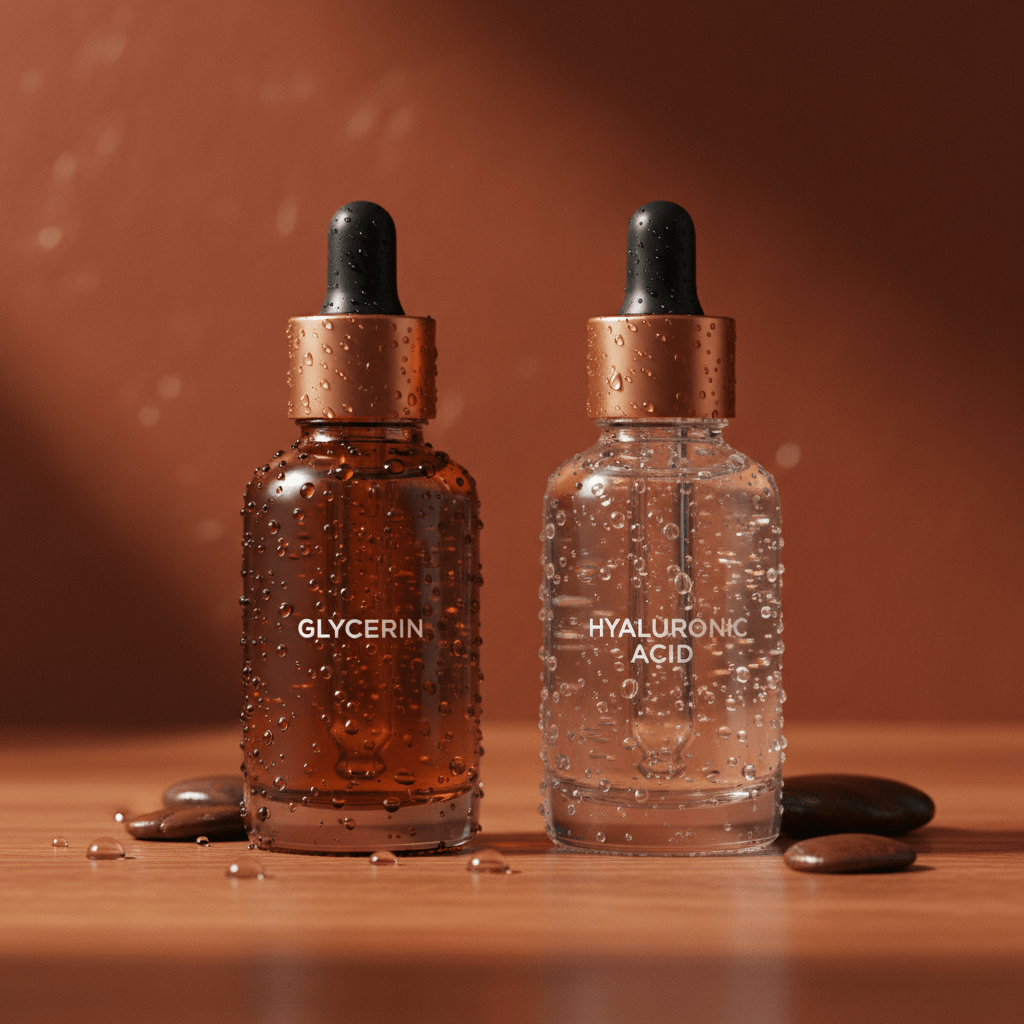
Glycerine vs. Hyaluronic Acid: Which Humectant is Right for You?
Ever stood in the skincare aisle and thought, “Wait, do I need both… or am I just getting sold two bottles of the same thing?” Same.
Here’s the short version. Glycerine for skin and hyaluronic acid both help with hydration, but they don’t act in quite the same way. Glycerine is a tiny molecule that sinks in well and helps water stay in the skin. Hyaluronic acid is bigger, so it usually sits closer to the surface and gives that quick, bouncy look. A humectant, by the way, is just a water-loving ingredient that pulls moisture in and holds onto it research on glycerin as a skin humectant.
| Feature | Glycerine | Hyaluronic Acid |
| Molecular Size | Very small, about 92 Da | Much larger, often 10,000 to 1,800,000 Da |
| Mechanism | Pulls water into the skin and helps hold it there | Binds water near the skin surface and forms a light film |
| Feel on Skin | Slightly silky or a bit tacky if overused | Light, watery, sometimes plumping right away |
| Best For | Dry skin, barrier support, deeper hydration, sensitive skin | Surface plumping, light hydration, combo skin, quick glow |
| Cost | Usually low | Often higher, especially in multi-weight serums |
So which one wins? Actually, scratch that. They’re not really rivals.
Glycerine is the steady worker. Hyaluronic acid is the quick freshen-up. Used together, they can give you multi-level hydration that feels better all day. If your skin is dry, irritated, or just plain thirsty, that combo can make a big difference. And if you’re learning how to use glycerin on face products, a simple routine is often best: apply to damp skin, then seal it in with moisturizer. Pretty easy.
For brands, this is why glycerine for skin still shows up in so many formulas. It’s affordable, flexible, and plays nicely with other hydrators. For shoppers, it means you do not have to pick sides. You can build a routine with both glycerine and hyaluronic acid and get the best of both worlds.
The Takeaway: Why Glycerine Deserves a Spot in Your Routine
Glycerine doesn’t try to be flashy. And that’s part of the charm.
It gives skin water, helps lock it in, and supports a healthier barrier so dry, rough, or touchy skin can calm down. It also works for oily skin, combo skin, and acne-prone skin, since it’s a gentle glycerine humectant that won’t clog pores. Simple ingredient. Big job.
If you’ve been wondering is glycerine good for skin, the answer is a pretty clear yes. It’s backed by skin science, it’s affordable, and it shows up in lots of easy-to-find products. Plus, it plays nice with other hydrators like hyaluronic acid, so you don’t have to choose sides.
For brands, vegetable glycerine for skin is a smart base for creams, serums, and cleansers. For shoppers, it’s a reminder that the best ingredients are not always the loudest ones. Sometimes they’re the plain bottle on the shelf that quietly does the heavy lifting.
Next time you’re shopping for skincare, turn the bottle around and look for this humble hydration hero on the ingredient list.
Get a quote from Aroma Monk.
Essential Oil Supplier – Bulk pricing • Samples • Fast response