
What is Glycerine and Why Is It a Skincare Superstar?
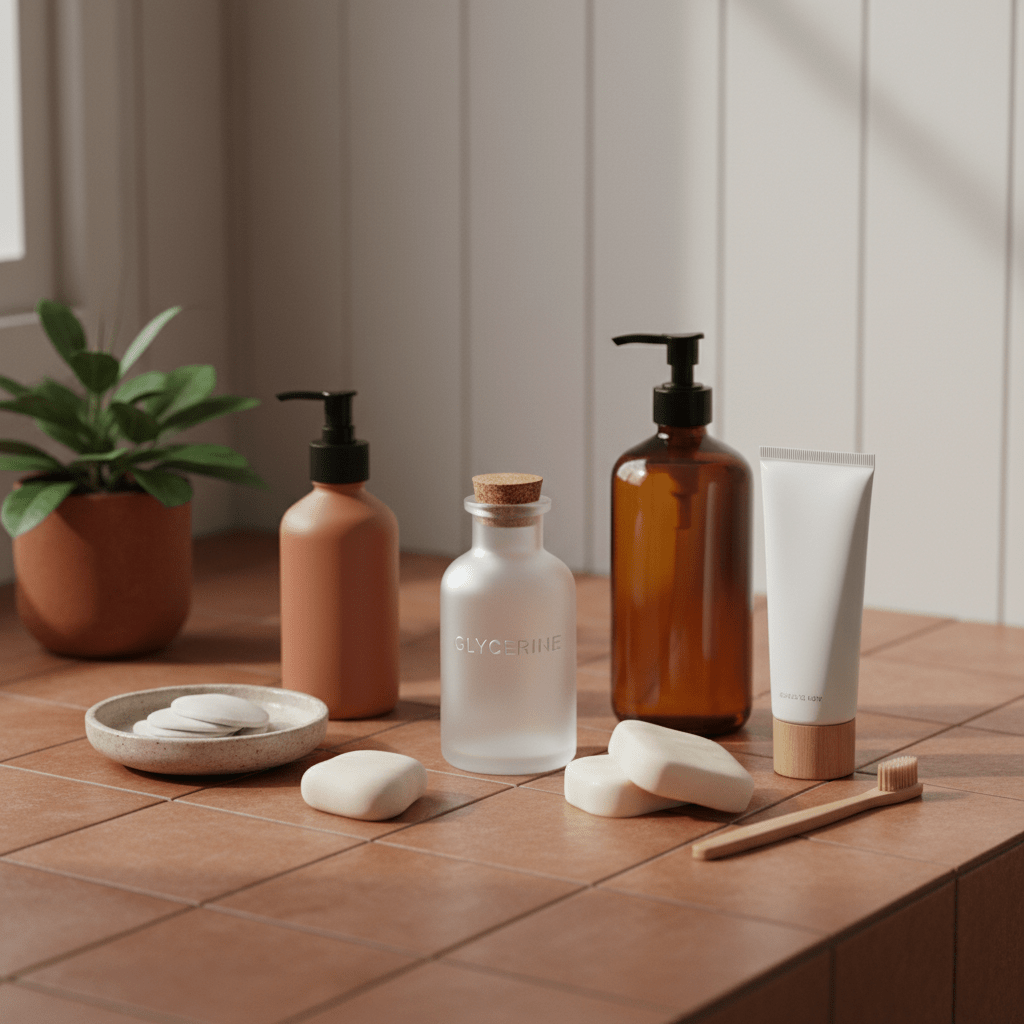
Ever grabbed a lotion, toothpaste, or shampoo and never noticed one tiny ingredient doing a lot of the work? That’s glycerine. Also called glycerol, it’s a clear, scent-free liquid made from vegetable oils or animal fats. Think of it like a moisture magnet. A little plain-looking, but pretty mighty.
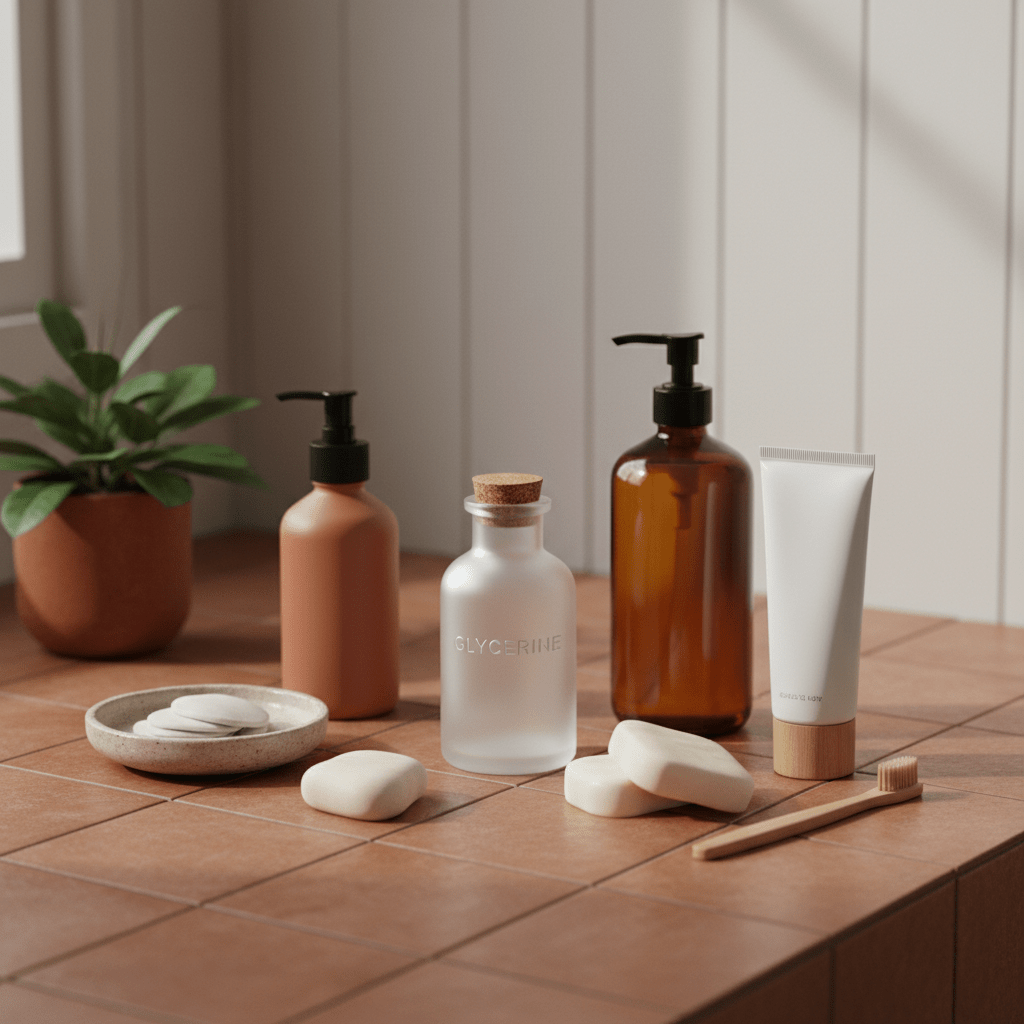
You’ll find glycerine in tons of products, from face creams to foods, and most people never give it a second thought. Funny enough, it’s one of those behind-the-scenes ingredients that just keeps showing up because it works. One review of glycerine in everyday products says it appears across more than 1,500 product groups, which is kind of wild.
So, what’s the big deal? In this article, we’re breaking down the 9 health and beauty benefits of glycerine, from glycerine for skin and glycerine for hair to safer ways to use it at home. We’ll also look at glycerin benefits, glycerine uses, and whether glycerine is safe in everyday care.
And if you’re building products yourself, this matters even more. A good glycerine moisturizer, a gentle glycerin for face formula, or a balanced blend with rose water can make a real difference. Let’s get into it.
1. Delivers Unmatched Skin Hydration as a Master Humectant
You know that dry, tight feeling after washing your face? That’s the moment glycerine shows off. It pulls water to the skin and helps keep it there, which is why it’s such a popular pick in a glycerine moisturizer or a gentle glycerin for face formula.
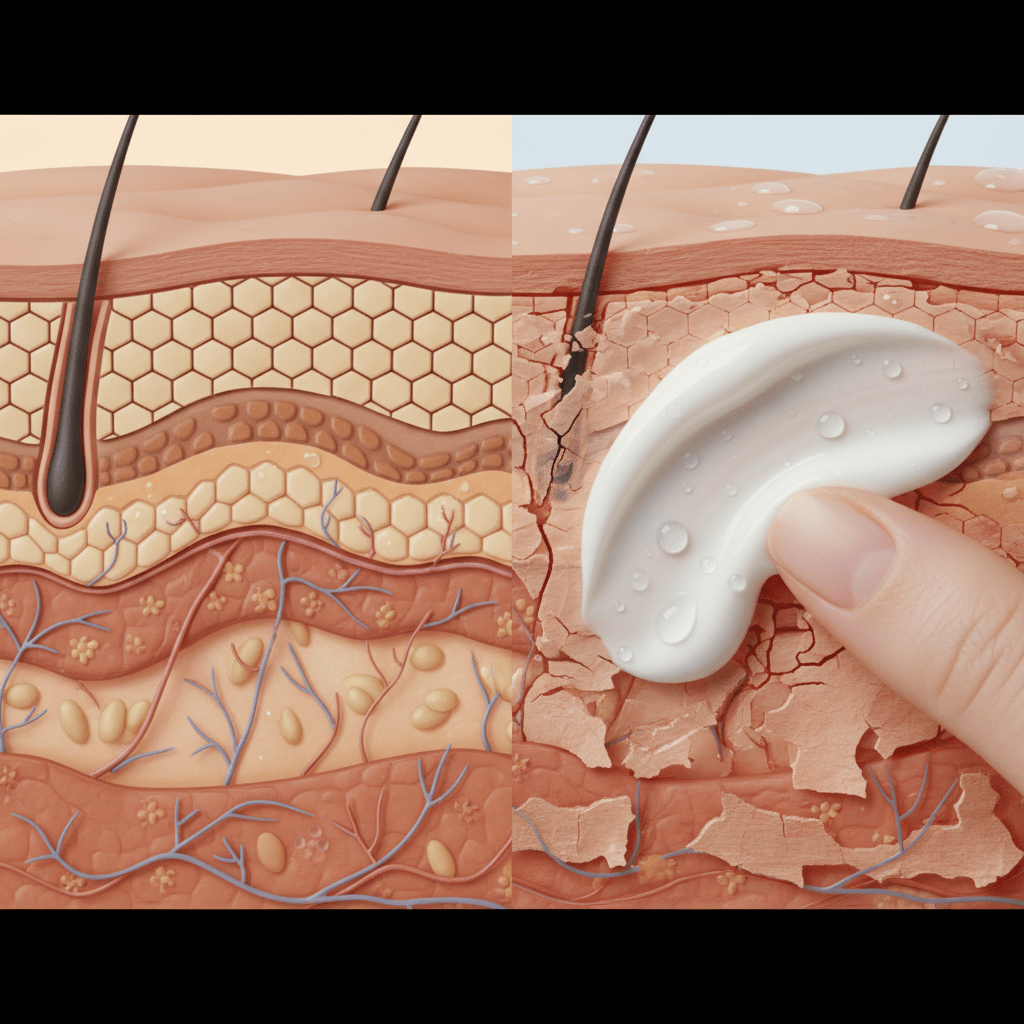
Here’s the simple version. Glycerine is a humectant, so it acts like a tiny moisture magnet. It draws water from the air and from the deeper layers of skin up into the outer layer, called the stratum corneum. That top layer is the one that gets rough, flaky, and cranky when it’s thirsty.
And unlike some moisturizers that mostly sit on top, glycerine actually helps the skin hold more water. A skin care guide from the British Association of Dermatologists notes that glycerine is widely used because it supports hydration and skin comfort. Pretty handy little ingredient.
But here’s the catch. Glycerine works best in humidity above about 60 percent. In very dry air, pure glycerine can pull moisture the wrong way, so dilution matters a lot. That’s why it’s smart to mix it with water, rose water, or another base instead of using it straight.
Easy DIY glycerine and rose water face mist
Try this simple mix:
- 1 part USP-grade glycerine
- 3 to 4 parts rose water
- A small spray bottle
Shake it before each use. Spritz a little on clean skin, then follow with a cream or oil to lock it in. If you want a soft, calming base, Aroma Monk’s rose water fits nicely here for a fresh, natural feel.
Keep it light. Seriously. A little goes a long way, and that’s the whole point.
2. Strengthens and Repairs Your Skin’s Protective Barrier
Ever feel like your skin gets annoyed by everything? Cold air. Hot showers. A new face wash. Even a windy walk to the store. That usually means the skin barrier is a bit worn down.
And this is where glycerine really pulls its weight. It helps skin cells mature the right way, so the outer layer of skin gets stronger and less leaky. Think of it like patching tiny holes in a wall before the rain gets in.
A healthy barrier does a few big jobs. It holds moisture in. It keeps dirt, pollution, and bacteria out. And it helps skin feel calm instead of stingy and raw. When that barrier gets weak, water slips away faster, which is one reason dry skin can turn into chronic dryness so fast.
That water loss has a name: transepidermal water loss, or TEWL. Glycerine helps lower TEWL by improving the skin’s water-holding power and supporting the lipids that keep the barrier neat and tight. In plain words? Less dryness, less flaking, less drama.
I’ve seen this come up a lot in skin care routines that use too many strong actives. You know the type. A little too much exfoliant, a little too much scrubbing, and suddenly your face feels like cardboard. Glycerine can help bring things back to normal.
Here’s a quick look at what it does:
| Barrier Problem | How Glycerine Helps |
| Dry, tight skin | Holds water in the top layer |
| Flaking and roughness | Supports cell maturity and softness |
| Sensitivity | Helps protect against outside irritants |
| TEWL | Helps slow moisture loss |
For brands making a glycerine moisturizer or a glycerin for face product, this is a big selling point. And if you’re sourcing raw materials for skin care, pair glycerine with pure rose water or a gentle essential oil blend from Aroma Monk to build formulas that feel softer and cleaner on the skin.
Just don’t overdo it. A little goes a long way. Like most good things, honestly.
3. Accelerates Wound Healing and Soothes Irritation
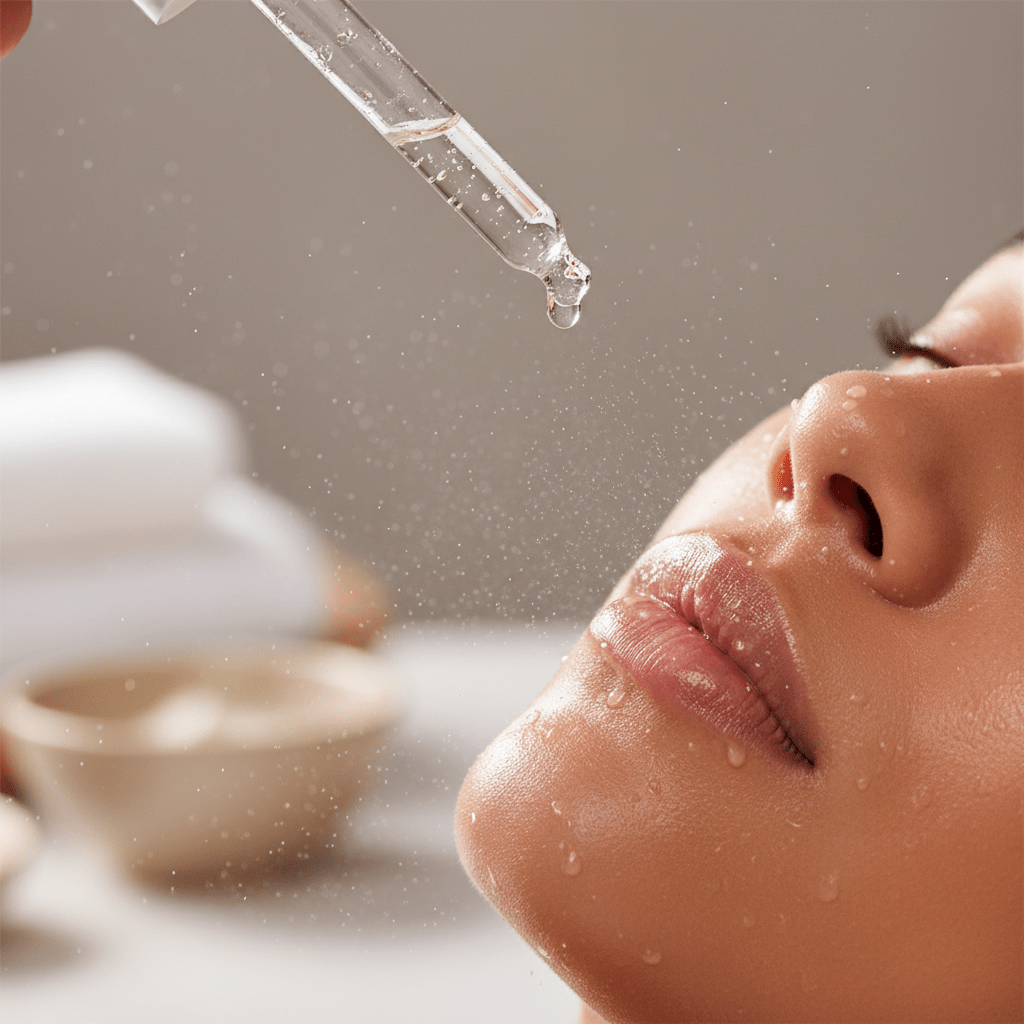
You know that annoying moment when a tiny cut starts to itch just as it’s trying to heal? Yeah, that little phase can drive anyone nuts. Glycerine can help take the edge off.
Here’s the deal. Glycerine, or glycerol, helps skin keep the right kind of moisture while it heals. That moist setting gives skin cells a better shot at moving and growing where they need to go, which is part of why it shows up in care for minor cuts, scrapes, and small burns. It also plays a role in cell signaling, helping guide the repair process along.
And there’s more. Glycerine has mild antimicrobial and antiviral properties, so it can help keep minor wounds cleaner while they close up. Not a magic fix. Just a helpful hand.
For itchy, irritated skin, that hydration matters a lot. Dry wounds tend to feel tighter, itch more, and get cranky faster. A glycerine moisturizer or a simple glycerin for face product can calm that rough feeling, especially if your skin barrier is already stressed from over-washing or harsh weather.
I’ve seen this matter most for people with eczema-prone skin too. Less dryness usually means less scratching. And less scratching means better healing. Pretty simple, really.
If you’re putting together gentle skin care, look for products with glycerine plus soothing ingredients like rose water. Aroma Monk’s rose water can be a nice fit in calming blends for skin and personal care formulas.
For small skin troubles, glycerine just makes sense. It helps, soothes, and doesn’t try too hard.
4. Calms Inflammatory Skin Conditions like Eczema and Psoriasis
If your skin has ever felt hot, scratchy, and mad at the whole universe, you already know how draining eczema can be. And psoriasis? That flaky, tight, stubborn stuff can make even a simple shower feel annoying.
This is where glycerine steps in like a quiet helper. It does not cure these skin conditions. But it can make them a lot easier to live with. Glycerine pulls water into the skin and helps hold it there, which matters a ton for skin that is chronically dry, red, and irritated. A skin care guide from the British Association of Dermatologists points out that glycerine is often used because it supports moisture and skin comfort.
That gentle feel is a big deal too. People with eczema, atopic dermatitis, or super reactive skin usually need ingredients that do their job without causing extra drama. Glycerine tends to be calm, simple, and pretty well tolerated. Nice change, right?
Here’s what it can help with:
- Less flaking and scaling
- Less tightness after washing
- Softer skin during dry spells
- A more comfortable skin barrier
For eczema-prone skin, this kind of hydration can make daily life feel less itchy and less raw. For psoriasis, it can help soften thick patches and make the skin feel less stiff. It’s not a cure. But it can be a solid part of a routine that also includes a good glycerine moisturizer, gentle cleansing, and maybe a soothing support ingredient like rose water.
And if you’re building skin care products, this is one reason glycerine for skin keeps showing up in formulas for sensitive users. It’s simple. It works. It doesn’t try to be flashy.
For brands like Aroma Monk, pairing glycerine with pure rose water or other gentle bases can help create calmer blends for people who need extra care. That’s the kind of combo a lot of customers come back for.
5. Boosts Athletic Performance Through Hyperhydration
You know that nasty feeling when you’re halfway through a long run and your mouth feels like sand? Or when a bike ride turns into a heat test nobody signed up for? That’s where glycerine gets a little wild, in a good way.
This use is a bit more advanced than a face mist or a lotion. Athletes sometimes take glycerol with water before a big event, a practice called glycerol loading or hyperhydration. The idea is simple. Your body holds onto extra fluid, so you start exercise better hydrated and can sometimes hang on longer in hot conditions. The mechanism is osmotic, which just means glycerol helps the body keep more water instead of peeing it out right away.
Sports research has used doses around 1.0 to 1.2 g per kg of body weight with about 20 to 26 mL of water per kg, usually taken 60 to 180 minutes before exercise. In some studies, that meant extra fluid retention of about 600 to 1,000 mL, plus lower heat stress, lower heart rate, and better endurance. One cycling study even found time to exhaustion improved by about 24%.Sports science review on glycerol hyperhydration
But here’s the big caution. This is not a casual trick for weekend jogs. It can cause bloating, nausea, and headaches if the dose is off. So it should be done with a coach, sports dietitian, or doctor who knows what they’re doing. Especially if you’re training in hot, humid weather.
And just so we’re clear, glycerine in this setting is usually glycerol taken by mouth, not the same thing as your glycerine moisturizer or glycerine for skin. Same family, different job. Weird, right?
If you’re sourcing ingredients for wellness, personal care, or sports-related products, Aroma Monk’s lab-tested natural ingredients and rose water line can fit into broader product development needs. For athletes, though, the smart move is guidance first, experiments later.
6. Provides Effective and Gentle Constipation Relief
You know that awkward, too-silent feeling when your stomach just will not cooperate? Yeah, nobody enjoys that. And while people often think of glycerine for skin or glycerine for hair, it also has a very practical use inside the bathroom cabinet.
Glycerine suppositories work as an osmotic laxative. That means they draw water into the colon, which softens hard stool and helps wake up the bowel. So the body gets a little nudge, not a big shove. Usually, they start working in about 15 to 30 minutes, which is why they’re often used for quick, mild relief.
That gentle action makes them a common pick for children and for adults who just need a short-term fix. They’re not meant for regular long-term use, but for occasional constipation, they can be a simple option that works fast without a lot of fuss. If you’ve ever needed help and wanted something mild, this is the kind of relief people talk about.
And yes, glycerine is safe in many everyday uses, but this one should still be used as directed on the package or by a doctor. Small tool. Big relief. Funny how that goes.
For brands and product makers, this is another reason glycerine keeps showing up in everything from skincare to oral care. It’s one ingredient with a lot of jobs.
7. Revitalizes Dry Hair and Soothes the Scalp
Ever had a hair day that felt like a straw hat situation? Dry, brittle, frizzy, and just not listening. That’s where glycerine can be a real help.
Glycerine works as a humectant for hair too. It pulls moisture into the hair shaft, which can help soften rough strands and cut down on breakage. If your hair tends to be curly, coily, or high-porosity, you might notice the boost more clearly because those hair types lose water faster. A simple rinse-out or leave-in with vegetable glycerine can help hair feel less thirsty.
It also helps the scalp. Dry scalp often shows up as flaking, itchiness, and that annoying tight feeling after washing. Glycerine for hair care can ease that by adding a bit more moisture where it’s needed most. Not fancy. Just helpful.
But here’s the part people miss: humidity matters. In very dry air, glycerine can pull water the wrong way. So mix it with water or aloe, not straight from the bottle. Funny how one tiny ingredient can be both super useful and a little fussy.
Easy DIY leave-in spray
- 1 tablespoon vegetable glycerine
- 2 tablespoons aloe vera juice
- 1 cup water
- Small spray bottle
Shake well and mist lightly on damp hair. Keep it off the roots if your scalp gets oily fast.
If you’re building a glycerine moisturizer or a softening glycerin for face product, the same moisture-loving idea applies. And for brands like Aroma Monk, pairing gentle bases like rose water with natural ingredients can help create soothing hair and scalp formulas customers actually keep using.
Get a quote from Aroma Monk.
Essential Oil Supplier – Bulk pricing • Samples • Fast response
8. Supports Oral Health and Combats Dry Mouth
Ever had that sticky, cotton-mouth feeling after a long meeting or a late-night coffee? It’s not fun. And it makes even plain water sound exciting.
Glycerine shows up in toothpaste for a few simple reasons. It adds a mild sweet taste, helps the paste stay smooth, and keeps it from drying out in the tube. That soft texture is part of why toothpaste feels easy to spread, not crumbly or weird.
It also has a helpful role in dry mouth products. Glycerine can coat oral tissues and add a little moisture, which may bring relief for people with xerostomia. That’s the medical name for dry mouth. Fancy term, simple problem.
Plus, glycerine is non-cariogenic. That just means it does not feed tooth decay like sugar does. So it’s a good fit for oral care products that need a clean feel without extra risk.
For anyone making toothpaste, mouth gels, or dry mouth rinses, glycerine is one of those quiet ingredients that does a lot without making a fuss. Kind of like the person who cleans up after the party. We notice only when it’s missing.
If you’re sourcing raw materials for oral care or wellness products, Aroma Monk’s lab-tested natural ingredients and rose water line can pair well with gentle personal care formulas.
9. Exhibits Anti-Aging Properties by Plumping Skin
You know that moment when your skin looks tired, even after a full night’s sleep? Yep, we’ve all been there. Dry skin can make fine lines look deeper than they really are. And that’s where glycerine gets a quiet little win.
Glycerine helps skin hold water, so it looks fuller and smoother. That plump, fresh look can make tiny lines and wrinkles seem less noticeable for a while. It’s not a magic eraser. But it does give skin a softer, bouncier look that many people want from an anti-aging routine.
Here’s the simple truth. Well-hydrated skin usually looks healthier and younger. Glycerine does that by pulling moisture into the top layer of skin and keeping it there, which is why it shows up so often in glycerine moisturizer formulas and glycerin for face products. A recent skin hydration review found glycerol can work as well as, and sometimes better than, hyaluronic acid in some blends, especially when it’s paired with the right base. That review is worth a look if you like the science side.
And the best part? Glycerine plays well with other anti-aging ingredients. It can sit right next to retinoids, vitamin C, and antioxidants without trying to steal the show. Think of it as the steady helper in the background. The one that keeps skin comfy while the stronger actives do their job.
If you’re building an anti-aging routine, that combo often makes more sense than chasing one fancy ingredient. Glycerine for skin, plus a few well-chosen actives. Simple. Pretty smart too.
For brands like Aroma Monk, this also opens the door to soothing support formulas. Pairing pure glycerine with rose water or other gentle ingredients can help create face mists, creams, and beauty blends that feel soft, balanced, and easy to use every day. That kind of texture matters more than people think. Really.
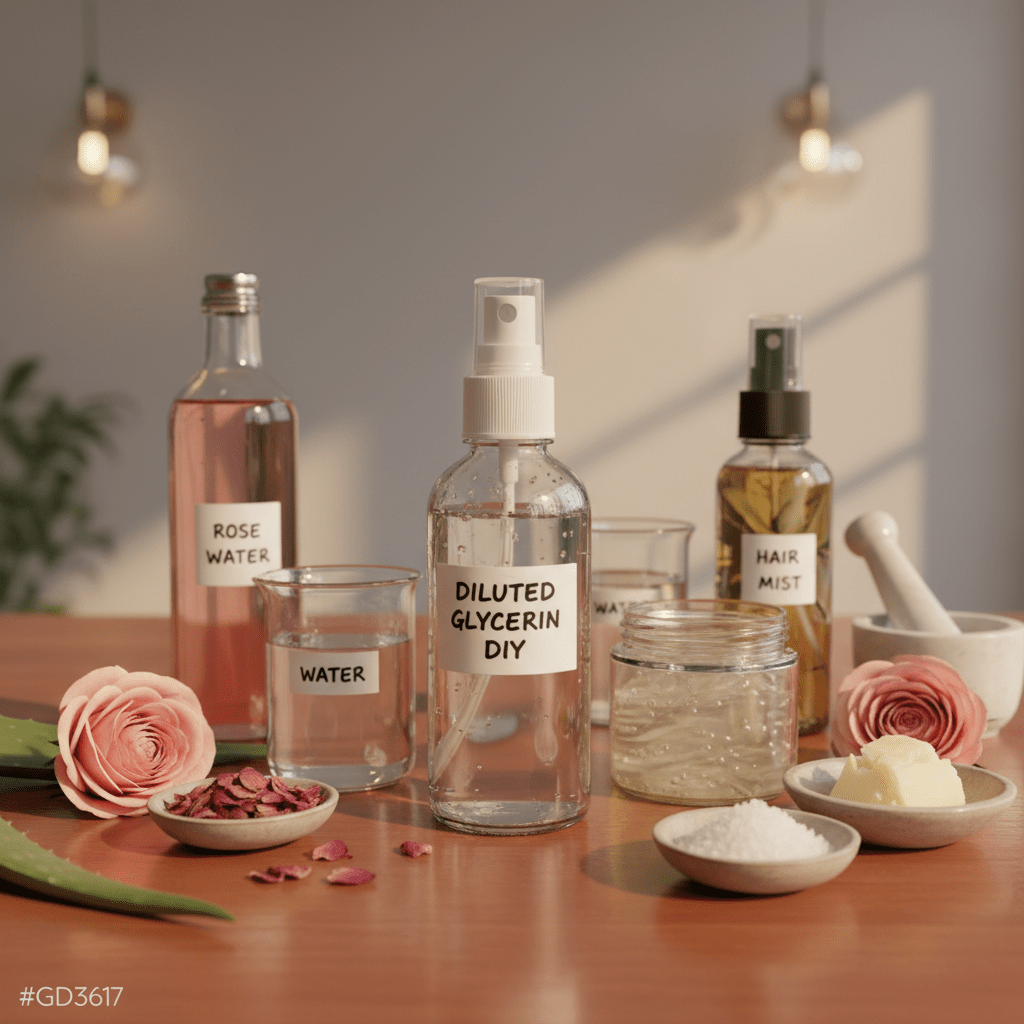
How to Choose and Use Glycerine Safely for Maximum Benefits
Ever bought a product that felt amazing for a week, then got sticky, weird, or just plain annoying? Yeah, glycerine can do that if you use the wrong kind or use too much.
Here’s the simple rule: pick 100% pure, USP-grade vegetable glycerine for skin care and other personal care uses. USP-grade means it’s made to clean purity standards, so you’re not guessing what’s in the bottle. That matters a lot if you’re making a glycerine moisturizer, a glycerin for face mist, or even looking at safe glycerine uses in oral care. Industrial grade is a no-go. Don’t mess with that stuff.
Quick selection checklist
| What to look for | Why it matters |
| 100% pure vegetable glycerine | Best for skin and daily care |
| USP grade | Cleaner and safer quality |
| Clear ingredient label | Fewer surprises |
| From a trusted supplier | Better traceability and testing |
And here’s the part people skip: dilution.
Pure glycerine is very thick and can feel tacky fast. In dry air, it can even pull moisture from your skin instead of helping it. So mix it before you use it. A good starting point is 1 part glycerine to 3 parts water. For hair, you can also use 1 part glycerine to 3 or 4 parts water or aloe vera juice.
Try this for skin:
- 1 teaspoon glycerine
- 3 teaspoons water or rose water
- Mix well and apply a thin layer
- Follow with a cream or oil to seal it in
If you’re using it in a face mist, keep it light. Really light. Too much can feel sticky fast.
For a soft, gentle base, Aroma Monk’s rose water works well in DIY blends for skin and personal care. It adds a fresh feel without making the mix heavy.
Before you use glycerine all over, do a patch test.
Put a tiny bit on the inside of your arm or behind your ear. Wait 24 hours. If you get redness, itching, or a burning feel, wash it off and skip it. That reaction is rare, but it can happen. Other common issues are simple ones like stickiness, a tight feel in dry weather, or hair that looks weighed down.
So the short version? Choose pure. Dilute well. Test first. That’s how glycerine stays helpful instead of fussy.
If you’re sourcing ingredients for products, Aroma Monk’s lab-tested oils, rose water, and bulk supply options can help you build cleaner formulas with less guesswork.
The Takeaway: Embrace This Humble Hydration Hero
Glycerine doesn’t look flashy. It’s clear, plain, and easy to miss. But wow, does it pull its weight.
From skin hydration and barrier repair to helping dry hair feel softer, this little ingredient shows up in a ton of daily products for a reason. It can also help with mild wound care, dry mouth, and even athlete hydration in the right setting. Pretty versatile for something you barely notice on a label.
Here’s the short version: if you want better moisture, glycerine often helps. It works best when it’s diluted, blended with the right base, and used with a little common sense. That’s true for a glycerine moisturizer, a glycerin for face mist, and even a simple glycerine for hair spray.
So maybe take 30 seconds and check the labels in your bathroom cabinet. You’ll probably spot glycerine in a lotion, toothpaste, shampoo, or face cream. Or try a tiny DIY mix with rose water and water first. Simple. Cheap. Worth a shot.
And if you’re building products, looking for clean ingredients like rose water and natural blends can make your formulas feel a lot more thoughtful. That’s where trusted suppliers like Aroma Monk can help.
Get a quote from Aroma Monk.
Essential Oil Supplier – Bulk pricing • Samples • Fast response