
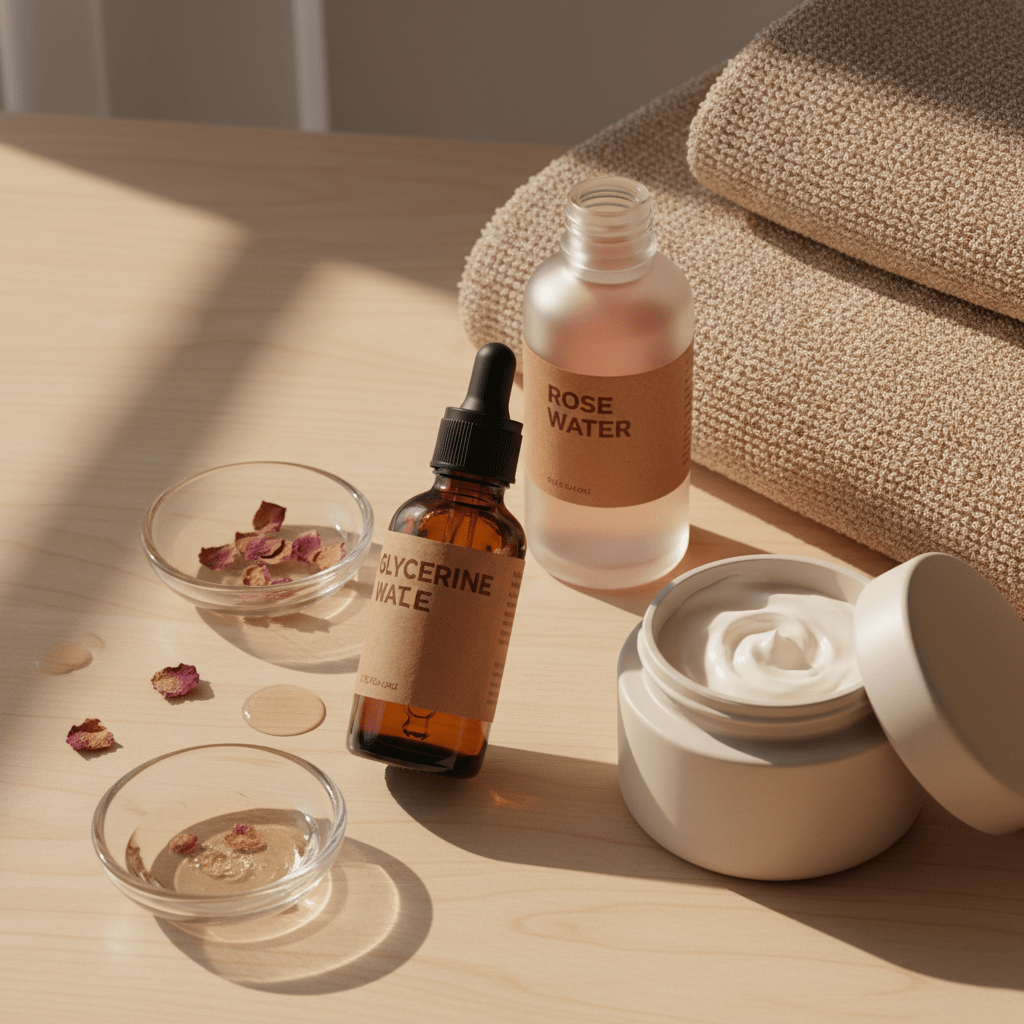
The Unsung Hero of Hydration: Is Glycerine the Secret to Glowing Skin?
You’ve probably seen it a hundred times. In that “holy grail” moisturizer. In a gentle cleanser. In a fancy serum that promises glow in 7 days. And yet glycerine barely gets any love.
Funny, right?
But here’s the deal: glycerine for face care has been around forever because it works. As natural skincare keeps growing, people are also asking more questions about what they put on their skin. That’s a big reason ingredients like glycerine, rose water, and other natural humectants for skincare are getting fresh attention.
So, is glycerine good for your face? Yes, it usually is. It’s one of the best-known moisture magnets in skincare, and it can help with glycerine for dry skin, dull skin, and even sensitive skin when it’s used the right way. We’ll break down glycerine benefits for skin, glycerine side effects on skin, and how to use glycerine on face without making things weird or sticky.
And yes, we’ll talk about using pure glycerine on face too. That part matters.
For a deeper look at why shoppers care so much about clean, clear labels, YouGov found that 56% of British consumers want more ingredient transparency. That tracks with what a lot of us feel already. We want to know what’s in the jar. No mystery goo, please.
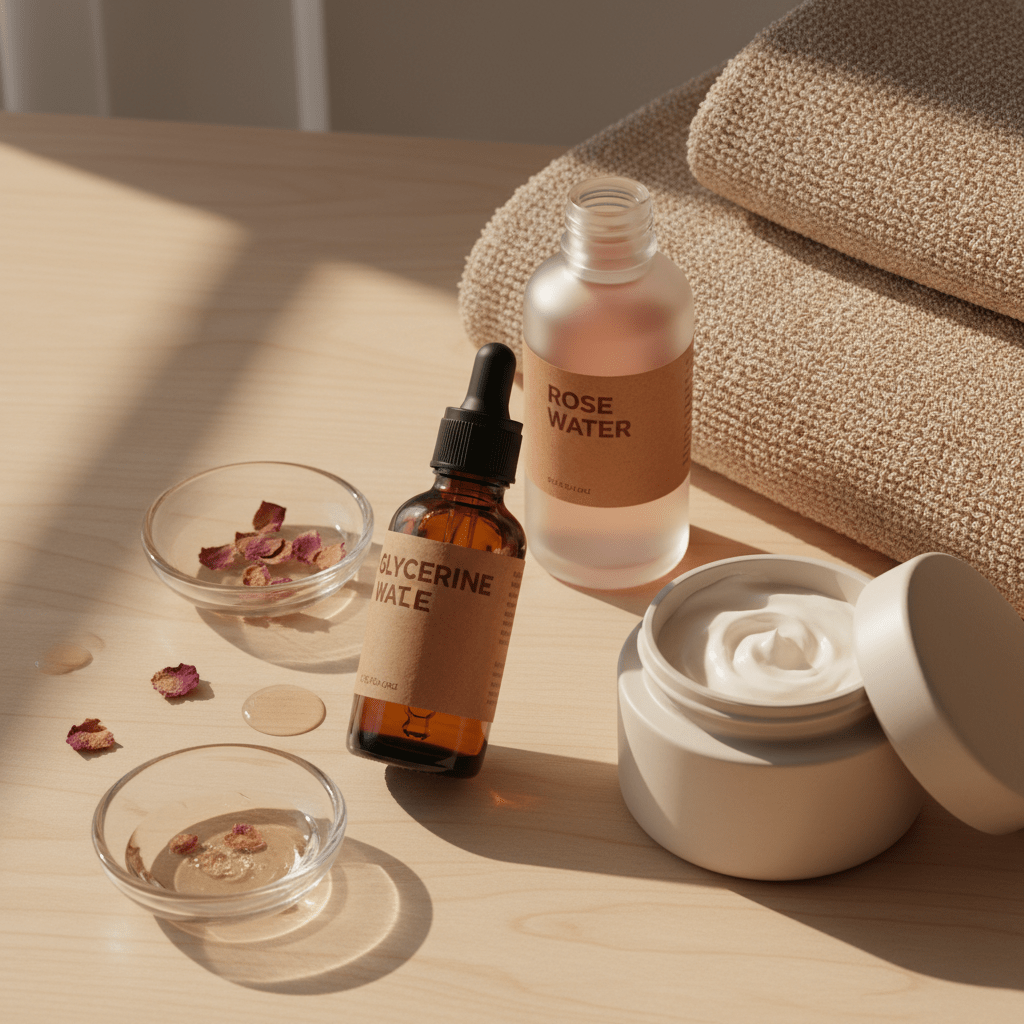
What is Glycerine? Understanding the Science Behind this Skincare Staple
Glycerine gets talked about like it’s some fancy new find. But it’s not new at all. It’s been sitting in skin care shelves for ages, quietly doing the heavy lifting.
Also called glycerol, glycerine is a natural humectant. That just means it pulls in water and helps hold it there. Think of it like a tiny moisture magnet for your face. Not magic. Just smart skin care.
Here’s where it gets interesting. Glycerine can come from different places. Vegetable glycerine is made from plant oils like soy, coconut, or palm, and it’s the go-to choice in natural beauty products. There’s also animal-derived glycerine and synthetic glycerine, but if you’re shopping for glycerine in natural beauty, the plant-based kind is usually what brands want to highlight.
Why? Because people want clear labels now. A recent market report says the natural skin care market is expected to grow from USD 45.5 billion in 2025 to USD 66.6 billion by 2031. That kind of growth tells us something simple: folks are paying attention.
So how does glycerine for face care actually work? It pulls water from the air and from deeper skin layers up to the skin’s top layer, called the stratum corneum. That helps the surface feel softer and less tight. But wait, there’s a catch. It works best in a good formula, not just slapped on by itself like glue.
That’s why glycerine for dry skin is such a big deal in moisturizers, cleansers, and serums. It’s one of those natural humectants for skincare that sounds plain, but keeps showing up because it really does the job.
And if you’re looking at a product label, seeing “Glycerin” doesn’t tell you the source right away. If a brand says “vegetable glycerine for skin,” that’s the plant-based one many people prefer. Simple. Clean. Easy to spot.
5 Clinically-Backed Benefits of Using Glycerine for Your Face
You know that dry, tight feeling after washing your face? That little “uh-oh” moment? Glycerine helps with that.
And not in a fluffy, wishful way. It pulls water to the skin, which is why it shows up in so many formulas for glycerine for face care. In one review of skin studies, glycerol was linked to better hydration and lower water loss through the skin, which is a big deal if your face feels thirsty by noon. Clinical review on glycerine and skin barrier support.
Here are five glycerine benefits for skin that make it worth a spot in your routine:
| Benefit | What it does |
| Deep hydration | Helps skin hold on to water and lowers transepidermal water loss |
| Skin barrier support | Helps protect against dry air, dirt, and pollution |
| Soothing feel | Can calm skin that gets cranky or red |
| Smoother texture | Helps skin feel softer and look more even |
| Works for many skin types | Won’t clog pores and fits oily or acne-prone skin too |
1. Intense hydration and moisture hold
Glycerine for dry skin is a fan favorite because it acts like a moisture magnet. It helps keep water in the skin’s top layer, so your face feels less rough and looks less dull. Plus, it can help cut down transepidermal water loss, or TEWL. That just means less water escapes from your skin during the day.
2. Helps protect the skin barrier
Your skin barrier is like a little shield. Glycerine supports that shield by helping the skin stay flexible and less upset by cold weather, wind, and city grime. Nice, right?
3. Soothes irritated skin
If your skin gets red or itchy, glycerine can be a gentle pick. It’s often used in products for sensitive skin, and many people with eczema-prone skin like it because it’s soft on the face. Not flashy. Just kind.
4. Supports smoother skin texture
Over time, glycerine helps skin cells mature the right way, so the surface can feel smoother and look less flaky. That’s one reason it’s common in glycerine in natural beauty products, along with rose water and other natural humectants for skincare.
5. Non-comedogenic and flexible
Good news for oily skin people: glycerine usually does not clog pores. So if you’ve been wondering, is glycerine good for your face? For many people, yes. It works in gels, creams, and even glycerine and rose water for face mixes. Just don’t use pure glycerine on face by itself. It’s better diluted, and it usually behaves best in a proper formula.
If you want to try it at home, start simple. Look for vegetable glycerine for skin in a toner or moisturizer, or mix a small amount with rose water. And if you’re building products for customers, Aroma Monk’s pure rose water can pair nicely with glycerine-based skincare blends.
For a simple routine, apply glycerine on damp skin, then seal it in with a cream. That’s the sweet spot.
How to Use Glycerine on Your Face: A Practical Guide for Safe Application
You know that sticky mess some DIY skincare recipes make? Yeah, we want to skip that.
Glycerine for face care can be great, but only if you use it the smart way. The golden rule is simple: do not apply 100% pure glycerine directly to your face. It’s too strong on its own, and in dry air it can even pull water away from your skin instead of helping it. Weird, right? But that’s why the mix matters.
Here’s the safer route. Use vegetable glycerine for skin in a diluted form, like a toner or mist. A good starter mix is 1 part glycerine to 4 parts rose water or distilled water. If your skin feels fine with that, you can go a little lighter next time. For most DIY blends, staying in the 1:4 to 1:9 range is the sweet spot. Simple. Low drama.
Quick DIY glycerine and rose water for face toner
- Grab a clean spray bottle.
- Add 1 teaspoon vegetable glycerine.
- Add 4 teaspoons rose water or distilled water.
- Shake it well.
- Mist it on slightly damp skin.
- Follow with a cream to seal it in.
That last step matters. Glycerine works best with a topper, like a moisturizer, shea butter, or squalane. Think of it like putting a lid on a pot. No lid, and the water can still slip away.
If you’re making products for clients or your own brand, pure and lab-tested rose water from Aroma Monk can be a nice base for glycerine in natural beauty blends. It fits right into clean, gentle formulas.
And before you slather anything all over your cheeks, patch test first. Always.
How to patch test
- Put a small amount on the inner arm.
- Wait 24 to 48 hours.
- Watch for redness, itching, burning, bumps, or swelling.
- If anything feels off, wash it off and skip it.
That little test can save you a big skin headache later. I’d say it’s worth the boring 2 minutes.
So, is glycerine good for your face? Usually yes. But like most good things, it works better with care, the right mix, and a little patience.
If you want to build a routine around glycerine for dry skin, start small and keep it simple. That’s usually where the glow shows up.
Choosing the Best Products: How to Read Labels for Glycerine
You know that tiny ingredient list on the back of a bottle? That little box can tell you a lot. More than the front label ever will.
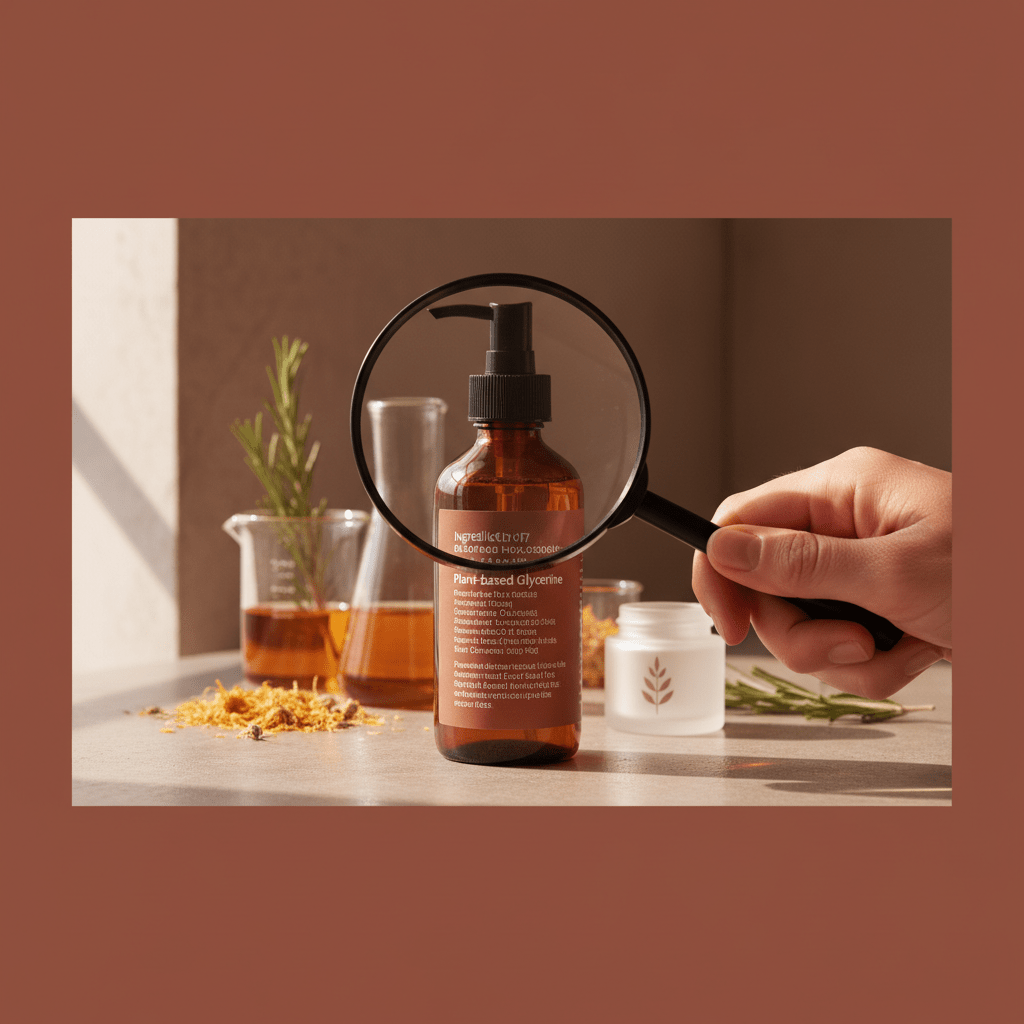
If you want glycerine for face care that actually works, start there. Look for Glycerin near the top of the ingredient list. Ingredients are listed from highest amount to lowest, so if glycerin shows up in the first few spots, it’s doing real work in that product. If it’s buried way down near the end, the amount is probably pretty small.
That matters because shoppers are paying closer attention than ever. The natural skincare market is projected to grow from USD 45.5 billion in 2025 to USD 66.6 billion by 2031 according to Mordor Intelligence. Plus, a lot of people want cleaner labels and clearer sourcing. Makes sense, right?
Here’s a simple label cheat sheet:
| What to look for | Why it helps |
| Glycerin near the top | Usually means it’s a key part of the formula |
| Vegetable Glycerine | A clearer sign the source is plant-based |
| Rose Water | Nice partner for glycerine in gentle DIY blends |
| Shea Butter or Squalane | Helps lock in the moisture glycerine pulls in |
| Hyaluronic Acid | Another humectant that works well with glycerine |
And here’s the part a lot of people miss. Glycerine works best in a team. It pulls water in, but an occlusive like shea butter or squalane helps keep that water from slipping away. That combo is why so many moisturizers feel better than a single ingredient on its own. Kind of like putting a lid on a cup of tea.
If you’re buying DIY ingredients, vegetable glycerine for skin is the safest-looking choice for natural and vegan routines. If a brand only says “glycerin,” that does not always tell you the source. So if you care about plant-based skin care, check for the word vegetable or look for a clear ingredient story on the package.
For brands making their own blends, Aroma Monk’s pure rose water can be a handy base for glycerine and rose water for face formulas. It pairs well with humectants and keeps things light, fresh, and simple. And honestly, simple is usually easier to stick with.
One more thing. If you see glycerine paired with hyaluronic acid, that’s not random. It’s a smart combo. Both are natural humectants for skincare, but they help the skin hold water in slightly different ways. So together, they can give your routine a more balanced feel.
Quick tip: if the product feels sticky and heavy, the formula may have too much glycerine or not enough support ingredients. That’s not glycerine’s fault. That’s just a messy formula.
So if you’re asking, is glycerine good for your face? Yes. But the label is where the real story starts. Read it once, and you’ll spot the good stuff fast.
Get a quote from Aroma Monk.
Essential Oil Supplier – Bulk pricing • Samples • Fast response
Is Glycerine Good for Your Skin Type? A Personalized Guide
You know that feeling when your face is clean, but it still feels tight? That weird “I need moisturizer right now” moment? Yep, glycerine gets that.
And the nice part is, it usually plays well with a lot of skin types. It’s one reason glycerine for face care keeps showing up in creams, serums, and even simple glycerine and rose water for face blends.
For dry and dehydrated skin, glycerine is a first-line helper. It pulls water into the top layer of skin, which can calm flakes, rough patches, and that dry, papery feel. So if your cheeks get cranky by noon, look for it in rich creams or hydrating serums, then use it on damp skin.
For oily and acne-prone skin, the story is a little different. People often think moisture means greasy. Not true. When skin gets enough water, it sometimes stops overdoing oil production. Plus, glycerine is known as non-comedogenic, so it tends to fit well in lightweight, oil-free products. Not heavy. Not slick. Just there doing its job.
For sensitive and mature skin, glycerine can be a quiet win. It’s gentle, so it’s often used in soothing formulas for redness and dry patches. And because it helps skin hold water, it can make fine lines look softer for a bit, which is why it shows up in gentle anti-aging and barrier-repair products. A lot of people also like pairing it with hyaluronic acid or ceramides. Smart combo.
Here’s a quick skin-type cheat sheet:
| Skin type | Why glycerine helps | Best product feel |
| Dry skin | Lifts moisture and helps cut flakiness | Rich cream or serum |
| Oily skin | Adds water without feeling greasy | Light gel or oil-free lotion |
| Acne-prone skin | Hydrates without clogging pores | Simple, lightweight moisturizer |
| Sensitive skin | Helps calm and comfort | Fragrance-free, gentle formula |
| Mature skin | Helps skin look plumper and smoother | Cream with barrier support |
One thing I like about glycerine in natural beauty is how plain it is. No drama. No fancy claims. Just a well-known humectant that works in real life, especially when brands keep the formula balanced.
If you’re shopping, check the label for Glycerin or Vegetable Glycerine for skin, and try to spot it near the top if you want a stronger role in the formula. If you make your own blends, Aroma Monk’s pure rose water can be a nice base for glycerine in natural beauty routines or product lines.
And if you’ve been asking, is glycerine good for your face? For most people, yes. The trick is matching it to your skin type and keeping the formula simple.## Potential Side Effects & Common Myths About Glycerine
Ever put on a product and thought, “Why does this feel weirdly tacky?” Yep. Glycerine can do that if the mix is off.
But that doesn’t mean glycerine for face care is bad. It means the formula matters. In very dry air, especially below about 40% humidity, high amounts of glycerine on bare skin can act a little backwards and pull water from deeper layers instead of helping it. That’s why using pure glycerine on face is usually a bad idea. It works much better on damp skin or in a well-made product with other ingredients around it.
Here’s a quick myth check:
| Myth | Fact |
| Glycerine clogs pores | False. It’s listed as non-comedogenic, so it usually won’t block pores. |
| Glycerine is just a cheap filler | Nope. It’s a real humectant with clear glycerine benefits for skin. |
| Glycerine darkens skin | No solid proof for that claim. It does not make melanin. |
| Glycerine always feels sticky | Only at high levels or in rough formulas. |
And that sticky feel? Real, but fixable. Formula makers usually keep glycerine in a smaller range and pair it with lighter emollients so the product glides on better. Think of glycerine in natural beauty as the quiet helper, not the showy star.
So if you’ve been wondering, is glycerine good for your face? Usually yes. Just don’t smear on pure glycerine and hope for the best. That’s how people end up annoyed.
Plus, people are paying closer attention to what’s in their products. One market report says the natural skincare market is set to grow from USD 45.5 billion in 2025 to USD 66.6 billion by 2031, and that lines up with the bigger demand for cleaner labels and more ingredient clarity Mordor Intelligence natural skincare market report.
If you want a safer path, choose vegetable glycerine for skin in a balanced formula, or mix it with rose water and a moisturizer. That’s the sweet spot for glycerine and rose water for face routines.
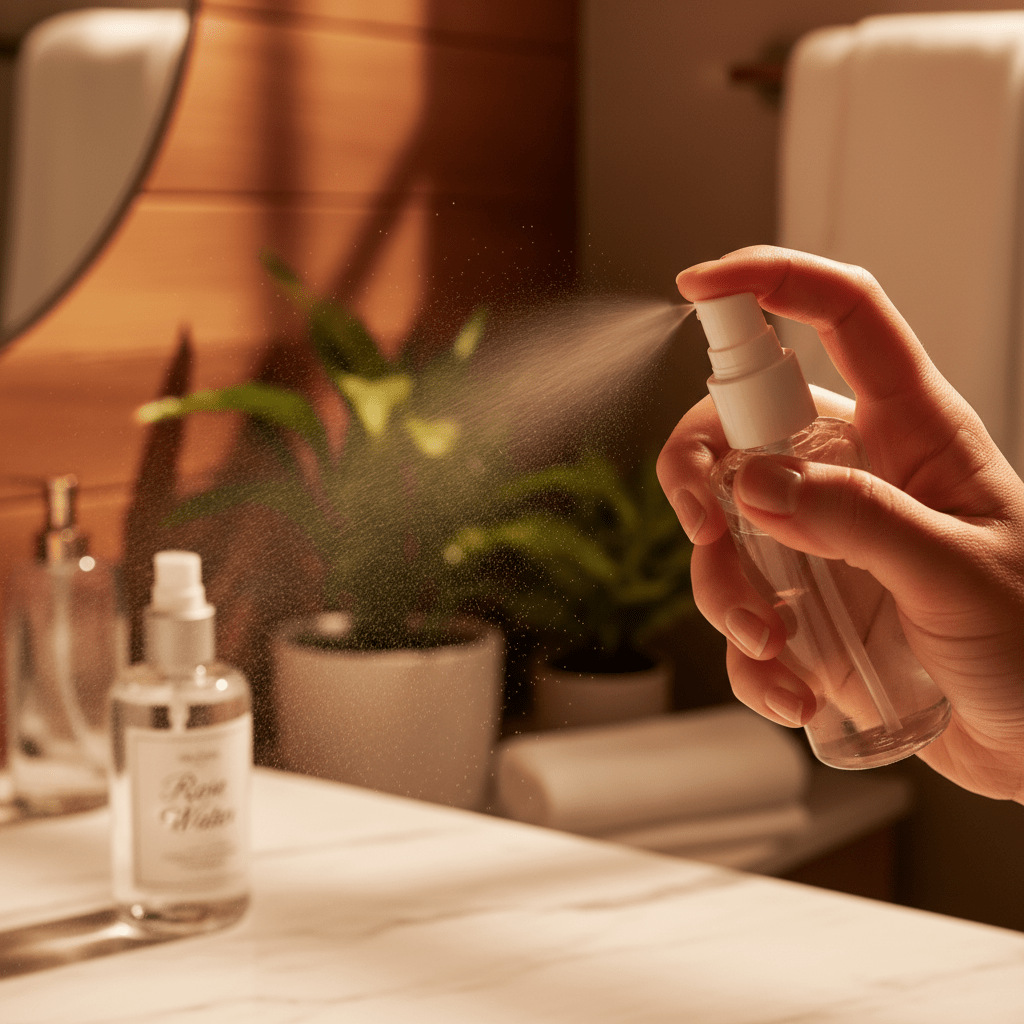
Final Thoughts: Embracing Glycerine in Your Natural Beauty Routine
Glycerine doesn’t need a big hype machine. It just works. That’s probably why it shows up in so many face products, from dry-skin creams to light toners for oily skin.
If you’re still asking, is glycerine good for your face? For most people, yes. It’s a simple humectant that helps skin hold water, supports the skin barrier, and fits nicely into a lot of routines. Plus, people clearly want ingredients they can trust. One report says the natural skincare market is set to grow from USD 45.5 billion in 2025 to USD 66.6 billion by 2031 Mordor Intelligence.
So here are two easy next steps:
- Check your current toner, serum, or moisturizer for Glycerin near the top of the label.
- Try a small DIY mix with vegetable glycerine for skin and rose water, then patch test first.
Small changes. Big difference. And once you learn how to read ingredient lists, you can build a routine that actually fits your skin, not just the trend of the week.
Get a quote from Aroma Monk.
Essential Oil Supplier – Bulk pricing • Samples • Fast response