
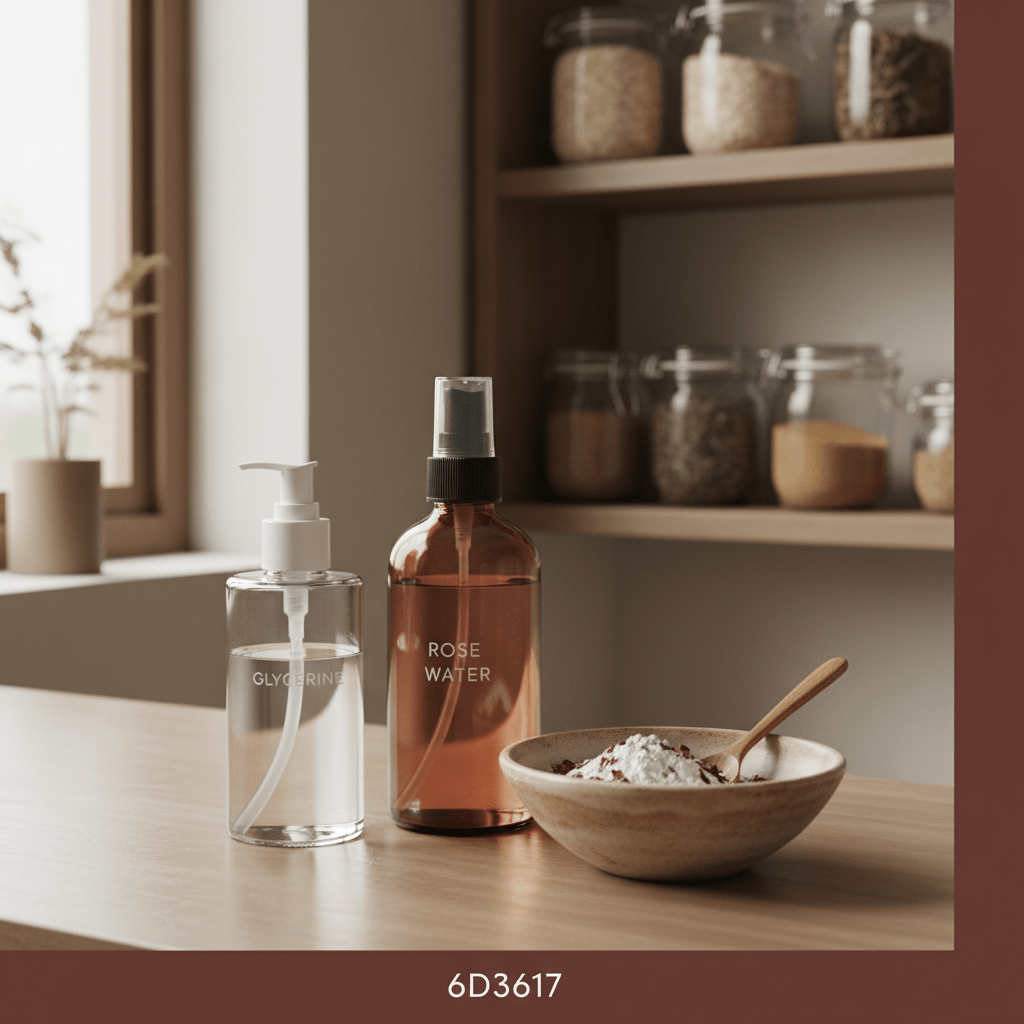
The Timeless Skincare Secret Hiding in Your Pantry
Ever looked at your bathroom shelf and thought, Why is good skin so pricey? You’re not alone. A lot of people spend real money chasing that soft, bouncy, fresh-faced look, and hydration is the big thing they want. In fact, nearly 60% of U.S. shoppers say skin hydration is a top reason they buy skincare, and the average person spends about $492 a year on skincare source. Ouch.
But here’s the funny part. One of the simplest helpers for dry, dull skin may already be in your pantry. Glycerine for face care has been around for ages because it’s cheap, easy to use, and it works like a moisture magnet. It’s a humectant, which just means it helps pull water into the skin.
And no, it’s not some new trend that popped up last week on TikTok. People have used it in basic creams and soaps for years.
In this guide, we’ll keep it simple. You’ll learn the basics behind glycerine, how to use glycerine on face the right way, what to watch for, and how to make DIY glycerine face mask recipes for dry, oily, and sensitive skin. We’ll also touch on glycerine and rose water for face care, because that combo is a classic for a reason.
If you’ve been looking for homemade face masks for glowing skin without spending a ton, you’re in the right place. Let’s get into it.
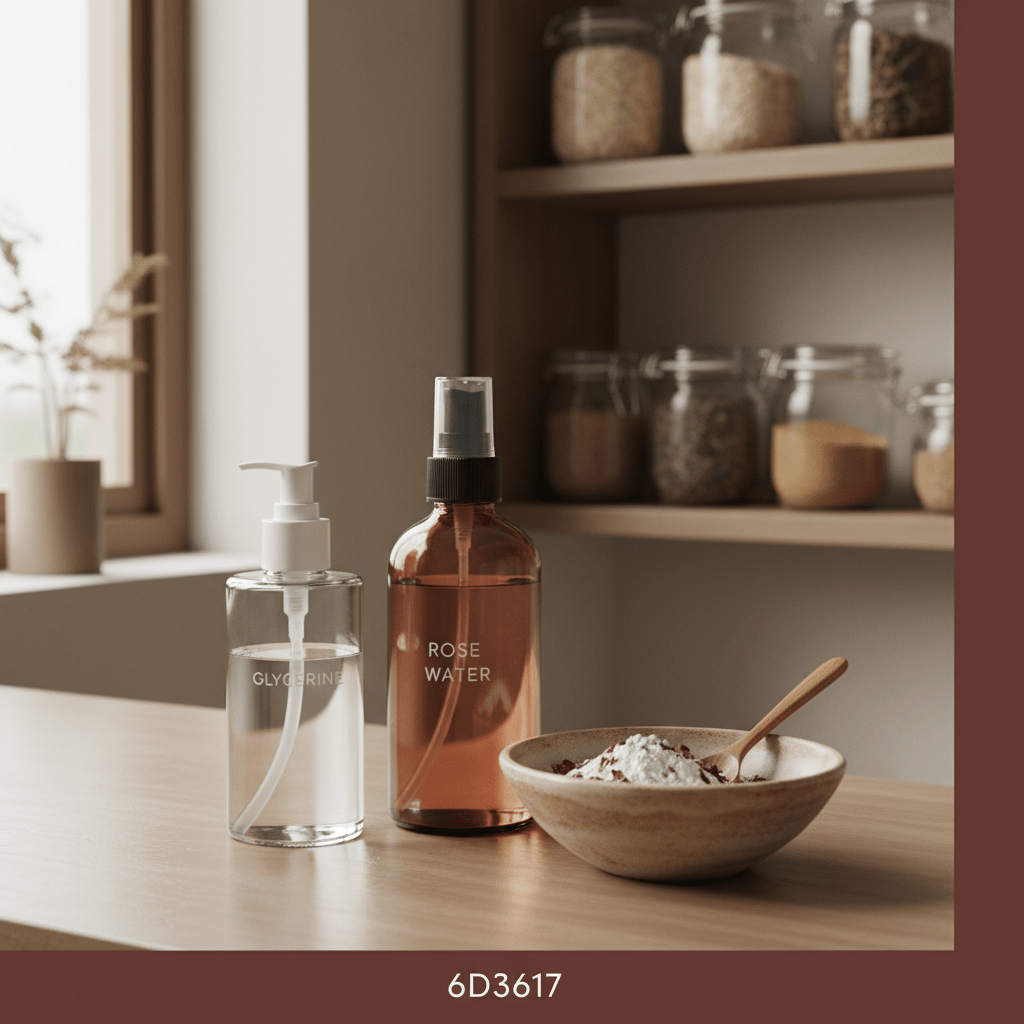
What is Glycerine? Understanding This Skincare Superstar
Ever found a tiny bottle of something plain-looking and thought, “Wait… that’s it?” That’s glycerine for face care in a nutshell. It doesn’t look fancy. It doesn’t have a flashy name. But it has been helping skin stay soft for a very long time.
Glycerine, also called glycerol, is a natural compound made from vegetable oils or animal fats. For skin, vegetable glycerin for skin is the better pick for most people. It’s the one you’ll usually want for DIY beauty use, especially if you care about purity and skin safety. Look for USP-grade vegetable glycerine too. USP-grade means it meets strict purity rules, so it’s made for safe cosmetic use, not just random shelf duty.
Here’s the deal. Glycerine works as a humectant. That just means it pulls moisture toward the skin’s outer layer and helps hold it there. Think of it like a tiny water magnet. Pretty simple. Pretty smart.
And yes, that’s one reason it shows up in so many older skin recipes. People used it in soaps, creams, and hand products long before skincare got all glossy and expensive. Actually, wait, there’s a better way to say it: glycerine was doing the job before “glow serum” was even a thing.
It also helps explain why so many people are chasing hydration in the first place. Nearly 60% of U.S. shoppers say hydration is a top skin care buy factor, and the average person spends about $492 a year on skincare, according to Statista’s U.S. skincare survey. So if you’re looking for a simple hydrator, glycerine makes a lot of sense.
Now, don’t mix it up with trendy ingredients like hyaluronic acid. Both help skin hold water, but glycerine is usually easier to find, often cheaper, and super common in basic products. That’s a big deal if you want homemade face masks for glowing skin without spending a pile of cash.
One more thing. Some people worry glycerine dries the skin out. That can happen if it’s used wrong, like straight from the bottle in very dry air. But when it’s diluted and used on damp skin, it’s a solid helper for glycerine for dry skin, and it can also fit into routines for oily or sensitive skin.
So yeah, plain bottle. Strong result. That’s glycerine.
The Science-Backed Benefits of Using Glycerine for Face Care
You know that dry, tight feeling after washing your face? Annoying. And it usually shows up at the worst time, like right before you leave the house. That’s where glycerine for face care starts to shine.
First, it’s a strong hydrator. Glycerine pulls water toward the top layer of skin, which helps cut down dryness and flaking. That’s a big reason it shows up in so many homemade face masks for glowing skin and simple moisturizers. It works best on damp skin, and that little step matters more than people think.
But hydration is only half the story. Glycerine also helps support the skin barrier. When your barrier is happy, your skin holds onto water better and feels less cranky from wind, soap, and dry indoor air. Think of it like a raincoat for your face, just a lot less dramatic.
It can also be soothing. If your skin gets red, itchy, or irritated, glycerine may help calm things down. That’s why many people use it in gentle mixes for glycerine for dry skin, especially when they want something simple and low-fuss. And yes, it can be a nice fit for is glycerine good for oily skin routines too, since oily skin still needs water.
The misconception that glycerine dries skin out usually comes from bad use, not the ingredient itself. Used straight and in very dry air, it can feel sticky or weird. Used the right way, it’s a helper, not a hassle.
A quick note before you try it: patch test first. And if you want a fresh, simple combo, glycerine and rose water for face care is a classic for a reason. Aroma Monk’s pure rose water can be a nice base for DIY glycerine face mask recipes, especially if you want a soft, clean feel without heavy fragrance.
| Benefit | What it does | Why people like it |
| Deep hydration | Draws water into skin | Helps with dryness and flaking |
| Barrier support | Helps reduce moisture loss | Skin feels less rough and tight |
| Calming feel | May soothe irritation | Good for simple DIY care |
So if you’ve been asking how to use glycerine on face without making a mess of it, start small. A few drops. A damp face. Maybe a mix with rose water. That’s usually enough to see why this old-school ingredient still has a loyal fan club.
Safety First: How to Properly Prepare and Use Glycerine on Your Face
You know that moment when a simple kitchen ingredient sounds a little too good to be true? Yeah, glycerine can feel like that. It’s cheap, plain, and easy to find. But if you use it the wrong way, your skin may not love it back.
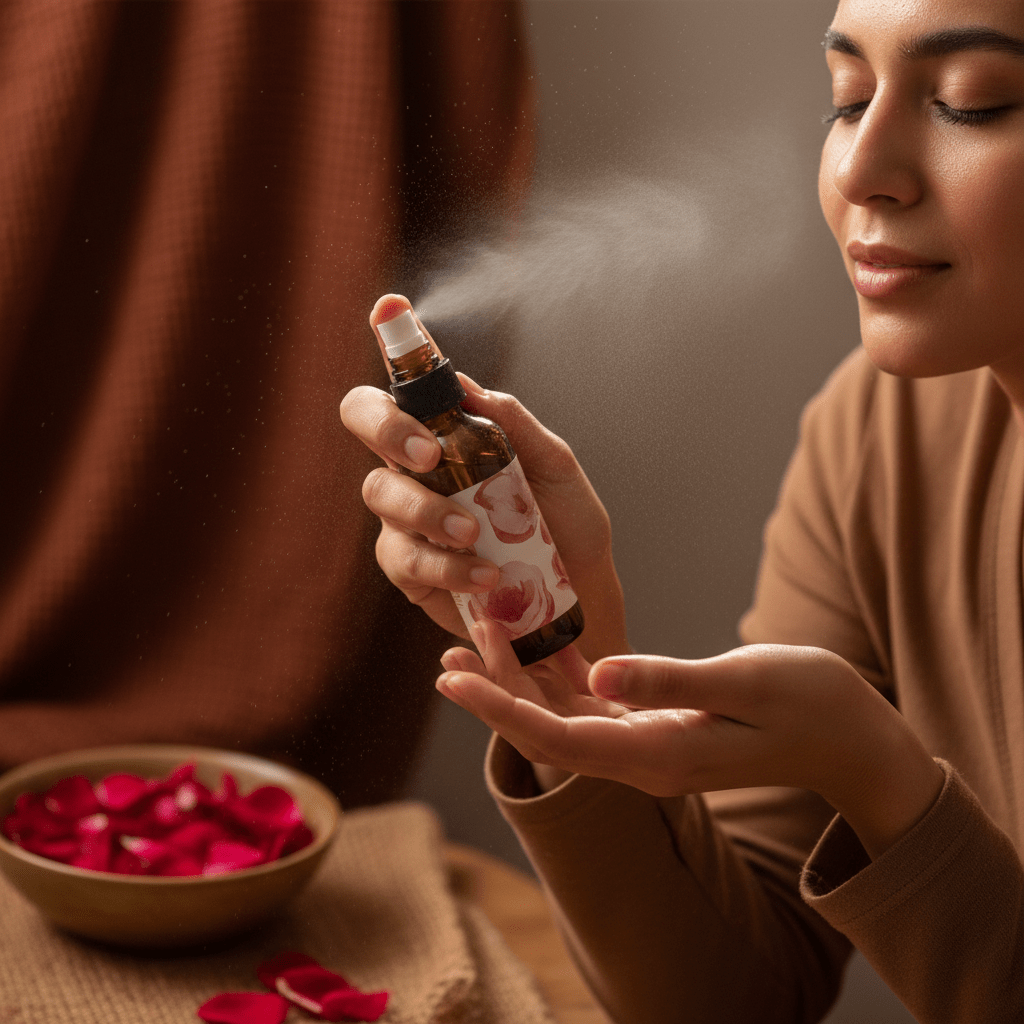
Here’s the golden rule: never use pure glycerine straight on your face. It can feel sticky, and in dry air it may pull water the wrong way. That’s why dilution matters so much. A safe mix is 1 part glycerine to 4 parts distilled water or rose water. If you want a soft, easy DIY base, this is the ratio to start with.
A gentle option is glycerine and rose water for face care. It feels light, and it works well in a simple mist or mask. Aroma Monk’s rose water is a nice pick here if you want a clean, natural base for homemade face masks for glowing skin.
How to patch test before you try it
Don’t skip this part. Really.
- Wash and dry the inner arm.
- Put a tiny bit of your diluted mix there.
- Leave it alone for 24 hours. If your skin is very sensitive, wait 48.
- Look for redness, itching, burning, or swelling.
- If nothing happens, you can usually try it on your face.
Simple, right? And boring in the best way.
What to look for when buying glycerine
Not all glycerine is the same. For face use, pick one that is:
- 100% pure
- Vegetable-derived
- Food-grade or USP-grade
USP-grade means the product meets strict purity rules, so it’s a safer choice for skin and DIY beauty use. Vegetable glycerin for skin is usually the better pick if you want something gentle and plant-based.
Quick tip: read the label. If the bottle is vague, skip it. If it clearly says pure vegetable glycerine, that’s the lane you want.
| What to check | Good sign | Why it matters |
| Source | Vegetable-derived | Better for cosmetic use |
| Purity | 100% pure | Fewer extra ingredients |
| Grade | USP-grade or food-grade | Safer for skin contact |
That’s the safe start. Keep it diluted, patch test first, and choose a clean, high-purity product. From there, glycerine for face care gets a lot easier to use well.
Get a quote from Aroma Monk.
Essential Oil Supplier – Bulk pricing • Samples • Fast response
4 Homemade Glycerine Face Mask Recipes for Every Skin Type
OK, this is the fun part. You’ve got the basics now, and here’s where glycerine for face care starts to feel less like “old pantry trick” and more like a real little skin helper. And honestly, people are looking for this kind of simple fix because skincare costs keep climbing. Nearly 60% of U.S. shoppers say hydration is the main thing they look for, and the average person spends about $492 a year on skincare, according to Statista’s U.S. skincare survey. So yeah, a DIY glycerine face mask makes a lot of sense.
The big rule stays the same: keep glycerine diluted. Use just a little. A few drops or up to 1/4 teaspoon is plenty for most masks. More is not better here. Sticky face? No thanks.
Before you try any mask, do a patch test first. We covered that already, but it’s worth repeating because skin can be weird sometimes.
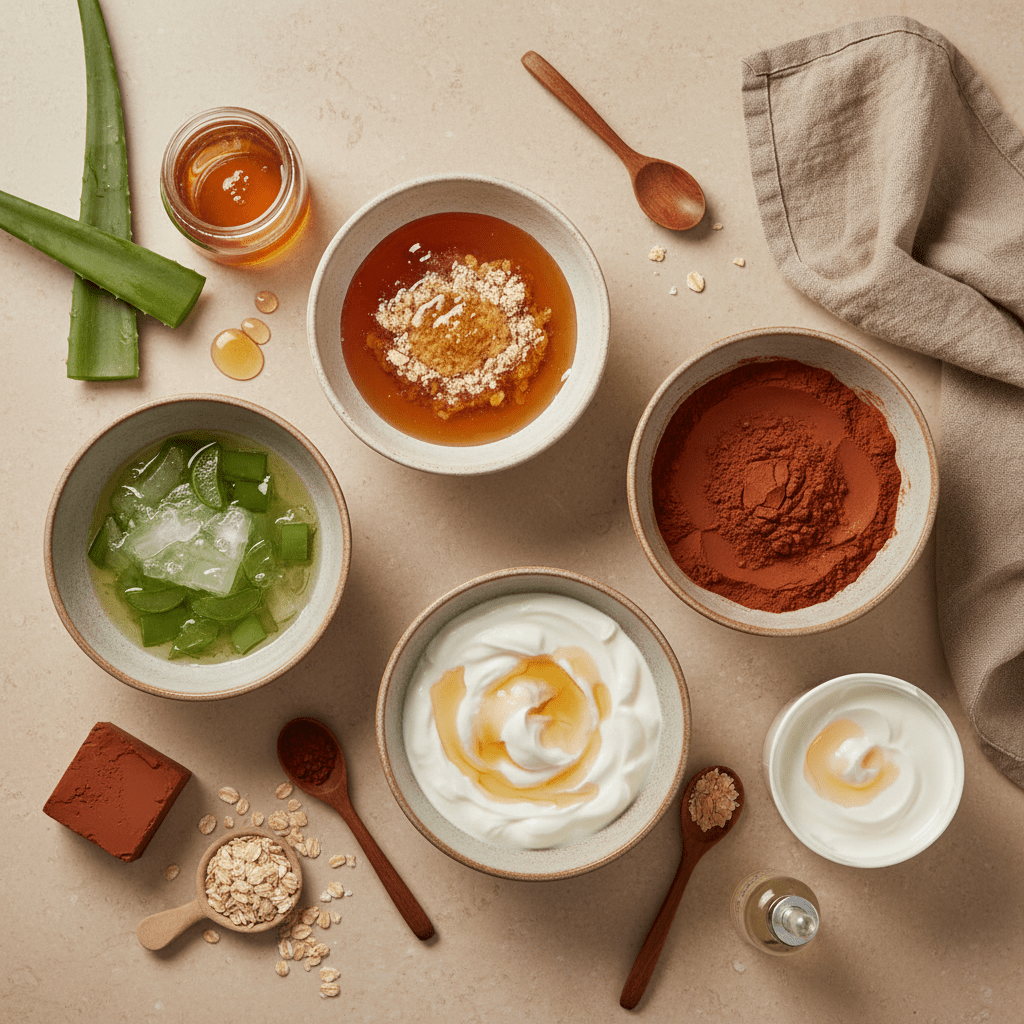
1) For Dry or Dehydrated Skin: Honey + Aloe Glow Mask
If your face feels tight, flaky, or just plain thirsty, this one’s for you. It’s soft, soothing, and feels a lot like a drink of water for dry skin.
What you’ll need:
- 1 tablespoon aloe vera gel
- 1 teaspoon honey
- 1/4 teaspoon glycerine for face
How to make it:
- Mix everything in a small bowl.
- Spread it on clean, damp skin.
- Leave it on for 10 to 15 minutes.
- Rinse with lukewarm water.
- Pat dry and put on a simple moisturizer.
Honey helps hold in moisture, aloe feels cool and calm, and glycerine helps draw water into the top layer of skin. That combo works nicely for glycerine for dry skin, especially in winter or after too many long showers. Been there. Regretted that.
Best for: dry, rough, or dull skin
Use it: 1 to 2 times a week
2) For Oily or Acne-Prone Skin: Multani Mitti Balance Mask
You know that shiny-T-zone thing that shows up right after lunch? Yeah, this mask is for that.
Multani mitti, or Fuller’s earth, is a clay that can help absorb extra oil. The trick is not to overdo it, because oily skin still needs water. That’s why a tiny bit of glycerine helps keep the mask from feeling like sandpaper.
What you’ll need:
- 2 tablespoons multani mitti
- 1 tablespoon rose water
- 1/4 teaspoon glycerine
How to make it:
- Stir the clay and rose water together.
- Add glycerine and mix well.
- Apply a thin layer to your face.
- Leave it on for 8 to 12 minutes.
- Rinse before it gets fully dry and tight.
This is a nice pick if you’ve been wondering, is glycerine good for oily skin? In a small amount, yes. It helps balance the mask so your skin doesn’t feel stripped after washing. Plus, the Aroma Monk rose water works well here if you want a gentle, clean base for your DIY routine.
Best for: oily, combo, or acne-prone skin
Use it: once a week
3) For Sensitive Skin: Oatmeal Calm Mask
Sensitive skin can be fussy. It gets red. It gets mad. Sometimes it reacts to nothing at all, which is rude, honestly.
This mask keeps things simple. Oatmeal is soft on skin, and chamomile tea adds a calming touch. Glycerine gives it a bit of hydration without making it heavy.
What you’ll need:
- 1 tablespoon finely ground oatmeal
- 1 tablespoon plain yogurt
- 1/4 teaspoon glycerine
- 1 to 2 tablespoons cooled chamomile tea, just enough to mix
How to make it:
- Brew chamomile tea and let it cool fully.
- Mix the oatmeal and yogurt.
- Add glycerine and a little tea until it becomes a spreadable paste.
- Apply gently.
- Leave on for 10 minutes, then rinse with cool water.
This is one of those homemade face masks for glowing skin that doesn’t try too hard. It just works quietly. Nice, right?
Best for: redness, irritation, and easily upset skin
Use it: 1 time a week
4) For Dull or Combination Skin: Brightening Glow Mask
If your skin looks tired, uneven, or kind of “meh,” this one brings a little life back. Not a dramatic glow. Just a healthier, fresher look.
Yogurt has lactic acid, which can gently smooth skin. Turmeric adds a warm, brightening touch. And glycerine helps keep everything soft instead of drying things out.
What you’ll need:
- 1 tablespoon plain yogurt
- 1 teaspoon honey
- A small pinch of turmeric
- 1/4 teaspoon glycerine
How to make it:
- Mix the yogurt and honey.
- Add a tiny pinch of turmeric.
- Stir in the glycerine.
- Apply a thin layer to clean skin.
- Leave it on for 8 to 10 minutes, then rinse well.
A quick warning: turmeric can stain towels and pale shirts. Ask me how I know. Actually, don’t.
Best for: dull, uneven, or combination skin
Use it: every 7 to 10 days
Quick Mask Guide
| Skin type | Main ingredients | Best result | How often |
| Dry skin | Aloe, honey, glycerine | More moisture and softness | 1 to 2 times weekly |
| Oily skin | Multani mitti, rose water, glycerine | Less shine, cleaner feel | Once weekly |
| Sensitive skin | Oatmeal, yogurt, chamomile, glycerine | Calmer, less red skin | Once weekly |
| Dull skin | Yogurt, honey, turmeric, glycerine | Brighter, smoother look | Every 7 to 10 days |
A few quick tips so the masks actually work
- Use glycerine on damp skin, not dry skin.
- Keep the amounts small. Really small.
- Rinse masks off before they crack or fully dry.
- Follow with a plain moisturizer if your skin feels thirsty.
- Skip any recipe that stings, burns, or makes your face angry.
And if you want to make these masks feel a little more spa-like, swap plain water for rose water in the soothing or oily-skin versions. That’s where glycerine and rose water for face care starts to feel extra nice, especially if you want a simple routine without a bunch of steps.
The best part? These recipes don’t need fancy tools or pricey jars with gold lids. Just a bowl, a spoon, and a few pantry basics. Pretty satisfying.
If you’re building a small skincare line or just want cleaner raw ingredients for your own brand, a pure, lab-tested rose water from Aroma Monk can fit right into DIY masks, mists, and gentle beauty blends.
Potential Side Effects and Common Mistakes to Avoid
Glycerine sounds sweet and harmless, right? And most of the time, it is. But a few small slip-ups can make your skin feel worse instead of better.
The biggest mistake is using too much glycerine, especially in dry weather. In low humidity, a thick layer of undiluted glycerine can act in a weird way and pull moisture from deeper skin layers instead of helping. So if your room feels dry, or it’s winter and the heater is blasting, keep it diluted. A mix like 1 part glycerine to 4 or 5 parts water or rose water is a much safer bet.
Stickiness is the other common complaint. Yep, glycerine can feel tacky. That does not mean it’s bad. It just means you probably used too much, or you left it on in a leave-on formula that felt too heavy. A few easy fixes:
- Use it on damp skin
- Keep the amount tiny, like a few drops
- Mix it into rinse-off masks instead of leaving it on all day
- Pair it with rose water for face care if you want a lighter feel
That last one is a favorite for a reason. A simple glycerine and rose water for face mix usually feels fresher and less sticky than using glycerine by itself. Plus, it’s easier to spread.
Also, not every face likes every new thing. Some people have allergies. Some have very sensitive skin or conditions like eczema, rosacea, or contact dermatitis. If that sounds like you, patch test first and talk to a dermatologist before trying a new DIY glycerine face mask. I know, it’s less fun than mixing up a glow mask, but it saves a lot of trouble later.
And one more thing. If your skin stings, burns, turns red, or gets itchy, stop right away. That’s your skin waving a little red flag.
Glycerine for face care can be a simple win, but like most good things, it works best when you don’t overdo it.## Embrace Natural Hydration with Glycerine
So here’s the simple truth. Glycerine for face care is one of those old-school ingredients that still earns its spot. It hydrates, helps support the skin barrier, and can calm skin that feels dry or irritated. And it does all that without needing a fancy price tag.
That matters, especially now. Nearly 60% of U.S. shoppers say hydration is the top thing they want in skincare, and people spend about $492 a year on products for their skin, according to Statista’s U.S. skincare survey. So if you’ve been searching for homemade face masks for glowing skin, this little pantry helper is worth a look.
But the big rule is simple: always dilute it. Pure glycerine by itself can feel sticky, and in very dry air it may not treat your skin kindly. Mix it with water or rose water, use it on damp skin, and keep the amounts small.
If you want the easiest next step, pick one DIY glycerine face mask that fits your skin type. Dry skin? Try aloe and honey. Oily skin? Go for multani mitti and rose water. Sensitive skin? Oatmeal is your friend. Then patch test first. Just a tiny spot, 24 to 48 hours, and you’re set.
Honestly, that’s the sweet spot with glycerine for face. Simple. Cheap. Pretty darn useful.
If you’re ready to give it a try, start with the recipe that matches your skin today. Small mix. Small patch test. Big payoff when it clicks.
Get a quote from Aroma Monk.
Essential Oil Supplier – Bulk pricing • Samples • Fast response