
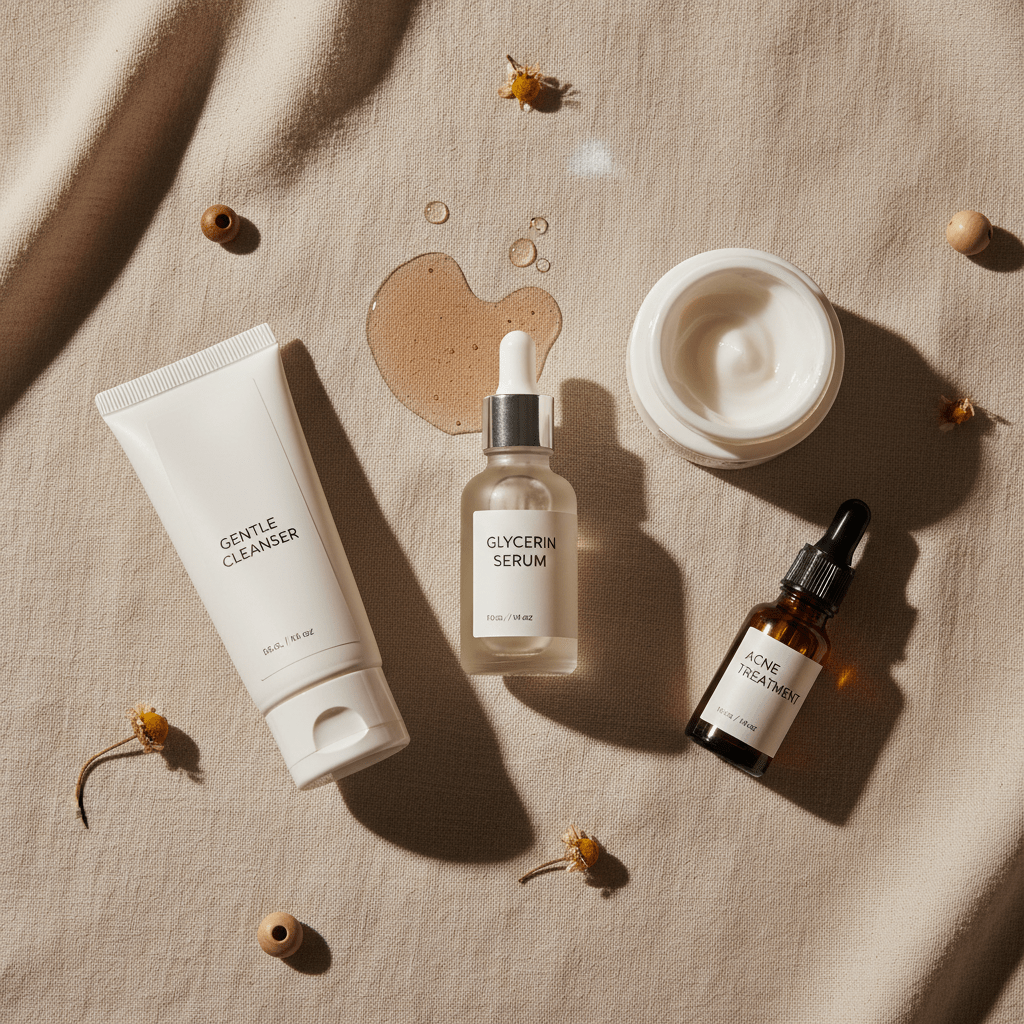
The Acne-Prone Skin Dilemma: Can You Fight Breakouts Without Dryness?
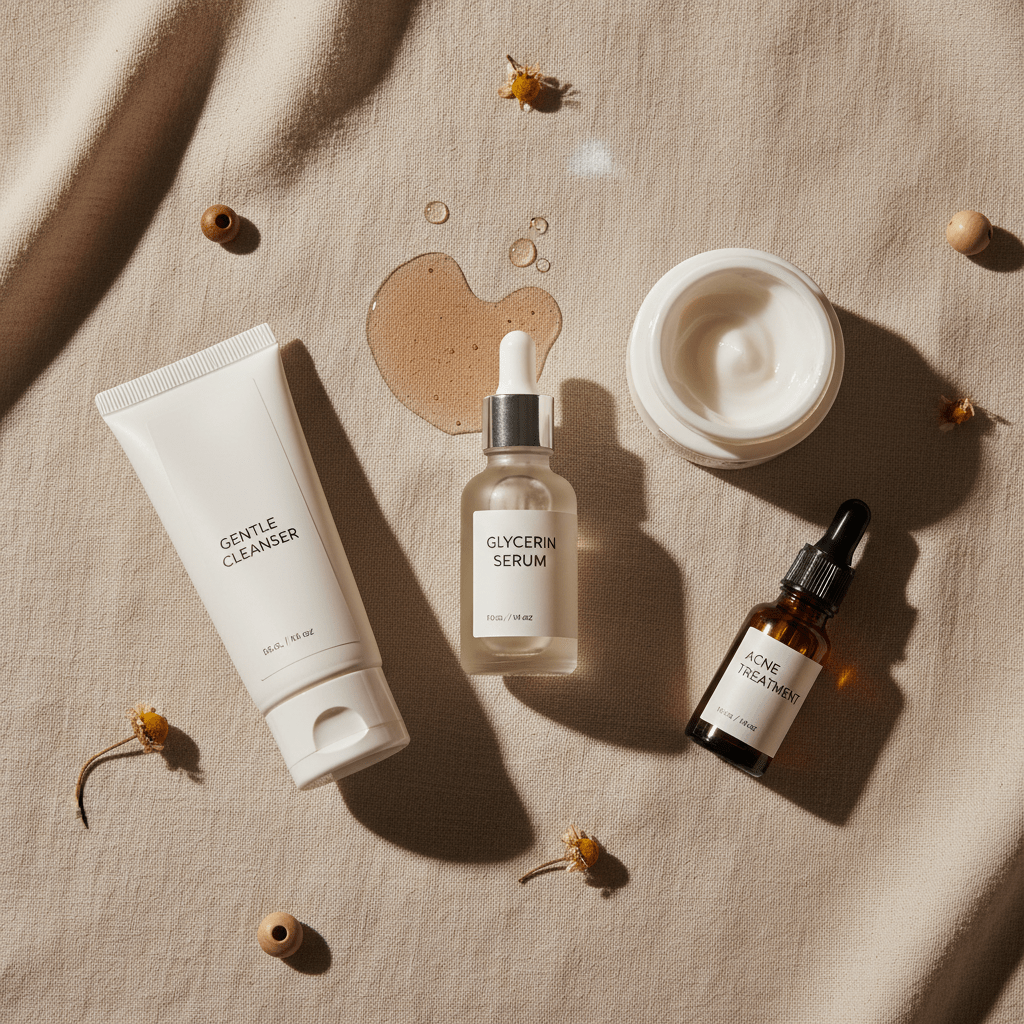
You know that weird skin tug-of-war? One minute you’re trying to calm pimples, and the next your face feels tight, flaky, and mad at you. Been there. Lots of us have.
Harsh acne products can do that. Retinoids, benzoyl peroxide, and strong acids may help with breakouts, but they often bring dryness, peeling, and irritation with them. Studies on topical retinoids report that 50% to 90% of users deal with some level of dryness or irritation, especially in the first few weeks. That’s a big reason people quit too soon.
And honestly, that’s the frustrating part. If your skin barrier gets stripped, your face can feel even more reactive. More stinging. More redness. Sometimes more oil, too. Weird, right?
That’s where glycerine for face starts to look interesting. Not as an acne cure. Not as a magic fix. But as a supportive ingredient that helps skin hold water and feel less stressed while you treat breakouts. It’s one of those hydrating ingredients for acne that can make the whole routine feel more livable.
Glycerine, also called glycerol, is a humectant. That just means it pulls water into the skin and helps keep it there. So when people ask is glycerine good for acne, the short answer is usually yes for support, not as a spot treatment. It may help make glycerine for acne-prone skin and using glycerine on oily skin a smarter pairing than many folks expect.
In this article, we’ll look at the real glycerine benefits for skin, how it fits with oily and acne-prone routines, and what to know about glycerine side effects face before you try it yourself.
Plus, if you’re building skincare products or sourcing natural base ingredients, brands like Aroma Monk already work with pure rose water, carrier oils, and other cosmetic ingredients that fit this kind of gentle routine. More on that later.
What Exactly is Glycerine? Your Skin’s Moisture Magnet
Picture this. You wash your face, reach for your acne gel, and five minutes later your skin feels like it wants to file a complaint. That tight, squeaky feeling? Yeah, not fun.
That’s where glycerine for face starts to make sense.
Glycerine, also called glycerol, is a humectant. Fancy word, simple job. It pulls water into the skin and helps hold onto it. Think of it like a tiny water magnet sitting on the skin’s top layer. It draws moisture from the air and from deeper skin layers up toward the surface, which helps the skin feel softer and less parched.
And here’s the deal: that matters a lot if you’re dealing with acne. Dry, stripped skin can get cranky fast. It may sting more, flake more, and just feel harder to live with. That’s why hydrating ingredients for acne have gotten so much attention lately.
Most skincare glycerine is made from plant sources, too. You’ll often see vegetable glycerine for skin on labels, and that usually means it came from soy, coconut, or other plant oils. It’s widely used in cosmetics because it’s simple, stable, and usually gentle.
Glycerine also has a strong safety track record in skincare. It’s often used in products made for oily and acne-prone skin because it’s a non-comedogenic humectant, which means it does not tend to clog pores. So if you’ve been asking, is glycerine good for acne, the short answer is yes, in the right formula.
Humectant, emollient, occlusive… what’s the difference?
This part gets mixed up all the time. But it’s pretty easy once you break it down.
| Ingredient type | What it does | Common examples |
| Humectant | Pulls water into skin | Glycerine, hyaluronic acid |
| Emollient | Softens and smooths skin | Shea butter, squalane |
| Occlusive | Helps block water loss | Petrolatum, dimethicone |
So glycerine is the foundation layer. It gives skin water to work with. Then emollients help smooth things out, and occlusives help keep that water from escaping too fast.
That mix is why glycerine shows up in so many moisturizers for acne-prone skin. It does its job without feeling heavy, greasy, or pore-clogging. And for a lot of people, that’s the sweet spot.
Actually, wait… there’s a better way to think about it. Glycerine is the quiet helper in the background. It’s not the star of the show. But without it, the whole routine can feel rougher than it needs to.
If you’re building a gentler acne routine, look for formulas that pair glycerine with other soft, skin-friendly ingredients. That combo usually works better than chasing the strongest drying product on the shelf.
And if you make skincare products yourself, this is where ingredient quality matters. Aroma Monk, for example, supplies pure rose water, essential oils, and other natural cosmetic ingredients for brands that want clean, reliable raw materials for their own formulas.
The Science: Is Glycerine Good for Acne-Prone Skin?
You know that moment when your skin feels oily and thirsty at the same time? Annoying. But also super common.
That combo is exactly why glycerine for face gets so much attention in acne care. Oily skin is often dehydrated skin in disguise. When skin loses water, it can act stressed and crank out more sebum. That can make breakouts feel worse, not better. So yes, using glycerine on oily skin can actually make a lot of sense.
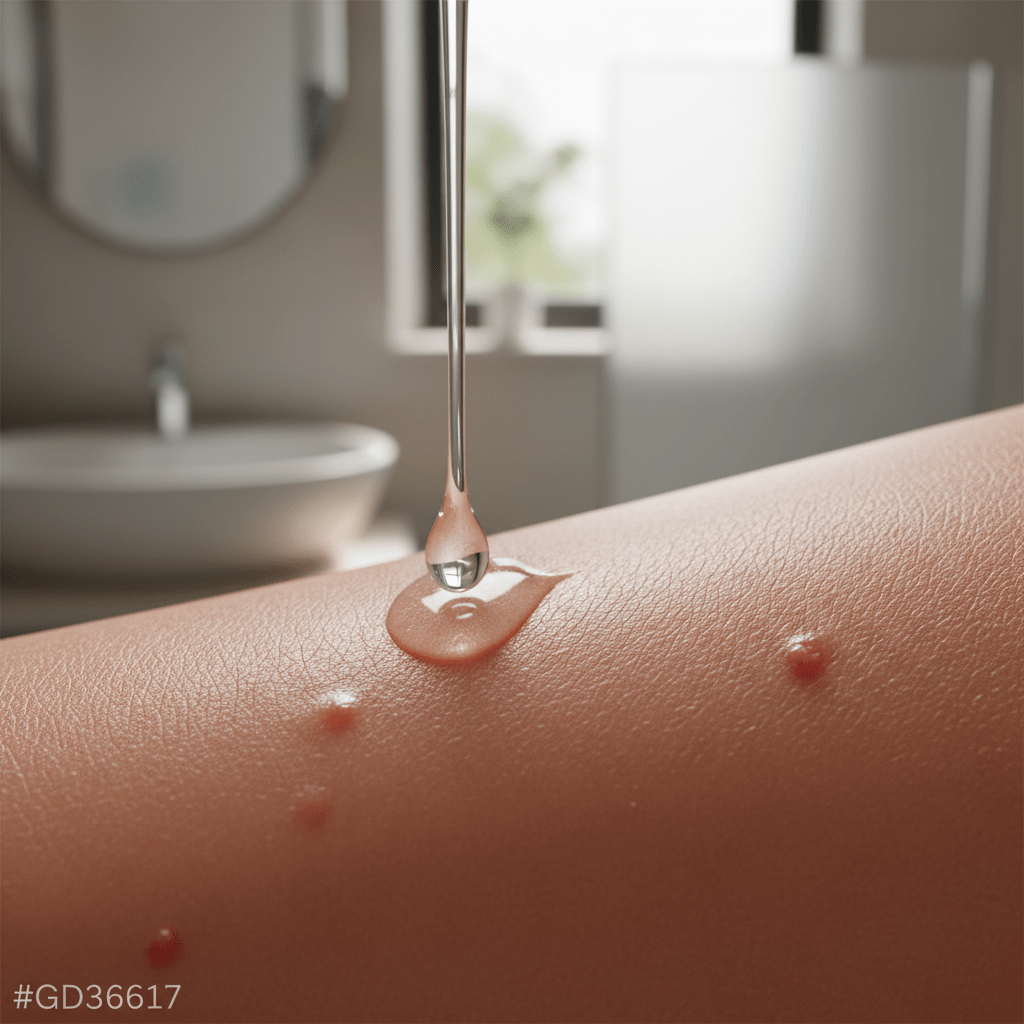
Glycerine gives oil-free hydration. No greasy film. No heavy feel. Just water support. And that matters because acne skin usually does best with hydrating ingredients for acne that don’t clog pores or leave a slick layer behind.
Here’s the simple version:
| Skin need | What glycerine does |
| Too dry | Pulls water into the top skin layer |
| Barrier feels weak | Helps skin hold moisture better |
| Oily but tight | Hydrates without adding oil |
| Acne routine feels harsh | Helps skin feel calmer |
That last one is a big deal. Acne meds can be rough. Retinoids and benzoyl peroxide often cause dryness, and skin that’s dry is more likely to sting, peel, and quit on you mid-routine. A gentle moisturizer with non-comedogenic humectants can help people stick with treatment longer. Dermatologists often say barrier care matters just as much as the acne step itself.
And that’s not just talk. Glycerine helps repair and support the skin barrier by drawing water into the outer layer of skin. A healthier barrier means less water loss, less irritation, and fewer chances for outside junk to bother your face. It can also help the skin recover faster after harsh products or scrubbing.
Actually, wait… there’s more. Some research suggests glycerol may help with wound healing and has mild antimicrobial activity at higher levels. That doesn’t mean it’s an acne drug. It’s not. But it may help soothe blemishes while skin heals, and that can matter for spots that leave behind red marks or lingering irritation.
A 2024 review in the National Library of Medicine explains glycerine’s role as a strong humectant that supports hydration and barrier repair, which is why it shows up in so many glycerine benefits for skin conversations.
So, is glycerine good for acne? In most cases, yes. Not as the hero that kills pimples. More like the steady teammate that keeps your skin from falling apart while the acne actives do their job.
If you’re wondering how to use glycerine for pimples, the safest move is to look for it inside a full formula, like a cleanser, toner, or lightweight moisturizer. Pure glycerine can feel sticky if it’s used wrong. And if you’re making skincare products, that’s where a reliable ingredient source matters. Brands like Aroma Monk supply cosmetic ingredients such as rose water and carrier oils for formula building, which can pair well with glycerine-based hydration ideas.
Bottom line: glycerine for acne-prone skin works best as support. It hydrates, helps protect the barrier, and may make breakout care easier to tolerate. Nice little helper. Not flashy. But pretty useful.## Myth-Busting: Will Glycerine Clog Pores or Make Oily Skin Greasier?
That fear is so common. You see “glycerine” on a label and think, Wait… won’t that make my face slick and sad? Fair question. But the answer is usually no.
Pure glycerine is widely seen as non-comedogenic, which means it does not tend to clog pores. It’s not an oil, and it doesn’t sit on skin like a heavy waxy layer. That’s why it shows up in so many glycerine for acne-prone skin formulas. If you’ve been wondering is glycerine good for acne, this is a big reason people say yes.
And the greasy fear? That’s usually a formula issue, not a glycerine issue.
Glycerine is a humectant. It pulls water into the skin, so your face feels less tight and less thirsty. When skin gets better hydrated, it often stops acting so dramatic with oil. Not always, sure. Skin has moods. But using glycerine on oily skin can help balance that dry-tight-oily mess a lot of people deal with.
| Myth | What’s more likely true |
| Glycerine clogs pores | Pure glycerine is not known for clogging pores |
| Glycerine makes skin oily | It adds water, not oil |
| Oily skin should avoid hydration | Dehydrated skin can actually feel oilier |
| Any glycerine product is safe | The whole formula matters |
That last one matters most. A product can contain glycerine and still break you out if it’s packed with pore-heavy ingredients like coconut oil or isopropyl myristate. So the real question is not just “does it have glycerine?” It’s “what else is in there?”
A lightweight lotion with glycerine, for example, is very different from a thick balm loaded with heavy oils. One works with acne care. The other might fight it.
And here’s the funny part… some people blame the wrong ingredient because glycerine is the one they can pronounce. But the greasy feel often comes from the rest of the formula. If you want hydrating ingredients for acne that play nice with skin, glycerine is usually a safer bet than the scary-sounding stuff in the back of the bottle.
So yes, glycerine benefits for skin include hydration without the pore-clogging baggage. Just keep an eye on the full ingredient list, especially if you’re shopping for a moisturizer, toner, or cleanser. And if you’re making products, this is where good raw materials matter. Aroma Monk supplies rose water, carrier oils, and other natural cosmetic ingredients for brands that want cleaner, more predictable formulas.
If your skin has been acting greasy and tight at the same time, try a glycerine-based, non-comedogenic humectant formula first. It might be the calmer path your face has been asking for.
How to Use Glycerine for Acne: A Practical Guide
You know that moment when your skin feels dry, but it also breaks out if you look at it wrong? Yeah, that combo can make product shopping feel weirdly personal.
The good news is that glycerine for face usually works best in simple, gentle steps. Not all at once. Not in a giant slug of DIY goo. Just in smart layers that give your skin water without extra heaviness.
1) Start with a rinse-off cleanser
If your skin gets cranky fast, begin with a gentle, hydrating cleanser that includes glycerine. This is probably the easiest way to try glycerine for acne-prone skin without changing your whole routine.
A cleanser is on your face for a short time, so it can add a bit of moisture without hanging around and feeling sticky. That makes it a nice first step if you’re asking how to use glycerine for pimples while you’re already using acne meds. It won’t fight your treatment. It just helps your skin feel less stripped afterward.
Good picks often say things like:
- gentle cleanser
- hydrating cleanser
- non-comedogenic humectants
- soap-free formula
And yes, that little “non-comedogenic” note matters.
2) Add a leave-on layer
If your skin can handle more, move to a toner, essence, or serum with glycerine. These leave-on steps can give a more focused hit of hydration, which is handy if your acne care routine includes acids or retinoids.
A lightweight toner can feel almost like water, which is nice when your face hates heavy products. A serum can bring in more hydrating ingredients for acne, especially if it also has things like panthenol, niacinamide, or hyaluronic acid.
Here’s a simple order that usually makes sense:
- Cleanse
- Use a hydrating toner or essence
- Apply acne treatment if needed
- Seal it with moisturizer
Pretty straightforward. No skin science drama.
3) Pick a moisturizer where glycerine is doing real work
This is where glycerine benefits for skin really show up. A good moisturizer should support the barrier, not just sit there looking fancy on the shelf.
Look for formulas where glycerine is paired with:
| Helpful ingredient | Why it helps |
| Niacinamide | Can help calm the look of redness |
| Ceramides | Help support the skin barrier |
| Squalane | Adds softness without a greasy feel |
| Dimethicone | Helps lock in water |
That kind of combo is especially nice if you’re using using glycerine on oily skin and don’t want a heavy finish. It gives water support first, then helps keep it there.
And here’s a small thing that matters a lot: most acne routines work better when the skin barrier is happy. Acne products can dry you out fast, and dryness can lead to more stinging, peeling, and quitting halfway through. Dermatology groups like the American Academy of Dermatology also tell people to use a gentle, non-comedogenic moisturizer with acne meds, which lines up nicely with glycerine-based formulas.
A few quick do’s and don’ts
- Do patch test a new product first
- Do keep glycerine in balanced formulas
- Don’t slather on pure glycerine straight from the bottle
- Don’t assume every glycerine product is the same
- Do look for formulas that fit your skin type
That last one is the real trick. A product can have vegetable glycerine for skin and still feel wrong if the rest of the formula is too heavy or too scented.
So if your skin is oily, acne-prone, and a little needy all at once… you’re not alone. Start light. Start slow. And if you’re building your own skincare line, ingredients like pure rose water and carrier oils from Aroma Monk can give you a clean base for gentle, glycerine-friendly formulas that feel good to use.
Get a quote from Aroma Monk.
Essential Oil Supplier – Bulk pricing • Samples • Fast response
What About Side Effects?
Most people do fine with glycerine, but glycerine side effects face can happen. The biggest one is that tacky feeling, especially if the formula is too strong or the weather is super dry.
A few people also notice a little stinging on already irritated skin. That does not mean glycerine is bad. It usually means the skin barrier is upset and needs a softer routine.
If you want to test a new product, try this:
- Apply a small amount to the jaw or inner arm
- Leave it alone for 24 to 48 hours
- Watch for redness, itching, swelling, or bumps
Simple. A little boring. But worth it.
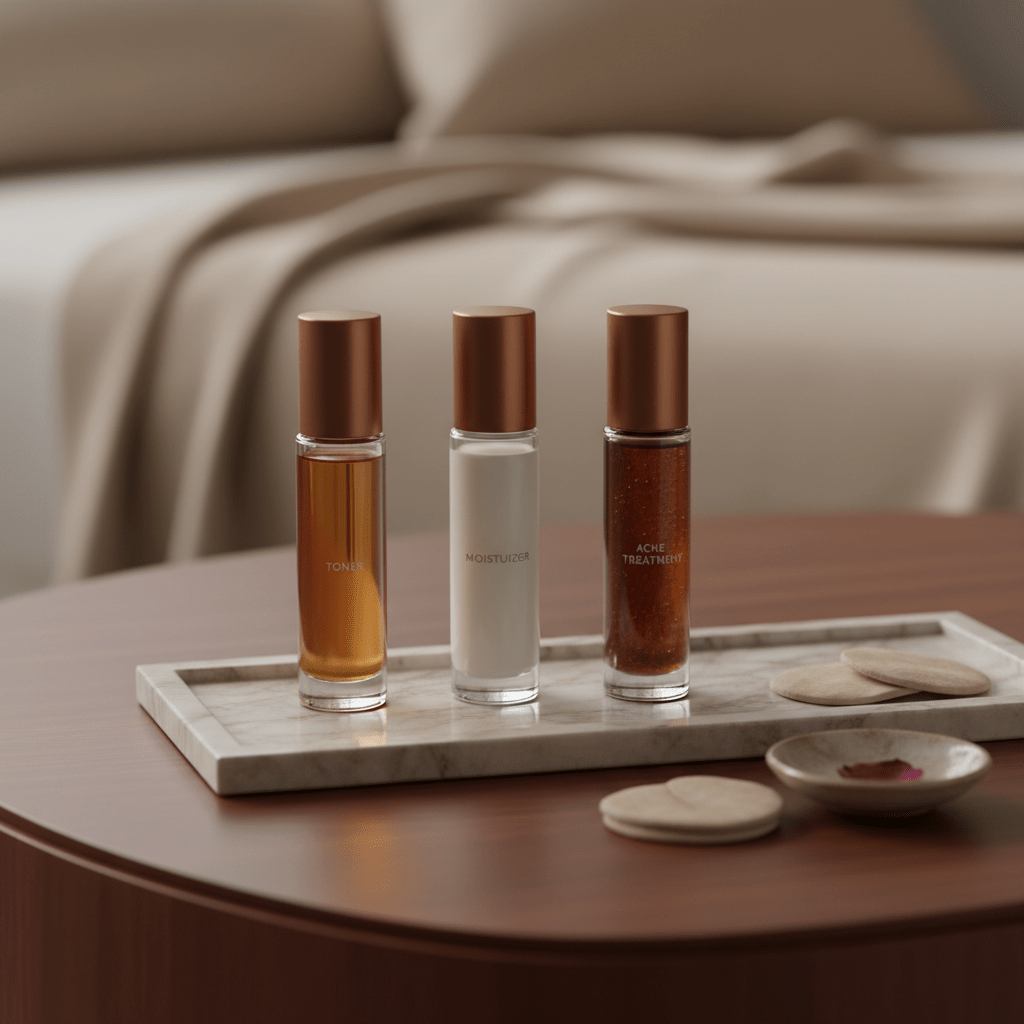
The bottom line
For most acne-prone skin, glycerine for face works best as support, not as the main acne fighter. It helps with water, comfort, and barrier care. That means your other treatments may feel easier to stick with.
And that’s the whole point, right? A routine you can actually live with.## Synergy in Skincare: Pairing Glycerine with Acne-Fighting Actives
You know what’s weird? The stuff that helps clear acne can also make your face feel like it’s one wrong move away from a meltdown. Retinoids, salicylic acid, glycolic acid… they do a lot. But they can also leave skin dry, stingy, and plain annoyed.
That’s where glycerine for face gets really handy. It doesn’t fight pimples by itself. Instead, it helps your skin stay calm while the stronger stuff does its job. And for a lot of people, that makes the whole routine way more livable.
Why glycerine helps with retinoids
If you use tretinoin or adapalene, you already know the drill. Dryness. Peeling. That tight, shiny, “don’t touch me” feeling. A glycerine-rich moisturizer can act like a soft buffer before or after your retinoid, which helps lower irritation without taking away the acne treatment’s benefits.
That buffering step matters because people are more likely to keep using a product that doesn’t make their face miserable. And sticking with treatment is a big deal. A retinoid and moisturizer guide notes that layering moisturizer with retinoids can make skin more comfortable, which lines up with what many dermatologists recommend in real life.
What about acids like BHA and AHA?
This is where the combo gets nice.
- Salicylic acid (BHA) helps clear clogged pores.
- Glycolic acid (AHA) helps loosen dead skin on the surface.
- Glycerine helps keep the skin from feeling stripped after exfoliation.
So you get a sort of tag team. The acid does the clearing. Glycerine brings back water. And if your skin is acne-prone but also touchy, that balance can be a game changer… well, I know I’m not supposed to say that, but in this case it kind of fits.
Better together: glycerine plus barrier support
Honestly, the best formulas usually do more than one job. Look for glycerine benefits for skin alongside ingredients like:
| Ingredient | What it does |
| Niacinamide | Helps calm redness and may help with oil balance |
| Ceramides | Support the skin barrier |
| Glycerine | Pulls water into skin |
| Squalane | Adds softness without a greasy feel |
That mix can be especially nice if you’re asking is glycerine good for acne and also using stronger actives. It gives your skin a better shot at staying steady instead of flaring up every other day.
A simple way to think about it
If acne actives are the cleanup crew, glycerine is the water bottle and first-aid kit. Not flashy. Just useful.
That’s why so many people with glycerine for acne-prone skin end up liking formulas that include it. It helps with comfort, supports hydration, and makes it easier to keep going when treatments get a little rough.
If you’re shopping for products, check the label for non-comedogenic humectants and other hydrating ingredients for acne. And if you’re building your own skincare line, Aroma Monk’s rose water, carrier oils, and other natural cosmetic ingredients can help you create gentle formulas that pair well with glycerine-based care.
The short version? Glycerine works best as the sidekick. But sometimes the sidekick is the reason the hero gets to finish the job.
Potential Downsides & Who Should Be Cautious
Glycerine is usually a pretty friendly ingredient. But if you’ve ever used a product that felt weirdly sticky, you know the vibe. That tacky feel can happen when a formula uses too much glycerine or just doesn’t balance it with other ingredients. Not fun. Not a deal breaker either.
For most people, glycerine for face works best in small to medium amounts inside a well-made product. Around 2% to 10% is the sweet spot in many formulas. Go much higher, and the finish can feel grabby or heavy, especially on already oily skin. That’s why a lot of people like glycerine for acne-prone skin in cleansers, toners, or light moisturizers instead of straight DIY mixes.
There’s also a rare issue people bring up called reverse hydration. Sounds spooky, right??? The idea is that in very dry air, high amounts of pure glycerine might pull moisture from deeper skin layers if there isn’t much water in the air to grab instead. But this is mostly a concern with very strong, poorly made products. Modern skincare formulas usually mix glycerine with other hydrating ingredients for acne so this risk stays low.
| Possible issue | Who might notice it |
| Sticky or tacky feel | People using too much glycerine or a bad formula |
| Brief stinging | Very sensitive or already irritated skin |
| Dry-room discomfort | People in very low-humidity climates |
Allergies are rare, but I’d still patch-test anything new. Especially if your skin is reactive, rosacea-prone, or already angry from acne treatment. Try a little on the jaw or behind the ear first, then wait 24 to 48 hours. Simple, boring, smart.
If you’re asking is glycerine good for acne in the real world, the answer is still mostly yes. Just pick a balanced formula, watch for texture, and don’t assume every bottle with vegetable glycerine for skin will feel the same. The full blend matters more than the one star ingredient.
And if you’re shopping for non-comedogenic humectants or figuring out how to use glycerine for pimples without upsetting your skin, start slow. Your face will usually tell you pretty fast what it likes. A calm routine beats a harsh one every time.
Final Verdict: Is Glycerine a Must-Have for Your Acne-Prone Face?
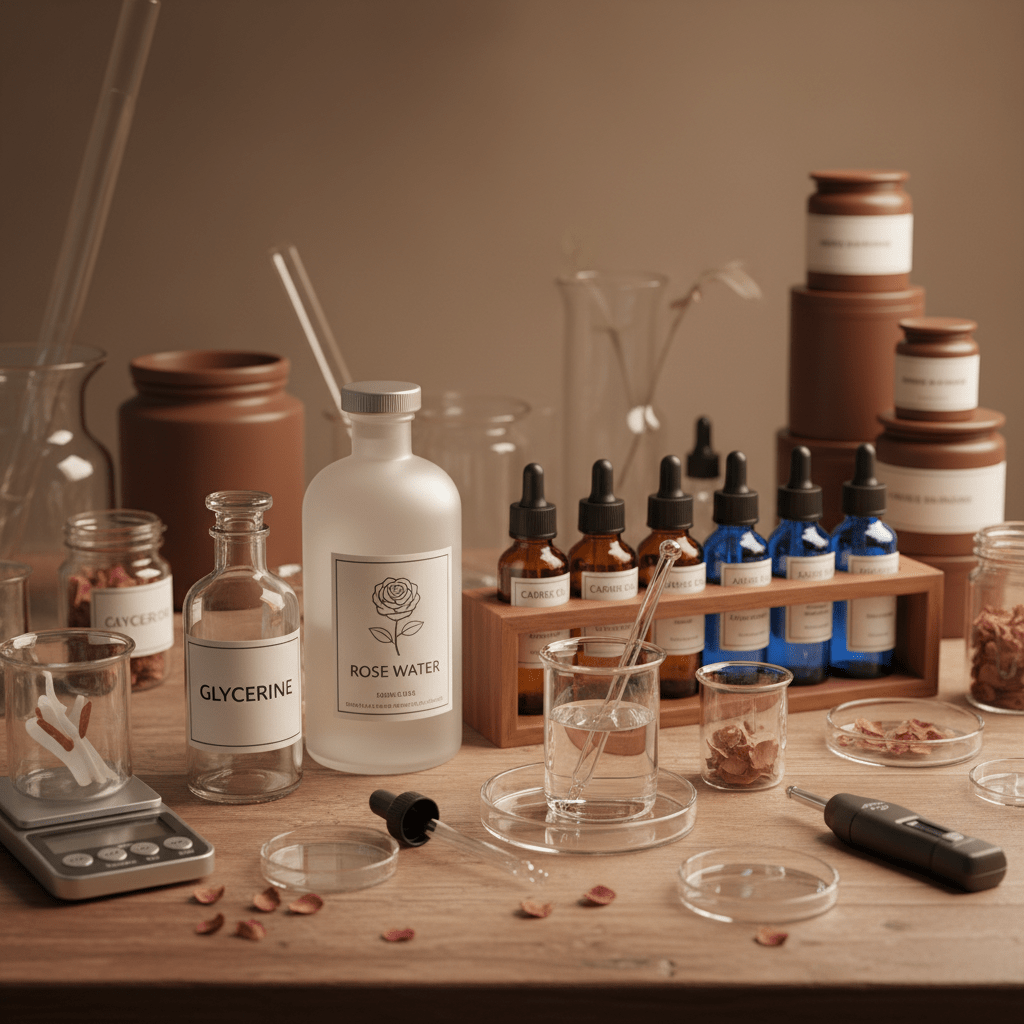
If your skin could talk, it would probably say this: “Please stop drying me out.” And honestly, fair.
That’s why glycerine for face keeps showing up in acne routines. It does not kill pimples by itself. But it does something almost as useful. It helps skin hold water, stay softer, and cope better with acne treatments that can leave you flaky and angry. Dryness and irritation are common with acne meds, with studies on topical retinoids showing 50% to 90% of users feel some level of it, especially at the start. So a gentle helper like glycerine can make a routine much easier to stick with.
Here’s the simple truth: is glycerine good for acne? Usually, yes. It’s a non-comedogenic humectant, so it doesn’t tend to clog pores, and it supports the skin barrier without adding oil. That makes it a smart pick for glycerine for acne-prone skin and for using glycerine on oily skin when your face feels both greasy and tight.
And no, it’s not a magic fix. But it does help build a better skin environment. That means less stinging, less peeling, and a better chance that your retinoid, salicylic acid, or benzoyl peroxide routine won’t make you want to quit by day four. Plus, the American Academy of Dermatology recommends a gentle, non-comedogenic moisturizer with acne care, which lines up nicely with the glycerine benefits for skin.
So here’s the action step. When you shop for your next hydrating serum or oil-free moisturizer, scan the ingredient list. If glycerine shows up in the top five ingredients, you’ve likely found a strong candidate for supporting your clear skin journey.
Simple. Calm. Pretty handy.
And if you’re building skincare products, this is also a good place to think about ingredient quality. Brands like Aroma Monk offer pure rose water, carrier oils, and other cosmetic ingredients that can work well in gentle, glycerine-friendly formulas.
Get a quote from Aroma Monk.
Essential Oil Supplier – Bulk pricing • Samples • Fast response