
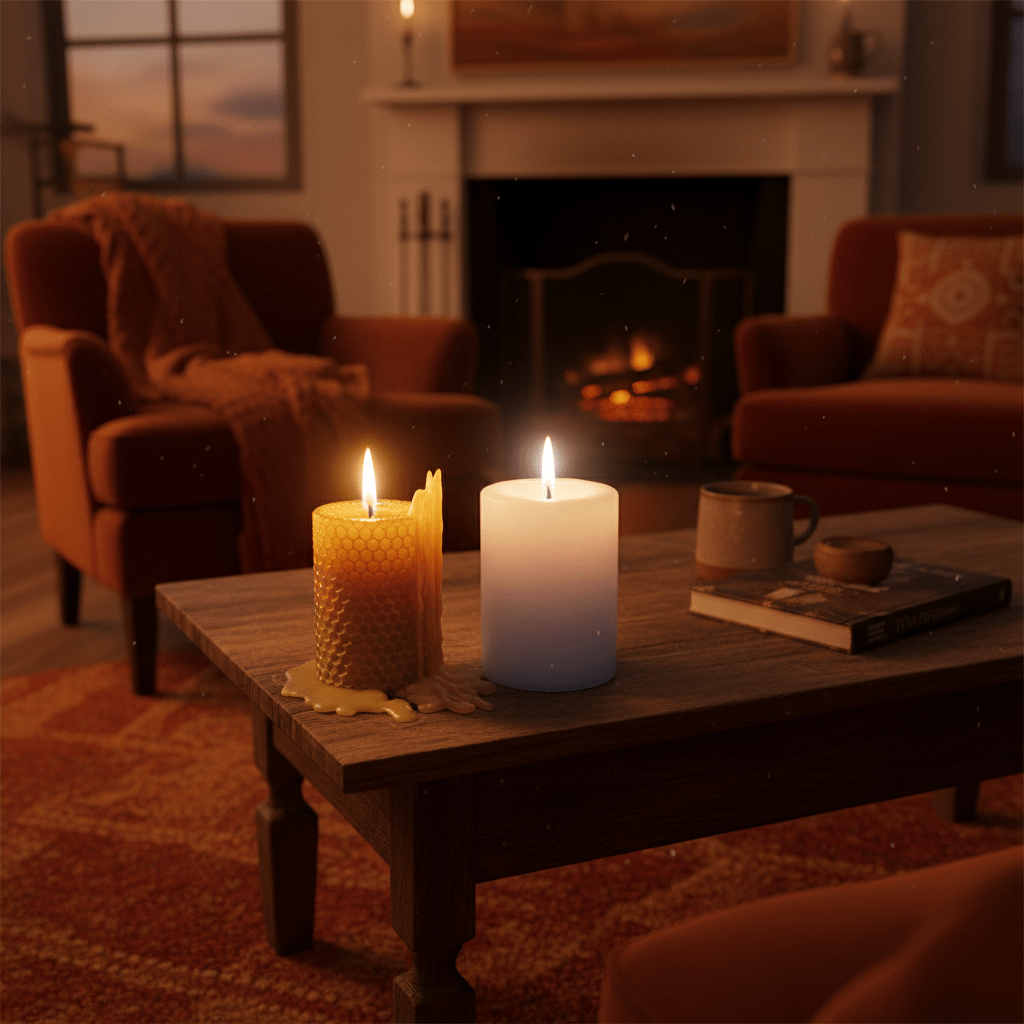
The Hidden Truth in Your Candle’s Glow: Why Your Choice of Wax Matters
You know that soft, cozy candle glow? It can make a room feel calm in seconds. Dinner feels nicer. A bath feels fancier. Even a messy Tuesday night starts to look a little better.
But here’s the thing. Not all candles are the same. And the wax inside matters more than most people think.
A lot of common paraffin candles are made from petroleum-based wax, and that can add to indoor air pollution. The U.S. EPA says indoor air can be 2 to 5 times more polluted than outdoor air, and in some homes it can be much worse. That’s a pretty big deal if you’re lighting candles every night.
So what are candles made of, really? And are paraffin candles toxic, or is that just internet panic? In this guide, we’ll compare beeswax vs paraffin in plain English. We’ll look at the benefits of beeswax candles, the health effects of paraffin candles, and what makes natural wax candles a smarter pick for cleaner air and a calmer home. Plus, if you’re shopping for non-toxic candles or petroleum-free candles, you’ll know exactly what to look for. No guesswork. No fancy jargon. Just the facts.
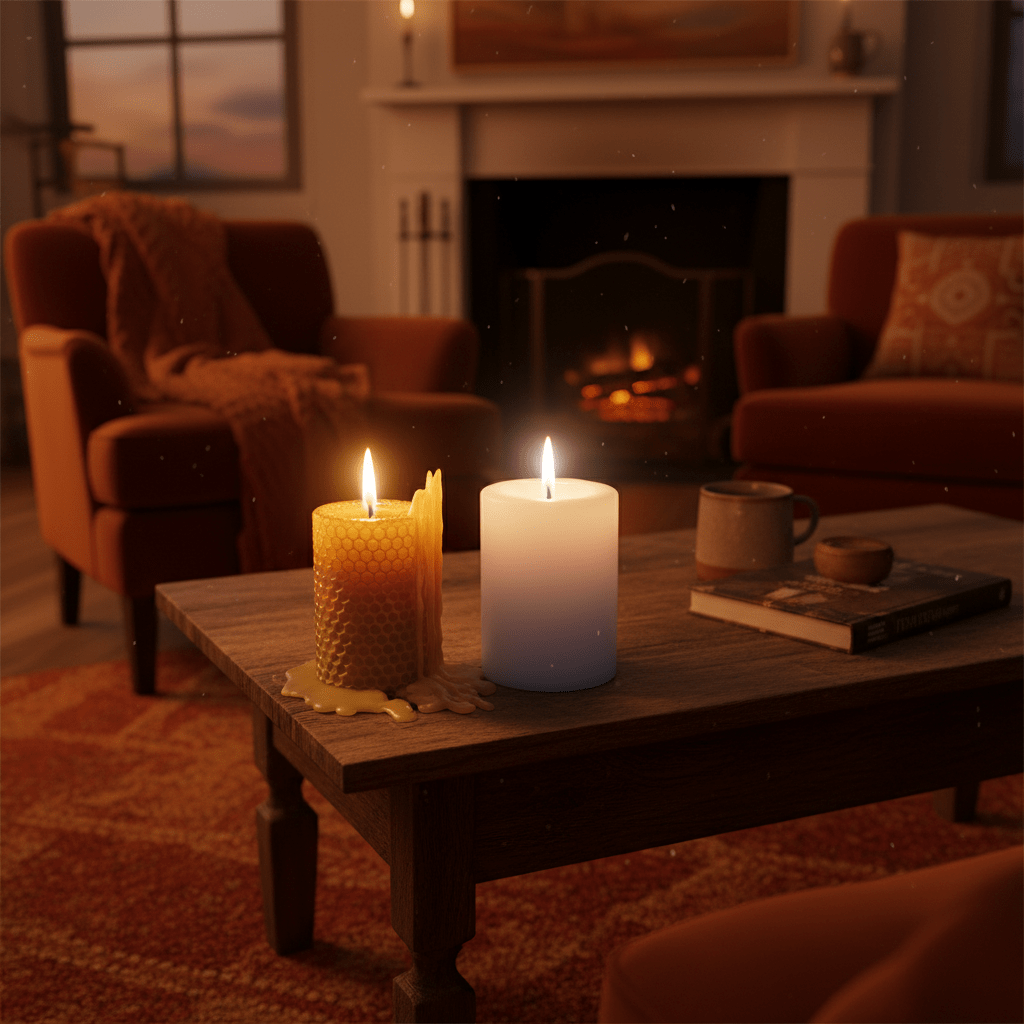
What Are Paraffin Candles? The Story of a Petroleum Byproduct
You’ve probably picked up a pretty candle at a store and thought, “Nice. That’ll make the room feel cozy.” Fair enough. But if it’s paraffin, there’s a lot going on behind that waxy little shell.
Paraffin wax comes from crude oil refining. Yep, the same fossil fuel chain that gives us gasoline and other petroleum products. It’s basically a leftover from the process, then cleaned up, bleached, and shaped into the white wax you see in many candles. Because it’s cheap, easy to mold, and holds color and scent really well, it shows up in a ton of mass-market candles. That’s one reason paraffin candles are everywhere. They’re simple to make and low cost to sell.
And that low price is a big part of the appeal. Candle makers can pack in strong fragrance, bright dyes, and flashy finishes without driving up the price much. So if you’ve ever wondered why one candle costs $8 and another costs $28, wax type is usually part of the answer.
But here’s the part people don’t love hearing. When paraffin burns, it can release volatile organic compounds, or VOCs, into your home air. Studies have found compounds like benzene, toluene, formaldehyde, and naphthalene in candle emissions. Some of those are linked to health risks, including cancer concerns, which is why people asking are paraffin candles toxic are not being dramatic at all. They’re asking a fair question.
That doesn’t mean every paraffin candle turns a room into a disaster zone. But it does mean the health effects of paraffin candles are real enough to pay attention to, especially if you burn candles often or in a small space with poor airflow. The more scent and smoke you notice, the more you should pause.
So if you’re trying to choose between beeswax vs paraffin, this is the basic tradeoff: paraffin is cheap and common, but beeswax candles and other natural wax candles usually give you a cleaner burn with fewer worries about petroleum fumes. And if your goal is non-toxic candles or petroleum-free candles, that difference matters a lot.
One more thing. Some brands make paraffin sound “natural” just because they add pretty packaging or a soft scent. Cute marketing. Still paraffin.
If you’re shopping for cleaner options, look for clear labels and full ingredient lists. And if you want ingredients for your own candle, skincare, or wellness products, Aroma Monk can help with pure, lab-tested essential oils, natural attars, and rose water for formulas that lean more plant-based and transparent.
What Are Beeswax Candles? Nature’s Original Clean-Burning Light
You know that rare moment when a room just feels softer? A beeswax candle does that in a quiet way. No loud scent bomb. No shiny gimmick. Just a warm glow and a gentle honey smell that feels calm fast.
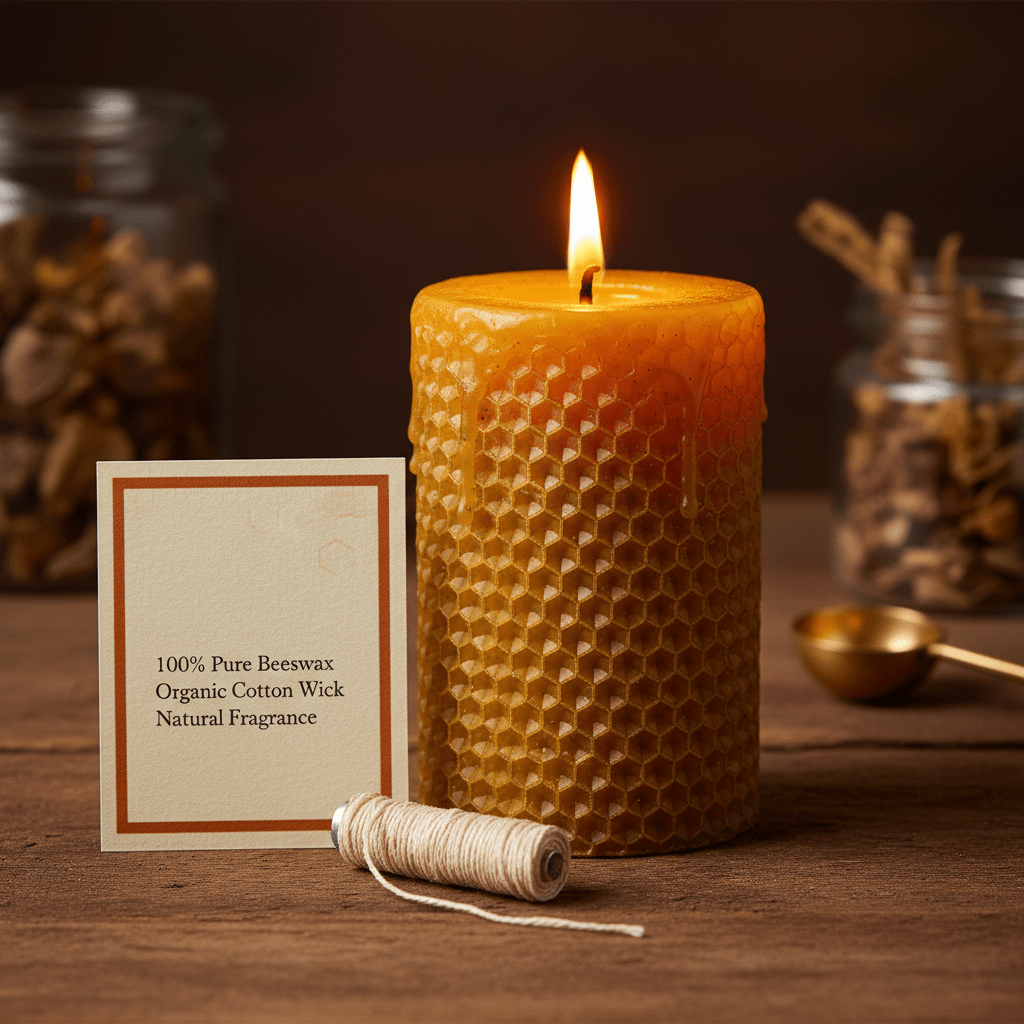
Beeswax candles come from bees. Real bees. Worker bees make wax to build honeycomb, and beekeepers harvest it as a byproduct after honey is taken. No bee has to be harmed for that part. Pretty cool, right?
And here’s why people keep reaching for beeswax candles again and again. Beeswax is 100% natural and renewable. It has a golden color, a light sweet scent, and a long history as a premium light source. For centuries, churches, royal homes, and special ceremonies used beeswax because it burned clean and looked beautiful. Fancy, but in a good way.
Beeswax also has a very different makeup from paraffin. It’s a complex natural wax, not a petroleum leftover. That’s part of why beeswax candles are known as clean burning candles. They usually make less soot, burn slower, and give off less of that harsh smoke smell people notice with cheaper waxes.
Here’s a quick side-by-side look:
| Feature | Beeswax Candles | Paraffin Candles |
|---|---|---|
| Source | Made by honeybees | Made from crude oil byproducts |
| Color | Golden, amber, or light brown | Often white or dyed |
| Scent | Soft honey scent | Often added fragrance |
| Burn | Slow and steady | Usually burns faster |
| Feel | Natural, firm, a little tacky | Smooth and slick |
I should say this too. Not every candle label tells the full story. Terms like “natural” or “clean-burning” can be fuzzy. If you want true beeswax candles, look for “100% pure beeswax” on the label, not a blend with a tiny bit of beeswax tossed in for marketing sparkle.
There’s also a fun little reality check: bees work hard for this stuff. It can take about 6 to 8 pounds of honey to make 1 pound of wax. So yes, beeswax costs more. But that price reflects the work behind it, plus the slower burn you usually get.
If you’re choosing between beeswax vs paraffin, beeswax is the one that feels more honest to a lot of people. Cleaner ingredients. Natural smell. Old-school charm. And for anyone shopping for non-toxic candles or petroleum-free candles, it’s a strong place to start.
Thinking of making your own candle line, wellness blend, or scent product? Aroma Monk offers pure essential oils, natural attars, and rose water for brands that want clean, traceable ingredients without the guesswork.
Health & Air Quality: The Most Important Difference
You know that moment when a candle smells nice at first… then ten minutes later the room feels a little heavy? That is not just in your head.
The wax matters. A lot.
Paraffin candles can give off soot and VOCs when they burn, and that can add to indoor air pollution. The U.S. EPA says indoor air can be 2 to 5 times more polluted than outdoor air, which is a little wild when you think about how often candles get lit in bedrooms, bathrooms, and tiny apartments.
Here is the simple version:
| Candle type | What it gives off | Air quality feel |
|---|---|---|
| Paraffin candles | Soot, VOCs, and fragrance chemicals | Can feel smoky or stuffy |
| 100% pure beeswax candles | Very little soot when burned right | Usually feels cleaner and lighter |
Studies have found compounds like benzene, toluene, formaldehyde, naphthalene, and tiny particles in candle smoke from paraffin wax. Those names sound scary because they are not things you want floating around your living room every night.
Beeswax candles are different. They are known as clean burning candles because they usually make far less soot than paraffin. Some research has found beeswax can produce up to 90% less soot than paraffin when burned normally. That does not mean any candle is magic. It just means beeswax candles tend to be gentler on the air.
And there is another reason people like them. Beeswax is often said to release negative ions when burned, and fans claim those ions can help with dust, dander, and pollen. That idea sounds great. Really great. But here is the catch: there is no solid peer-reviewed proof that burning beeswax candles makes enough negative ions to clean the air. So I would not call beeswax a purifier. I would call it the better low-soot choice.
That matters even more if you deal with asthma, allergies, or general smoke sensitivity. If strong smells make you cough or if your eyes get itchy around scented candles, beeswax candles are often the safer pick because they are usually fragrance-light and less smoky. Not perfect. Just easier on a lot of people.
If you want a candle that fits a cleaner home routine, beeswax is the one to look at first. It is one of the benefits of beeswax candles that people notice fast. Less smoke. Less residue on walls and jars. And usually a softer scent that does not bulldoze the room.
One small but real tip: even with beeswax candles, keep the wick trimmed and give the room some airflow. Clean burning candles work best when you use them in a smart way, not a sealed-up room with no fresh air. Simple stuff. But it helps.
If you are making your own home scent line or looking for plant-based fragrance inputs, Aroma Monk offers 100% pure essential oils, natural attars, and rose water with lab-tested quality and traceable sourcing. That is handy if you want cleaner ingredient choices across candles, body care, or wellness products.
And if you are still stuck on the beeswax vs paraffin choice? Paraffin is cheap and common, but beeswax candles are the calmer pick for people who care about air, soot, and how a room feels after the flame goes out.
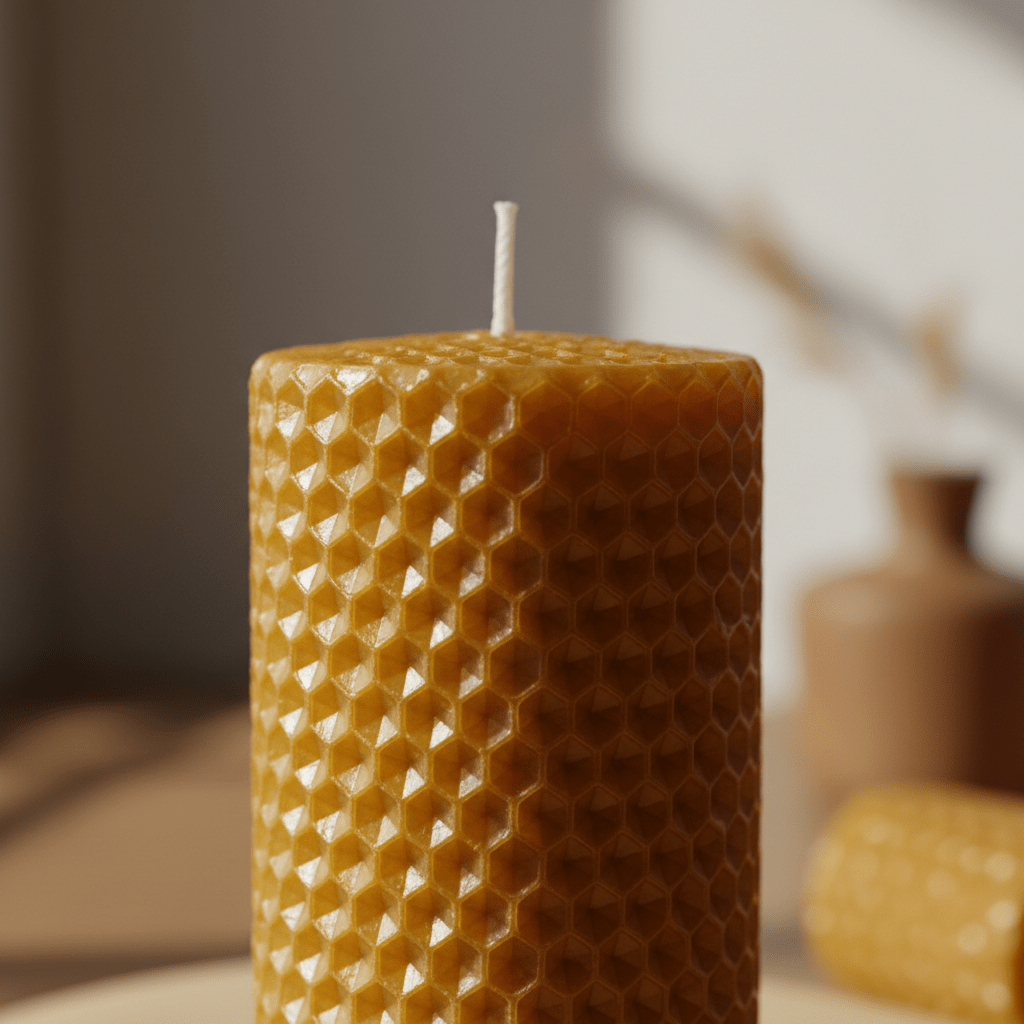
Performance and Aesthetics: Burn Time, Light Quality, and Scent
Ever bought a candle that looked gorgeous, then burned down in what felt like 20 minutes? Yeah. Annoying.
That’s one place beeswax candles usually win. Beeswax has a higher melting point than paraffin, around 149°F or 65°C, so it melts slower and burns longer. In plain English, that means you get more candle for your money. A lot more. A small beeswax votive can last about 15 to 18 hours, while a similar paraffin one may burn much faster.
And the flame? Really nice. Beeswax gives off a warm, bright light that sits in the same general light range as sunlight, so it tends to feel easy on the eyes. Not harsh. Not weirdly blue. Just soft and steady. If you like reading by candlelight or you keep a candle going while you work, that matters more than people think.
Here’s a quick look:
| Feature | Beeswax Candles | Paraffin Candles |
|---|---|---|
| Burn time | Slower, longer burn | Faster burn |
| Flame look | Warm, bright, natural | Can look harsher |
| Scent | Light honey smell | Often strong and artificial |
| Feel in the room | Calm and clean | Can feel heavy or smoky |
Now let’s talk scent. Beeswax has a gentle honey aroma that’s naturally pleasant without taking over the room. Paraffin candles, on the other hand, often lean hard on added fragrance oils. Sometimes that smells great for five minutes. Then it starts to feel like your nose is trapped in a perfume store. Fun? Not always.
And yes, strong synthetic scents can bother people. Headaches happen. So do eye irritation and that “please open a window right now” feeling. If you’re after non-toxic candles or petroleum-free candles, beeswax candles usually feel like the calmer choice because they keep the scent softer and the burn cleaner.
A tiny tip from real life: if a candle gives you a headache before it even reaches halfway down the jar, that’s your body voting against it. Listen to it.
If you’re making your own candle line, Aroma Monk can also help with pure essential oils, natural attars, and rose water for cleaner fragrance blends and product development. That way, your scent story stays simple, plant-based, and a lot less fake.
Get a quote from Aroma Monk.
Essential Oil Supplier – Bulk pricing • Samples • Fast response
The Cost Question: Why Are Beeswax Candles a Premium Investment?
Sticker shock is real. You see a beeswax candle, then a paraffin one, and your brain goes, “Wait… why is this one so much more?” Fair question.
Part of the answer is simple. Beeswax is a natural material, and it does not come from a huge oil refining system. It has to be gathered, cleaned, and sorted with care. Plus, bees spend a ton of energy making it. It can take about 6 to 8 pounds of honey to make just 1 pound of wax. That’s a wild amount of bee work for a small candle, right?
So yes, beeswax candles usually cost more up front. But the price starts looking different when you compare burn time. A 3.5 oz beeswax candle can burn around 29 hours, while a same-size paraffin candle may last about 15 hours. If you do the math, the beeswax candle often gives you a lower cost per hour. Not bad at all.
| Candle type | Typical price | Burn time | Cost per hour |
|---|---|---|---|
| Beeswax candle | Higher | About 29 hours | Often lower over time |
| Paraffin candle | Lower | About 15 hours | Can end up costing more per hour |
And there’s another angle. People are buying more home fragrance products than ever. The global home fragrance market was estimated at $13.16 billion in 2025, with scented candles leading the growth. So when you pay more for beeswax candles, you’re not just buying wax. You’re paying for cleaner ingredients, slower burn time, and support for beekeepers and sustainable honey production Grand View Research.
But wait, there’s more. If you care about indoor air quality, the premium makes a little more sense. The U.S. EPA says indoor air can be 2 to 5 times more polluted than outdoor air, and some homes are even worse. That’s why many people see beeswax candles as a smarter pick among non-toxic candles and petroleum-free candles.
So the real question is not, “Why do beeswax candles cost more?” It’s, “What are you getting back?” Usually, you’re getting longer burn time, cleaner air, and a candle that feels like a small daily upgrade. Cozy. Honest. Worth it.
If you want cleaner scent products for your own brand, Aroma Monk offers pure essential oils, natural attars, and rose water with lab-tested quality and bulk supply options for product makers.
Buyer’s Guide: How to Spot 100% Pure Beeswax Candles and Avoid Fakes
You know that feeling when you buy something that seems clean and simple… then the label starts acting weird? Candles do that a lot.
If you want real beeswax candles, the label should say 100% pure beeswax. Not “made with beeswax.” Not “beeswax blend.” Those softer phrases usually mean the candle still leans on cheaper waxes like paraffin or soy. Cute wording. Still not the same thing.
Here’s the quick eye test:
| What to look for | Pure beeswax | Fake or blended candle |
|---|---|---|
| Label | Says 100% pure beeswax | Says made with beeswax or blend |
| Smell | Soft honey scent | Strong perfume or almost no scent |
| Color | Golden, amber, or light brown | Very white, glossy, or dyed |
| Surface | Matte, maybe a little uneven | Smooth and slick |
And yes, some pure beeswax is white. That usually means it’s filtered or bleached, so color alone won’t tell the whole story. But if a candle looks super shiny and smells like a department store perfume counter, I’d be a little suspicious.
Also check the wick. Go for 100% cotton wicks or wood wicks. Skip wicks with metal cores. You do not want extra metal floating into your air. Nobody needs that in a cozy night-in setup.
A good candle should feel honest. Real beeswax candles are usually firm, a little tacky to the touch, and they have that gentle honey smell even before you light them. If you want a cleaner, calmer burn, those little clues matter.
And if you’re shopping for non-toxic candles or petroleum-free candles, don’t just trust the front of the box. Read the back. The back is where the truth usually hides.
For people making their own scent products, Aroma Monk can also help with pure essential oils, natural attars, and rose water. That’s handy if you want cleaner fragrance choices for candles, body care, or wellness items without the usual ingredient mystery.
One last tip. If a brand won’t tell you exactly what’s inside, that’s a red flag. Not a huge drama moment. Just a reason to keep looking.
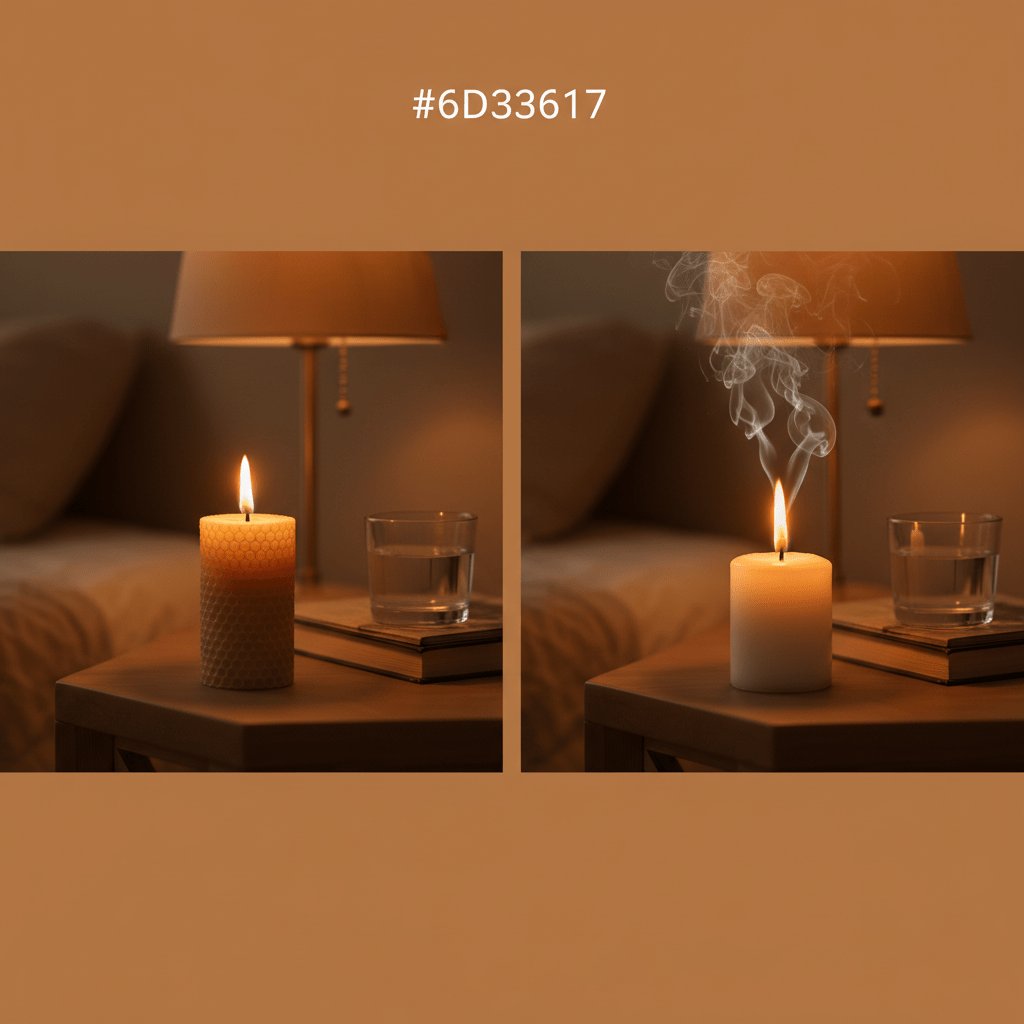
Make the Switch: Choose a Brighter, Healthier Glow for Your Home
So here’s the plain truth. If you want a candle that feels better in the room, lasts longer, and keeps things simple, beeswax candles are the easy pick.
They usually burn cleaner than paraffin, make less soot, and give off a soft honey scent instead of a heavy fake one. That matters if you care about non-toxic candles, petroleum-free candles, and the air you breathe at home. Plus, beeswax often outlasts paraffin by a lot, so the higher price tag starts to make sense fast.
And yes, the market keeps growing too. The home fragrance market was valued at $13.16 billion in 2025 and is still climbing Grand View Research. People want cozy. They also want cleaner.
If you’re still deciding between beeswax vs paraffin, I’d say this: try one 100% pure beeswax candle and see how it feels after the flame goes out. Your nose. Your walls. Your whole room may thank you.
One candle. That’s the first step.
Get a quote from Aroma Monk.
Essential Oil Supplier – Bulk pricing • Samples • Fast response