
The Natural Hair Care Dilemma: Can an Ancient Ingredient Solve Modern Scalp Problems?
Ever tried three different hair products in one month and still felt stuck? Yeah, same. One bottle says it helps scalp health. Another says it gives hold. Then your hair feels greasy, your scalp itches, and now you’re staring at the shelf like it personally betrayed you.
That’s why beeswax for hair keeps popping up in natural hair chats. People want something old-school that still works. And beeswax has real history. It was used long ago in Egyptian wigs and cosmetics, so this isn’t some new trend with a cute label.
But here’s the big question. Is beeswax for hair a smart fix for scalp comfort and styling, or does it leave you with heavy buildup and a cleanup headache? We’re going to sort that out together.
If you’ve been asking, is beeswax good for your hair, you’re not alone. A lot of people are looking for help with itchiness, dandruff, dryness, and product buildup. That’s where beeswax for scalp care starts sounding pretty tempting… maybe a little too tempting.
And if you make hair products, or buy natural ones in bulk, ingredients like beeswax, cera alba for hair blends, and plant oils matter even more. Aroma Monk, for example, works with pure essential oils, rose water, and carrier oils that can fit into DIY beeswax hair pomade formulas or scalp balm mixes.
What Exactly is Beeswax? Understanding the Science of Cera Alba
If you have ever opened a tin of balm and thought, “Why does this feel so solid, yet melt on my fingers?” chances are beeswax had a hand in it.
Bees make beeswax to build their honeycombs. Tiny wax glands on worker bees secrete it, and the hive uses it like nature’s own building block. Pretty wild, right? That same wax has been used for hair, skin, and old-school styling for ages.
Here’s the simple version of what beeswax is made of: esters, fatty acids, and long-chain alcohols. Those parts give it structure, thickness, and that smooth, sealing feel people like in hair products. In cera alba for hair blends, that’s the stuff that helps the wax stay put instead of sliding off like oil would.
There are a few forms you’ll see:
| Type | What it looks like | Best use for hair |
|---|---|---|
| Raw yellow beeswax | Golden, strong scent, more natural color | DIY beeswax hair pomade and thicker balms |
| Filtered white beeswax | Pale, cleaner look, milder smell | Light-colored products and scalp care blends |
| Beeswax absolute | More of a fragrance ingredient | Not the top pick for hair styling |
For most hair uses, filtered white beeswax or clean yellow beeswax works best. White beeswax is nice if you want less color and odor in your formula. But if you’re making a richer balm, yellow beeswax can be totally fine too.
Beeswax is occlusive, which just means it helps block water loss. It’s also emollient, so it softens the feel of hair. And because it stays solid at room temp, it gives hold without turning into a puddle on the shelf. That’s why beeswax for hair shows up in edge control, pomades, and beeswax for scalp care blends. It holds shape. It stays on target. And for the right hair type, that can be a real win.
If you’re planning a natural hair styling with beeswax formula, pairing it with the right carrier oils matters a lot. Aroma Monk’s essential oils, rose water, and carrier oils can fit nicely into a DIY beeswax hair pomade or a softer scalp balm, especially if you want a cleaner, plant-based feel.
Unlocking Scalp Health: The Therapeutic Benefits of Beeswax
You know that scratchy, tight-scalp feeling that shows up after a windy day or a week of dry heat? It’s annoying. And for a lot of people, it turns into flakes, itch, and that constant urge to mess with your hair.
That’s one reason beeswax for hair keeps getting so much attention. It doesn’t just sit there looking pretty in a jar. Beeswax can help seal in moisture, which matters a lot for beeswax for scalp care if your scalp gets dry fast. It acts like a light shield. It helps keep water from slipping out too quickly, and it can also help block dust, cold air, and other little irritants that make your scalp cranky.
Actually, wait, there’s a better way to say it. Beeswax is both a humectant helper and an occlusive. That means it can support moisture balance while also locking things in place. Simple idea. Big payoff.
That moisture lock can matter for dandruff, too. If your scalp is dry and flaky, beeswax may help reduce that rough, tight feeling by creating a smoother surface and helping your scalp stay calmer. Some people also use it in natural hair styling with beeswax because it gives shape while still feeling protective. Not magic. Just smart layering.
There’s also some early research that points to anti-inflammatory and mild antibacterial traits in beeswax, which is why it shows up in old skin balms and modern natural blends. It may help soothe skin that feels irritated from eczema, psoriasis, or dandruff, especially when it’s mixed with plant oils or other calming ingredients. I’m not saying beeswax fixes every scalp issue. It doesn’t. But for dry, stressed skin, it can be part of a gentler routine.
And the scalp matters more than people think. If the skin up top is unhappy, your hair tends to look dull, feel rough, and break easier. So yes, beeswax scalp benefits go beyond styling. A healthier scalp can give hair a better place to grow from, which is why so many people ask, is beeswax good for your hair, over and over again.
One thing to keep in mind: heavy layers can backfire if you don’t wash them out well. But used the right way, beeswax for dandruff and dry scalp care can be a solid part of a low-drama routine.
| Scalp concern | How beeswax may help |
|---|---|
| Dry, flaky scalp | Seals in moisture and softens the feel |
| Itch and irritation | May calm the skin barrier |
| Product buildup from styling | Works best in small amounts, with proper cleansing |
| Weak scalp comfort | Adds a protective layer against dry air |
If you’re making your own DIY beeswax hair pomade or a soft scalp balm, this is where good ingredients matter. Aroma Monk’s essential oils, rose water, and carrier oils can fit nicely into those blends, especially if you want something plant-based and clean. For brands and bulk buyers, that kind of ingredient support can make product development a lot smoother. And for home use, it just means you’ve got more room to build a formula that feels good instead of heavy.
Master Your Style: How Beeswax for Hair Provides Hold, Shine, and Protection
You know that moment when your twists look perfect at 8 a.m., then by lunch a few flyaways are doing their own thing? Annoying. And yeah, a lot of us have been there.
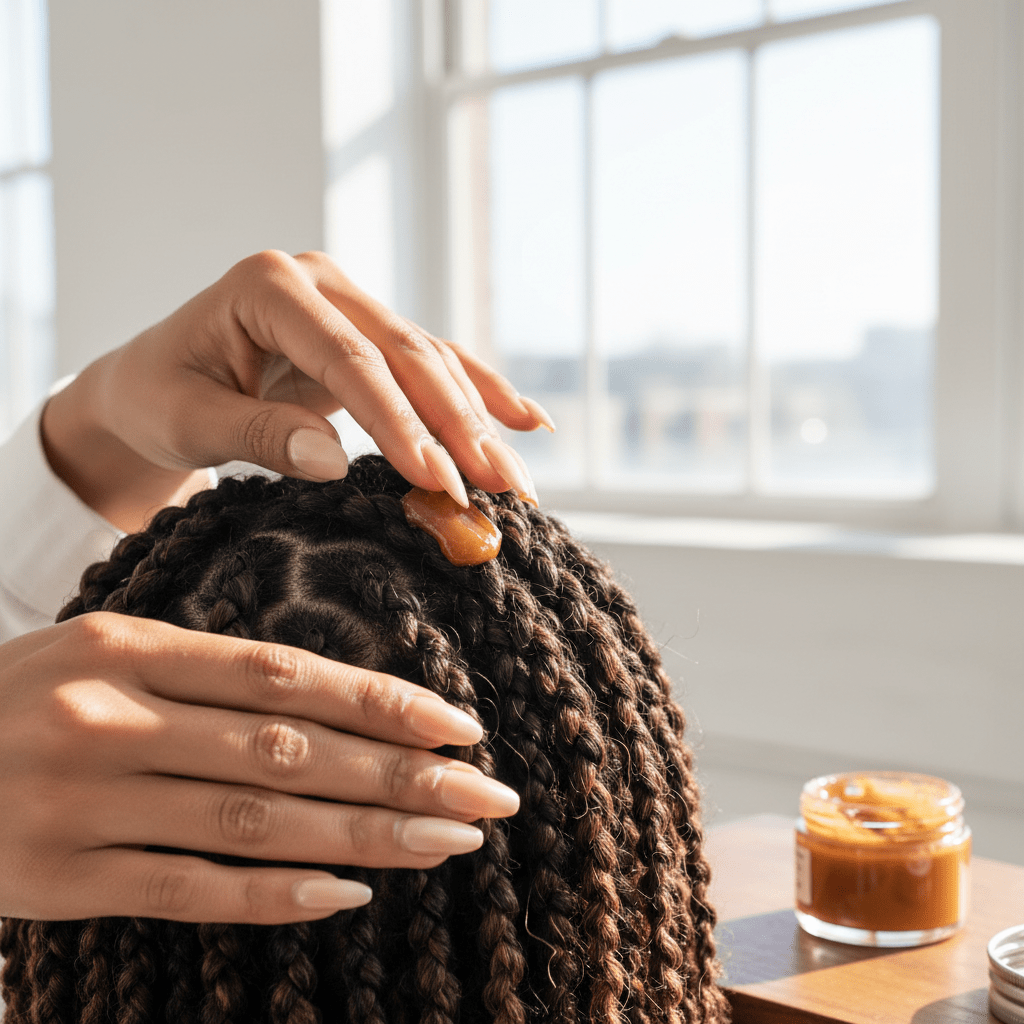
That’s where beeswax for hair gets its little spotlight. It gives a firm but still bendy hold, which is why it shows up in dreadlocks, twists, braids, and edge smoothing. It’s not like those super stiff gels that make hair feel like it got dipped in glue. Beeswax sits on the hair and helps it stay where you put it.
For natural hair styling with beeswax, that grip can be a big deal. Coily and thick hair types often like it most, since the wax helps keep shape without needing a ton of product. And if you’ve ever tried to tame puffiness in humid weather, you already know why people keep reaching for it.
Beeswax also helps smooth the hair cuticle. That can mean less frizz and a shinier look, but not the fake, plastic shine some products give. More like a soft glow. The kind that says, “Yep, my hair is cared for,” not “I forgot conditioner for three weeks.”
Here’s a quick look at where it fits best:
| Hair need | How beeswax helps |
|---|---|
| Dreadlocks and twists | Gives firm hold and helps styles stay neat |
| Braids | Helps reduce frizz and loose ends |
| Flyaways | Smooths down little stray hairs |
| Dry ends | Coats the ends and can make them look tidier |
And yes, beeswax can coat split ends for a while. It won’t fix damage. Let’s be real about that. But it can help seal and protect the ends so they look less rough and frayed between trims. That’s handy if you’re trying to stretch wash day or keep a style neat for a few more days.
The trick is using a small amount. A little goes far. Too much, and you’re in buildup city, which nobody wants.
If you’re making a DIY beeswax hair pomade, pair the wax with oils that match your goal. Coconut oil can add slip, jojoba oil feels lighter on the scalp, and argan oil is great for shine. Aroma Monk’s essential oils, rose water, and carrier oils can fit well into these blends for brands, makers, and bulk buyers who want a cleaner natural formula.
And if you do go heavy with beeswax, make sure you also plan for removing beeswax from hair later. That part matters just as much as the styling.
Get a quote from Aroma Monk.
Essential Oil Supplier – Bulk pricing • Samples • Fast response
The Right Way to Use It: A Step-by-Step Guide to Applying Beeswax
Ever made a DIY hair balm that looked simple in the jar, then turned into a sticky mess on your hands? Yep. Been there. The good news is that beeswax for hair can work really well if you keep it small, warm, and balanced.
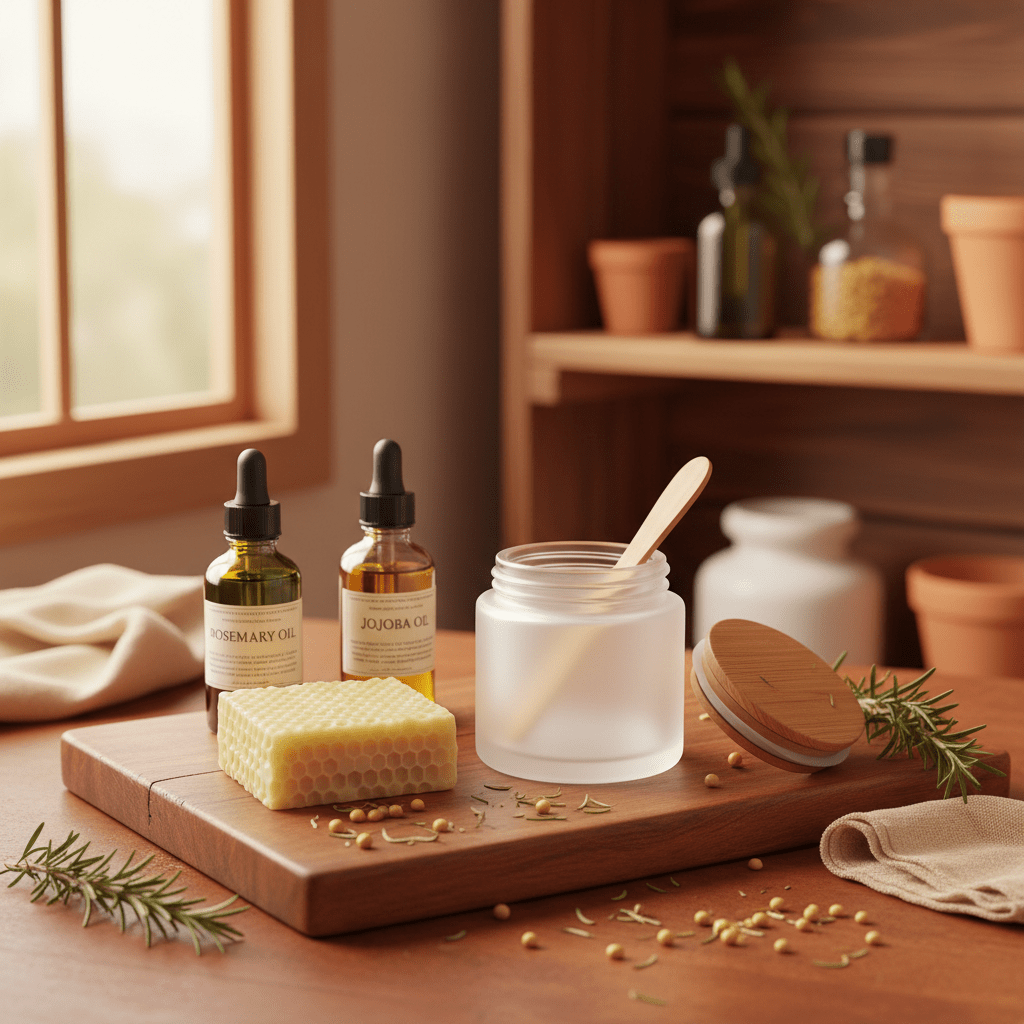
Here’s a simple DIY beeswax hair pomade or scalp balm you can try:
- 1 tablespoon beeswax
- 2 tablespoons jojoba oil or coconut oil
- 3 to 5 drops peppermint oil or tea tree oil
If your scalp gets dry fast, jojoba oil usually feels lighter. Coconut oil gives more slip and can help soften thick hair. And peppermint or tea tree? Just a few drops. They bring that fresh scalp feel without taking over the whole blend.
How to make it
- Put the beeswax and oil in a heat-safe jar or bowl.
- Warm it gently in a double boiler until the wax melts.
- Stir well. Slow and steady.
- Take it off the heat and let it cool a little.
- Add the essential oil last, then mix again.
- Pour it into a clean tin or small jar.
Actually, scratch that. Before you use it, do a patch test first. Put a tiny bit on the inside of your arm or behind your ear and wait 24 hours. If it gets red, itchy, or tingly in a bad way, skip it. Beeswax for scalp care sounds gentle, but skin can still surprise you.
How to apply beeswax on hair
Use less than you think. Seriously. A pea-size amount is usually enough to start.
- For the scalp: rub a tiny bit between your fingertips, then tap it onto dry spots only.
- For hair strands: smooth it from mid-length to ends.
- For edges or flyaways: warm it in your palms first, then press it in.
Don’t pile it on. That’s how buildup starts. And once buildup shows up, removing beeswax from hair is way more annoying than the styling was worth.
Here’s a quick guide:
| Hair goal | How to use it | How often |
|---|---|---|
| Dry scalp relief | Tiny amount on dry spots | 1 to 2 times a week |
| Twist or braid hold | Light coat on strands | As needed, usually 1 time a week |
| Flyaways and edges | Smooth with fingertips | Short-term use only |
| Deep dryness | Mix with oil and use lightly | 1 to 2 times a week |
For most people, once or twice a week is plenty. If you have fine hair or a low-porosity texture, even less may work better. Thick, coily, or dry hair usually handles beeswax styling more easily, but even then, a little goes a long way.
If you’re making products for customers, this is where a clean formula matters. Aroma Monk’s essential oils, rose water, and carrier oils can fit well into DIY beeswax hair pomade blends or scalp balm recipes, especially for brands that want plant-based ingredients with a simpler feel.
And if your hair starts feeling coated, dull, or heavy? That’s your cue to pause. Let the scalp breathe a bit before the next round.## The Catch: Risks, Downsides, and How to Properly Remove Beeswax from Hair
You know that feeling when your hair looks great at first, then starts feeling heavy by noon? Yeah. That’s usually the point where beeswax shows its other side.
Beeswax for hair can work well, but it can also build up fast. It’s not water-soluble, so plain water won’t wash it away. If you keep layering it on, it can sit on the hair and scalp, make strands feel sticky, and leave your roots looking flat. For some people, that buildup can even make the scalp feel clogged and a bit cranky.
And that’s the part people forget. The shine is nice. The hold is nice. But cleanup matters just as much.
If your hair is very fine, low-density, or gets oily fast, beeswax may not be your best match. It can weigh those hair types down pretty quickly. Folks with an already oily scalp may also find that beeswax makes things feel greasier, not better. So if you’ve ever asked, is beeswax good for your hair, the honest answer is: sometimes, but not for everyone.
A few signs you’re using too much:
- Hair feels waxy or coated
- Comb gets stuck more than usual
- Roots look flat and dull
- Scalp feels itchy or stuffy
- Shampoo seems like it’s doing nothing
Here’s the good news. Removing beeswax from hair is doable if you go step by step.
How to remove beeswax from hair
- Start with warm oil. Soak the waxy parts with olive oil or coconut oil.
- Let it sit for 10 to 20 minutes so the oil can loosen the wax.
- Massage it in gently, but don’t scrub like wild.
- Wash with a strong clarifying shampoo.
- Repeat if the wax is still there.
That oil step matters. Oil can help break up the beeswax because they both cling to oily stuff better than water does. Simple, but handy. Then the clarifying shampoo helps lift the softened residue away.
If you’re dealing with a lot of product buildup, you may need to do the oil-and-shampoo routine twice. Not fun, I know. But it usually works better than fighting with regular shampoo over and over.
| Problem | What to do |
|---|---|
| Sticky buildup | Use warm olive or coconut oil first |
| Heavy, flat hair | Use less beeswax next time |
| Oily scalp | Avoid putting wax near the roots |
| Hard-to-wash residue | Follow with clarifying shampoo |
A few people should be extra careful. If your scalp is already oily, flaky in a greasy way, or prone to buildup, beeswax can make that worse. Same goes for fine hair that gets limp easily. In those cases, a lighter scalp balm or a thinner oil blend may feel much better.
If you’re a brand maker or buying ingredients in bulk, this is where formula balance really matters. Aroma Monk’s essential oils, rose water, and carrier oils can help you build softer blends that fit better with dry scalp care or natural hair styling with beeswax, without overloading the final product.
So yes, beeswax for scalp and hair care can be useful. But only if you respect the cleanup. Little bit in the jar. Big difference in the chair.
Beeswax vs. The Alternatives: A Comparison of Natural Waxes and Butters
Picking a hair product can feel weirdly personal. One day you want hold. The next day you want softness. Then humidity shows up and laughs at all your plans.
That’s why beeswax for hair gets compared so often with other natural picks. It’s firm, it grips well, and it gives more shape than most butters. But it’s not the only option on the shelf.
Beeswax vs. vegan waxes
If you want a vegan swap, candelilla wax is the closest cousin. It’s a bit harder than beeswax and gives a firmer finish, so it can work well in pomades and edge products when you want more snap. Carnauba wax is even harder. It gives more gloss and stronger hold, but it can feel too rigid for some people, especially if your hair is fine or you like a softer touch.
Beeswax vs. butters
Shea butter and mango butter are a different story. They’re not really about hold. They’re about softness, slip, and comfort. If beeswax is the style keeper, butters are the comfort blanket. They can help dry hair feel calmer, but they won’t keep twists sharp or edges sleek for long.
Here’s a quick side-by-side:
| Ingredient | Hold | Shine | Best for |
|---|---|---|---|
| Beeswax | Medium to strong | Soft shine | Coils, braids, locs, edge control |
| Candelilla wax | Strong | Medium gloss | Firmer vegan styling |
| Carnauba wax | Very strong | High gloss | Maximum hold in humid weather |
| Shea butter | Low | Soft sheen | Dry, brittle hair that needs comfort |
| Mango butter | Low | Soft sheen | Moisture support and smoother feel |
So which one should you pick? If your main goal is styling, beeswax for hair usually wins. If you want a vegan formula with a firmer feel, candelilla or carnauba may fit better. But if your hair is dry and needs more touchable softness than hold, a butter blend might be the kinder choice.
And honestly, a lot of people mix them. That’s where the sweet spot lives. A little beeswax for shape, plus a butter for slip. Pretty handy.
If you’re making your own DIY beeswax hair pomade or a custom scalp blend, Aroma Monk’s essential oils, rose water, and carrier oils can help round out the formula without making it feel heavy. That’s useful for brands, makers, and bulk buyers who want something clean, simple, and easy to work with.
The Final Verdict: Should Beeswax Be Part of Your Hair Ritual?
So, is beeswax for hair worth it? For a lot of people, yes. If your scalp runs dry, beeswax works like a seal. It helps hold moisture in place, and that can make a big difference for beeswax for scalp care.
And for styling? It’s a strong pick for locs, twists, braids, edges, and thick coily hair. The hold is real. The shine is soft. The vibe is simple.
But here’s the catch. Use too much, and buildup shows up fast. That’s why knowing how to use beeswax on hair matters just as much as buying it. Small amounts. Careful layering. Good washing.
My quick advice:
- A definite yes for loc wearers and twist styles
- Great as a spot treatment for dry scalp patches
- Proceed with caution if your hair is fine, oily, or low-porosity
If you’ve ever wondered, is beeswax good for your hair, the answer is really, “It depends on your hair and how you use it.” And if you make your own blends, Aroma Monk’s essential oils, rose water, and carrier oils can help you build a cleaner DIY beeswax hair pomade that feels balanced, not heavy.
Beeswax can be a friend. Just don’t let it take over the jar.
Get a quote from Aroma Monk.
Essential Oil Supplier – Bulk pricing • Samples • Fast response