
The Modern Woman’s Dilemma: Navigating Stress, Hormones, and the Search for Natural Solutions
You know that wired-tired feeling? The one where your brain won’t shut off, your sleep is a mess, and your cycle seems to have its own mood now? Yeah, a lot of women are living there lately.
Burnout is climbing fast. One recent report showed women ages 35 to 44 at a 48% burnout rate, and women 25 to 34 at 39% source. That kind of stress does more than make you cranky. It can throw off hormones, mess with sleep, and leave your body feeling off in ways that are hard to name.
That’s why so many people are looking at natural remedies for reproductive health. And one name keeps popping up: ashwagandha, also called Withania somnifera. It’s an old Ayurvedic herb that’s getting fresh attention because it may help with stress, sleep, and hormone support.
But here’s the real question. Can ashwagandha oil benefits actually help with hormonal balance and reproductive health? Or is the buzz bigger than the proof? Let’s sort that out together.
In this article, we’ll look at ashwagandha for hormonal balance, what the research says about ashwagandha oil for stress and cortisol, and how people are using it for women’s wellness. We’ll also talk about what’s real, what’s still fuzzy, and where an ayurvedic oil for hormone support fits in.
What is Ashwagandha Oil? Understanding the ‘Prince of Herbs’
Ever heard an herb called the “Prince of Herbs”? That’s ashwagandha. Fancy name, simple story. People in Ayurveda have used it for a long time to help the body handle stress, tiredness, and low energy.
Ashwagandha is a root from the plant Withania somnifera. In old Ayurvedic practice, it’s seen as an adaptogen. That just means it’s a plant people use to help the body cope better with daily stress. Think of long work days, broken sleep, and that weird wired-tired feeling a lot of us know too well.
And yes, the interest is big right now. Adaptogen products are growing fast in the West, and ashwagandha is leading the pack. But here’s where it gets a little messy: most of the research is on root extract, not oil.
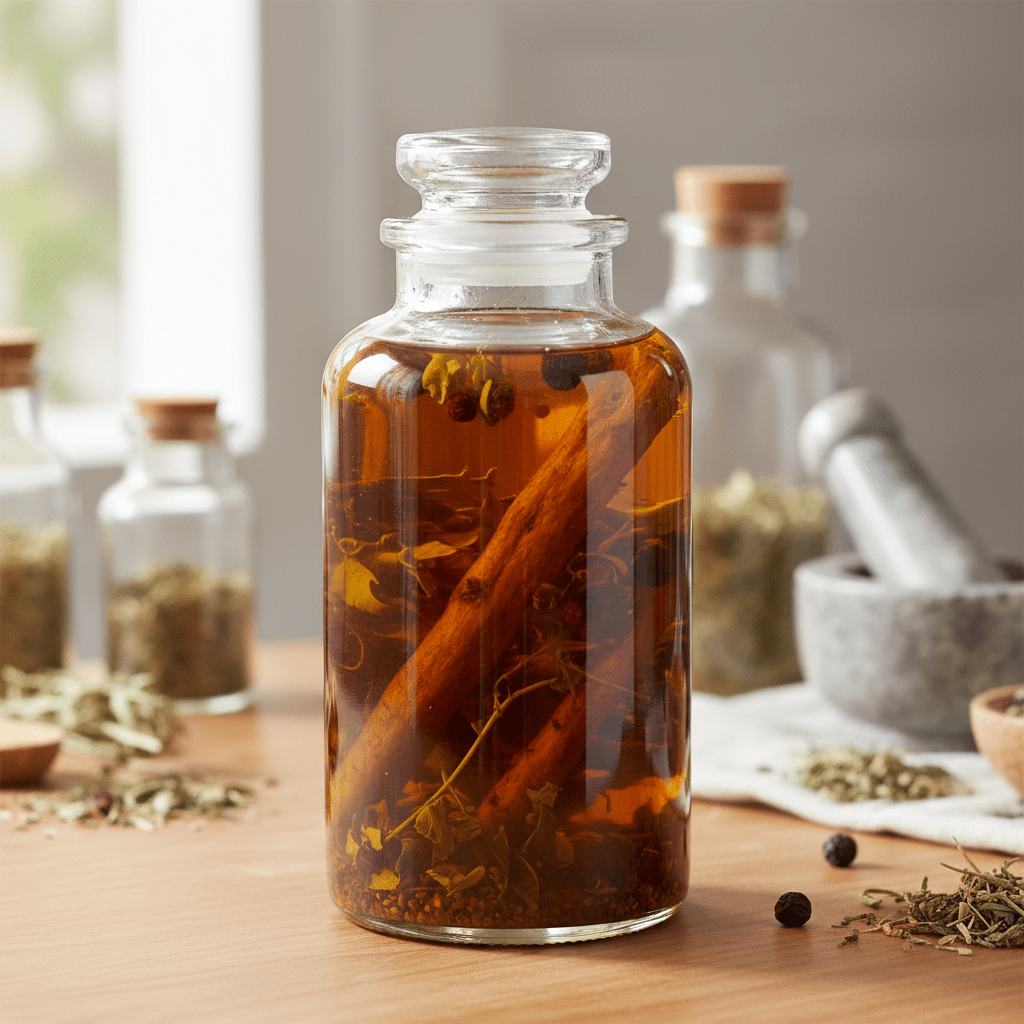
So what is ashwagandha oil, really? It’s usually not a traditional oil on its own. It’s more often made by soaking ashwagandha root in a carrier oil like sesame oil, then letting the plant parts sit and release their good stuff into the fat. That’s called an oil infusion or maceration. Pretty old-school. Still popular.
Here’s a quick look at the common forms:
| Form | What it is | Common use |
|---|---|---|
| Powder | Dried root ground up | Mixed into drinks or food |
| Tincture | Herb pulled into alcohol or glycerin | Taken by mouth in drops |
| Oil infusion | Root steeped in a carrier oil | Used on skin or for massage |
The oil-based format has a few nice perks. It’s easy to use on skin, it can feel soothing during massage, and it fits well with topical ashwagandha oil uses in self-care routines. Also, fat-loving plant compounds may move into oil pretty well. But wait, that does not mean it works the same as taking the herb by mouth. We don’t have head-to-head proof for that.
For women looking at natural remedies for reproductive health, that matters. If you’re asking how to use ashwagandha oil for women, topical use is the main lane. People often blend it into belly massage, foot rubs, or calming evening routines. Some brands even pair it with other ayurvedic oil for hormone support products, like rose oil or sesame-based blends.
And if you’re sourcing oils for wellness products, quality matters a ton. Aroma Monk, for example, focuses on pure, lab-tested natural oils and carrier oils for brands that want clean ingredients and steady supply. That kind of traceability is a big deal for product makers.
Ashwagandha oil benefits are mostly tied to tradition and topical comfort right now. The root extract has the stronger research for stress, sleep, and hormone support. But the oil form still has a place, especially for people who want a gentle, outside-the-body ritual.

The Science of Serenity: How Ashwagandha Regulates Your Stress Response for Hormonal Harmony
You know that 2 a.m. stare-at-the-ceiling moment? The one where your brain is planning tomorrow, next week, and that awkward email you still haven’t answered? That’s stress talking. And for a lot of women, it’s not just annoying. It starts messing with sleep, energy, and the whole hormonal rhythm.
That’s where ashwagandha for hormonal balance starts getting a lot of attention. The herb is often talked about as an adaptogen, which is just a plain way of saying it may help the body handle stress better. The main idea is simple: less stress pressure on the body can mean less pressure on your hormones too.
Here’s the thing. Stress isn’t only in your head. Your body reads it like a smoke alarm. When stress stays high for too long, the HPA axis, which is the stress response loop between the brain and adrenal glands, keeps sending out alarm signals. That can keep cortisol high for longer than your body likes. Ashwagandha oil for stress and cortisol gets mentioned a lot, but the clinical studies are mostly on root extract, not oil infusion. Still, the stress story is the same one people keep looking at.
A few studies back that up. A 2019 randomized trial found ashwagandha root extract lowered morning cortisol by 23% in 60 days, and a review of 9 studies with 558 people also found lower cortisol levels overall PubMed trial on cortisol. Not oil. Root extract. That part matters.
But wait, there’s more going on here than just stress numbers.
When cortisol stays high, your body can start acting like it’s in emergency mode. Some people describe this as the “pregnenolone steal,” which is a simple way of saying your body may send hormone building blocks toward stress support instead of reproductive hormone production. In everyday terms, if your body feels like it’s running from a bear, it’s not exactly putting first-class effort into progesterone, estrogen, or regular cycle support. Makes sense, right?
That’s one reason people talk about ashwagandha and menstrual cycle support. Not because it’s a magic cycle fix. It’s more that calming stress may give your system a little breathing room. Less stress can mean a calmer body, and a calmer body usually sleeps better.
And sleep is a big deal here.
If you’ve ever had one rough night turn into three bad days, you already get it. Sleep is when the body does a lot of its repair work, including hormone signaling. When cortisol is high late at night, sleep gets choppy. You fall asleep late. You wake up too early. Then the whole next day feels off. Balanced cortisol can help the body settle into deeper sleep, and that matters for hormone production, mood, and even how your cycle feels month to month.
Here’s a simple chain:
| Stress piece | What may happen |
|---|---|
| High daily stress | HPA axis stays on alert |
| High cortisol | Sleep can get worse |
| Poor sleep | Hormone signals get messy |
| Better stress support | More room for normal hormone work |
So where does ashwagandha fit for women’s wellness? Usually as part of a bigger routine. It’s not a stand-alone fix, and it’s not a replacement for medical care. But for people looking at natural remedies for reproductive health, it can be one piece of the puzzle. A calmer stress response. Better rest. Less of that wired-tired feeling.
And honestly, that alone can feel like a huge shift.
If you’re thinking about how to use ashwagandha oil for women, keep in mind that topical oil is more about comfort and ritual. The stronger science for cortisol and stress uses internal root extract, usually in the 125 to 600 mg range in studies. So if your goal is stress support, that’s the form most researchers have looked at. If your goal is a soothing belly rub or bedtime massage, the oil form has its place too.
Aroma Monk can be a helpful source if you’re looking for pure, lab-tested carrier oils, essential oils, and other wellness ingredients for product making or bulk supply. That matters for brands that want clean, traceable inputs and a reliable supply chain.
And here’s a gentle first step: start with sleep. Not fancy. Just steady. A calmer bedtime, less screen time, maybe a cup of chamomile tea, and then see how your body feels after a couple weeks. If you add ashwagandha later, give it time. Most people don’t notice much overnight.
Slow and steady. That’s usually the way hormones like it.
Core Ashwagandha Oil Benefits for Female Reproductive Health
You know that point where your body just feels off? Not sick. Just off. Your cycle shifts, your mood gets snappy, sleep gets weird, and your sex drive seems to have packed up and left town. Yeah… a lot of women know that feeling.
And stress plays a bigger role than people think. Burnout rates are still climbing, with women ages 35 to 44 hitting 48% and women 25 to 34 at 39% in one recent report. That kind of pressure can spill into your period, libido, and even fertility planning. So it makes sense that more women are looking at ashwagandha for hormonal balance and other natural remedies for reproductive health.
1. Supporting Menstrual Cycle Regularity
Ashwagandha oil benefits often get talked about in a broad way, but for cycle support, the real story starts with stress. When your body is stuck in high-alert mode, your hormones can get a little scrambled. Periods may come early, late, or just feel more intense than usual. Mood swings. Cramping. That familiar pre-period frustration. All of it can feel louder when cortisol stays high.
Ashwagandha oil for stress and cortisol is usually discussed as part of a bigger stress-soothing routine, while the research is mostly on root extract. Still, the idea is useful here. If stress eases up, the body may have more room to settle into a steadier rhythm. That can support ashwagandha and menstrual cycle comfort, especially for women who feel their cycle gets worse during hectic seasons.
Some people also use topical ashwagandha oil uses as a calming ritual. Belly massage, lower back massage, or a quiet bedtime rub can help you slow down. And honestly, sometimes that pause matters just as much as the herb itself. A soothing routine won’t fix everything. But it can help your body feel safer. That’s a good start.
2. Enhancing Libido and Sexual Function
This part gets personal fast. But it’s real.
Stress is a mood killer. It can flatten desire, make arousal harder, and turn sex into one more thing on the to-do list. Not exactly romantic. When women ask how to use ashwagandha oil for women, this is one reason it comes up. Not because oil is magic, but because calm matters. When the nervous system settles, libido often gets a little more room to breathe.
There’s also some research on internal ashwagandha use and female sexual function. In clinical work on root extract, women saw better lubrication, orgasm, and arousal scores compared with placebo. Some studies also suggest hormone shifts that may support sex drive, including possible changes in testosterone and other sex hormones. That’s why people talk about ashwagandha adaptogen for fertility and sexual wellness in the same breath.
With oil, the main use is still external. A massage blend with sesame oil or another carrier oil can feel grounding and warm. That’s not the same as swallowing a capsule, but for some people, the ritual itself helps lower stress and brings them back into their body. Weirdly simple. Also kind of lovely.
3. Aiding Fertility and Conception
If you’re trying to conceive, the stakes feel bigger. Every small change seems to matter more. And that can make stress even worse, which is annoying because stress is the last thing you need right then.
Ashwagandha has been studied for hormone support and fertility markers, mostly in root extract form. Some research in women found changes like higher estradiol and lower FSH and LH, which may point to better hormonal balance. Other work suggests it may help by lowering oxidative stress. That matters because egg health is tied to the body’s overall stress load. Less oxidative stress may mean a better setting for reproductive health.
People also talk about withania somnifera for reproductive health because of circulation. Good blood flow supports uterine tissue and may help the body feel more nourished. With topical use, that’s one reason belly massage is popular. It can warm the area, relax muscles, and turn a rushed evening into a slower one. Not a cure. But maybe a helpful nudge.
If you’re considering an ayurvedic oil for hormone support, look for clean carrier oils, simple ingredient lists, and third-party testing. Aroma Monk offers lab-tested essential oils, carrier oils, and natural wellness ingredients for brands that want purity and traceability in bulk. For product makers, that kind of quality control makes a big difference.
| Reproductive health area | How ashwagandha may help | Best-known form |
|---|---|---|
| Cycle support | May ease stress load that throws off hormones | Root extract, plus topical ritual |
| Libido | May calm stress and support sexual function | Root extract, massage blends |
| Fertility support | May support hormone balance and lower oxidative stress | Root extract, sometimes paired with self-care oils |
If you want a simple first step, start with sleep. Seriously. Better sleep gives your hormones a chance to reset. Then, if you try ashwagandha, give it time and pay attention to how your body responds over a few weeks, not a few days.
And if you’re pregnant, trying to get pregnant, or taking thyroid, diabetes, sedative, or immune meds, talk with a clinician first. Ashwagandha isn’t for everyone.
Practical Application: How to Use Ashwagandha Oil for Hormonal Balance
You know that moment when you finally sit down, and your body still won’t? Shoulders tight. Jaw clenched. Brain buzzing. That’s usually the point where people start reaching for a calmer routine, and ashwagandha oil can fit there nicely.
The tricky part is this: oil and extract are not the same thing. Modern ashwagandha oil is usually a carrier oil infused with the root, while most research on stress and cortisol uses root extract, not oil. So if you’re using it, think of it as a soothing tool first, and a hormone support ritual second.
1. Topical use for calm and comfort
For belly massage, use a small amount on clean skin and rub in slow circles for 3 to 5 minutes. Many women like this before bed, especially around their period, because it can feel warm and grounding. Lower belly, lower back, feet, and temples are the most common spots.
A simple night routine might look like this:
| Spot | How to use it | Why people try it |
|---|---|---|
| Lower belly | Gentle circular massage | Comfort during cramps or PMS days |
| Feet | Rub before sleep | Relaxation and wind-down time |
| Temples | Very small amount | Calm after a long day |
| Lower back | Slow massage with a carrier blend | Soothing body tension |
And honestly, the ritual matters. Sometimes the pause is the point. Not everything has to be a big fix.
2. Internal use, if the product is made for it
If a label says food-grade or standardized root extract, that’s the version meant for swallowing. Most studies use about 125 to 600 mg a day of root extract, often split into one or two doses. A few people start with 125 mg at night, then slowly move up if they feel fine.
If you mix it into food or drink, keep it simple. Smoothies, warm milk, or a little honey can work. Start low and go slow. That’s the smart move, since some people feel sleepy or get an upset stomach at first.
But don’t drink an oil infusion unless the maker says it’s safe for internal use. Most ashwagandha oils are for skin and massage only.
3. Choosing a good product
If you’re shopping for ashwagandha oil benefits, here’s a quick checklist:
- Organic ingredients when possible
- Cold-pressed carrier oil, like sesame or coconut
- Clear label that says root extract or oil infusion
- Third-party testing for heavy metals and purity
- No weird filler oils or fake fragrance
- Batch number and brand contact info
If you’re buying for a brand or spa line, Aroma Monk can be a solid fit. They offer lab-tested essential oils, carrier oils, and bulk supply with traceable sourcing, which helps when you want clean inputs for wellness products.
A few safety notes
Ashwagandha isn’t for everyone. If you’re pregnant, trying to get pregnant, taking thyroid meds, or using sedatives, talk with a clinician first. Also, if you have autoimmune issues or diabetes meds in the mix, don’t guess.
A calm bedtime routine is a great first step. Then, if you want to add ashwagandha for hormonal balance, give it a few weeks and pay attention to how your body feels. Slow changes tend to stick better anyway.
Safety, Side Effects, and Important Considerations
You know that hopeful moment when a natural remedy sounds perfect… and then you realize it still needs a reality check? Yeah. This is that part.
Ashwagandha oil benefits can sound very gentle, but ashwagandha is still a strong herb, and not every body likes it. Some people get an upset stomach, loose stool, nausea, or a headache. Others feel drowsy, which sounds nice until it hits in the middle of a workday. Higher doses seem more likely to cause trouble, and some people just don’t tolerate it well at all.
Here’s the quick truth: the safety data is mostly for root extract, not oil infusion. The NIH Office of Dietary Supplements says ashwagandha appears safe for short-term use in healthy adults, but long-term use still isn’t well known. It also notes possible drug interactions with sedatives, thyroid meds, diabetes meds, blood pressure meds, and immune-suppressing drugs.
Some people should skip it unless a doctor says otherwise:
- Pregnant women
- Breastfeeding women
- People with thyroid disorders
- People with autoimmune conditions
- Anyone taking sedatives, thyroid medicine, or diabetes medicine
- Anyone who’s had liver issues before
And if you’re trying to use it for hormone support, please talk with a doctor, naturopath, or other clinician first. That’s not me being cautious for the sake of it. Hormones can be a little finicky, and you don’t want to guess with something that may shift sleep, thyroid activity, or cycle patterns.
Also, if you’re using a topical oil, patch test first. A tiny spot on the inner arm is enough. Wait 24 hours. Simple. Boring. Smart.
If you want to start slow, focus on sleep and stress first, then ask a pro if ashwagandha fits your routine. That way you’re not just chasing a trend. You’re actually listening to your body.
Embracing Ancient Wisdom for Modern Wellness
So where does that leave us? Right in the middle, honestly. Ashwagandha oil benefits can be real for calm, comfort, and daily self-care, while ashwagandha for hormonal balance is the bigger picture many women are hoping for. The strongest research still points to root extract for stress, cortisol, and hormone support, but topical oil has its own place in a steady routine.
And that matters. Burnout is still high, with women ages 35 to 44 reporting a 48% burnout rate and women 25 to 34 at 39% in recent data from HR Reporter. When stress stays high, sleep, mood, cycle comfort, and even libido can all feel off. That’s why so many people are turning to natural remedies for reproductive health and asking how ashwagandha oil for stress and cortisol fits in.
Here’s the simple takeaway:
- It may help calm the body
- It may support hormonal balance through stress relief
- It may fit into self-care for menstrual cycle support and reproductive wellness
But it works best with the basics. Good sleep. Real food. Less chaos where you can find it. A warm shower, a slower bedtime, and maybe a gentle belly massage with a clean ayurvedic oil for hormone support. Small things add up.
If you’re curious about how to use ashwagandha oil for women, start with quality. Look for lab-tested products, clear labels, and honest sourcing. If you’re thinking about internal use, speak with a health professional first, especially if you’re pregnant, nursing, or taking medication.
A good next step? Pick one calm habit tonight. Just one. Then see how your body feels after a couple of weeks. That’s usually where the real answers start showing up.

Get a quote from Aroma Monk.
Essential Oil Supplier – Bulk pricing • Samples • Fast response