
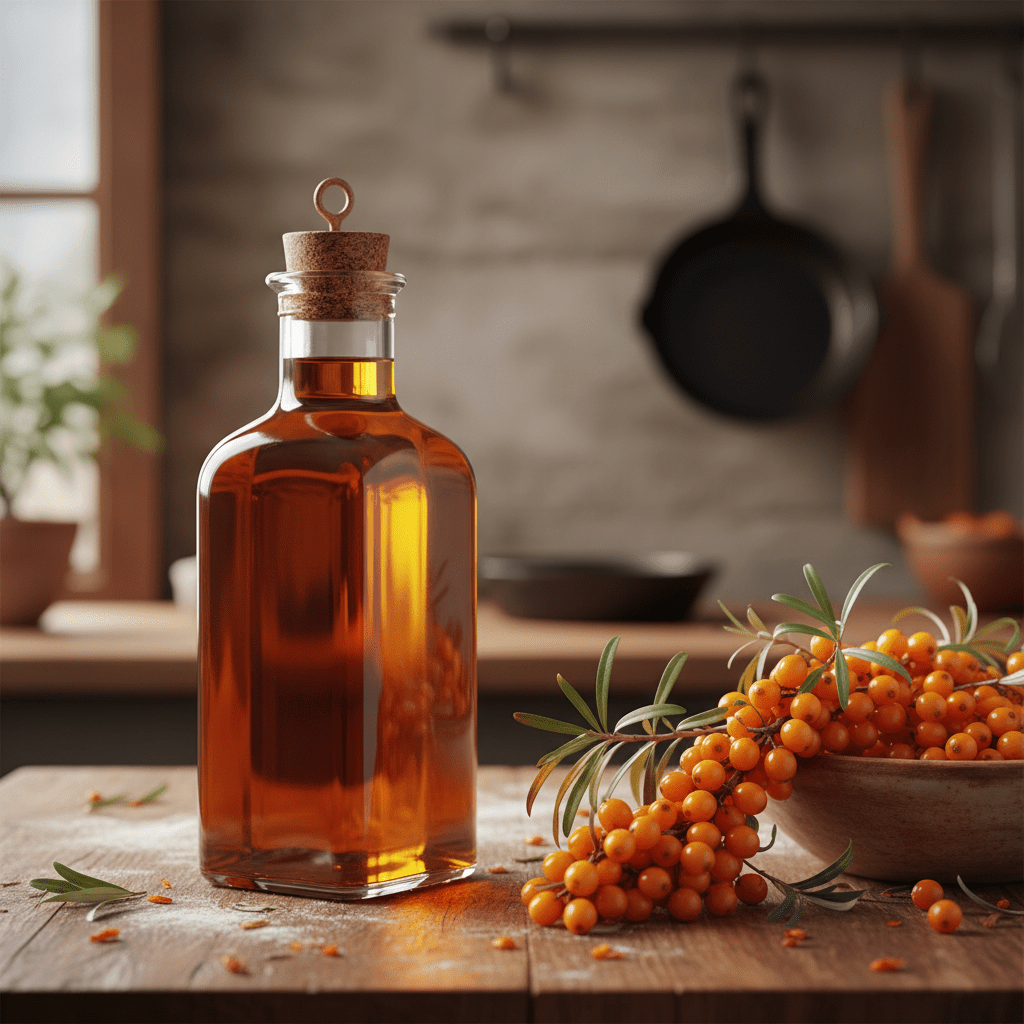
Unlocking the Culinary Secrets of a Superfood: Your Guide to Sea Buckthorn Oil
Have you ever tasted something so bright it nearly wakes you up? That’s kind of what sea buckthorn oil does in food. It’s bold, tart, and a little wild. And yep, people are using it far beyond skin care now.
The bigger food trend makes sense too. The global superfoods market is now worth about $193 billion to $205 billion in 2024 and 2025, and it keeps growing as people look for clean, nutrient-rich foods. Sea buckthorn oil fits right into that shift, especially for home cooks and brands looking for a punchy ingredient with a story.
But here’s the thing. A lot of folks don’t know how to use sea buckthorn oil in the kitchen without wrecking the flavor or wasting the good stuff. Should you cook with it? Drizzle it? Mix it into a salad? Actually, wait, there’s a better way to think about it: treat it like a finishing oil, not a frying oil.
In this guide, we’ll keep it simple. We’ll look at the sea buckthorn oil taste, the best flavor pairings, smart sea buckthorn oil recipes, and how to pick edible sea buckthorn oil that’s meant for food. If you’ve been curious about sea buckthorn berry oil uses or hippophae rhamnoides oil in food, you’re in the right place.
And if you’re sourcing ingredients for a food line, wellness brand, or product test kitchen, that same care matters even more. Clean, pure oils make a big difference. Aroma Monk, for example, works with pure natural oils, lab-tested lots, and bulk supply for brands that need reliable ingredients for product development. That kind of supply support matters when you’re building something people will actually eat.
What Exactly is Sea Buckthorn Oil? A Tale of Two Oils
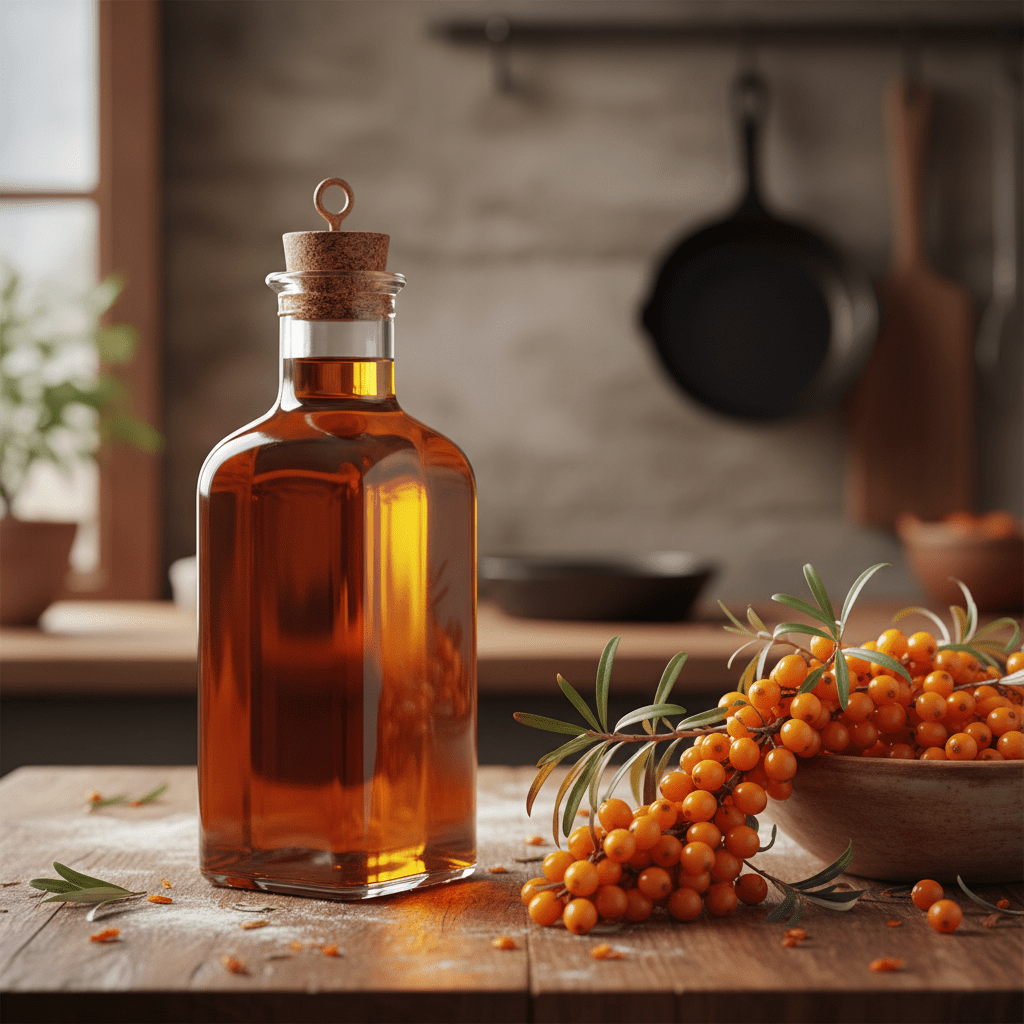
Ever open a bottle and think, wait… why is this stuff so orange? That’s sea buckthorn oil for you. It comes from the berries of the Hippophae rhamnoides plant, a shrubby little plant that has been used for ages in parts of Eurasia for food and traditional care. People have long valued it for its sharp taste and rich color, not just for looks.
There’s a neat twist here. Sea buckthorn oil is not just one oil. It usually comes in two main types, and they act pretty differently in food.
| Type | Main nutrients | Common food use | Flavor vibe |
|---|---|---|---|
| Seed oil | Omega-3 and Omega-6 fatty acids, plus vitamin E | More common in light food uses and blends | Milder, a bit nutty |
| Berry or pulp oil | Omega-7, carotenoids, and fatty acids | Most common for culinary finishing | Bright, tangy, fruity-sour |
The berry or pulp oil is the one many cooks notice first. It’s the bold, orange-red one that gives sea buckthorn oil its famous tart kick. The seed oil is softer in flavor and shows up more in blends where you want less punch.
And yes, the nutrient profile is a big deal. Sea buckthorn oil is known for vitamins C and E, carotenoids, and a mix of fatty acids. That combo is a big reason people call it a superfood ingredient. It’s also why cooking with sea buckthorn oil is usually about small amounts, not heavy pours.
Here’s the simple version: if you’re learning how to use sea buckthorn oil in the kitchen, think of it like a bright accent, not a base oil. A few drops can wake up a dish fast. Too much? Whew. It can take over.
That matters for home cooks and food brands too. If you’re sourcing edible sea buckthorn oil for product tests, dressings, or small-batch recipes, you want the right type from the start. Aroma Monk works with pure, lab-tested oils and bulk supply for brands that need steady ingredients for product development, which makes the sourcing side a lot less messy.
Decoding the Flavor Profile: What Does Sea Buckthorn Oil Taste Like?
You know that first bite of something that makes your face scrunch up a little? That’s sea buckthorn oil for a lot of people. Tiny drop. Big attitude.
The flavor is bright, tart, and citrusy. Think passionfruit mixed with orange peel, then add a little grapefruit bite and a faint earthy finish. Some people even notice a touch of berry, plus a sharp sour edge that hangs around for a second.
And here’s the part that surprises most cooks: it’s not meant to sit quietly in the background. Sea buckthorn oil is a loud ingredient. It works best as a flavor accent, not a neutral base oil like canola or avocado oil. If you pour too much, it can take over the whole dish. Fast.
That’s why a little goes a long way. Usually, a few drops are enough in a sauce, dressing, smoothie, or dessert. More doesn’t mean better. Actually, wait, that’s the trap with sea buckthorn oil. Because it’s so concentrated, extra oil can make food taste too sharp and too sour.
Here’s a quick comparison that helps:
| Ingredient | Flavor strength | What it feels like |
|---|---|---|
| Lemon juice | Bright and sharp | Fresh, sour, zippy |
| High-quality olive oil | Rich and smooth | Soft, grassy, full |
| Sea buckthorn oil | Even more intense than lemon, with rich oil depth | Tangy, fruity, pungent, earthy |
So if you’re figuring out how to use sea buckthorn oil in the kitchen, think “finishing touch.” Not frying pan. Not deep roast. Just a small splash at the end, where its sea buckthorn oil taste can wake up the rest of the plate.
That bright kick is also why it shows up in sea buckthorn oil recipes for salads, yogurt bowls, and no-bake treats. It brings a sharp little spark. And honestly? That spark is the whole point.

The Golden Rule of Cooking with Sea Buckthorn Oil: Why Heat is the Enemy
You know that bottle of bright orange oil that looks almost too pretty to touch? This is where people usually get tripped up. They think sea buckthorn oil can jump into the pan like olive oil. But nope. Not even close.
Edible sea buckthorn oil works best as a finishing oil, not a frying oil, sautéing oil, or baking oil. Add it after food is cooked and has cooled just a little. That’s the sweet spot. And honestly, it makes a big difference.
Why? Heat is rough on this oil. Sea buckthorn oil has delicate fats and plant compounds that don’t love high temperatures. Its polyunsaturated fats, including omega-7, can break down fast, and the flavor can turn bitter or flat. So if you heat it hard, you lose the bright taste and some of the good stuff too. A market note here makes sense too: superfoods are still surging, with the global market valued at about $193 billion to $205 billion in 2024 and 2025, as more people want clean-label foods with real nutrition global superfoods market report.
Here’s the simple rule I follow:
| Best use | Why it works |
|---|---|
| Drizzle on soup | Adds a fresh, tart finish |
| Stir into dressing | Keeps flavor bright |
| Mix into yogurt or smoothies | No heat, so taste stays lively |
| Spoon over roasted veggies at the end | Gives a citrus-like pop |
A small amount goes a long way. Start with a few drops, then taste. More is not always better. Actually, it usually isn’t. That’s one of the biggest mistakes people make with cooking with sea buckthorn oil.
If you’re figuring out how to use sea buckthorn oil in the kitchen, think of it like lemon zest or a fancy finishing drizzle. Warm food? Yes. Boiling food? No. If you want the full sea buckthorn oil taste and the best benefits of sea buckthorn oil in food, add it right before serving.
That goes for sea buckthorn oil for salads too. Toss your greens, then finish with a little oil at the end. Clean, bright, done.
And if you’re sourcing edible sea buckthorn oil for a food line or test kitchen, Aroma Monk can help with pure, lab-tested bulk oils and reliable supply for product development. Handy when you want consistency and don’t want weird surprises in your ingredient list.
Creative Culinary Uses: How to Use Sea Buckthorn Oil in Your Kitchen
You know that tiny bottle in the back of the pantry that looks too fancy to touch? Sea buckthorn oil can feel like that at first. But once you try it in the right way, it starts acting less like a mystery item and more like your secret flavor boost.
First up, salad dressing. This is probably the easiest place to start if you’re learning how to use sea buckthorn oil in the kitchen. Try this simple mix:
- 2 tablespoons olive oil
- 1 teaspoon sea buckthorn oil
- 1 teaspoon honey or maple syrup
- 1 tablespoon lemon juice or apple cider vinegar
- A pinch of salt
Whisk it up and taste. Too sharp? Add a little more honey. Too sweet? A few more drops of lemon usually fixes it. That tart edge is the whole point, but it plays nicer when it has a soft partner.
And if you want a fast win, use it for sea buckthorn oil for salads with crunchy greens, cucumber, avocado, or roasted carrots. It gives the plate a bright orange glow and a sharp finish that feels way more special than plain dressing.
Here’s another easy move. Add a few drops to smoothies, juices, or protein shakes after blending. Not during. After. That keeps the flavor cleaner. It works well with mango, banana, pineapple, peach, or even plain yogurt smoothies. I’d start with 3 to 5 drops, then taste before adding more. Honestly, that small amount is usually enough.
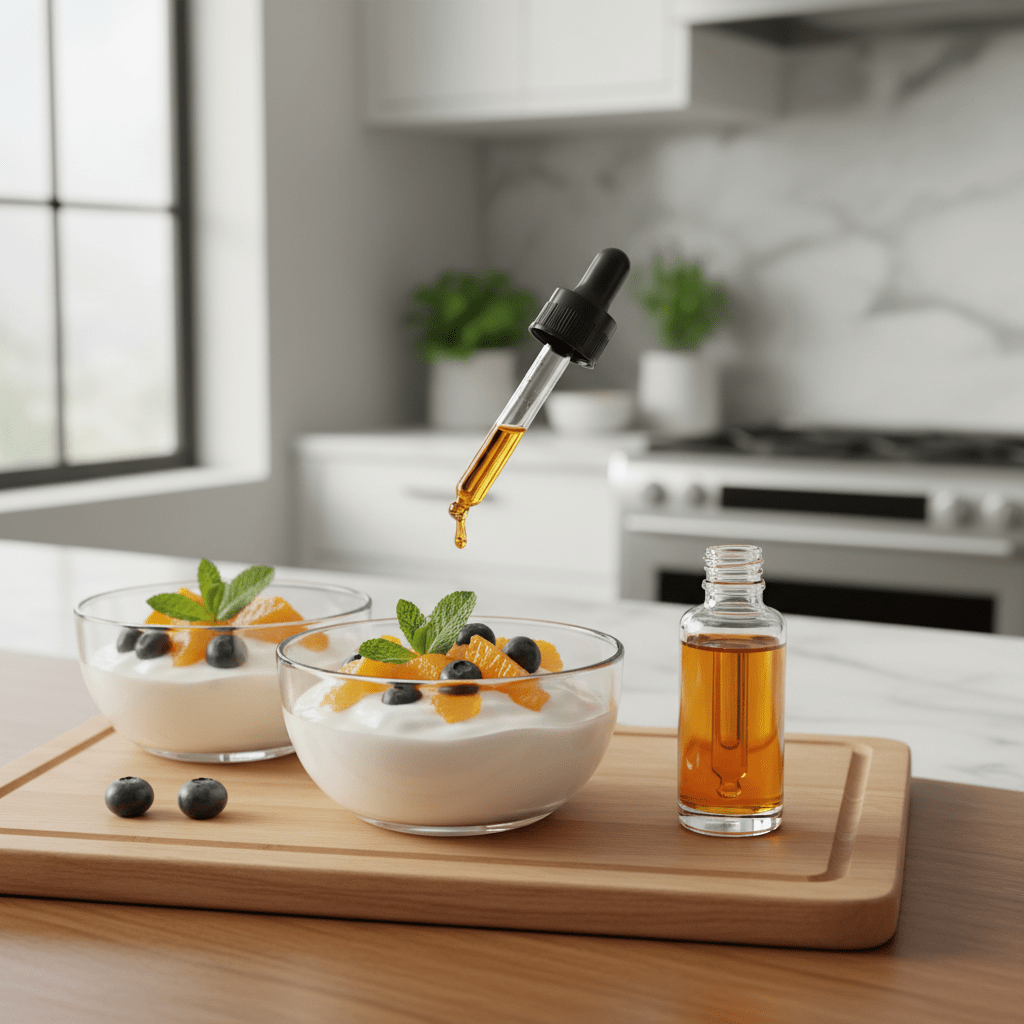
Sea buckthorn oil recipes don’t have to be fancy, either. You can swirl it into yogurt, oatmeal, chia pudding, or cottage cheese for a pretty top layer that tastes fresh and a little tangy. Drizzle it on top right before eating. It looks gorgeous. Like, meal-prep-photo gorgeous. And yes, it tastes better than it looks.
Here are a few easy pairings that just make sense:
| Base food | What sea buckthorn oil adds |
|---|---|
| Yogurt | Bright tang and color |
| Oatmeal | A fruity little pop |
| Chia pudding | Sour-sweet balance |
| Cottage cheese | Sharp lift and shine |
| Smoothies | A tart finish |
One thing people get wrong is thinking more oil means more benefits of sea buckthorn oil in food. Nope. It’s concentrated, so a little goes a long way. If you pour in too much, the sour taste can take over fast. That’s true for sea buckthorn berry oil uses in drinks too. Small drops. Taste. Adjust.
For brands, cafes, or test kitchens, edible sea buckthorn oil can also be a cool ingredient for limited-edition dressings, wellness shots, and dessert toppings. Aroma Monk works with pure, lab-tested oils and bulk supply, which can help if you’re sourcing ingredients for product development and want consistency from batch to batch.
So if you’ve been wondering how to use sea buckthorn oil in the kitchen, start simple. Dress a salad. Brighten a smoothie. Top your breakfast bowl. Little moves. Big flavor.
Get a quote from Aroma Monk.
Essential Oil Supplier – Bulk pricing • Samples • Fast response
Advanced Applications: Drizzles, Sauces, and Marinades
You know that moment when a dish looks finished, but it still needs something? Not more salt. Not more sauce. Just a little spark. That’s where sea buckthorn oil shines.
For cooked fish, especially salmon, try a tiny drizzle right before serving. Same with grilled chicken, roasted carrots, squash, or even a creamy soup. A few drops can cut through the richness and wake up the whole bowl. It’s bright. It’s tart. And yes, it can make dinner feel way fancier than it really was.
Here’s a simple way to think about it:
| Dish | Best use |
|---|---|
| Salmon | Drizzle at the end |
| Grilled chicken | Add after cooking |
| Roasted carrots | Finish with a few drops |
| Squash soup | Swirl on top before serving |
| Creamy soup | Use like a citrus finish |
Cold sauces are another great place for sea buckthorn oil recipes. Stir it into aioli, hummus, or a yogurt sauce after the main mix is done. Don’t cook it in there. Just fold it in at the end so the color stays bright and the taste stays fresh. A little goes a long way, and honestly, that’s the charm.
For marinades, the trick is a bit different. You can add sea buckthorn oil for flavor, but if the food is going on high heat, don’t leave the oil on the surface when it hits the pan or grill. Let the marinade do its job, then pat the food dry before cooking. That way you get the flavor without scorching the oil. Makes sense, right?
This matters with sea buckthorn berry oil uses too, since the oil is strong and a bit moody with heat. Think flavor soak, not frying oil. And if you’re sourcing edible sea buckthorn oil for a food line, Aroma Monk can help with pure, lab-tested bulk oils that fit product development needs. That kind of steady supply is a big deal when you’re testing new sauces, dips, or small-batch marinades.
A few more easy ideas:
- Whisk a drop into aioli for fish tacos
- Stir into yogurt sauce for roasted veggies
- Add to hummus with lemon and garlic
- Brush on cooked chicken right before serving
- Spoon over soup at the table, not the pot
Funny enough, this oil works best when you use less than you think. That’s the whole trick. Small moves. Big flavor.
Perfect Pairings: A Flavor Compatibility Guide
Ever taste something and think, “OK, that needs a friend”? Sea buckthorn oil is like that. On its own, it’s bright and punchy. With the right match, it really sings.
The easiest partners are sweet things. Honey and maple syrup soften the sharp edge fast. They work well in dressings, yogurt bowls, and no-bake treats. A spoon of cream cheese does the same job, only richer. And dairy loves this oil. Yogurt, whipped cream cheese, and even a little coconut cream can calm the tart bite without hiding it.
Fruit is another easy win. Mango, orange, and apple all play nicely with sea buckthorn oil. Mango brings soft sweetness. Orange matches the citrus note. Apple gives a clean, fresh balance. Pretty simple. Pretty good.
But wait, there’s more. Herbs and warm spices can make sea buckthorn oil taste even better. Try it with mint, cilantro, ginger, turmeric, or a tiny bit of chili. That mix works in smoothies, sauces, and salad dressings. It’s a little bold, sure, but not in a bad way.
Here’s the part I like most. Sea buckthorn oil cuts through rich food like a sharp knife through butter. That means it’s great with fatty fish, avocados, and creamy cheeses. Salmon gets brighter. Avocado tastes less heavy. Brie or cream cheese feels less flat.
| Best pairing | Why it works |
|---|---|
| Honey or maple syrup | Softens tartness |
| Yogurt or cream cheese | Adds creamy balance |
| Mango, orange, apple | Brings sweet fruit notes |
| Ginger, turmeric, mint | Adds fresh spice and lift |
| Salmon, avocado, creamy cheese | Cuts through rich flavors |
If you’re trying sea buckthorn oil recipes for the first time, start small. A few drops in a yogurt bowl. A little in a salad. Maybe a drizzle over salmon at the end. That’s usually enough to get the sea buckthorn oil taste without overdoing it.
And if you’re sourcing edible sea buckthorn oil for food products, Aroma Monk can help with pure, lab-tested bulk oils for product development. Nice when you want a clean ingredient and steady supply, without guesswork.
Shopping and Storage: How to Choose and Preserve Your Oil
Ever buy a beautiful bottle of oil, then realize you have no clue where to put it? Yeah, been there. Sea buckthorn oil looks fancy, but the storage part is pretty simple once you know the rules.
Start with the label. Look for food-grade or edible sea buckthorn oil if you plan to eat it. If you see cold-pressed or CO2 extracted, that’s a good sign too. Those methods are common for better quality oil, and they usually keep the color and flavor closer to the real thing. A dark glass bottle is a big plus. Light can wear the oil down faster, and nobody wants a sad, flat-tasting bottle sitting in the pantry.
Here’s a quick buying checklist:
| What to look for | Why it matters |
|---|---|
| Food-grade label | Means it’s meant for eating |
| Cold-pressed or CO2 extracted | Helps protect flavor and plant compounds |
| Dark glass bottle | Blocks light damage |
| Clear ingredient list | No weird fillers or mystery blends |
Storage is just as easy. Keep sea buckthorn oil in a cool, dark place away from heat and sun. A cupboard works before opening. After opening, pop it in the fridge. That helps slow down spoilage and keeps the flavor brighter for longer. Most sea buckthorn fruit oil can last up to about two years if stored well, but seed oil may not hang on as long.
How do you know it’s gone off? The smell changes first. If it smells sharp, stale, paint-like, or just plain off, toss it. A big color shift is another clue. Fresh oil usually has that vivid orange glow. If it looks dull or faded, that’s a warning sign.
So, simple rule: buy the right bottle, keep it cold, and use it while it still smells fresh. If you’re sourcing sea buckthorn oil for food product tests or small-batch sea buckthorn oil recipes, Aroma Monk’s lab-tested bulk supply can help you keep quality steady from batch to batch. And that saves a ton of guesswork.
Embrace the Gold: Bringing Sea Buckthorn Oil into Your Culinary Repertoire
So here’s the easy truth: sea buckthorn oil is not your pan oil. It’s your finishing oil. A little bright, a little tart, and honestly kind of fun once you stop trying to cook it like olive oil.
That’s the magic. Use it cold or off the heat, and it can wake up salads, smoothies, yogurt, and drizzles in a snap. It also plays well with honey, citrus, mango, creamy dairy, and rich foods like salmon or avocado. Tiny amounts. Big personality.
And if you’ve been holding back because it feels fancy or tricky, don’t. Start small. Add a few drops to your morning yogurt, your next salad, or even a smoothie after blending. Taste it. Adjust it. See what you like.
The global superfoods market is still climbing, with recent reports placing it at around $193 billion to $205 billion in 2024 and 2025, so sea buckthorn oil fits right into that shift toward bold, nutrient-rich foods.
If you want a simple first step, this is it: try sea buckthorn oil once this week. One spoon. One bowl. One small drizzle. You might be surprised how fast it becomes your little kitchen secret.
Get a quote from Aroma Monk.
Essential Oil Supplier – Bulk pricing • Samples • Fast response