
The Modern Epidemic of Chronic Inflammation and Nature’s Golden Answer
You know that low-key ache that never quite leaves? The one that shows up in your joints, skin, stomach, or just your whole body feeling off. That’s the kind of thing a lot of people are dealing with now. Chronic inflammation is tied to many long-term health problems, and the World Health Organization says noncommunicable diseases caused at least 43 million deaths in 2021, which is about 75% of global deaths outside pandemics WHO report on noncommunicable diseases. Not a tiny issue. Not even close.
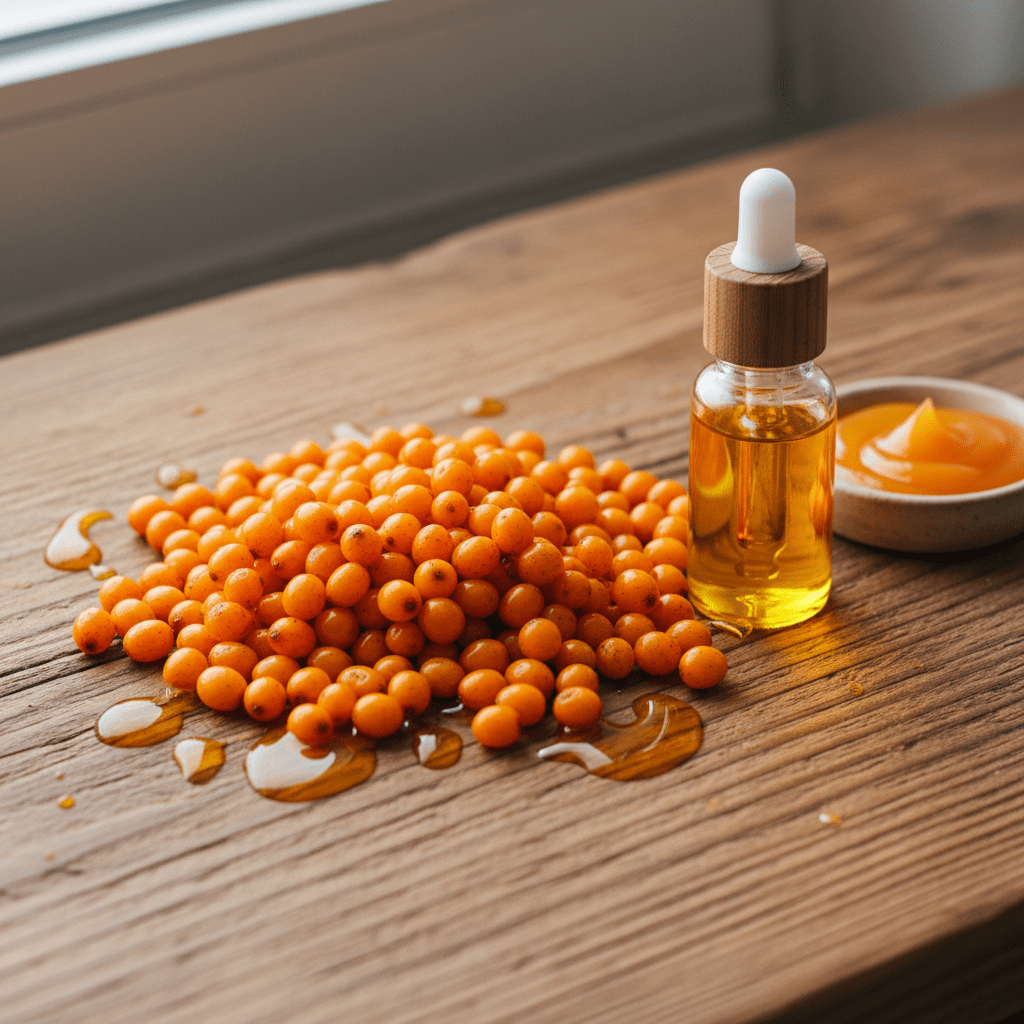
And here’s where sea buckthorn oil gets interesting. This bright orange oil has been used for ages in Traditional Chinese Medicine, Tibetan, Mongolian, and Siberian healing traditions. The name Hippophae even means “shining horse,” from old Greek roots, because horses eating the plant were said to grow glossy coats. Kind of wild, right?
Today, sea buckthorn oil benefits are getting fresh attention for sea buckthorn oil for inflammation, sea buckthorn oil for skin, and even omega 7 supplement benefits. In this guide, we’ll look at what the science says, what makes the oil special, and how to use sea buckthorn oil in a smart way. Plus, we’ll keep it simple. No fluff. No fancy talk. Just what you can actually use.
What is Sea Buckthorn Oil? A Nutrient Powerhouse Explained
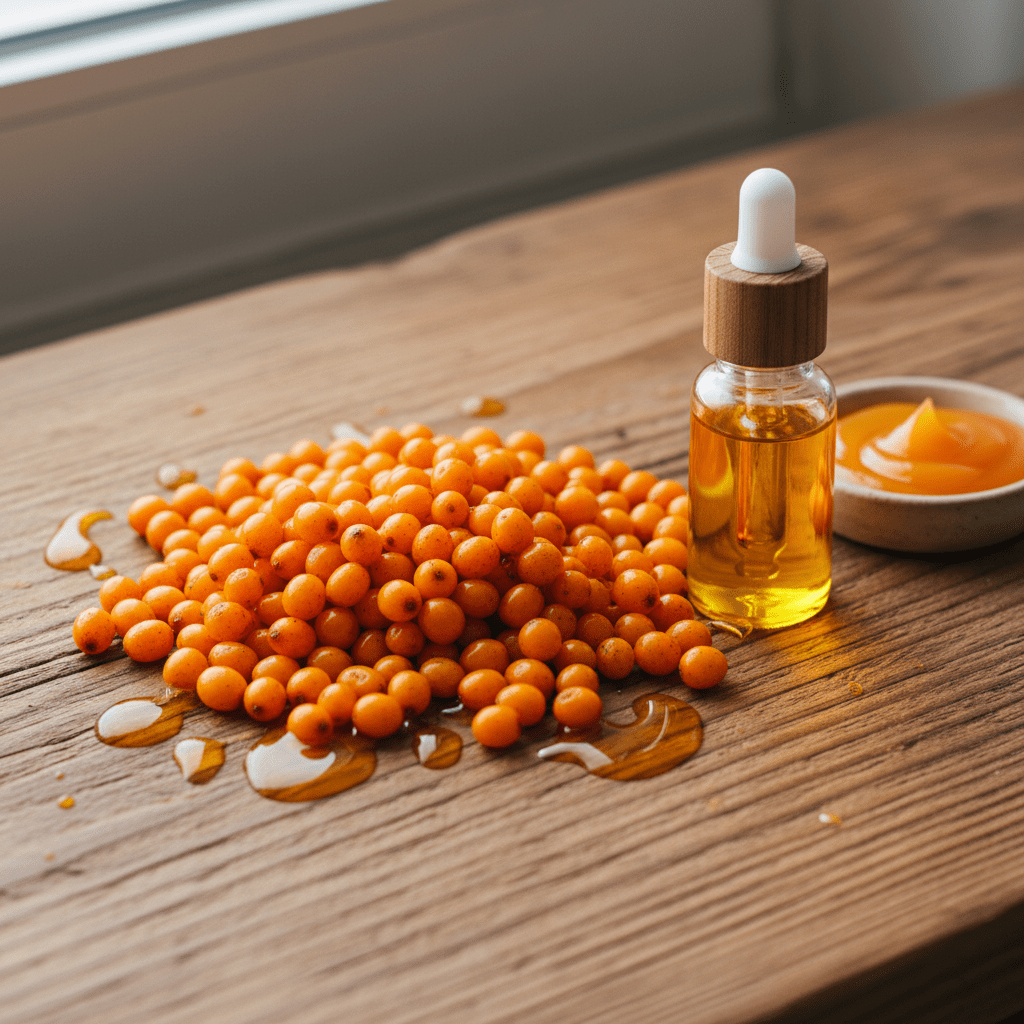
Picture a plant that grows where a lot of others give up. Windy hills. Cold soil. Harsh weather. That’s sea buckthorn, or Hippophae rhamnoides. It’s a tough little shrub with bright orange berries, and people have used it for health for a very long time in Asian and European traditional medicine.
The name is pretty fun too. Hippophae comes from Greek roots that mean “shining horse.” Old stories say horses ate the plant and got glossy coats. Weirdly charming. And maybe a little memorable, which helps.
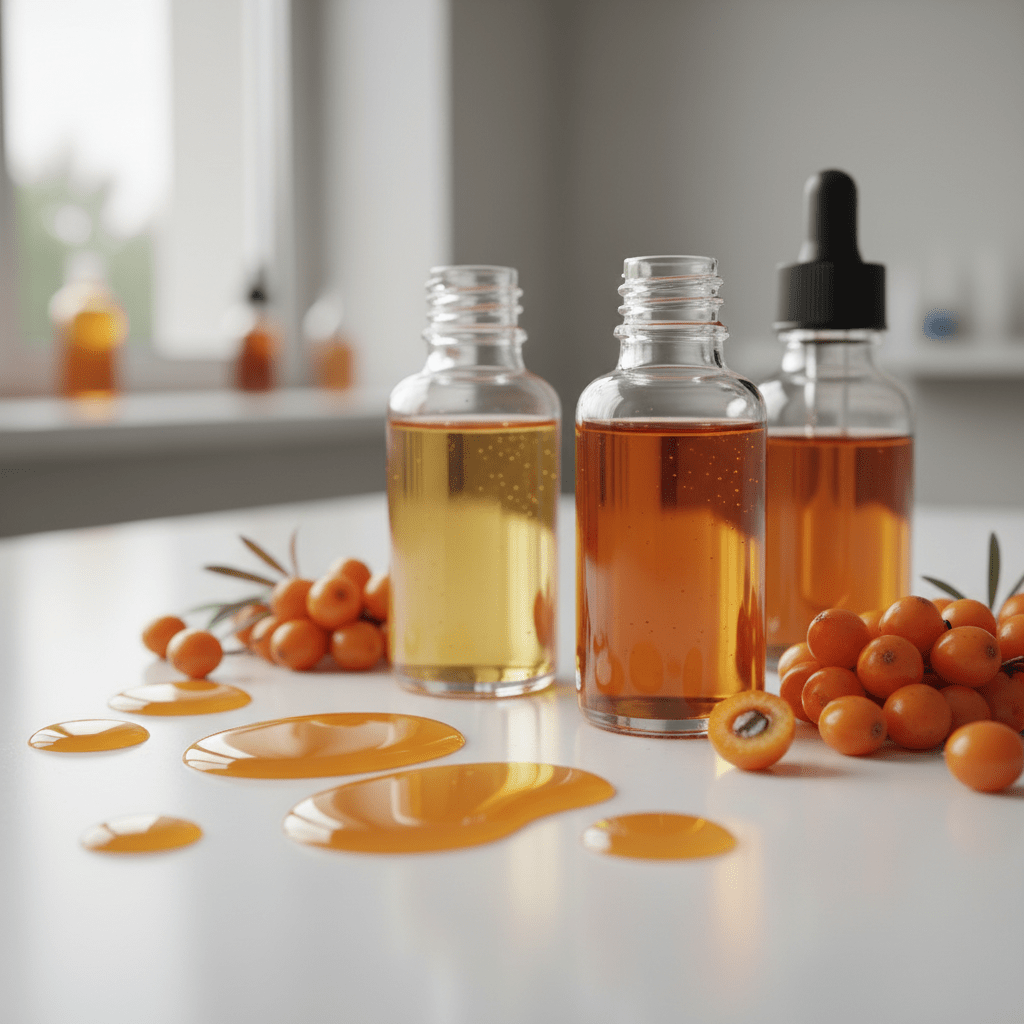
What makes sea buckthorn oil stand out is that it’s not just one thing. There are two main kinds:
| Type of oil | What it’s rich in | What it’s known for |
|---|---|---|
| Seed oil | Omega-3 and Omega-6 | Skin barrier support and fatty acid balance |
| Berry or pulp oil | Omega-7, also called palmitoleic acid | Sea buckthorn oil for inflammation and skin support |
That berry oil is the rare one. Most plant oils don’t give you much omega-7, but sea buckthorn does. And the full plant is packed with vitamins C and E, carotenoids, phytosterols, and more than 190 bioactive compounds. That’s a lot going on in one berry.
So when people talk about sea buckthorn oil benefits, they’re usually talking about a whole mix of plant power, not a single nutrient. And that mix is why it keeps showing up in talks about natural anti-inflammatory support, sea buckthorn oil for skin, omega 7 supplement benefits, and even sea buckthorn oil for arthritis.
If you’re comparing suppliers for product development, this is also where quality matters. Aroma Monk, for example, focuses on pure, lab-tested natural oils and other plant-based ingredients for bulk buyers, which is the kind of thing brands look for when they want steady quality and clean sourcing.
The Anti-Inflammatory Arsenal: Unpacking the Key Compounds in Sea Buckthorn Oil
Here’s the fun part. Sea buckthorn oil isn’t a one-note ingredient. It’s more like a tiny repair crew packed into one bright orange berry.
And the star of that crew is omega-7, also called palmitoleic acid. It’s rare in the plant world, which is a big deal all by itself. Most plant oils don’t give you much of it, but sea buckthorn berry oil can contain about 32% to 42% omega-7. Palmitoleic acid benefits are getting more attention because it may act like a signaling molecule that helps calm inflammation, not just a plain fat source.
That said, it’s not only about omega-7. The full fatty acid mix matters too. Sea buckthorn seed oil has a more even blend of omega-3 and omega-6, plus omega-9. That balance helps support cell health and the skin barrier, which is one reason people look at sea buckthorn oil for skin and sea buckthorn oil for inflammation together instead of as separate things.
OK, and then there’s the antioxidant side. This is where the oil really flexes.
It brings in:
- Vitamin E, especially tocopherols
- Vitamin C in the berry itself
- Beta-carotene
- Flavonoids like quercetin and isorhamnetin
- Other plant compounds that help fight oxidative stress
Why does that matter? Because oxidative stress can push inflammation higher. When cells get hit over and over by stress, they tend to send out louder “help” signals. Sea buckthorn oil’s antioxidants may help quiet some of that noise.
A review of sea buckthorn bioactives notes that the plant has over 190 compounds and that many of its flavonoids work through inflammation pathways like NF-kB, which helps explain why researchers keep circling back to it peer-reviewed review on sea buckthorn bioactive compounds.
So if you’re looking at sea buckthorn oil benefits, think beyond one ingredient label. You’re really looking at a mix of omega-7, essential fatty acids, and antioxidants working side by side. That mix is what gives sea buckthorn oil for arthritis, natural anti-inflammatory support, and omega 7 supplement benefits so much of its buzz.
And if you’re shopping for bulk ingredients for skincare or wellness products, this is where clean sourcing matters. Aroma Monk’s lab-tested natural oils and carrier oils are a practical fit for brands that want pure raw materials without the usual supply-chain headaches.
Still, a quick reality check. More isn’t always better. Sea buckthorn oil side effects can show up if you use too much, or if you’re mixing it with meds that affect bleeding. So how to use sea buckthorn oil really depends on your goal, your dose, and the form you choose.
Mechanism of Action: How Sea Buckthorn Oil Quells the Inflammatory Cascade
You know that thing where your body feels like it’s stuck on “red alert”? That’s inflammation doing too much. And with chronic disease so common, it’s no surprise people are looking at natural anti-inflammatory options that feel a little more grounded and a lot less fussy.
Sea buckthorn oil benefits start making more sense here. The oil’s omega-7, or palmitoleic acid, may help calm pro-inflammatory messengers like TNF-alpha and IL-6. Think of it like turning the volume knob down a few clicks instead of smashing the speaker. In animal and lab studies, sea buckthorn compounds also seem to work through the NF-kB pathway, which helps control how loudly inflammation genes switch on.
That sounds very science-y, I know. But the idea is simple. Less overreaction. Less cellular noise.
Sea buckthorn oil also stands out because it supports mucous membranes. That includes the gut lining, eyes, and even the female reproductive tract. So when people ask about sea buckthorn oil for inflammation, they’re not just talking about joints or skin. They’re also talking about the body’s soft inner barriers, which get worn down pretty easily by stress, dryness, or irritation.
Here’s a quick look at where it may help:
| Area | What sea buckthorn oil may support |
|---|---|
| Gut | Helps protect the lining and may calm irritation |
| Eyes | May support moisture and comfort |
| Female reproductive tract | May help support healthy mucous membranes |
| Skin | Supports barrier repair and softness |
And then there’s the antioxidant part, which is a big deal. Sea buckthorn oil is packed with carotenoids, vitamin E, and flavonoids like quercetin and isorhamnetin. These compounds help neutralize free radicals before they can keep poking the body into an inflamed state. Free radicals are sneaky. They build up fast, then your cells start acting like they’re under attack.
Actually, wait, there’s a better way to say it. Sea buckthorn oil may help stop the spark before it becomes a flare.
That’s why people look at sea buckthorn oil for skin, sea buckthorn oil for arthritis, and omega 7 supplement benefits all in one breath. It’s not magic. But it does have a pretty interesting mix of fatty acids and plant compounds that work together.
If you’re sorting through sea buckthorn oil side effects, dosage, or how to use sea buckthorn oil for a product line, pure sourcing matters too. Aroma Monk offers lab-tested natural oils and carrier oils for bulk buyers, which can help brands keep quality steady from batch to batch.
Get a quote from Aroma Monk.
Essential Oil Supplier – Bulk pricing • Samples • Fast response
Targeting Dermal Inflammation: Sea Buckthorn Oil Benefits for Skin Health
Ever had a patch of skin that just won’t calm down? Red. Itchy. Warm. Then it flares again the next day for no good reason. If you’ve dealt with eczema, rosacea, or psoriasis, you probably know that feeling all too well.
That’s where sea buckthorn oil benefits get really interesting for skin. It’s not a magic fix. But it may help in two ways at once. Used on the skin, it can support the lipid barrier, which is the thin outer layer that keeps moisture in and irritants out. Taken as part of a routine, it may also help with the deeper inflammation that keeps these skin problems going.
Sea buckthorn oil for skin is also getting attention because of its repair-friendly mix of omega-7, fatty acids, carotenoids, and vitamin E. In plain words, it gives skin nutrients it can actually use. That matters for dry, irritated, and damaged skin.
Here’s a simple look at where it may help:
| Skin concern | How sea buckthorn oil may help |
|---|---|
| Eczema | May calm redness, dryness, and itchiness |
| Rosacea | May help with flushing and irritation |
| Psoriasis | May support less flaky, angry-looking skin |
| Sunburn or burns | May help soothe and support healing |
| Minor wounds | May support healthy new tissue growth |
The research is still building, but one trial found that sea buckthorn pulp oil gave modest skin improvement in people with atopic dermatitis, while seed oil did not show the same result. That tells us the type of oil matters a lot. Pulp oil and seed oil are not twins. They’re more like cousins with different strengths.
And yes, the regenerative side is a big part of the story. Sea buckthorn oil has been studied for wound healing, burn support, and even the look of scars because it may help the skin make healthier new tissue. That’s why some people use it after sun exposure or on rough, stressed skin.
I should say this plainly: if your skin issue is serious or keeps coming back, sea buckthorn oil should be seen as support, not a stand-alone fix. But if you’re looking for a natural anti-inflammatory option that fits into a gentle routine, it’s a pretty smart one to know about.
For brands making skin care lines, this is also where ingredient quality gets real. Aroma Monk supplies pure, lab-tested natural oils in bulk, which is handy if you’re building creams, balms, or body oils and want a steady raw ingredient you can trust.
Beyond the Skin: Systemic Anti-Inflammatory Benefits of Sea Buckthorn Oil
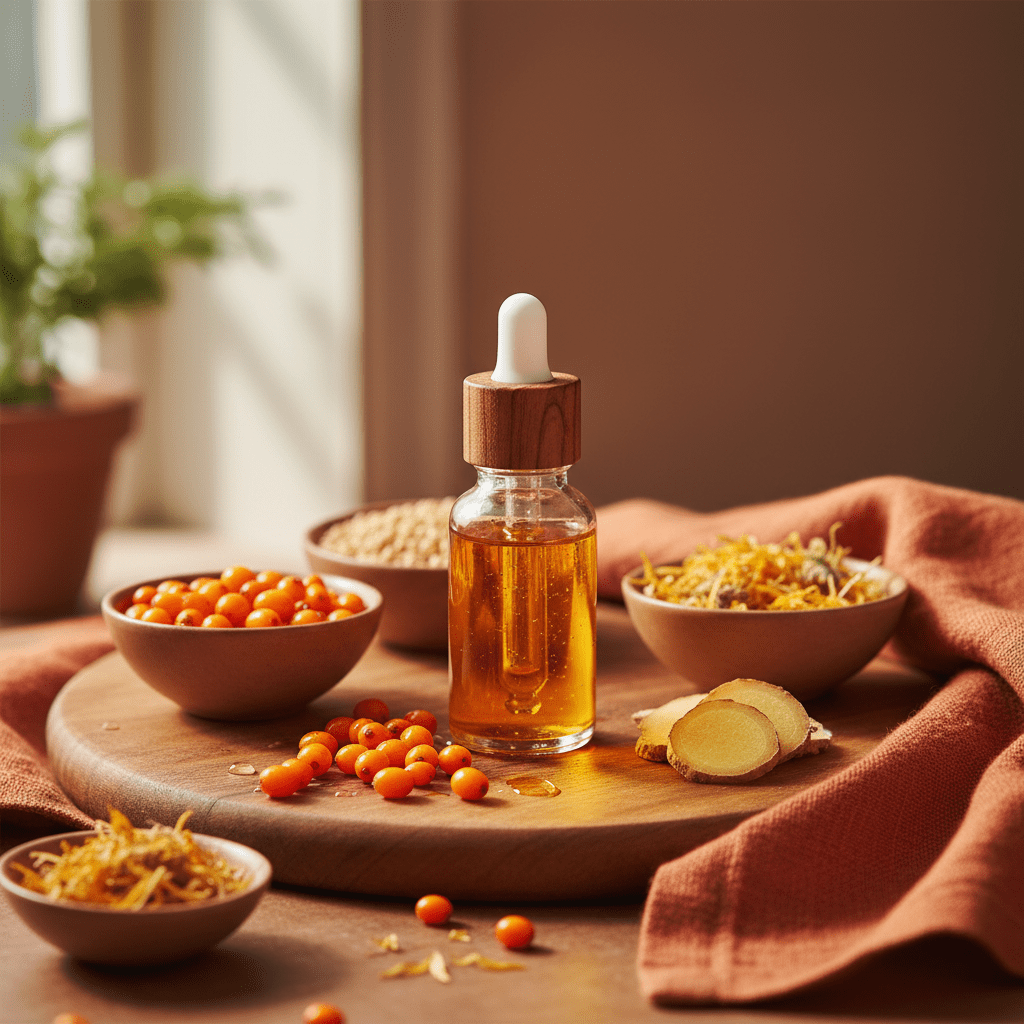
You know that feeling when your body seems to complain in a few places at once? Joints. Stomach. Even your energy. That’s where sea buckthorn oil gets more interesting than just a skin oil.
For joint health, people are paying attention to sea buckthorn oil for arthritis because its omega-7, along with other fatty acids and plant compounds, may help calm the kind of inflammation that makes rheumatoid arthritis and osteoarthritis feel worse. The research is still early, but some human and animal studies point to less pain and better movement. Not a miracle. But not nothing either.
And there’s a heart angle too. Ongoing inflammation in the blood vessels can make the cardiovascular system work harder. Sea buckthorn oil may help by supporting healthier lipid levels and easing vascular irritation, which is why it keeps showing up in talks about natural anti-inflammatory support and omega 7 supplement benefits. Maybe not flashy. But pretty useful.
Here’s a quick look:
| Area | What sea buckthorn oil may support |
|---|---|
| Joints | May help ease pain, stiffness, and swelling |
| Heart | May support cholesterol and triglyceride balance |
| Gut | May soothe the gut lining and ease irritation |
Digestive health is the last big piece. Sea buckthorn oil has been used for stomach and gut troubles in traditional medicine for a long time. Today, people are looking at it for gut lining support, ulcer comfort, and even inflammatory bowel issues like IBD. The idea is simple. A calmer gut lining may mean less irritation overall.
Actually, wait, there’s a small catch. Sea buckthorn oil side effects and results can vary a lot depending on the oil type, dose, and your own health. So how to use sea buckthorn oil really depends on what you want it to do. If you’re looking for pure, lab-tested raw materials for skincare or wellness products, Aroma Monk offers bulk natural oils and carrier oils that fit product development needs without a lot of supply drama.
How to Choose and Use Sea Buckthorn Oil for Maximum Efficacy
You know that feeling when you buy a “natural” oil and later wonder if it’s really the good stuff? Yeah. Been there.
If you want the real sea buckthorn oil benefits, the first step is picking the right oil. Look for supercritical CO2 extraction if you can. It keeps the oil clean, helps protect the omega-7 and antioxidants, and avoids leftover solvent bits. Cold-pressed oil can still be nice, but it tends to vary more from batch to batch. And for a product line, that can get annoying fast.
Here’s a quick cheat sheet:
| Extraction type | What it’s like | Best for |
|---|---|---|
| Supercritical CO2 | Clean, low-heat, high purity | Skin serums, wellness blends, premium products |
| Cold-pressed | Simple, natural feel, less processed | Small batches and gentle topical use |
| Solvent extracted | Higher yield, but less clean | Budget products, if carefully refined |
For how to use sea buckthorn oil, studies often use about 2 to 5 grams a day for internal use. That’s usually in capsules or liquid form for a few weeks to a few months. For skin, a few drops mixed into a carrier oil or used in a serum is a common route. A little goes a long way. Seriously.
But here’s the part people skip: sea buckthorn oil side effects are usually rare, yet they can happen. Some people get stomach upset or loose stools. If you take blood thinners like warfarin, aspirin, or clopidogrel, talk with a healthcare provider first. Same goes if you’re pregnant, nursing, or managing a long-term health issue.
So if you’re buying for yourself, or for a brand, keep it simple. Ask for lab tests. Check the extraction method. Know whether you’re getting seed oil or berry oil, because they’re not the same thing. If you’re a product maker, Aroma Monk’s lab-tested natural oils and bulk supply options can help you keep quality steady without the usual sourcing drama. And honestly, that part alone can save a lot of headaches.
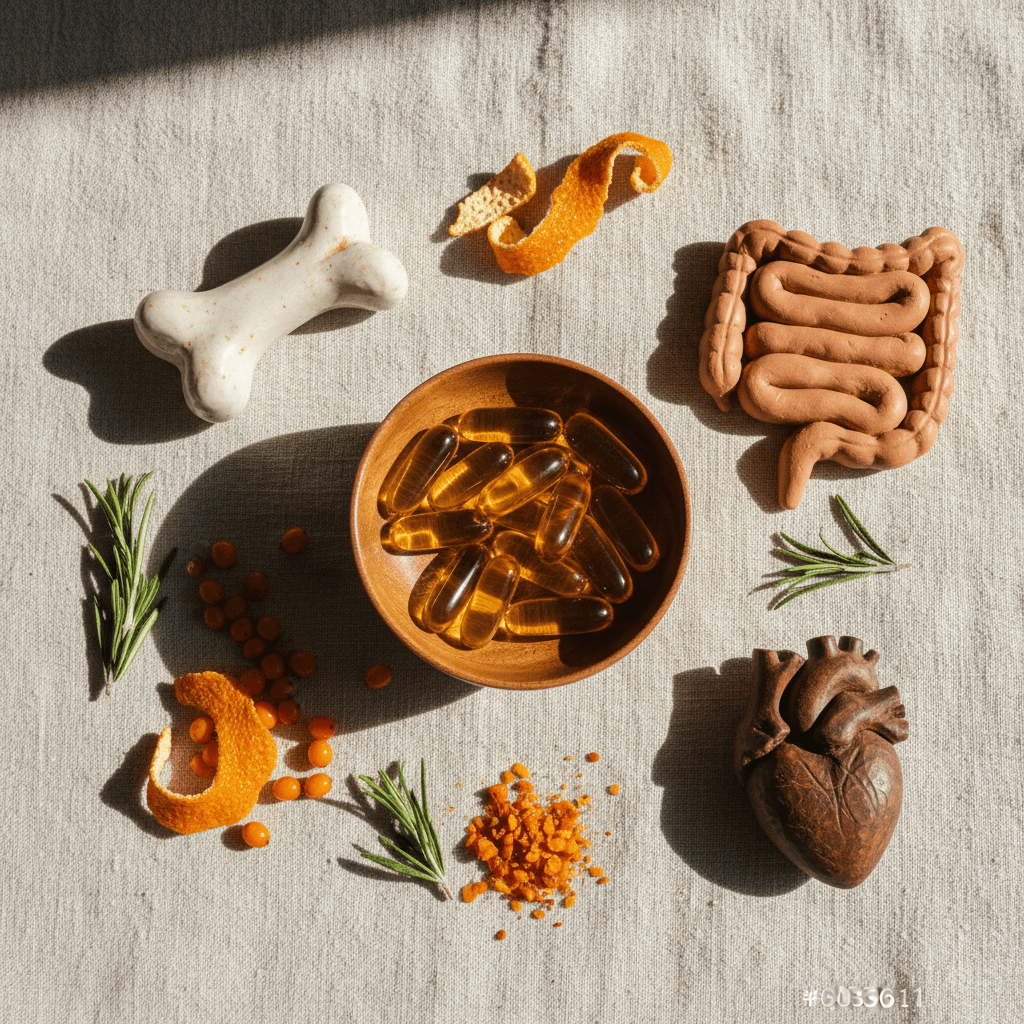
Embrace a Potent Natural Ally in Your Fight Against Inflammation
So here’s the big picture. Sea buckthorn oil isn’t just a trendy orange oil with a nice backstory. It’s a multi-part natural helper with omega-7, a full fatty acid mix, and a bunch of plant compounds that may help cool inflammation from more than one angle.
That matters because inflammation doesn’t always stay in one place. It can show up in skin, joints, the gut, or just leave you feeling worn down. Sea buckthorn oil benefits reach into both sea buckthorn oil for skin and sea buckthorn oil for inflammation, which makes it a pretty handy option for people looking for natural anti-inflammatory support.
And the cool part? Its long history lines up with modern research. Ancient use, plus newer studies, is a nice combo. Not perfect. But promising.
If you’re thinking about adding it to your routine, choose a high-quality product, read the label, and know the difference between seed oil and berry oil. That part really matters. And if you take medicines or have a health condition, talk with a healthcare professional first.
A good sea buckthorn oil might fit into your wellness plan, your skin care, or even your product line. For brands sourcing pure, lab-tested natural oils in bulk, Aroma Monk can be a practical place to start. One smart ingredient. A lot of possible uses.
Get a quote from Aroma Monk.
Essential Oil Supplier – Bulk pricing • Samples • Fast response