
The Quest for Natural Hair Solutions: Is Amla Oil the Answer?
Have you noticed how many people are reaching for plant-based hair care lately? It makes sense. Folks want hair products that feel clean, work well, and don’t come with a bunch of mystery stuff. The natural hair care market was worth about $10.2 billion in 2024, and it’s still growing fast, which says a lot about where consumer trust is heading.
And right in the middle of that buzz sits amla essential oil for hair… or at least, that’s what people call it. Amla, also known as Indian gooseberry or Phyllanthus emblica, has been used in Ayurvedic hair care for ages. Long before modern labels and shiny bottles, it was already known as a go-to herb for the scalp and strands.
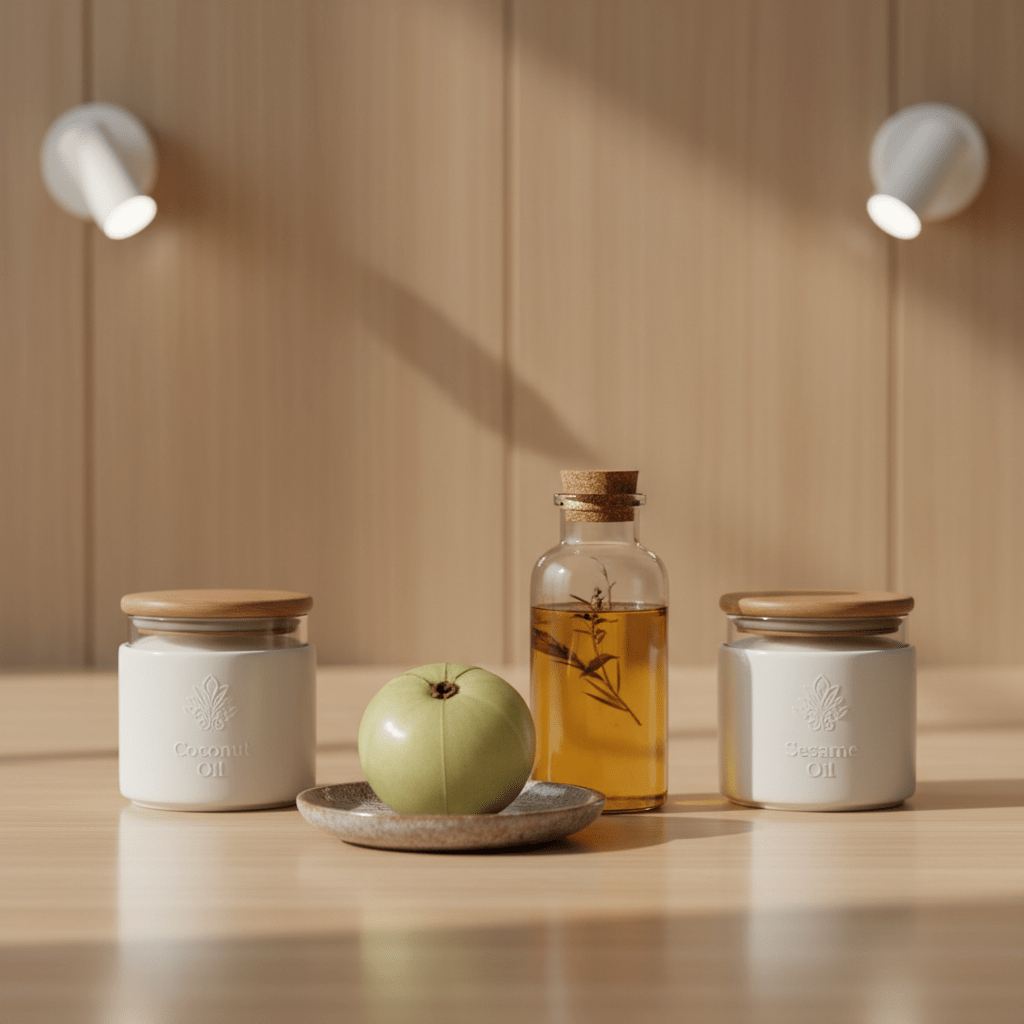
But here’s the part a lot of people miss. Amla oil is usually not a true essential oil. It’s typically an infused oil, made by soaking amla fruit in a carrier oil like coconut, sesame, or sunflower. That matters because the fruit’s key parts, like vitamin C, tannins, and flavonoids, are not the kind of compounds you steam-distill into a true essential oil. So if you’re trying to understand the science behind amla for hair, this little detail changes the whole story.
And honestly, it’s a good thing to know before you buy. Because the label can be fuzzy, but the results you want? Not so fuzzy.
Decoding Amla: The Botanical Origin and Traditional Preparation
You know what’s funny? A lot of people say “amla oil” like it’s one neat thing, but the story is a little messier than that. And honestly, that’s a good thing, because the mess is where the truth lives.
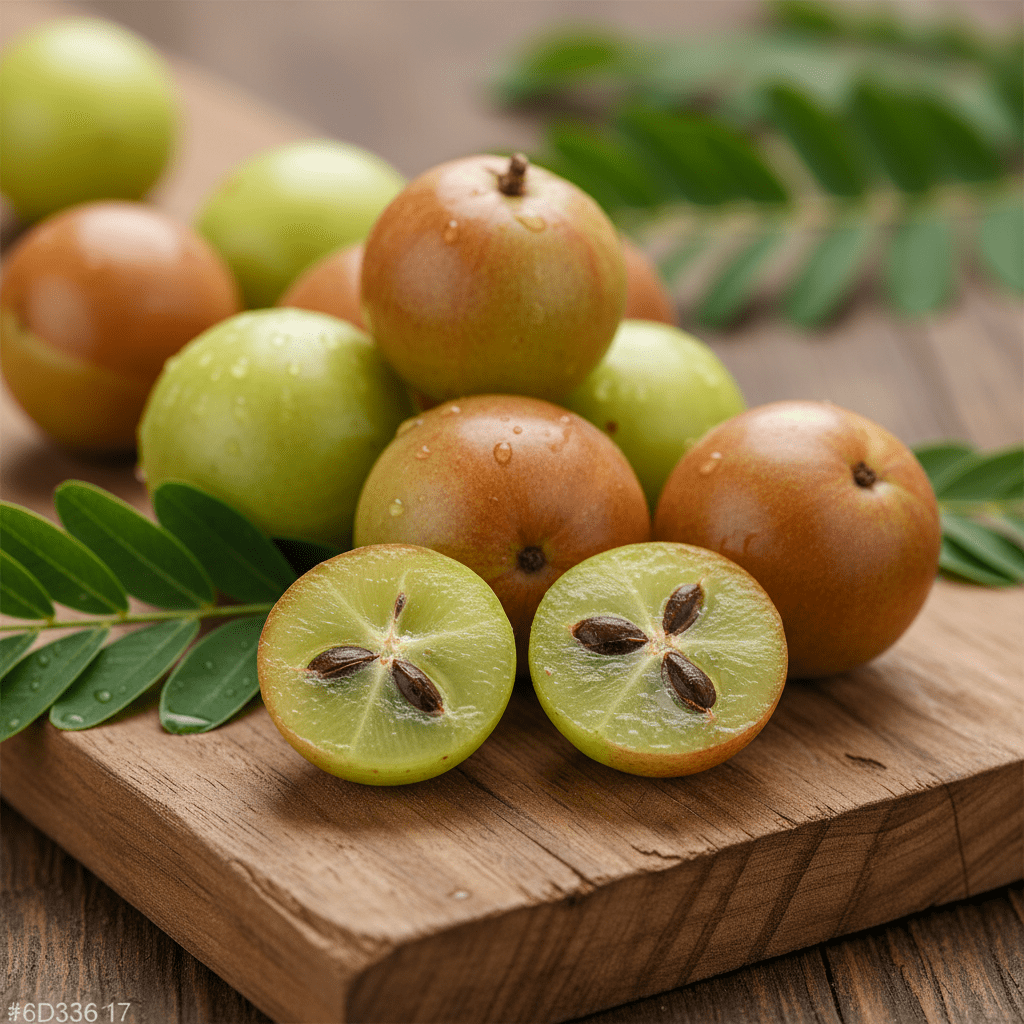
Amla comes from Phyllanthus emblica, and you may also see it called Emblica officinalis in older books and product labels. It’s the Indian gooseberry, a tart little fruit that has a huge place in Ayurvedic hair care. For centuries, it’s been tied to scalp health, shine, and support for indian gooseberry for hair growth. Old Ayurvedic texts even described amla, or amalaki, as a rejuvenating herb.
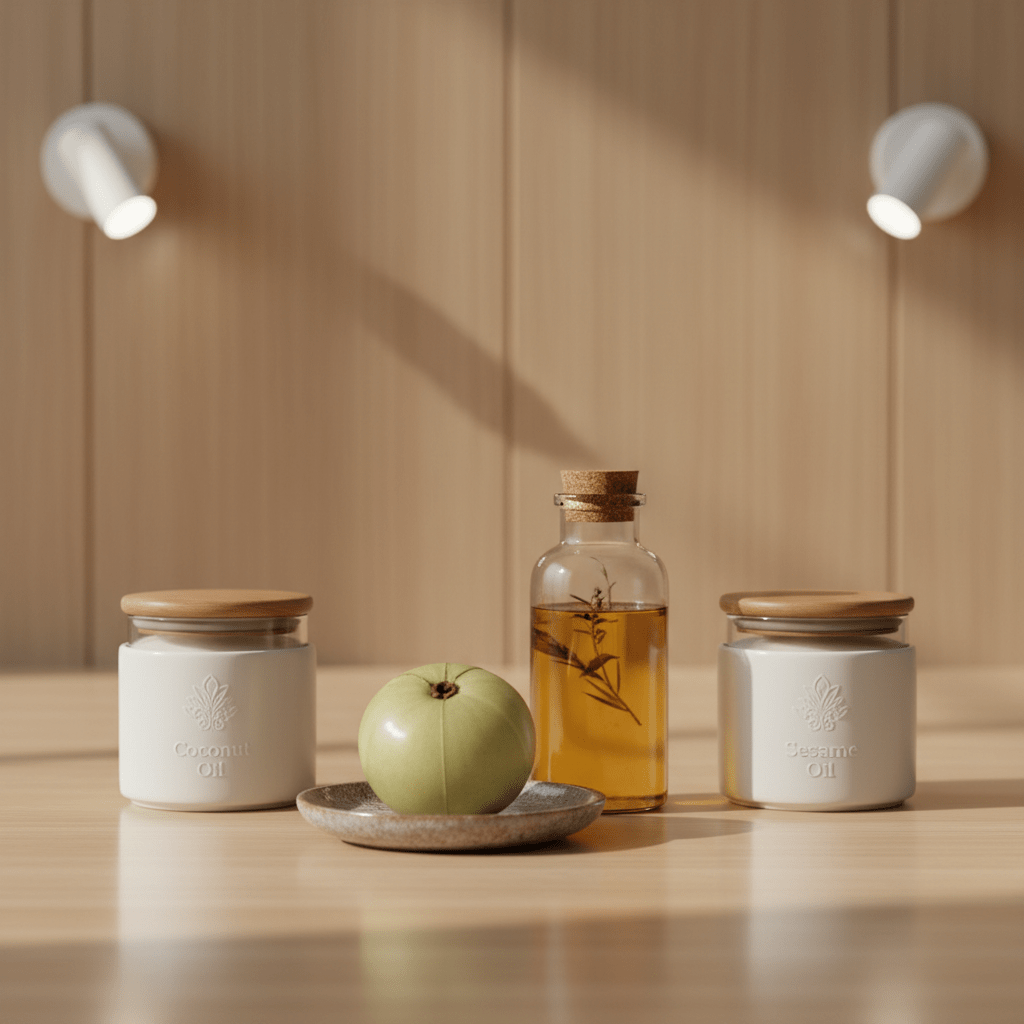
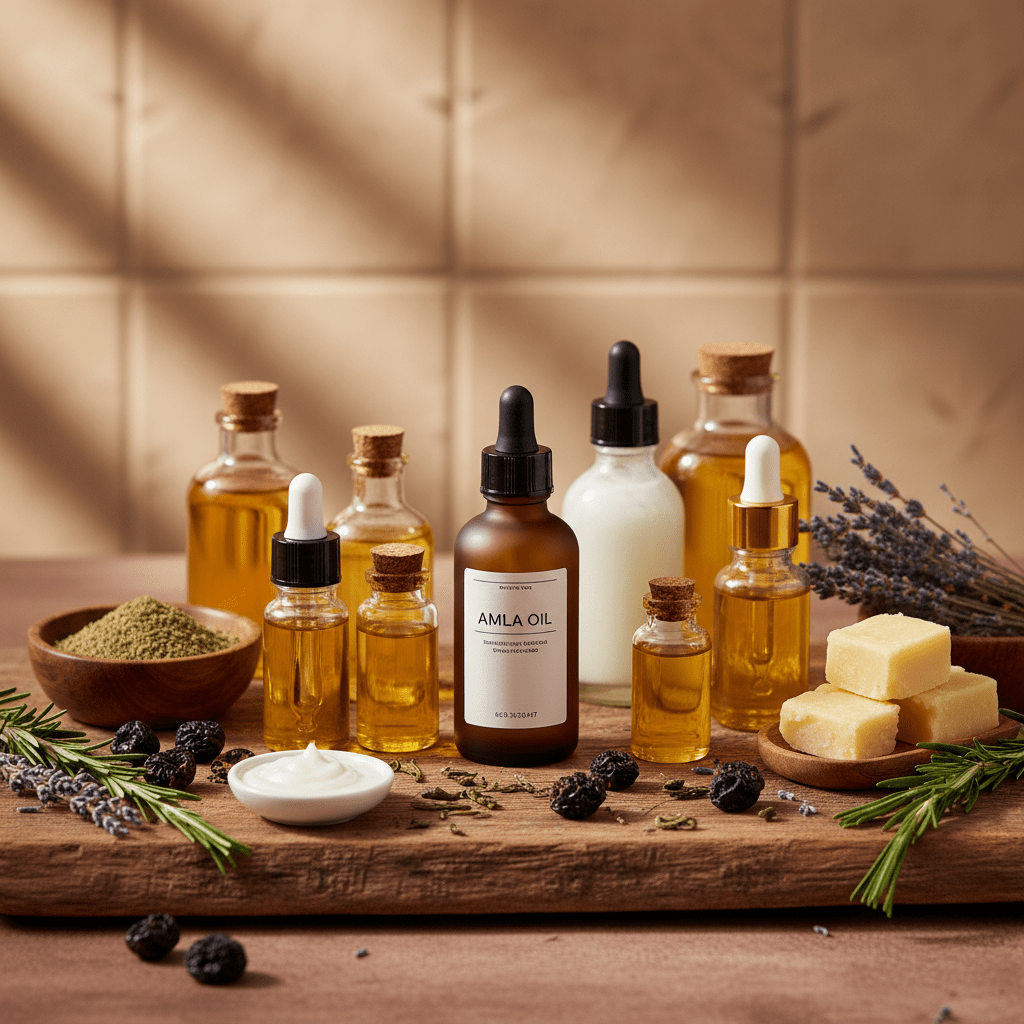
Here’s the part that really clears up the label confusion. Traditional amla essential oil for hair is usually not a true essential oil at all. It’s more often an infused oil. People dry the fruit, then soak or gently cook it in a carrier oil like coconut, sesame, sunflower, or mustard oil for days. Sometimes longer. The oil pulls out some of the fruit’s helpful parts, while the fruit itself does the heavy lifting in the mix.
That’s different from steam distillation, which is how true essential oils are made. Steam distillation uses heat and steam to catch tiny aromatic compounds. Amla’s key bits, like vitamin C for hair, tannins, and flavonoids, are not volatile enough for that process. So if a bottle says “amla essential oil,” it’s usually a shortcut name, not a strict science label. Weird, right?
Infused oil vs true essential oil
| Type | How it’s made | What it contains | Can you use it straight on skin? |
|---|---|---|---|
| Infused amla oil | Fruit is soaked in carrier oil | Fat-soluble plant compounds | Usually yes |
| True essential oil | Plant is steam-distilled | Volatile aroma compounds | Usually no, needs dilution |
And this is where trust starts. If you want the science behind amla for hair, it helps to know what’s actually in the bottle. A real infused oil should list the carrier oil clearly, and the amla should be part of the blend, not just a fancy name on the front.
If you’re buying for personal use or even for a product line, that detail matters a lot. I’d look for a clean carrier oil base and a simple ingredient list. That’s usually the best first clue that you’re getting the kind of amla oil benefits for hair people talk about instead of marketing fluff.
The Nutritional Powerhouse: A Scientific Analysis of Amla’s Hair-Boosting Compounds
OK, so here’s where amla gets really interesting. Not because it’s trendy. Because it’s packed with stuff hair actually cares about.
Amla, or Phyllanthus emblica, is known for one big thing first: vitamin C for hair. Fresh amla can have about 300 to 700 mg of vitamin C per 100g, which is way more than oranges. That matters because vitamin C helps the body make collagen, and collagen supports the skin around your scalp and the structure that holds hair in place. Plus, vitamin C acts like a shield against everyday wear and tear from stress and pollution.
And then there are the tannins. Those are plant compounds like ellagitannins and tannic acid. They help amla hold onto hair proteins, which is one reason people link amla oil benefits for hair with stronger-feeling strands. They also bring antioxidant support, so your hair and scalp get a little more backup against damage.
Flavonoids matter too. One name that pops up a lot is quercetin. It’s a plant antioxidant, and it helps calm oxidative stress. That sounds fancy, but really it means less rough treatment for your scalp and hair roots. Some lab studies also point to amla extract helping with amla for hair loss by slowing 5-alpha reductase, the enzyme tied to DHT. That’s a big reason people talk about natural remedies for thinning hair.
Here’s the simple version:
| Amla compound | What it may do for hair |
|---|---|
| Vitamin C | Helps collagen and protects from damage |
| Tannins | May help bind to hair proteins |
| Flavonoids | Support antioxidant and scalp health |
| Minerals | Help with general scalp support |
But amla oil is not just about the fruit. The carrier oil matters a lot too. Coconut oil, sesame oil, sunflower oil, and mustard oil all bring their own fatty acids. These help with slip, softness, and scalp comfort. So if you’re wondering how to use amla extract for hair, the oil base is part of the story, not just the amla itself.
And honestly, that’s what makes ayurvedic hair care so practical. It’s not one magic thing. It’s the mix. The fruit. The oil. The slow soak. The old-school know-how. If you’re sourcing ingredients for a product line, this is where clean carrier oils and lab-tested purity really matter. Aroma Monk’s bulk carrier oils and pure natural ingredients fit that kind of quality-first thinking, especially for brands making hair oils, serums, or scalp blends.
And one more thing. Amla works best when the formula is honest. If the label is loaded with filler and barely any extract, the good stuff gets lost. So read the ingredient list like you mean it. Your scalp will thank you later.
The Mechanism of Action: How Amla’s Nutrients Scientifically Benefit Hair
You know that moment when a product sounds old-school, but then the science starts lining up? That’s amla for hair. A little tart fruit. A very big reputation. And now, a pretty solid pile of research behind it.
First, let’s talk about vitamin C for hair. Amla, or Phyllanthus emblica, can pack about 300 to 700 mg of vitamin C per 100g of fresh fruit, which is way more than oranges. That matters because vitamin C helps the body make collagen. Collagen supports the skin around the scalp and helps keep the hair follicle strong. So when people talk about amla oil benefits for hair, this is one of the big reasons why. Stronger support at the root can mean healthier-feeling strands up top.
And then there’s the antioxidant side. Amla is loaded with plant compounds like tannins and flavonoids, which help calm oxidative stress. Think of oxidative stress like daily wear from sun, pollution, heat, and plain old life. It can age the scalp faster than you’d like, and it may play a part in early hair thinning and graying. Amla’s antioxidants act like little cleanup crew members, helping neutralize free radicals before they cause more trouble. Not magic. Just smart plant chemistry.
But wait, there’s more. Amla may also help with amla for hair loss through a 5-alpha reductase pathway. That enzyme turns testosterone into DHT, which is tied to pattern hair loss in men and women. In lab studies, Phyllanthus emblica hair extracts showed strong 5-alpha reductase inhibition, which is one reason amla keeps popping up in talks about natural remedies for thinning hair. One study even found a strong link between amla extract and hair growth support in mice models. Not the same as a human scalp, sure, but still worth noticing.
Here’s the simple picture:
| Amla nutrient or compound | What it may do for hair |
|---|---|
| Vitamin C | Helps collagen support around follicles |
| Tannins | May help protect hair proteins |
| Flavonoids | Help fight oxidative stress |
| 5-alpha reductase activity | May support pattern hair loss care |
And this is where the science behind amla for hair gets interesting for real-world use. If you’re asking how to use amla extract for hair, the answer depends on the product. A well-made oil or serum can support scalp care, while a weak formula with tiny amounts of extract probably won’t do much at all. That’s why ingredient quality matters so much in ayurvedic hair care.
If you’re shopping for a hair oil, read the label like it’s your job. Look for a real carrier oil base, honest amla content, and no weird filler stuff. And if you’re sourcing for a brand, Aroma Monk offers bulk natural oils and lab-tested ingredients that fit clean product development without all the guesswork. Good ingredients make better blends. Pretty simple.
One last thing. Amla is not a miracle fix. But for people looking at indian gooseberry for hair growth, scalp comfort, and amla oil nutrients that actually mean something, it has a strong case.
From Lab to Scalp: What Clinical Studies Reveal About Amla
Ever read a hair oil label and thought, “OK, but does this thing actually do anything?” Yeah, same here. Pretty bottles are nice. Results matter more.
And this is where amla gets interesting. We’re not just talking about old family advice or a dusty herb in an ancient book. We’ve got peer-reviewed studies that look at hair growth, hair fall, scalp germs, and even hair strength. That’s a pretty solid mix.
One 90-day clinical study checked a hair serum with amla extract, coconut water, selenium, and peanut shell extract in healthy men and women. The results showed better hair growth rate, higher hair density, and less hair fall, with no bad side effects reported clinical study on amla hair serum. That’s a big deal for people hunting for natural remedies for thinning hair, because it gives us more than just “it worked for my cousin.”
But wait, there’s more. Another trial looked at an oral amla syrup for women with androgenetic alopecia. It found better anagen percent, better telogen percent, and a stronger anagen to telogen ratio. In plain words, more hair stayed in the growth phase and less sat in the shedding phase. Nice, right?
What the studies point to
| Area studied | What researchers saw | Why it matters |
|---|---|---|
| Hair growth | Higher growth rate and density | Hair looked fuller over time |
| Hair loss | Less shedding in the study group | Helpful for people worried about thinning |
| Growth cycle | Better anagen to telogen ratio | More follicles stayed active |
| Safety | No major side effects reported | Good sign for regular use |
Now let’s talk scalp care, because healthy hair starts there. Amla extract is known for its antimicrobial and antifungal action, which matters if your scalp gets flaky or itchy. That’s why people keep bringing up dandruff and Malassezia, the yeast linked with many scalp flakes. We don’t have a big human trial that says, “Amla cured dandruff,” but the lab data does support its antimicrobial side, so the science behind amla for hair is not just about shine and softness.
And there’s the strength angle too. Some studies and formulation reviews point to amla helping hair fibers hold together better, which can mean less breakage when you comb, oil, or wash. Think of it like giving the strand a little extra grip. Not armor. Just better support. That lines up with what many people notice when they use amla oil benefits for hair in real life. Less snapping. More slip. Less of that sad little hair pile in the sink.
If you’re using amla oil for your own routine, go for a product that lists a real carrier oil first, like coconut or sesame, and not a bunch of filler. If you make hair care products for a brand, this is where a clean supplier matters a lot. Aroma Monk’s bulk natural oils and lab-tested ingredients are a smart fit for teams building scalp oils, serums, or ayurvedic hair care blends that need real quality, not just pretty marketing.
Here’s the quick takeaway:
- Amla shows real promise for hair growth support.
- It may help calm scalp germs linked with flaking.
- It may also help strands feel stronger and break less.
- The best results usually come from honest formulas with enough amla in them.
So yes, the old remedy has some modern backup. And honestly, that’s the sweet spot. Traditional wisdom, but with receipts.
Putting Science into Practice: How to Choose and Use Amla Oil Effectively
You know that feeling when a shelf full of “natural” bottles still leaves you unsure? Yeah, same here. The label can look lovely, but the real test is what’s inside. And with the natural hair care market already valued at about $10.2 billion in 2024, more people are checking ingredients instead of just trusting the front of the bottle.
So let’s make this simple.
Quick checklist for buying amla oil
| What to look for | Why it matters |
|---|---|
| Carrier oil base like coconut, sesame, sunflower, or mustard oil | Amla is usually an infused oil, so the base oil does the heavy lifting |
| Cold-pressed on the label | Usually keeps the carrier oil in better shape |
| No mineral oil | Mineral oil can mean the formula is more filler than care |
| No artificial fragrance or color | Fewer extras means less chance of scalp upset |
| Clear ingredient list | Helps you spot weak blends fast |
A good amla oil for hair should look plain, honestly. If you see paraffinum liquidum or a long list of mystery stuff, I’d pause. Also, if the bottle claims to be a true essential oil, that’s a red flag. Amla is usually used as an infused oil, not a steam-distilled oil.
How to use amla extract for hair at home
- Warm a small amount. Just a little. Not hot.
- Part your hair into sections.
- Apply the oil to the scalp section by section.
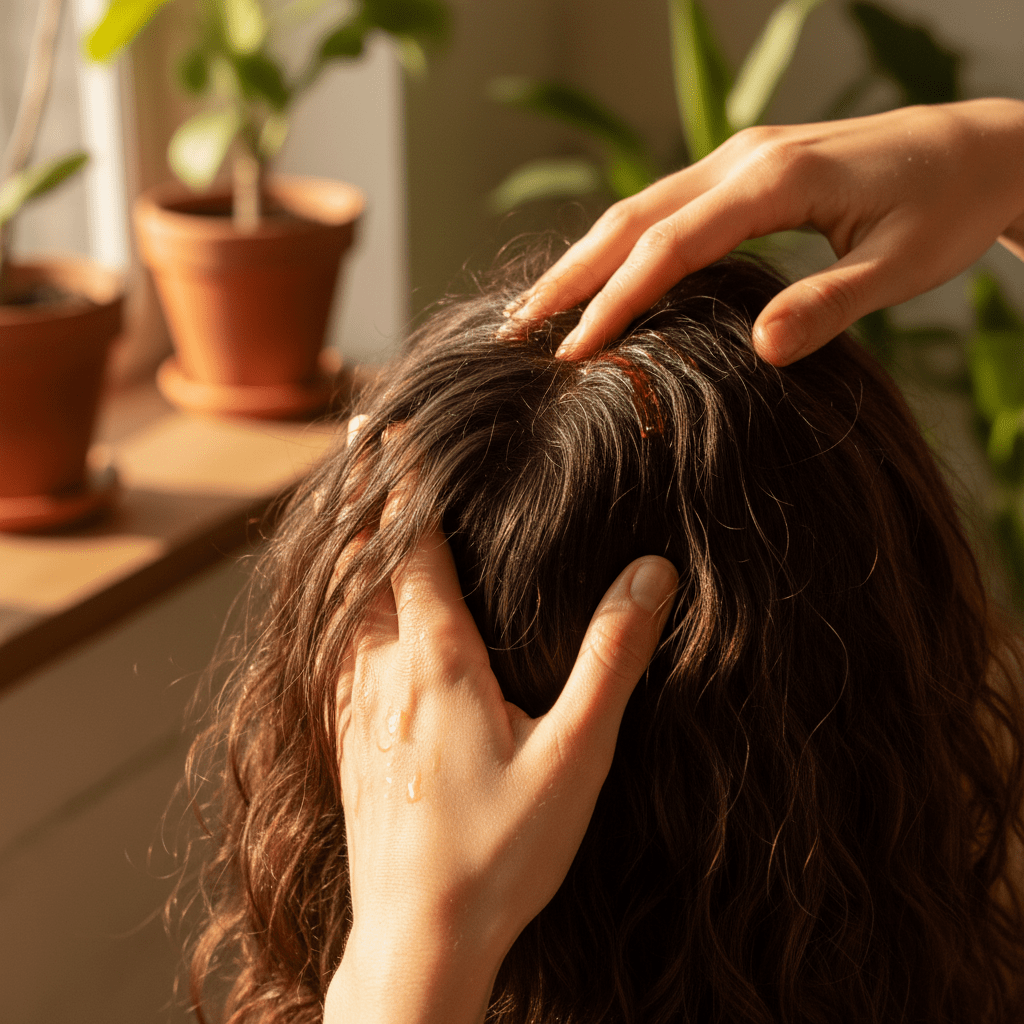
- Use your fingertips, not your nails, and massage for 5 to 10 minutes.
- Leave it on for 30 minutes if you’re short on time, or overnight if your scalp handles oils well.
- Wash it out with a gentle shampoo.
That massage part? Kind of the best bit. It feels good, and it helps you actually spread the oil around instead of dumping it all in one spot like a rushed middle-school science project.
Before your first use
Do a patch test. Always. Put a tiny bit behind your ear or on your inner arm, then wait 24 hours. If your skin gets red, itchy, or bumpy, don’t use it on your scalp.
And be patient. Real patient. Amla oil benefits for hair usually show up with steady use, not one heroic weekend treatment. People often look for instant change, but hair moves slowly. Usually, you need a few weeks before you notice softer strands, less breakage, or a calmer scalp.
If you’re buying for yourself, or sourcing for a product line, Aroma Monk’s bulk natural oils and lab-tested ingredients fit well here. Clean carrier oils, honest quality, and no weird filler drama. That’s the kind of base you want for ayurvedic hair care.
So yes, amla can be part of a smart hair routine. Just pick the right bottle, use it the right way, and keep going. Small habits. Big payoff.
The Verdict: Amla Oil as a Science-Backed Pillar of Modern Hair Care
So, is amla essential oil for hair worth the hype? I’d say yes, with one small catch. It works best when you know what you’re buying. Amla is not just an old beauty trick passed down through families. It has a real body of science behind it, from high vitamin C for hair levels to antioxidants and plant compounds that may help support the hair growth cycle.
That matters a lot. Fresh amla can hold about 300 to 700 mg of vitamin C per 100g, plus tannins and flavonoids that support scalp and strand health. Those amla oil nutrients are part of why people keep using it for ayurvedic hair care, indian gooseberry for hair growth, and even as a helper in natural remedies for thinning hair. Plus, lab and clinical work keeps pointing to benefits for hair density, shedding, and scalp comfort.
But here’s the simple truth. The best results come from a real infused oil, not a fake label. A good formula should use a clear carrier oil base and honest amla content. That’s the part that turns a nice tradition into something you can actually trust.
If you’re building a routine, keep it basic. Pick a quality bottle, use it on a steady schedule, and give it time. If you’re sourcing for a brand, choose suppliers that care about purity, testing, and traceability. Aroma Monk’s bulk natural oils fit that kind of quality-first approach for product makers who want dependable raw materials.
Amla isn’t magic. But it is one of those rare things that old wisdom and modern research seem to agree on. And that’s pretty cool. So if you’ve been looking for a grounded, evidence-based way to support your hair, amla oil may be a smart place to start.
Get a quote from Aroma Monk.
Essential Oil Supplier – Bulk pricing • Samples • Fast response