
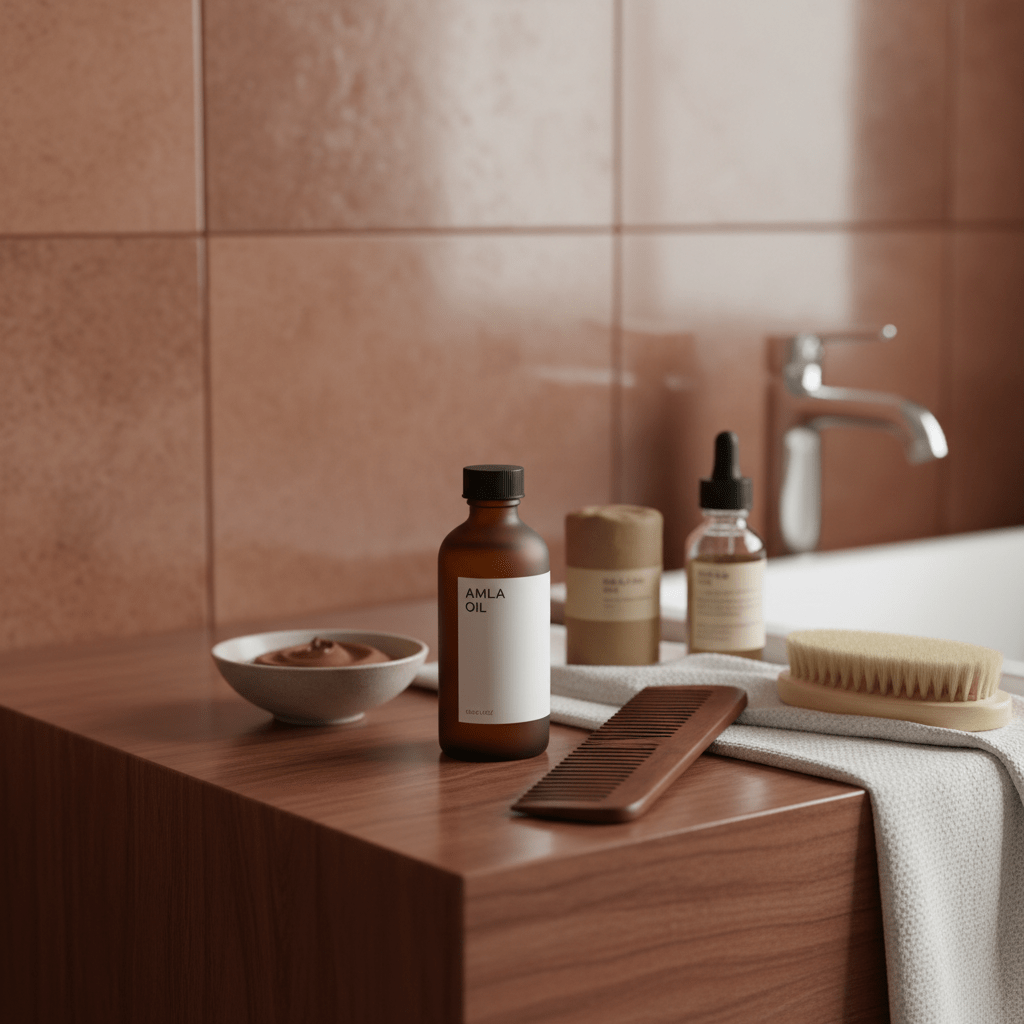
Tired of Flakes? Why Amla Oil Could Be the Natural Dandruff Solution You’ve Been Searching For
Ever scratch your scalp and think, “Not again”? Yeah, same. Dandruff can be such a pain, especially when the flakes keep coming back even after you’ve tried harsh shampoos, trendy serums, and every random bottle in the shower shelf. And sometimes those chemical-heavy fixes leave your scalp dry and cranky, which feels like a bad joke.
Amla, also called Indian gooseberry, has been used in Ayurvedic hair care for a long time. People often turn to amla oil for dandruff because it brings a gentler, plant-based way to care for the scalp. It’s also packed with compounds that may help calm irritation and support healthier hair overall.
Here’s the deal: this guide will walk you through how amla essential oil for hair fits into a natural dandruff remedy routine, what the science says, and how to use amla for flaky scalp without making a greasy mess. We’ll also look at amla oil benefits for scalp health, amla oil hair growth, and a few easy ways to mix it into your own routine. Pretty handy, right?
Understanding the Root Cause: What is Dandruff and Why Isn’t It Going Away?
You know that tiny white snow on your black shirt? Annoying. And it can feel like it shows up right after you think you fixed it.
Dandruff is usually tied to a yeast-like fungus called Malassezia globosa. It lives on the scalp for lots of people. No big drama there. But when it grows too much, it feeds on scalp oils and breaks them down into stuff that can bug the skin. That starts an itchy, irritated chain reaction. Your scalp gets redder, flakes faster, and the whole thing just keeps looping.
That loop is the real problem.
Actually, wait, there’s a better way to say it: dandruff is less about “dirty hair” and more about an annoyed scalp. Skin cells speed up their turnover, pile up, and then shed as those stubborn flakes we all know too well.
A lot of people reach for strong dandruff shampoos first. Fair. But some formulas can be a little too rough for sensitive scalps. They may wash away oil fast, which sounds helpful, but for some people it can leave the scalp dry or irritated. And if your scalp keeps getting thrown off, the cycle can feel endless.
That’s why so many folks are looking at a natural dandruff remedy instead. Amla oil for dandruff has been getting more attention because it fits into a gentler routine, and people want options that support the scalp instead of constantly stripping it. In fact, dandruff affects about half of adults worldwide, so if you’re dealing with it, you’re very much not alone global dandruff estimates and trend notes.
Here’s the short version:
| What’s happening | What it feels like |
|---|---|
| Malassezia grows too much | Itchiness |
| Scalp oils get broken down | Irritation |
| Skin cell turnover speeds up | Visible flakes |
| Harsh products can dry things out | More discomfort |
So when we talk about how to use amla for flaky scalp care, we’re really talking about calming that messy little cycle. And if you’re exploring amla essential oil for hair, it helps to know the root cause first. That way you can pick a routine that actually makes sense for your scalp, not just one that smells nice in the shower.
What Exactly is Amla Oil? Unpacking the ‘Indian Gooseberry’ Powerhouse
Ever bought a bottle that said “amla oil” and wondered, wait… is this even the real thing? You’re not alone. A lot of people think it’s a true essential oil, but it’s usually an infused oil instead. Small difference. Big deal.
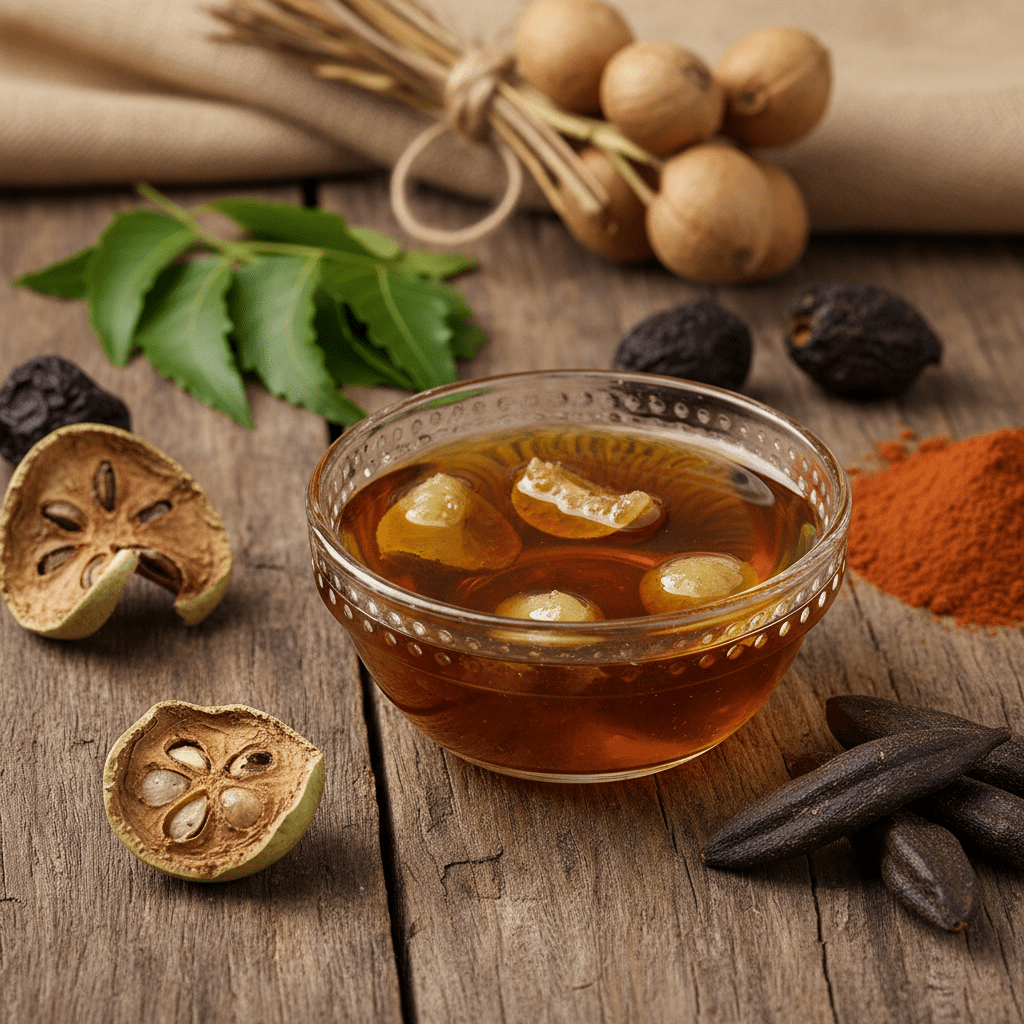
Here’s the simple version: dried amla fruit is soaked into a carrier oil like coconut oil or sesame oil. Then it’s gently heated so the good stuff from the fruit can move into the oil. That’s why people use amla essential oil for hair care, even though the name can be a little misleading. It’s not the same as peppermint oil or tea tree oil.
And the fruit itself? Kind of a powerhouse. Amla, also called Indian gooseberry, has a lot of vitamin C, plus tannins, flavonoids, and other antioxidants. Some sources note it has about 300 to 700 mg of vitamin C per 100 g, which is way more than oranges amla vitamin C and traditional oil-making notes. That’s one reason it shows up so often in ayurvedic hair care for dandruff.
But the carrier oil matters too. It helps deliver those fruit compounds to the scalp in a form that’s easy to spread, massage, and wash out later. So when people talk about amla oil benefits for scalp care, they’re really talking about the combo: plant compounds from the fruit plus the skin-friendly oil base.
Here’s a quick cheat sheet:
| Part | What it does |
|---|---|
| Dried amla fruit | Brings vitamin C and antioxidants |
| Carrier oil | Helps spread the blend on the scalp |
| Gentle heat | Pulls useful plant compounds into the oil |
| Final mix | Used as a natural dandruff remedy or hair oil |
Amla oil for dandruff works best as part of a calm, steady routine. Not a one-night miracle. Not a magic bottle. But for people who want to reduce scalp inflammation naturally and try something less harsh, it can be a smart place to start.
And yes, it may also help with amla oil hair growth routines, which is why it keeps popping up in both beauty shops and DIY amla hair mask dandruff recipes. Funny how one fruit can end up doing so much.
The Science: How Amla Oil Actively Fights Dandruff and Soothes Your Scalp
You know that itch that shows up at the worst time? Like right before a meeting, a date, or when you’re trying to act normal in a white shirt. Yep. Dandruff loves bad timing.
Here’s the cool part. Amla essential oil for hair isn’t just a nice-smelling old-school remedy. It has plant compounds that may help tackle the stuff behind flaky scalp care in a few different ways at once.
First, it may help slow down the fungus linked to dandruff. Dandruff and seborrheic dermatitis are tied to an overgrowth of Malassezia on the scalp. Lab studies on Phyllanthus emblica have found that amla extracts can stop Malassezia growth in test settings, which is one reason people call amla oil for dandruff a smart natural dandruff remedy.
But that’s only part of the story. Amla also has anti-inflammatory compounds, like flavonoids and tannins, that may help calm the red, itchy, annoyed feeling your scalp gets when flakes keep coming back. So if your scalp feels hot, tight, or stingy, this is where amla oil benefits for scalp care start to make sense.
And there’s more. Amla has astringent qualities, which means it may help tone down extra oil on the scalp. That matters because too much sebum can feed the very fungi that make dandruff worse. Less oil. Less fuel. Less drama.
| What amla may help with | Why it matters |
|---|---|
| Fungal overgrowth | May slow Malassezia on the scalp |
| Redness and itching | May calm irritation |
| Extra scalp oil | May help balance sebum |
| Flake buildup | May support a healthier scalp feel |
So if you’re asking how to use amla for flaky scalp care, think of it as part of a three-part approach: calm the scalp, reduce oiliness, and make the scalp less friendly to dandruff-causing yeast. That’s a pretty solid combo for ayurvedic hair care for dandruff.
Also, this is one reason amla keeps showing up in DIY amla hair mask dandruff recipes. People want something gentle, but they still want results. Fair enough. And if you’re looking for a best natural oil for seborrheic dermatitis, amla is often one of the first oils people try because it fits into a simple, low-fuss routine.
Now, I should say this plainly. Most of the antifungal and scalp-soothing data so far comes from lab and early research, not big human trials. So amla isn’t magic. But it does have a real reason to be in the conversation, especially for anyone trying to reduce scalp inflammation naturally without going full harsh-shampoo mode.
If you’re sourcing amla essential oil for hair care products, Aroma Monk’s lab-tested essential oils, carrier oils, and custom blends can also help brands build cleaner, scalp-friendly formulas for hair and wellness lines.
Get a quote from Aroma Monk.
Essential Oil Supplier – Bulk pricing • Samples • Fast response
A Practical Step-by-Step Guide to Using Amla Oil for Dandruff Treatment
You know that moment when you finally think, “OK, I fixed my scalp,” and then the flakes come back two days later? Annoying. Been there.
Here’s the good news: a simple amla oil routine can be pretty easy to follow. And if you do it the right way, it fits nicely into ayurvedic hair care for dandruff without turning your bathroom into a slippery mess.
Step 1: Pick the right bottle
Start with an organic, cold-pressed amla-infused oil if you can find one. Look for short ingredient lists. Fewer extras is usually better here, especially if you’re trying to calm a cranky scalp.
A clean formula matters because some products are packed with fillers, perfume, or extra oils that don’t really help. If you’re shopping for amla essential oil for hair, check the label for:
- Organic amla or Indian gooseberry oil for scalp care
- Cold-pressed or gently infused carrier oil
- Minimal added ingredients
- Lab-tested quality, if the brand shares it
And yes, this is where Aroma Monk fits in nicely for brands or bulk buyers looking for pure, lab-tested oils and carrier oils. That matters if you’re making your own hair care line or just want a solid, trustworthy base.
Step 2: Warm it up a little
Don’t pour it on cold straight from the bottle. Warm the oil slightly first. Just a few seconds in a warm water bath is enough. You want it cozy, not hot.
Warm oil spreads better on the scalp, and that makes the whole process less messy. Plus, it feels nicer. Tiny win.
Step 3: Part the hair and apply it to the scalp
This part matters. Don’t just smooth it on the ends and hope for the best.
Section your hair with your fingers or a comb, then apply the oil directly to the scalp. Focus on the itchy, flaky spots. Use your fingertips or a dropper to place the oil in small sections, then spread it gently.
This is the real how to use amla for flaky scalp step. The scalp is the target, not just the hair length.
Step 4: Massage for 5 to 10 minutes
Now massage it in with light pressure for 5 to 10 minutes.
Not hard. Not aggressive. Just enough to help the oil move around and to give your scalp a little attention. A gentle massage can also feel relaxing after a long day, which is a nice side bonus. Weirdly soothing, actually.
Step 5: Let it sit
Leave the oil on for at least 1 to 2 hours. If your scalp is very dry or flaky, overnight is fine too, as long as your skin tolerates it.
A few people like to wrap their hair in a soft towel or shower cap. That can help keep the oil in place and stop it from getting all over your pillow. Very glamorous. Very not glamorous. You get the idea.
Step 6: Wash it out the smart way
Oil can be stubborn. So shampoo dry or slightly damp hair first, then add water. That helps the cleanser grab the oil better.
You may need to shampoo 2 to 3 times. That’s normal. Use warm water, not hot. If your scalp gets greasy fast, a clarifying shampoo once in a while can help too.
How often should you do it?
For most people, 1 to 2 times per week works well.
That gives your scalp time to breathe between treatments without overdoing it. If you use too much oil too often, the scalp can start to feel heavy. And nobody wants that.
Here’s a quick cheat sheet:
| Step | What to do |
|---|---|
| Choose oil | Organic, cold-pressed, minimal ingredients |
| Warm it | Use a gentle warm water bath |
| Apply | Put it on the scalp, not just the hair |
| Massage | 5 to 10 minutes with light pressure |
| Leave on | 1 to 2 hours, or overnight |
| Wash out | Shampoo 2 to 3 times if needed |
| Repeat | 1 to 2 times per week |
If you want to go one step further, you can mix amla oil into a DIY amla hair mask dandruff routine with other scalp-friendly oils. Just keep it simple. The more you pile on, the more likely you are to confuse your scalp instead of helping it.
And if you’re building products for customers, using a pure amla base from a supplier like Aroma Monk can make a big difference in quality, texture, and trust. Clean ingredients. Clear sourcing. Less guesswork.
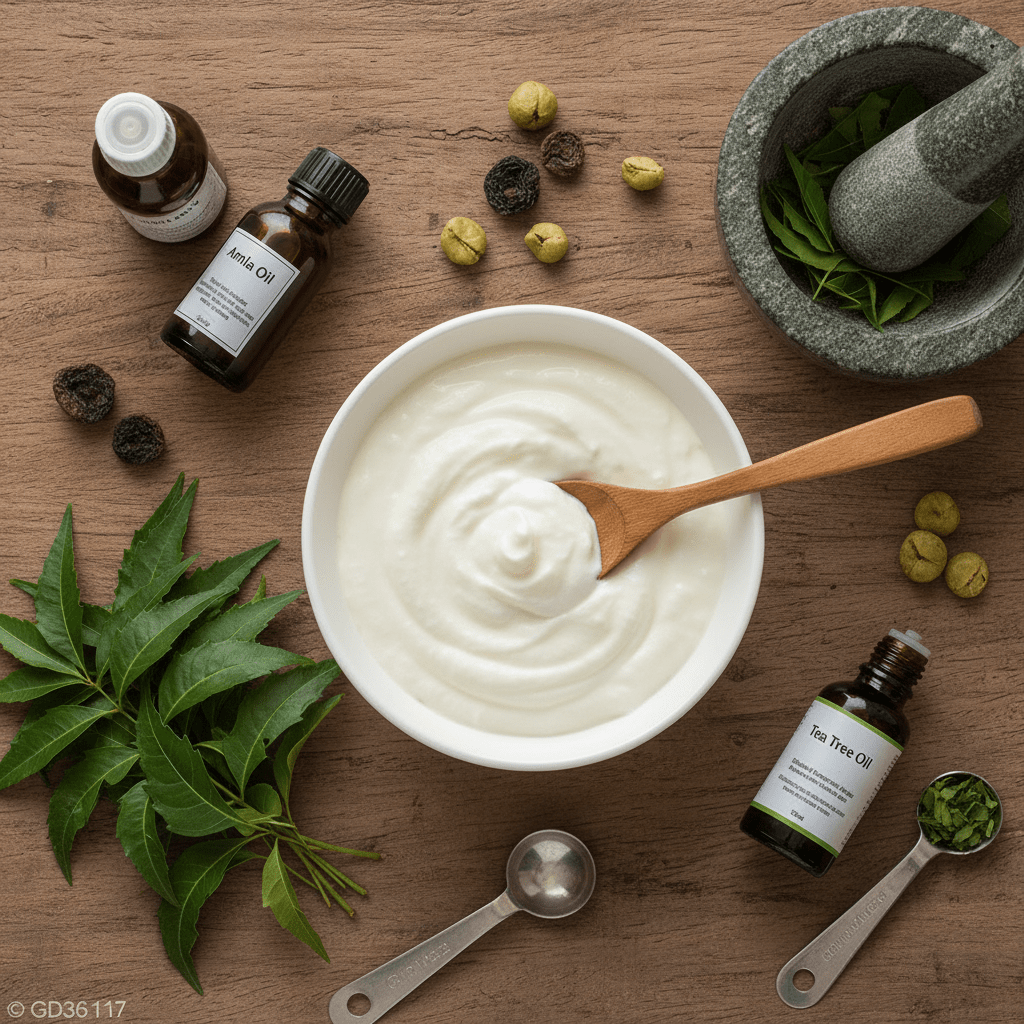
Supercharge Your Results: 3 DIY Amla Hair Masks for Dandruff
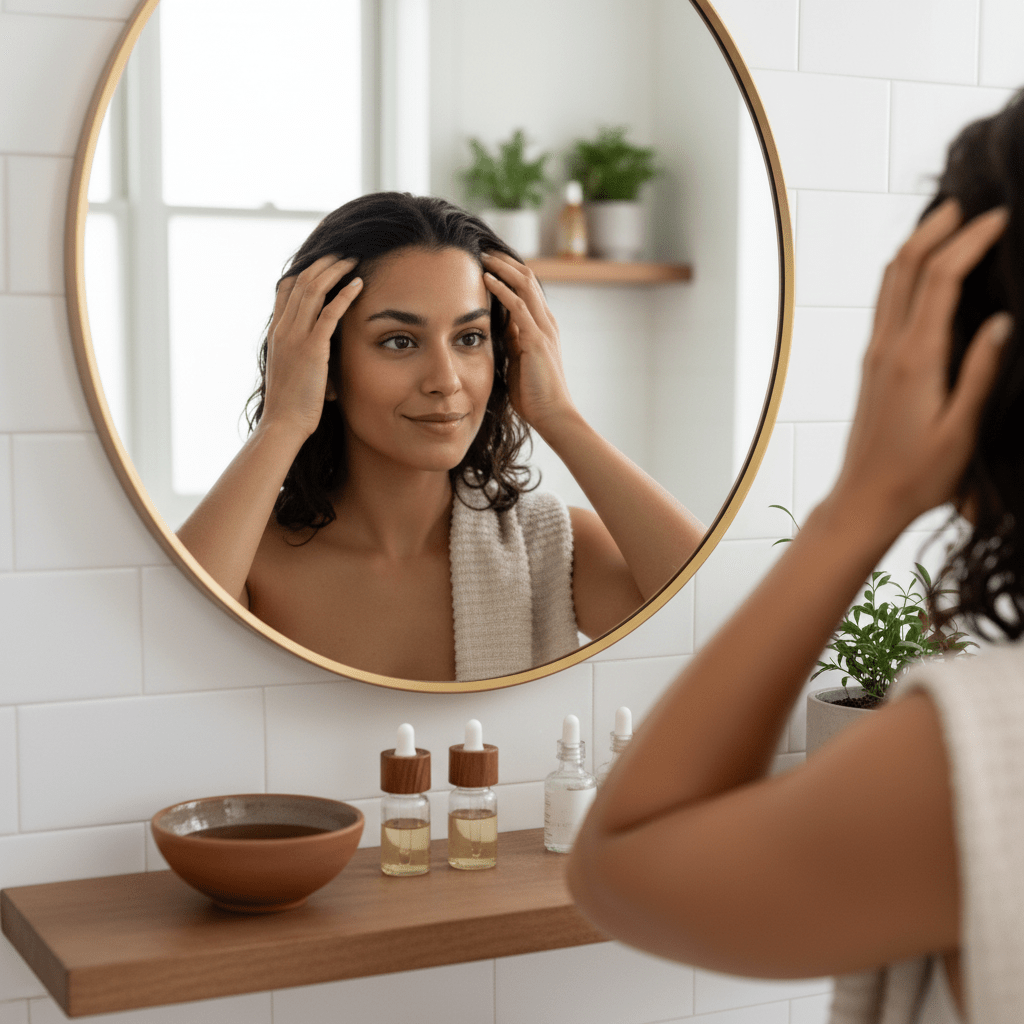
Ever feel like your scalp needs backup? Same. And if plain amla oil is helping but not quite doing the full job, these DIY amla hair mask dandruff recipes can give your routine a little extra muscle.
Quick heads-up first: do a patch test before trying any new mix. Leave a tiny bit behind your ear or on your inner arm for 24 to 48 hours. If you get redness, itching, bumps, or burning, skip it. No hero points for pushing through a rash.
1) Antifungal Boost Mask
This one is for flaky, stubborn scalp days.
You’ll need:
- 2 tablespoons amla oil
- 3 to 5 drops tea tree essential oil
Mix them in a small bowl, then massage onto the scalp. Tea tree should stay diluted, and a little goes a long way. Let it sit for 30 to 60 minutes, then shampoo well. This combo is popular in a natural dandruff remedy routine because tea tree is known for scalp support, while amla oil for dandruff adds a gentler base.
2) Soothing Relief Mask
If your scalp feels hot, dry, or touchy, try this one.
You’ll need:
- 2 tablespoons amla oil
- 1 tablespoon neem oil
Blend and apply to the scalp in small sections. Neem has a long history in ayurvedic hair care for dandruff, and people often use it to help reduce scalp irritation naturally. Let it sit for about 45 minutes before washing out. Not fancy. Just calming.
3) Exfoliating Cleanse Mask
This one helps lift dead skin without being rough.
You’ll need:
- 1 tablespoon amla powder
- 2 tablespoons plain yogurt
- 1 teaspoon amla oil
Stir into a smooth paste, then work it onto the scalp. Yogurt helps loosen buildup, while amla supports the scalp with its plant compounds. Leave it on for 20 to 30 minutes, then rinse and shampoo.
| Mask | Best for | Leave on |
|---|---|---|
| Tea tree + amla oil | Oily, flaky scalp | 30 to 60 min |
| Neem + amla oil | Itchy, irritated scalp | About 45 min |
| Amla powder + yogurt | Buildup and dead skin | 20 to 30 min |
And here’s the thing. More is not better here. Use these masks 1 time a week at most, and keep the rest of your routine simple. If you’re using amla essential oil for hair, these masks can fit right in without turning wash day into a science project.
If you’re building a clean hair care line, Aroma Monk’s 100% pure, lab-tested essential oils, carrier oils, and rose water can also help you create scalp-friendly blends that feel natural and trustworthy. That matters when customers want a best natural oil for seborrheic dermatitis or a softer option for flake-prone hair.
Beyond Dandruff: Additional Benefits of Amla Oil for Hair Health
Ever notice how one little oil can do more than you planned? Amla essential oil for hair is like that. People may start using amla oil for dandruff, but they often stick with it because the hair starts feeling better too.
One big plus is the way amla may support stronger roots. Some studies on amla extract point to better hair growth activity, and a few lab and early human findings suggest it can help keep more hairs in the active growth phase. That’s why you’ll hear people talk about amla oil hair growth in the same breath as flaky scalp care. It’s not just about flakes. It’s about the whole scalp setup.
And there’s the old-school talk about graying. Lots of people in Ayurvedic hair care for dandruff also use amla because of the belief that it helps slow premature gray hair. I can’t promise that, and the evidence in people is still thin, but the tradition is strong, and plenty of folks still swear by it.
Then there’s the feel of the hair itself. Amla oil has natural conditioning power, so it can help hair feel softer, look shinier, and act a little less frizzy. Nice side perk, right? If your strands get dry from shampooing too often, this matters a lot.
Here’s a quick look:
| Hair Benefit | What People Often Notice |
|---|---|
| Root support | Hair may feel stronger |
| Scalp circulation | Feels like a healthier scalp massage |
| Early growth support | Part of a hair growth routine |
| Shine and smoothness | Less dull, less rough |
| Frizz control | Hair looks a bit calmer |
| Gray-hair tradition | Long-time Ayurvedic use |
So if you’re after a natural dandruff remedy, amla can do more than just help with flakes. It may fit into a routine that helps reduce scalp inflammation naturally, keeps hair feeling nicer, and supports a more balanced scalp overall. And if you’re a brand owner or product maker, Aroma Monk’s 100% pure, lab-tested essential oils and carrier oils can help you build cleaner hair care formulas with that same natural feel.
Safety First: Precautions and Best Practices
Before you slather amla oil all over your scalp, do a tiny patch test. Seriously. This saves a lot of headache later.
Put a small bit on your inner arm or behind your ear and wait 24 hours. If you see redness, itching, swelling, bumps, burning, or a rash, don’t use it on your scalp. That goes for amla essential oil for hair blends too, not just plain amla oil for dandruff.
And one more thing people miss: amla oil can slowly tint very light blonde or chemically bleached hair a bit darker over time. Not always. But it can happen, especially if you leave it on often. So if your hair is platinum or salon-bleached, test a hidden strand first.
Patience matters here, too. A natural dandruff remedy usually won’t clear flakes overnight. With regular use, it may take a few weeks before you notice less itching and fewer flakes. That’s normal. It’s not a quick fix, more like steady care.
So keep it simple. Patch test first, use it a few times a week, and watch how your scalp responds. If you’re building a product line, Aroma Monk’s lab-tested essential oils and carrier oils can help you create cleaner, more reliable amla blends for ayurvedic hair care for dandruff and other scalp care products.
Embrace Natural Healing for a Healthier Scalp and Hair
If you’ve been fighting flakes for weeks, I get it. It gets old fast. But amla oil gives you a simple way to care for your scalp without piling on harsh stuff.
This plant-based oil can help in a few ways at once. It may help slow the fungus linked to dandruff, calm itchiness, and keep scalp oil from getting out of hand. And that matters, since dandruff affects about half of adults around the globe global dandruff estimates.
So the plan is pretty simple:
- Pick a good-quality amla essential oil for hair
- Apply it to the scalp the right way
- Stick with it a few times a week
- Try a DIY amla hair mask dandruff recipe if your scalp needs extra help
That’s how you build a routine that actually sticks. Not fancy. Just steady.
And if you want to keep things natural, this is a nice place to start. Amla oil for dandruff, used with care, may fit right into ayurvedic hair care for dandruff and even support amla oil hair growth over time. Give your scalp a fair shot. Your hair will probably thank you.
Get a quote from Aroma Monk.
Essential Oil Supplier – Bulk pricing • Samples • Fast response