
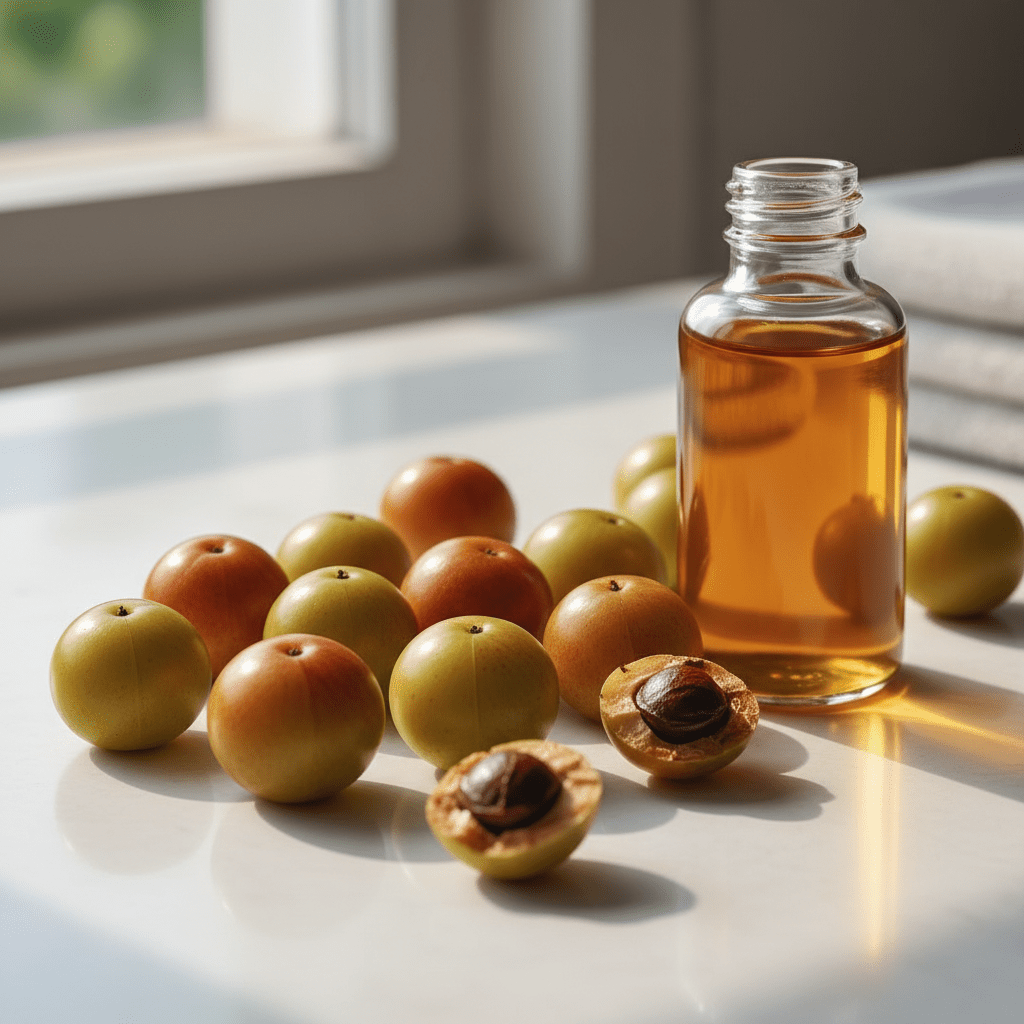
Unlocking the Power of an Ancient Superfruit: An Introduction to Amla Seed Oil
Ever notice how your feed is full of hair oil tricks, skin glow tips, and “ancient” beauty fixes? That’s not just a trend. The natural beauty market keeps getting bigger, and people are clearly looking for softer, simpler care that feels closer to home. One market report pegs the broader Ayurvedic products and treatment market at $16.51 billion in 2025, with strong growth ahead, which says a lot about where shoppers are headed.
And one name keeps popping up: amla. Also called Indian gooseberry, amla has been part of Ayurvedic hair care for centuries. People have used it for strong strands, scalp comfort, and a healthy-looking glow. But what makes it so special? Is it the fruit, the seed, the oil, or all of it together? Good question.
This article breaks it down in plain language. We’ll look at amla seed oil benefits for hair and skin, how to use amla seed oil without making a mess of your bathroom sink, and what to check before you buy. We’ll also clear up one tricky thing: amla-infused oil is not the same as cold-pressed amla oil. Not even close.
If you’ve been curious about amla oil for hair growth, amla oil for skin, or whether this old-school ingredient still has a place in modern routines, you’re in the right spot. Let’s get into it.
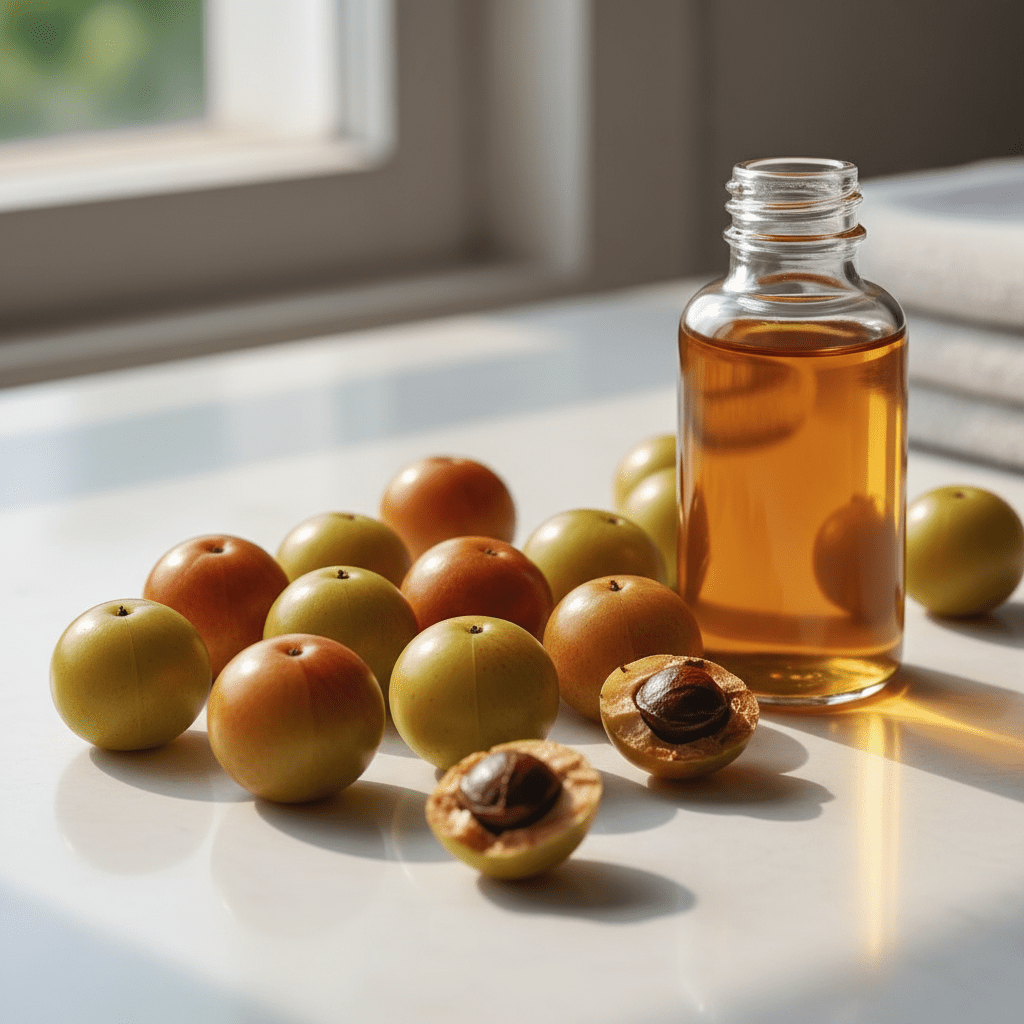
What Exactly is Amla Seed Oil? From Fruit to Bottle
Amla has been around a long time. Like, really long. In Ayurveda, the Indian gooseberry, or Phyllanthus emblica, has been used for hair care, scalp comfort, and overall wellness for ages. It shows up in old home remedies, hair masks, and those DIY recipes your aunt swears by. And honestly? A lot of people still reach for it today.
But here’s where things get a little messy. Not every bottle labeled amla oil is the same thing.
Some products are amla-infused oil, which means amla fruit is soaked into a base oil like coconut or sesame. That can pull out some plant compounds, but the final oil is still mostly the carrier oil. True amla seed oil is different. It comes from the seeds only, and it’s usually cold-pressed amla oil, which means it’s made without high heat. That matters because heat can wear down delicate nutrients.
So if you’ve seen claims about amla oil benefits, always check the label. Is it an infusion, or is it real seed oil? Big difference. The first is more like a blend. The second is the thing people are usually looking for when they want pure indian gooseberry oil for ayurvedic hair care or skin use.
Cold-pressing also keeps the oil closer to its natural state. That means the fatty acids and plant compounds stay intact better than they would in a heated process. In plain words: less fuss, more of the good stuff.
Here’s a quick look at what buyers usually want to know:
| Product type | How it’s made | What it contains | Why people buy it |
|---|---|---|---|
| Amla-infused oil | Amla fruit soaked in carrier oil | Mostly the base oil plus some fruit compounds | Easy hair and scalp care |
| Cold-pressed amla seed oil | Pressed from amla seeds only | Pure seed oil with natural fatty acids | Stronger, cleaner choice for hair and skin |
And if you’re sourcing for a brand, purity matters even more. Aroma Monk, for example, works with natural oils, attars, rose water, and other plant-based ingredients, with lab-tested quality and bulk supply for businesses that need clean raw materials. That kind of traceability can save a lot of headaches later.
This is the part most people skip. Don’t. The label tells you a lot, and the extraction method tells you the rest.
The Science Behind the Shine: Nutritional Profile of Amla Seed Oil
Ever looked at a bottle of oil and thought, “OK… but what’s actually in this?” Fair question. With amla seed oil, the answer is a pretty nice mix of vitamins, plant compounds, and skin-friendly fats that help explain why people keep talking about amla oil benefits.
First, let’s talk about the plant power. Amla oil is known for compounds like vitamin C, vitamin E, tannins, and flavonoids. Vitamin C gets a lot of love because it helps the body make collagen, which is the stuff that keeps skin looking firm and bouncy. Vitamin E is another helper. It’s known for its antioxidant support, which means it can help fight the stress that daily life puts on skin and hair. Plus, the tannins and flavonoids in indian gooseberry oil bring their own antioxidant punch.
Now for the fats. This is where cold-pressed amla oil gets even more interesting. It usually contains a strong mix of oleic acid, linoleic acid, and linolenic acid. These fatty acids help soften skin, support the skin barrier, and keep moisture from slipping away too fast. For hair, that can mean less dryness and a smoother feel. For skin, it can mean a more comfortable, less tight finish. Simple, but powerful.
| Key part | What it does | Why you care |
|---|---|---|
| Vitamin C | Supports collagen work | Helps skin look firmer |
| Vitamin E | Antioxidant support | Helps protect skin and scalp |
| Tannins and flavonoids | Plant defense compounds | Help fight free-radical stress |
| Oleic, linoleic, and linolenic acids | Moisturize and soften | Help with barrier support |
Here’s the fun part. These pieces don’t work alone. They team up. The antioxidants help calm stress on the skin and scalp, while the fatty acids help lock in moisture. That combo is one reason people use amla seed oil for hair growth routines and amla oil for skin care. It’s also why it shows up in ayurvedic hair care blends so often.
And if you’re thinking about how to use amla seed oil, the best results usually come from small amounts and a gentle touch. Warm it a little, massage it in, and let it do its thing. No need to drown your hair in it. Nobody wants that greasy helmet look.
For brands and buyers, purity matters too. Aroma Monk offers lab-tested natural oils, attars, and rose water with bulk supply options, which is handy if you need clean ingredients for personal care or product making. If you’re building a formula around benefits of amla, start with a source you can trust. That part saves time later.
Get a quote from Aroma Monk.
Essential Oil Supplier – Bulk pricing • Samples • Fast response
Transform Your Tresses: The Top Hair Benefits of Amla Seed Oil
You know that moment when your brush catches more hair than usual? Yeah, not fun. And if your scalp feels dry, flaky, or just plain tired, it can make the whole day feel off. That’s where amla seed oil starts to get interesting.
People have used indian gooseberry oil in ayurvedic hair care for ages, but the modern buzz is about what it might do for thinning, weak, or dull hair. Some lab work suggests amla compounds may help block 5-alpha reductase, the enzyme tied to DHT, which is one of the big names in hair loss talk. Now, that doesn’t mean it’s a magic fix. It doesn’t. But it does help explain why amla oil for hair growth keeps showing up in routines, masks, and scalp blends.
The other thing people notice is scalp health. A healthy scalp is a happier scalp. Simple. Amla oil is known for its moisturizing feel, and some research points to antimicrobial action too, which may help with dandruff-prone, dry-feeling scalps. When the scalp isn’t so irritated, hair can look shinier and feel stronger at the roots. That’s the goal, right?
Here’s a quick look at why people reach for it:
| Hair concern | How amla seed oil may help | What you may notice |
|---|---|---|
| Hair thinning | May support hair roots and scalp balance | Less breakage over time |
| Dry scalp | Adds moisture and softness | Less tight, itchy feeling |
| Dandruff flakes | May help keep the scalp cleaner | Fewer visible flakes |
| Dull hair | Helps coat strands lightly | More shine and slip |
And then there’s premature graying. This one gets a lot of attention. Hair turns gray when pigment-making cells in the follicles get worn down, and oxidative stress plays a big part in that process. Amla is packed with antioxidants, so people use it in hopes of slowing that wear and tear. Can it stop gray hair forever? No one should promise that. But it may help protect the follicle environment a bit better, which is why benefits of amla often include gray-hair support in old home remedies.
Actually, wait, there’s a better way to think about it. Amla seed oil probably works best as support, not a rescue mission. It helps create a calmer scalp space, keeps moisture in check, and gives your hair a nicer feel after regular use.
If you’re wondering how to use amla seed oil, start small. Warm a few drops between your hands, massage them into the scalp, and let it sit for 30 minutes or longer before washing. For finer hair, keep it light. For thicker hair, you can leave it on overnight once in a while. Easy. No greasy helmet required.
And if you’re shopping for hair oils, purity matters. A lot. For brands and bulk buyers, Aroma Monk offers lab-tested natural oils, attars, and rose water with supply options for cosmetics and personal care lines, so you’re not stuck guessing what’s really inside the bottle. That kind of clean sourcing matters when you’re building products people trust.
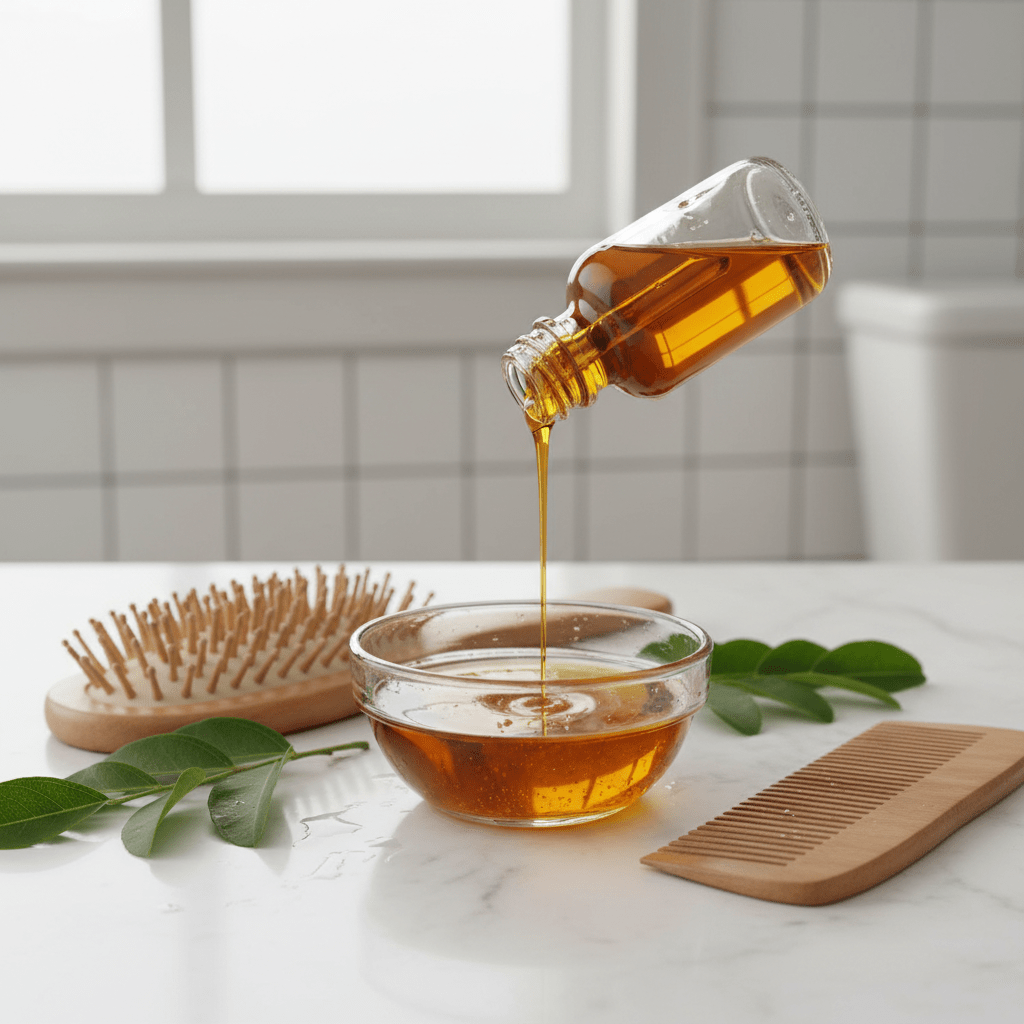
Achieve a Radiant Complexion: Remarkable Skin Benefits of Amla Seed Oil
Ever put on a face oil and thought, “OK, but does this do anything?” Fair. Skin care can feel like a lot of promises in tiny bottles. But amla seed oil has a pretty solid case for itself, especially if your skin feels dull, dry, or a little tired.
One reason people keep talking about amla oil benefits is vitamin C. Fresh amla fruit is known for having a lot of it, and vitamin C is tied to collagen support. Collagen helps skin stay smooth and springy. So when people use amla oil for skin, they’re often hoping for that firmer, fresher look over time. Not instant magic. More like steady support.
And here’s the neat part: the antioxidants in indian gooseberry oil may help calm the stress from sun and city air. UV light and pollution can leave behind free radicals, which can make skin look uneven and worn out. Amla-based ingredients have been studied for tyrosinase blocking too, which is the enzyme linked to melanin making. That’s why benefits of amla often include help with dark spots and uneven tone. A peer-reviewed study on amla branch extract found skin lightening, better hydration, and fewer wrinkles in a small group after 84 days (study on amla extract and skin changes).
Plain and simple, people want glow.
Here’s how the skin perks usually break down:
| Skin concern | How amla seed oil may help | What you may notice |
|---|---|---|
| Fine lines | Supports collagen-friendly care | Skin may look a bit smoother |
| Dull tone | Antioxidants help fight stress | A brighter, more awake look |
| Dark spots | May help calm uneven pigment | A more even-looking complexion |
| Dry skin | Fatty acids help hold moisture | Less tight, flaky skin |
The fatty acids matter too. Cold-pressed amla oil contains skin-loving fats that help repair the skin’s lipid barrier. That barrier is like your skin’s little shield. When it’s weak, moisture escapes faster and outside stress gets in easier. But when it’s happy, skin usually feels softer and calmer. Less “why is my face tight?” and more “ah, that’s better.”
If you’re wondering how to use amla seed oil, keep it light on the face. A few drops mixed with your usual moisturizer can work well. Or try it as a night step on dry areas like cheeks. Just patch test first, especially if your skin gets oily or breaks out easily. Good idea, boring but smart.
And if you’re building a product line, clean sourcing matters. Aroma Monk offers lab-tested natural oils, rose water, and other plant-based ingredients for cosmetics and personal care, which is handy if you want dependable raw materials for skin care blends. For brands chasing a natural skin brightener angle, purity and traceability are a big deal. Skin can tell the difference. Usually.
How to Use Amla Seed Oil in Your Beauty Routine
You know that little bottle on the shelf that seems to promise everything? Softer hair. Calmer skin. A nicer glow. Amla seed oil can actually do a lot, but the trick is using it the right way. Not in giant glugs. Not like salad dressing. Just small, steady steps.
1) Try it as a pre-shampoo scalp treatment
This is the easiest place to start, and probably the most common way people use amla seed oil for hair.
Simple scalp routine:
- Warm 1 to 2 teaspoons of cold-pressed amla oil in your palms.
- Part your hair into sections.
- Massage it into your scalp with your fingertips for 3 to 5 minutes.
- Pull the rest through your mid-lengths if your hair feels dry.
- Leave it on for 30 minutes. Overnight works too, if your hair is thick or very dry.
- Wash with a gentle shampoo.
That massage part matters. It wakes things up a bit. And if you use a wooden comb, go slow. No yanking. Your roots are not the enemy.
2) Mix it into your skin routine
For skin, amla oil for skin works best in tiny amounts. A few drops can go a long way.
Try it in one of these ways:
- Facial booster: Mix 1 drop with your night moisturizer.
- Spot treatment: Dab a tiny bit on dry patches only.
- Soft glow step: Blend 1 drop with rosehip oil and press it onto clean skin.
If your skin is oily or acne-prone, patch test first. That part sounds boring, I know. But it saves a lot of trouble.
3) Make a simple DIY mask or serum
Here’s a gentle recipe you can try at home.
Amla & Yogurt Hair Strengthening Mask
- 1 tablespoon amla seed oil
- 2 tablespoons plain yogurt
- 1 teaspoon honey
Mix it up. Rub it into your scalp and hair. Leave it on for 20 to 30 minutes, then rinse well. Yogurt adds a soft, creamy feel, while amla seed oil helps coat the hair.
Or, if you want a face option:
Amla & Rosehip Brightening Face Serum
- 1 teaspoon rosehip oil
- 2 to 3 drops amla seed oil
Put it on at night after cleansing. Keep it light. The goal is a fresh feel, not greasy skin.
A few quick tips
- Use less than you think.
- Start 2 to 3 times a week.
- Stop if your skin feels irritated.
- Check the label for cold-pressed amla oil if you want the pure seed version.
And if you’re sourcing for a brand, this is where clean supply matters. Aroma Monk offers lab-tested natural oils, natural attars, and rose water for bulk buyers, which can be handy if you’re building hair and skin products with trustworthy raw materials.
Amla seed oil works best when you keep it simple. A little goes a long way. That’s the whole trick.
Buyer’s Guide: Choosing a High-Quality Amla Seed Oil & Potential Side Effects
You know that feeling when a bottle looks fancy, but the label is doing weird little tricks? Yep. Oil shopping can be like that. And with amla seed oil, the label matters more than the pretty packaging.
Here’s the quick version: look for cold-pressed amla oil, unrefined, and 100% pure on the bottle. If you want extra peace of mind, check for organic marks like USDA Organic or other trusted third-party seals. Those labels don’t fix everything, but they do help you spot brands that care about traceability and clean sourcing.
A few red flags are easy to miss. Some oils are just mineral oil blends with a bit of amla extract tossed in. Others use fake fragrance or color to make the bottle seem richer. That’s not the same as real indian gooseberry oil. Not even close. If the ingredient list is long and full of things you can’t say out loud, I’d pause there.
Here’s a simple label checklist:
| What to look for | Why it matters |
|---|---|
| Cold-pressed | Usually keeps the oil closer to its natural form |
| Unrefined | Means less processing |
| 100% pure | Lowers the chance of cheap fillers |
| Organic certification | Adds another layer of trust |
| Batch or lab testing | Helps confirm what’s really inside |
And now for the side effects part. Good news first: topical amla seed oil is usually gentle. But any plant oil can bother skin sometimes, especially if you’re sensitive or allergic. If you have a known allergy to plants in the Phyllanthaceae family, be careful. I’d be cautious with first-time use too, just to be safe.
Do a patch test. Always. Put a tiny bit on the inside of your arm or behind your ear, then wait 24 hours. If you see redness, itching, burning, or bumps, wash it off and skip it. If all looks fine, you’re probably good to go.
If you’re buying for a brand, this is where a clean supplier helps a lot. Aroma Monk offers lab-tested natural oils, attars, and rose water in bulk, which is handy if you need pure raw materials for hair care, skin care, or other personal care products. A trustworthy source makes it easier to build products people feel good about using.
So yes, amla oil benefits can be worth the hype. But the bottle has to be the real thing first.
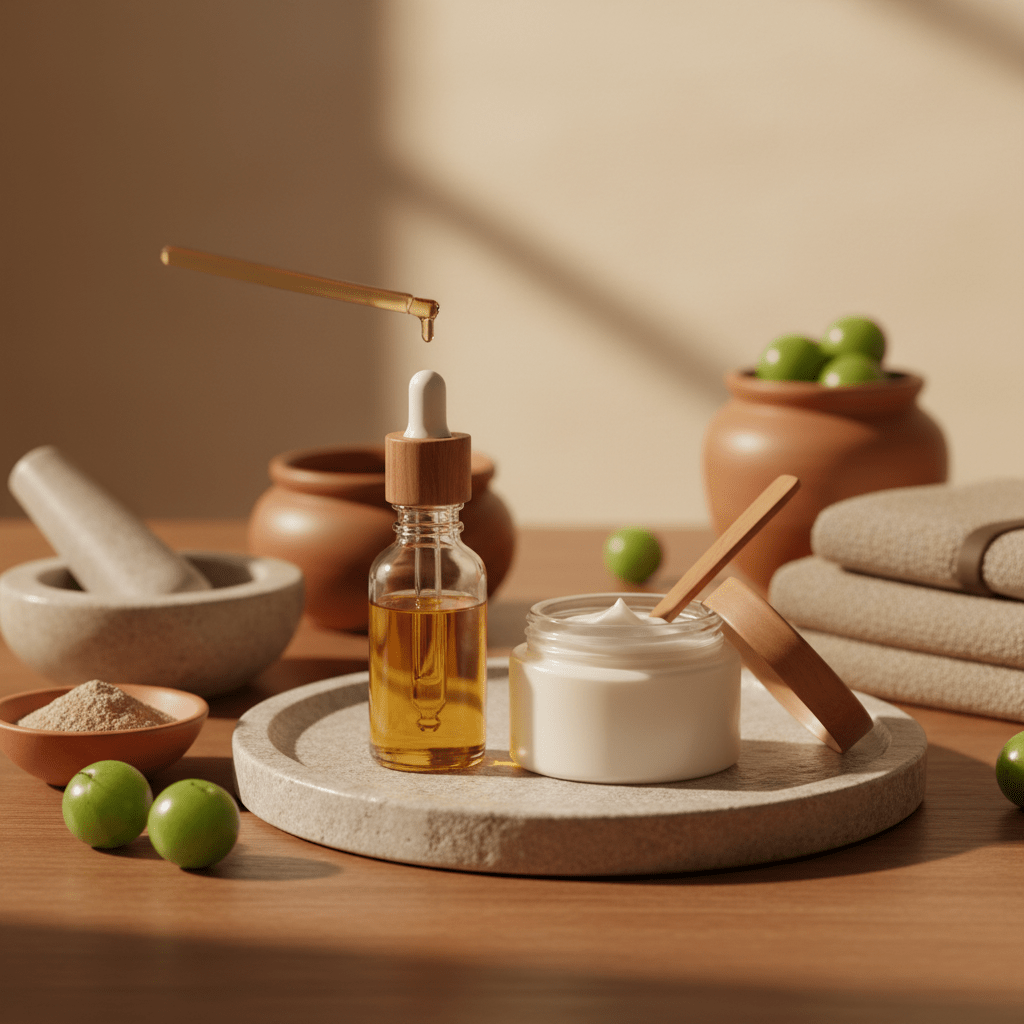
Embrace the Ancient Wisdom for Timeless Beauty
So here we are. One little oil, a lot of jobs.
Amla seed oil can help support hair growth, calm a dry scalp, and add shine without a bunch of fuss. It may also help slow the look of early grays by giving your hair and skin a boost of antioxidant support. On the skin side, it can help brighten dull spots, soften dry patches, and give that fresher look people keep chasing in every cream aisle at the store.
But the real trick is choosing the right bottle. Go for cold-pressed amla oil that’s pure, simple, and clearly labeled. That way, you’re getting the real indian gooseberry oil people talk about in ayurvedic hair care, not a watered-down blend that only borrows the name.
If you want one small change that can do a lot, this is a good place to start. Try amla seed oil in your hair routine, or use a few drops on skin and see how it feels over time. Small habits add up. And honestly, that’s the whole charm here.
Plus, the numbers back up the bigger trend. Consumer interest in natural and Ayurvedic beauty keeps rising fast, so this old remedy is not just hanging around for nostalgia. It’s showing up because it fits how people want to care for themselves now.
If you’re ready, start simple. Pick a pure bottle, patch test first, and make amla oil benefits part of your weekly routine. Your hair and skin might thank you.
Get a quote from Aroma Monk.
Essential Oil Supplier – Bulk pricing • Samples • Fast response