
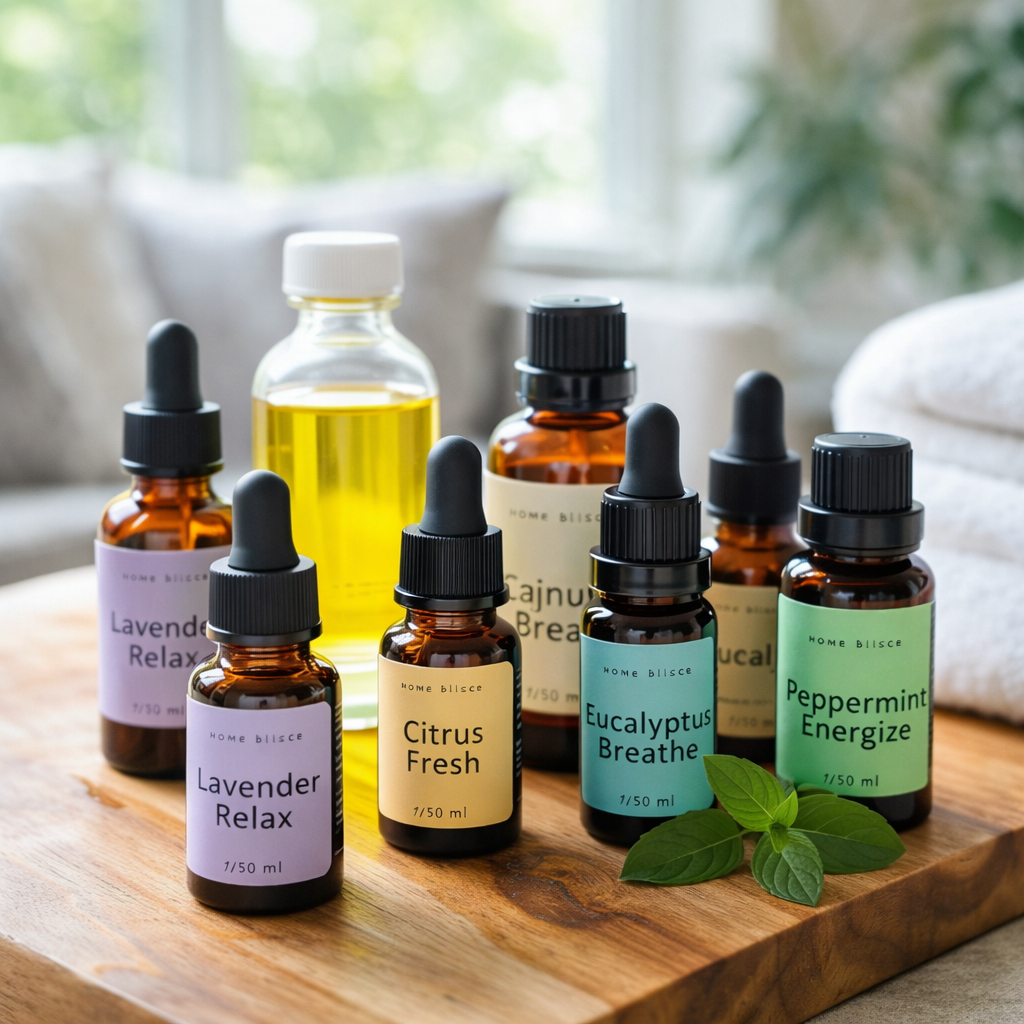
Beyond Lavender: Unlocking the Art of Scent Blending for Your Diffuser
You know the routine. You buy a new essential oil diffuser, excitedly fill it with water, and then… you reach for the Lavender. Again.
Look, I get it. Lavender is great. Actually, it’s pretty thorough—science even says it helps everyone from babies to adults sleep deeper and wake up less often recent sleep studies. But using the same single scent day after day? It’s kind of like eating plain toast for breakfast. Every. Single. Morning.
It gets boring fast.
Here’s what actual aromatherapists know that most of us miss: the real magic happens in the mix. When you combine specific oils, you create a “synergy.” That’s just a fancy way of saying the blend works better than the individual oils do on their own fragrance note guidelines. It’s not just about making the room smell nice (though that happens too). It’s about building a specific vibe that a single oil just can’t pull off.
So, are you ready to try something new? We’re going to mix up 7 expert-crafted diffuser recipes—using pure favorites like the ones found at Aroma Monk—to match whatever mood you’re in. Whether you need to focus or chill out, we’ve got a blend for you.
Let’s get mixing.
1. The “Focus & Clarity” Blend: Rosemary, Lemon & Peppermint
Ever found yourself stuck at your desk, staring at the screen, waiting for inspiration that just refuses to show up? We’ve all been there. It usually strikes around 2 PM on a busy weekday, when energy dips and concentration disappears.
Instead of reaching for another cup of coffee that only makes you restless, try this refreshing essential oil blend. It’s crisp, herbal, and powerful enough to slice right through mental fatigue.
The Recipe:
- 3 drops of Rosemary
- 3 drops of lemon
- 2 Drops Peppermint
Why It Works
This blend isn’t just about filling your space with a pleasant aroma. It’s about how your brain responds to scent.
Rosemary does most of the heavy lifting here. It may sound surprising, but inhaling rosemary aroma has been shown to support memory and mental performance. Some research even suggests improvements of up to 15% in memory recall, making it a favorite for focus and clarity.
Next comes Lemon. Its bright, citrusy aroma lifts your mood and keeps the blend feeling light, fresh, and energizing — preventing it from becoming overpowering or medicinal.
Finally, Peppermint steps in with an instant awakening effect. Think of it as a cool splash of water for your mind. It sharpens focus, boosts alertness, and helps clear mental fog within moments.
Together, these three oils create a clean, energizing blend that supports productivity, clarity, and concentration.
A Quick Safety Note
Peppermint essential oil contains menthol, which can be too strong for infants and toddlers. In children under two years old, it may cause breathing discomfort.
If you have young children at home, replace Peppermint with Spearmint essential oil. It’s gentler, safer, and still provides refreshing clarity without being overpowering.
Quality Matters
Since these aromas are being inhaled, purity is absolutely essential. Low-quality or synthetic oils can introduce unwanted chemicals into your environment.
That’s why sourcing matters.
At Aroma Monk, every essential oil is 100% pure, lab-tested, and traditionally distilled in Kannauj — India’s fragrance capital. Each batch is carefully crafted using time-honored methods to ensure maximum potency, safety, and aromatic performance.
Whether you’re blending oils for your home office, wellness routine, or developing products for your own brand, starting with certified, chemical-free essential oils makes a noticeable difference in both fragrance and effectiveness.
2. The ‘Tranquil Slumber’ Blend: Lavender, Cedarwood & Vetiver
You know those nights where your body is totally exhausted, but your brain feels like it has about 50 tabs open? You’re laying there replaying a conversation from three years ago or making a mental grocery list for next week.
It’s frustrating. And honestly, it happens to the best of us.
Most people just grab the Lavender oil and hope for the best. And sure, Lavender works. We know from recent studies that it actually helps people—even babies—sleep longer and wake up less often sleep quality research.
But if you really want to knock out the mental noise, you need something heavier. You need a calming diffuser blend that grounds you.
The Recipe:
- 4 Drops Lavender
- 2 Drops Cedarwood
- 1 Drop Vetiver
Why It Works
Think of this blend like a weighted blanket for your nervous system. While Lavender handles the initial relaxation, Cedarwood and Vetiver do the heavy lifting to stop your mind from racing.
Vetiver is thick, dark stuff. It smells like damp earth and roots. This is important because there are specific compounds in these woody oils—like cedrol in Cedarwood and khusimol in Vetiver—that act as deep sedatives. Technically speaking, they work through olfactory pathways to help settle your system in a way that floral scents sometimes can’t, cedarwood and vetiver effects.
What It Smells Like
If you’re worried about your bedroom smelling like dirt because of the Vetiver, don’t be. The Lavender sweetens it up perfectly. The result isn’t perfumey at all—it’s deep, woodsy, and peaceful. It smells like a quiet cabin in the woods.
A quick tip: Vetiver is usually really thick, almost like syrup. It takes forever to drip out of the bottle. Be patient—it’s worth the wait.
3. The ‘Uplifting Sunshine’ Blend: Sweet Orange, Bergamot & Grapefruit
You know those mornings where the sky is gray, your coffee isn’t working, and you just feel… stuck? The house feels heavy, and your motivation is sitting at zero.
We all have those days. Instead of forcing yourself to push through the sludge, try changing the air around you first. This recipe is one of the most powerful uplifting essential oil combinations because it’s basically happiness in a bottle.
The Recipe:
- 3 Drops Sweet Orange
- 3 Drops Grapefruit
- 2 Drops Bergamot
Why It Works
It’s impossible to smell this and stay grumpy. But it’s not just about the nice smell—it’s actual chemistry. Most citrus oils contain high levels of limonene. While that sounds like boring science talk, it matters because studies suggest limonene acts similarly to antidepressants in how it effects the brain citrus oil mechanism.
Then you have Bergamot. It’s the sophisticated cousin of the citrus family. Research shows that breathing in Bergamot for just 15 minutes can improve mood and reduce fatigue by lowering cortisol levels. Bergamot benefits. It takes the edge off while the Grapefruit wakes you up.
A Note on Extraction
Here’s a pro tip that saves you money: Citrus oils are volatile (they evaporate fast), and they are sensitive to heat. You really want oils that are “Cold Pressed” from the rind, not steam distilled. Heat kills that zesty top note.
That’s where suppliers like Aroma Monk shine. Because they handle raw material sourcing for big cosmetic brands, they ensure their citrus oils are extracted correctly to preserve those delicate compounds. If your Orange oil smells like burnt candy instead of a fresh peel, it was probably extracted wrong.
4. The ‘Cozy Cabin’ Blend: Frankincense, Pine & Cinnamon Leaf
Ever just want to execute a total retreat from the world? I’m talking about those days when the weather is nasty, or the news is stressful, and you just want to curl up under a blanket with a good book.
You need a scent that feels like a hug. While citrus wakes you up, this blend does the opposite—it grounds you. It turns your living room into a mountain lodge instantly.
The Recipe:
- 3 Drops Frankincense
- 3 Drops Pine
- 1 Drop Cinnamon Leaf
Why It Works
This blend is deep and “resinous.” That’s just a word for that sticky, warm smell you get from tree sap. Frankincense anchors the whole thing. It has a serious history, too—Ancient Egyptians actually used it in daily rituals to help connect with something bigger than themselves Frankincense history. It quiets the mind in a way other oils don’t.
Then the Pine brings in the outdoors, keeping the air fresh so the room doesn’t feel stuffy or dusty.
The “Less is More” Rule
You probably noticed I only listed one drop of Cinnamon. That isn’t a typo. Actually, it’s the most important part of this recipe.
Cinnamon is powerful stuff. But here is the secret: make sure you use Cinnamon Leaf oil, not Cinnamon Bark oil. The bark oil is incredibly hot and can irritate your nose and eyes quickly. The leaf oil is gentler but still gives you that spicy warmth without the burn essential oil safety.
Getting It Right
Since Frankincense comes from a precious tree resin, there are a ton of fakes out there that smell like chemical cleaners. If you want that true, meditative vibe, you have to go with authentic sources like Aroma Monk. When you diffuse the pure stuff, you can feel the difference immediately.
5. The ‘Fresh Air’ Purification Blend: Tea Tree, Eucalyptus & Lemon
Let’s be honest. Sometimes our homes just smell… stale. Maybe you cooked fish last night, or maybe someone has a cold and the windows have been shut for days.
You don’t need a flowery perfume to cover it up. You need to scrub the air.
This is a functional blend. It is designed to deodorize your space and clear things out. It smells crisp, sharp, and incredibly clean—almost like a high-end spa or a really nice doctor’s office.
The Recipe:
- 3 Drops Lemon
- 2 Drops Tea Tree
- 2 Drops Eucalyptus
Why It Works
This trio is a powerhouse. We aren’t just talking about covering up odors here. We are talking about fighting what causes them.
Tea Tree and Eucalyptus are famous for their “antimicrobial” properties. That basically means they fight germs. Actually, studies have shown that when these oils are in vapor form, they can reduce airborne bacteria like E. coli and Staph by up to 90% airborne antimicrobial effects.
The Lemon adds a bright top note that cuts through that heavy “medicinal” smell, making the room feel fresh again.
A Safety Warning
This blend is strong. While adults usually love that clearing feeling, please skip this one if you have babies or toddlers. Eucalyptus contains a compound called 1,8-cineole. It can cause breathing spasms in children under two years old safety guidelines.
The Purity Factor
For a blend like this to actually work, the oil needs to be strong and pure. If you buy cheap oil that is diluted with fillers, you won’t get those air-cleansing benefits. Suppliers like Aroma Monk test for this specific chemical profile, so you know the oil in your bottle will actually do the job.
6. The ‘Luxe Spa’ Blend: Clary Sage, Geranium & Ylang Ylang
You know that feeling when you walk into a high-end spa or a fancy hotel lobby? The air smells expensive, and your shoulders drop comfortably.
We usually think we have to pay $200 for a massage to feel that way. But you can actually recreate that exact vibe in your living room. This blend doesn’t just smell nice; it feels indulgent. It turns a boring Tuesday evening into self-care time.
The Recipe:
- 3 Drops Clary Sage
- 2 Drops Geranium
- 1 Drop Ylang Ylang
Why It Works
This is a floral blend, but it isn’t flowery like a grandmother’s perfume. It’s complex.
Clary Sage is the secret weapon here. It has an earthy, herbaceous scent that grounds the sweetness. But beyond the smell, it does some serious work on your body’s stress levels. Research has shown that breathing in Clary Sage can lower cortisol levels by roughly 36%, specifically in women Clary Sage benefits. That is a massive drop in stress hormones just from using a diffuser.
Then comes the Ylang Ylang. It provides that deep, sweet, exotic note. Fun fact: perfumers often call it “the poor man’s Jasmine.” It gives you that same intense, luxurious floral profile, but because the plant yields so much oil, it costs a fraction of the price of true Jasmine fragrance insights.
Blending Tip
Ylang Ylang is incredibly strong. Seriously, if you use too much, it can take over the whole house and give you a headache. Stick to one drop to start. You want a hint of luxury, not a punch in the face.
Sourcing Real Florals
Because these are flowery oils, this is where quality matters most. Synthetic floral scents are common because they are cheap to make, but they often smell sharp or soapy. To get that true “spa day” effect—and the hormonal balancing benefits—you need 100% pure plant extracts like the ones available from Aroma Monk. When you diffuse the real thing, it feels like a treat.
7. The ‘Secret Garden’ Blend: Neroli, Petitgrain & Amyris
Sometimes you don’t want your house to smell “clean” or “sleepy.” You want it to smell expensive.
This is the blend you use when you’re having company over, or when you just want to sit with a glass of wine and feel sophisticated. It evokes the feeling of a blooming garden right at dusk—it’s sweet, woody, and a little mysterious.
Basically, it smells like a high-end perfume, but without the headache.
The Recipe:
- 3 Drops Amyris
- 2 Drops Petitgrain
- 1 Drop Neroli
Why It Works
This is one of those unique diffuser blends that works because of biology. Actually, Petitgrain and Neroli come from the exact same tree—the Bitter Orange tree (Citrus aurantium). Neroli comes from the delicate white blossoms, while Petitgrain is distilled from the leaves and twigs.
Because they share the same DNA, they blend together perfectly. It creates a natural harmony that is really hard to mess up blending guide.
Then you add the Amyris. If you haven’t heard of Amyris, you aren’t alone. It is often called “West Indian Sandalwood.” It has that same creamy, rich, woody smell as true Sandalwood, but it’s much more sustainable (and affordable) to produce.
Scent Profile
The result is magical. The Petitgrain gives you a fresh, green snap—like snapping a twig in half. The Neroli adds a sweet, honeyed floral note. And the Amyris anchors it all with a smooth, woody base that lingers for hours.
A Sourcing Reality Check
Here is the catch: Neroli is one of the most expensive oils on the planet because it takes a literal ton of flowers to make a small amount of oil. That means there are a lot of fakes out there diluted with synthetics.
If you want these aromatherapy diffuser blends to actually smell like a garden and not a chemistry lab, you have to prioritize purity. Suppliers like Aroma Monk are crucial here—especially if you are a business looking to create products. They provide lab-tested, verified pure oils so you know that “Neroli” on the label is actual orange blossom extract, not a cheap imitation.
Finding Your Signature Scent
We’ve covered a lot of ground here, from the deep woods of the ‘Cozy Cabin’ to the bright citrus of the ‘Uplifting Sunshine’ blend.
The biggest takeaway? You don’t have to settle for single-note exhaustion. Mixing oils is where the fun really starts. It allows you to customize your environment to match your mood, your schedule, or even the weather outside.
So, go ahead and try one of these recipes today. Or better yet, use them as a starting point to invent your own. Just remember that the quality of what you put in determines the quality of what you get out.
Happy blending.
Your Turn: How to Mix Essential Oils for Your Diffuser Like a Pro
Okay, so you have the recipes. But maybe you’re feeling creative. Maybe you want to be the chef and cook up something that is totally you.
Creating your own signature scent is actually pretty fun. But if you just dump random oils together, you might end up with something that smells like a weird cleaning product.
Here is the secret sauce expert perfumers use. It isn’t magic—it is structure. They call it “Fragrance Notes,” and understanding them is the key to a blend that actually smells good.
The Three Layers of Scent
Think of a good blend like a music band. You need different players to make a full song.
- Top Notes (The Singer): These are the first smells you notice. They are bright, loud, and fresh (like citrus or mint). But they fade fast—usually within an hour or two.
- Middle Notes (The Rhythm Section): This is the heart of the blend. These smells appear once the top notes settle down. They are usually florals or herbs.
- Base Notes (The Bass): This is the anchor. These are heavy, deep scents that last for hours, or even days. They hold the whole blend together.
The Golden Ratio for Beginners
Aromatherapists often use a specific math formula to get the balance right. It stops one oil from overpowering the others.
Try the 30-50-20 Rule perfumery blending basics:
- 30% Top Note
- 50% Middle Note
- 20% Base Note
Let’s make that real. If you are putting 10 drops in your diffuser, it looks like this:
- 3 Drops Top Note
- 5 Drops Middle Note
- 2 Drops Base Note
Not sure which oil is which? Here is a quick cheat sheet to help you sort your collection:
| Note Type | Common Oils |
|---|---|
| Top | Lemon, Sweet Orange, Grapefruit, Bergamot, Peppermint, Eucalyptus |
| Middle | Lavender, Rosemary, Geranium, Tea Tree, Chamomile |
| Base | Cedarwood, Vetiver, Frankincense, Patchouli, Sandalwood (or Amyris) |
3 Tips Before You Diffuse
1. The Cotton Ball Test
Don’t waste your precious oil in the diffuser tank just to test an idea. Put a drop of each oil you want to use on a cotton ball or a tissue. Wave it under your nose. If it smells funky, you haven’t wasted a whole tank of water.
2. Let It “Marry.”
This sounds fancy, but it just means “wait a minute.” When you mix oils, they create a “synergy”—where the combined effect is stronger than the separate parts. Sometimes a blend smells different after sitting for 30 minutes than it does right away. Be patient.
3. Keep a Journal
Trust me on this one. You will invent the perfect “Rainy Sunday” blend, think you’ll remember it, and then completely forget if you used 2 drops of Cedarwood or 3. Write down your recipes as you go.
And one last thing. A chef is only as good as their ingredients. If you are mixing chemicals, you get a chemical smell. If you use verified pure extracts—like the ones experts at Aroma Monk supply to product makers—your DIY blend will smell like a professional fragrance house created it.
| Blend Name | Best For This Mood | What It Smells Like |
|---|---|---|
| Focus & Clarity | Working, studying, or waking up | Sharp, herbal, and minty |
| Tranquil Slumber | Deep sleep and quieting the mind | Woodsy, earthy, and calm |
| Uplifting Sunshine | Beating the blues or rainy days | Bright, zest, and happy |
| Cozy Cabin | Reading, relaxing, or cold nights | Warm, spicy, and resinous |
| Fresh Air | Clearing cooking smells or sickness | Crisp, clean, and medicinal |
| Luxe Spa | Self-care Sundays or de-stressing | Expensive, floral, and smooth |
| Secret Garden | Dinner parties or evening wine | Sophisticated, green, and rich |
Think of this table as your menu. Just pick the vibe you need, grab your essential oil blends for diffusers, and let the aroma do the rest.
Elevate Your Home with Your Own Signature Scent
We’ve gone from relying on plain Lavender to creating actual moods that change how your day feels. Whether you need the deep focus of the “Clarity” blend or the weighted-blanket feeling of “Tranquil Slumber,” you now have the tools to control the vibe of your space.
But here is the honest truth: the best essential oil combinations aren’t always found in a blog post (even this one). They are the ones you discover by accident on a rainy Tuesday.
Don’t be afraid to get creative. Use that cotton ball trick we talked about. Mix a floral with a wood. Break a few rules. Just remember that your blend is only as good as the oil you use. If you stick with verified pure sources—like the lab-tested options at Aroma Monk—you know you aren’t just diffusing cheap perfume, but actual plant extracts.
Now it’s your turn. Which blend are you going to load into your machine first? Or did you invent a masterpiece of your own?
Drop a comment below and let’s swap recipes.