
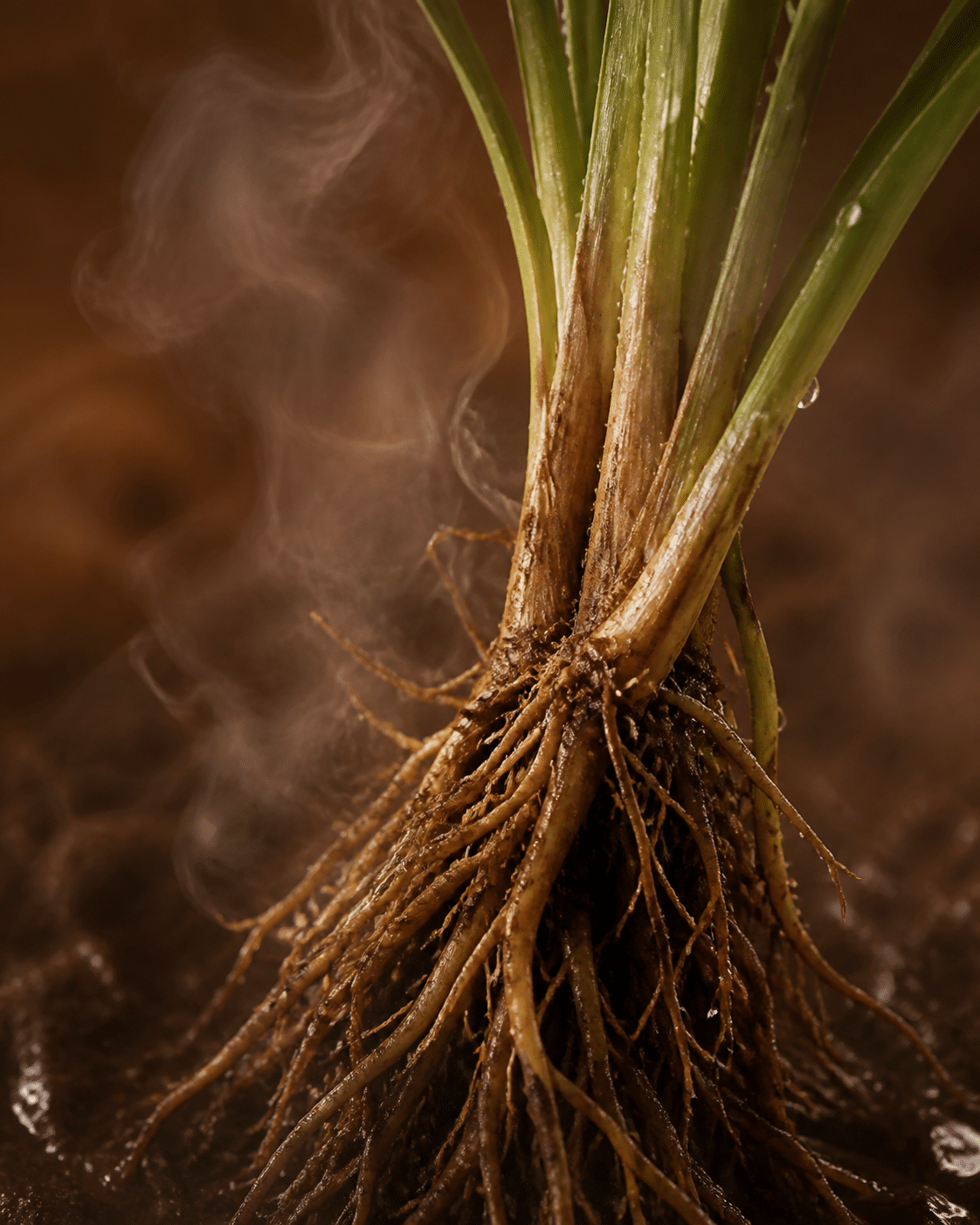
Unlock Nature’s Hidden Gem: Why Vetiver Water is Your Next Hero Ingredient
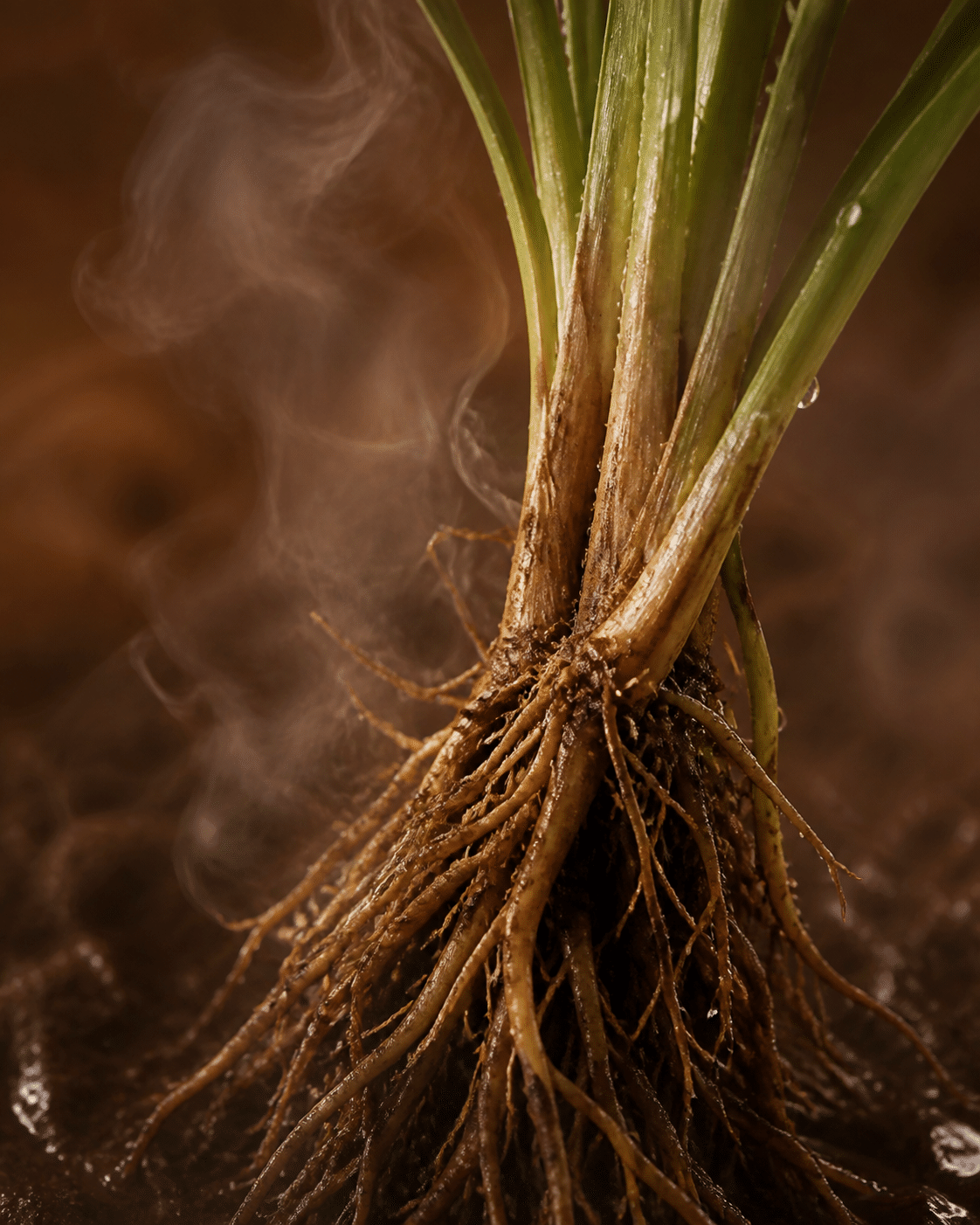
You know that moment when you’re staring at a formula brief and every botanical on the list looks the same as last year’s? Rose. Aloe. Green tea. Great ingredients, sure. But shelf after shelf, they blur together.
That’s the real B2B headache. You need something unique, natural, and able to do more than one job. And your buyers want it to feel honest, too.
This is where vetiver water comes in. Also called vetiver hydrosol or khus water, it’s the soft, aromatic water left behind when vetiver roots are steam distilled. It smells earthy, a little smoky, and weirdly calming. And most brands still skip right past it.
The timing looks good. Euromonitor’s 2025 Beauty Survey found that 68% of European consumers choose beauty products that support both physical and mental well-being. That’s a nice fit for a multi-purpose botanical. (To be fair, that number isn’t about vetiver specifically. It just shows where shoppers are heading.)
Here’s what we’ll cover. You’ll get 8 ways vetiver water can sharpen your product ideas, from toners to scalp mists. Then a quick match-up chart for your goals, plus a straight talk section on purity and sourcing. I’ll also be honest about what the research does and doesn’t prove, because your claims need to hold up.
Ready to see if this overlooked root belongs in your next launch? Let’s start with the first benefit.
1. A Superior Natural Astringent for Pore-Refining Toners and Serums
Picture the classic toner. That sting. The tight, squeaky feeling afterward. Plenty of oily-skin shoppers were taught that this means it’s working. Usually, it’s just the alcohol.
Vetiver water offers a softer route. It’s a water-based, aromatic distillate, so it can sit at the heart of a toner or serum with no alcohol at all. Skin feels cool, clean and fresh, not stripped.
What the science says (and doesn’t)
Here’s the part I’d rather tell you now than have your regulatory team tell you later. No study proves vetiver water shrinks pores or controls oil. A 2021 study on vetiver extract had 30 women aged 63 to 70 use a 2% extract product for 28 days. Their sebum readings actually went up. That was an extract on mature skin, not a hydrosol on oily skin, so it’s not a direct match. Still, it’s a good reason to skip words like “minimizes pores” and lean on “refreshes” and “leaves skin feeling clean.”
Where it fits in your range
The fit is strongest for oily, combination and breakout-prone lines that want a gentle, alcohol-free story. Demand looks real: one 2026 skin toner market report puts alcohol-free preference at roughly 38% to 46% of consumers. And brands are already trying it. Subtle Energies blends vetiver water with rose and kewda waters in a toning complex, while Honeybee Organics sells a sandalwood vetiver toner.
| Alcohol-based toner | Vetiver water toner | |
|---|---|---|
| Base | Alcohol and water | Steam-distilled vetiver water |
| Skin feel | Tight, sometimes stinging | Cool, light, comfortable |
| Story for buyers | Strong, “deep clean” | Gentle, natural, plant-derived |
| Safe claim style | “Clarifying” | “Refreshing,” “leaves skin feeling clean” |
So the real edge isn’t force. It’s gentleness. Next up: what vetiver water might do for skin that’s already upset.
2. Potent Anti-Inflammatory Action for Soothing Sensitive Skin Lines
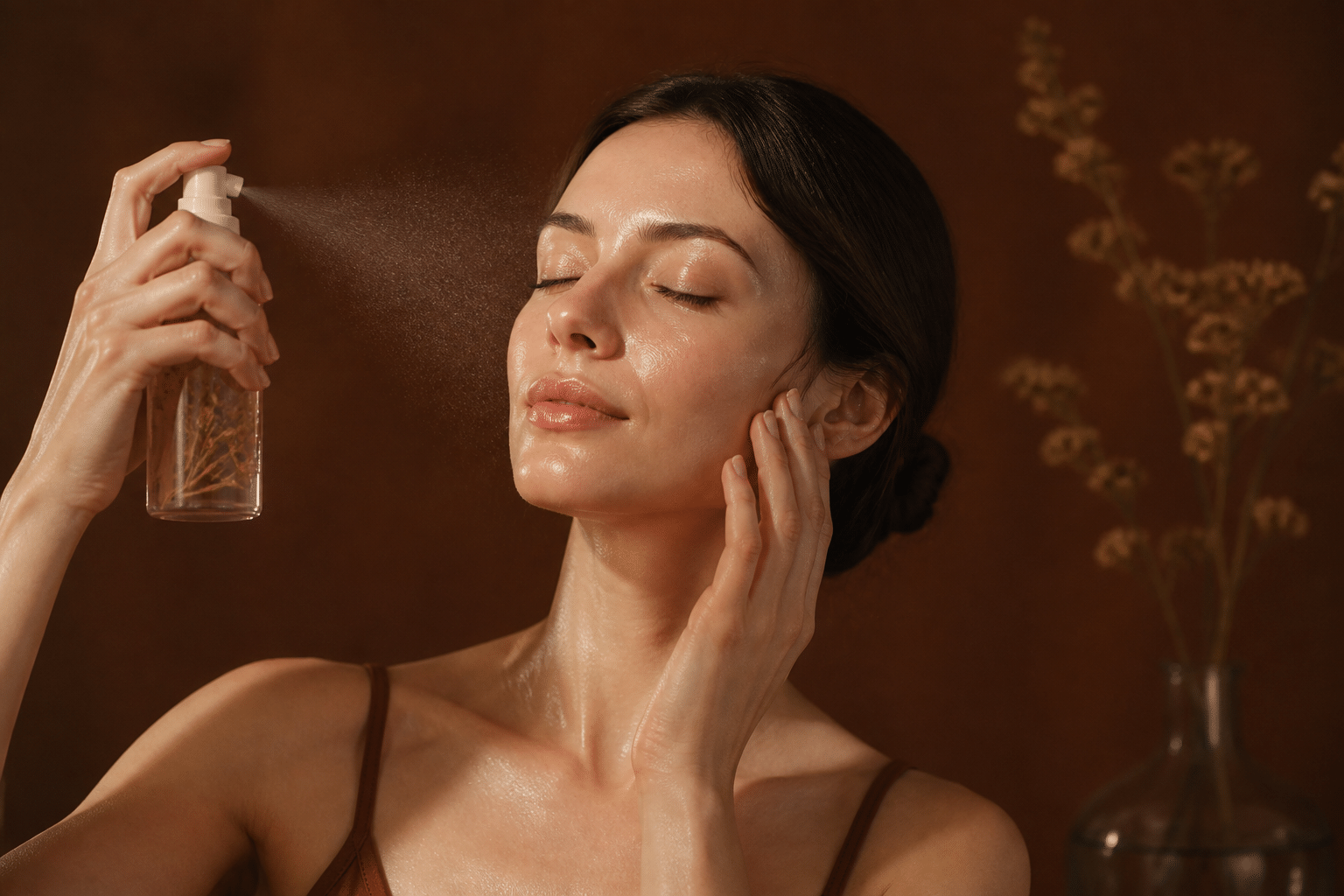
We’ve all had that post-wax moment. Skin is pink, tight and annoyed, and the last thing it wants is a heavy cream.
That’s where a cool, light botanical water starts to look smart. Vetiver water feels calm on the skin, and that comfort is what sensitive-skin shoppers are after.
Why sensitive skin is worth your attention
The demand is big. Grand View Research puts the global sensitive-skin-care market at USD 52.7 billion in 2025, growing around 8.9% a year through 2033. (Different firms count this market differently, so treat any single number as a rough guide.) Good fits for vetiver water include after-shave balms, post-waxing sprays and soothing facial mists.
What the science backs up
Here’s the honest bit. Vetiver oil contains compounds like khusimol and the vetivones, and lab work links them to anti-inflammatory activity. But hydrosol holds far less of those oily compounds than the oil does. I couldn’t find a human study showing vetiver water calms redness or treats rosacea or eczema. Also, vetiver’s aroma can bother some people, so patch testing and a fragrance-allergen review matter for any sensitive-skin line.
So write claims that match the evidence:
| Skip this | Try this instead |
|---|---|
| “Reduces inflammation” | “Helps refresh and comfort skin” |
| “Treats redness” | “Leaves skin feeling calm” |
| “Heals irritation” | “Cooling mist for skin that feels sensitive” |
| “Suitable for rosacea” | “For sensitive-feeling skin” (only after irritation testing) |
I also couldn’t find a verifiable quote from a cosmetic chemist on this, so I won’t make one up. Ask your own formulator to test the finished product.
Next, let’s look at how vetiver water might fit into hydration.
3. Deep Hydration for Advanced Moisturization Formulations
Here’s a truth that might sting a little. Everybody wants a hydrating hero, but “hydrating” is a claim that needs a real reason behind it.
What khus water for skin can (and can’t) do
Khus water for skin brings a light, fresh, water-based layer to a formula. That’s its real strength. On its own, though, it isn’t a proven humectant. I couldn’t find a clinical study that measured water loss after vetiver hydrosol. One vetiver root extract patent did report up to 7.3% more skin hydration in dry-skinned volunteers, but that was an extract, not the water.
So think of vetiver water as a partner, not a replacement. It works best next to humectants you already trust.
| Ingredient | Role in a hydrating formula | Evidence for the role |
|---|---|---|
| Glycerin | Humectant, pulls water into skin | Well established |
| Sodium hyaluronate | Humectant, holds water at the surface | Well established |
| Vetiver water | Aromatic water phase, fresh feel | Sensory benefit; hydration not proven on its own |
Using it in mists, serums and creams
Mists are the easy win. Anahata Organic pairs vetiver hydrosol with vegetable glycerine and vitamin E in a face mist. See what’s happening there? The glycerine handles the moisture. The vetiver handles the character.
For creams and lotions, try swapping part of the water phase. A Walker Formulation Academy guide suggests starting with 30 to 50% replacement in emulsions. Then check pH and preservation, since hydrosols aren’t self-preserving.
The best part? No greasy residue. That suits lightweight, clean-feel lines nicely. Safe wording includes “lightweight hydrating mist” or “leaves skin feeling soft.”
Next, let’s talk about what vetiver does for the nose.
4. A Complex, Grounding Aroma for Niche Fragrance & Wellness Products
Hold a bottle of vetiver water under your nose and wait a second. First you get damp soil after rain. Then a bit of cedar chest. Then a faint curl of smoke. It’s not pretty in the way rose is pretty. It’s interesting, and that’s the point.
What vetiver water smells like in a formula
Vetiver is earthy, woody and a little smoky, with a deep, steady feel that people often call grounding. Because vetiver water is a hydrosol, the scent is softer and cleaner than the oil. That makes it a nice fit for body sprays, linen mists and hair and body mists, where straight oil would bulldoze everything else.
It also doesn’t read as “masculine” or “feminine.” That matters, since Mintel’s 2025 U.S. fragrance trends report points to gender-neutral products and wellness-minded fragrance as big category shifts. (I can’t give you a sales number for “earthy scents.” That data sits behind a paywall.)
Here’s a simple scent map for your perfumer or formulator:
| Note layer | Pairs well with | What it adds |
|---|---|---|
| Top | Bergamot, grapefruit, petitgrain | Bright, fresh opening |
| Heart | Lavender, geranium, rose | Soft floral balance to the smoke |
| Base | Vetiver water, cedarwood, sandalwood, patchouli | Depth and a lingering, woody finish |
The aromatherapy side, with honest limits
People link the aromatherapy benefits of vetiver to relaxation. That’s a lovely story for bedtime mists and bath products. But the science is thin. One EEG study on relaxing essential oils did report brain-wave changes during vetiver oil inhalation. It was small, and it tested oil, not water.
So write “grounding aroma” or “calming self-care ritual.” Skip “reduces anxiety” or “improves sleep.”
Next, let’s see what vetiver water can do for skin that’s under daily stress.
5. Antioxidant Properties to Power Anti-Aging and Protective Skincare

City skin has a rough life. Traffic fumes, sunshine, dry office air. By 5pm, it’s tired.
That’s where the “urban defense” idea comes in. And vetiver water might have a place in it, as long as we keep our claims honest.
How antioxidants work, in plain words
Think of free radicals as tiny, unstable troublemakers. Pollution and UV light create them on the skin. They bump into healthy skin cells and cause stress. Over time, that stress is linked to the early signs of aging, like fine lines and lost bounce.
Antioxidants step in and calm those troublemakers down. Picture it like this:
| Without antioxidant support | With antioxidant support | |
|---|---|---|
| What happens | Free radicals hit skin cells | Antioxidants meet free radicals first |
| Result on the cell | Stress builds up | Cell is shielded from more stress |
| Long-term story | Linked to fine lines and less elasticity | Fewer stress signals reach the cell |
What the research actually shows
Here’s the honest bit. A 2024 study, Revealing the shielding effect of vetiver essential oil, found strong free-radical-scavenging activity. It reported 75.5% total antioxidant capacity at 100 ppm. Nice number. But that was essential oil, not vetiver water.
Hydrosol is far more diluted. I also couldn’t find a standardized ORAC value for it, or a human trial showing vetiver water reduces wrinkles. So don’t promise “anti-aging” results. Try “botanical formula for environmental-defense routines,” and only with finished-product testing behind it.
Why it still makes sense for urban-defense lines
The demand is real. Grand View Research estimates the global anti-pollution skincare market at US$16.2 billion in 2026, heading to US$21.4 billion by 2030. (Firms define this category differently, so treat it as a rough guide.)
Vetiver water won’t carry that story alone. Pair it with proven antioxidants like vitamin E in a lightweight mist or serum, and let its earthy, fresh character add the sensory hook.
Next up: how vetiver water can bring a cool, refreshing feel to summer products.
6. A Natural Cooling Agent for Refreshing Summer & After-Sun Products
It’s 4pm in July. The car’s been baking in the sun, your shoulders feel tight and warm, and all you want is something cold on your skin. That’s the moment a cooling mist earns its keep.
Vetiver water has a long history here. In India, vetiver root is called khus, and people have used it for ages in summer. Think khus curtains sprinkled with water to cool a room, or khus drinks on a hot afternoon. So the “cool” reputation isn’t new. It’s just new to a lot of shelves.
What the cooling feel really is
Here’s the honest part. I couldn’t find a study that measured skin temperature after vetiver water goes on. So no “lowers skin temperature by 3 degrees” claims. Water evaporating from skin feels cool. Add a calm, earthy scent and the whole thing feels even fresher. That’s a sensory effect, and it’s a real one, but it’s not proven heat transfer.
Safe wording sounds like this: “instantly refreshes,” “cooling feel” and “comfort after a day in the sun.” Skip “heals sunburn.” Blistering or very painful skin needs a doctor, not a spray.
Product ideas worth prototyping
Vetiver water works best in light, fast formats. Here are a few to sketch out:
- After-sun spray: vetiver water with glycerin and panthenol for a non-sticky refresh.
- Summer facial mist: a pocket-size bottle for bags, desks and beach days.
- Cooling leg gel: a light gel base, kept in the fridge for tired summer legs.
- Post-workout body spray: earthy, clean and not too sweet.
- Scalp and hair mist: a fine spray for hot, sweaty days.
Preserve them well, too. Hydrosols aren’t self-preserving, so run proper challenge testing before launch.
A strong seasonal angle
Summer demand is real, and it’s spiky. One 2026 cooling spray market report estimates the market at $1.18 billion and says about 51% of consumers prefer instant-cooling products in summer. (It’s a commercial report, so treat the numbers as a rough guide.)
That opens the door to a limited edition “Khus Summer” mini range. Mist, after-sun spray, scalp mist. Launch in spring, sell through August, then bring it back next year. Limited runs create buzz without locking you into a full-time SKU.
Next, let’s look at what vetiver water might do for the scalp.
7. Scalp & Hair Health Benefits for Innovative Haircare Lines
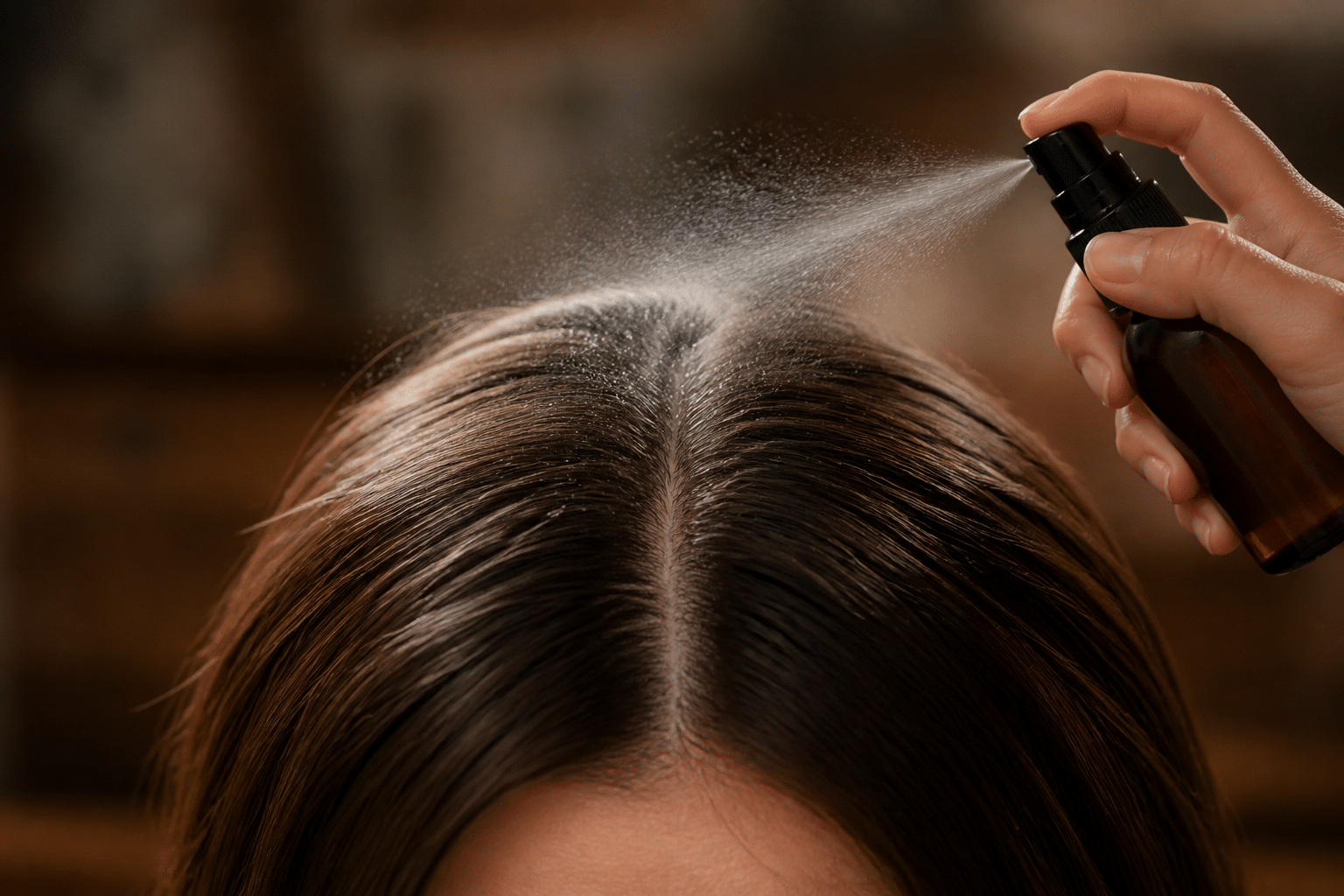
An itchy, tight scalp ruins a day fast. You can have the nicest shampoo on the shelf, but if the scalp feels off, nobody’s happy.
That’s why “scalp care as skincare” has become such a big idea. And vetiver water, with its cool, earthy feel, fits right in.
Scalp comfort, with honest limits
Here’s the straight talk. I couldn’t find a trichologist-backed study or human trial showing vetiver water treats dandruff, calms scalp inflammation or helps hair grow. Most of the talk about antiseptic and anti-inflammatory action comes from vetiver oil in lab work, not the water. So skip words like “anti-dandruff” or “promotes hair growth.” Try “refreshes the scalp” and “leaves the scalp feeling comfortable” instead.
The market side looks strong, though. Circana reported that U.S. prestige scalp care grew 19% in the first half of 2025. That’s market context, not proof that vetiver works. (I’d treat it as a sign of where shoppers are heading.)
Where it fits in your haircare range
Vetiver water works best in light, leave-on formats and as part of the water phase in rinse-off products.
| Product idea | What vetiver water adds | Safe claim style |
|---|---|---|
| Scalp tonic | Cool, fresh feel, earthy scent | “Refreshes the scalp” |
| Hair and scalp mist | Light, non-greasy spray | “Leaves hair feeling fresh” |
| Shampoo | Botanical water phase, soft aroma | “Cleanses gently” |
| Conditioner or leave-in | Fresh water base with moisturizing partners | “Leaves hair feeling soft” |
For dry or irritated-feeling scalps, pair it with proven helpers like glycerin or panthenol. Then run irritation testing, since vetiver’s aroma can bother some people.
What about the hair itself?
Vetiver water isn’t a proven moisturizer on its own. But as a light, water-based mist, it can add a touch of freshness to the hair shaft. Pair it with conditioning ingredients and you’ve got a believable “soft, smooth-feeling” story. Avoid hard promises about frizz control unless your finished formula has been tested.
Next, let’s see why vetiver water is so easy to work into a formula.
8. Versatility in Formulation: A Perfect Aqueous Base and Blender
Here’s the easiest idea in this whole list. You probably already make a cream or lotion. So what if the plain water in it did a little work?
Most emulsions start with deionized water. It’s clean and boring, and it’s a blank. Swap some of it for vetiver water and that blank gets a scent, a story and a place on your label.
The simple swap
Nothing else in the base has to change. The oils, butters and glycerin stay put.
| Before | After | |
|---|---|---|
| Water phase | Deionized water | Vetiver hydrosol |
| Humectant | Glycerin | Glycerin |
| Oil phase | Your usual oil | Your usual oil |
| What shoppers see | “Water” on the label | A named botanical, earthy and fresh |
On the label, look for Vetiveria Zizanoides Root Water, or whatever your supplier documents.
Keep it stable
It’s a plant water, not a magic one, so test it. TeraVella’s dosage guide suggests starting at 10 to 25% of the total formula for a new leave-on prototype, then trying higher levels if it stays stable.
Watch the pH. Supplier numbers for vetiver water run from about 4 to 6.5, and they don’t agree with each other. So check every batch with a meter. Acidic water can thin out carbomers and some emulsifiers, so compare against a plain-water control. Glycerin, panthenol and most oils play nicely with it.
The payoff? A basic cream becomes a “vetiver hydrosol” cream, with a sensory hook and an ingredient story that doesn’t need big claims.
Next, a quick chart to match each benefit to your product goals.
At a Glance: Matching Vetiver Water Benefits to Your Product Goals
Busy week? Same. Here’s the whole list on one page, so you can screenshot it, save it, or drop it into your next brief.
I kept the claims on the safe side. Most of the evidence is about vetiver oil or extracts, not the water itself. So each claim below is about how a product feels, not about treating anything.
| Benefit | Ideal product line | Target consumer | Safe marketing claim | Caution |
|---|---|---|---|---|
| Gentle astringent feel | Toners, light serums | Oily or combination skin shoppers who want alcohol-free | “Refreshes and leaves skin feeling clean” | Skip “minimizes pores” and “controls oil” |
| Soothing comfort | After-shave balms, post-wax sprays, calming mists | Sensitive-skin buyers | “Helps refresh and comfort skin” | Patch test and review fragrance allergens |
| Light hydration | Face mists, lotions, creams | Clean-beauty fans who want a non-greasy feel | “Lightweight hydrating mist” | Pair with glycerin or hyaluronate |
| Grounding aroma | Body mists, linen sprays, bath and bedtime products | Wellness seekers, gender-neutral fragrance fans | “Earthy, grounding aroma” | Avoid “reduces anxiety” or “improves sleep” |
| Antioxidant-inspired story | Serums, mists, urban-defense lines | City dwellers dealing with pollution | “Botanical formula for environmental-defense routines” | Needs finished-product testing |
| Cooling feel | After-sun sprays, summer mists, leg gels | Heat-weary summer shoppers | “Instantly refreshes” | No “heals sunburn” or temperature claims |
| Scalp comfort | Scalp tonics, hair mists, leave-ins | Scalp-care shoppers who treat the scalp like skin | “Leaves the scalp feeling comfortable” | Skip “anti-dandruff” and “hair growth” |
| Formulation versatility | Creams, lotions, shampoos, conditioners | Brand owners who want an ingredient story | “Made with vetiver hydrosol” | Check pH and run preservation testing |
How to use this chart
Start with the column that matches your biggest gap. Maybe your range has no summer product. Maybe your fragrance line needs a gentler base. Pick one row, sketch a prototype, and see how it feels.
Also, think of the last column as a stoplight. Sensory claims are usually the easiest to back up. Anything about redness, sleep or stress needs real proof, and some of it you shouldn’t say at all.
One more thing. Whatever you build, the water has to be the real deal. Next up: why purity makes or breaks all of this.
The Purity Imperative: Why Sourcing Lab-Tested Vetiver Water is Crucial for Your Brand
Everything above only works if the water in the bottle is the real thing. Sounds obvious, right? But it’s where a lot of brands get burned.
How vetiver water gets faked
I’d love to hand you a neat adulteration statistic for vetiver water. I can’t. Nobody seems to have published one. What we do know is that hydrosol fraud follows the same playbook as essential oils. A 2025 review of essential oil adulteration documents cheap synthetic compounds, diluents and oils from other plants being slipped in.
For vetiver water, that can look like this:
- Extra water that thins out the real aroma.
- Synthetic earthy scents added to mimic vetiver.
- A bit of vetiver oil mixed into water with alcohol or polysorbates, then sold as “hydrosol.” Oil and water don’t mix on their own, so that’s not a true distillate.
- Cheaper grassy or woody hydrosols blended in.
You can’t sniff this out reliably. Honestly, even a good nose gets fooled.
Why it hits your brand
There’s no clean number for what a bad batch costs. But the damage is easy to picture. A 2025 review of microbial contamination in cosmetics says contamination can mean batch rejection, costly recalls and lost consumer trust. And remember, all those soft claims we covered earlier lean on the ingredient being genuine.
How to vet your supplier
Here’s a checklist you can copy into your sourcing brief.
| What to ask for | Why it matters |
|---|---|
| Batch-specific GC/MS report (where appropriate) | Shows what’s actually in the water |
| Certificate of analysis for every lot | Pins the report to the batch you’re buying |
| Microbial limits and preservative declaration | Hydrosols are mostly water, so contamination is a real risk |
| Botanical ID and INCI name | Confirms the plant and the label wording |
| Country of origin and distillation traceability | Lets you follow the batch back to its source |
| Quality certifications, like ISO 22716 GMP or organic where claimed | Shows documented processes, but isn’t proof of purity alone |
| Honest pH and specs | Supplier pH numbers vary a lot, so you need real data |
When you get a GC/MS report, don’t just check that it exists. Look for the batch number, the test date, the lab name and the list of detected compounds. If any of those are missing, ask why.
Your supplier is part of your brand
Think of it this way: your customer never meets your supplier, but they trust them anyway. A good partner answers questions quickly, shares paperwork without a fight and can trace each lot. Aroma Monk, for example, promotes lab-tested, traceable products and manages its supply chain from sourcing to delivery, which is the kind of transparency worth asking any bulk vetiver water supplier about.
Next, let’s put all of this to work in your formulas.
Integrate Vetiver Water into Your Formulations for a Competitive Edge
So, where does all this leave you? With one root and a lot of options.
Vetiver water can be a toner base, a calming mist, a cooling after-sun spray, a scalp tonic or a plain swap for the water in your cream. That’s a lot of jobs for one botanical. And it matches where shoppers are heading: natural, sensory, and a little bit soulful.
I’ll say it one more time, because it matters. Most of the research is on vetiver oil, not the water. So the win here isn’t big claims. It’s a fresh, earthy ingredient story that you can back up, with testing on your finished formula.
Your next two moves
If you’re in R&D, ask for a sample and run it side by side with your current water phase. Check pH, scent, viscosity and preservation. It takes a few days, not a few months.
If you’re in procurement, hold your current supplier up against the checklist from the purity section. Ask for batch COAs, microbial limits, botanical ID and traceability. Weak answers? That’s your cue to look around. Solid vetiver water purity standards protect every claim you make.
Aroma Monk supplies lab-tested, traceable natural ingredients in bulk, so it’s a good place to start that conversation.
Request a Purity-Certified Sample for Your R&D Team
Start small, test honestly and let one good ingredient do the heavy lifting. Your next bestseller might just be hiding in a root.