
Beyond the Tea Cup: Unlocking the Potent Benefits of Chamomile Water for Skin
Ever notice how skin gets extra picky when life gets loud? One bad sleep, a windy day, a little city smog, and suddenly your face feels red, dry, and cranky. You’re not alone. Sensitive skin is common, and pollution can speed up visible aging by adding more stress to the skin barrier and collagen. That’s a big deal if you’re trying to keep skin calm and fresh.
Chamomile has long been a comfort herb in tea mugs and home remedies. But there’s a quieter star here: chamomile water for skin, also called chamomile hydrosol. It’s the gentle water part left after steam distillation, and it carries tiny plant compounds that can help soothe and defend skin. Think of it as chamomile’s softer, mist-like side.
And that’s what we’re looking at in this guide. The antioxidant power. The calming touch. The way chamomile water may help with redness, irritation, and early signs of aging. We’ll look at what’s inside it, why it matters, and how it fits into a simple skin routine.
If you love calming sensitive skin naturally, you’re in the right place.
What is Chamomile Water? Distinguishing Hydrosol from Tea and Essential Oil
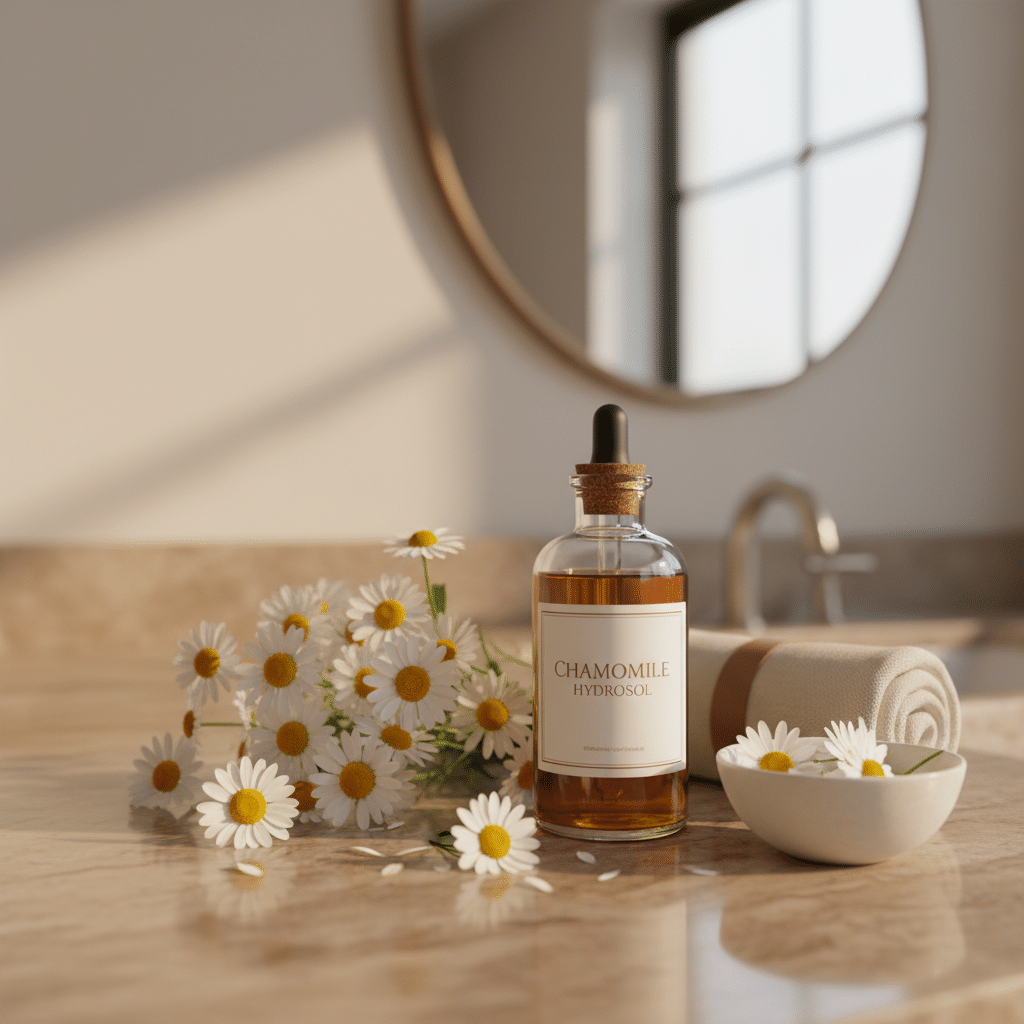
Ever bought something labeled “chamomile water” and thought, wait, is this just tea in a bottle? Fair question. It’s not. And the difference matters a lot if you’re using chamomile water for skin.
Chamomile water, often called chamomile hydrosol, is made during steam distillation. Steam passes through the chamomile plant, pulls out the plant’s scent compounds and water-loving bits, then cools into two parts. One part is the essential oil. The other is the hydrosol. So chamomile hydrosol is not just infused water. It’s a real co-product of the distillation process, with tiny amounts of plant compounds left in the water.
Here’s the simple version:
| Product | What it is | Skin feel |
|---|---|---|
| Chamomile tea | Water infusion of dried flowers | Mild, mostly for drinking |
| Chamomile essential oil | Highly concentrated oil from distillation | Strong, usually too much for direct use |
| Chamomile hydrosol | Water-based distillate from steam distillation | Gentle, light, and skin-friendly |
That gentle feel is why people like using chamomile water for skin irritation and for calming sensitive skin naturally. It can hold water-soluble plant compounds like apigenin-linked flavonoids, while the essential oil carries the oil-soluble parts. The oil is much stronger. Way stronger.
German chamomile, or Matricaria recutita, is usually the favorite for skincare because it tends to have more apigenin and more of the blue chamazulene family in the oil side of the plant. Roman chamomile, or Anthemis nobilis, is often a little softer and milder, so it’s a nice pick for very reactive skin. Both have their place. It just depends on what your skin can handle.
If you’re shopping for chamomile hydrosol benefits, look for a true hydrosol label, a full botanical name, and a bottle that smells fresh, not perfumey. And if you make skincare products, Aroma Monk’s lab-tested botanical ingredients can be a smart bulk source for brands that want clean, traceable raw materials.## The Science of Antioxidants & Why Your Skin Needs Them
You know that random day when your skin suddenly looks tired, even if you slept pretty well? Yeah, a lot of that has to do with tiny bits of damage building up over time. Not dramatic. Just sneaky.
Those tiny troublemakers are called free radicals. They’re unstable molecules with an extra need to grab an electron from healthy skin cells. UV rays, city pollution, smoke, and even stress can help make more of them. And once they start moving, they can chip away at collagen, elastin, and the skin barrier.
That’s where antioxidants come in. They give those free radicals what they need, kind of like handing over a spare charger before the phone dies. The antioxidant donates an electron, the free radical calms down, and the damage chain slows way down. Simple idea. Pretty cool in practice.
Why does this matter for chamomile water for skin? Because oxidative stress shows up on your face. Fast. It can lead to early fine lines, less bounce, dull tone, dark spots, and more redness. In other words, the stuff nobody wants when they’re trying to keep skin calm and fresh.
Here’s the short list of what oxidative stress can do:
- Speed up wrinkles
- Weaken skin elasticity
- Trigger extra inflammation
- Make pigmentation look darker
- Wear down collagen over time
And if you live in a busy city, this hits even harder. Research links PM2.5 pollution to more visible aging signs, and one large study found that a 10 µg/m³ rise in PM2.5 matched a 22% jump in pigment spots on the cheeks. That’s not exactly a tiny number. A review on air pollution and skin aging shows why gentle, antioxidant-rich care keeps getting more attention.
That’s also part of why chamomile hydrosol benefits are getting more buzz. Chamomile water brings in plant compounds like apigenin, luteolin, and quercetin in a softer, skin-friendly form. These are the kinds of antioxidants in chamomile for face care that help support calmer-looking skin while also fitting into a natural anti-inflammatory for skin routine.
So if you’re using chamomile water for skin irritation, you’re not just adding a pretty mist. You’re helping skin deal with stress in a gentler way. And for people who want calming sensitive skin naturally, that can make a real difference.
Plus, there’s a reason so many brands are leaning into softer formulas now. People want skincare that feels kind, not harsh. A little less “attack mode,” a little more “let’s work with your skin.”## Chamomile’s Antioxidant Arsenal: Meet Apigenin, Luteolin, and Quercetin
You know that soft, sleepy feeling chamomile is famous for? Skin likes it too. But the real magic is not just “calm tea energy.” It’s the mix of plant compounds doing quiet work in the background.
Apigenin gets most of the attention, and for good reason. It’s one of chamomile’s main flavonoids, and it acts like a two-for-one helper. It fights free radicals, and it also helps cool down inflammation. That means less redness, less sting, less “why is my face acting up today?” energy. In lab studies, apigenin has been linked to lower NF-κB activity and fewer inflammatory signals, which is one reason people talk about its apigenin skin benefits for sensitive skin and flare-prone skin.
And that matters more than you might think. Sensitive skin is common around the globe, and city life can make it worse. Air pollution, especially PM2.5, is tied to more visible aging and more pigment spots over time. One review on pollution and skin aging found that a 10 µg/m³ rise in PM2.5 was linked with a 22% jump in pigment spots on the cheeks, which is… kind of a lot. A review on air pollution and skin aging backs up why gentle antioxidant care keeps getting more attention.
Luteolin joins the party too. It’s another strong antioxidant in chamomile for face care, and it seems to help protect skin from UV stress. Some studies show luteolin can slow down MMP-1 and MMP-3, which are enzymes that break down collagen and elastin. Translation? It may help skin hold onto its bounce a little better, especially when sunlight and daily stress keep poking at it.
Quercetin is the third big name here. It’s known for strong free-radical cleanup, and it may help block MMP-2 and MMP-9, which are also linked to collagen damage. So while apigenin leans more into calming, quercetin brings extra defense. Nice little tag team.
Here’s the simple breakdown:
| Chamomile compound | Main skin job | Why it matters |
|---|---|---|
| Apigenin | Soothes inflammation | Helps calm redness and irritation |
| Luteolin | Fights UV stress | Supports collagen and elastin protection |
| Quercetin | Strong antioxidant | Helps guard against free-radical damage |
What makes chamomile water for skin so useful is the teamwork. These compounds don’t all do the same thing. They protect from different angles. One helps calm. One helps defend. One helps mop up damage. That mix is what makes chamomile hydrosol benefits feel bigger than a simple floral mist.
And if you’re trying to build a DIY chamomile facial toner or just want a softer step in your routine, that blend is the whole point. It fits right into calming sensitive skin naturally, using chamomile water for skin irritation, and giving skin a gentler shield against everyday stress.
Plus, this is why chamomile benefits for aging skin keep getting noticed in clean beauty. People are moving toward formulas that feel kind, not harsh. A little less scrubby. A little more steady.
If your skin gets red fast or looks tired after a rough week, chamomile hydrosol might be the small step that makes the routine feel better. Not flashy. Just helpful.
The Proven Benefits of Using Chamomile Water on Your Face
You know that tired, blotchy look skin gets after a rough week? Yeah, chamomile water for skin is the kind of gentle help people reach for when their face feels fed up.
1) It can calm redness and irritation
This is the big one. Chamomile hydrosol benefits start with comfort. The plant’s flavonoids, especially apigenin, are known for helping cool down inflammatory signals in skin. That’s why people often use chamomile water for skin irritation, rosy cheeks, and that hot, stingy feeling that shows up with sensitive skin.
And if your skin gets reactive fast, this matters. Sensitive skin is very common, and urban life can make it worse. Pollution, stress, and harsh products all pile on. No wonder more people are looking for calming sensitive skin naturally instead of throwing stronger acids at the problem.
A chamomile spray won’t fix every flare-up. But it can fit well in a natural anti-inflammatory for skin routine, especially for people who deal with rosacea-like redness, eczema-prone skin, or general irritation. It feels soft. It acts soft. That’s kind of the point.
2) It may help with early signs of aging
Here’s the deal. Skin aging isn’t just about birthdays. Free radicals from UV rays, smoke, and pollution chip away at collagen and elastin over time. That can mean fine lines, dullness, and less bounce.
Chamomile water for skin brings in antioxidant support from compounds like apigenin, luteolin, and quercetin. These antioxidants in chamomile for face care help mop up some of that stress before it turns into bigger damage. Luteolin and quercetin are also linked with helping protect the skin’s support structure, which is why chamomile benefits for aging skin keep getting attention.
Think of it like this: if your skin is a sweater, free radicals are the little snags. Antioxidants help stop the pull before the whole thread gets worse.
3) It may support the skin barrier
A healthy barrier is skin’s bouncer. It keeps moisture in and outside irritants out. But when skin gets inflamed all the time, that barrier can get shaky.
Chamomile water helps here in two ways. First, it brings a soothing step that can calm low-level inflammation. Second, it adds light hydration, which can make skin feel less tight and more settled. Together, that can support a stronger, less reactive barrier over time.
This is why a DIY chamomile facial toner or a simple mist can feel so good after cleansing. Just don’t forget the next step. Hydrosols are water-based, so you’ll usually want to seal them in with a moisturizer or facial oil.
Quick look at the main face benefits
| Benefit | What it may help with | Why people like it |
|---|---|---|
| Calms irritation | Redness, stinging, flare-ups | Feels soothing on touchy skin |
| Fights early aging stress | Fine lines, dullness, loss of bounce | Antioxidants help defend collagen |
| Supports the barrier | Dryness, reactivity, tight feeling | Helps skin feel more steady |
If you want to try it, look for a true hydrosol with a full botanical name, like German chamomile or Roman chamomile. And for brands making skincare, Aroma Monk’s lab-tested botanical ingredients can be a smart pick for bulk supply, clean sourcing, and product lines that need reliable raw materials.
Simple, gentle, and easy to work with. Sometimes that’s exactly what skin wants.
Get a quote from Aroma Monk.
Essential Oil Supplier – Bulk pricing • Samples • Fast response
How to Seamlessly Integrate Chamomile Water Into Your Skincare Routine
You know that moment when your skin feels hot, puffy, and just plain done? Yep. This is where chamomile water for skin can slide in without making a fuss.
As a daily facial toner or mist
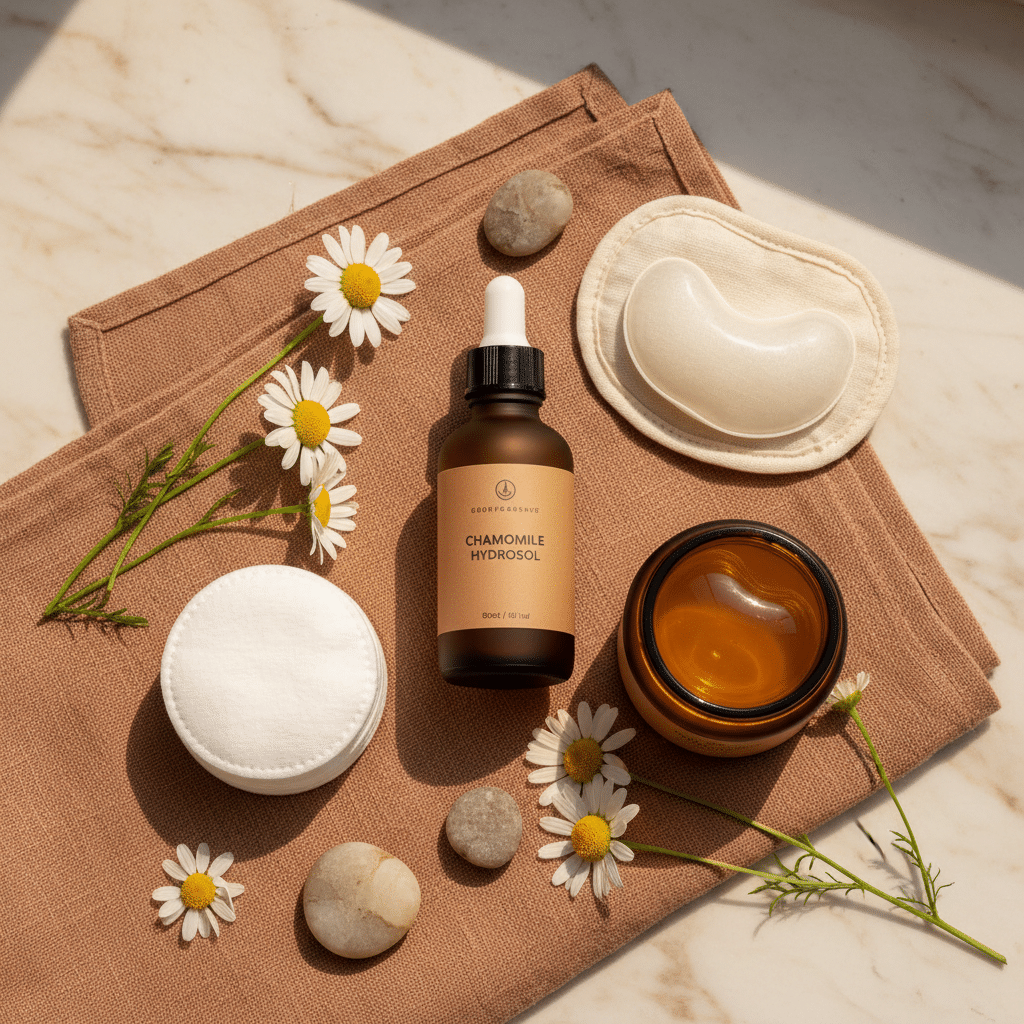
After cleansing, spritz chamomile water on clean skin. Or pour a little onto a cotton pad and sweep it across your face. It can help skin feel fresh, lightly hydrated, and ready for serum or moisturizer. If your face gets red after washing, this step can feel like a tiny exhale.
Want a cooler feel? Keep the bottle in the fridge. Cold chamomile hydrosol can feel extra nice on tired skin and may help with puffiness, too. Not magic. Just soothing.
As a base for DIY treatments
Chamomile water also works well in simple home masks. Here are a few easy ideas:
| DIY idea | What to mix | Best for |
|---|---|---|
| Clay mask | Chamomile water + kaolin clay | Oily or clogged skin |
| Hydrating mask | Chamomile water + honey | Dry, dull skin |
| After-sun gel | Chamomile water + aloe vera gel | Skin that feels warm or overworked |
If you’re making a DIY chamomile facial toner or mask, start small and keep it simple. A few ingredients. That’s usually enough.
As a soothing compress
This one is old-school in the best way. Soak cotton pads in chilled chamomile water, then place them on irritated spots for 5 to 10 minutes. You can use them under the eyes for puffiness or on cheeks that feel cranky after a long day.
And if your skin is super reactive, this can be a calm way to try using chamomile water for skin irritation without piling on more products.
One quick note: hydrosols are water-based, so don’t leave them hanging by themselves. Follow with moisturizer to help lock in the good stuff. That’s where the real comfort lasts.
For brands that make skincare products, Aroma Monk’s lab-tested botanical ingredients can be a helpful bulk option for clean, traceable sourcing. And if you’re picking a bottle for home use, choose a true hydrosol with a full botanical name and store it cold once opened.
Simple routine. Soft results. Sometimes that’s exactly what stressed skin wants.
Buyer’s Guide: Choosing and Storing High-Quality Chamomile Water
You know what’s frustrating? Buying a calming mist and finding out it smells like perfume cleaner. Not exactly the soothing vibe we want.
If you’re shopping for chamomile water for skin, the label is your first clue. Look for “100% pure hydrosol” or the full plant name, like Matricaria recutita for German chamomile or Anthemis nobilis for Roman chamomile. That tells you you’re getting a true distillate, not a flower water with mystery extras.
Avoid bottles with added fragrance, alcohol, or long ingredient lists. Those can turn a gentle product into a cranky one. And if your skin is touchy, that extra stuff can get in the way of the whole point.
Organic vs. conventional
For hydrosols, organic is usually the safer pick. Why? Because water can carry plant compounds, and it can also carry pesticide residue if the plant wasn’t grown cleanly. So if you’re using chamomile water for skin irritation or calming sensitive skin naturally, organic sourcing gives you a cleaner starting point.
How to store it right
Chamomile hydrosol is delicate. Light, heat, and air can wear it down. Store it in a cool, dark place, and better yet, keep it in the fridge after opening. That helps protect the antioxidants in chamomile for face care and can stretch shelf life from weeks to a few months.
| What to check | What you want |
|---|---|
| Label | 100% pure hydrosol |
| Botanical name | Matricaria recutita or Anthemis nobilis |
| Additives | None, or as few as possible |
| Storage | Cool, dark, and refrigerated after opening |
A good bottle should feel simple. Clean. Calm. That’s the whole charm.
If you make skincare products, Aroma Monk’s lab-tested botanical ingredients can be a handy bulk source for clean, traceable supply. And if you’re buying for home use, choose a fresh hydrosol, keep it cold, and use it within a few months once opened. Your skin will thank you for the extra care.
H2: Embrace Calm and Protection with Chamomile Water
Chamomile water starts out simple. But the more you look at it, the more it makes sense.
We’ve got skin that gets stressed fast, pollution that can speed up visible aging, and a growing pull toward gentler care. Sensitive skin affects a lot of people, and city life does not exactly help. That’s why chamomile water for skin feels so useful right now. It’s light, it’s soothing, and it brings a mix of antioxidants in chamomile for face care that can help calm redness, support the barrier, and fight daily stress.
The best part? It’s not just pretty mist in a bottle. From apigenin skin benefits to the quiet support of luteolin and quercetin, chamomile hydrosol benefits come from real plant compounds with real skin-friendly jobs. So if your routine needs something soft but steady, this is a nice place to start.
Try adding it as a DIY chamomile facial toner, a quick mist, or a chilled compress after a long day. Small step. Nice payoff. And for anyone focused on calming sensitive skin naturally, chamomile water may be the single-ingredient helper your skin has been waiting for.
Get a quote from Aroma Monk.
Essential Oil Supplier – Bulk pricing • Samples • Fast response