
Introduction: Rediscovering a Soothing Classic for Modern Wellness
Ever had one of those days where your mind won’t shut up, your skin feels cranky, and sleep feels like a joke? Yeah, a lot of us have. And it’s not just a “busy week” thing. A recent World Health Organization update says hundreds of millions of people live with anxiety, while stress and poor sleep keep showing up in everyday life. That’s a big reason people keep reaching for gentle options like chamomile water. WHO anxiety facts
Chamomile water, also called chamomile hydrosol or chamomile distillate, is a softer cousin to chamomile essential oil. It’s made during steam distillation, and it carries tiny water-soluble plant parts that make it lovely for daily use. That matters. Especially if you want something calm, simple, and less intense than an oil blend. Roman chamomile water and German chamomile water each have their own personality too, which makes them fun to learn about.
Think of it as a natural calming spray with real range. You can mist it on skin, use it as part of aromatherapy for sleep, or keep it on your desk for a quick reset. In this guide, we’ll look at the benefits of chamomile water, how to use chamomile hydrosol, how it compares in the hydrosol vs essential oil debate, and how to pick a high-quality bottle that’s actually worth your money.
1. What is Chamomile Water? Unpacking the Science of Hydrosols
Picture this. You’re standing in a steam room, and the air smells soft and sweet. That’s kind of how chamomile water starts life, only in a much more careful way.
It’s made during steam distillation. Steam passes through chamomile flowers, picks up the plant’s gentle aromatic parts, then cools back into liquid. The oil floats on top. The water left behind is the chamomile water, also called chamomile hydrosol or chamomile distillate. So yes, it’s not just “water with a nice smell.” It’s the real watery part of the plant.
And that makes a difference. Chamomile tea is an infusion. You steep flowers in hot water and drink the result. Floral water, on the other hand, can be a mixed bag. Sometimes it’s true hydrosol. Sometimes it’s plain water with fragrance or essential oil added in. A true chamomile hydrosol has tiny water-loving plant compounds that don’t show up in tea or fake floral sprays. That’s why it feels so light, fresh, and skin-friendly.
There are two main types you’ll see:
| Type | Botanical name | What people like it for |
| Roman chamomile water | Chamaemelum nobile | A calm, soothing feel. Great for daily misting and bedtime use. |
| German chamomile water | Matricaria recutita | Stronger skin-soothing support, thanks to chamazulene. |
German chamomile often has a deeper blue tone in its oil family because of chamazulene. Roman chamomile tends to feel a little softer and more mellow. Neither one is loud. That’s the charm. Chamomile water is the quiet friend in your wellness shelf, and honestly, that’s pretty lovely.
For brands like Aroma Monk, this is where the interest starts to make sense. If you already love pure essential oils, natural attars, or rose water, chamomile water fits right into the same clean, plant-based lane. It’s simple. It’s gentle. And for people who want a natural calming spray or a soft aromatherapy for sleep routine, it’s a pretty easy place to begin.
2. The Gentle Power: Science-Backed Benefits of Chamomile Hydrosol
You know that wired-tired feeling? The one where your shoulders are up by your ears and your brain keeps replaying the same five worries. Chamomile water fits right into that moment. Not like a knockout punch. More like a soft hand on the shoulder.
A lot of people reach for chamomile hydrosol because it feels gentle, but it still has real plant power behind it. Research on chamomile points to apigenin, a natural compound that can bind to brain receptors linked with calm and sleep, which helps explain why chamomile has long been used for stress and rest support.Scientific review on chamomile compounds and calming effects That same gentle profile is why chamomile water is often preferred over stronger blends for a natural calming spray or aromatherapy for sleep.
Here’s where it gets even better. Chamomile water can also be a nice fit for skin that gets upset easily. Its light, slightly acidic nature helps it sit close to the skin’s own pH, and that can make it feel less harsh than some other mists. If your face gets red fast, or if you’ve been side-eyeing every new toner in the store, this one may feel like a friend. Plus, people often use it for redness, rosacea, acne-prone skin, and even eczema-prone skin because chamomile has a long history of anti-inflammatory support.
Why people use it for stress and sleep
Chamomile hydrosol is not a heavy sedative. That’s the point. It’s mild. So it can work well as a little bedtime signal. Spray it on your pillow. Mist it on your wrists. Use it after washing your face at night. Small rituals matter more than we like to admit.
That tiny routine can help the body switch gears. And for kids or pets, that gentler touch is part of the appeal. You don’t want anything strong or overpowering there. Just a soft cue that says, “We’re slowing down now.” Weirdly simple. But it works for a lot of people.
Skin benefits people notice fast
If you’re comparing chamomile water vs essential oil, this is where hydrosols shine. Essential oils are much stronger and need careful dilution. Chamomile water is far lighter, so it’s often easier on sensitive skin. Many people use it as a facial toner, a cooling mist, or a calming step after cleansing.
Common skin uses include:
- calming visible redness
- soothing skin that feels hot or irritated
- helping skin feel less tight after washing
- supporting acne-prone or reactive skin
- giving dry, flaky skin a softer feel
And no, it’s not a magic fix. But for everyday skin care, it can be a pretty lovely one.
A calmer bedtime habit
If you’re building a sleep routine, keep it plain. Chamomile water before bed. Lights down. Phone away if you can manage it. Then breathe. That’s enough to start.
For Aroma Monk shoppers, this also pairs nicely with other gentle wellness staples like rose water and pure essential oils. If you want a soft, ready-to-use option for nightly care, chamomile water is a very easy place to begin.
Next up, we’ll look at how to choose a high-quality bottle and what to check on the label before you buy.
3. Hydrosol vs. Essential Oil: A Critical Comparison for Safe Use
Here’s the deal. A lot of people think chamomile water and chamomile essential oil are basically the same thing. They’re not. Not even close.
Chamomile water, or chamomile hydrosol, is the gentler one. It usually contains less than 1% plant material, so it can go right on skin without much fuss. That makes it a nice pick for a facial toner, a pillow mist, or even a soft spray for a baby’s room. Essential oil is a whole different story. It’s super concentrated, so it needs careful dilution before skin use.
And that difference matters more than people think. Hydrosols hold the water-loving parts of the plant. Essential oils hold the oil-loving parts. So they don’t just feel different. They work differently too. Hydrosols often smell lighter and softer. Essential oils usually hit harder in a diffuser or massage blend.
Quick side-by-side look
| Feature | Chamomile hydrosol | Chamomile essential oil |
| Concentration | Very low, usually under 1% | Very high and concentrated |
| Best use | Facial toner, skin mist, baby-safe room spray | Diffuser, massage oil, spot blend |
| Skin use | Often safe to apply directly | Must be diluted first |
| Scent | Light, soft, gentle | Stronger and more intense |
| Main plant parts | Water-loving compounds | Oil-loving compounds |
If you’ve got sensitive skin, hydrosol is usually the easier choice. If you want a stronger scent for aromatherapy for sleep, a properly diluted essential oil in a diffuser may be the better fit. Different jobs. Different tools. Simple.
And one more thing. Chamomile water is often more forgiving in daily routines. That’s why it fits so well into a calm night ritual or a natural calming spray for everyday use. Essential oil can still be lovely, but it asks for more care. A lot more.
So if you’re new to hydrosol vs essential oil, start with the water. Mist it after cleansing. Spray it on your pillow. Keep it by your bed. Then, if you want more strength, move into diluted oils with a little more confidence. That’s a pretty smart way to do it.
4. How to Use Chamomile Water: 5 Practical Aromatherapy Applications
You know that moment when your face feels tight, your brain feels loud, and even your pillow seems to be judging you? Yeah. That’s usually when chamomile water starts looking very appealing.
And it makes sense. Stress and sleep issues are still showing up everywhere, with WHO reporting that hundreds of millions of people live with anxiety, while global worry and stress keep climbing. People want something soft, simple, and easy to use at home. Chamomile water fits that mood pretty well. It’s calm in a bottle.
1) As a calming facial toner
This is probably the easiest place to start. After cleansing, just spritz chamomile hydrosol onto clean skin or pat it on with a cotton pad. Let it sit for a few seconds, then follow with your usual moisturizer.
It can feel especially nice if your skin gets red fast, feels hot, or leans oily and acne-prone. The slightly acidic pH of chamomile water also sits close to the skin’s own acid layer, so it tends to feel gentle instead of stripping. Nice bonus. No stingy after-feel.
If you want a super simple skin reset, keep a small bottle near the sink. Morning or night. Doesn’t really matter.
2) As a relaxing linen and room mist
This one is a little cozy, honestly. Spray chamomile water on your pillow, sheets, or even the air around your bed before sleep. It works well on its own, or you can blend it with lavender hydrosol in a 1:1 mix for a softer bedtime scent.
Want to add essential oil? You can, but use a solubilizer so the oil doesn’t just float on top like a tiny oil slick. A small amount of polysorbate works for that. Without it, the mix separates. Fast. And nobody wants a pillow spray that needs shaking every five seconds.
A simple DIY idea:
- 2 oz chamomile water
- 2 oz lavender hydrosol
- 2 to 4 drops essential oil, if you really want it
- solubilizer added before the oil
Shake before each use if needed. Then mist lightly. That’s it.
3) As a soothing bath additive
Chamomile water also works well in a warm bath. For adults, you can add about 50 to 100 ml directly to the water. For children or babies, use a small amount and keep the bath gentle and short.
The bath may feel a little more skin-softening and mellow, which is exactly what many people want after a long day. No fancy setup. No complicated mix. Just warm water and a calm plant mist.
If you like, pair it with a quiet evening routine. Lights down. Towels ready. Maybe a book. Or silence, if you can get it. Rare luxury.
4) As a post-sun or after-shower mist
This isn’t the only way people use chamomile water, but it’s a good one. After a shower, or after too much sun, a few sprays can make skin feel cooler and less grumpy. It’s especially handy if you don’t want a heavy lotion right away.
5) As a soft reset during the day
Keep a bottle on your desk or in your bag. One spritz on your wrists or neck can become a tiny pause in a busy day. Not magic. Just a small reset. And sometimes that’s enough.
If you’re buying for a brand or private label line, Aroma Monk can help with bulk essential oils, rose water, and other natural ingredient supplies that fit right alongside chamomile-style wellness products. It’s a nice lane for product makers who want pure, lab-tested raw materials with steady supply.
Next, let’s look at how to choose a good chamomile water bottle and what to check before you buy.
Get a quote from Aroma Monk.
Essential Oil Supplier – Bulk pricing • Samples • Fast response
5. Selecting and Storing Your Chamomile Water Like an Expert
You know that feeling when you buy something gentle, then realize the label is doing all the talking? Yep. Hydrosols can be like that. Pretty bottle, nice words, and a whole lot of guessing if you don’t know what to check.
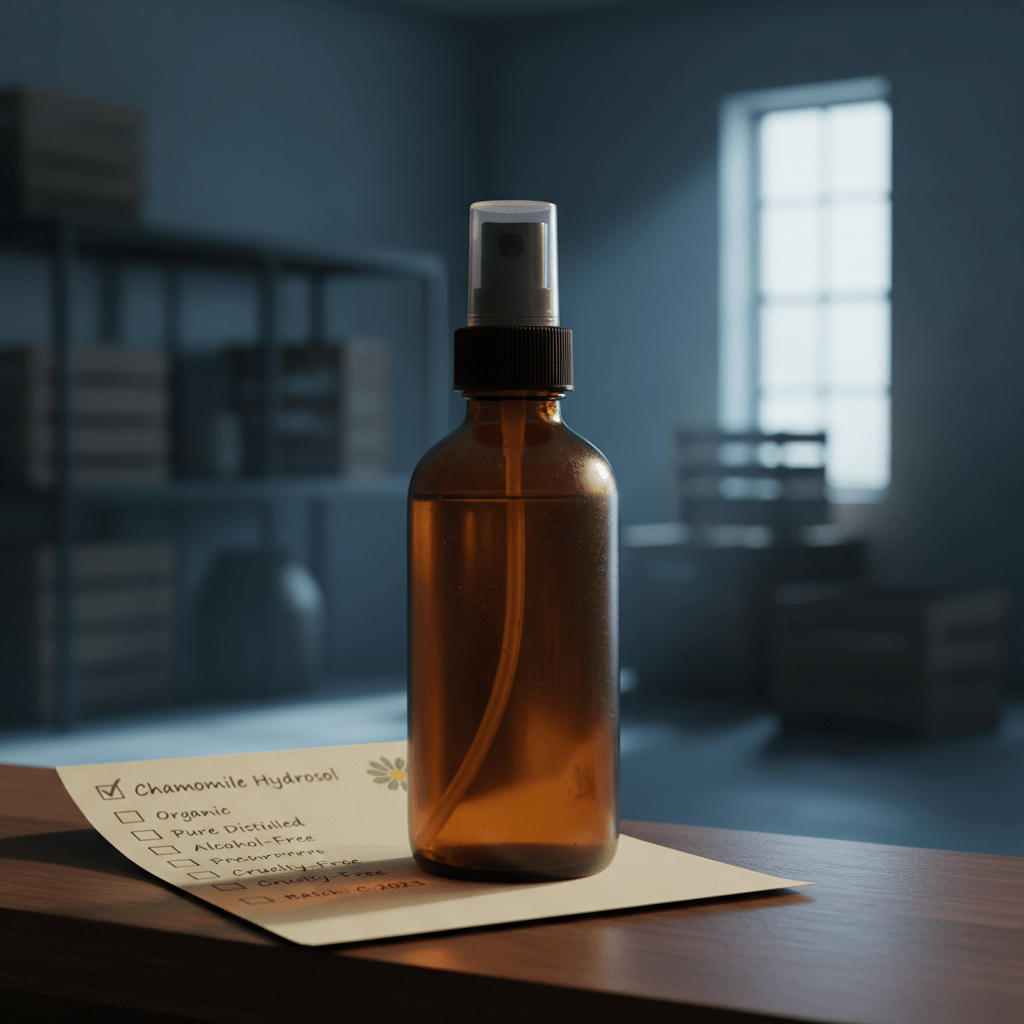
So let’s keep it simple. A good chamomile water should say 100% pure hydrosol or distillate. Look for the full botanical name too, like Chamaemelum nobile for Roman chamomile water or Matricaria recutita for German chamomile water. I’d also check for country of origin, organic certification, and a distillation or bottling date. Fresh matters. A lot.
What to look for on the label
| Good sign | Why it helps |
| 100% pure hydrosol | Means it’s the real distilled plant water |
| Botanical name | Tells you which chamomile you’re getting |
| Organic certification | Gives a little extra trust in the source |
| Country of origin | Helps with traceability |
| Distillation date | Fresher product usually means better quality |
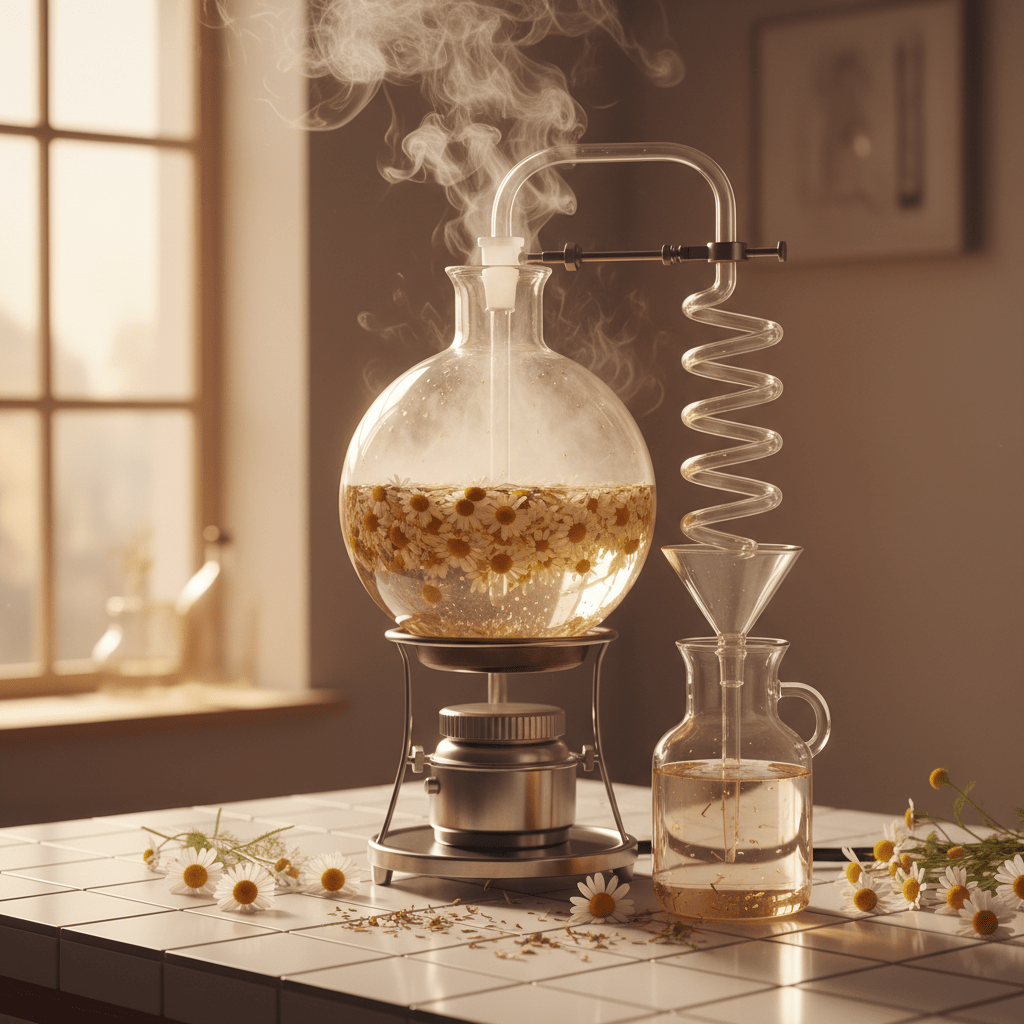
And here’s what I’d avoid: alcohol, polysorbate, fragrance or parfum. Those can point to a mixed-up product, not a true chamomile hydrosol. If you want the real thing, that matters. No mystery bottle vibes.
How to store it right
Chamomile water is water-based, so it can spoil if you leave it sitting around warm and bright. Store it in a cool, dark place. The refrigerator is even better, since the cold helps slow down microbial growth. For most opened bottles, use it within 6 to 12 months. Unopened bottles usually last longer, but still keep them away from heat and sunlight.
Signs it’s gone bad
This part is easy to miss, but don’t shrug it off:
- cloudy look
- slimy feel
- sour or fermented smell
- weird bits floating in it
If you see any of that, toss it. Don’t “test it one more time.” Just let it go. A spoiled hydrosol can irritate skin, and nobody needs that extra drama.
For brands like Aroma Monk, this is where quality and traceability really count. If you’re buying chamomile water for skin care, a natural calming spray, or aromatherapy for sleep, ask for clear sourcing details and lab-tested purity. That way, you’re not just buying a scent. You’re buying something you can actually trust.

Conclusion: Embrace the Gentle Efficacy of Chamomile Water
Some days, you don’t need a big fix. You just need something soft that works.
That’s really the charm of chamomile water. It can help calm skin that feels fussy, support a slower bedtime mood, and give you a simple way to start with aromatherapy for sleep without jumping straight into stronger oils. It’s gentle. It’s easy to use. And for people with sensitive skin, kids, or anyone who’s new to hydrosols, that low-pressure feel is a big deal.
We’ve looked at the benefits of chamomile water, how to use chamomile hydrosol, and how it stacks up in the hydrosol vs essential oil conversation. The short version? Roman chamomile water tends to feel mellow, while German chamomile water often brings a little more skin-soothing muscle. Either way, you get a natural calming spray that fits into real life pretty easily.
So if you want a simple place to begin, start tonight by creating a chamomile pillow mist and experience its calming benefits for yourself. One small spray. That’s it.
If you’re building a wellness shelf or a product line, chamomile water also pairs nicely with rose water, essential oils, and other plant-based staples from Aroma Monk. Clean, calm, and easy to trust. Pretty nice combo.
Get a quote from Aroma Monk.
Essential Oil Supplier – Bulk pricing • Samples • Fast response