

Beyond the Hype: Why Glycerine is the Skincare Staple You Shouldn’t Ignore
Ever stood in the skincare aisle and thought, “Wait… do I need peptides, snail mucin, rice water, or some rare berry I can’t pronounce?” Yeah, same.
A lot of us are tired of the ingredient chase. And honestly, we’re not alone. A 2023 report found that 79% of British consumers feel overwhelmed by skincare, and 77% think it’s full of misinformation. That tracks. People want products that work, not just fancy labels and loud claims. Source
That’s where glycerine quietly wins.
It’s not flashy. It doesn’t trend because of a cute name. But glycerine in skincare products has been around for ages because it does the job. It helps skin hold water, feel softer, and look a little more alive. Dr. Mina Amin put it simply: glycerin is a humectant that attracts and binds water into the skin, helping it stay hydrated, plump, and smooth. That’s the kind of no-drama ingredient we can get behind.
So let’s break it down. What is glycerin, how does it work, why do skin pros keep using it, and is glycerin good for oily skin too? We’ll get into the real glycerin benefits for skin, plus how it compares with hyaluronic acid and how to use glycerine on your face without making a mess.

What Exactly is Glycerine? Demystifying a Skincare Powerhouse
If you’ve ever flipped over a bottle and seen glycerine listed, you might’ve kept scrolling. It sounds plain. Almost too plain.
But that’s kind of the point.
Glycerine, also called glycerol, is a simple sugar alcohol. And yes, it’s already found in healthy skin. Your skin makes it, keeps it, and leans on it to help hold water where it belongs. That’s why glycerin for skin keeps showing up in so many glycerin in skincare products, from face wash to rich creams.
Most modern formulas use vegetable glycerin, which usually comes from plant oils like soy, coconut, or palm. So if you care about vegan-friendly or cruelty-free products, that matters. It fits a lot of different lifestyles without making a fuss. Pretty nice, right?
Here’s the deal: glycerin is a humectant. That just means it acts like a water magnet for the skin. It pulls moisture in and helps keep it there, which is why skin can look softer, feel bouncier, and seem a little more fresh after use.
And skincare pros keep coming back to it for a reason. Dr. Mina Amin, a board-certified dermatologist, says glycerin is “a powerful humectant commonly included in skincare routines” because it helps attract and bind water into the outer layer of skin, keeping it hydrated, plump, and smooth source.
That’s not glam. But it works.
If you’re wondering what is glycerin doing differently from trendy stuff on your feed, the answer is simple. It’s one of those quiet helpers that does a lot behind the scenes. And for many people, that’s better than a fancy label with a hard-to-pronounce ingredient.
A few quick facts:
| Term | What it means |
| Glycerine / glycerol | The same ingredient, just different names |
| Main type in cosmetics | Usually vegetable glycerin |
| Skin role | Humectant, or water-binding ingredient |
| Best known for | Helping skin stay moist and comfy |
So if you’ve been chasing the next big thing, maybe it’s time to give the old reliable one a look. Glycerine in skincare products isn’t loud. It’s just useful. And honestly, that’s a big deal.
The Science of Hydration: How Glycerine Transforms Your Skin
Ever splash on a moisturizer and still feel dry an hour later? So annoying. That usually means the water is there, but it’s not staying put.
That’s where glycerine gets interesting. Glycerine in skincare products works like a tiny moisture helper. It pulls water from the air when humidity is there, and it can also draw water up from deeper skin layers to the outer layer, called the stratum corneum. That top layer is the one you see every day, so when it gets more water, skin tends to look smoother and feel softer.
But glycerine does more than grab water. It also helps your skin barrier hold onto it. That matters because a weak barrier lets water slip out faster. That water loss has a name: transepidermal water loss, or TEWL. Fancy term, simple problem. Dry skin.
Research backs this up. A board-certified dermatologist, Dr. Mina Amin, said glycerin attracts and binds water into the outer layer of skin, helping it stay hydrated, plump, and smooth source. And that lines up with what cosmetic chemists see in real formulas. Glycerin is a humectant, yes, but it also helps other ingredients spread and sink in better. Kind of a team player. Not the star of the show, maybe, but the one making the whole thing work better.
Here’s the part that surprises people:
| Skin job | What glycerine does |
| Pulls in moisture | Draws water toward the skin’s top layer |
| Supports the barrier | Helps reduce moisture loss |
| Helps active ingredients | Can improve how other ingredients move through a formula |
| Softens skin feel | Makes skin look and feel less tight |
That’s why glycerine shows up in so many glycerin for skin formulas, from simple cleansers to richer creams. It’s also why many people ask, is glycerin good for oily skin? Short answer: yes, usually. Oily skin still gets thirsty. When skin is balanced, it often feels less greasy, not more.
And if you’re comparing glycerin vs hyaluronic acid, they’re more like teammates than rivals. Hyaluronic acid gives a surface plump look. Glycerine goes deeper into the skin’s top layer and supports barrier health. Different jobs. Same goal. Better hydration.
Plus, glycerine is cheap for brands, stable in formulas, and easy to work with. That helps explain why it keeps showing up in products people actually repurchase. Not flashy. Just solid.
If you’re shopping for something simple, look for glycerin in skincare products near the top of the ingredient list. That usually means it’s doing real work, not just tagalong duty. And if your skin is extra dry or sensitive, a gentle glycerin moisturizer can be a very smart place to start.
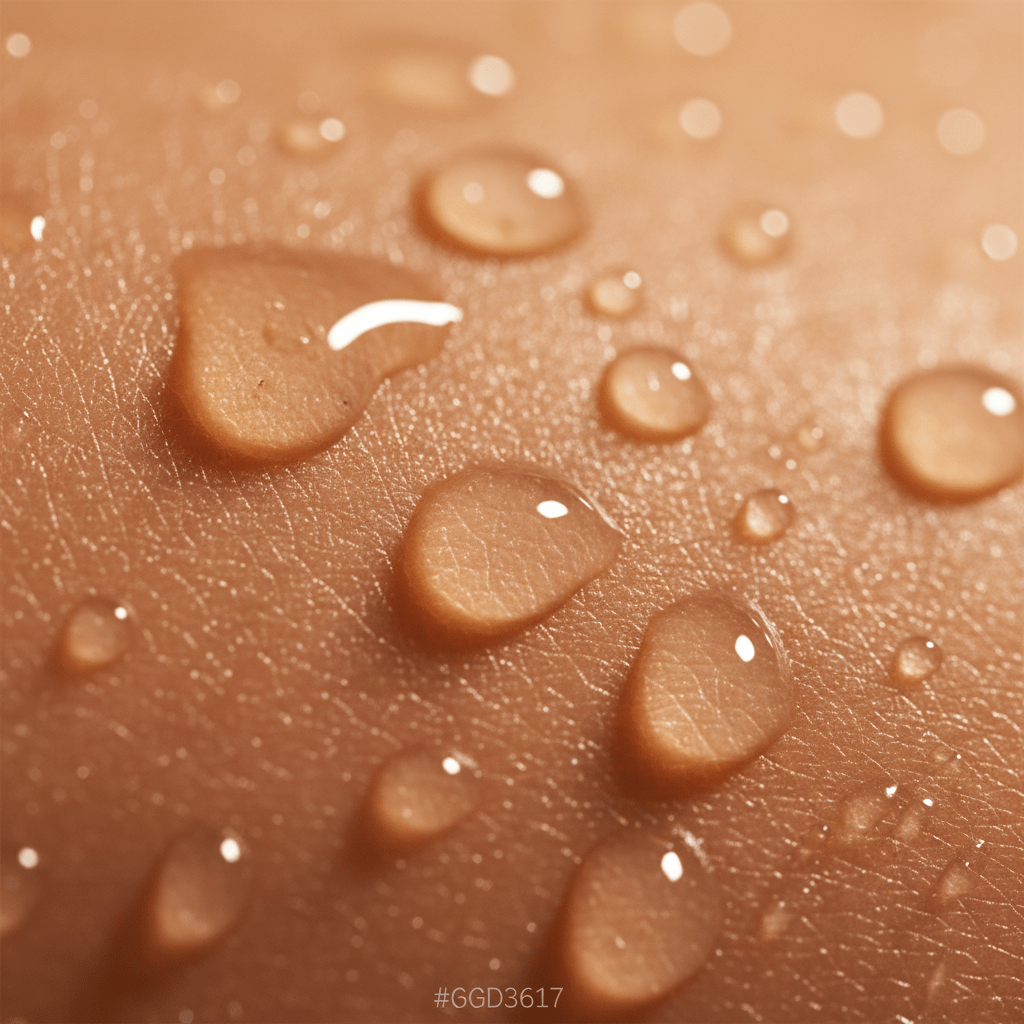
5 Clinically-Proven Benefits of Glycerine for Skin Health
You know that dry, tight feeling after washing your face? That little squeak your skin makes. Not cute.
Glycerine helps with that. And not in a flashy way. It just works, which is kind of refreshing in a skincare aisle full of loud promises.
Here’s the thing: skin experts keep coming back to glycerine because it pulls water into the skin and helps keep it there. Dr. Mina Amin, a board-certified dermatologist, says glycerin is a powerful humectant that attracts and binds water into the outer layer of skin, helping it stay hydrated, plump, and smooth source. Pretty plain. Pretty solid.
1) Deep, lasting hydration
This is the big one.
Glycerine in skincare products helps the top layer of skin hold more water, so skin feels less dry and looks less flaky. In clinical studies, glycerine-based moisturizers have been linked with better hydration after just 2 weeks of use. Some trials showed hydration gains around 20% to 28%.
That’s not tiny. That’s a real shift.
And if your skin gets rough in winter, this is the kind of ingredient that can make a bottle feel worth it. Glycerin for skin works best in leave-on products like creams, serums, and lotions, especially when you apply them to damp skin.
2) Stronger skin barrier
A weak skin barrier is like a screen door with holes. Water slips out. Irritants get in.
Glycerine as a humectant helps the barrier hang on to moisture, and that can lower transepidermal water loss, or TEWL. One study on topical glycerol showed better barrier recovery after skin was irritated. So yes, it helps skin bounce back a little faster after stress.
That matters if you deal with cold weather, pollution, or just too many strong actives at once. Been there.
3) Calmer, less cranky skin
If your skin gets angry easily, glycerine may be your friend.
It’s known for being gentle and non-irritating, which is why it shows up in products for eczema, rosacea, and sensitive skin. It doesn’t add fragrance or extra oils. It just hydrates without making a fuss.
A lot of people ask, is glycerin good for oily skin? Usually, yes. Oily skin can still be dehydrated, and when you add water back in, it may feel less greasy. Weird, right? But it happens all the time.
4) A plumper look and softer fine lines
Nobody’s saying glycerine erases wrinkles. Let’s keep it real.
But when skin is well hydrated, fine lines often look softer for a while. That plumped-up look comes from water being held in the skin’s top layer. So if your under-eyes or cheeks look a little crepey by lunchtime, glycerine can help them look smoother.
This is one reason people compare glycerin vs hyaluronic acid. Hyaluronic acid gives a surface plump look, while glycerine supports deeper hydration in the outer skin layer. They’re good teammates, not rivals.
5) Helps healthy skin cell turnover
This one gets less hype, but it’s pretty cool.
Glycerine plays a role in normal skin cell maturation. In plain English, it helps skin cells grow and move through their life cycle the way they should. That matters for overall skin health and for healing small bits of irritation or damage.
So if you’ve ever wondered what is glycerin doing beyond hydration, that’s part of it. It helps skin stay in a steadier rhythm.
Here’s a quick cheat sheet:
| Benefit | What it can help with |
| Deep hydration | Dryness, flaking, rough texture |
| Barrier support | Moisture loss, weak skin barrier |
| Skin soothing | Sensitive or reactive skin |
| Temporary plumping | Fine lines, dull look |
| Cell maturation | Healthy skin repair and turnover |
The best part? Glycerine in skincare products is easy to find, and it usually plays well with other ingredients. If you want a simple place to start, look for a gentle glycerin moisturizer, or try using glycerin on face products after cleansing, while skin is still a bit damp.
And if you’re building skincare formulas for a brand, glycerine is one of those quiet ingredients that gives a lot without asking for much. That’s probably why it keeps showing up in the best-selling stuff.
Get a quote from Aroma Monk.
Essential Oil Supplier – Bulk pricing • Samples • Fast response
Glycerine vs. Hyaluronic Acid: Which Hydrator Reigns Supreme?
This one comes up all the time. And I get why.
You see glycerine on one label, hyaluronic acid on another, and suddenly it feels like you need a chemistry degree just to buy a face cream. But the truth is way less dramatic. These two are more like buddies than rivals.
Both are humectants, which means they help skin hold water. But they don’t work in exactly the same way. Hyaluronic acid is the bigger molecule. It sits more on the surface and can hold up to 1,000 times its weight in water, which is why it gives that quick, cushiony plump look. Glycerine is smaller, so it can move into the skin’s outer layer more easily and give steadier hydration plus barrier support.
So if hyaluronic acid is the flashy friend who shows up looking amazing at brunch, glycerine is the dependable one who helps you through Monday morning. Both matter.
Here’s a simple side-by-side look:
| Ingredient | Main job | Where it works best | Feel on skin |
| Glycerine | Draws in water and supports the skin barrier | Deeper in the outer skin layer | Soft, comfy, less tight |
| Hyaluronic acid | Holds water at the surface for a plump look | Mostly on top of skin | Bouncy, smooth, dewy |
The nice part? You usually don’t have to pick a winner.
A lot of smart formulas use both glycerine and hyaluronic acid together. That gives skin hydration at more than one level. Hyaluronic acid helps with that fast, visible plumpness. Glycerine helps with the longer game by keeping the outer skin layer steady and happy. Different strengths. Same team.
And yes, that’s why some products feel better than others. A serum with both can help skin feel hydrated right away, then stay that way longer after you seal it in with a moisturizer. If you’ve ever used a product and thought, “Nice at first, but then my skin got dry again,” this is probably why.
If you’re shopping for glycerine in skincare products, don’t worry if hyaluronic acid is also on the label. That’s usually a good sign, not a confusing one. And if you’re comparing glycerin vs hyaluronic acid for oily skin, glycerine often wins for simple, steady hydration without that heavy feel. But honestly, plenty of people do well with both.
A good rule of thumb:
- Want a quick plump look? Hyaluronic acid helps.
- Want steady hydration and barrier support? Glycerine shines.
- Want the best of both? Use products that include both.
That’s the real answer. Not either/or. More like “why not both?”
And if you’re building products for a brand, this is where thoughtful ingredients matter. Glycerine pairs well with gentle botanicals and simple formulas, which is one reason brands that focus on clean, practical skincare keep using it. A little rose water, a good humectant, and a smart formula can go a long way.
For ingredient-heavy shoppers, this is also a nice reminder to look past the hype and read the label. The best hydrator is the one your skin actually likes.
Want a shortcut? Try a glycerin moisturizer with hyaluronic acid and apply it to damp skin. Simple. No drama. Just better hydration.
Is Glycerine Safe for Your Skin Type? (Oily, Acne-Prone, Sensitive)
You know that moment when your skin feels greasy, but somehow still tight? Annoying. And super common.
That’s where glycerine gets a lot of love. It gives skin water without adding oil, which is why it fits so many routines so well. A lot of people still ask, what is glycerin doing in a face cream if my skin already gets shiny? The short answer is this: it hydrates without clogging pores.
For oily and acne-prone skin, glycerine is usually a very safe pick. It has a comedogenic rating of 0, so it does not clog pores. Since it’s oil-free, it can help skin feel calmer and less likely to overdo sebum. I’ve seen this happen a lot with simple routines. When skin gets enough water, it sometimes stops acting like it needs to make extra oil to fight dryness. Weird, right? But real.
For sensitive skin, glycerine is even more of a friend. It’s one of those ingredients that tends to show up in products for redness, rosacea, and eczema because it’s so well-tolerated. Dr. Mina Amin says glycerin is a powerful humectant that attracts and binds water into the outer layer of skin, helping it stay hydrated, plump, and smooth source. That’s a big reason it keeps showing up in glycerin in skincare products made for reactive skin.
For dry and dehydrated skin, this is really glycerine’s sweet spot. If your face feels rough, flaky, or stingy after washing, glycerin for skin can bring back that comfy, soft feeling fast. It helps the skin hold water, and that can make a huge difference when the weather turns cold or the heater runs all day.
Here’s a quick look:
| Skin type | How glycerine helps |
| Oily skin | Adds water without oil, so skin may feel less greasy |
| Acne-prone skin | Non-comedogenic and gentle on clogged pores |
| Sensitive skin | Usually very well-tolerated and fragrance-free |
| Dry skin | Brings comfort, softness, and less flaking |
There are a few rare things to watch for. If glycerine is used in very high amounts, like in a super strong DIY mix, it can feel sticky or irritating. That’s not the usual case with normal products, though. Most leave-on formulas use it in a balanced way, which is why using glycerin on face products is generally so easy.
So if you’re still wondering, is glycerin good for oily skin? Yes, usually. Is it okay for sensitive skin? Also yes, most of the time. And if your skin is dry, it may be one of the simplest places to start. Honestly, this is one of those ingredients that doesn’t need a big sales pitch. It just fits.
If you’re building a routine, try a gentle glycerin moisturizer or a simple serum with vegetable glycerin, then seal it in with a basic cream. And if you’re a brand working on skincare formulas, this is also where reliable ingredients matter. Aroma Monk’s pure rose water and carrier oils can pair nicely with glycerine-based blends for calm, hydration-focused products that feel clean and easy to use.
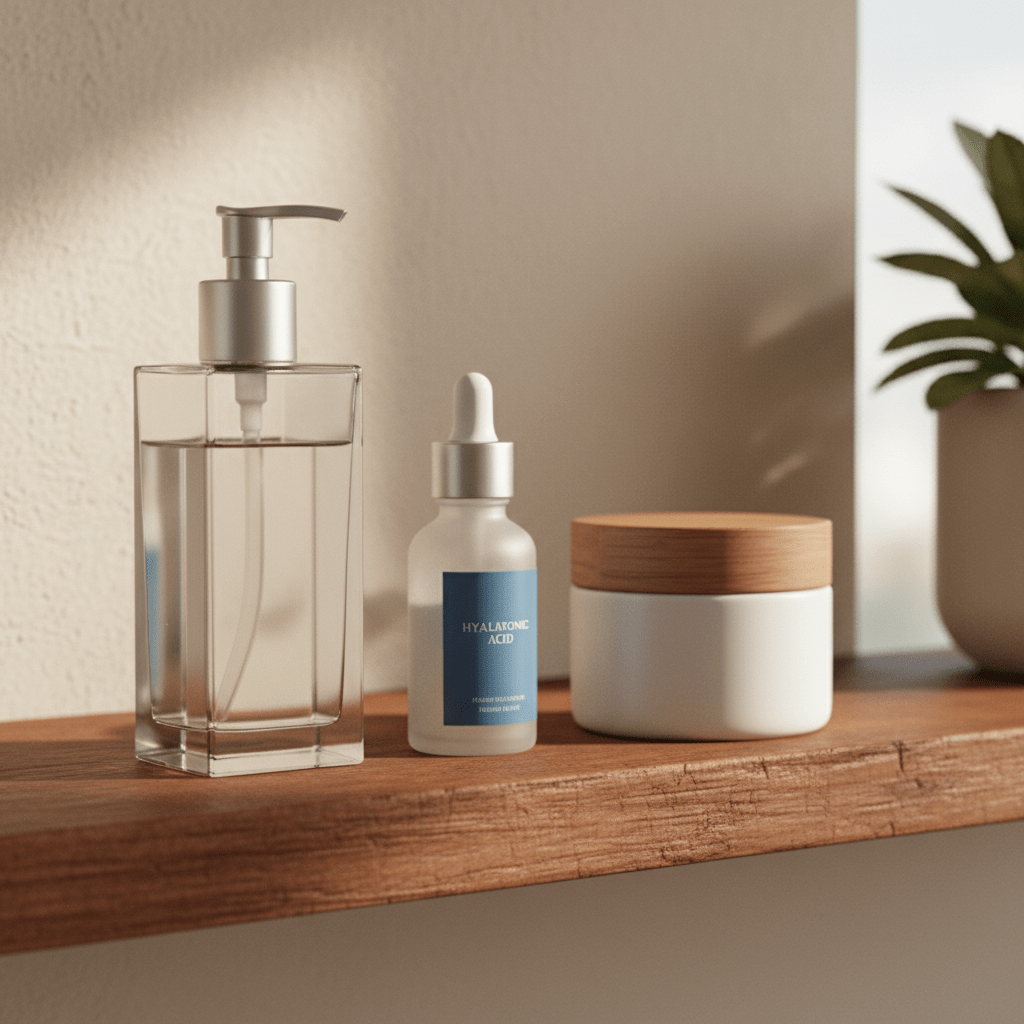
How to Effectively Use Glycerine in Your Skincare Routine
You know that moment when you buy a product because the front label sounds dreamy, then the ingredient list looks like a coding assignment? Yeah. Been there.
That’s why glycerine is such a nice reset. People are getting tired of skincare confusion too. One 2023 report found that 79% of British consumers feel overwhelmed by skincare, and 77% think it’s full of misinformation. So if you’re looking for something simple and proven, glycerine in skincare products is a pretty smart place to start source.
Here’s how to use it without overthinking it.
1) Check where it sits on the label
Flip the bottle over and look for glycerin or glycerine in the ingredient list. If it shows up in the top 5 ingredients, that usually means the formula has a real amount of it, not just a tiny sprinkle for marketing.
That matters because glycerin for skin works best when it’s actually present in enough amount to do its job. And if you’re shopping for glycerin in skincare products, this is the easiest first check.
2) Put it on damp skin
This part is simple, but it makes a big difference.
Use glycerine-containing toners, serums, or moisturizers right after cleansing, while your skin is still a little damp. Why? Because glycerine as a humectant pulls water in. If there’s no water around, there’s less for it to work with. Damp skin gives it a better job to do.
A lot of people ask, is glycerin good for oily skin? Usually, yes. And this damp-skin trick helps keep the feel light instead of sticky.
3) Seal it in
After your glycerin serum or toner, follow with a moisturizer. If your skin is very dry, add a cream on top. That helps lock in the water glycerine pulled in.
Think of it like this:
| Step | What to use | Why it helps |
| 1 | Cleanser | Removes oil and dirt |
| 2 | Glycerin toner or serum | Adds water to the skin |
| 3 | Moisturizer | Keeps that water from slipping away |
4) Don’t use 100% pure glycerine straight on your face
This one’s a biggie.
Pure glycerine sounds harmless, but using it alone can backfire. In a dry environment, it may pull moisture from the skin instead of the air, which can leave skin feeling tighter or more irritated. So no, slathering on 100% pure glycerine is not the move.
If you want to try using glycerin on face skin, keep it in a finished product or dilute it properly. For DIY face mists, many skin pros suggest staying around 5% to 10% glycerine at most. That’s enough for hydration without the sticky mess.
5) Stick with simple formulas
If your skin gets cranky easily, pick products with short ingredient lists. Glycerine works well on its own, but it also plays nicely with rose water, ceramides, and even hyaluronic acid.
That’s one reason brands keep using it. It’s steady. It’s affordable. It works in lots of formulas. And yes, it shows up in a ton of glycerin benefits for skin products for a reason.
If you’re building a routine, or even making products for a brand, this is the kind of ingredient that makes life easier. Aroma Monk’s pure rose water and carrier oils can pair nicely with glycerine-based blends for calm, hydration-focused skincare that feels gentle and clean.
Simple works. Usually better than fancy.
Final Thoughts: Embrace This Humble Hydration Hero
Glycerine doesn’t need a flashy nickname. It just shows up and does the work.
If your skin feels dry, tight, oily, or a little touchy, this simple humectant can help. It pulls in water, supports the skin barrier, and helps skin feel calmer and softer. That’s why it keeps showing up in glycerin in skincare products, from basic moisturizers to fancy serums.
And honestly, the skincare aisle could use more of that energy. People are tired of loud claims and confusing labels. A 2023 report found that 79% of British consumers feel overwhelmed by skincare, and 77% think it’s full of misinformation source. So maybe the best move is the simplest one: check your labels, spot the glycerine, and give credit to the ingredient that quietly gets it done.
Next time you shop, look for it. Your skin will probably notice.
Get a quote from Aroma Monk.
Essential Oil Supplier – Bulk pricing • Samples • Fast response