
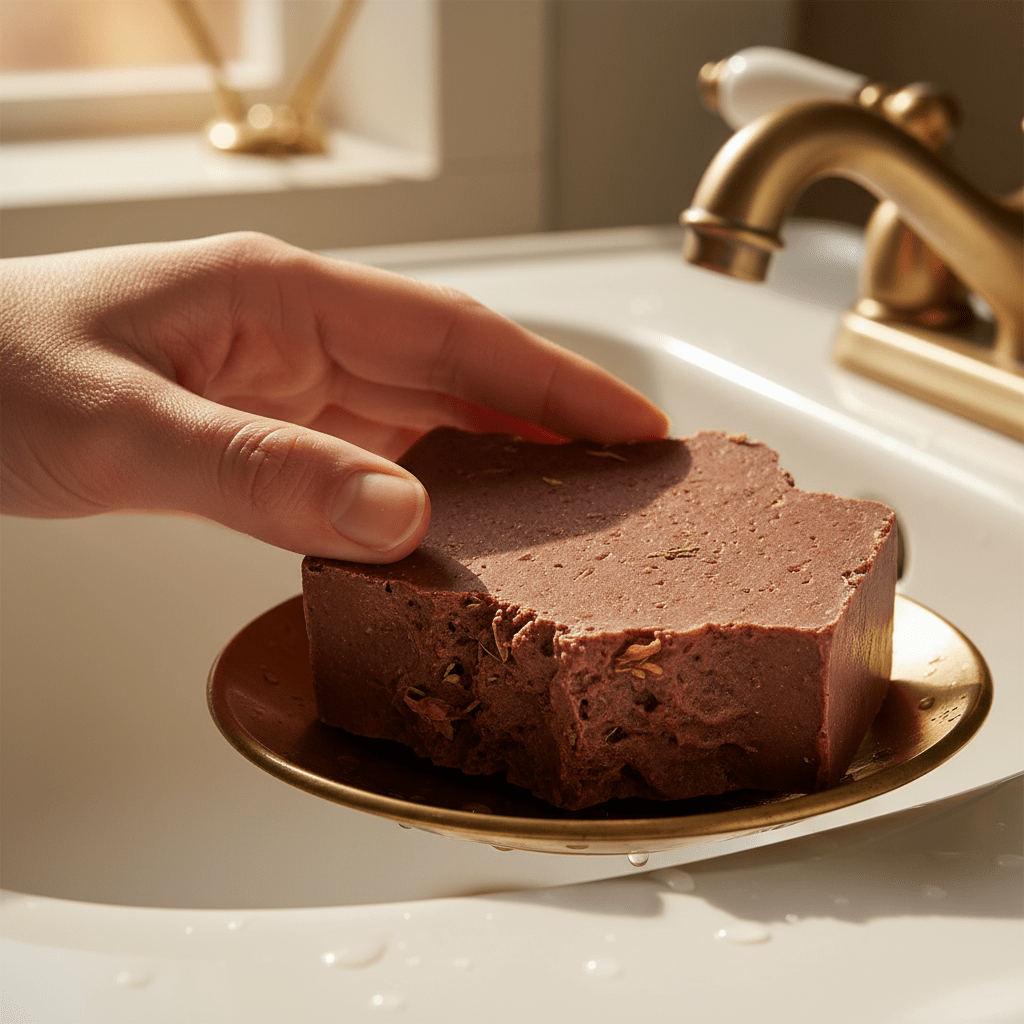
Why Some Soaps Dry Your Skin and Others Don’t: The Glycerine Secret
Ever wash your hands and feel like your skin got wrung out like a towel? Yeah, that dry, tight feeling is the worst. And if you’ve used a lot of mass-market bar soaps, you probably know exactly what I mean.
Here’s the thing. Not all soap treats your skin the same way. Some bars strip away too much moisture, while others leave your skin feeling soft and calm. A big reason is glycerine.
Glycerine is the quiet little hero in good handmade soap. It’s a natural humectant, which just means it likes water and helps hold it near your skin. In cold process soap making, glycerine shows up as a saponification byproduct. It’s made during the soap-making process itself, not usually tossed in later as an extra.
That’s why glycerin in soap matters so much. It can help a bar feel more skin-loving, which is one reason people keep asking, what is glycerine and why does it make soap feel better? A recent market report also shows the skincare market is still growing fast, with many shoppers looking for moisturizing and natural products (skincare market data).
So let’s break it down. The secret isn’t fancy. It’s just a smart little molecule doing its job.
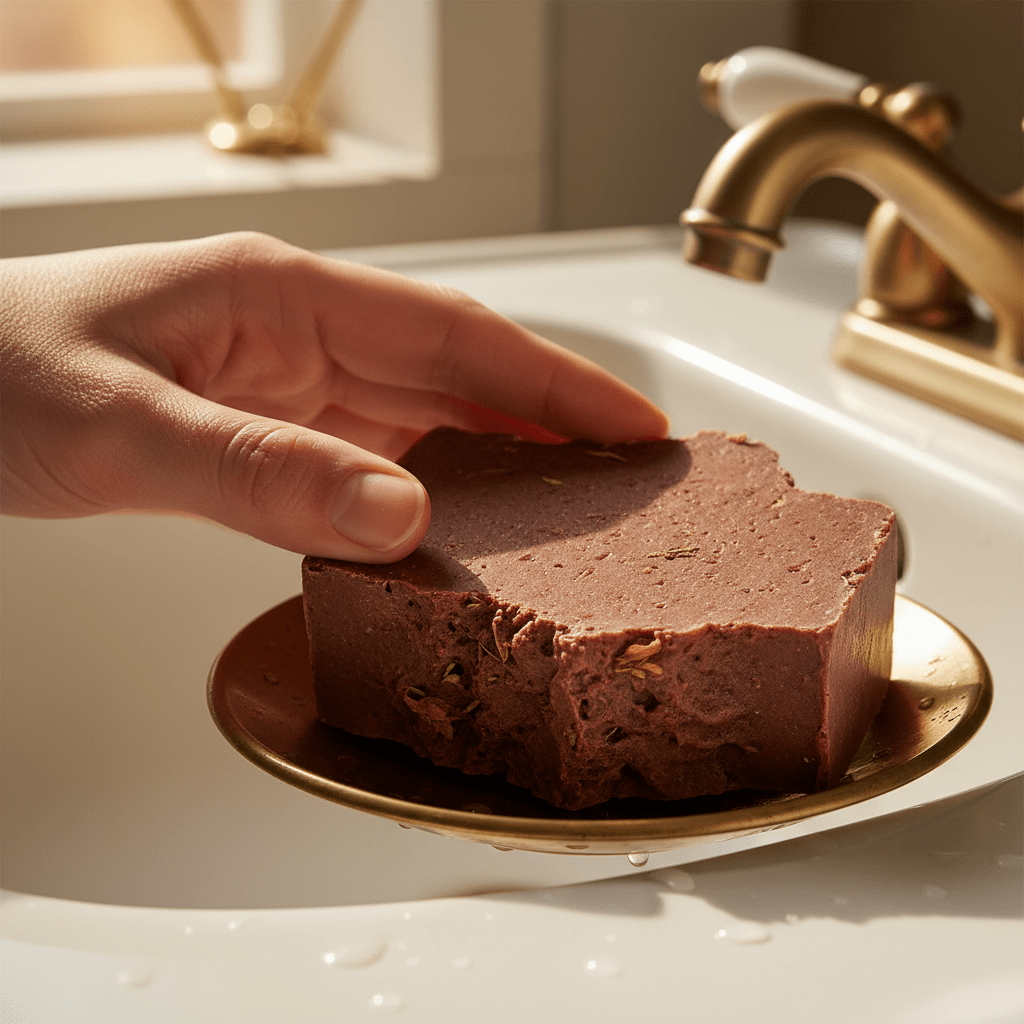
What Exactly is Glycerine? The Science of a Skin-Saving Humectant
You’ve probably seen it on a label and barely noticed it. Glycerine. Glycerin. Glycerol. Same family, same neat little job.
It’s a clear, odorless liquid that comes from fats and oils. That sounds a bit plain, I know. But this stuff has a big role in skin feel.
Glycerine is a natural humectant, which means it grabs water from the air and helps hold it in the top layer of your skin. So instead of your skin feeling stripped, it can feel softer and more comfortable after washing. That’s why glycerin in soap shows up again and again in moisturizing soap ingredients lists.
And it’s not some rare niche thing either. Glycerine turns up in toothpaste, lotions, cough syrups, food, and all kinds of personal care products. That wide use helps build trust, too. We’re not talking about a mystery add-on here.
For soap makers, this is where cold process soap making gets interesting. Glycerine is a saponification byproduct, so it forms naturally as oils turn into soap. Pretty cool, right? And if you’re making bars for dry skin, that little bit of extra moisture can make a real difference.
A recent skincare market report shows people are still hunting for moisturizing and natural products, with the global skincare market valued at USD 135.7 billion in 2023 and expected to keep growing (skincare market data).
If you’re comparing handmade soap vs commercial soap, this is one of the first things to check. The glycerine secret is simple. It helps soap feel kinder on skin.
The Magic of Saponification: Where Glycerine is Born
Ever made pancakes and watched the batter turn into something totally new? Soap making has that same kind of magic. But here, the change is a little more science-y.
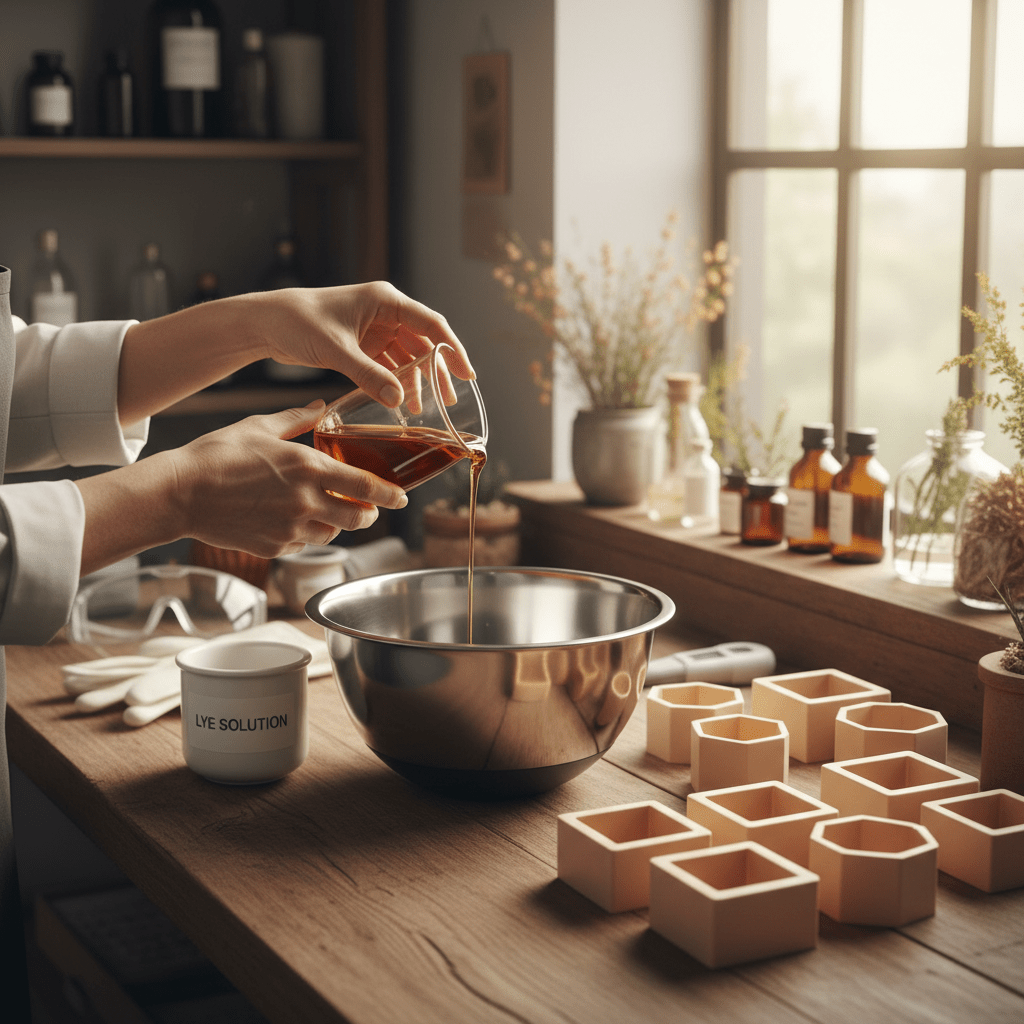
When oils or fats meet lye, a reaction starts. That reaction is called saponification. In simple terms, triglycerides from fats and oils mix with sodium hydroxide and turn into soap + glycerine. No fancy trick. Just chemistry doing its thing.
Here’s the neat part. For every three molecules of soap created, one molecule of glycerine is released. So glycerine in soap is not some extra add-on in cold process soap making. It’s made right there during the process. A lot of finished soap bars end up with about 5% to 10% glycerine from this natural reaction. That’s a pretty big chunk for one quiet little ingredient.
Think of it like baking a cake. You mix flour, eggs, and sugar, and you don’t get the same separate parts back. You get cake… and maybe a little steam rising from the oven. Same idea. In soap, you can’t make the soap without also creating glycerine. It comes with the deal.
That’s why handmade soap vs commercial soap can feel so different. In handmade bars, the glycerine often stays put. In many mass-produced bars, it gets removed because it has more value in lotions, skin care, and other products. And honestly, that says a lot about why a good bar feels better on skin.
People are clearly looking for that softer feel, too. The global skincare market hit USD 135.7 billion in 2023, and natural, moisturizing products keep getting more attention (skincare market data).
So when you see glycerin in soap, think of it as a built-in bonus. Not an afterthought. Not a filler. Just part of the soap’s own birth story.
And if you’re making or buying bars with dry skin in mind, that little bonus can be the whole point.
Retained Glycerine: The Key Difference Between Handmade and Commercial Soap
You know that weird moment when a bar of soap looks fancy, smells nice, and then your skin feels like it needs a drink? Yeah. That’s the part a lot of people miss.
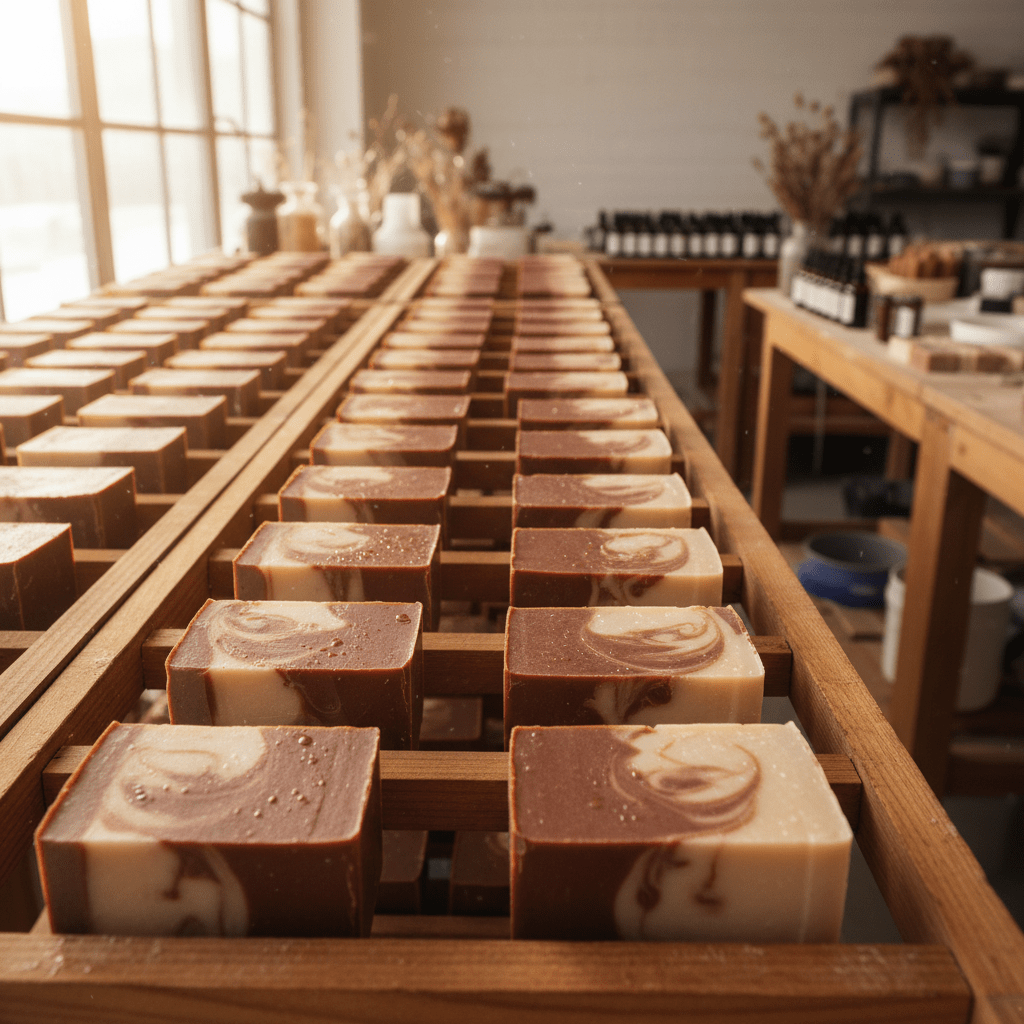
In cold process soap making and hot process soap making, the glycerine made during saponification stays in the bar. It does its job right there in the soap. That’s why many handmade bars feel gentler and more moisturizing on dry skin. The naturally formed glycerine helps the bar act more like a skin-friendly wash and less like a strip-down cleanser.
And here’s the twist. Big commercial makers often take that glycerine out. This is called glycerine recovery. The soap base is washed and separated so the glycerine can be collected on its own. Why bother? Money. Glycerine is worth more as a separate raw material than as part of a soap bar, so it can be sold for lotions, creams, and medicines. That’s a pretty good business move, even if your elbows don’t love it.
| Soap type | What happens to glycerine | How it usually feels |
| Handmade cold process soap | Glycerine stays in the bar | Soft, creamy, more moisturizing |
| Handmade hot process soap | Glycerine stays in the bar | Similar skin feel, a bit more rustic |
| Many commercial soap bars | Glycerine is removed and sold | Can feel drier or more stripped |
This is one big reason handmade soap vs commercial soap feels so different. In a true handmade bar, the glycerine is part of the final product. In many factory-made bars, it gets pulled out, then used in pricier products like creams and medicines. So the bar you buy at the store may not be keeping the best part of the soap for your skin.
That also helps explain why shoppers keep looking for moisturizing soap ingredients and products with a natural humectant like glycerine. People want bars that clean without making skin feel tight. And honestly, who can blame them? The skincare market keeps leaning that way, with strong demand for moisturizing and natural products.
If you’re making soap for dry skin, this part matters a lot. Look for bars that keep their glycerin in soap naturally, and if you’re buying ingredients for your own brand, choose suppliers who understand what makes a bar feel good on skin. For brands working with natural personal care lines, Aroma Monk’s lab-tested essential oils, rose water, and carrier oils can fit right into a more skin-kind formula.
And yes, there’s also glycerin dew on soap sometimes. That’s when glycerine pulls moisture from the air and the bar gets a little sweaty. Annoying? Sure. But it’s also a sign that the glycerine is still there doing its thing.
Actually, that’s the whole point.
Get a quote from Aroma Monk.
Essential Oil Supplier – Bulk pricing • Samples • Fast response
How to Maximize Glycerine’s Benefits in Your Soap Batches
You know that sweet spot where a soap bar feels clean but not stingy? That’s what we’re after here. And glycerine helps a lot, but it works even better when you make smart recipe choices around it.
One of the easiest tricks is superfatting. That just means leaving a small bit of extra oil in the batch so not every drop turns into soap. For body bars, a 5% to 7% superfat is a pretty common range. Face bars often sit a little higher, around 6% to 8%, especially if dry skin is the big concern. The extra oils team up with the naturally formed glycerine to make a bar feel richer and less harsh.
But don’t go wild with it. Too much extra oil can make the bar soft or slimy. Kind of a bummer if you wanted a sturdy bar that lasts. So the goal is balance, not maxing out moisture like you’re trying to win a contest.
Then there’s glycerin dew on soap. Yep, the same humectant power that helps skin can also pull moisture from humid air. That’s why bars sometimes look sweaty or get tiny beads on the surface. Annoying? Sure. Fixable? Yep.
Here’s what helps:
- Cure bars for 4 to 6 weeks in a cool, dry, airy spot
- Don’t wrap them in airtight plastic while they’re still curing
- Use racks or shelves so air can move all around the bars
- Store finished soap in low-humidity spaces when you can
- Pick breathable packaging like paper wraps or boxes with a little airflow
And a quick note on additives. Honey can boost lather and add more humectant feel, so bars may seem creamier. Clays can make the soap feel silkier and help firm things up, but they can also change how the bar drinks in moisture. In other words, they can be helpful, but they change the whole mood of the bar.
If you’re building a formula for dry skin, this is where the fun starts. The right balance of glycerin in soap, superfat, and a few thoughtful add-ins can turn a plain bar into something people actually look forward to using. And if you’re sourcing gentle natural ingredients for your brand, Aroma Monk’s essential oils, rose water, and carrier oils can fit nicely into skin-kind soap lines.
That’s the real trick. Not just making soap. Making soap that people want to keep by the sink.
Clearing the Confusion: ‘Glycerin Soap’ vs. Soap with Natural Glycerine
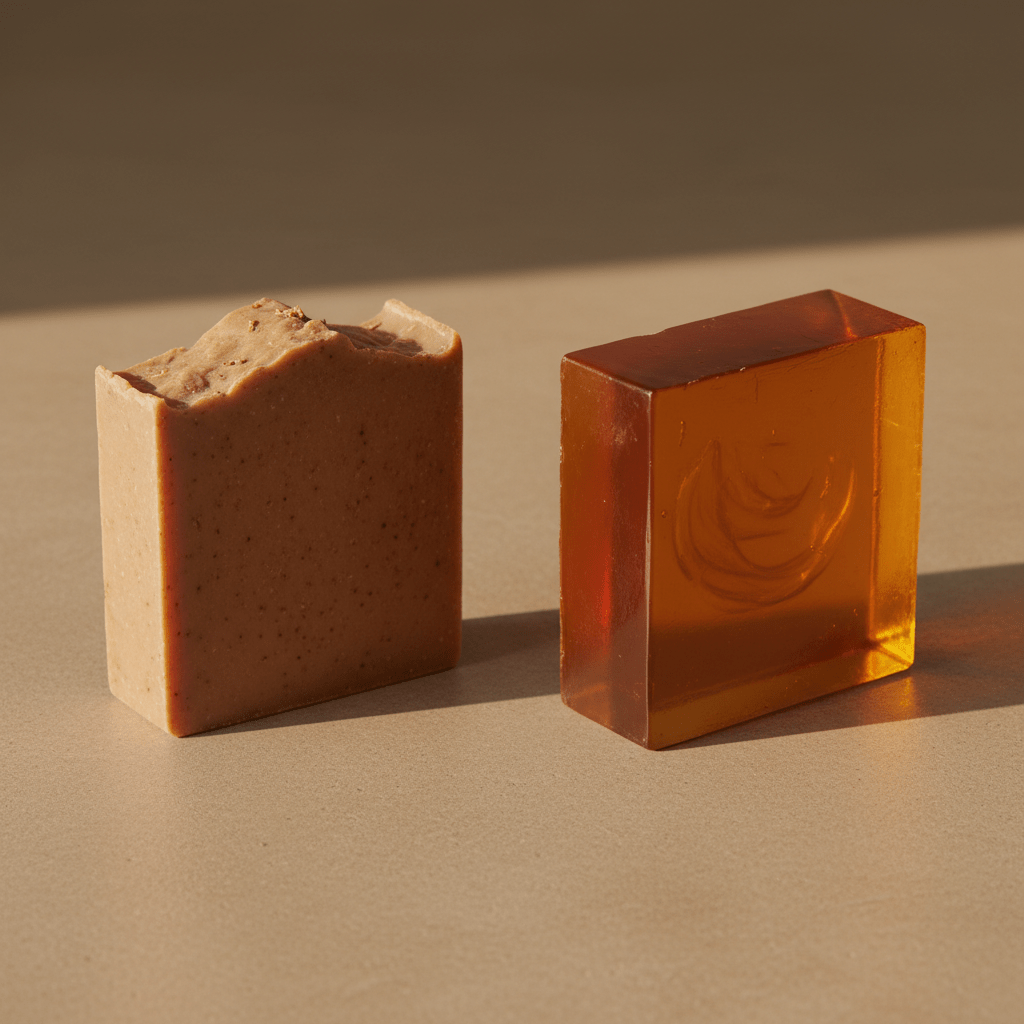
You know that shiny, see-through bar at the store? The one that looks a little like candy but is sold as soap? That’s usually what people mean by “glycerin soap.” And yep, it can be nice. But it’s not the same thing as a plain cold process bar.
Most of those clear bars are made from a melt-and-pour soap base. That base is already finished soap, then it gets mixed with extra glycerine, sugar, and alcohol so it stays clear and easy to remelt. Kind of like buying a cake mix that’s already halfway baked. Handy? Absolutely. But it’s a different path.
Cold process soap is more old-school. It’s made by mixing oils with lye, and the glycerine appears naturally during saponification as a saponification byproduct. So in an opaque handmade bar, you’re usually getting only the glycerine that the soap made for itself. No extra clear-bar trickery.
Here’s the simple breakdown:
| Soap type | What it is | Glycerine source | Look |
| Glycerin soap | Usually melt-and-pour | Added in after the soap is made | Clear or see-through |
| Cold process soap | True handmade soap | Naturally made during saponification | Often opaque |
Both can be good. But they’re not the same product. And if you’re shopping for moisturizing soap ingredients or making bars for dry skin, that difference matters a lot.
Plus, buyers are clearly paying attention. The skincare market is still leaning hard toward moisture and natural ingredients, with many shoppers looking for skin-friendly products like this 2024 skincare market data.
So when you hear “glycerin soap,” ask one more question: is it a clear melt-and-pour bar, or a cold process soap with naturally kept glycerine? That tiny detail tells you a ton about how the bar was made.
And if you’re building your own line, that’s where ingredients matter. Aroma Monk’s essential oils, rose water, and carrier oils can fit nicely into handmade soap and personal care products that aim for a softer, more skin-kind feel.
The Takeaway: Embrace the Natural Power of Glycerine
So here’s the real takeaway. Glycerine is the quiet reason a good soap bar feels kind on skin. It shows up during saponification as a natural gift, and artisan makers usually love keeping it right where it belongs, inside the bar.
That matters more than people think. A lot of shoppers are still reaching for moisturizing and natural products, and the skincare market keeps growing because of it (skincare market data). So if you make soap, or buy it, glycerine should be on your radar.
The next time you use a handmade soap, pay attention to that silky slip. That soft feel? That’s the natural glycerine working as a humectant, helping skin hold onto water instead of losing it too fast.
And if you’re building your own soap line, treat glycerine like a feature, not a side note. It’s one of the clearest signs you’ve got a truly handcrafted bar. Worth keeping. Worth talking about. Maybe even worth bragging on a little.
If you’re sourcing raw materials for a skin-friendly line, Aroma Monk’s lab-tested essential oils, rose water, attars, and carrier oils can fit nicely into handmade personal care products that aim for a softer finish.
Get a quote from Aroma Monk.
Essential Oil Supplier – Bulk pricing • Samples • Fast response