
Introduction: Decoding the Ingredient Label – What is Glycerine?
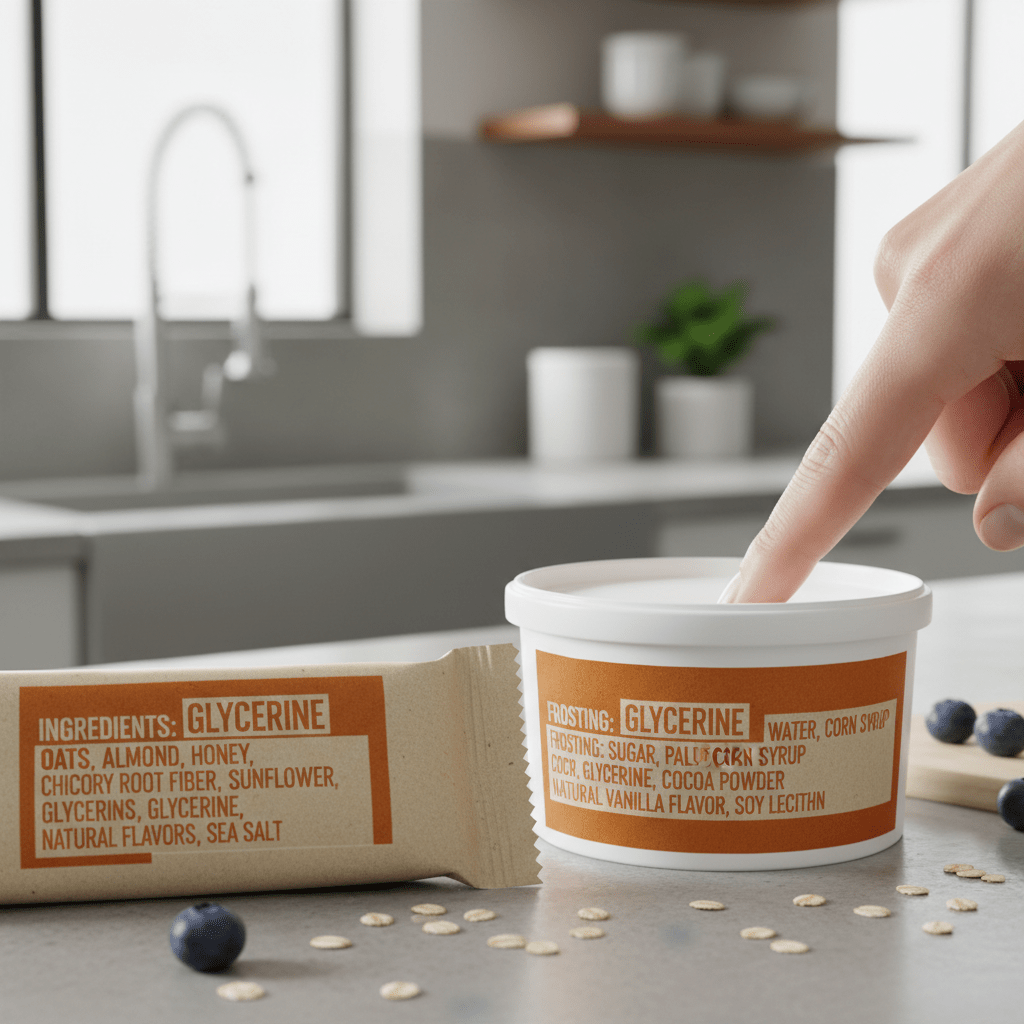
Ever picked up a protein bar, icing tub, or pack of chewy candy and spotted glycerine or E422 on the label? You’re not alone. That little word makes a lot of people pause.
Is it sugar? A chemical? Something you should worry about? Maybe all three, right? Funny enough, glycerine shows up in lots of everyday foods, from cakes and chewing gum to granola bars and marshmallows. And it’s often there for a simple reason: it helps keep food soft, moist, and stable.
Here’s the thing though. Glycerine in food gets judged fast, but the story is more interesting than the label makes it seem. In this article, we’ll break down what is glycerine, where glycerin in food comes from, and whether is glycerine safe to eat is really the big question people think it is.
We’ll also look at glycerine uses in food, how glycerine vs sugar stacks up, and what to know about side effects of glycerine. Plus, if you’ve ever seen vegetable glycerine and wondered if that changes anything, we’ve got that covered too.
If you like simple answers without the label panic, you’re in the right place. Let’s sort it out.
The Science of Glycerine (Glycerol): From Structure to Source
Ever wonder why one ingredient can sound so plain and so suspicious at the same time? Glycerine does that. It turns up on labels, and people start side-eyeing the package like it owes them money.
But the science is pretty simple. Glycerine, also called glycerol, is a sugar alcohol. That means it’s a kind of carbohydrate, but it’s not table sugar. And it’s not regular drinking alcohol either. Different lane. Different job.
At the tiny molecular level, glycerol is the 3-carbon backbone of a triglyceride, which is just a fat molecule with three fatty acids attached. Think of it like a little hub with three arms. The arms are the fatty acids. The hub is glycerol. Pretty neat, right?
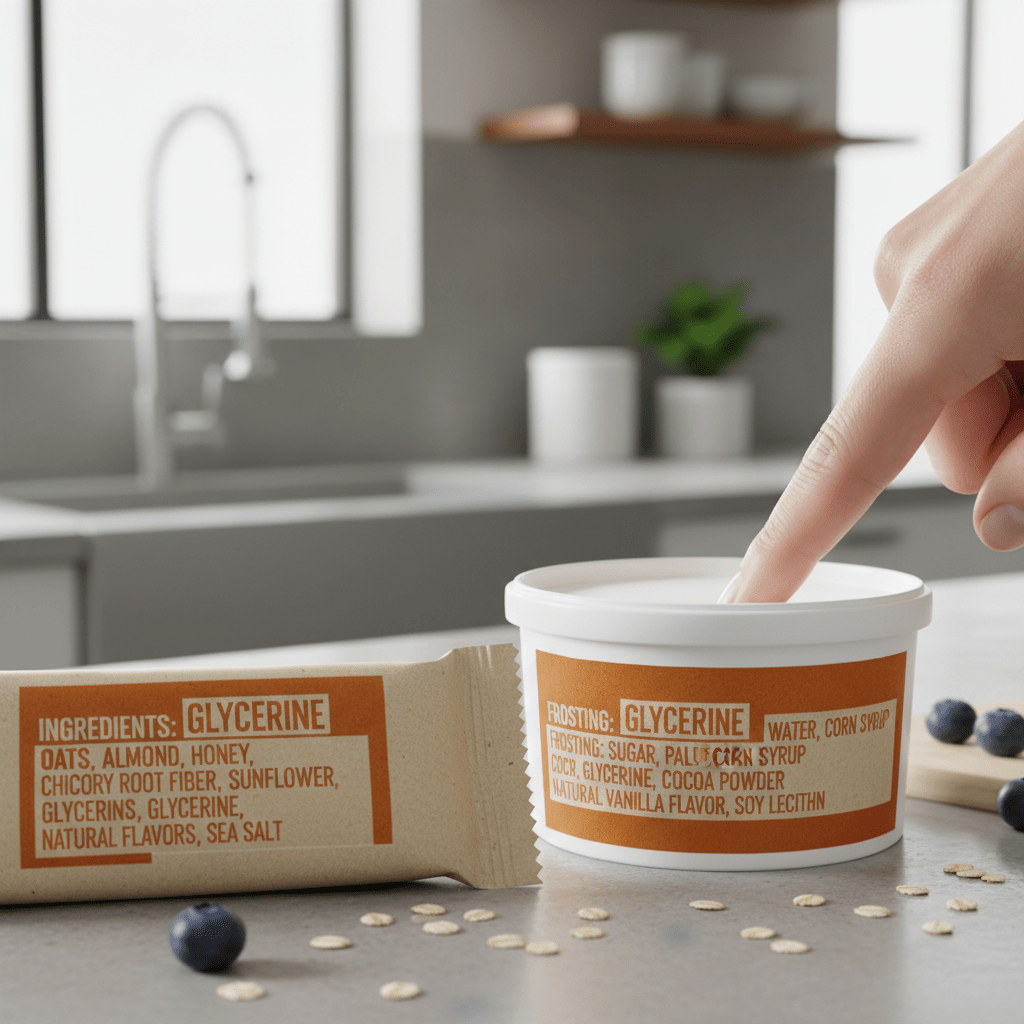
Here’s the part many people miss: glycerine comes from fats and oils found in both animals and plants. So it’s not some weird made-up lab goo. It’s part of the natural structure of oils you’d find in soy, palm, coconut, and even animal fats.
And when you see vegetable glycerine, that usually means it was made from plant oils. In food and cosmetics, it’s often pulled out as a byproduct during soap-making or biodiesel production. So the oil gets processed, and glycerine is one of the useful leftovers. Funny enough, the “leftover” part is what makes it so handy.
Most food-grade glycerine is plant based. In the market, plant sources usually make up about 70 to 80 percent, while animal fat sources are a small slice of the pie. That’s why brands that want a vegan or plant-based label often point out that theirs is vegetable glycerine.
If you’re scanning a label, you may also see glycerol, glycerin, or E422 food additive. Same family. Same basic ingredient. Just different names depending on the country or the label style.
For brands like Aroma Monk that care about clean, plant-based sourcing, that plant origin matters. Buyers often want raw materials that are traceable, lab-tested, and easy to explain to their own customers. And honestly, that makes sense. People want to know what’s inside their products. Even more so now than a few years ago.
Quick look at glycerine by source
| Source | Common use path | Typical market note |
| Soy, palm, coconut, rapeseed | Soap or biodiesel byproduct | Most food-grade glycerine comes from plants |
| Animal fats | Fat processing | Much smaller share |
| Synthetic routes | Petrochemical processing | Rare in food-facing brands |
So, what is glycerine really? A naturally occurring part of fats, a useful food additive, and a plant-derived option in many products. Not magic. Not mystery. Just a small ingredient doing a lot of quiet work.
If you want clean, traceable plant ingredients in your own product line, look for suppliers that can show source details, lab reports, and bulk consistency. That saves headaches later. And yep, it’s worth asking.
The Many Hats of Glycerine in Food Products (E422)
Ever bit into a protein bar that stayed soft for weeks? Or scooped frosting that didn’t crust over like old paint? Yep. Glycerine is often doing quiet little backstage work.
In food, glycerine wears a few hats at once. The biggest one is as a humectant, which just means it helps food hold onto water. That’s why you’ll find glycerin in food like cakes, nutrition bars, chewy candy, marshmallows, and icing. It keeps things soft, moist, and less crumbly. Nobody wants a protein bar that eats like a brick.
And it shows up a lot more than people think. A product database of 4.6 million items found E422 food additive in more than 41,000 products, with cakes, protein bars, and chewing gum leading the pack. So if you’ve seen it on a label, you’re not imagining things. It’s everywhere.
But moisture control is only part of the story.
Glycerine also works as a sweetener and bulking agent. It tastes mildly sweet, usually about 60 to 75 percent as sweet as sugar, but with fewer calories than sugar itself. That makes it handy in sugar-free frostings, reduced-sugar bakery fillings, and chewy snacks where you still want body and bounce. Think of it as the ingredient that helps a “light” product still feel like food, not sad air in a wrapper.
| Function | What it does | Common food examples |
| Humectant | Holds moisture and keeps food soft | Cakes, granola bars, marshmallows |
| Sweetener | Adds mild sweetness | Sugar-free fillings, frostings |
| Bulking agent | Gives texture and body | Reduced-sugar snacks, chewy candy |
| Solvent and carrier | Helps flavors and colors mix well | Drink syrups, extracts, coatings |
Plus, glycerine is useful as a solvent and carrier. That means it helps dissolve and hold flavorings, food colorings, and extracts inside a product so they stay mixed instead of separating into a weird little layer. If you’ve ever seen a flavored syrup stay smooth in the bottle, this kind of thing is often part of the reason.
Here’s the deal: a lot of people see glycerine vs sugar and assume they’re basically the same. They’re not. Sugar brings more sweetness and a bigger blood sugar hit. Glycerine brings texture, moisture, and a softer sweetness profile. Different job. Same kitchen.
For clean-label brands, that matters a lot. If you’re making bars, bakery items, or plant-based treats, vegetable glycerine can help keep the product stable without making the ingredient list feel stuffed. And for buyers like Aroma Monk’s B2B customers, that kind of ingredient choice can make the whole formula easier to work with.
If you’re scanning labels, now you’ll know what to look for. And if you’re building a product line, it may be worth asking your supplier how they use glycerine, what source it comes from, and whether a plant-based version fits your formula.
Safety Analysis: Is Glycerine Safe to Eat?
You know that moment when you spot an ingredient and think, “Wait… should I even eat this?” Glycerine does that to people all the time. It sounds chemical. It looks a bit suspicious. But the safety story is pretty calm.
For food use, glycerine is treated as safe by major food safety groups. In the U.S., the FDA lists glycerol as Generally Recognized As Safe for direct food use under 21 CFR §184.1329. In plain English, that means it has a long track record in food and is allowed when used the normal way.
And in Europe, EFSA has looked at E422 food additive too. Their review found no need for a set daily limit, called an ADI, because food use levels did not raise a safety concern. That’s a pretty reassuring note, especially if you’ve been side-eyeing glycerin in food for a while.
But, like most ingredients, too much can cause trouble. Very high amounts of glycerine can pull water into the gut and cause a laxative effect. That usually starts getting talked about around 1 gram per kilogram of body weight or more. So for a 70 kg adult, that’s roughly 70 grams in one go. Not a normal snack amount. More like a “why did I eat the whole tray?” amount.
| Topic | What it means |
| FDA status | GRAS for food use |
| EFSA view | No numerical ADI needed |
| Main side effect | Loose stools or laxative effect at very high intake |
| Usual concern level | Far above normal label use |
So, is glycerine safe to eat? For most people, yes, at normal food levels. The main side effects of glycerine show up when someone eats a lot of it at once, not when it’s used in a frosting, bar, or candy the usual way.
If you’re checking labels for your own brand or buying from a supplier, that’s where clean sourcing matters too. Aroma Monk, for example, works with lab-tested, traceable ingredients for businesses that want clarity from the start. No guesswork. No mystery batch.
If you’re still wondering about glycerine vs sugar, the short answer is this: sugar hits harder, while glycerine is more about moisture, texture, and a mild sweet note. Different jobs. Different outcomes. And now you’ve got the safety part sorted too.

Get a quote from Aroma Monk.
Essential Oil Supplier – Bulk pricing • Samples • Fast response
Nutritional Breakdown: Calories, Carbs, and Blood Sugar Impact
You know that moment when a snack says “low carb” and you squint at the label? Yep. Glycerine can make that feel tricky.
Here’s the simple version: glycerine is not the same as table sugar, but it still brings calories. It has about 4.32 calories per gram, which is close to regular carbs. So it’s not a free pass, even if it acts a little different in the body.
And that difference matters. Regular carbs get broken down fast into glucose. Glycerol takes a different path. The body can use it for energy, and some of it can be turned into glucose, but it usually has a much smaller blood sugar punch than sugar itself. That’s why glycerin in food shows up so often in diabetic-friendly snacks and low-carb treats.
It also has a very low glycemic index, often reported around 3. Tiny. Really tiny. So if you’re watching blood sugar, glycerine usually behaves more gently than sugar, though it’s not the same as zero-calorie sweeteners like erythritol.
| Ingredient | Calories per gram | Glycemic index | Blood sugar impact |
| Glycerine | About 4.32 | Around 3 | Low |
| Sugar | 4 | Around 65 | High |
| Erythritol | 0.2 | 0 | Very low |
| Xylitol | 2.4 | 7 to 13 | Low to moderate |
So what about glycerine vs sugar in real life? Sugar gives a fast hit. Glycerine adds sweetness, moisture, and body, but usually keeps glucose swings smaller. That’s why it’s popular in protein bars, sugar-free frostings, and keto snacks that still need some chew.
Now for the keto part. This is where people get a little fussy, and honestly, I get it. On keto or Atkins, net carb counts can get messy fast. Glycerine is often counted cautiously because it does provide energy. Some people count it like a full carb, while others only count part of it if the amount is small. There isn’t one perfect rule, so many low-carb brands list it clearly and let buyers decide how strict they want to be.
And if you’re reading labels for a product line, that little detail matters. A bar with a trace amount of vegetable glycerine may fit one diet plan and not another. So the best move is to check the full formula, not just the front-of-pack claim.
If you make keto snacks, diabetic-friendly bakery items, or low-carb treats, glycerine can help with texture without acting like plain sugar. That’s the sweet spot. Well, sort of. It’s more like the moisture spot.
And if you’re sourcing ingredients for a food brand, Aroma Monk’s lab-tested, traceable supply model can help you keep ingredient lists cleaner and easier to explain to your customers. Simple labels win trust. Usually.
Glycerine for Special Diets: Keto, Vegan, and Allergy Considerations
You know that awkward pause at the store shelf? The one where you spot glycerine and think, “Wait, can I even have this?” Yep, that’s a real thing for keto eaters, vegans, and folks with food allergies.
Is glycerine keto-friendly?
Short answer: kind of. But not in a carefree, grab-it-by-the-spoon way.
Glycerine gives energy, so it’s not a zero-carb ingredient. It has about 4.3 calories per gram, and some keto folks count it like a full carb. Others count it more gently if the amount is tiny. That split is why the glycerine vs sugar question gets messy fast. Sugar hits harder. Glycerine usually has a milder effect on blood sugar, but it still isn’t a free pass.
So what should you do? If you’re strict keto, treat glycerin in food with caution and read the full label. If it’s a bar, frosting, or chew with a small amount, it may fit your plan. But if you’re chasing deep ketosis, I’d be a little stricter. Probably smarter, too.
What about vegan diets?
This part is actually pretty simple. Vegetable glycerine is plant-based, so it works for vegan diets. It’s often made from soy, palm, coconut, or rapeseed oils. But here’s the catch: glycerine can also come from animal fat sources, even if that’s less common.
So if you’re vegan, don’t just trust the word “glycerine” by itself. Look for vegetable glycerine, or check with the brand if the source isn’t clear. Clean-label brands often spell it out because buyers want that peace of mind. Makes sense, right?
| Diet concern | What to know |
| Keto | Can affect carb counts, so use carefully |
| Vegan | Plant-based if it says vegetable glycerine |
| Strict plant diets | Ask about source, not just the name |
Any allergy concerns?
This is where things get a little more personal. Since vegetable glycerine is often made from soy, corn, or coconut, people with those allergies sometimes worry about it. Fair question. But the refined ingredient itself usually has very little leftover protein, which is the part that tends to trigger allergies.
Still, I wouldn’t shrug it off. If you’ve got a serious soy, corn, or coconut allergy, reach out to the maker and ask where the glycerol or E422 food additive came from. Better a 2-minute email than a bad reaction later.
And for brands? Source clarity matters. Aroma Monk, for example, keeps sourcing and lab checks front and center for buyers who want traceable ingredients and fewer surprises. If your product line needs simple, plant-based raw materials, that kind of supplier support can make life a lot easier.
Bottom line: glycerine can fit keto, vegan, and allergy-aware shopping, but only when you check the source and the amount. Tiny detail. Big difference.
How to Read the Label: Spotting and Understanding Glycerine in Products
You’re holding a snack bar. The label looks friendly. Then you spot glycerine, glycerol, or E422, and suddenly it feels like a test you didn’t study for. Been there.
The good news? The name changes, but the ingredient is usually the same thing. On labels, you may see:
- Glycerine
- Glycerin
- Glycerol
- Vegetable glycerine or vegetable glycerin
- E422
That matters because brands don’t all write it the same way. If a package says vegetable glycerine, that usually points to a plant source. If it says E422, that’s the EU code for glycerol.
Now here’s the trick. The spot it takes on the ingredient list tells you a lot. If glycerine shows up near the top, the product likely uses more of it. If it’s near the end, it’s probably there in a small amount for a job like keeping food soft or helping flavors mix well. Simple stuff. But useful.
| Where it appears | What it usually means |
| Near the start | A bigger part of the recipe |
| In the middle | A support ingredient |
| Near the end | A small amount for texture or moisture |
You’ll see glycerine most often in cakes, protein bars, chewing gum, granola bars, pastries, gummy candy, marshmallows, and frosting. That’s not random. It helps keep chewy or soft foods from drying out.
So if you’re keto, vegan, or just label-curious, what should you do?
- Keto: check the full carb count, not just the front claim
- Vegan: look for vegetable glycerine if source matters to you
- Avoiding it: scan for all the names, not only glycerine
- Buying a snack: if it’s way down the list, the amount is probably small
And if you’re a brand owner, this is where a clean supply story helps. A supplier like Aroma Monk can give you traceable raw materials, lab checks, and clear sourcing details, which makes product labels easier to explain later.
Bottom line? Don’t panic when you see glycerine. Read the name, check its spot on the label, and match that with your own food goals. That little bit of label skill goes a long way.
Conclusion: The Final Verdict on Glycerine in Your Diet
So, where does that leave us? Pretty calm, honestly.
Glycerine is a well-studied food additive that does a real job. It helps food stay soft, keeps moisture in place, and adds a light sweet note. You’ll spot it in protein bars, cakes, chewing gum, frosting, and chewy candy for good reason. It works.
And for most people, the amounts in normal foods are far below the level linked to side effects of glycerine like loose stools. It also has a small blood sugar impact compared with sugar, which is why it shows up so often in low-carb and diabetic-friendly snacks.
The big fear around glycerine usually comes from the name, not the science. But the current safety view is pretty clear: glycerine, glycerol, or E422 food additive is not something most people need to fear.
If you’re reading labels for health, diet, or product work, you’re already doing the right thing. That’s the win. Understanding glycerine vs sugar, and knowing what glycerin in food really means, helps you make smarter choices without the panic.
And if you’re sourcing ingredients for your own brand, clean, traceable options matter too. That’s where trusted suppliers like Aroma Monk can help you keep things simple.
Get a quote from Aroma Monk.
Essential Oil Supplier – Bulk pricing • Samples • Fast response