
Glycerine: The Hidden Ingredient in Everything and the Truth About Its Safety
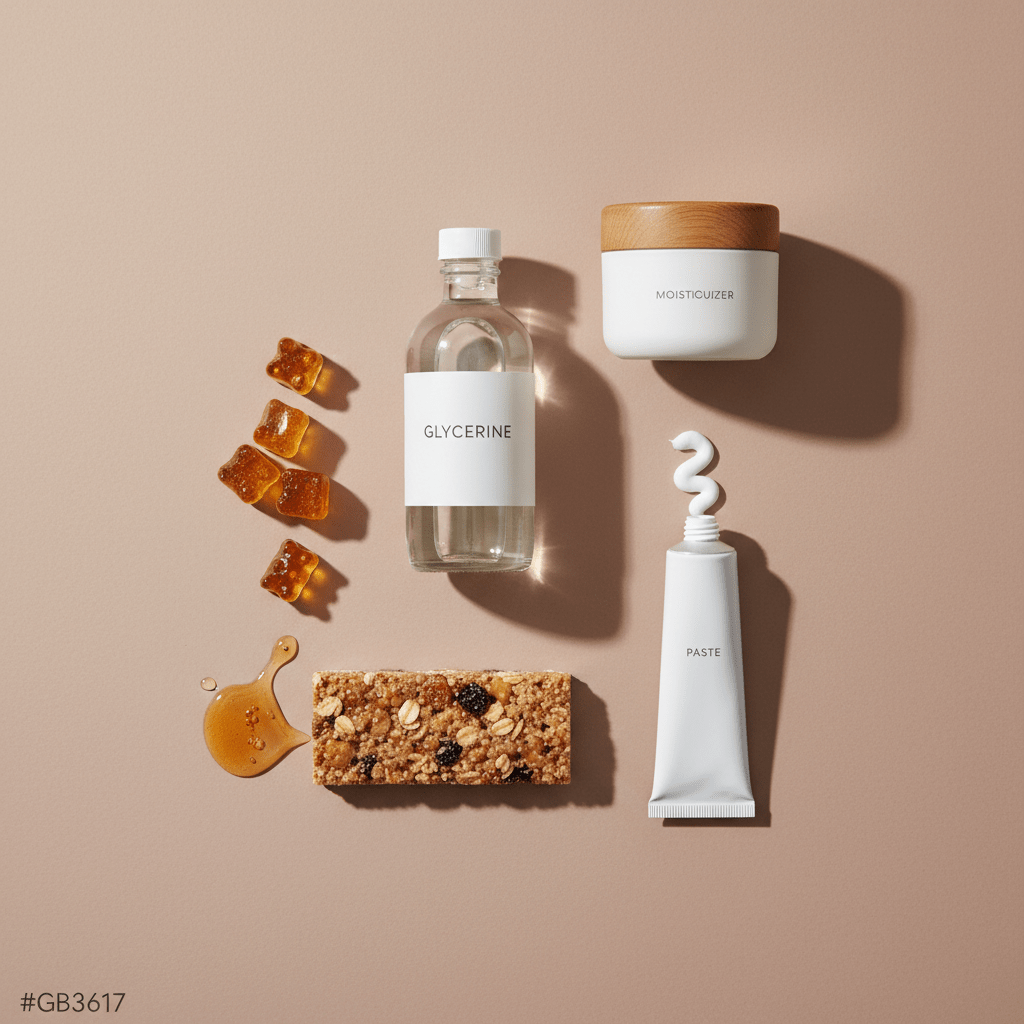
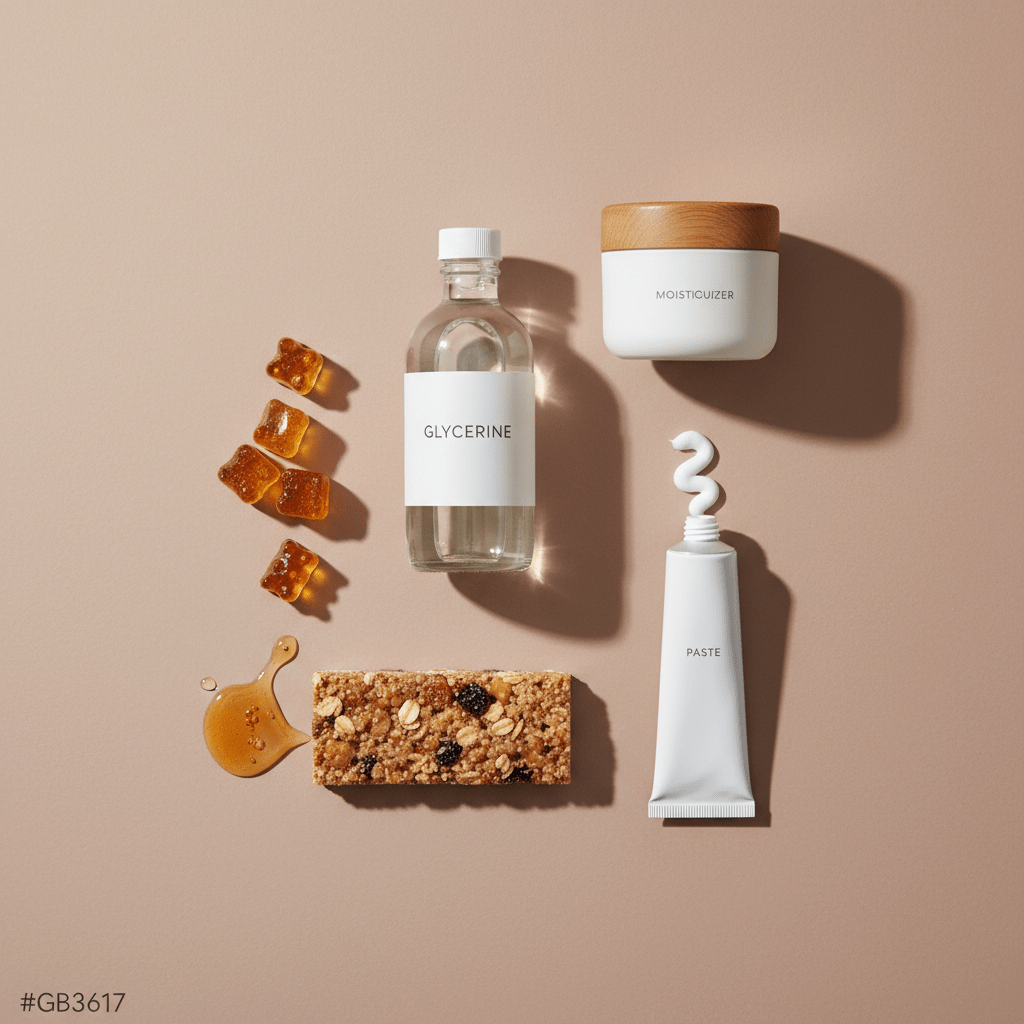
You’ve probably used glycerine today and didn’t even notice. It’s in your moisturizer. It’s in toothpaste. It even shows up in snack bars, chewing gum, and some candies. Strange, right? The little name on the label can feel oddly mysterious.
That’s why so many people ask the same thing: is glycerine safe, or is there something shady hiding in plain sight? People see it in skincare, food, and even oral care, then start wondering about glycerin dangers, side effects of glycerin, and whether glycerin toxic fears are real.
Here’s the deal. We’re going to look at what glycerine is, where it shows up, and what the research says about glycerin safety. We’ll sort out glycerin in skincare, glycerin in food, and the big question: is glycerin safe to eat? No scare tactics. Just clear facts, plain words, and a few myths getting knocked over along the way.
And yes, if you’ve ever seen “vegetable glycerin” on a label and thought, “Wait, is that different from glycerol?” we’ll get to that too.
What Glycerine Is Doing in So Many Products
Glycerine, also called glycerin or glycerol, is one of those quiet ingredients that does a lot of the heavy lifting. It helps hold water, keeps products smooth, and adds a little sweetness in some foods. That’s why it turns up in everything from skin creams to marshmallows.
It’s also one of the most common cosmetic ingredients around. A 2019 FDA report cited in consumer safety databases listed glycerin as the third most-used cosmetic ingredient after water and fragrance, with 23,366 registered cosmetic products using it.
That’s a lot. A whole lot.
So if you’ve been side-eyeing the label, you’re not alone. But the short version is this: glycerine is usually used because it works, not because it’s a red flag. In the sections ahead, we’ll look at the real glycerin dangers, the rare cases where problems can happen, and why most people can use it without worry.
If you’re a brand owner or product maker, this is also where ingredient quality matters. Purity, traceability, and lab testing are the difference between a safe raw material and a messy surprise. That’s why suppliers like Aroma Monk focus so much on tested, clean ingredients for cosmetics, wellness products, and personal care blends.
1. What Exactly is Glycerine (and its alter-ego, Glycerol)?
Ever read a label and thought, “Wait… what is that?” Glycerine does that to people. It sounds fancy, but it’s actually a pretty simple ingredient.
Glycerine, also called glycerin or glycerol, is a natural sugar alcohol that lives inside fats called triglycerides. Yep, the same fat family your body already knows well. It can come from plant oils like soy, palm, or coconut, from animal fats, or from synthetic sources made from petroleum. Most shoppers run into vegetable glycerin, which is the plant-based kind.
Here’s the funny part: glycerine, glycerin, and glycerol are basically the same molecule. The chemical name is glycerol, while glycerin or glycerine is the common market name for the purified version people buy and use. Same stuff. Different label.
So what does it do? A lot, actually.
| Main job | What it does in products |
|---|---|
| Humectant | Pulls in water and helps hold moisture |
| Solvent | Helps other ingredients mix well |
| Sweetener | Adds mild sweetness in food and oral care |
| Thickening agent | Gives a smooth, syrupy texture |
That’s why you see glycerin in skincare creams, toothpaste, chewing gum, snack bars, and even some candies. It helps products stay soft, moist, and easy to use. And in skin care, that moisture-holding job is the big one.
If you’re sourcing raw materials for cosmetics or personal care, purity matters here too. A clean, lab-tested ingredient behaves very differently from a sloppy one with leftovers mixed in. That’s one reason many brands look for traceable suppliers who can prove what’s in the drum, not just say it’s fine.
And if you’re buying natural ingredients for your own line, that same idea applies across the board. Whether it’s glycerine, rose water, or essential oils, quality control saves headaches later.
2. How Your Body Processes Glycerine: The Metabolic Journey
You know that feeling when you read a food label and think, “Wait, what happens after I eat this?” Glycerine is one of those ingredients that sounds a little mysterious, but your body usually knows what to do with it.
Here’s the simple version. If you eat glycerine in food, your small intestine absorbs it pretty well. Then it moves into the bloodstream and heads to the liver. That’s where the real action starts. The liver can turn glycerol into glucose, and that glucose can be used for energy. Nothing weird. Just normal fat metabolism doing its thing.
Actually, scratch that… “doing its thing” sounds too casual for biochemistry, but you get the idea. This is not some strange new chemical your body has never seen before. Glycerol is part of how fats are broken down every day.
| Step | What happens |
|---|---|
| 1 | You eat or drink glycerine |
| 2 | The small intestine absorbs it |
| 3 | It travels in the blood |
| 4 | The liver changes it into glucose or other fuel forms |
| 5 | Your body uses that fuel for energy |
That’s one reason glycerin in food has a long safety track record. In fact, the U.S. FDA lists glycerin as Generally Recognized As Safe for food use. That GRAS label means experts have looked at it and said it’s okay for normal use in food.
And yes, that matters for glycerin safety. It doesn’t mean you should pour it by the cup. But it does mean the ingredient itself has a strong record when it’s used the right way.
For most people, the bigger issue is not is glycerin toxic. It’s usually how much is used and what else is in the formula. In food, glycerine helps keep bars soft, candy smooth, and baked goods from drying out. In skincare, it pulls water into the skin. That’s why you’ll see it in moisturizers and also in shelf-stable snacks.
So if you’re asking is glycerin safe to eat, the short answer is yes for typical food use. The body can handle it. The liver processes it. And that’s a pretty normal part of how we deal with fats and sugars every day.
If you’re a brand owner or maker, this is also where ingredient quality comes in again. Pure, tested glycerine behaves very differently from off-spec material. That’s true whether you’re making a skin cream, a wellness product, or a food item that needs clean labeling.
3. Glycerin in Food: Evaluating Safety and Side Effects
Ever bit into a “sugar-free” bar and thought, wait, why does this still taste sweet? Yep. Glycerine is often doing that quiet little job.
In food, glycerin is used as a low-glycemic sweetener and a moisture helper. It shows up in keto snacks, protein bars, soft candies, dried fruit, cake icing, and gum because it keeps things from getting dry and crumbly. It also adds a gentle sweetness. Not candy-level sweet. More like soft, mellow sweet. Glycerin is about 60% as sweet as sucrose, and it brings about 4.32 calories per gram, which is close to table sugar at 4 calories per gram. The big difference is the blood sugar hit. Glycerin’s glycemic index is very low, around 0 to 5, while sucrose sits around 65. That’s why people making keto and diabetic-friendly foods like it so much.
| Ingredient | Sweetness vs sugar | Calories per gram | Glycemic index |
|---|---|---|---|
| Glycerine | About 60% | About 4.32 | 0 to 5 |
| Sugar (sucrose) | 100% | About 4 | About 65 |
| Xylitol | About 100% | About 2.4 | 12 to 13 |
| Erythritol | About 70% | About 0.2 | 0 |
But here’s the part people ask about most: side effects of glycerin. If you eat a lot at once, the most common issue is an osmotic laxative effect. That can mean gas, bloating, or diarrhea. Basically, too much pulls water into the gut and your stomach says, “Nope.” Most people won’t notice much at normal food amounts, but sensitive folks can react faster, especially with big servings of sugar-free treats.
What about blood sugar and insulin? Glycerin in food usually has a small impact compared with sucrose. It can be turned into energy by the body, but it doesn’t act like a big sugar spike. So if you’re asking, is glycerin safe to eat, the answer is yes for typical use. The bigger issue is portion size, not some hidden glycerin toxicity problem.
And if you’re shopping for cleaner labels, this is where product quality matters again. Brands that care about tested ingredients, traceability, and steady supply, like Aroma Monk, can help keep food and personal care formulas consistent from batch to batch. That matters a ton when you’re building a product people trust.
For one solid reference point on food safety, the FDA lists glycerin as Generally Recognized As Safe for food use.## 4. Glycerin in Skincare: A Hero Humectant with Nuances
You know that fresh, bouncy skin feeling after a good moisturizer? A big part of that can be glycerine. It’s quiet, but it works hard.
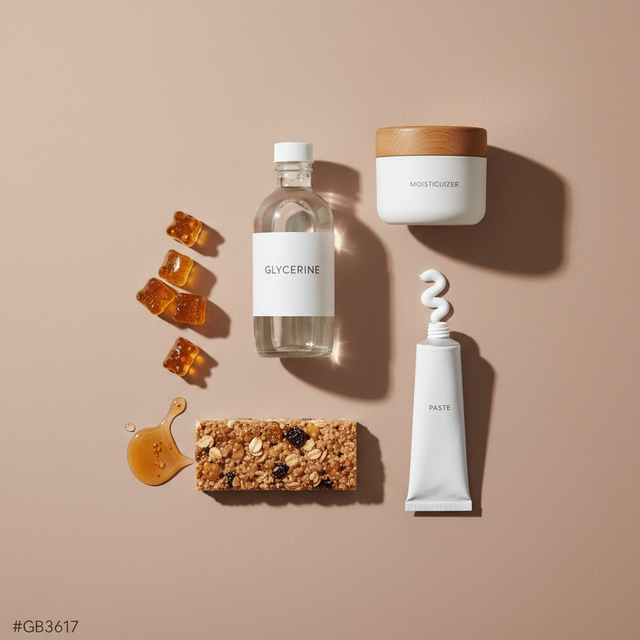
In skincare, glycerine is a humectant. That means it pulls water toward the outer layer of skin, called the stratum corneum, and helps keep it there. It draws in moisture from the air and from the deeper layers of skin, then helps the surface feel softer and smoother. That’s why you’ll see it in face creams, body lotions, serums, cleansers, and even some masks.
And here’s the part people sometimes get wrong. Some folks worry that glycerin in skincare can dry out skin in low-humidity weather. The myth sticks around, but modern formulas usually pair glycerine with oils, butters, or other occlusives so the water doesn’t just vanish into thin air. Shea butter, petrolatum, and silicones are common helpers here. So no, glycerine is not out here sabotaging your moisturizer.
Actually, wait, there’s a better way to say it. Glycerine usually works best in a team.
| Skin role | What glycerine does |
|---|---|
| Humectant | Pulls water into the skin surface |
| Texture helper | Makes creams feel smooth |
| Support ingredient | Works well with occlusives and emollients |
Purity matters too. In cosmetics, USP-grade glycerine is the cleaner pick because it meets tighter quality standards and helps lower the chance of irritation from extra stuff left behind in cheaper material. And because glycerine is generally non-comedogenic, it usually won’t clog pores for most people. That’s a big plus if your skin gets greasy fast or breaks out easily.
The safest bet? Look for products with clear ingredient lists and well-made formulas. And if you’re a brand owner, this is where lab-tested raw materials matter just as much as the final cream on the shelf. Aroma Monk, for example, focuses on pure, tested ingredients across its natural product range, which is the kind of quality control you want before anything touches skin.## 5. Debunking the Myths: Addressing Toxicity and Contamination Concerns
You know the scary part? A lot of glycerine fear does not come from glycerine itself. It comes from a bad ingredient mix-up. And that mix-up has hurt people, so the worry feels real.
So let’s be plain about it. Is glycerin toxic? Pure glycerin has very low toxicity. It’s used in food, skincare, and even some baby care products because it has a long track record and a simple job. The problem usually starts when people confuse glycerine with dirty or fake material, or with another chemical that should not be there at all.
That other chemical is diethylene glycol, or DEG. It’s a toxic industrial solvent. In the past, some unsafe products were made with DEG instead of real glycerin, or were polluted with it. That’s where many glycerin dangers stories came from. Not from clean glycerine. From contamination. Big difference.
Here’s a quick way to think about it:
| Concern | What’s really going on |
|---|---|
| Is glycerin toxic? | Pure glycerin has very low toxicity |
| Why do people fear it? | Bad products were sometimes contaminated with DEG |
| Are allergies common? | True allergy is rare |
| What causes irritation? | More often impurities or other ingredients |
That last part matters a lot. If someone reacts to a product with glycerine, it’s usually not the glycerine alone. It may be fragrance, preservatives, dyes, or leftover impurities in a lower-grade formula. Pure, lab-tested material is a different story.
And yes, sensitive groups can use glycerine too. It shows up in infant care products, including some suppositories, and it’s widely used in skin and oral care. Pregnancy safety is also generally viewed as reassuring for normal topical and food use, though any product choice during pregnancy is still best checked with a doctor if you’ve got a specific health issue. I know, not the flashiest answer. But it’s the honest one.
If you’re buying ingredients for a product line, this is where supplier quality becomes the whole game. Clean sourcing, batch testing, and traceability help keep glycerine safe to use. That same mindset applies to Aroma Monk’s lab-tested natural ingredients too, whether you’re working with essential oils, rose water, or carrier oils. Good sourcing saves you from a lot of trouble later.
For a solid safety reference, the Cosmetic Ingredient Review Expert Panel says glycerin is safe as a cosmetic ingredient in the ways it’s normally used.
Get a quote from Aroma Monk.
Essential Oil Supplier – Bulk pricing • Samples • Fast response
6. Understanding Safe Limits: Dosage and Daily Intake
You know that moment when a label looks harmless… but you still want the real number? That’s where glycerine gets interesting.
For food use, the big safety question is dose. The good news is pretty plain. Both EFSA and JECFA say glycerol does not need a set numerical ADI, which means normal use is seen as very safe. EFSA’s 2017 review said there was “no need for a numerical ADI for glycerol,” and JECFA has long used the same idea for glycerin in food.
So what does that mean in real life? It means typical intake from snacks, candy, toothpaste, or skincare is usually nowhere near a worry point. Safety depends on the amount, the product, and how often you use it. Not just the ingredient name on the label.
Here’s a simple way to think about it:
| Use | Usual range | What most people notice |
|---|---|---|
| Skincare lotions and creams | 2% to 10% | Soft, moist skin |
| Dry-skin formulas | Up to 20% to 40% | Extra hydration support |
| Food products | About 0.5% to 5% | Sweetness and moisture |

A 150 lb adult would need a very large amount of glycerine at once before side effects like bloating or diarrhea might show up. In normal food use, that’s usually more than what you’d get from a few protein bars or pieces of candy. One bar here, one there. Fine. Chugging a bunch of glycerin-heavy treats? That’s a different story.
And that’s the key point. Glycerine safety is dose-dependent. Most people use it every day without any issue in food, skincare, toothpaste, or other personal care products. If you’re buying products or raw materials, look for tested, pure ingredients. That’s where a supplier like Aroma Monk can help with lab-tested oils, rose water, and clean sourcing for product makers who care about what goes into the final blend.
The Final Verdict: Glycerine is a Trusted and Safe Ingredient
So, here’s the plain answer. Glycerine is usually safe.
It’s a well-studied ingredient with very low toxicity, and it’s used in food, skincare, toothpaste, and lots of other everyday products. That’s not hype. That’s just how it’s been used for years. Global safety reviews back that up, and the main food safety agencies say normal use does not call for a set daily limit.
The real worries are usually one of two things: taking too much at once, or buying a bad product that was never tested properly. Too much glycerine can lead to gas, bloating, or diarrhea. Not fun. But that’s a dose issue, not proof that glycerine toxic fears are true. The other problem is contamination, like when dirty industrial materials were swapped in for clean ingredient grades. That’s a supply chain issue, not a glycerine issue.
| What to remember | Simple takeaway |
|---|---|
| Glycerine in food | Fine for normal use |
| Glycerine in skincare | Usually safe and very common |
| Side effects of glycerin | Mostly from high amounts |
| Glycerin dangers | Usually tied to bad or contaminated products |
So, what should you do?
- Don’t panic when you see glycerine on a label.
- For skincare, pick products from brands you trust.
- For food, keep moderation in mind, like you would with any ingredient.
And if you’re a product maker, purity matters a lot. Clean, lab-tested raw materials help you avoid headaches later. That’s why suppliers like Aroma Monk focus on tested essential oils, natural attars, rose water, and other natural ingredients for brands that care about quality from the start.
Bottom line: if you’ve been wondering is glycerin safe to eat or is glycerin toxic, the answer for most people is simple. Glycerine is a trusted ingredient with a strong safety record. Use good products, keep an eye on amounts, and you’re probably fine.
Get a quote from Aroma Monk.
Essential Oil Supplier – Bulk pricing • Samples • Fast response