
Tired of Dull, Lifeless Hair? This Ancient ‘Liquid Gold’ Might Be the Answer
You know that moment when your hair looks tired no matter what you do? Dry ends. More breakage in the brush. Flat shine that just won’t show up. Yep, been there.
And if you’ve ever stood in the hair aisle staring at a wall of bottles, you know the drill. Half of them promise miracles. The other half smell like a chemistry class. No wonder so many of us are looking for a natural oil for hair repair that actually feels simple.
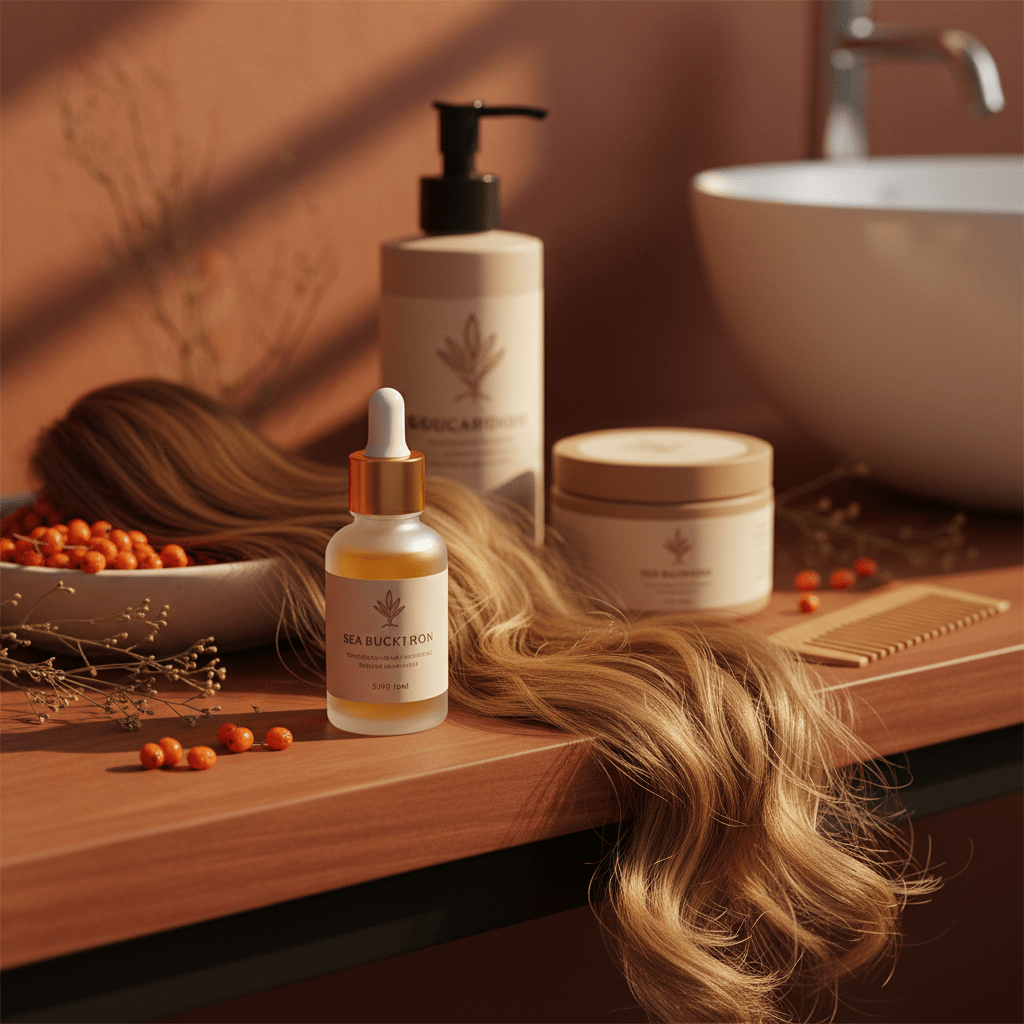
That’s where sea buckthorn oil comes in. This bright orange oil, also called sea buckthorn berry oil or hippophae rhamnoides oil for scalp, has been used for ages in old wellness traditions. Some stories even call it “liquid gold.” Fancy name? Sure. But the real draw is what’s inside: omegas, antioxidants, and vitamins for hair strength.
And that matters more than ever. The natural hair care market was worth about $10.17 billion in 2024 and keeps growing as people want plant-based options with fewer harsh extras, according to Grand View Research.
So in this guide, we’ll look at the real sea buckthorn oil benefits for hair, how it may help with shine and repair, and how to use sea buckthorn oil for hair growth without turning your bathroom counter orange. Because yes, that can happen.
Why are so many people looking for something better
Hair worries are not rare. Not even close. People want less thinning, less frizz, less scalp dryness, and less breakage. And honestly, that tracks.
Sea buckthorn oil for hair gets attention because it brings a lot to the table. It contains omega fats, including omega 7 for hair support, plus plant compounds that help protect against daily wear. It’s one of those ingredients that feels old-school and new-school at the same time.
Plus, the history is pretty wild. Sea buckthorn has been used for centuries in Greek and Tibetan traditions, long before it showed up in modern hair serums. Ancient use. Modern curiosity. Not a bad combo.
In the rest of this article, we’ll keep it real and simple. What it may help with. What it won’t do. And the safest way to try it at home.
What Exactly Is Sea Buckthorn Oil? From Ancient Shrub to Modern Elixir
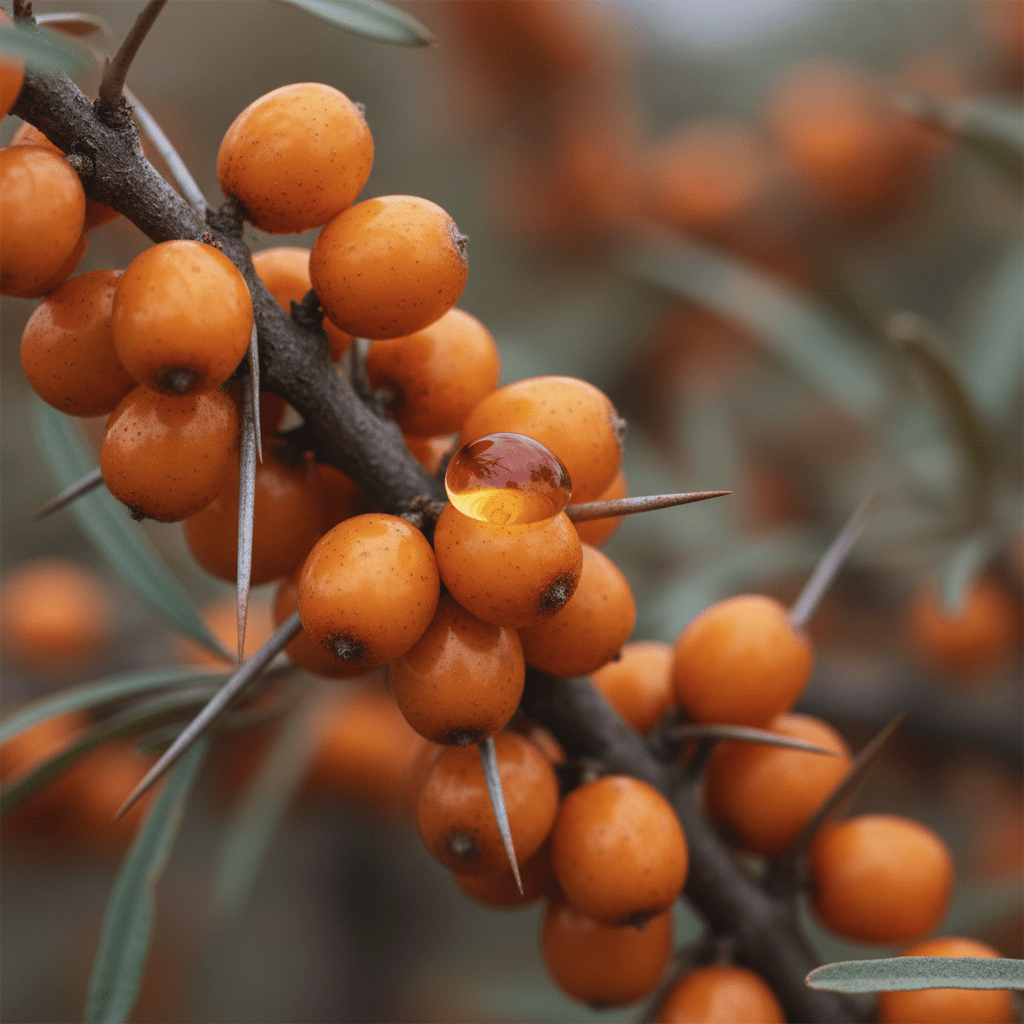
If a plant can survive freezing winds, poor soil, and harsh sun, it probably has a story worth hearing. Sea buckthorn does exactly that. It grows on the Hippophae rhamnoides shrub, a tough little plant that holds up in rough climates and still manages to produce bright, nutrient-packed berries.
That grit is part of why sea buckthorn oil gets so much attention. People have used the plant for a very long time, and old writings from ancient Greece and Tibetan medicine mention it for health and care uses. Pretty wild for a shrub most of us only hear about now.
And here’s where it gets a little more interesting. There isn’t just one kind of sea buckthorn oil. There are two main types:
| Type | Made From | Color | What It’s Known For |
|---|---|---|---|
| Sea buckthorn berry oil | Pulp and berries | Deep orange to red-orange | Higher in omega 7 for hair support and carotenoids |
| Sea buckthorn seed oil | Seeds | Pale yellow to golden | Higher in omega 3 and omega 6 |
The berry oil is the one people usually mean when they talk about that bright orange stain. It’s packed with carotenoids, plus vitamins for hair strength like vitamin C and vitamin E. The seed oil is lighter and less likely to stain, but it has a very different fatty acid mix.
Both oils are pretty special, though. Sea buckthorn is one of the few plants that naturally contains omega 3, omega 6, omega 7, and omega 9 all in one place. That mix is one reason it shows up in so many conversations about a natural oil for hair repair.
For hair, the headline ingredients are the ones people keep asking about: omega 7 for hair, vitamin C, vitamin E, and carotenoids. Think of it like a tiny plant with a very loud nutrient profile. Not magic. Just a lot going on in one bottle.
And if you’re shopping for sea buckthorn oil for hair, look closely at the label. Berry oil and seed oil are not the same thing. The color alone usually gives you a clue.
The Science of Stronger Hair: How Sea Buckthorn Oil Works at a Cellular Level
Your hair can look fine one day and poof the next. Dry. Snappy. A little sad at the ends. And if you’ve ever wondered why some oils seem to do more than just sit on top of the hair, this is where things get interesting.
Sea buckthorn oil is packed with fatty acids, and that matters a lot. The star here is omega 7 for hair, which is found in high amounts in sea buckthorn berry oil. These fats help coat the hair shaft, hold in moisture, and smooth the outer layer of each strand. When the cuticle lies flatter, hair tends to feel softer and snag less. Less snagging usually means less breakage too. Nice little chain reaction.
Actually, wait. It’s not just about softness. The oil’s fatty acids can also help hair feel more flexible, which matters when you brush, braid, or heat-style it. Rigid hair breaks easier. Flexible hair usually handles daily wear a bit better.
Here’s the deal:
- Fatty acids help seal in moisture
- Omega 7 for hair may support scalp and strand comfort
- Smoother cuticles can mean more shine
- Better flexibility may lower breakage
Plus, sea buckthorn oil brings a strong antioxidant mix. It has vitamin E, carotenoids, and flavonoids. Those plant compounds help protect against outside stress like UV rays and pollution, which can leave hair and scalp feeling worn down over time. One review on sea buckthorn notes that the plant’s compounds have long been tied to skin and tissue support, and modern hair care has picked up on that same idea through research on sea buckthorn’s nutrient profile and traditional use.
And there’s vitamin C too. That one gets less hype in hair chats, but it matters. Vitamin C helps the body make collagen, and collagen supports the skin around the follicles. A healthier scalp surface gives hair roots a better place to do their job. Not magic. Just better building blocks.
So, if you’re looking at sea buckthorn oil benefits for hair, think of it in layers. Moisture on the outside. Protection in the middle. Support for the scalp below. That’s why people use it as a natural oil for hair repair, especially when their hair feels dry, rough, or easy to snap.
One more thing. Sea buckthorn oil for hair isn’t a miracle cure, and it won’t fix every kind of shedding. But as part of a simple routine, it can be a smart add-on. Especially if you want shine without a heavy, greasy feel.
If you’re planning how to use sea buckthorn oil for hair growth, keep it gentle. A little goes a long way. And if you make products for a brand, this is also the kind of ingredient that can fit well in clean beauty lines, scalp oils, and repair masks. Aroma Monk works with pure carrier oils and natural ingredients that brands can use in their own blends, which is handy if you’re building a hair-care formula from scratch.
Quick Take: Why It Gets So Much Love
| What it brings | What it may help with |
|---|---|
| Omega 7 and other fats | Moisture and softness |
| Vitamin E and carotenoids | Protection from outside stress |
| Vitamin C | Collagen support for the scalp |
| Flavonoids | Extra antioxidant support |
Simple stuff. But pretty powerful.
And if your hair has been acting tired lately, that might be exactly the kind of help it wants.
Get a quote from Aroma Monk.
Essential Oil Supplier – Bulk pricing • Samples • Fast response
5 Clinically-Inspired Benefits of Sea Buckthorn Oil for Hair & Scalp
Ever had one of those hair days where nothing behaves? The kind where frizz pops up, the ends feel rough, and your scalp seems a little grumpy too? Yep. This is where sea buckthorn oil benefits for hair start to sound pretty appealing.
Sea buckthorn oil for hair gets attention because it does a few things at once. It can sit on the hair like a light shield, help smooth the cuticle, and bring in those vitamins for hair strength people always talk about. Not magic. Just smart plant stuff.
1. Deep hydration and frizz control
Dry hair often needs lipids, plain and simple. Sea buckthorn berry oil is rich in fatty acids, including omega 7 for hair, which can help coat the hair shaft and slow moisture loss. That means less puff, less roughness, and a smoother finish.
And if your hair frizzes the second you step outside? Same. Oils like this can help hair feel calmer because they reduce friction between strands. That little bit of slip makes a big difference.
2. Stronger hair and better elasticity
Weak hair breaks easier. That part’s no mystery.
Sea buckthorn oil may help hair feel more flexible by replenishing lipids on the outside of the strand. Flexible hair usually handles brushing, tying, and styling better than brittle hair. It’s one reason people call it a natural oil for hair repair.
Actually, wait, let me say that another way. It won’t glue split ends back together, but it can help hair act less fragile in the first place.
3. Scalp comfort and less flaking
A dry scalp can make everything harder. It itches. It flakes. It gets annoying fast.
Sea buckthorn oil for hair and scalp is often used because it may calm that dry, tight feeling. The fatty acids and plant compounds can support a more comfortable scalp surface, which is a nice place to start if you deal with scalp stress or seasonal dryness. Some people even use it as hippophae rhamnoides oil for scalp care in simple oil blends.
4. More shine and softness
You know that glossy look that makes hair look healthy even without much styling? Sea buckthorn oil can help there too.
When the outer layer of hair lies flatter, it reflects light better. That’s why shine improves. And when the strands feel coated and cushioned, hair often feels softer to the touch. Small thing? Maybe. But it’s the kind of detail people notice right away.
5. Protection from daily damage
Sun. Heat tools. City air. All of it can wear hair down over time.
Sea buckthorn oil brings antioxidants like vitamin E and carotenoids, which help protect against outside stress. It’s not a heat protectant by itself, so don’t skip your spray before the curling iron. But it can still be a nice support step in a gentler routine.
If you want to try it, keep it simple. Use a few drops in a carrier oil, or blend it into a mask. For brands, it also fits nicely in scalp oils, repair masks, and clean-beauty formulas. Aroma Monk supplies pure carrier oils and natural ingredients for product makers who want a reliable bulk source with lab testing and traceability.
Quick look at the benefits
| Benefit | What it may do |
|---|---|
| Deep hydration | Helps reduce dryness and frizz |
| Better strength | Supports less brittle-feeling hair |
| Scalp comfort | May soothe dry, tight skin |
| More shine | Smooths the cuticle for light reflection |
| Daily defense | Helps guard against outside stress |
If your hair’s been feeling tired, this might be the gentle nudge it needs. And if you’re building a hair-care line, sea buckthorn oil is one of those ingredients worth keeping on your shortlist.
How to Integrate Sea Buckthorn Oil into Your Hair Care Routine: 3 Proven Methods
You know that moment when your hair feels a little too alive? Flyaways everywhere. Ends that puff out like they’ve got plans of their own. Yep, this is where sea buckthorn oil can actually earn its keep.
A tiny bit goes a long way. Seriously. Because sea buckthorn berry oil is rich and bright, you don’t want to pour it on like salad dressing.
1. The Nourishing Scalp Massage
This is the pre-shampoo move. And it’s a nice one.
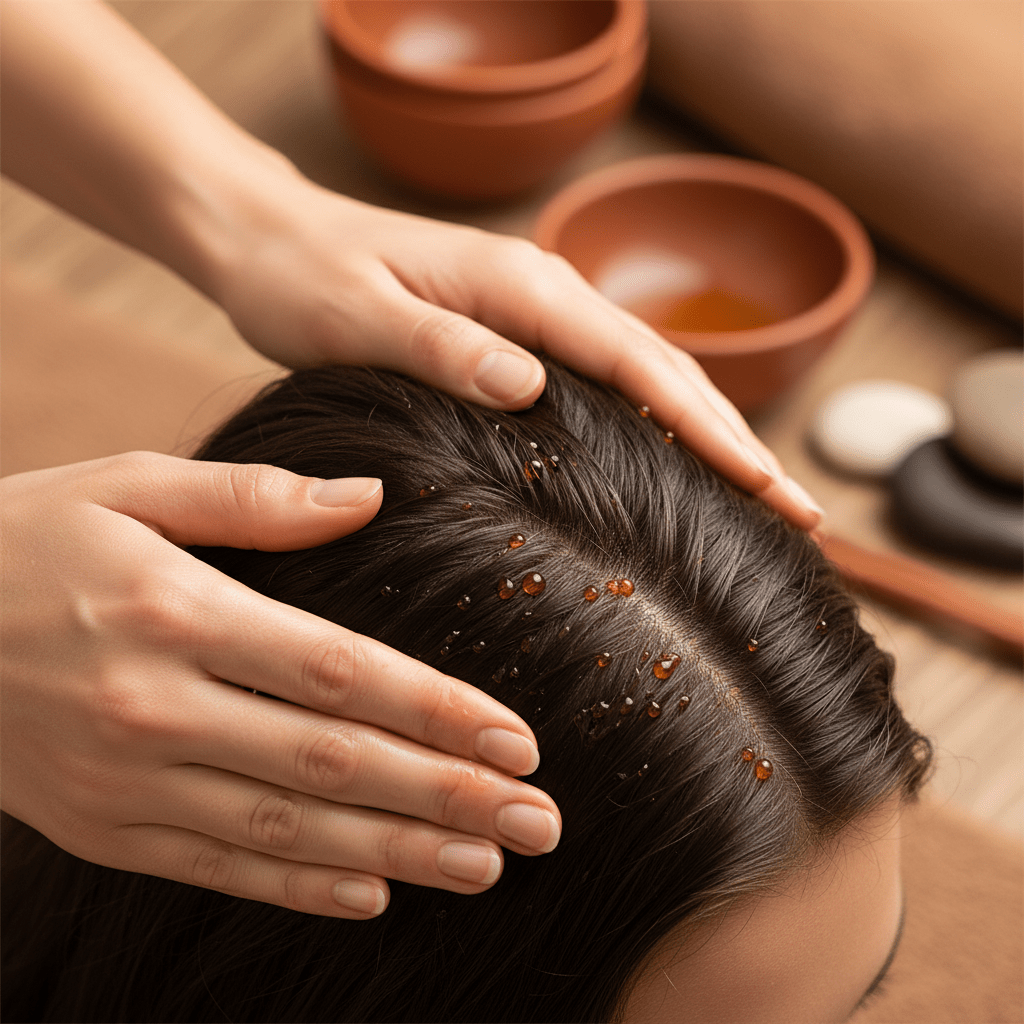
Mix sea buckthorn oil with a lighter carrier oil first. Jojoba, grapeseed, sweet almond, or coconut oil all work well. For most people, a 2% to 5% blend is a safe place to start. That means about 1 drop of sea buckthorn oil per 1 teaspoon of carrier oil, or 3 to 5 drops per 1 tablespoon. If your scalp is on the sensitive side, start smaller.
Here’s the simple flow:
- Part your hair in 4 to 6 sections.
- Warm a few drops between your palms.
- Massage it into the scalp for 3 to 5 minutes.
- Let it sit for 15 to 30 minutes.
- Shampoo well.
That massage part? Not just for comfort. It can help the oil spread better and may support a healthier scalp routine overall. And if you’re shopping for hippophae rhamnoides oil for scalp care, look for dark glass packaging and clear labels that say whether it’s berry oil or seed oil.
2. The Deep Conditioning Hair Mask Booster
This one’s for dry, tired strands.
Add 2 to 3 drops of sea buckthorn oil to your regular conditioner, or make a DIY mask with plain yogurt, honey, aloe vera gel, and a light carrier oil. I like simple recipes. Less mess, less stress.
Try this:
- 1 tablespoon plain yogurt
- 1 tablespoon aloe vera gel
- 1 teaspoon honey
- 1 teaspoon jojoba or coconut oil
- 2 to 3 drops sea buckthorn oil
Mix it up, then coat mid-lengths and ends. If your scalp is dry, you can use a little on the roots too. Leave it on for 15 to 30 minutes, then rinse and shampoo. Nice and easy.
This is one of the better ways to use sea buckthorn oil for hair if you want softness without a greasy finish.
3. The Lightweight Leave-in Serum
This is the low-drama option. And honestly, it’s the one I’d reach for most days.
Rub 1 to 2 drops between your palms, then smooth it over damp or dry ends. That’s it. Focus on the frizzy bits, the split ends, and the places that always look a little frazzled by 3 p.m.
This works best on:
| Hair type | Best use |
|---|---|
| Fine hair | 1 drop on damp ends |
| Thick hair | 2 to 4 drops through mid-lengths and ends |
| Curly hair | A tiny amount to calm flyaways |
It can help add shine, tame puffiness, and give your hair a softer finish. But don’t use it as a heat protectant. That’s a different job. If you’re using hot tools, still reach for a proper heat spray first. Oils can help with slip and comfort, but they’re not a full shield.
If you’re testing sea buckthorn oil benefits for hair for the first time, do a patch test first. Put a small amount on your inner arm or behind your ear and wait 24 to 48 hours. No rash? Good sign.
And if you’re building a brand or bulk hair-care line, this is also the kind of ingredient that fits well in repair oils, masks, and scalp blends. Aroma Monk supplies pure carrier oils and natural ingredients in bulk, which is handy if you need a steady source for product development.
Sea buckthorn oil for hair isn’t fancy for the sake of being fancy. It’s just a simple, plant-based way to add moisture, shine, and a little calm to a routine that maybe needs a reset.
A Buyer’s Guide: How to Choose a High-Quality Sea Buckthorn Oil
You know that annoying moment when a bottle looks fancy, but the oil inside is kind of a mystery? Yeah. That happens a lot with sea buckthorn oil.
So let’s make it simple.
If you want sea buckthorn oil for hair, the first thing to check is whether you’re buying berry oil or seed oil. They’re not the same. Sea buckthorn berry oil is the richer, brighter one. It has more omega 7 for hair and more carotenoids, so it’s usually the better pick for deep conditioning, scalp care, and natural oil for hair repair. Seed oil is lighter, with more omega 3 and omega 6, so it works well for general use and for people who don’t
| Oil type | Best for | Texture |
|---|---|---|
| Berry oil | Deep conditioning, scalp comfort, shine | Rich, bright orange |
| Seed oil | Everyday use, lighter blends | Lighter, pale gold |
But the oil type is only part of the story. The way it’s made matters too. For a product that keeps more of its natural goodness, look for CO2 supercritical extraction or cold-pressed oil. Those are the gold-standard methods because they help keep fragile plant parts in better shape.
And yes, the label matters a lot. A good bottle should say 100% pure, and if it’s organic, that’s a nice bonus. Look for USDA Organic, COSMOS, Ecocert, or NaTrue if you want extra peace of mind. Dark glass is a must too. Amber or cobalt bottles help protect the oil from light and slow down oxidation. Bright orange oils can go off faster if they sit in clear plastic for too long. No thanks.
Here’s a simple label checklist:
- 100% pure sea buckthorn oil
- Clear note: berry oil or seed oil
- Organic certification if possible
- Dark glass bottle
- Extraction method listed
- Bonus points for a batch number or certificate of analysis
And one more thing. Sea buckthorn oil can stain. That orange color comes from carotenoids, so a patch test is smart before you put it near your scalp or hairline. If you’re building a product line, this is also the kind of ingredient that fits well in repair masks, scalp oils, and clean beauty blends. Aroma Monk supplies pure carrier oils and natural ingredients in bulk, which is handy if you need steady sourcing for hair care products.
If you’ve been comparing options all week and your head is spinning a little, start with the basics: berry oil for richer care, seed oil for lighter use, and a dark bottle with a clear label. Simple. Clean. Way less confusing.
Important Considerations & Potential Side Effects
You know that moment when a product looks lovely in the bottle, then leaves your towel looking like a sunset? Yeah… sea buckthorn oil can do that. Its bright orange color comes from carotenoids, so it may stain skin, pillowcases, and very light or porous hair like platinum blonde.
The fix is pretty simple. Mix it with a carrier oil first, use only a few drops, and don’t leave it on forever the first time. If your hair is light or fragile, start with a short treatment window. Ten to fifteen minutes is plenty for a first try.
And please do a patch test before you use it on your scalp. Put a tiny bit on your inner arm, wait 24 to 48 hours, and watch for redness, itching, or burning. If anything feels off, rinse it off and skip it.
One more thing. A little goes a long way. Too much can make hair look greasy fast, especially fine hair. Start small, then add more only if you need it. That’s the safest way to see real sea buckthorn oil benefits for hair without the mess.
If you’re trying sea buckthorn oil for hair growth or using hippophae rhamnoides oil for scalp care, keep the goal simple: light use, short wear time, and careful testing. Easy does it.
Transform Your Hair with the Power of Sea Buckthorn Oil
So here’s the part people usually miss: the best hair fixes are often the simple ones. Not flashy. Not loud. Just steady.
Sea buckthorn oil brings moisture, softness, and a little extra calm to dry hair and a stressed-out scalp. It’s rich in omega 7 for hair, plus vitamins for hair strength like vitamin E and vitamin C. That mix can help with shine, flexibility, and that rough, brittle feel we all hate.
And there’s real history here too. Sea buckthorn has been used for ages in Greek and Tibetan medicine, and people have called it “liquid gold” for a reason.
If your strands feel tired, this natural oil for hair repair might be worth a try. Start by adding two drops of sea buckthorn oil to your weekly deep conditioner and experience the difference for yourself.
Simple. Low risk. Pretty easy to test.
Get a quote from Aroma Monk.
Essential Oil Supplier – Bulk pricing • Samples • Fast response