
Unlock Ancient Secrets: Why Amla Oil is Your Hair’s New Best Friend
You know that day when you look in the mirror and think, “Wait… why does my hair look so flat?” Or maybe it’s the extra hair in the brush, the dry ends, or that slow-growing feeling that never seems to quit. Yeah, we’ve all been there.
That’s part of why so many people are turning to amla essential oil for hair and other plant-based hair care. The natural hair care market was valued at USD 10.17 billion in 2024 and is still growing fast, mostly because folks want gentler options that feel better on the scalp and hair. A lot of us are just tired of heavy, harsh formulas that leave hair feeling worse, not better.
Amla, also called Indian gooseberry for hair, has been used for ages in ayurvedic hair care. People love it for hair fall, dullness, and slow growth. And honestly? That makes sense. It’s a simple idea with a long history.
In this guide, we’ll break down the benefits of amla oil for hair, how to apply amla oil, what to look for on the label, and how to use it in a real-life amla hair treatment that fits your routine. Simple stuff. Useful stuff. Let’s get into it.

What is Amla Oil? The ‘Essential’ Misconception
A lot of people say amla essential oil for hair… but that name is a little sneaky.
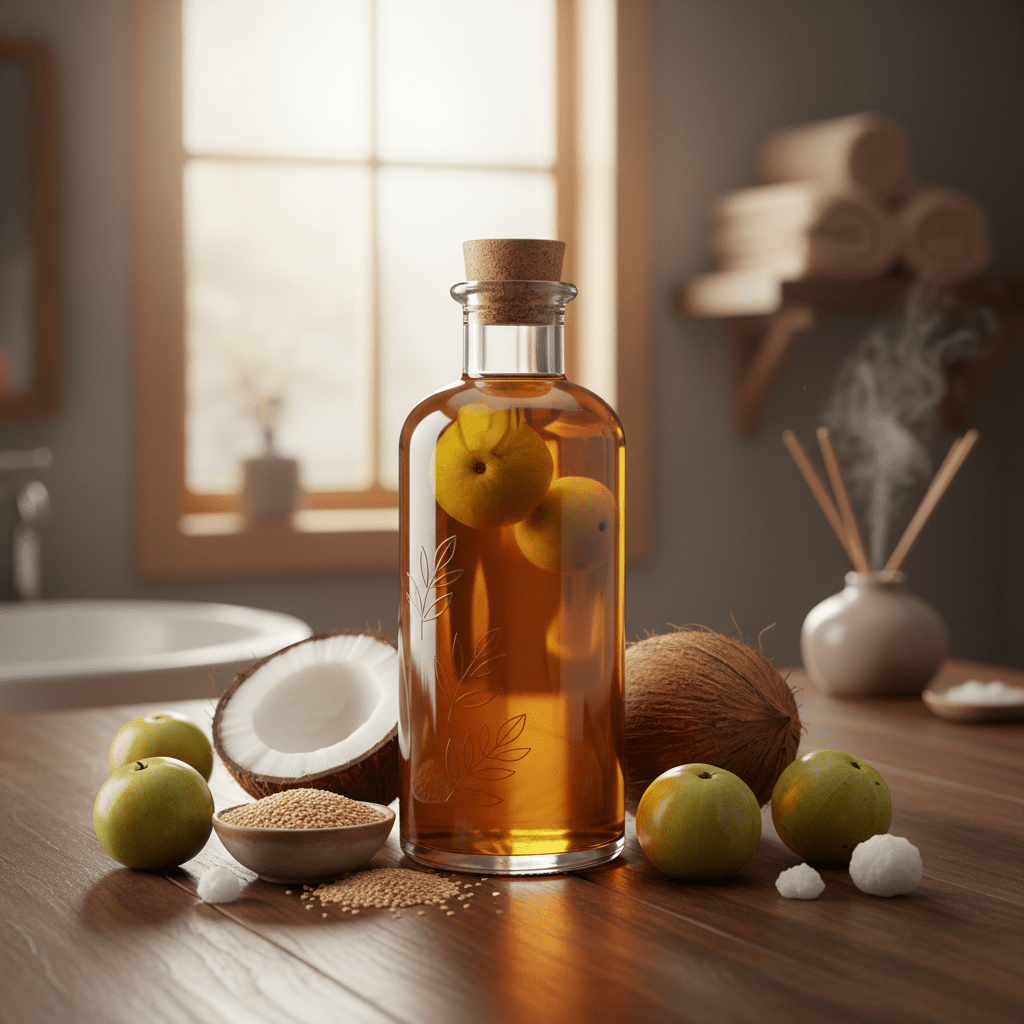
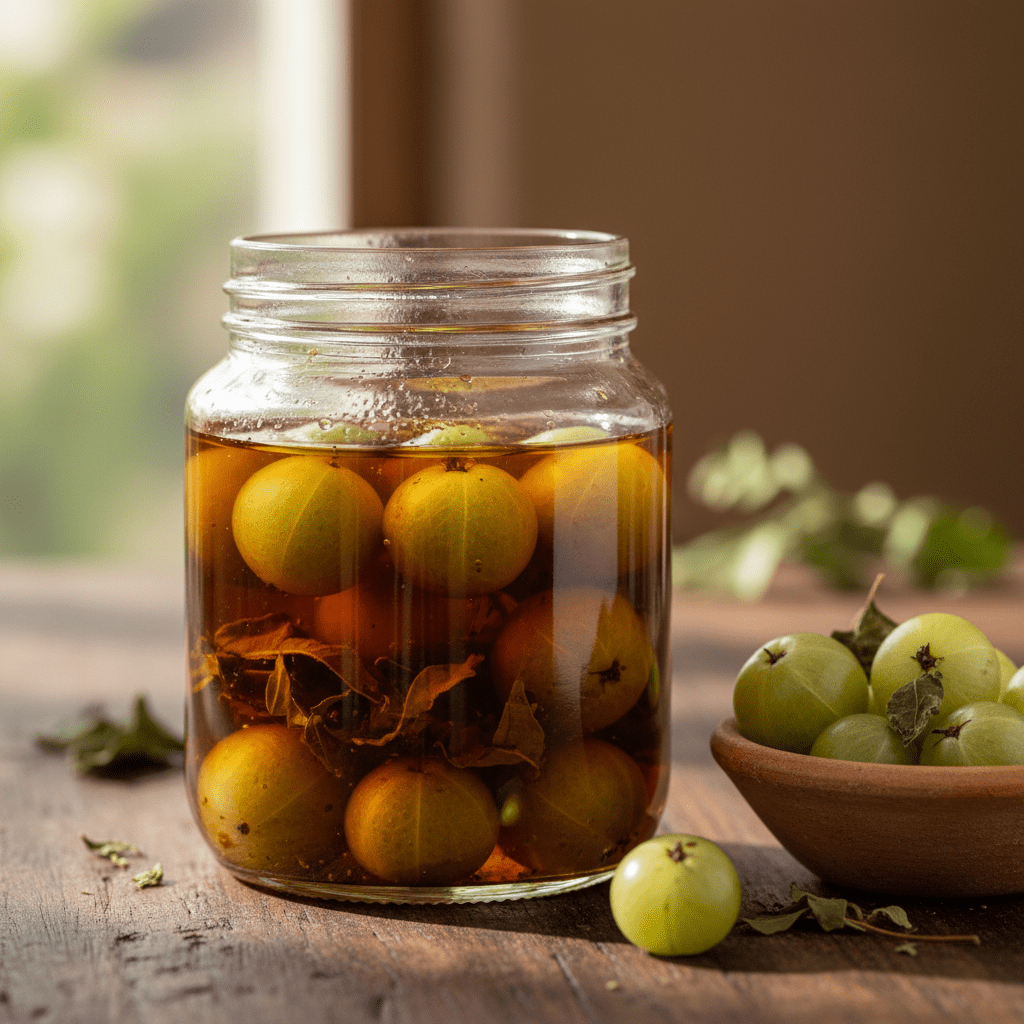
Here’s the thing. What you usually buy as amla oil is not a true steam-distilled essential oil. It’s usually an infused oil. That means amla fruit gets soaked in a carrier oil like coconut oil or sesame oil, and the good plant parts slowly move into the oil. Simple. Old-school. Pretty smart.
That matters because true essential oils and infused oils are not the same. True essential oils are made by steam distillation and are super concentrated. Infused oils are thicker and hold more of the plant’s natural fats, pigments, and other helpful bits. So if you’ve been searching for amla oil for hair growth, you’re probably looking for the infused kind, even if the label says otherwise.
Amla itself is the fruit of Phyllanthus emblica, also called Indian gooseberry for hair. It looks small and plain, but it’s packed with vitamin C, antioxidants, tannins, and plant compounds people have used for generations in ayurvedic hair care. That’s one reason it keeps showing up in benefits of amla oil for hair lists. Folks want something that feels gentler and more natural on the scalp.
And honestly, that makes sense. The natural hair care market was valued at USD 10.17 billion in 2024, and a big reason people keep reaching for plant-based blends is simple: they want less harsh stuff on their hair and scalp.
How Amla Oil Is Made
The process is usually slow, but not fussy.
Traditional makers dry or crush amla fruit, then steep it in a carrier oil. Coconut oil is common because it feels rich and moisturizing. Sesame oil is another favorite in Indian hair care. Some products use mineral oil too, but that one is more of a filler than a helper.
Over time, the oil pulls out some of the fruit’s color and plant compounds. That’s how the amla hair treatment gets its body and scent. In modern batches, brands may use powder, paste, or extracts instead of whole fruit. But the idea is the same. Fruit plus oil. Patience. Strain it. Bottle it.
So next time you see “amla essential oil,” read the label with a small side-eye. You may actually be buying an infused oil, not a true essential oil. And that’s not bad news at all. It just means you know what you’re using.
If you’re shopping for a clean, well-made blend, look for lab-tested oils with clear ingredient lists. For B2B buyers and brands, suppliers like Aroma Monk can be helpful when you need pure carrier oils, rose water, or other plant-based raw materials for your own hair care line.
Quick label check:
| Label says | What it usually means |
|---|---|
| Amla essential oil | Often an infused oil |
| Amla hair oil | Usually a carrier oil blend |
| Pure amla extract | May be stronger or more concentrated |
| Amla powder oil blend | Fruit particles or extract in oil |
And if you’re planning a DIY amla hair mask, this label check saves a lot of guesswork. Because once you know what’s in the bottle, it gets way easier to use it well.
The Science-Backed Benefits of Amla Oil for Hair Health
Ever notice how some hair oils sound fancy, but don’t really do much? Amla is a little different. People have used amla essential oil for hair for years, and newer research is starting to back up why it gets so much love.
First, let’s talk about stress. Not yours. Your hair’s.
Hair follicles deal with daily wear from sun, pollution, styling, and just plain life. Amla is rich in antioxidants like tannins and flavonoids, which help fight free-radical damage around the scalp and roots. That matters because less stress on the follicle can mean less breakage and less shedding. Some lab studies even show amla extract may support the growth phase of hair, called anagen, which is the part we want to hang onto.
Then there’s the conditioning side. Amla oil has fatty acids and vitamin C, and those can help the scalp feel less dry and itchy. A happier scalp usually means better-looking hair. Smoother too. That’s why many people use amla oil for hair growth as a pre-wash treatment or part of a DIY amla hair mask.
Here’s the thing though. Amla isn’t just for growth. A good amla hair treatment may also help with texture and shine because it coats the strands and softens them a bit. And if your scalp gets flaky, an amla oil scalp treatment may help calm things down, especially when dryness is part of the problem.
What about gray hair? People ask this all the time. Traditional ayurvedic hair care has long used Indian gooseberry for hair to slow premature graying, and the idea is that its antioxidants may help protect the cells that make melanin in the follicle. Melanin is what gives hair its color. So when those cells get stressed, gray can show up sooner. Amla won’t magically turn gray hair black overnight. But it may help slow the process for some people.
And that’s probably why natural hair care keeps growing. The global natural hair care market was valued at USD 10.17 billion in 2024, and people are clearly looking for gentler options that fit real life.
What amla may help with
| Hair concern | How amla may help |
|---|---|
| Hair fall | Antioxidants may protect follicles from damage |
| Dry scalp | Fatty acids may add moisture |
| Dull hair | Can improve softness and shine |
| Early gray strands | May help protect pigment cells |
| Weak-feeling hair | May support stronger-looking strands |
And if you’re shopping for a product, read the label closely. A true amla essential oil for hair is rare. Most bottles are infused oils, not steam-distilled oils. If you want a clean, lab-tested base for your own hair care line, brands like Aroma Monk can be handy for sourcing pure carrier oils and natural ingredients in bulk.
Quick tip: use it often, but not too much. Too much oil just makes washing day annoying. And nobody needs that.
How to Choose a High-Quality Amla Oil (And What to Avoid)
You know that moment when a bottle looks fancy, smells sweet, and still feels off? Yeah. Hair products do that a lot.
If you want amla essential oil for hair that actually helps, start with the label, not the packaging. A lot of shoppers are looking for plant-based care now. The natural hair care market was worth USD 10.17 billion in 2024 and is still climbing, mostly because people are fed up with harsh formulas and dry, thinning hair. Amla fits that mood pretty well.
Look for cold-pressed or well-made infused oil
This part trips people up. A true steam-distilled essential oil isn’t really a thing for amla fruit. So most good bottles are infused oils or blends made with a carrier oil.
If the brand says cold-pressed or clearly explains the extraction method, that’s a good sign. Cold-pressed oils usually keep more of the plant’s natural goodness because they skip high heat and chemical solvents. That’s the kind of detail you want for amla oil for hair growth and a gentle amla oil scalp treatment.
Read the ingredient list like a hawk
Shorter is usually better here. A clean bottle might look like this:
| Good sign | What it may look like |
|---|---|
| Simple base oil | Sesamum Indicum (Sesame) Seed Oil |
| Amla content | Emblica Officinalis (Amla) Fruit Extract |
| Extra bonus | Organic or cold-pressed on the label |
But if you see mineral oil, artificial fragrance, parabens, PEGs, silicones, or synthetic dyes, I’d skip it. Those fillers can crowd out the plant stuff and sometimes irritate the scalp. Not worth it.
Trust the color and smell
Real amla oil usually has a greenish-brown tone and a deep, earthy smell. It doesn’t smell like candy. It doesn’t need glitter, either. If it looks neon green or smells like perfume, that’s a red flag.
And if you have blonde or very light hair, do a small strand test first. Some strong or dark oils can leave a tint over time.
What about certifications?
If you see USDA Organic or ECOCERT, that can help. Those labels mean the maker followed stricter rules about organic content and banned ingredients. For a clean amla hair treatment, that extra proof can make shopping easier.
If you’re buying for a brand or salon line, Aroma Monk can be a smart place to source lab-tested carrier oils, rose water, and other plant-based raw materials in bulk. That way, you’re not guessing what’s in the bottle.
Quick buyer checklist
- Cold-pressed or clearly infused
- Short ingredient list
- No mineral oil or fake scent
- Earthy smell, not perfume
- Dark, natural-looking color
- Third-party testing or organic certification
Pick the bottle that feels plain, honest, and a little boring. Weirdly, that’s often the best one.
Get a quote from Aroma Monk.
Essential Oil Supplier – Bulk pricing • Samples • Fast response
4 Effective Ways to Use Amla Oil in Your Hair Care Routine
You know that feeling when your hair just looks tired? Flat roots. Dry ends. Frizz that shows up uninvited. And suddenly you’re staring at the bottle on the shelf like it has answers.
That’s where amla essential oil for hair gets interesting. People are using it in all sorts of ways now, and the natural hair care market was valued at USD 10.17 billion in 2024, with more people reaching for gentler options because they’re fed up with harsh products and dry, thinning hair (Grand View Research). So let’s keep this simple and useful.
1) Scalp massage and pre-shampoo hot oil treatment
This is the one I’d start with.
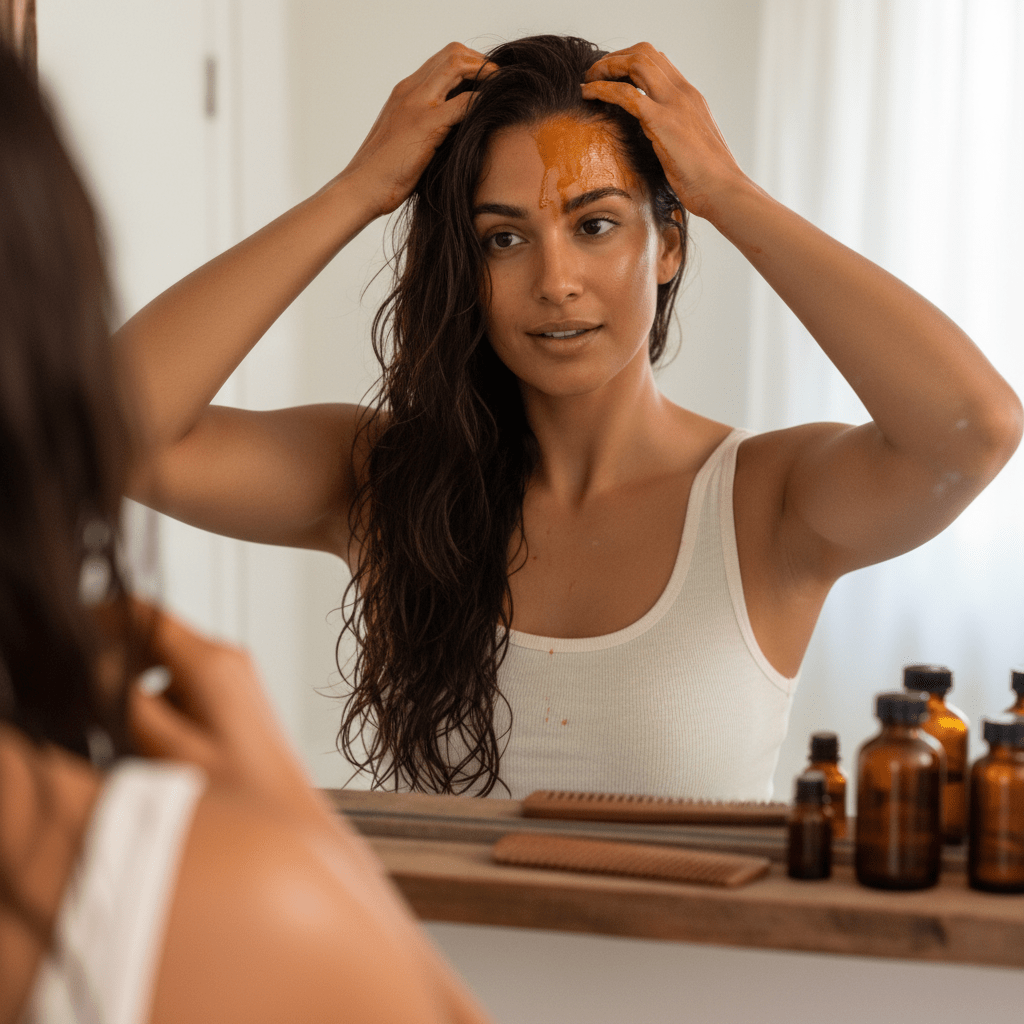
Warm a small amount of amla oil in your palms. Not hot. Just warm. Then part your hair and massage it into the scalp for 5 minutes with small circles. That little massage helps wake up the scalp and spreads the oil more evenly. If your hair is dry, you can add a bit to the ends too.
Here’s the deal:
- Warm 1 to 2 teaspoons of oil.
- Apply it to the scalp.
- Massage for 5 minutes.
- Leave it on for 30 to 60 minutes.
- Wash with a mild shampoo.
For very dry hair, you can leave it on a bit longer, even overnight. For oily hair, keep it short. Thirty minutes is usually enough. This kind of amla oil scalp treatment works well before wash day because it helps hair feel softer without making it greasy for days.
2) Mix it into a DIY hair mask
OK, this next part is actually pretty fun.
Amla oil can be mixed into a DIY amla hair mask with things you probably already have in the kitchen. Try yogurt for softness, honey for moisture, or another light oil if your hair needs extra slip. If your scalp gets flaky, a little amla mixed with sesame oil can feel nice too.
A simple mix:
- 1 tablespoon amla oil
- 2 tablespoons plain yogurt
- 1 teaspoon honey
Put it on the scalp and hair for 30 to 45 minutes. Then rinse well. If you have curly or coarse hair, this kind of amla hair treatment can help with natural hair strengthening and make strands feel less rough. I’ve seen people do this once a week and stick with it because it just fits into a Sunday routine.
3) Use it as a leave-in sealant
This one is tiny, but it matters.
If your hair is coarse, curly, or very dry, rub 2 or 3 drops of amla oil between your hands and smooth it onto damp ends. Just the ends. Not the whole head. Too much will make hair look oily fast, and nobody wants that.
This works best after washing or after a mist of water. It helps seal in moisture and cut down on frizz. A lot of people also like this for amla oil for grey hair because the soft shine can make silver or white strands look less dull. It won’t change color, but it can make hair look nicer. And honestly, that’s often the win.
4) Make a daily scalp tonic
If you like light routines, this one’s easy.
Mix a few drops of amla oil with rosewater or plain water in a spray bottle. Shake it before each use. Then mist the scalp lightly once a day or every other day. This is more of a gentle amla oil scalp treatment than a heavy oiling step.
It’s a nice option if your scalp feels dry but you don’t want a thick layer of oil. You can also add a few drops of rose water for a softer feel. Aroma Monk’s rose water is a handy option here if you’re looking for a simple, clean base for beauty blends.
What works best for your hair type?
| Hair type | Best method |
|---|---|
| Oily hair | Pre-shampoo massage, rinse in 30 minutes |
| Dry hair | Hot oil treatment or overnight mask |
| Fine hair | Tiny amount on ends only |
| Curly or coarse hair | Mask or leave-in sealant |
| Flaky scalp | Light tonic or massage treatment |
And a small warning: if you’re buying a bottle labeled amla essential oil for hair, check the ingredients. True essential oil is rare here. Most are infused oils, often made with coconut or sesame oil. If you’re sourcing ingredients for your own line, Aroma Monk can help with lab-tested oils, carrier oils, and rose water in bulk.
Give it 8 to 12 weeks of steady use. That’s usually where the better hair days start showing up. Not magic. Just routine, patience, and a bottle that actually matches what it says on the label.
DIY Amla Oil Recipes for Specific Hair Concerns
You know that little bottle sitting in the cabinet? The one you keep meaning to use, but it just stares back at you? This is where it gets fun.
People are turning to amla essential oil for hair because they want simple fixes that feel gentler on the scalp. And it’s not just a trend. The natural hair care market was valued at USD 10.17 billion in 2024, mostly because so many of us are tired of dry ends, shedding, and products that act like they’re helping but really aren’t.
Amla works well on its own, but it also plays nice with other oils. So if you want to build a little at-home routine, these three blends are a solid place to start.
1) The Growth Booster Mask
This one is for hair that feels weak or sheds a lot.
Mix:
- 2 tablespoons amla oil
- 1 tablespoon castor oil
- 3 drops rosemary essential oil
Castor oil is thick and rich, so it helps coat the hair and hold in moisture. Rosemary oil gets a lot of attention for scalp care too. Together, they make a heavy-duty amla hair treatment that feels best before wash day.
How to use it:
- Warm the blend a little.
- Massage it into the scalp for 5 minutes.
- Pull the rest through the lengths.
- Leave it on for 30 to 60 minutes.
- Wash with a mild shampoo.
This is a nice pick if you want amla oil for hair growth and a little extra scalp love. Keep it to 2 or 3 times a week. More than that can get messy fast. And nobody wants greasy pillowcases.
2) The Dandruff and Itch-Relief Scalp Treatment
If your scalp feels flaky or scratchy, this one may help calm things down.
Mix:
- 1 tablespoon amla oil
- 1 teaspoon neem oil
- 2 drops tea tree essential oil
Neem and tea tree are known for helping with scalp buildup and itch. A light amla oil scalp treatment like this can be useful if your scalp gets cranky after weather changes, sweat, or too much product.
Use it like this:
- Part the hair
- Apply only to the scalp
- Massage gently
- Leave it on for 20 to 30 minutes
- Rinse well with a gentle shampoo
A small note here. Tea tree oil is strong, so don’t go wild with it. A few drops is enough. Really. More is not better.
3) The Shine and Softness Hair Gloss
This one is simple, and I kind of love that.
Mix:
- 1 teaspoon amla oil
- 2 teaspoons jojoba oil or almond oil
Rub 2 or 3 drops between your palms and smooth it over damp ends. Or use it on dry hair to tame flyaways. This is a great option if you want shine without the heavy feel of a full mask.
It also works well for amla oil for grey hair, since silver strands can sometimes look dull or wiry. The oil won’t change the color, but it can make hair look smoother and softer. That alone can feel like a win.
Quick guide
| Hair concern | Best blend | Leave on |
|---|---|---|
| Growth support | Amla + castor + rosemary | 30 to 60 minutes |
| Flaky scalp | Amla + neem + tea tree | 20 to 30 minutes |
| Shine and softness | Amla + jojoba or almond | Leave in lightly |
A small tip before you start: if the label says amla essential oil for hair, read it closely. Most bottles are actually infused oils, not true essential oils. And if you’re shopping for clean oils in bulk for a brand or salon line, Aroma Monk offers lab-tested essential oils, carrier oils, and rose water that can fit into product development without the guesswork.
Try one blend for 8 to 12 weeks. That’s usually long enough to see if your hair likes it. Slow and steady. A little boring maybe, but it works.
Potential Side Effects and Important Precautions
You know that little moment of hope when a new hair oil looks perfect… and then your scalp starts acting weird? Yeah, that’s the part nobody posts about.
Amla oil is usually gentle, but patch tests still matter. Before you put amla essential oil for hair all over your scalp, test a tiny bit behind your ear or on your inner arm. Wait 24 to 48 hours. If you see redness, itching, bumps, or burning, skip it. That’s extra smart if your skin is already sensitive.
Also, a full bottle can be tricky on very light hair. Some darker or stronger amla hair treatment blends may leave a slight tint on blonde, silver, or color-treated strands over time. So do a strand test first. Just rub a drop on a hidden piece of hair and wait a day or two. Boring? Maybe. But it saves a bad hair week.
And please go light with it. More oil does not mean better results. It usually means greasy roots and a long shampoo session. For most people, a little goes a long way. After a deep amla oil scalp treatment or mask, wash with a mild shampoo and rinse well so the oil does not sit there and weigh hair down.
Here’s a quick rule:
| If you have… | Do this |
|---|---|
| Sensitive skin | Patch test for 24 to 48 hours |
| Blonde or light hair | Do a strand test first |
| Oily scalp | Use less oil and wash well |
| Dry hair | Use a small mask, not a heavy layer |
If you’re unsure, start slow. That’s the safest way to use amla oil for hair growth and still keep your scalp happy. And if you’re sourcing clean, lab-tested oils for your own brand, Aroma Monk’s bulk essential oils, carrier oils, and rose water can make product work a lot easier.
Embrace the Power of Amla: Your Next Step to Healthier Hair
So here’s the good part. Amla oil is not magic, and it’s not a true essential oil either. It’s usually an infused oil, and that’s actually great news because it can bring the nourishing parts of Indian gooseberry for hair right to your scalp. That’s why so many people keep coming back to amla essential oil for hair for shine, softness, and natural hair strengthening.
The big thing? Keep going. One wash won’t do much. But a simple routine, used week after week, can help your hair feel calmer, look smoother, and break less. That matches what people want right now too. The natural hair care market was valued at USD 10.17 billion in 2024, and lots of folks are looking for gentler choices that fit real life.
If you want the easiest place to start, do this:
- Warm a small amount of amla oil
- Massage it into your scalp for 5 minutes
- Leave it on for 30 to 60 minutes
- Wash with a mild shampoo
That one step can be your new weekly habit. Simple. Honest. Worth trying.
And if you’re making your own products or sourcing clean ingredients for a beauty line, a lab-tested supplier like Aroma Monk can help with pure oils, rose water, and other plant-based raw materials.
Start this week with a simple pre-shampoo scalp massage using a quality amla oil to begin your journey to stronger, more vibrant hair.
Get a quote from Aroma Monk.
Essential Oil Supplier – Bulk pricing • Samples • Fast response