
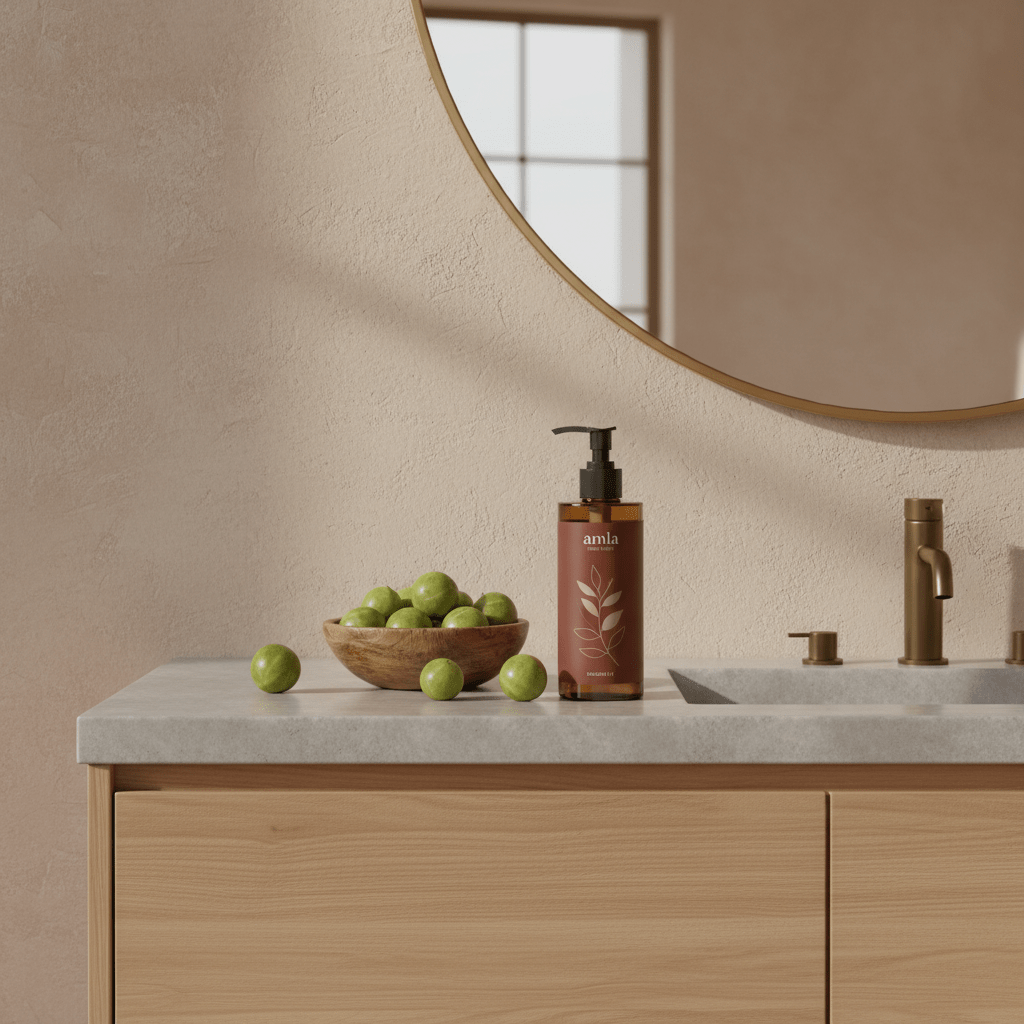
Beyond the Hype: Unlocking the True Potential of Amla Hair Oil in Modern Hair Care
You know that moment when your bathroom shelf looks full, but your hair still feels dry, flat, or just plain mad at you? Yeah, we’ve all been there. The market is packed with shiny bottles, big claims, and way too many “natural” labels that don’t always mean much.
That’s why amla hair oil keeps showing up in search bars and shopping carts. People want something that feels real. Something rooted in tradition, but also backed by more than just old stories and pretty packaging.
Amla, also called Indian gooseberry, has been used in Ayurveda for a very long time. Today, it’s also showing up in commercial hair products as phyllanthus emblica for hair care, and the science around it is getting stronger. In fact, a 2024 survey found that 74% of consumers say organic ingredients matter in personal care, and 65% want clear ingredient lists so they can avoid harsh chemicals. The natural hair care market is also growing fast, with one report putting it at $10.17 billion in 2024 and projecting $16.99 billion by 2030. Pretty wild, right? consumer interest in organic personal care ingredients and natural hair care market growth
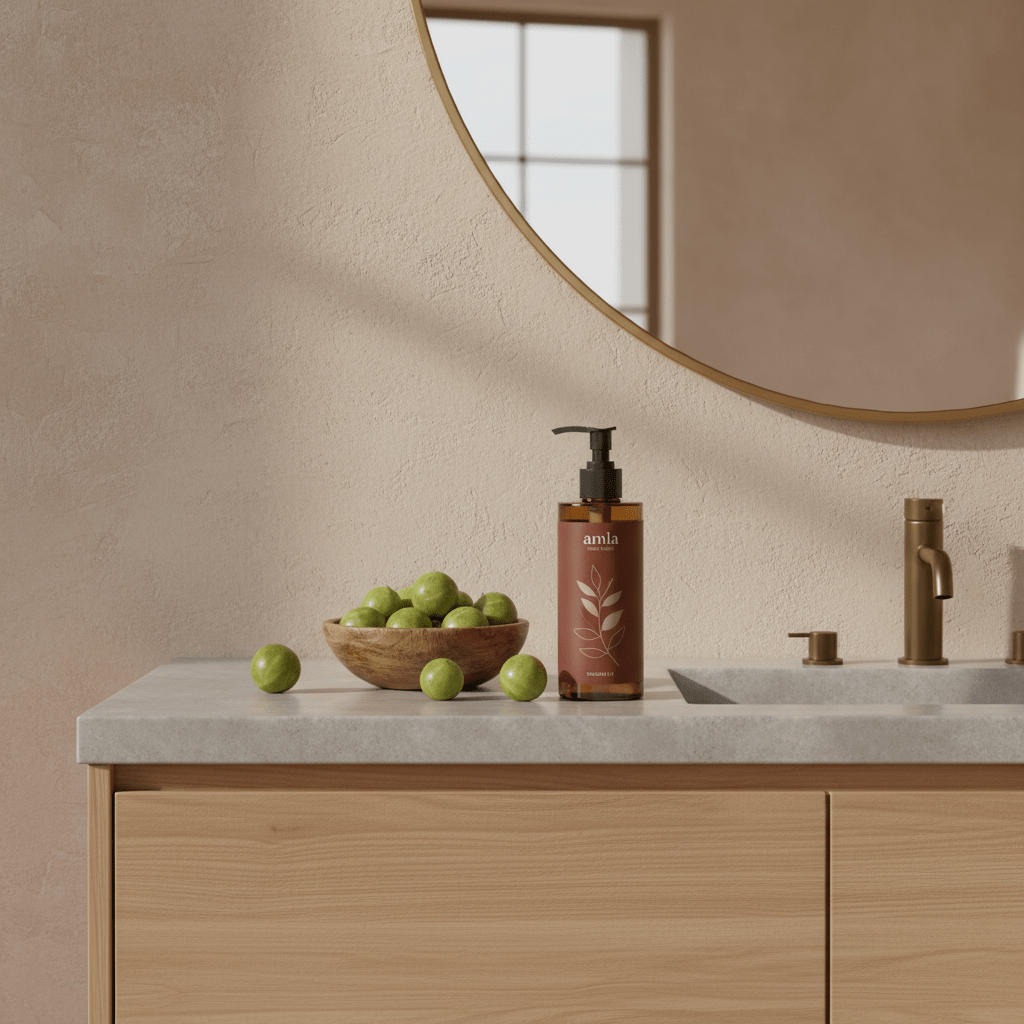
But here’s the tricky part. Not every bottle with leaves on the front is worth your money. Some products use tiny trace amounts of amla extract in cosmetics just for show. This guide will help you spot the real deal, read labels with a sharper eye, and choose the best amla hair products that actually deliver the benefits of using amla oil.
Think of it as your shortcut through the noise. Simple. Honest. Useful.
And if you make hair products yourself, or buy ingredients for your brand, this gets even more useful. We’ll also look at how trusted suppliers and clean raw materials, like the lab-tested oils and botanical bases from Aroma Monk, fit into modern product making without the fluff.
What is Amla? From Ayurvedic Staple to Cosmetic Powerhouse
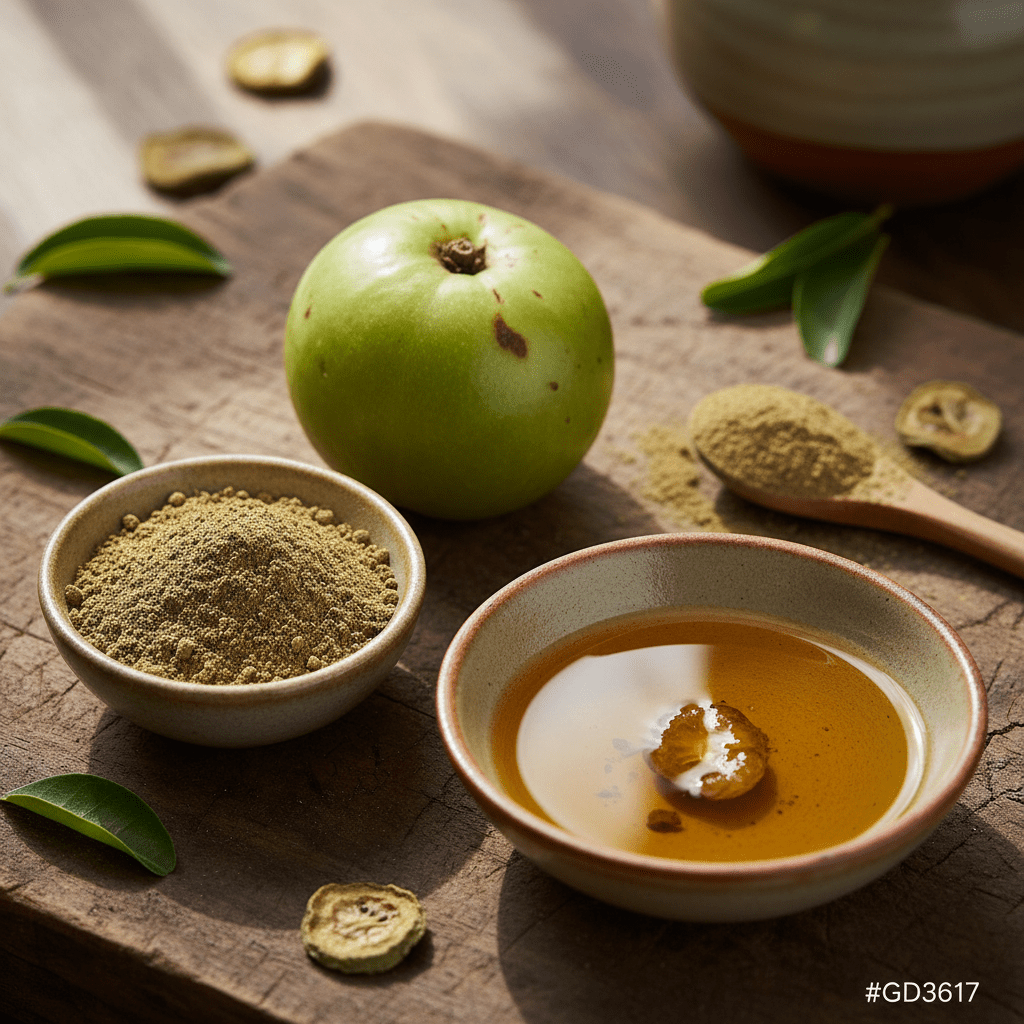
You know how some ingredients just keep hanging around for centuries because they actually do something? Amla is one of those. Also called Indian gooseberry for hair, it comes from the fruit of Phyllanthus emblica. In Ayurveda, it’s been used for a very long time for general wellness, scalp care, and keeping hair looking strong and healthy.
That old-school respect is getting a fresh spotlight now. People want natural hair care ingredients that feel familiar, but also make sense in a modern lab. And amla fits that mood pretty well. It shows up in oils, powders, serums, shampoos, and even in some amla extract in cosmetics formulas made for bulk beauty production.
But wait, not all amla products are the same. That part trips people up fast.
Here’s the simple version:
| Form | What it is | Common use |
|---|---|---|
| Amla fruit extract | The liquid or concentrated part pulled from the fruit | Serums, shampoos, masks |
| Amla powder | Dried and ground fruit | DIY masks, paste blends, oil infusions |
| Amla oil | Usually, amla infused into a carrier oil like coconut or sesame | Scalp oiling, pre-wash care |
So when people search for amla hair oil, they’re often not buying pure amla by itself. They’re usually buying an infusion. That means the fruit is soaked or heated with a carrier oil, then strained. The carrier might be coconut oil, sesame oil, or sometimes another base oil. That’s why the label matters so much. Reading cosmetic labels can save you from a lot of wishful thinking.
And the reason brands keep using amla? Its natural makeup is pretty impressive. The fruit is rich in vitamin C, tannins, flavonoids, and polyphenols. Those are the compounds linked to its antioxidant punch. In plain words, they help fight oxidative stress, which is a big deal for hair and scalp health. Some studies also point to amla’s role in supporting hair density and reducing shedding, which helps explain why it keeps showing up in best amla hair products.
Funny enough, this is where old tradition and modern product making meet. Ayurvedic recipes gave us the idea. Cosmetic science helps shape the final bottle. And if you’re a brand or manufacturer, that blend matters a lot when you’re choosing amla oil benefits for a new formula.
For ingredient buyers, lab-tested, pure carrier oils and botanical bases matter just as much as the amla itself. That’s where suppliers like Aroma Monk fit in, especially for teams building clean, traceable hair and beauty products with better raw materials.
The Science-Backed Benefits of Using Amla Oil for Hair and Scalp Health
Ever had one of those weeks where your scalp feels annoyed, your hair looks tired, and every brush stroke seems personal? Yeah. That’s usually when people start looking for something simpler, and amla hair oil keeps popping up for a reason.
Amla, or Indian gooseberry for hair, isn’t just a pretty old-school ingredient. It has a lot going on under the hood. The fruit is packed with vitamin C, tannins, flavonoids, and polyphenols, which are the parts linked to its strong antioxidant action. That matters because free radicals can wear hair down over time. Think dullness, rough texture, and that not-so-fun dry look. In one review of Phyllanthus emblica for hair and cosmetic use, amla stood out for its antioxidant and anti-inflammatory profile, which helps explain why it keeps showing up in best amla hair products and newer amla extract in cosmetics formulas.
And the market agrees. A 2024 U.S. survey found that 74% of consumers care about organic ingredients in personal care, while 65% want clear ingredient lists so they can avoid harsh chemicals consumer preference for organic personal care ingredients. So yeah, people are reading labels more closely now. Good. About time.
1. It may help support stronger hair roots
Here’s the simple version. Healthy follicles often mean better-looking hair. Amla is often used in formulas meant to support the scalp and roots, and some studies link it to improved hair growth markers and lower hair fall. In one clinical trial, a topical Amla-based serum showed better hair density and growth rate after 16 weeks. Another study found improved growth-phase support in women with hair loss.
That doesn’t mean amla hair oil is magic. It doesn’t. But it does mean the benefits of using amla oil are more than just folklore. The plant compounds may help the scalp stay in a better place so hair can grow with less stress.
2. It may help calm the scalp
A cranky scalp can make everything harder. Itchiness. Flakes. That tight, off feeling after washing. Amla has been studied for anti-inflammatory and anti-fungal activity, which is one reason it shows up in scalp oils and anti-dandruff blends. When the scalp is calmer, hair often looks and feels better too.
This is also where reading cosmetic labels really helps. If amla is only sitting near the end of the list, you may not be getting much of it at all. That little trick is called angel dusting sometimes. Tiny amounts, big claims. Classic move.
For dry, flaky, or stressed scalps, amla-based oiling can be a nice add-on. But if your scalp is broken, raw, or reacting badly, patch test first. No shortcuts there.
3. It can improve shine and texture
This part is easy to love. Amla’s tannins and vitamin C may help protect the hair shaft and cuticle, which can make strands look smoother and shinier. Less roughness. Less frizz. More reflection when the light hits your hair just right.
That’s why you’ll see amla mixed into oils, masks, and shampoos aimed at dry or dull hair. It’s also why many brands pair it with coconut oil, sesame oil, reetha, shikakai, or bhringraj. The mix matters. A good carrier oil gives amla a place to work, and a strong formula can make the whole product feel better on hair.
| Hair concern | How amla may help |
|---|---|
| Hair fall | May support stronger roots and follicle health |
| Dull hair | May help boost shine and softness |
| Dry scalp | May calm irritation and reduce flaking |
| Weak strands | May help protect the cuticle and hair shaft |
If you’re making products, or buying for a brand, this is where clean raw materials really matter. Lab-tested carrier oils, pure essential oils, and traceable botanical bases can make a big difference in the final result. That’s one reason suppliers like Aroma Monk get attention from B2B beauty teams who want reliable ingredients for hair care lines, wellness blends, and bulk cosmetic production.
The short version? Amla works best when the formula is honest. Strong label. Clear source. Real amounts. And if you’re shopping for your own routine, start with a formula that puts amla front and center, not just on the box.
Get a quote from Aroma Monk.
Essential Oil Supplier – Bulk pricing • Samples • Fast response
Navigating the Market: How to Decode Labels for Effective Amla Hair Products
You know that sneaky feeling when a bottle looks amazing on the shelf, but the ingredient list tells a different story? Yep. That’s the part most of us skip, and it’s where a lot of amla hair oil products either shine or fall flat.
If you want the real thing, start with the label. Not the front. Not the pretty leaves. The label. In cosmetic formulas, ingredients are usually listed in order from most to least. So if you see Phyllanthus Emblica Fruit Extract or Phyllanthus emblica close to the top, that’s a good sign the formula may actually contain a useful amount of Indian gooseberry for hair. If it’s buried way down near fragrance or colorants, the amla may just be there for show.
That trick matters more now than ever. In a 2024 survey, 74% of people said organic ingredients matter in personal care, and 65% wanted clear ingredient lists so they could avoid harsh chemicals consumer preference for organic personal care ingredients. So yes, people are reading labels more closely. Finally.
What to look for first
Here’s the quick check I use:
| Label clue | What it usually means | What to watch for |
|---|---|---|
| Phyllanthus Emblica Fruit Extract near the top | The formula likely has a real amount of amla extract | Better chance of real payoff |
| Emblica Officinalis | Older name for amla, often used in herb-based formulas | Same plant, different naming style |
| Amla Oil | Often an infused oil, not pure amla fruit | Check the carrier oil too |
| Aroma, fragrance, perfume high on the list | Scent may be doing more work than the amla | Could mean very little active ingredient |
And here’s a little label detective trick. If the front says “with amla” but the INCI list puts it after preservatives, fragrance, and a bunch of thickeners, the formula may contain only a tiny trace. That’s the classic greenwashing move. Pretty bottle. Thin promise.
Funny enough, this is where “angel dusting” shows up a lot. That’s when a brand adds just a speck of a hot ingredient so it can go on the box. Looks good. Doesn’t do much. Like putting a single basil leaf on a pizza and calling it farm fresh.
Different amla names, same plant?
Mostly, yes. But the form still matters.
- Phyllanthus Emblica Fruit Extract usually points to a fruit-based extract used for its plant compounds.
- Emblica Officinalis is the older botanical name for the same plant.
- Amla Oil often means amla has been soaked into a carrier oil like coconut, sesame, or mineral oil.
That last one matters a lot. If you’re shopping for the best amla hair products, an infused oil can be great for scalp massage and pre-wash care, but it may not be as strong as a formula with a high-quality extract. Different jobs. Different results.
Also, don’t ignore the rest of the list. If the first few ingredients are mostly silicone, mineral oil, heavy perfume, or cheap fillers, the amla is probably not the star of the show. That doesn’t make the product bad, by the way. It just means it’s probably more of a styling or scent product than a true benefits of using amla oil formula.
Greenwashing red flags
Look out for these:
- Amla on the front, but far down in the INCI list
- Big claims like “botanical power” with no ingredient order detail
- No percentage disclosure for the amla content
- Lots of fragrance, not much plant extract
- Fancy leaf art doing all the heavy lifting
And if you’re buying for a brand or salon line, this part gets even more serious. Ingredient placement affects how a formula performs, how customers feel about it, and whether the product can hold up in real use. For B2B buyers, suppliers like Aroma Monk can help here by providing lab-tested carrier oils, essential oils, and botanical bases with better traceability, so your own product line starts with cleaner raw materials instead of guesswork.
Amla can be a real star in hair care. But only if it’s actually in the bottle in a useful amount. So read the list, trust the order, and don’t let a green label do all the convincing for you.
Amla in Action: Finding Indian Gooseberry Beyond Just Oils
Amla doesn’t need to live in a bottle marked “oil” to pull its weight. That’s the fun part. You’ll see Indian gooseberry for hair show up in shampoos, conditioners, masks, and serums too, and honestly, that’s where a lot of the real day-to-day magic happens.
People want products that fit real life. A 2024 survey found that 74% of consumers care about organic ingredients in personal care, and 65% want clear ingredient lists so they can avoid harsh chemicals consumer interest in organic personal care ingredients. So brands are putting phyllanthus emblica for hair into more formats, not just old-school oil blends.
Shampoos and conditioners
This is probably the easiest place to start. In shampoo, amla can help with a gentle cleanse while still feeling soft on the scalp. In conditioner, it’s often used to help hair feel smoother and less rough after washing. Nice combo. Clean, then calm.
Amla-based shampoos are often paired with soapnut, shikakai, or mild surfactants, which makes sense because those blends can wash without stripping too much. Conditioners, on the other hand, may use amla extract in cosmetics to help with shine and slip. That means less tugging when you comb wet hair. Always a win.
Hair masks and serums
Now this is where amla gets a little louder. Hair masks usually pack a heavier dose of botanical goodness, so they’re good for dry, damaged, color-treated, or curly hair that needs more care. Serums are more focused. They sit on the hair or scalp and deliver a tighter, more targeted treatment.
Here’s a simple view:
| Format | What it does | Best for |
|---|---|---|
| Shampoo | Cleans while adding plant support | Oily or normal scalps |
| Conditioner | Helps smooth and soften hair | Frizz, dryness, tangles |
| Hair mask | Gives deep moisture and repair | Dry, damaged, curly hair |
| Serum | Adds focused shine or scalp support | Thin hair, dull hair, stressed scalp |
And yes, amla oil benefits still show up here too. The oil can be blended into masks and serums for a richer feel, while extract brings a lighter, active touch. That’s why some of the best amla hair products use both forms in one lineup. Clever. Not flashy. Just smart.
Amla also fits the bigger picture of natural hair care ingredients because it’s not just a trend ingredient with a cute label. It has real plant compounds behind it, and some studies link amla extract to better hair density, less shedding, and stronger-looking strands. So when you see a serum or mask built around amla extract in cosmetics, it’s worth a second look.
For brands and makers, this flexibility is a big deal. It means one ingredient can support a whole product family. Shampoos. Masks. Serums. Even leave-in treatments. And if you’re sourcing raw materials for your own line, clean carrier oils and lab-tested botanical bases matter just as much as the amla itself. That’s where suppliers like Aroma Monk fit neatly into the picture, especially for B2B teams that want traceable ingredients, bulk supply, and fewer sourcing headaches.
Small note. Rich botanical products can build up if you overdo them. So start slow, test the formula, and let the product do its job without piling on too much at once. Hair likes balance more than drama.

Integrating Amla into Your Routine: Practical Tips & Common Questions
Ever stood in the shower wondering, “Am I using this stuff the right way?” You’re not alone. With amla hair oil, a little timing goes a long way.
For a scalp serum, most people do well with it every 1 to 2 weeks at first. If your scalp feels calm and balanced, you can stretch that out more. For a hair mask, leave it on for about 10 to 20 minutes. Longer isn’t always better. Really. If your hair is fine or gets oily fast, start with once every 1 to 2 weeks. Dry or curly hair can often take a bit more, maybe 2 to 3 times a week. And for oil treatments, use them on the lengths and ends 1 to 2 times a week.
Here’s a simple weekly plan:
| Day | Product | How to use it |
|---|---|---|
| Sunday | Amla oil treatment | Massage into scalp, leave 30 to 60 minutes, then wash |
| Tuesday | Amla conditioner | Use after shampoo for slip and softness |
| Thursday | Scalp serum | Use a small amount on the scalp |
| Every other Saturday | Amla hair mask | Leave on 10 to 20 minutes, then rinse |
And yes, amla hair oil can usually work for lots of hair types, from fine to coily. But the base matters. A light formula tends to suit fine hair better, while richer oils often feel nicer on thick, dry hair.
A few quick FAQs:
- Will amla oil make blonde hair darker? Usually no, but patch test first. It may leave a slight coating if the oil is very dark.
- Can I use it on color-treated hair? Yes. Its antioxidant support is often a good fit for stressed hair.
- Is it safe for daily use? For most people, daily use is a bit much. Start slow and see how your scalp feels.
One more thing. If you’re buying for a brand, this is where reading cosmetic labels really pays off. The best formulas usually list Indian gooseberry for hair or phyllanthus emblica for hair near the top, not buried like a secret. That’s a good sign the amla extract in cosmetics formula may actually bring the benefits of using amla oil to real life, not just the front label.
And with more people asking for natural hair care ingredients, this market keeps growing. Recent survey data showed 74% of consumers care about organic ingredients in personal care, and the natural hair care market was valued at $10.17 billion in 2024, with steady growth ahead consumer interest in organic personal care ingredients and natural hair care market growth.
If you’re shopping for your own routine, start small, watch how your hair responds, and pick products that feel honest. If you’re sourcing for a product line, suppliers like Aroma Monk can help with pure carrier oils and lab-tested botanical bases that fit clean beauty goals without the guesswork.
Empower Your Hair Care: Making an Informed Choice with Amla
So here’s the good news. You don’t have to guess anymore.
Amla hair oil can be a real helper for hair and scalp care, but only if the product is built well and actually contains enough Phyllanthus Emblica Fruit Extract to matter. That’s the big lesson here. Amla is not just a pretty leaf on a bottle. It’s a science-backed ingredient with vitamin C, polyphenols, and other plant compounds that people keep reaching for in modern hair care.
But the label still wins. Always check the INCI list and look for reading cosmetic labels as your first move, not your last. If amla sits near the bottom, the bottle may be more marketing than muscle. If it shows up near the top, that’s a much better sign you’re getting real amla oil benefits and not just a tiny trace.
And the best part? Amla shows up in more than oil. It can be found in shampoos, masks, serums, and other natural hair care ingredients formulas too. So you’ve got options. Lots of them.
Maybe that’s the real shift here. Not just buying a product, but becoming the kind of person who knows what works for their own hair. You’re not stuck as a passive shopper anymore. You get to ask better questions. You get to spot weak claims. You get to choose best amla hair products with way more confidence.
If you want the real thing, look for products with a high amount of Phyllanthus Emblica Fruit Extract and clear ingredient lists. That’s how you get closer to the real benefits of using amla oil.
Simple. Smart. And your hair will thank you for it.
Get a quote from Aroma Monk.
Essential Oil Supplier – Bulk pricing • Samples • Fast response