
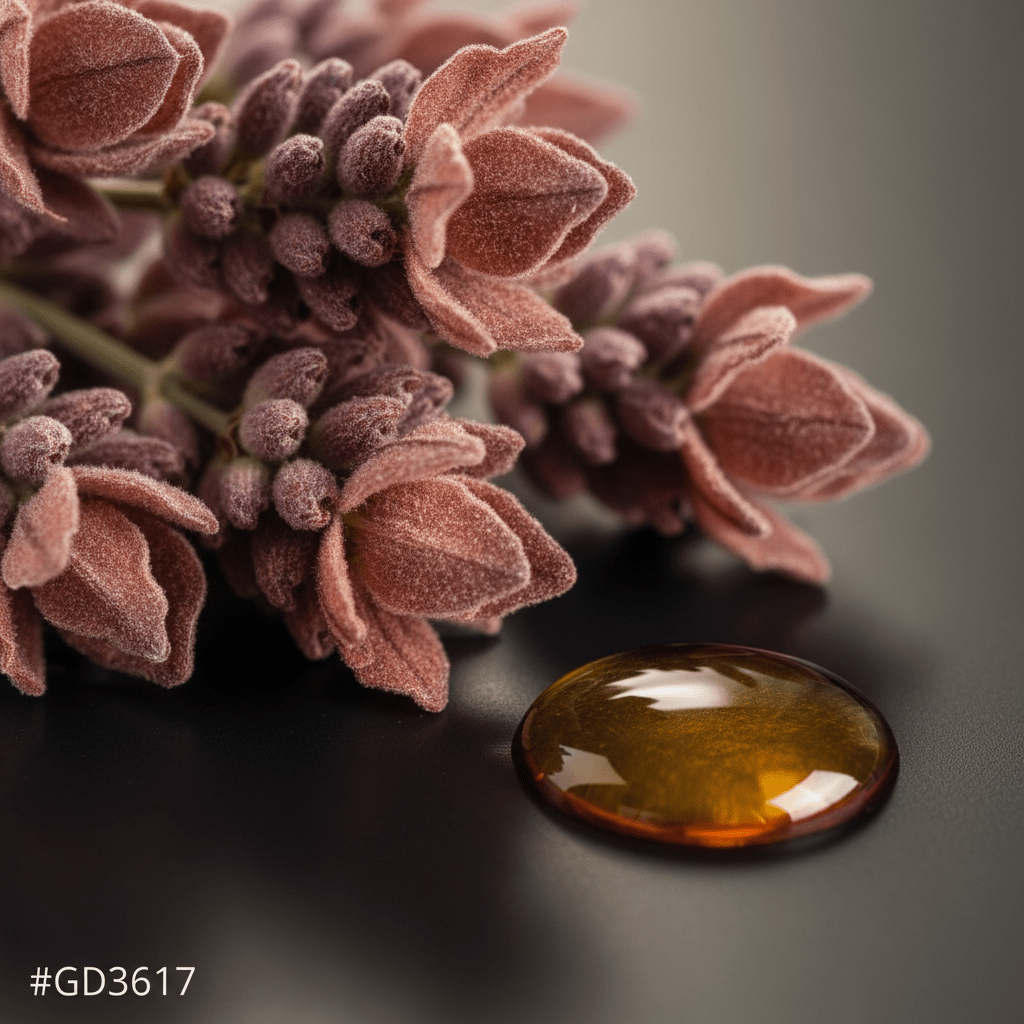
Embracing Nature’s Essence: The Rise of Organic Essential Oils and the Need for Caution
Have you noticed how essential oils are pretty much everywhere lately? It feels like you can’t walk into a yoga studio, a friend’s living room, or even a grocery store without catching a whiff of lavender or peppermint. And the numbers back that up—the global market is massive, sitting somewhere around $25 billion right now. That is a lot of little glass bottles.
But here is the thing that worries me. There is this dangerous idea floating around that “natural” automatically means “safe.”
Spoiler alert: it doesn’t.
When you are dealing with organic essential oils, you are handling super-concentrated plant power. Think about it—it takes tons of plant material to make just one pound of oil. If you use them wrong, you aren’t just wasting money; you risk skin rashes, chemical burns, or worse. Sourcing matters too, especially for businesses. Using certified organic essential oils ensures you aren’t concentrating pesticides alongside that lovely aroma, which is a huge deal when purity is your selling point.
It is confusing, right? One online guru says put lemon oil in your water (please don’t), while another says never touch it without gloves.
So, let’s cut through the noise together. This isn’t just another fluff piece. We are going to look at safe essential oil use, why sourcing quality ingredients like those from Aroma Monk matters, and how to handle these potent products without hurting yourself, your kids, or your pets.
What ‘Certified Organic’ Truly Means for Essential Oils (And Why It’s a Key Safety Factor)
Let’s be real for a second. Reading labels on essential oil bottles can feel like trying to solve a puzzle. You see words like “pure,” “natural,” and “therapeutic” everywhere. But here is the catch—most of those words are just marketing fluff. The only one that has a strict, legal definition behind it is organic essential oils.

So, what does that little USDA Organic seal actually prove?
It’s pretty strict. For a plant to be certified organic, the farmers couldn’t use any synthetic pesticides, weird chemical fertilizers, or sewage sludge (gross, I know) on that land for at least three full years before the harvest. They also have to use organic seeds. It’s a rigorous process that involves yearly inspections to prove they are doing it right.
And here is why this matters specifically for oils.
Making essential oil is basically a process of extreme concentration. You need a massive pile of lavender flowers—we’re talking hundreds of pounds—just to make one pound of oil. If those flowers were sprayed with pesticides, the distillation process doesn’t just wash them away. It can actually concentrate those chemicals right alongside the good stuff. So, when you use non-organic oils, you might be rubbing a super-strong dose of invisible chemicals right onto your skin.
Choosing certified organic essential oils is the best way to avoid that risk.
But wait, what about those other fancy labels? Let’s break down the myths versus the facts:
- “Therapeutic Grade”: This sounds official, but it’s not. There is no agency grading these oils. A company can just print this on a label because they feel like it.
- “100% Pure”: This is also unregulated. It should mean no additives, but nobody is really checking.
- “Natural”: This word is so vague it’s almost meaningless. A plant can be “natural” but still covered in bug spray.
When we talk about pure therapeutic grade essential oils safety, we need to look past the fancy gold stickers. If you are running a business or making products for your family, sourcing matters. Suppliers like Aroma Monk get this—they focus on the actual testing and certification rather than just using buzzwords. Because at the end of the day, “organic” isn’t just a trend. It’s your safety net against concentrated chemicals.
The 3 Pillars of Safe Essential Oil Use: Application Methods and Best Practices
Okay, now that we know what we are buying, let’s talk about how to use it.
I see this happen all the time. People buy a bottle of high-quality organic oil, maybe peppermint or oregano, and treat it like it’s just fancy perfume. But remember, these are potent chemical compounds. Whether you are mixing products for your small business or just trying to calm down after a chaotic Tuesday, understanding safe essential oil use is a big deal.
There are really three main ways to use these oils. Let’s break them down so you don’t accidentally hurt yourself.
Pillar 1: Topical Application (Your Skin)
Here is the golden rule: Never put essential oils directly on your skin.
I know, I know. You’ve probably seen someone dab lavender neat (that means undiluted) right onto a bug bite. Or maybe you’ve done it yourself. But using oils neat is a fast track to sensitization. That basically means your body develops an allergy to the oil, and you might never be able to use it again.
Instead, you need a “carrier oil.” This is a neutral oil like coconut, jojoba, or almond oil. It acts like a bus that carries the essential oil molecules safely into your skin without overwhelming your system. Plus, it stops the essential oil from evaporating too fast.
Since suppliers like Aroma Monk provide certified organic essential oils that are incredibly pure, they are going to be strong. You have to respect that potency.
Here is a simple cheat sheet on how to dilute essential oils for adults:
| Purpose | Strength | Drops of Essential Oil per 1 oz (30 mL) of Carrier Oil |
|---|---|---|
| Face / Sensitive Skin | 0.5% – 1% | 3 – 6 drops |
| Daily Body Care | 1% – 3% | 6 – 18 drops |
| Short-Term Issue (Pain/Cold) | 3% – 5% | 18 – 30 drops |
Source: Tisserand Institute

Before you slather a new blend all over your arm, do a patch test. Put a tiny bit of the diluted oil on your inner arm and wait 24 hours. If it gets red or itchy? Wash it off and don’t use it. Simple as that.
Pillar 2: Aromatic Application (Breathing It In)
Diffusers are everywhere. And they are great! But there is a “more is better” trap here too.
Running a diffuser 24/7 isn’t actually good for you. our nose gets used to the smell (it’s called olfactory fatigue), so you stop noticing it, but your body is still processing those compounds.
For essential oil best practices with diffusers, stick to the 30/60 rule. Run your diffuser for 30 to 60 minutes, then turn it off for an hour. This gives your body a break. Also, make sure the room has good airflow. You don’t want to trap yourself in a cloud of vapor.
Some research suggests that constant exposure can actually irritate your lungs, especially if you have asthma or allergies. So, crack a window and give it a rest every once in a while.
Pillar 3: The Truth About Internal Use
We need to have a serious chat about drinking essential oils.
You might have seen influencers putting lemon oil in their water to “detox.” Please, for the love of your insides, stop doing this.
Here is the science: Oil and water don’t mix. Even if you shake that water bottle like a Polaroid picture, the oil just floats on top. When you take a sip, that undiluted, super-concentrated oil hits your lips, throat, and esophagus full force. It can burn your mucous membranes and, over time, stress out your liver.
Unless you are working directly with a medical doctor or a clinical aromatherapist who is monitoring your blood work, keep the oils out of your mouth. “Organic” means it was grown without pesticides; it doesn’t mean it’s lemonade.
Get a quote from Aroma Monk.
Essential Oil Supplier – Bulk pricing • Samples • Fast response
Know Your Oils: Identifying and Handling Potentially Hazardous Essential Oils
Most people think of essential oils as these gentle, harmless scents. And sure, lavender is pretty chill. But some oils are a bit like that friend who is fun at parties but high-maintenance on a road trip. You have to handle them differently.
When you are dealing with pure therapeutic grade essential oils safety, knowing which oils are “divas” can save you a trip to urgent care. Since suppliers like Aroma Monk sell verified, high-purity oils, these reactions can happen faster than they would with watered-down stuff.
Let’s look at the three big risks of essential oils you need to watch out for.
The “Sun-Shy” Oils (Phototoxicity)
Imagine this: You put a lovely citrus blend on your neck, go for a hike, and wake up the next day with a blistered, red burn exactly where you applied the oil. Ouch.
This is called phototoxicity. Certain oils contain compounds that soak into your skin and react aggressively when sunlight (UV rays) hits them. It can happen fast, too.
Common culprits include:
- Bergamot (This is the biggest offender)
- Lemon (Cold-pressed)
- Lime (Cold-pressed)
- Grapefruit
Funny enough, if you use steam-distilled lemon or lime, they are usually safe because the heat changes the chemistry. But most people don’t know which version they have.
The Fix: If you apply these oils topically, wait at least 12 to 18 hours before going out in the sun or using a tanning bed. Or, just stick to using these in your diffuser.
The “Hot” Oils
Some oils feel warm on the skin. Others flat-out burn. We call these “hot oils.”
Think about ingredients like Cinnamon Bark, Clove, Oregano, and Thyme.
These are amazing for cleaning or immune support, but on your skin? They can be fierce. A drop of undiluted oregano oil feels like a bee sting.
Because these are so strong, normal dilution rules don’t apply. You need to dilute them way more. We are talking about using just one drop in a huge dollop of carrier oil (like 0.1% to 0.5% concentration).
According to safety experts, even Clove needs to be kept under 0.5% to avoid irritation Tisserand Institute.
Health Specifics: When to Say No
Sometimes, your own body chemistry means you should skip certain oils entirely.
- High Blood Pressure: Some research suggests oils like Rosemary and Peppermint can be too stimulating.
- Pregnancy: While many oils are safe later in pregnancy, Clary Sage is often avoided because it might stimulate contractions.
- Epilepsy: Oils like Hyssop or Fennel are often flagged as triggers.
If you have a medical condition, don’t guess. Talk to your doctor. Safe essential oil use isn’t just about the oil quality; it’s about how it interacts with you.
Essential Oil Safety for the Whole Family: Guidelines for Children, Pregnancy, and Pets
We all love sharing things that work for us. If lavender helps you sleep, it’s natural to want to put a drop on your toddler’s pillow or diffuse it near your dog’s bed. But here is the hard truth: safe essential oil use changes completely depending on who—or what—you are applying it to.
Your 5-year-old isn’t just a small adult. Their skin is thinner, and their organs are still figuring out how to work perfectly. And your cat? Biologically, they are a totally different beast (literally).
Since suppliers like Aroma Monk provide certified organic essential oils that are free from fillers, you are dealing with 100% potent plant power. That means safety is even more critical. Let’s break down how to keep your whole house safe.
Little Ones: Kids and Babies
When it comes to children, less is definitely more.
First off, essential oil safety with kids starts with a simple rule: Keep oils away from babies under 3 months old. Their little systems just aren’t ready for it.
For older kids, you need to dilute, dilute, dilute. Remember how we talked about adult dilution? Well, for kids, you need way more carrier oil.
Here is a quick guide on safe amounts:
- 0 – 3 Months: No topical use. Just don’t do it.
- 3 – 24 Months: 0.25% to 0.5% (That is like 1 drop of oil in 4 tablespoons of carrier oil).
- 2 – 6 Years: 1% to 2% dilution.
- 6+ Years: You can slowly move toward adult doses.
Also, watch out for Peppermint and Eucalyptus. I know they smell great for a stuffy nose, but they contain compounds (menthol and 1,8-cineole) that can actually slow down breathing in young kids. Experts say to avoid Peppermint for kids under 6 and Eucalyptus for kids under 10 Tisserand Institute. Stick to gentle options like Lavender or Roman Chamomile instead.
Expecting? Read This First
Pregnancy is a time when everyone gives you unsolicited advice. But when we look at risks of essential oils, this is serious business.
Most oils are safe to use in a diffuser during pregnancy, but putting them on your skin requires caution. Some oils can actually mess with your hormones or cause muscle contractions.
Oils to Avoid Completely:
- Clary Sage: It’s known to stimulate the uterus (some people sadly use it to try and start labor, which is risky).
- Wintergreen: This has a compound similar to aspirin that can be dangerous for the baby’s development.
- Myrrh and Parsley Seed: These are often flagged as unsafe during pregnancy.
Always chat with your doctor or midwife before using anything new. It’s better to be safe.
Don’t Forget the Fur Babies
This part scares me the most because so many people don’t know it.
Your dog might be okay with some smells, but cats possess a very specific problem. Their livers are missing a key enzyme called glucuronyl transferase.
Translation? They can’t break down certain chemical compounds. If you diffuse strong oils in a closed room, it can build up in their body and cause liver failure. It happens fast, too.
Specifically Bad for Cats:
- Tea Tree (Melaleuca) – This is the #1 offender.
- Peppermint
- Citrus oils (Lemon, Orange, Lime)
- Wintergreen
- Pine
Dogs are a bit tougher, but Tea Tree and Wintergreen are still bad news for them.
Does this mean you have to throw away your diffuser? No. But you do need to follow some rules. Only diffuse in a room where your pet can leave. Keep the door open. If they walk out, don’t force them back in—they usually know what bothers them. And never, ever put essential oils directly on your pet’s fur, no matter what a blog post tells you.
How to Choose a High-Quality Brand: A Shopper’s Guide to Safe Organic Essential Oils
Searching for high-quality oils can feel a bit like the Wild West. You see a bottle of Frankincense for $10 and another for $80. They both say “100% Pure” on the label. So, what gives?
Here is the secret most brands won’t tell you: You need to look for the “report card.”

In the industry, we call this a GC/MS report (Gas Chromatography/Mass Spectrometry). Sounds fancy, I know. But basically, it acts like a chemical fingerprint for the oil. It proves the oil isn’t cut with cheap fillers, synthetic perfumes, or vegetable oil. If a company can’t—or won’t—show you this test, that is a massive red flag.
Suppliers like Aroma Monk get this. Since they focus on ensuring businesses get legitimate ingredients, they rely on actual lab testing rather than just sticky marketing terms. That verification is your only real guarantee of purity.
Speaking of labels, don’t just look at the logo. You need to become a bit of a detective. Here is a cheat sheet for what must be on the bottle. If these details are missing, put it back on the shelf.
| Soil affects quality. Lavender grown in France has a different chemistry than Lavender from Bulgaria. | Why It Matters |
|---|---|
| The Latin Name | “Lavender” isn’t enough. You need to know if it is Lavandula angustifolia (calming) or Lavandula latifolia (stimulating). |
| Country of Origin | Was it steam-distilled or cold-pressed? This changes essential oil best practices for safety (especially for citrus oils). |
| Extraction Method | Was it steam-distilled or cold-pressed? This changes essential oil best practices for safety (especially for citrus oils). |
| Expiration Date | Yes, oils go bad! Old oils oxidize and can turn into skin irritants. |
Source: Aroma Monk
Finally, let’s talk about where you keep your stash.
Light and heat are the absolute enemies of certified organic essential oils. If you see oils being sold in clear glass bottles, walk away. UV light breaks down the chemical compounds in the oil, essentially spoiling them.
You always want dark glass—usually amber or deep blue. And once you get them home, don’t display them on a sunny windowsill or near your shower steam. The best place is a cool, dark drawer.
Treat your oils like fresh food, not like a candle that lasts forever. If an oil starts smelling sour, paint-like, or just “off,” trust your nose. It’s time to toss it.
Your Actionable Essential Oil Safety Checklist
Phew. That was a lot of information, right?
If your head is spinning a little, don’t worry. You don’t need a degree in chemistry to enjoy lavender or peppermint. You just need a simple game plan.
Think of this as your safety cheat sheet. Whether you are mixing a custom blend for your shop or just diffusing something to relax after work, these are the non-negotiables.
The “Stay Safe” Cheat Sheet
- Respect the Potency: These aren’t just good smells; they are concentrated plant medicine. Treating them with respect is step one.
- Dilution is Non-Negotiable: Never skip the carrier oil. Remember, “neat” application is a recipe for a rash. If you aren’t sure, add more carrier oil. You can always add more essential oil later, but you can’t take it out.
- The Patch Test Rule: Before you commit to a full application, put a tiny amount of diluted oil on your inner arm. Give it 24 hours. No redness? You’re good to go.
- Protect the Vulnerable: Babies, pregnant women, and pets process chemicals differently. If you have little ones (furry or human) in the house, double-check your oil choice first.
- Store Like a Pro: Keep those bottles in dark glass and away from heat. If your lemon oil smells weird or looks cloudy, toss it. It’s not worth the risk. A study on storage shows that citrus oils are fragile and can go bad in just 12 months if not stored right.
Quality is Your Foundation
Here is the bottom line: Safe essential oil use starts with what is in the bottle.
You can follow every safety rule in the book, but if you are using an oil that is full of pesticides or synthetic fillers, you are fighting a losing battle. That is why sourcing is the biggest piece of the puzzle.
When you buy from suppliers like Aroma Monk, you aren’t just getting a nice smell. You are getting the “report card”—that GC/MS test we talked about—that proves the oil is pure. Whether you are a business owner sourcing for a new product line or just someone who wants the best for their family, demand that transparency. If a company won’t show you the proof, walk away.
Start Low and Slow
Don’t let the safety talk scare you off. Organic essential oils are amazing tools. They can lift your mood, settle your stomach, and make your home smell incredible.
Just start slow. Pick one or two oils—maybe a high-quality Lavender or Sweet Orange. Get comfortable with them. Learn how they react with your body.
You’ve got the knowledge now. You know how to spot the fakes, how to dilute the strong stuff, and how to keep your pets safe. So go ahead, open that bottle (safely!), and enjoy the aroma. You’ve earned it.
Get a quote from Aroma Monk.
Essential Oil Supplier – Bulk pricing • Samples • Fast response