
The Scent of the Forest in Your Home: But Where Does it Come From?
You know that sharp, clean smell of a pine forest? It feels amazing to breathe it in. It makes you feel awake and calm at the same time. That’s probably why so many of us are adding a pine oil diffuser to our daily routine. It brings the outdoors inside and makes the whole house feel fresh.
We aren’t the only ones loving this trend. The market for home aromatherapy is growing fast. In fact, experts valued the home aromatherapy market at around $9.2 billion in 2024. It seems everyone wants natural products that help them relax and clear their minds.
But wait. Have you ever looked at that little bottle and wondered where it actually comes from?
We usually assume it is just juice squeezed from a pine needle. But the story is a bit more complicated. We need to ask: Is this oil sustainable? Are we hurting the forests we love just to make our homes smell like them?
To make a smart choice, you need to understand the journey of the oil. There is a common type called Pine Oil 80 that shows up in a lot of products, from air fresheners to pine oil for cleaning. Knowing the difference between this and other oils is the secret to finding true eco-friendly aromatherapy.
Let’s figure out how we can enjoy these pine oil benefits without the guilt.
What Exactly is ‘Pine Oil 80’? Demystifying the Different Types of Pine Oil
Ever notice how some pine scents smell like a fresh Christmas tree, while others smell exactly like the floor cleaner at a gas station?
There is a huge reason for that. And it usually boils down to two very different products hiding under similar names.
First, you have pine needle essential oil. This is likely what you are looking for if you want natural home fragrance. It is made by steaming the actual pine needles and twigs. It smells distinct, crisp, and woodsy.
Then, there is Pine Oil 80.
This is where things get a little tricky. You might see “Pine Oil” on a label and think it’s the same natural stuff. But Pine Oil 80 is actually an industrial-grade product. The number “80” stands for the percentage of terpene alcohols in the liquid.
We aren’t talking about drinkable alcohol here. We’re talking about chemical compounds that are fantastic at dissolving grease and killing germs. That is why this version is the superstar of pine oil for cleaning products. It’s cleaner, stronger, and much cheaper to produce.
But how is pine oil made if it’s not just steamed needles?
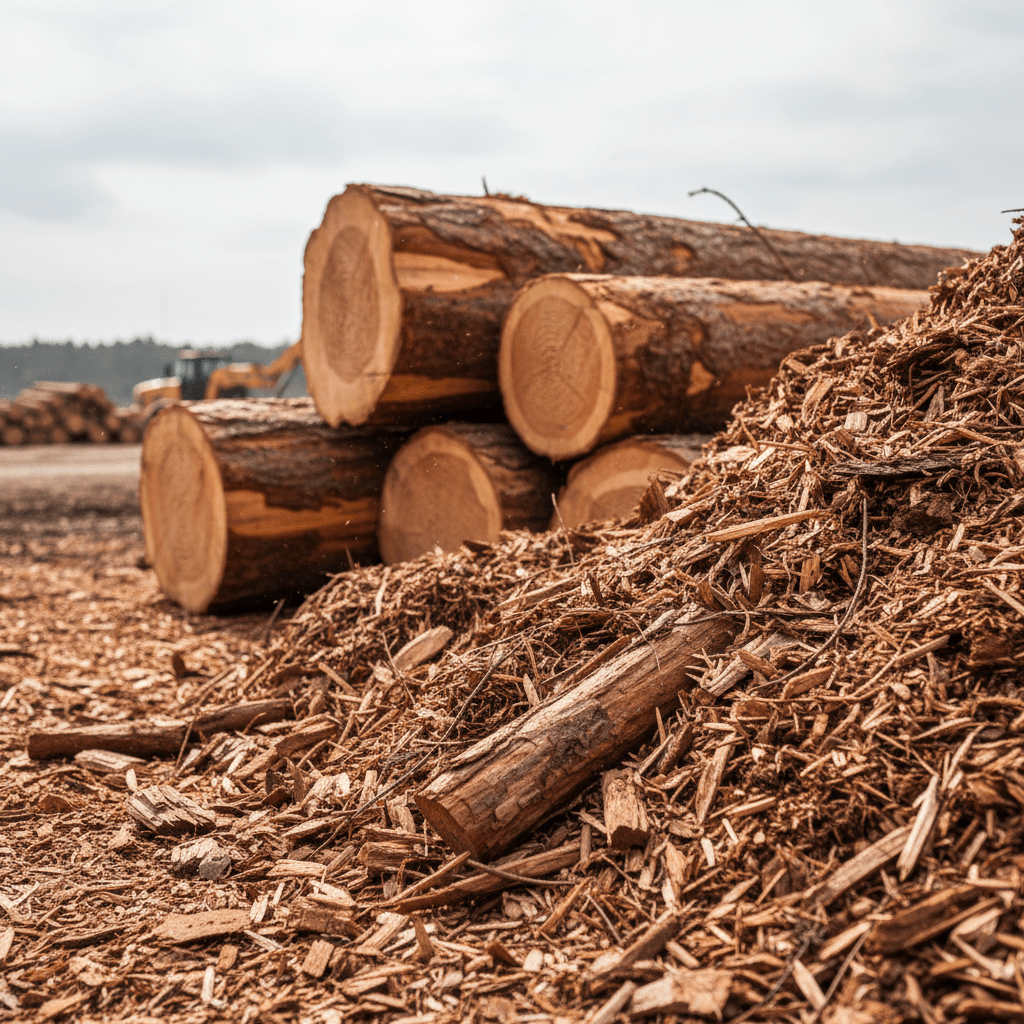
Here is the part that usually surprises people. A massive chunk of the pine oil used in industrial cleaners comes from the paper industry. When factories process wood to make paper pulp, they end up with a byproduct called Crude Tall Oil (or CTO).
This thick, dark liquid gets separated out, and through a process called fractional distillation, it gets refined into the pine oil used in heavy-duty disinfectants.
So, essentially, Pine Oil 80 is a recycled leftovers dish from making paper.
Is that bad? Not necessarily. It’s actually a pretty efficient use of waste. But here is the thing—it’s not what you want in your pine oil diffuser.
Using industrial-grade oil for aromatherapy can be harsh. It doesn’t offer the same delicate balance or the true pine oil benefits for relaxation that a pure, needle-derived oil does. It’s built for scrubbing floors, not for soothing your mind.
If you care about eco-friendly aromatherapy, you have to check your labels. True sustainable essential oils often list the specific Latin name of the tree (like Pinus sylvestris). If the bottle just says “Pine Oil” or mentions a percentage of alcohols, you’re likely holding a cleaning product, not a wellness tool.
We need to understand pine oil sourcing to make sure we aren’t accidentally filling our living rooms with industrial solvents. Because while reusing paper mill waste is smart recycling, breathing it in might not be the vibe you’re going for.
The Journey from Tree to Bottle: Uncovering the Production Process

Have you ever tried to picture how we get liquid out of a solid tree trunk?
It’s a funny image, right? We probably imagine someone tapping a tree like they do for maple syrup, or maybe crushing pine needles in a giant mortar and pestle.
For the small-batch, artisanal stuff, that second image isn’t too far off. But for the massive amounts of pine scent used in cleaning products around the world, the reality is much more industrial. And it starts in a place you might not expect: a paper mill.
Let’s peel back the curtain on how is pine oil made when we’re talking about the heavy-duty stuff.
It Starts with the “Kraft” Process
Most industrial pine oil begins its life as a log destined to become cardboard or printer paper.
Here is how it works. Factories take pine wood and chop it into tiny chips. Then, they cook those chips in a mixture of water and chemicals. This is called the “Kraft process.”
The goal here is to separate the wood fibers (which become paper) from everything else. Once the fibers are pulled out, the factory is left with a byproduct—a dark, thick, smelly liquid.
They call this “black liquor” at first. After some processing, it becomes Crude Tall Oil (or CTO).
Now, “Tall Oil” sounds weird, doesn’t it? It actually comes from the Swedish word tallolja, which just means “pine oil.” Funny enough, this byproduct is basically liquid gold for the chemical industry. We are talking about nearly 1.8 million tonnes of this stuff produced globally in just one year Chem Analyst.
The Science of Separation
So, we have this big vat of Crude Tall Oil. How do we get that crisp pine scent out of it?
The answer is fractional distillation.
If you aren’t a chemistry whiz, don’t worry. Ideally, it’s just like separating ingredients in a soup by heating them up. Different liquids boil at different temperatures. When the factory heats up the CTO, it splits into three main groups:
- Fatty Acids: These often go into paints, soaps, and even nutritious supplements.
- Rosin: This is the sticky stuff used in adhesives, rubber, and printing inks.
- Pine Oil: This is the volatile part that smells strong and acts as a solvent.
This separated pine oil is what eventually becomes Pine Oil 80. It’s basically the lighter, smellier cousin of the other byproducts.
Is This Bad for the Planet?
Here is the twist I didn’t see coming.
You might hear “industrial byproduct” and think, “Oh no, that sounds terrible for the earth.” But actually? It’s a pretty brilliant form of recycling.
Think about it. We are already cutting down trees to make paper. If we just threw away the leftover liquid, that would be wasteful. By turning CTO into pine oil, we are using every part of the buffalo, so to speak.
In fact, using these pine chemicals is often much better than the alternative. Studies show that producing chemicals from pine byproducts has a 50% lower greenhouse gas footprint than making similar products from fossil fuels like oil or gas.
So, when we look at pine oil sourcing from this angle, it’s actually a win for sustainability. It keeps waste out of landfills and reduces our need for petroleum-based chemicals.
The Catch for Your Diffuser
So, if it’s sustainable, what’s the problem?
The issue isn’t the planet; it’s the purpose.
This process creates a product that is amazing at dissolving grease and killing bacteria on your kitchen floor. It is a workhorse. But it is chemically different from the delicate, complex oil that comes from gently steaming fresh pine needles.
While this upcycled oil is a hero for eco-friendly aromatherapy cleaning products, it lacks the subtle therapeutic properties you want for mental relaxation. It’s a bit like comparing a hearty industrial degreaser to a fine herbal tea. Both are liquids, both have their place, but you definitely don’t want to mix them up.
Understanding this difference is the first step to knowing what you are actually buying. Next, we need to look at how to spot the difference on the shelf—because the labels definitely won’t make it easy for you.
Get a quote from Aroma Monk.
Essential Oil Supplier – Bulk pricing • Samples • Fast response
The Sustainability Equation: Is Pine Oil an Eco-Friendly Choice?

So, we have a bit of a dilemma here.
On one hand, we know that a lot of pine oil comes from a factory process that sounds pretty harsh. On the other hand, we want our homes to smell like a natural forest.
It begs the question: Is putting this stuff in your pine oil diffuser actually good for the planet? Or should we feel guilty about it?
The answer is honestly kind of surprising.
It turns out that pine oil might be one of the most accidentally sustainable products on the shelf. But—and there is always a “but”—it depends entirely on where the trees came from in the first place.
The Trash-to-Treasure Bonus
Remember how we talked about how is pine oil made? Specifically, that Pine Oil 80 comes from the leftovers of making paper?
Well, that is actually a huge point in its favor.
In the world of sustainability, we call this a “circular economy.” Basically, instead of taking new resources from the earth, we are using waste that is already there. If factories didn’t turn that leftover “black liquor” into chemicals like pine oil, they would probably just burn it or have to treat it as waste.
By turning it into pine oil for cleaning or fragrance, we are using the “whole buffalo,” so to speak. Nothing goes to waste.
And the numbers back this up. Some studies show that producing chemicals from pine byproducts has a 50% lower greenhouse gas footprint than making similar products from fossil fuels.
That is a big deal. It means that by using pine-based cleaners or scents, you are often choosing a renewable resource over a petroleum-based one.
The Forest Factor
Okay, so the factory part is pretty green. But what about the forest?
This is where pine oil sourcing gets tricky.
Recycling waste from a paper mill is only good if the paper mill isn’t destroying ancient forests to begin with. If the wood comes from an area that was clear-cut irresponsibly, then the oil is just a byproduct of destruction.
To ensure you are buying sustainable essential oils or eco-friendly cleaners, you need to look for certifications. You have probably seen these logos before:
- FSC (Forest Stewardship Council): This is the gold standard. It means the forest is managed in a way that protects biodiversity and respects local people.
- PEFC (Programme for the Endorsement of Forest Certification): Another big international seal of approval for sustainable forest management.
If your natural home fragrance brand can’t tell you where their wood or needles come from, that’s a red flag. Transparency is everything.
Quality Meets Conscience
There is also an energy side to this story.
Distilling pine oil—whether it’s the industrial stuff or the pure essential oil—uses ‘green chemistry’ principles. It takes relatively low energy to separate these compounds compared to synthesizing fake fragrances in a lab.
So, if you are looking for true eco-friendly aromatherapy, you are usually on the right track with pine.
But you have to be picky. You want a supplier who cares about the source as much as the scent. This is why companies that focus on transparency, like Aroma Monk, matter so much in this industry. They understand that purity isn’t just about the smell; it’s about the supply chain.
When you find a bottle that gives you those amazing pine oil benefits—clearing your mind, refreshing the room—and you know it came from a responsibly managed forest? That is when you can breathe easy.
It feels good to know your pine oil diffuser isn’t just making your house smell clean—it’s helping keep the process clean, too.
A Conscious Consumer’s Guide to Buying Sustainable Pine Oil
So, here we are. You know the backstory. You know that some pine oil is basically recycled paper juice, and some is the real deal from fresh needles.
Now you are standing in the store aisle—or maybe you have five tabs open on your browser—and you just want to buy a bottle. You want that fresh, woodsy smell in your living room, but you don’t want to hurt the planet to get it.
How do you actually tell the good stuff from the bad stuff?
It can feel like you need a chemistry degree to figure it out. But you don’t. You just need to know what to look for on the label.
The Name Game
First things first. Look at the ingredient list.
If it just says “Pine Oil” or “Fragrance,” put it back on the shelf. That is usually code for the industrial-grade stuff we talked about earlier. It’s great for scrubbing a garage floor, but it’s not what you want for natural home fragrance.
You want to see a specific Latin name. For true pine needle oil, look for Pinus sylvestris (that’s Scots Pine) or Pinus balsamea. When a brand lists the Latin name, it means they likely track their pine oil sourcing back to the specific tree species.
The “Green Flag” Words
We are often taught that words like “byproduct” or “recycled” are bad when it comes to wellness products. But in the world of sustainable essential oils, these are actually compliments.
If you see a brand mention that their oil is a “byproduct of the timber industry” or “upcycled,” that is a huge win. It means they aren’t cutting down trees just to make oil. They are using the leftovers.
Also, keep an eye out for logos. You might see a little tree icon with a checkmark. That is the FSC (Forest Stewardship Council) symbol.
It’s a big deal.
FSC 100% means the wood came from a forest that is managed responsibly. It protects the animals and the people who live there FSC. If you see that on a box, you can feel pretty good about your purchase.
Don’t Be Shy—Ask!
Here is a trick that almost nobody uses.
Send the brand an email.
Seriously. If you can’t find the info on their website, ask them. You can say something like:
- “Is your pine oil derived from a certified sustainable forestry source?”
- “Can you show me the lab test results for this batch?”
Brands that have nothing to hide will love this question.
Take Aroma Monk, for example. They are a bulk supplier that works with a lot of businesses, and they make a point of being transparent about their supply chain. They test for purity and can trace their oils back to the source. That is the level of detail you should demand, even if you are just buying one small bottle.
Beware the Vague Promises
Finally, watch out for the fluff.
You will see terms like “Therapeutic Grade” or “100% Pure” plastered everywhere. The tricky part? No one actually regulates those terms. A company can put “Therapeutic Grade” on a bottle of pine oil for cleaning floors if they want to.
Real eco-friendly aromatherapy doesn’t need to brag with made-up terms. It proves its worth with transparency, Latin names, and certification logos.
When you find a brand that ticks these boxes, you aren’t just buying a nice smell. You are voting for a system that keeps our forests standing. And honestly? That makes the pine oil benefits feel even better when you finally turn that diffuser on.
Beyond the Diffuser: The Versatile Power of Sustainable Pine Oil

We usually think of pine as a smell for the holidays or a way to relax.
But actually? It is one of the toughest cleaners nature has to offer.
Remember that Pine Oil 80 we talked about? The one that acts like a recycled wonder from the paper industry? It might be a little strong for a delicate face serum, but it is absolute magic for a dirty kitchen floor.
The secret is in the chemistry.
This oil is loaded with something called “terpene alcohols.” I know, that sounds like science class. But basically, these compounds are amazing at dissolving grease and fighting germs. They break down the waxy coating on bacteria, which is a fancy way of saying they stop germs in their tracks.
In fact, studies show that pine oil is effective against some pretty nasty household bacteria, like Staph NIH. That is why pine oil for cleaning has been a favorite for decades. It doesn’t just cover up smells; it actually scrubs the surface clean.
Plus, you don’t need to buy a fancy bottle from the store to get these pine oil benefits. You can make your own natural home fragrance cleaner right at your kitchen sink.
The “Forest Floor” Cleaner Recipe:
- 1 cup of white vinegar
- 1 cup of warm water
- 15 drops of pine oil (look for sustainable essential oils)
Mix it in a spray bottle. Shake it up. That’s it.
You get the grease-fighting power of vinegar plus the antibacterial kick of pine. And it costs pennies compared to the store-bought stuff.
If you run a small business making natural cleaners, or you just use a ton of this stuff (I definitely go through a lot with two dogs), buying tiny bottles gets expensive fast. This is where a supplier like Aroma Monk comes in handy. They focus on getting pure, lab-tested oils to people who need more than just a tiny dram.
Whether you are scrubbing the bathroom or just wiping down the counters, switching to pine is a smart move. You are using a recycled ingredient to keep your home safe. It’s effective, it’s cheap, and it gets the job done.
Breathe Easy: Making an Informed Choice for Your Home and the Planet
So, we’ve been on a bit of a journey, haven’t we?
We started out worried that our love for that crisp, forest smell might be hurting the actual forests. But turns out? The story is a lot better than that.
Actually, using pine oil in your diffuser—or even that strong stuff for cleaning—can be one of the smartest eco-moves you make. Because when it comes from the right place, it’s not just “natural.” It’s upcycled. You are basically taking a waste product from the paper industry and giving it a second, beautiful life.
That is a pretty cool way to look at it.
You don’t need to be perfect to make a difference. You just need to be a little bit nosy. Before you buy that next bottle, take five seconds. Look at the label. Does it list a Latin name? Is there a logo like FSC? Or better yet, does the company scream about their transparency like the folks at Aroma Monk do?
If you can find just one of those things, you’re winning.
It connects back to this idea that a healthy home leads to a healthy planet. Every time you choose a bottle with a clear backstory, you are telling the industry that truth matters more than marketing.
So go ahead. Fill up that diffuser. Take a deep breath. It smells like pine, sure. But now you know it also smells like a job well done.
Get a quote from Aroma Monk.
Essential Oil Supplier – Bulk pricing • Samples • Fast response