
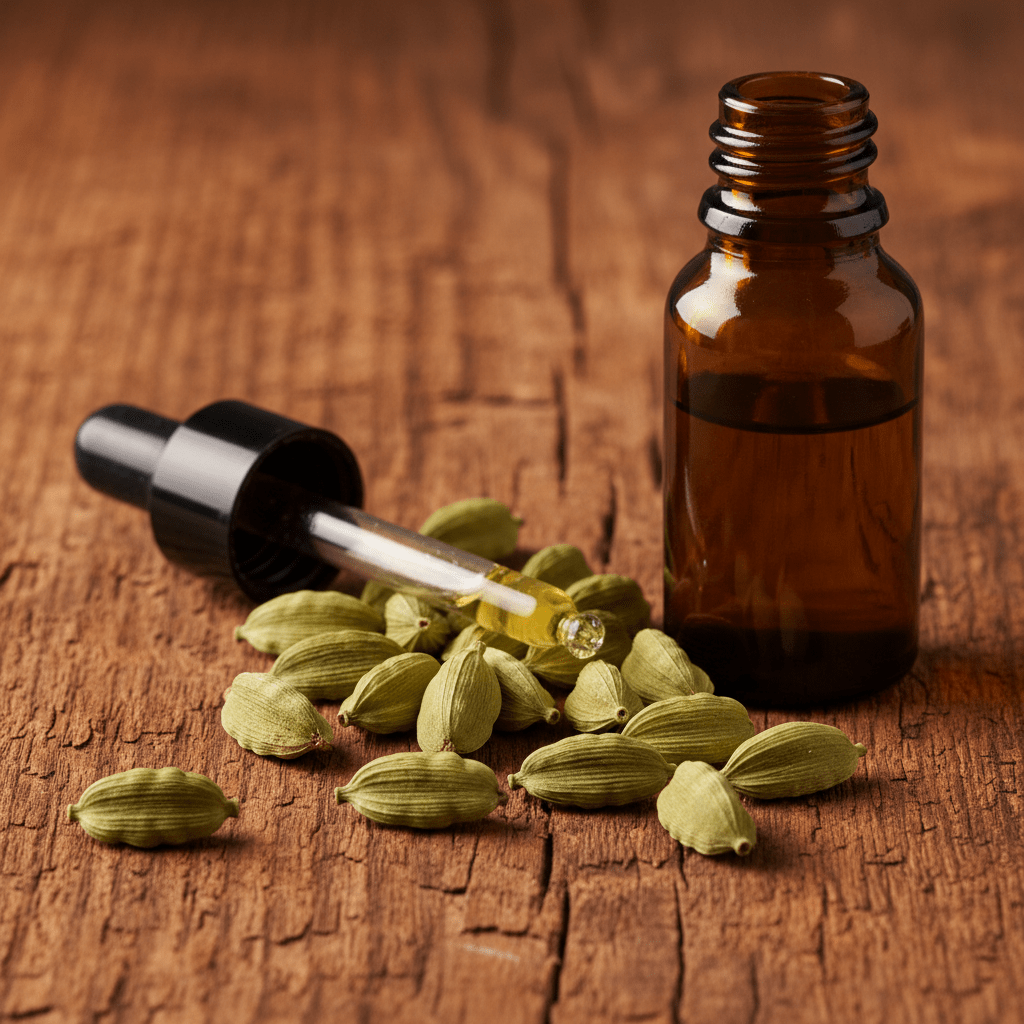
Unlocking the Perfect Blend: Finding the Best Carrier Oil for Cardamom
Have you ever opened a bottle of cardamom essential oil? It smells like a warm hug. It is spicy, sweet, and a little bit exotic. It really wakes up your senses. But this strong smell leads to a common question. Be honest, you have probably typed this into Google: what does cardamom essential oil blend well with?
Usually, you find lists of other smelly oils like orange or clove. But hold on a second. We need to talk about something else first.
You generally can’t put pure essential oil right on your skin. It is too strong. You need a base to mix it with. This is called a carrier oil. It carries the essential oil onto your skin safely. If you skip this step, you might hurt your skin instead of helping it.
Actually, cardamom oil is really powerful. It has special ingredients inside it that make it tingle. That is why diluting cardamom essential oil is a must. You want the cardamom essential oil benefits without the burn.
Lots of people are waking up to this. The market for cardamom oil is growing fast. In fact, it was worth over $31 million in 2024. Why? Because people are looking for natural answers for things like stress or skin issues. They want to know how to blend cardamom essential oil the right way.
We are going to make this simple for you. This guide isn’t just about smells. It is about safety and results. We will look at the best carrier oil for cardamom depending on what you need. Maybe you want sweet almond oil for massage or a light oil for your face. Or maybe you are curious about cardamom aromatherapy blends.
So, let’s stop guessing. We are going to find the perfect match for your oil. Let’s get started.
First, A Deeper Look at Cardamom Essential Oil
Let’s get to know the star of the show. Cardamom (technically Elettaria cardamomum) isn’t just that spice you use in chai tea. It is a powerhouse.
When you take the lid off, you don’t just smell “spice.” You get layers. It is warm and sweet, sure. But there are also these balsamic undertones—kind of like a soft, woody scent—that settle you down. It feels luxurious.

But why are people obsessed with it?
It’s not just the smell. Cardamom essential oil benefits cover a lot of ground.
- Mood Booster: Feeling sluggish? The scent is remarkably uplifting. It wakes up a tired brain.
- Breathing Easy: It has a refreshing quality that helps when the air feels stuffy.
- Tummy Support: This is a classic. People often reach for it to support digestion when things feel off.
Actually, the market for this oil is massive right now—valued at over $31 million recently. Why such a big number? Because people are shifting toward natural wellness solutions. They want oils that actually do something.
But here is the catch.
Cardamom is potent. I mean, really potent.
It contains natural chemicals like 1,8-cineole and terpinyl acetate. These are big words, but basically, they are the active ingredients that make the oil work. They also make it “hot” on the skin.
If you put a drop of pure cardamom oil on your arm, you might feel a burn or see redness. It’s spicy in the wrong way.
This is why diluting cardamom essential oil is non-negotiable. You can’t skip it. You need a buffer. That buffer is your carrier oil. It takes all that intense energy and spreads it out, making it safe for your skin to absorb.
Think of the carrier oil as the water in your lemonade. Without it, the lemon is just too sour to handle. With it? It’s perfect.
So, since we know we must mix it, let’s figure out which mixer is the best match.
The Criteria: How to Choose the Right Carrier Oil for Your Cardamom Blend
Okay, so we know we need to dilute. But you can’t just grab any bottle from your kitchen cabinet. I mean, you could, but you probably shouldn’t.
Finding the best carrier oil for cardamom is a bit like matchmaking. You want a partner that makes the cardamom shine, not one that tries to steal the show. If you pick the wrong one, you might end up with a greasy mess or a scent that smells weird.
Here is the checklist I run through before mixing anything. It saves me a ton of wasted oil and disappointment.
1. The “Sniff Test” (Aroma)
Cardamom smells amazing. It has those warm, spicy notes we talked about. This is the main event.
Some carrier oils have a really strong smell of their own. Have you ever smelled unrefined olive oil? It’s distinct. If you mix that with cardamom, you get a strange salad dressing smell. Not exactly the vibe we want for a relaxing massage.
For most cardamom aromatherapy blends, you want a carrier oil that is basically odorless. It should be invisible to your nose so the spice can do its job.
2. The Pore Factor (Comedogenic Rating)
Here is a nerdy word you actually need to know: Comedogenic.
It sounds complicated, but it just asks one question: Will this clog my pores?
Scientists actually rate oils on a scale from 0 to 5.
- 0: Won’t clog your pores at all. Safe for everyone.
- 5: very likely to clog pores. Stay away if you have acne.
If you are putting cardamom oil for skin on your face, stick to the low numbers (0-2). If it’s for dry heels or elbows, a higher number is usually fine.
3. How Fast Does It Sink In?
Are you making a face serum or a massage oil?
If you are making a serum, you want an oil that disappears fast. You don’t want to look shiny for hours. But if you need sweet almond oil for massage, you want it to stay wet and slippery on the skin for a while so your hands can glide.
4. Quality Matters (Go Cold-Pressed)
This is where many people get tricked. Cheap oils are often extracted using high heat or harsh chemicals like hexane. It gets more oil out, but it kills the good stuff—the vitamins and nutrients.
Look for “Cold-Pressed” on the label. This means the oil was squeezed out mechanically without high heat. It keeps the natural nutrients intact.
When you are learning how to blend cardamom essential oil, always start with high-quality ingredients. Your skin eats what you put on it, so feed it the good stuff.
Top 5 All-Purpose Carrier Oils That Blend Well With Cardamom
You really don’t need a closet full of different oils. Trust me, it gets overwhelming fast. Most experts (and regular folks like us) stick to a few reliable favorites that get the job done every time.
These five winners are popular for a reason. They are safe, easy to find, and they let the cardamom essential oil benefits really shine through.
1. Fractionated Coconut Oil (The Easy Choice)
This is often voted the best carrier oil for cardamom for beginners. Why? Because it stays liquid. Unlike the jar of coconut oil in your pantry that gets hard as a rock, this version has been processed to stay fluid and clear.
It has zero smell. This means when you mix fractionated coconut oil and cardamom, you only smell the spice. It’s light, absorbs fast, and won’t stain your favorite shirt.
- Best for: Roller bottles and on-the-go blends.
- Source: N-Essentials
2. Jojoba Oil (The Skin Twin)
Here is a cool fact: Jojoba isn’t actually an oil. It’s a liquid wax. It is almost identical to the oil your skin makes naturally (called sebum). Because of this, your skin drinks it up without freaking out.
If you are making a jojoba oil with cardamom blend for your face, this is the one. It balances oily skin and helps dry skin at the same time. It’s a win-win.
- Best for: Face serums and sensitive skin.
- Source: Shop Root Science
3. Sweet Almond Oil (The Massage Hero)
Got sore muscles? This is your go-to. Sweet almond oil for massage is legendary because it doesn’t soak in instantly. It stays on the skin just long enough to give your hands a good glide.
It is rich in vitamins A and E, which makes your skin feel soft, not sticky. Just skip this one if you have nut allergies.
- Best for: Full body massage and muscle relief.
- Source: Green Herbology
4. Avocado Oil (The Deep Drink)
Sometimes your skin is just thirsty. Like, really thirsty. Avocado oil is thicker and heavier than the others. It takes a while to sink in, but it delivers deep moisture. If you are using cardamom oil for skin on rough spots like knees or heels, this helps lock the hydration in.
- Best for: Very dry skin and winter blends.
5. Argan Oil (Liquid Gold)
This one is a bit pricier, but it feels like silk. It is packed with antioxidants. If you are making a fancy anti-aging blend or a gift for someone special, this elevates the whole experience.
- Best for: Luxury face oils and hair treatments.
When you pick your carrier, quality counts. You don’t want to mix your stunning cardamom oil with a carrier that’s full of junk. Companies like Aroma Monk are great for this because they provide lab-tested, pure oils. That way, you know exactly what you are putting on your body.
2. Jojoba Oil: The Skin Mimicker
You know how some oils just sit on top of your skin and feel greasy? Jojoba is different.

Actually, here is a fun fact: Jojoba technically isn’t an oil at all. It is a liquid wax.
Why does that matter? Because under a microscope, it looks almost exactly like the oil your skin makes naturally, which is called sebum.
Because of this close match, your skin recognizes it instantly. It drinks it up. If you have oily skin, Jojoba can actually trick your skin into thinking it has produced enough oil, so it stops making so much. It sounds backward, but it really helps balance things out.
This makes jojoba oil with cardamom a fantastic choice for facial blends.
Why it works:
- The Texture: It feels silky, not sticky. It leaves a soft satin finish.
- The Balance: It hydrates dry spots but doesn’t clog pores (it has a comedogenic rating of 0).
- The Protection: It is naturally packed with Vitamin E, which acts like a shield against daily damage.
When you are looking for how to blend cardamom essential oil for your face, this is the safest bet. The scent of Jojoba is very faint and nutty. It doesn’t fight with the cardamom; it just supports it.
Try this simple mix:
If you want to use cardamom oil for skin health, mix one tablespoon of Jojoba carrier oil with just one drop of cardamom. Use it as a night serum. The Jojoba carries the cardamom essential oil benefits deep into your pores, leaving your face feeling soft and refreshed by morning.
Get a quote from Aroma Monk.
Essential Oil Supplier – Bulk pricing • Samples • Fast response
3. Sweet Almond Oil: The Massage Therapist’s Choice
You know that annoying feeling when you try to rub a sore neck, but the lotion dries up in ten seconds? Your hands get stuck. It ruins the relaxation.
That is why pros love Sweet Almond Oil.

It is the king of “slip.” This just means it stays liquid and slippery on your skin for a long time. It doesn’t vanish instantly like other oils do. This gives you plenty of time to work that warming cardamom oil into your tired muscles without having to grab the bottle every five seconds.
If you are looking for sweet almond oil for massage, you are on the right track. But it does more than just help your hands glide.
It actually feeds your skin.
Sweet Almond Oil is naturally packed with Vitamin E and fatty acids. While you are massaging, the oil is softening rough patches and soothing dry skin. It feels rich, almost luxurious, but not heavy.
Plus, it is usually very affordable. If you plan on making a big batch of cardamom aromatherapy blends to keep in a jar by your bed, this is a budget-friendly base.
One Big Warning:
It comes from almonds. I know, obvious, right? But if you or someone you live with has a nut allergy, you need to skip this one completely. Don’t risk it. Use Jojoba or Apricot Kernel oil instead.## Specialty Carrier Oils for Targeted Cardamom Blends
We have covered the reliable basics. But sometimes, your skin needs a little extra VIP treatment.
If you are trying to fix specific problems, just grabbing any bottle won’t work. You might need help with fine lines. Or maybe you want to tame frizzy hair. This is where we switch things up.
Actually, cardamom has been a big deal for a long time. Even Cleopatra used cardamom scents in her daily rituals. Today, we can mix that ancient power with special oils to create targeted cardamom aromatherapy blends.
These pairings upgrade your cardamom essential oil recipes. They help you move beyond basic moisture to get real, specific results.
4. Argan Oil: The “Liquid Gold” for Your Hair
People call Argan oil “liquid gold.”
It isn’t just because it costs a bit more than your standard kitchen oils. It is because of what it actually does. Especially for your hair.
If you have ever fought with frizzy, dry ends or a scalp that feels tight, you know the struggle. You want moisture, but you don’t want to look like you dipped your head in a fryer.
This is where Argan oil shines. Literally.
It is rich enough to tame wild flyaways, but it doesn’t just sit there. It soaks in. It adds that glossy, healthy look without the greasy weight. Plus, it has a comedogenic rating of 0, meaning it won’t clog the pores on your scalp or cause breakouts around your hairline.
But why mix it with Cardamom?
This is the power couple you didn’t know you needed.
Cardamom essential oil benefits go beyond just smelling nice. It is a stimulating oil. When you massage it onto your head, it wakes things up. It encourages blood flow to the surface.
Think of it this way: Argan oil feeds the hair strands with vitamins, while Cardamom invigorates the roots.
If you are stuck wondering what to mix with cardamom essential oil for a restorative treatment, this is it.
How to use this blend:
- The Scalp Reset: Mix one tablespoon of Argan oil with 3 drops of Cardamom. Massage it deep into your roots for 5 minutes before you shower. It helps clear buildup and feels amazing.
- The End Mender: Put one pump of Argan oil and one tiny drop of Cardamom in your palm. Rub them together and smooth over your dry ends.
Since Argan is a luxury oil, quality really matters. You don’t want to pay high prices for diluted stuff. Places like Aroma Monk are great for finding pure options so you know exactly what is going onto your hair.
How to Create Your Blend: Dilution Ratios and Recipes
Okay, let’s get mixing. You don’t need a chemistry degree to do this. You just need a steady hand and the right numbers.
Mixing your own cardamom aromatherapy blends is actually pretty fun. It is like cooking—you start with a base, add your spice, and taste-test (well, smell-test) as you go.
But we need to be careful. Remember how we said cardamom is a “hot” oil? It contains potent stuff like 1,8-cineole that can irritate skin if you aren’t careful. Safety comes first.
The general rule from experts is simple: Start low. You can always add another drop, but you can’t take one out once it is in the bottle.
Here is a simple cheat sheet I use. I keep this taped to my bathroom mirror so I don’t forget.
The “Drop Count” Cheat Sheet (For a 1 oz bottle)
Most carrier oils come in 1 oz (30 ml) bottles. This makes the math easy.
| Usage | Carrier Oil Amount | Cardamom Essential Oil Drops |
|---|---|---|
| Face Serum (Sensitive Skin) | 1 oz (2 tablespoons) | 5–6 drops (1% dilution) |
| Daily Body Oil | 1 oz (2 tablespoons) | 10–12 drops (2% dilution) |
| Muscle Rub (Targeted Use) | 1 oz (2 tablespoons) | 15–18 drops (3% dilution) |
3 Simple Starter Recipes
Ready to make your first batch? Here are three reliable recipes that answer the question what does cardamom essential oil blend well with?
1. The Uplifting Facial Serum
This is great for tired, dull skin.
- Base: 1 oz Jojoba Oil
- Add: 5 drops Cardamom Essential Oil
- Why it works: Jojoba sinks in fast, and the cardamom gives your skin a healthy glow.
2. Warming Tummy Rub
If you ate too much pizza, this is your best friend.
- Base: 1 oz Fractionated Coconut Oil (FCO)
- Add: 15 drops Cardamom Essential Oil
- Why it works: FCO is light and spreads easily over your stomach area. Rub it in clockwise circles.
3. Soothing Massage Oil
Perfect for sore legs after a long walk.
- Base: 1 oz Sweet Almond Oil
- Add: 12 drops Cardamom + 5 drops Sweet Orange (optional)
- Why it works: The almond oil stays slippery for a long massage, and the scent is super relaxing.
When you are making these, quality really matters. If you use a cheap oil that smells like chemicals, it ruins the whole experience. That is why I usually grab my oils from Aroma Monk. They test everything in a lab, so I know I am getting pure, safe ingredients for my family.
Your Perfect Cardamom Blend Awaits
We have covered a lot of ground here. But don’t let all these options scare you off.
The truth is, there isn’t just one right answer to what does cardamom essential oil blend well with. It really depends on what you need right now.
Are you stressed and need a mood boost? Or is your skin feeling dry and patchy?
- If you want cardamom oil for skin on your face, stick with Jojoba or Argan.
- If you need to relax tight muscles, grab that sweet almond oil for massage.
- If you just want a quick, easy dilution for a rollerball, go with Fractionated Coconut Oil.
Feeling stuck? Start here.
If you are staring at your bottles and don’t know what to do, try this beginner mix. It is basically foolproof:
The “Do-It-All” Blend:
- Base: 1 oz (2 tablespoons) of Jojoba Oil
- Essential Oil: 12 drops of Cardamom
Shake it up and use it as a body oil after your shower. You will get those cardamom essential oil benefits—warmth, spicy scent, and soft skin—without any complicated math.
Remember, mixing cardamom aromatherapy blends is supposed to be fun, not stressful. You are allowed to experiment. You might find you love a mix that isn’t on any list.
Just make sure you start with good ingredients. Your blend is only as good as the oil you put in it. That is why sourcing from trusted places like Aroma Monk matters—you get pure, lab-tested oils that are safe for your skin.
So go ahead. Open that bottle. Your perfect blend is waiting for you.
Get a quote from Aroma Monk.
Essential Oil Supplier – Bulk pricing • Samples • Fast response